
Podcast
MS-Selfie
Hosted by Gavin Giovannoni · EN
22episodes
Episodes
Newest firstAll episodes

Christmas 2025
Dec 2400:10:52Tap to summarize24th December 2025, Byfield, NorthamptonshireMary lives alone. Her husband has long departed; he filed for a divorce and left the marital home more than a decade ago when Mary had to stop working. Mary has two daughters who have both fledged. Charlotte, her oldest, works in London and is living with her boyfriend. Elizabeth, the youngest, is currently living and working in Sydney, Australia, after finishing University. Charlotte, who calls Mary every day, would now only be visiting on the 28th of December. She informed her mother weeks ago that she would be spending Christmas with her boyfriend’s family in Dorset this year. Mary’s parents are both deceased, and her brother and sister live in Scotland. As a result, Mary would be spending Christmas alone again this year - almost alone.Carolotta, her Italian carer, will visit twice on Christmas Day. The first visit will start at 8.30 am on Christmas morning to help Mary get out of bed, empty her catheter bag, and wash and dress her. Carolotta will then push Mary in her wheelchair from the bathroom to the kitchen for breakfast. Breakfast would likely be a bowl of Quaker Oats So Simple from a sachet, mixed with milk and heated in the microwave oven.After breakfast, Mary will take her medications under Carolotta’s watchful eye, who will then push Mary in her wheelchair into the lounge and help transfer her into her reclining chair in front of the TV. Mary spends most of the day watching daytime TV or listening to the radio. She frequently complains about the poor quality of TV on the BBC, claiming that there are too many repeats. Mary had to recently cancel her Netflix subscription because she couldn’t afford it on her meagre living allowance. Maybe one of her daughters will renew the subscription as a Christmas present.Mary has persistent double vision from a neurological episode that happened more than a decade ago. If she watches TV, she has to cover one eye with a frosted lens using her reading glasses. She finds this tiring, and now prefers listening to the radio. She finds reading difficult, but has adapted by listening to audiobooks. Saying that she finds it difficult to find and download free audiobooks onto her mobile phone. Charlotte helps whenever she visits. As Charlotte hasn’t been to see her for several months, Mary has run out of audiobooks.Carlotta brought her daughter to visit last Saturday to decorate Mary’s artificial Christmas tree. Sadly, there are no presents under the tree this year. Mary is not expecting any family or friends this Christmas. On the table next to the Christmas tree are six Christmas cards. In the past, when her daughters were young, and Mary was still working as a teacher in the local primary school, they used to get over 100 cards every Christmas. All Mary’s pupils and colleagues would give her a card. Mary recalls how she used to string the cards above the fireplace in multiple rows. A boast about how socially connected she was by the sheer volume she had on display. How times have changed.Mary is only just able transfer herself back into the wheelchair from her reclining chair using a monkey rope attached to the wall. She only does this if she wants to have lunch or go to the bathroom. As she finds it exhausting getting up by herself, she tends to miss lunch. Her kitchen has been adapted so she can access the fridge and countertops from her wheelchair. These days, when she eats, she mainly eats ready meals warmed in the microwave. Carolotta kindly fills a flask with tea each morning and puts it on the table next to Mary. This allows Mary to have warm tea without risking using the kettle and pouring boiling water over herself. Mary has noticed increasing weakness in her dominant right hand, with worsening coordination and tremor. As a result, she finds the kettle too heavy to lift.Carlotta will visit on Christmas Day at about 4.30 pm to make sure Mary has a light dinner. Carolotta will then take Mary to her bedroom, undress her and get her ready for bed. Carolotta’s evening visit will be rushed and short. She is on call for the agency she works for and has three other residents in the village to see as cover for her colleagues who have Christmas off this year. Carlotta will want to get back home to spend the evening with her family. Despite this, the rushed evening visit on Christmas Day will be slightly different to other evening visits. Carlotta will bring Mary a serving of Christmas pudding with brandy butter, the same as last year. A kind gesture that someone cares and a simple reminder that Christmas Day is special and different from the other 364 days of the year.You have probably realised by now that Mary has MS. She was diagnosed 34 years ago. She is now in her late fifties and lives alone. She has a paraparesis with worsening hand and arm function. She is socially isolated, lonely, and vulnerable. People in her village look out for her; she is known as the woman with MS. The owner of the local Co-op delivers groceries once a week, but sadly, she has no friends or other visitors from the village. The few friends she has are mainly colleagues from when she still worked, who live some distance from her. They rarely visit, and they call her infrequently. On top of being alone, Mary is finding it increasingly difficult to make ends meet on her meagre allowance. Mary is beginning to realise that it won’t be long before she will have to move into a nursing home. May be Christmas’ are merrier in care homes - at least Mary will have company and have the luxury of eating a Christmas meal.Some of you may recognise Mary’s predicament. Many people with MS live alone and will be lonely this Christmas. An MS Society national survey that was done several years ago showed that three out of five people with MS self-report as being lonely. This figure is staggering when you consider the fact that loneliness kills. This is why the NHS has a “Better Lives: Every Mind Matters” loneliness resource to help people who feel lonely. It covers feeling lonely, advice for loneliness, support for loneliness, and finding support.Having MS makes loneliness worse. MS is a very stigmatising disease that, given sufficient time, at least in the pre-disease-modifying therapy era, causes most pwMS to become disabled. Associated with this disability are the well-documented complications of unemployment, the breakdown of personal relationships, depression, anxiety, cognitive impairment, fatigue, loss of quality of life and, tragically, an increased suicide risk. As a result of these factors, pwMS are at a high risk of becoming socially isolated and lonely.Numerous studies have shown that loneliness can be explained by employment status, marital status, upper extremity function, social disability and physical disability. Mary is a typical example with all these risk factors. Not surprisingly, other correlates of loneliness included depression, cognitive fatigue, psychosocial fatigue, poor quality of life and suicidal ideation and suicide. We can only wonder if Mary has any of these other cofactors.Loneliness is a modifiable social determinant of health and is associated with poorer health outcomes. It therefore needs to be identified and managed as part of the holistic management of MS. This is part of my marginal gains philosophy for managing MS.“If we break down everything we can think of that goes into improving MS outcomes, and then improving it by 1%, we will get a significant increase when we put them all together.”I suspect Mary has many modifiable factors to improve her quality of life. What can we do about it? The NHS’s “Better Lives: Every Mind Matters” resources, NHS link workers, social prescribing, and self-management are just some of the tools to tackle loneliness and social isolation. We, Barts-MS, unsuccessfully tried to secure funding to set up a programme we provisionally called ‘Teaching people with MS how to Fish’. The choice of title was based on Lao Tzu’s teachings, the Chinese philosopher and founder of Taoism, who said, “Give a man a fish, and you feed him for a day. Teach him how to fish, and you feed him for a lifetime.”Connecting people increases their social capital, i.e. the size of their social network, which improves health outcomes. If you are spending Christmas alone, there are things you can do. If you are religious, reconnect with the true meaning of Christmas and try to attend a Church service, either in person or via TV, radio, or online. Pick up the phone and call people; friends, family or one of the many charitable organisations that provide telephone companions. Watch Christmas TV. Listen to Christmas carols. Have a Zoom lunch, dinner or drink with someone who is also alone. If you can practice mindfulness, please do. Get out if you can for exercise and fresh air. Make sure you fill your day with as many activities as you can.I was impressed and grateful to receive an email from an MS-Selfie subscriber explaining that, during lockdown, she took part in a poetry-writing initiative started by someone with MS. The poems are about the lived experience of MS. The book is available online and will be in print shortly. The poetry project aims to help HCPs and ...
Transcribe →
Treating mono: will it become a reality?
Dec 2300:10:12Tap to summarizeIf you are a regular MS-Selfie reader, you will know that I am a proponent of the Epstein-Barr virus (EBV) theory of multiple sclerosis (MS). I am convinced that EBV is the cause of MS. EBV is necessary but insufficient for the development of MS. Put simply, people who are EBV negative don’t get MS. This observation underlies the hypothesis that an EBV vaccine can prevent MS. I am happy to report that several vaccine companies are developing EBV vaccines, so this question about primary MS prevention will hopefully be answered in the next 10-20 years.It is now time for the next experiment on the EBV-related prevention strategy.As you know, I have taken partial retirement to focus on MS prevention. The second hypothesis is based on the observation that a history of symptomatic EBV infection or infectious mononucleosis (mono) is a more substantial risk factor for MS than asymptomatic EBV infection. People with a history of mono have, on average, double the risk of getting MS compared to people without a history of mono. This is why we need to focus on what is happening to the immune system during mono to determine which changes lead to MS.Please note the case for targeting mono with a vaccine goes beyond MS prevention.Mono is often described in medical texts as a benign, self-limiting viral infection. However, as with most infections, mono can be severe and associated with significant morbidity and mortality in addition to the potential delayed complication of developing. A minority of people with acute mono have to be admitted to a hospital with complications. These include pharyngeal and/or upper airway obstruction, difficulty swallowing and dehydration. Other complications include meningoencephalitis, haemolytic anaemia, thrombocytopaenia, neutropaenia, haemophagocytic syndrome, myocarditis, hepatitis, pancreatitis, pericarditis, pneumonitis, conjunctivitis, splenic rupture, Guillain-Barré syndrome, cranial neuritis, transverse myelitis, brachial neuritis and chronic fatigue syndrome (CFS). Approximately 3-5% of patients diagnosed with chronic fatigue syndrome have a history of recent mono, and about 10% of patients with documented mono develop CFS.Children typically miss 1 to 3 weeks of school due to mono and its sequelae. Most children are too ill to attend school during the first week of mono. They begin to feel better in the second week and may be able to return to school with some restrictions; however, they remain contagious and should avoid close contact with other students for the first two weeks. By the third week, most school children are no longer infectious and can return to school without restrictions. However, many children experience lingering fatigue for several weeks or months after the initial infection, which impacts school performance. Participation in contact sports is not recommended for at least three weeks after mono due to the potential risk of splenic rupture. Approximately 30% of university students experience mono, and about 1 in 8 must retake a year of studies. Persistent fatigue after mono impacts university performance.The risk of splenic rupture post-mono prevents students and athletes from playing contact sports and military recruits from participating in physical training. In the U.S. military, mono has been shown to reduce operational readiness, as each patient with mono is unable to perform duties for at least 2 weeks following infection.Therefore, from a medical and socioeconomic perspective, it could be argued that preventing or treating acute mono represents an unmet medical need. Preventing mono with a vaccine or treating it with effective antivirals to reduce the duration and severity of mono would reduce the acute and chronic complications of mono itself and, potentially, EBV-associated autoimmunity and malignancy.Immunologists currently favour molecular mimicry to explain how EBV may cause MS. Arguably, the most well-documented infectious agent to trigger autoimmunity is group A beta-haemolytic streptococcus (strep) or Streptococcus pyogenes. It is the established cause of acute rheumatic fever (acute rheumatic fever), Sydenham’s chorea, glomerulonephritis, arthritis and vasculitis. We therefore hypothesise that EBV drives MS disease activity, as strep infection drives attacks of acute rheumatic fever.The first attack of MS is asymptomatic in the majority of people who develop MS and is likely to occur relatively soon after primary EBV exposure. MS manifests later, when a subsequent attack or lesion forms in a pathway that results in neurological symptoms. This explains why most people who develop MS have pre-existing old white matter lesions on their brain MRI when presenting with their first clinical attack. EBV differs from strep because it establishes a latent infection that reactivates intermittently. This intermittent asymptomatic reactivation of EBV (latent-lytic cycling) likely drives MS disease activity.In contrast, strep tends to cause repeated symptomatic infections. However, asymptomatic colonisation with strep is associated with elevated anti-streptolysin (ASO) titres (antibodies against a strep protein) and other serological markers of strep infection. Similarly, people with MS have increased titres and responsiveness to a broader array of EBV epitopes in their antibody and T-cell repertoires compared to healthy controls, supporting the latent-lytic cycling hypothesis as the driver of MS disease activity. It is the latent-lytic cycle that acts as a booster, increasing antibody levels and the number and diversity of T cells.The emergence of antibiotics to treat strep pharyngitis or tonsillitis was associated with a rapid decline in the incidence of acute rheumatic fever. Observational data, rather than randomised controlled trial data, demonstrated the primary link between strep infection and acute rheumatic fever. Randomised controlled trials were only conducted much later to prove that secondary antibiotic prophylaxis in patients with a prior episode of acute rheumatic fever could prevent recurrent attacks and the chronic sequelae of rheumatic fever.If EBV infection triggers MS attacks in a similar way to how strep causes attacks of acute rheumatic fever, then treating acute mono with effective antiviral therapies may prevent MS and other EBV-associated conditions. An effective antiviral treatment for mono would be considered a primary prevention measure. With acute rheumatic fever as the analogy, this concept could be further extended to the treatment of established MS. Treating patients with MS continuously or prophylactically with EBV antivirals over the long term may prevent further attacks and the chronic sequelae of MS, i.e., EBV antivirals could be used as a secondary prevention measure. Arguably, this is how currently licensed MS disease-modifying therapies and some experimental therapies work, by targeting memory B-cells where latent EBV resides.We hypothesise that treating mono with an effective antiviral will reduce EBV viral loads and the aberrant immune response induced by EBV during mono. This may prevent the immunological events that lead to MS, analogous to treating pharyngitis due to strep with penicillin or other antibiotics to prevent acute rheumatic fever.To test the EBV-mono/MS hypothesis, we need to develop effective treatments for mono. Once antiviral therapies are licensed for treating mono, and they are widely adopted in clinical practice, we could use population registries to track the impact of this treatment intervention on the incidence of MS and other EBV-related disorders.Studying mono is proving more difficult than I thought. This is based on changes to medical practice induced by COVID. Many people presenting with a sore throat are not seen face-to-face by doctors, and very few receive tests to diagnose the specific cause. Many patients are now managed remotely, and many see their local pharmacist. This means that many people who have mono are not being treated appropriately; they are inappropriately prescribed antibiotics to cover strep. Antibiotics are prescribed to cover strep and prevent the development of post-streptococcal-associated autoimmune disease. The good news is that we will change this practice and have put in place a pathway to diagnose both strep sore throats and mono, in the hope of studying them to see if we can find an immunological signature associated with autoimmunity, and then try to prevent this signature with an antiviral that targets EBV.If this study is successful, we hope to secure funding for a large, multicentre randomised controlled trial to develop a treatment for mono. If anyone from the pharma industry is reading this newsletter, can I urge you to consider creating new antiviral drugs to target EBV? There is a large market, and there is a good chance that such a treatment will profoundly impact post-mono autoimmunity. If such a therapy gets licensed, it will provide a reason for primary care HCPs to diagnose and treat mono. If our hypothesis is correct, we would then see a gradual decline in the incidence of new cases of MS and other EBV-associated autoimmune diseases. Wouldn’t that be amazing?Now that we have the diagnostic pathway set up for strep sore throats and acute mono, we would be interested in whether you would be willing to participate in the studies we propose. If you have time, we would greatly appreciate it if you could watch this short video that explains our studies and then complete a brief online survey. This would take about 2-3 minutes to complete. The survey results will then be used to support our ethics application for the proposed studies. Thank you for being so supportive; we would be able to do this kind of...
Transcribe →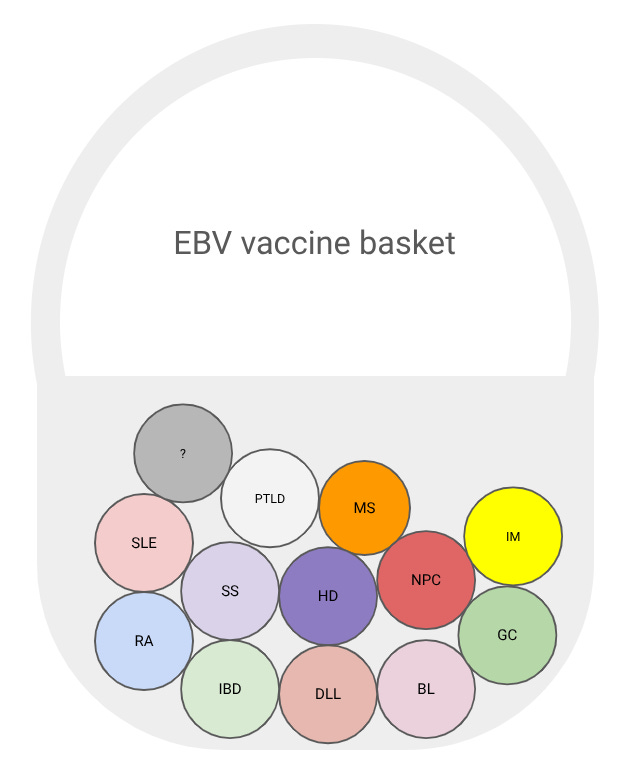
Preventing multiple sclerosis by vaccination
Jan 22, 202500:21:25Tap to summarizeMy prediction is that we will prevent multiple sclerosis (MS) by accident, i.e. as a secondary outcome to a broader public health intervention.Many stakeholders think we can run a randomised controlled EBV vaccination trial in a high-risk cohort to prevent MS. This is not feasible. Firstly, the incidence of MS is relatively low; therefore, you would need a large study (approximately 10,000 EBV-negative subjects) to capture enough events, i.e. people developing MS, in a relatively short period (People at high risk of MSPolygenic risk scores and other biomarkers of MS risk are not sensitive and specific enough to enrich clinical trials. A pragmatic way to identify a high-risk cohort is to recruit first and second-degree relatives who are approximately 10 times more likely to develop MS than the general population. However, these high-risk subjects would need to be recruited early, that is, as infants, before EBV exposure to maximise the power of the trials. We have shown that by 10 years of age, over three-quarters of children in the UK are already EBV seropostive. In addition, the average onset of MS is close to 30 years of age, with less than 3% of people developing MS before the age of 16, the age of consent for clinical trials. Therefore, an EBV vaccine trial in a high-risk cohort will take decades. I will be long gone, i.e. deceased, by the time this sort of trial reads out. I want to see MS prevented in my lifetime.Similar arguments can be made for other delayed EBV-associated diseases. These include other autoimmune diseases (systemic lupus erythematosus or SLE, rheumatoid arthritis, Sjogren’s syndrome, primary biliary cirrhosis, and inflammatory bowel disease) and EBV-associated cancers (Hodgkin, diffuse B-cell, Burkitt, CNS and other lymphomas, nasopharyngeal carcinoma and gastric cancer). Dare I suggest we design a basket study to catch all these diseases?Targeting infectious mononucleosisYears ago, I realised that we need to get an EBV vaccine licensed to prevent infectious mononucleosis (IM), which needs to be adopted as a public health intervention at a population level. We can then collect real-world data via a registry to see what happens to the incidence of a basket of diseases in people who have been vaccinated and those who choose not to. To address safety concerns, we have suggested doing this study on 12 to 13-year-old adolescents before the peak in the incidence of IM. This occurs at 12-13 in girls and 15-17 in boys. This three-year gap in the peak of IM between girls and boys is because girls mature earlier than boys and start kissing earlier. EBV is mainly transmitted via saliva; hence, it is called the kissing disease. The target age of 12-13 is the same age that HPV vaccination is given; therefore, it will be easier to implement an EBV vaccine nationally by piggybacking the EBV vaccine onto the HPV vaccine. Once an EBV vaccine is shown to be relatively safe in adolescents, it could be moved to an earlier age group to try and vaccinate the majority of children before EBV exposure.I am aware that about 80% of adolescents aged 12-13 are already EBV seropositive and hence may not need the vaccine. However, as latent-lytic cycling of EBV may underlie the pathogenesis of MS, boosting immunity to EBV with a vaccine may reduce lytic infection and hence reduce the incidence of MS or EBV-associated diseases. A good analogy here is Shingrex, a varicella-zoster virus vaccine given to adults likely to be VZV seropositive from having chickenpox in childhood to minimise the risk of getting shingles.Did you know that recent data has shown that adults who have had the Shingrex vaccine may be at lower risk of developing dementia? The mechanism behind this is unknown, but if this finding is causal, i.e., if Shingrex reduces the incidence of Alzheimer’s disease (AZD), it will tell us something about the pathogenesis and cause of AZD. There is a literature linking herpes viral infection to AZD.The good news is that a gold rush is happening with several big pharma companies developing EBV vaccines to prevent IM. Let us assume one of the companies can get regulatory approval and marketing authorisation for their EBV vaccine to reduce the incidence and potential severity of IM. Will public health officials and governments adopt the vaccine nationally, find the resources to pay for the vaccine, and set up real-world registry studies to see if downstream diseases such as MS, SLE and Hodgkin's disease are prevented? I am not sure. Vaccine uptake by governments is generally slow and, potentially, even slower considering the backlash after the rapid rollout of the COVID-19 vaccine, the rise in the influence of the anti-vaccine lobby and the recent problems with the respiratory syncytial virus (RSV) and rotavirus vaccines.Governments and individuals, in particular parents, will need convincing. We should start by challenging the medical dogma that IM is a benign self-limiting disease. IM is an unpleasant disease associated with significant short and long-term morbidity and mortality. Using NHS hospital statistics for England, the incidence of acute IM needing admission is estimated to be 108 per 100,000 of the population annually. In other words, over 60,000 patients with acute IM are admitted to NHS hospitals in England each year and spend, on average, 3-4 days in the hospital. Assuming this applies to the UK, we estimate that IM consumes over 250,000 NHS inpatient days annually. This is likely underestimated, as IM follows a latitudinal gradient and is more common in Scotland and Northern Ireland than in England. Hence, extrapolating English figures to the country's north will underestimate NHS admission rates.Complicated IMPeople with IM are typically admitted with complications, in particular, throat and upper airway obstruction, difficulty swallowing and dehydration. Then, there are the acute complications associated with IM that often need admission. These include meningoencephalitis, haemolytic anaemia, thrombocytopaenia, neutropaenia, haemophagocytic syndrome, myocarditis, hepatitis, pancreatitis, pericarditis, pneumonitis, conjunctivitis, splenic rupture, Guillain-Barre syndrome, cranial neuritis, transverse myelitis, brachial neuritis and chronic fatigue syndrome (CFS). Yes, about 3-5% of patients diagnosed with CFS have had recent IM.Schoolchildren typically lose 1-4 weeks of schooling due to IM and its sequelae. Up to 30% of University students get IM, and about 1 in 8 must re-do a year of studies. A similar story plays out in the military. Between 2002 and 2018, there were 23,861 cases of IM in the US military, which is an incidence of 104.2/1,000 patient-years. This worked out to 44,606 total medical encounters, 4,189 hospital bed days and 2,797 weeks/yr of lost duty time. Military recruits who have IM are forbidden from doing any physical exercise for 8 weeks to prevent splenic rupture. In some countries, this period of inactivity is increased to 12 weeks. Then, there are the elite athletes who can’t compete for months and rarely years after IM. Outbreaks of IM amongst athletes often occur in sports camps. I hope you understand that IM is not a pleasant disease.The case for an EBV vaccine to prevent IM is a no-brainer. Do you agree? However, the vaccine needs to be shown to be cost-effective, and the rub is herein. A national EBV vaccine programme is particularly compelling if it may reduce the long-term sequelae of EBV. I anticipate big pharma companies trying to price the latter into their products. The price based on a cost-benefit analysis to prevent IM alone will be relatively low compared to a vaccine that prevents MS, other autoimmune diseases, and potentially several cancers.United Kingdom and the NHSThe UK should take the lead on this. Despite having the NHS and its record-keeping systems to do these studies, we are not large enough as a country. Some preliminary power calculations suggest we need between 210,000 and 300,000 EBV-negative adolescents to answer the question on MS prevention. If only 20% of adolescents are EBV-negative, then we will need 1.0-1.5 million adolescents to be enrolled in the study to answer the question in 5-7 years. This is why MS prevention is so hard; it needs to be a global effort.What needs to be done? We need to hold a multi-disease stakeholder meeting around EBV-associated disease prevention, not just MS prevention but all of the potential diseases I have mentioned above. Let us assume we get a vaccine licensed to prevent IM. What needs to be done to get public health officials to adopt the vaccine as a public health intervention? Do we need a preemptive policy initiative, including economic modelling, to convince public health officials to adopt an EBV vaccine? How do we get a licensed EBV vaccine rolled out nationally and collect high-quality data to show that the vaccine is reducing the incidence of a basket of EBV-associated cancers and autoimmune diseases? In addition, an effective EBV vaccine may reduce the incidence of post-transplant and immunosuppressive lymphoproliferative diseases. Is there a national register for these diseases? Can we use the same registries or reporting structures that are in place for cancer survei...
Transcribe →
Dithering neurologists
Jan 13, 202500:22:26Tap to summarizeI have written about uncertainty and how it affects the minds of people with chronic diseases such as MS (please see ‘Uncertainty associated with MS: are you comfortable with it?’, 20-Apr-2024).Uncertainty has a dark underbelly, and unless you can come to terms with it, it will paralyse you with rumination and intrusive thoughts about what life would be like if only this or that happened. I have seen too many of my patients succumb to this problem whilst others come to terms with what has happened to them and get on with their lives. I urge you to try and embrace the latter. For example, the following are some questions you may have about your MS:* Why did it take so long for my general practitioner or neurologist to take my symptoms seriously?* Why did it take so long to be diagnosed with MS?* Would an earlier diagnosis of MS have made a difference to my outcome?* Why are there no reliable prognostic calculators for people with MS to know what is going to happen in the future?* Will I have benign MS and not have any disabilities when I am older?* Will I become disabled and need a wheelchair in the next 15 years?* Will MS affect my cognition and prevent me from being able to work?* If I start on a low-efficacy DMT, will it mean I won’t do as well if I switch to a high-efficacy treatment in 5-10 years?* If I have AHSCT, will I be cured?* If I start on an anti-CD20 therapy, will I recover function?* I have smouldering MS; if I start tolebrutinib, will my physical functioning improve?* …….Uncertainty underlies the potential answers to all of these questions. Although uncertainty surrounds us, the human brain deals poorly with it. A field of science deals with uncertainty, which some call the ‘science of uncertainty’ and deals with different concepts depending on the context. The following are some of the issues around uncertainty and the practice of medicine. I suspect many of you have been ‘victims’ of uncertainty without necessarily knowing about it.Uncertainty as a core component of the scientific and medical process1. Measurement Uncertainty:All measurements in neurology and medicine have inherent uncertainty due to the limitations of the neurological examination and our diagnostic tests. In addition, there is human error and variability in the measured neurological phenomena. Clinicians rarely quantify this uncertainty and report it alongside their findings. How confident are they that the neurological examination is normal, and is that white matter abnormality on MRI non-specific, or could it be the first sign of multiple sclerosis? If your initial MRI was passed off as normal despite having non-specific white matter lesions, you may not realise that you fell into this grey zone of diagnostic uncertainty.2. Statistical Uncertainty:When analysing data, we use statistical methods to estimate the range of possible values for a quantity and the confidence level associated with that estimate. There is always a chance that a so-called positive finding is a false positive, and sometimes a normal or negative finding is a false negative. This is why the sensitivity and specificity of tests are so important and give us confidence that what we are measuring is likely to be correct. No neurologist can be 100% sure about a diagnosis of MS or saying you don’t have MS, i.e. not diagnosing MS. They rarely tell you about their uncertainty, and it is even rarer for them to provide figures of how likely they are to make a diagnostic error.3. Natural Variability:Many natural phenomena are inherently variable, making it difficult to predict their exact behaviour. This can apply to neuroradiological findings. Many aspects of neurological function, its measurement and the impact of disease on these attributes are fundamentally uncertain, meaning their outcomes cannot be predicted with certainty. This explains why decisions in medicine can seem so variable and depend on who you see and may even depend on their cultural background. For example, if you have MS in Sweden, you are likely to get a different decision about the treatment of your MS compared to if you live in Denmark. This variability even happens at a local level. For example, one MS centre in London may have a very different way of treating MS compared to another. Even within centres, one neurologist may give you different advice than their colleague working in the same centre. The general public rarely gets exposed to this side of medical practice. This variability also applies to diagnosis. One neurologist may be prepared to diagnose MS when the diagnostic certainty is 70%, and another would prefer to wait until something happens to improve their diagnostic certainty to above 90%. I know many of you find this variability in medicine unacceptable.Decision theoryDecision theory is the field that studies how to make optimal decisions in the face of uncertainty. Sadly, decision theory is not taught in medical school—at least not in my medical school, and I am not aware of it being taught in my current medical school where I work. I think this is a mistake.Clinicians need the skills to do clinical risk assessments in near real-time. If they make a premature diagnosis of MS based on insufficient data, what are the consequences for the patient and their reputation? The general population think the diagnosis of MS is black and white. It is not. It is rather grey and may get greyer when the new MS diagnostic criteria are implemented. In general, neurologists prefer to err on not making a diagnosis of MS when they are not sure. If you are diagnosed with MS in the future, it is because, with time, the diagnosis of MS declares itself. This does not mean the neurologist was negligent; he or she was likely to be uncertain when you first presented.Could diagnostic uncertainty or diagnostic dithering be considered medical gaslighting? Yes, this would have been gaslighting if the correct interpretation of symptoms or ignoring a patient’s questions had led to further investigations and an earlier diagnosis. And possibly not if interpreting and investigating those symptoms would not have changed the diagnosis in terms of fulfilling the MS criteria for dissemination in time and space. Gaslighting can be subtle; if, for example, the neurologist didn’t acknowledge and validate a patient's symptoms, then this is a form of gaslighting. The ‘science of uncertainty’ encompasses understanding and managing uncertainty in clinical practice, medical research, and medical decision-making. It involves quantifying uncertainty, analysing its sources, and developing strategies to cope with it and communicate it to people with diseases. Much needs to be done concerning the latter. Many of you email me with issues that could be avoided with a better understanding of uncertainty.Some think AI and large-language models (LLMs) will resolve diagnostic uncertainty. I doubt it will. While AI may make diagnostic algorithms more efficient and include more data, uncertainty will always exist. An example that is relevant to MS is MS prognosis.Prognostic profilingHow many of you want to know your prognosis, e.g. what are my chances of needing a walking stick in 10 years, given my current state? For the pre-DMT era, I could give you an answer based on natural history data. The average time needed for a walking stick from symptom onset was about 17 years, which means 50% of pwMS needed a walking stick in less time than this, and in the other 50%, it took longer than 17 years or not at all. Don’t forget that about 15% of pwMS in this pre-DMT era never needed a walking stick.A question worth asking is, “How many people who don’t have MS end up needing a walking stick due to ageing?” Data from the 2011-2012 National Health and Aging Trends Study estimated that 15.9% of people aged 70-74 used a cane. This number increased with age, reaching 50.1% for those aged 85-89 and 70.6% for those 90 and older. Therefore, ageing and its effects on physical functioning must be considered when predicting MS outcomes. I have given many talks about MS prognosis and include the following poor prognostic factors on the list. You can add up how many you have on the list. The question is whether this will help you manage your MS.* Age of onset >40 years* Male sex* Ancestry - Afro-American, Afro-Caribbean, African, South Asian, Asian* Multifocal disease onset* Motor involvement* Cerebellar involement* Bladder dysfunction* Bowel dysfunction* Cognitive involvement* Residual disability after your first attack* Progressive worsening* Diagnosis of primary or progressive MS* Ability to improve cognition (learning on the PASAT test)* Partial or no recovery from any relapses* More than two relapses in the first 2 years* An EDSS ≥ 3.0 within 5 years of diagnosis* High baseline MRI ≥ 9 T2 lesions* Gd-enhancing lesions on baseline MRI scan* Posterior fossa lesions (brain stem or cerebellum)* Spinal cord lesions* Two or more paramagnetic rim lesions or PRLs* Brain atrophy on MRI* Advanced brain age* Retinal thinning on OCT* Locally synthesised OCBs (oligoclonal IgG bands) in your spinal fluid* Raised neurofilament levels in your spinal fluid or blood* Low vitamin D levels* Smoker* Diabetes or prediabetes* Hypertension* Hypercholesterolaemia* Obesity* Failed a platform or low-efficacy DMT...
Transcribe →
Merry Christmas
Dec 24, 202400:06:04Tap to summarizeStopping by Woods on a Snowy Eveningby Robert Frost, 1923Whose woods these are I think I know.His house is in the village though;He will not see me stopping hereTo watch his woods fill up with snow.My little horse must think it queerTo stop without a farmhouse nearBetween the woods and frozen lakeThe darkest evening of the year.He gives his harness bells a shakeTo ask if there is some mistake.The only other sound’s the sweepOf easy wind and downy flake.The woods are lovely, dark and deep,But I have promises to keep,And miles to go before I sleep,And miles to go before I sleep.This is one of my favourite poems, which always reminds me of Christmas. So I hope you don’t mind me sharing it with you. The miles to go before I sleep is about a life unfinished; in my case MS research to be completed.I studied this poem in high school with a teacher who, in retrospect, was a very inspiring woman. She made me curious about things other than science and encouraged me to look for deeper meanings and hidden gems. She wasn’t focused on outputs, such as exam results, and got joy from hearing about how much we enjoyed reading a particular book. She gave me extra-curricular reading lists, which I devoured during holidays and weekends. One of our set books was The Great Gatsby. We spent a week of lessons with her just studying and debating the final two paragraphs. The haunting beauty of reading Fitzgerald’s prose is nostalgia at its best.“Gatsby believed in the green light, the orgastic future that year by year recedes before us. It eluded us then, but that’s no matter—tomorrow we will run faster, stretch out our arms farther. . . . And one fine morning——So we beat on, boats against the current, borne back ceaselessly into the past.“Are these closing paragraphs about hope and resilience or giving up? For me it is about the fight to make a difference, to be heard and to hope for a better future. A future free of multiple sclerosis?I heard on BBC Radio 4 this morning that more people in Britain will be spending Christmas alone this year than in any year in the past. This surprised me as I thought Christmas 2020 would have been the worst because of lockdown. That is the year I started calling patients of mine who I knew would alone to wish them a merry Christmas. So if you know someone spending Christmas alone, please take some time out to call them and make sure they know that someone cares.And if you are spending Christmas alone and feel lonely, you can do some things to help yourself. If you are religious, try and get to a Church service in person or one of the TV, radio or online Christmas services. Pick up the phone and call people, such as friends, family, or one of the many charitable organisations that provide telephone companions. Watch Christmas TV. Listen to Christmas carols. Have a Zoom lunch, dinner or drink with someone alone. Connect! If you can practice mindfulness, please do. Get out if you can for exercise and fresh air. Make sure you fill your day with as many activities as you can.If you have any suggestions for helping people who are socially isolated, lonely and alone this Christmas, please share them with us.I wish you a Merry Christmas or Happy Holidays and thank you for your support.Subscriptions and donationsMS-Selfie newsletters and access to the MS-Selfie microsite are free. In comparison, weekly off-topic Q&A sessions are restricted to paying subscribers. Subscriptions are being used to run and maintain the MS Selfie microsite, as I don’t have time to do it myself. You must be a paying subscriber if people want to ask questions unrelated to the Newsletters or Podcasts. If you can’t afford to become a paying subscriber, please email a request for a complimentary subscription (ms-selfie@giovannoni.net).Important Links📋 MS-Selfie microsite💰 Donations to MS-Selfie👈 Prof. G’s Backstory and CV💾 Prof. G’s MS Blog Archive❓ Conflicts of Interest🦋 BlueSky Social🔗 LinkedIn🖋 MediumGeneral DisclaimerPlease note that the opinions expressed here are those of Professor Giovannoni and do not necessarily reflect the positions of Queen Mary University of London or Barts Health NHS Trust. The advice is intended as general and should not be interpreted as personal clinical advice. If you have problems, please tell your healthcare professional, who will be able to help you. This is a public episode. If you’d like to discuss this with other subscribers or get access to bonus episodes, visit gavingiovannoni.substack.com/subscribe
Transcribe →
Relapses versus Progression
Dec 16, 202400:19:55Tap to summarizeI attended a meeting last week where a KOL (key opinion leader) in the field of multiple sclerosis (MS) made the point that relapses and focal MRI activity (Gd-enhancing and new or enlarging T2 lesions) are MS, i.e. they are the disease and that suppressing relapses and MRI activity is what we aim to achieve with our disease-modifying therapies (DMTs). Do you agree?I have spent the better part of a decade coming to the opposite conclusion that relapses and focal MRI activity are not the disease. They represent the immune system’s response to what is causing MS and that the real MS is smouldering MS.If relapses and focal MRI activity were MS, then:* Baseline relapse rates and MRI activity should be predictive of outcome* Changes in disease activity over time are predictive of outcome* Changes in disease activity due to DMTs should predict the outcomeThese three criteria are called the Prentice criteria and are philosophical approaches to defining a surrogate outcome measure. Unfortunately, relapses and focal MRI activity don’t fulfil the Prentice criteria; therefore, they can’t be the disease by definition.1. Baseline relapse rates and MRI activity should be predictive of outcomeIn relapse-onset MS, the relapse rate and MRI activity in the first 2-5 years do predict the outcome. However, this does not hold up for people with primary progressive MS (pwPPMS). It could be argued that people with pwPPMS have had the disease longer by the time they present and get diagnosed; hence, the rule still holds that early activity is the disease and predicts the outcome. Unfortunately, we don’t have long-term follow-up data on very early PPMS or RIS-PPMS.2. Changes in disease activity over time are predictive of outcomeOutside the initial 5-year window, the data on relapse rates and MRI activity predicting clinical outcomes is weak. This is one of the paradoxes in the field of MS and has been referred to in the past as the MRI-clinical paradox. If MRI activity was MS, it should predict the outcome regardless of where you are in the course of the disease.3. Changes in disease activity due to DMTs should predict the outcomeThis is where evidence against MS disease activity being MS is most substantial. It is clear from clinical trials that if you are on a DMT, then MS disease activity on therapy is a poor prognostic sign. However, the outcome is not predicted if you are on a placebo or no treatment. If MS is focal inflammatory disease activity, then it should predict outcome regardless of what treatment you are on. From a philosophical perspective, this point is critical and tells us that focal inflammation (relapses and MRI activity) cannot be MS. It is remarkable how many people don’t appreciate this point and ignore it.Here are some examples to illustrate this point. Ocrelizumab exposureThe observation that pwMS with increasing ocrelizumab exposure do better despite a ceiling effect on relapses and MRI activity tells us that something is happening beyond focal inflammation. It has been shown that following the administration of ocrelizumab 600 mg every 6 months, serum concentrations of the drug are higher among subjects weighing 90 kg, compared to subjects weighing 60-90 kg. This dose effect can be seen in levels of B-cell depletion but is not reflected in the reduction of relapses or focal lesions on MRI, as all levels of ocrelizumab exposures were associated with almost complete suppression of focal inflammatory disease activity. However, a dose effect is observed, with more significant prevention of disability progression in people with both relapsing and PPMS with higher levels of peripheral B-cell depletion. This tells us that there is a disconnect between the pathological processes driving focal inflammation and those responsible for non-relapsing disability progression or smouldering MS. Based on these observations, we are now testing high-dose ocrelizumab (1200 mg or 1800 mg vs. 600 mg every 6 months) in two clinical trials (ClinicalTrials.gov Identifiers: NCT04117529 and NCT04548999). The hypothesis is that higher ocrelizumab exposure can target peripheral deep-tissue B-cells and CNS-resident B-cells, which drive smouldering MS beyond focal inflammatory events.Ofatumumab vs. TeriflunomideOfatumumab, a fully humanised monoclonal anti-CD20 therapy, is superior to teriflunomide in suppressing relapses and focal inflammatory MRI activity but is no better than teriflunomide at slowing the rate of brain atrophy over 2 years. Despite its relatively modest impact on focal inflammation, teriflunomide’s effect on end-organ damage or smouldering MS is the same as that of ofatumumab. Tolebrutinib vs. Teriflunomide or PlaceboMore recently are the lessons from the Tolebrutinib phase 3 trials. Tolebrutinib is a second-generation BTK inhibitor (BTKi) with a dual mode of action. It inhibits BTK in B-cells and is an anti-inflammatory therapy. In both the relapsing and non-relapsing progressive MS trials, it had a relatively modest impact on relapses and focal MRI activity. In the relapsing trials (Gemini 1 & 2), tolebrutinib was not superior to teriflunomide in suppressing relapse activity, i.e. the relapse rates were similar, and it was inferior to teriflunomide in suppressing Gd-enhancing lesions.Teriflunomide was superior to tolebrutinib in suppressing Gd-enhancing lesions but had a similar effect on new T2 lesions. This could be referred to as a Gd-enhancing-T1/T2-lesion paradox, implying that new Gd-enhancing lesions are less likely to form chronic T2 lesions in subjects treated with tolebrutinib. This indicates that tolebrutinib is changing the biology of how MS lesions evolve; i.e. it is doing something to the acute Gd-enhancing lesions that makes it less likely to leave a scar or new T2 lesion. Based on these preliminary observations, I suspect that in addition to fewer T2 lesions, tolebrutinib will also suppress the development of paramagnetic rim (PRLs) and slowly expanding lesions (SELs), both associated with worse MS outcomes.However, despite being inferior to teriflunomide in suppressing focal inflammatory activity, tolebrutinib was superior to it when it came to disability progression., i.e. it has an impact on smouldering MS-associated worsening (SAW) but not relapses.Tolebrutinib, therefore, dissociates relapses from disability progression and ‘proves’, yes proves, that these two processes are likely to be independent of each other with the caveat that relapses can be associated with some disability progression called relapse-associated worsening or RAW.This treatment effect on smouldering MS was seen in the relapsing (Gemini 1&2 trials) and non-relapsing SPMS trials (Hercules trial). Subjects in the Hercules trial were also more likely to have significant disability improvement, with a trend in the relapsing or Gemini trials. The disability improvement data is critical and tells us that something is happening centrally to promote recovery of function in subjects on tolebrutinib.Based on these observations, I don’t know how anyone can claim that focal MS disease activity is MS. My interpretation is that focal MRI activity is simply the immune system’s response to the cause of the disease. The real MS is in the tissue against which the immune system may or may not react. I call this the field hypothesis of MS.The field hypothesisIf you have an MS relapse or attack in one particular area of the brain or spinal cord, you are more likely to have subsequent attacks in this area. Something locally in a specific anatomical area triggers recurrent attacks in the same site.What underlies the field effect? One explanation is that the area damaged by the initial attack is more likely to trigger autoimmune responses in the future due to the local up-regulation of so-called second, or danger, signals. The latter occurs in response to the factor produced as part of the initial inflammatory event. For T-cells to become activated, they need an antigen-specific signal via the T-cell receptor and an additional signal via co-stimulation.The obvious question is what triggers relapses in the field or CNS. Possibly a virus, like an isolated seed or flower in a wheat field? Why do I say this? Firstly, when pwMS were treated with interferon-gamma, a cytokine that stimulates immune responses, they relapsed. The interesting thing about these interferon-gamma-induced relapses is that they occurred in sites previously affected by MS. When I discussed this observation with the late Hillel Panitch, who was the principal investigator on the gamma-interferon trial, he thought that this observation was fundamental and was telling us something important about MS.Another observation that supports the abnormal field hypothesis is the rebound post-natalizumab. This suggests that whilst you keep T and B cells out of the nervous system with natalizumab, the field (brain and spinal cord) becomes more abnormal. When you let these cells back in, they detect the abnormal field and run amok, trying to clear the field of the offending agent. This happens with IRIS (immune reconstitution inflammatory syndrome) and PML. When natalizumab is washed out, the immune system finds the JC virus and tries to clear it by initiating an inflammatory process. Some of us think that rebound post-natalizumab is a form of IRIS in response to the virus that causes MS.Another observation comes from...
Transcribe →
Are you a hoarder?
Nov 29, 202400:10:48Tap to summarizeI was referred to a patient from another centre as he had relocated to East London. He had had multiple sclerosis (MS) for over 20 years and was interferon-beta-1a (Avonex). He was pretty disabled (EDSS 5.5), with an unsteady gait, lower leg weakness, slurred speech and cognitive impairment. He needed a walking aid but was determined to get by without one. He was divorced and lived alone. He had a teenage son who he rarely saw. He was unkempt and needed help. I was concerned about falls and his ability to look after himself. We arranged for a community nurse to do a home visit. She reported that his tiny one-bedroom apartment was overflowing with items, such as old packaging and items this patient had been collecting. She described narrow corridors between the piles of rubbish, which were at head height. His chair in front of the television, the TV, his bed, and his bathroom were connected by corridors walled with piles of clutter. His kitchen was so full of items that he could barely use it to prepare food. As a result of this, he mainly ate out or got takeaways. This pwMS had a hoarding disorder (HD), which I suspect was related to his MS.Hoarding disorder (HD)Hoarding is abnormal. People with HD are classified as having a mental health condition characterised by persistent difficulty discarding possessions that are not related to their value. Individuals with HD form an emotional attachment to their possessions. They often describe the items they have hoarded as having sentimental value, providing a sense of security, or they serve as reminders of past events.Beyond the emotional components associated with hoarding, HD is also related to other cognitive difficulties, which include emotional dysregulation, poor executive functioning and problems with impulse control, attention, organisation and problem-solving. These mental issues contribute to the excessive accumulation of clutter, a defining feature of HD. While HD can theoretically affect anyone, it is particularly prevalent among older adults. It is estimated that more than one in 20 people over the age of 70 has HD. On reflection, I have seen many people with MS display some features with HD. I know about it as community teams often do home visits and have to clear the homes of disabled people before adjustments can be made so they can cope with their disabilities. I have never thought much of it, but I suspect it may be more common than expected in pwMS. I would like to know if you are a hoarder or have HD.People with HD tend to be older and have physical limitations, which may hinder their ability to manage clutter. Clutter creates safety issues related to tripping and falling, poses a fire hazard, and can obstruct access in an emergency. In one of my patients, another older man, the paramedics couldn’t get a stretcher into a home because of the clutter.A recent US Senate report highlights a crisis stemming from the rising prevalence of hoarding disorder (HD), particularly amongst the ageing population and, in my experience, pwMS and other neurodegenerative disorders. The US HD report stresses the significant health and safety risks, including increased fire hazards, and advocates for a coordinated national response.HD is classified as one of the obsessive-compulsive disorders (OCD) and is more common in people with OCD. As with most psychiatric diagnoses, the primary symptom or sign, as in the case of hoarding, typically represents the tip of an iceberg with many hidden symptoms (see figure below).At present, effective treatments for HD are limited, primarily focusing on cognitive behavioural therapy (CBT). Some new approaches, such as virtual reality and cognitive rehabilitation, may help.The following are the diagnostic criteria for primary HD under DSM-5.Disorder Class: Obsessive-Compulsive and Related Disorders* Persistent difficulty discarding or parting with possessions, regardless of their actual value.* This difficulty is due to a perceived need to save the items and the distress associated with discarding them.* The difficulty of discarding possessions results in the accumulation of possessions that congest and clutter active living areas and substantially compromise their intended use. If living areas are uncluttered, it is only because of the interventions of third parties (e.g., family members, cleaners, or the authorities).* The hoarding causes clinically significant distress or impairment in social, occupational, or other important areas of functioning (including maintaining a safe environment for oneself or others).* The hoarding is not attributable to another medical condition (e.g., brain injury, cerebrovascular disease, Prader-Willi syndrome).* The hoarding is not better explained by the symptoms of another mental disorder (e.g., obsessions in obsessive-compulsive disorder, decreased energy in major depressive disorder, delusions in schizophrenia or another psychotic disorder, cognitive defects in major neurocognitive disorder, restricted interests in autism spectrum disorder).Specify if:* With excessive acquisition: If difficulty discarding possessions is accompanied by excessive acquisition of items that are not needed or for which there is no available space. (Approximately 80 to 90 percent of individuals with hoarding disorder display this trait.)Specify if:* With good or fair insight: The individual recognises that hoarding-related beliefs and behaviours (pertaining to difficulty discarding items, clutter, or excessive acquisition) are problematic.* With poor insight: The individual is mostly convinced that hoarding-related beliefs and behaviours (pertaining to difficulty discarding items, clutter, or excessive acquisition) are not problematic despite evidence to the contrary.* With absent insight/delusional beliefs: The individual is completely convinced that hoarding-related beliefs and behaviours (pertaining to difficulty discarding items, clutter, or excessive acquisition) are not problematic despite evidence to the contrary.SurveyI would be interested to know if any of you were aware of the possible association between hoarding and MS and if any of you display some of the traits of HD or have been diagnosed and treated for HD. I would therefore appreciate it if you could complete this short survey on MS and hoarding. It will take you less than 5 minutes. Thanks.Subscriptions and donationsMS-Selfie newsletters and access to the MS-Selfie microsite are free. In comparison, weekly off-topic Q&A sessions are restricted to paying subscribers. Subscriptions are being used to run and maintain the MS Selfie microsite, as I don’t have time to do it myself. You must be a paying subscriber if people want to ask questions unrelated to the Newsletters or Podcasts. If you can’t afford to become a paying subscriber, please email a request for a complimentary subscription (ms-selfie@giovannoni.net).Important LinksMS-Selfie micrositeDonations to MS-SelfieProf. G’s Backstory and CVProf. G’s MS Blog ArchiveConflicts of InterestBlueSky / LinkedIn / MediumGeneral DisclaimerPlease note that the opinions expressed here are those of Professor Giovannoni and do not necessarily reflect the positions of Queen Mary University of London or Barts Health NHS Trust. The advice is intended as general and should not be interpreted as personal clinical advice. If you have problems, please tell your healthcare professional, who will be able to help you. This is a public episode. If you’d like to discuss this with other subscribers or get access to bonus episodes, visit gavingiovannoni.substack.com/subscribe
Transcribe →
Q&A 55: Should I have a third course of cladribine?
Oct 24, 202400:02:09Tap to summarizeThis is a free preview of a paid episode. To hear more, visit gavingiovannoni.substack.comCaseI am a 27-year-old female student with relapsing-remitting MS treated with oral cladribine four years ago. I recently graduated from university with a BSc. I am currently studying for a master's. I have remained stable on MRI scans but continue to have difficulty walking. I understand that cladribine is an induction therapy, meaning that further treatment is not usually required after two courses. How effective is a third course of cladribine (Mavenclad) in halting disease progression?NOTE: General substack newsletters and microsite are free; only Q&A sessions are restricted to paying subscribers. I can't run and maintain the MS-Selfie microsite, hence the need to pay people to help me do the work. If people want to ask medical questions unrelated to the Newsletters or Podcasts, they either need to become paying subscribers or email (ms-selfie@giovannoni.net) to request a complimentary subscription.Prof G’s answer
Transcribe →
#1 ECTRIMS 2024 - battle of the BTKi's
Sep 23, 202400:15:28Tap to summarizeThere are too many ECTRIMS 2024 highlights to cover in one newsletter. However, the top of the list of highlights was the positive tolebrutinib results in non-relapsing (inactive) secondary progressive MS. At the bottom was the negative, but not unexpected, simvastatin trial in SPMS.Tolebrutinib Tolebrutinib, a second-generation BTK inhibitor (BTKi), has a dual mode of action in MS. It inhibits BTK in B-cells and is an anti-inflammatory therapy. In both the relapsing and non-relapsing progressive MS trials, it had a relatively modest impact on relapses and focal MRI activity and more or less matched the anti-inflammatory effects of evobrutinib, the first BTKi (see paper below). Both tolebrutinib and evobrutinib were not shown to be superior to teriflunomide in suppressing relapse and focal Gd-enhanced MRI activity. Teriflunomide, however, was superior to tolebrutinib in suppressing Gd-enhancing lesions but not new T2 lesions. This would indicate that new Gd-enhancing lesions are less likely to form chronic T2 lesions in subjects treated with tolebrutinib. This suggests that tolebrutinib is changing the biology of how MS lesions evolve; i.e. it is doing something to the acute Gd-enhancing lesions that makes it less likely to leave a scar or new T2 lesion. Based on this preliminary observation, I suspect that in addition to fewer T2 lesions, tolebrutinib will also suppress the development of paramagnetic rim (PRLs) and slowly expanding lesions (SELs), both associated with worse outcomes. These data have yet to be analysed. It will be interesting to see if these MRI findings also apply to blood neurofilament levels, i.e. if new Gd-enhancing lesions are less likely to form new T2 lesions on tolebrutinib subjects on tolebrutinib should have lower NFL levels associated with Gd-enhancing scans than those occurring in patients on teriflunomide or placebo. However, despite being inferior to teriflunomide in suppressing focal inflammatory activity, tolebrutinib was superior to it when it came to disability progression., i.e. it has a robust impact on smouldering MS-associated worsening (SAW) but not relapses. Tolebrutinib, therefore, dissociates relapses from disability progression and proves that these two processes are likely to be independent of each other with the caveat that relapses can be associated with some disability progression called relapse-associated worsening or RAW. This treatment effect on smouldering MS was seen in the relapsing (Gemini 1&2 trials) and non-relapsing SPMS trials (Hercules trial). Subjects in the Hercules trial were also more likely to have significant disability improvement, with a trend in the relapsing or Gemini trials. The disability improvement data is critical and tells us that something is happening centrally to promote recovery of function in subjects on tolebrutinib. I hope biomarker data can support the recovery of function data. How do you explain tolebrutinib’s effect on smouldering MS and its moderate impact on focal inflammatory activity? Tolebrutinib is a CNS penetrant BTKi and will inhibit CNS resident B-cells and plasmablasts. In addition, it downregulates and inhibits microglia and macrophages via the so-called Fc-gamma III receptor. So, this agent tackles some CNS processes that drive smouldering MS and may switch microglia into a regulatory phenotype that promotes remyelination and recovery of function. Notably, the data on reduced disability progression and recovery of function on tolebrutinib was not associated with a significant impact on brain volume loss. This needs to be explained. Brain volume is a complex measure, and a shrinking in the volume of microglia may confound any protection of volume by reduced neuroaxonal loss. Therefore, we will have to wait for more detailed analyses of regional brain volume and other MRI metrics from these studies to interpret this data. What is clear is that simply using brain volume alone as a biomarker does not explain what is happening at the tissue level. Please note that tolebrutinib and the other BTKIs are associated with liver toxicity. Hence, if they get to the clinic, they will require frequent blood monitoring for the first 3-6 months to prevent severe drug-induced liver injury (DILI). What about other BTK’s?The phase 2 extension data of fenebrutinib, another BTKi in phase 3, was presented as an ePoster. Compared to tolebrutinib, fenebrutinib is much more effective at suppressing Gd-enhancing lesions. Based on this data, I would give fenebrutinib a ~87.5% (range 75-95%) of being superior to teriflunomide in suppressing relapses and focal MRI activity. The billion-dollar question is whether or not it will have an impact on smouldering MS pathology to a similar degree to tolebrutinib. I raised this question with a pharmacologist and got the following response. ‘Fenebrutinib differs from tolebrutinib in that fenebrutinib is a non-covalent reversible inhibitor that targets the “open” conformation of the enzyme and acts to trap BTK in an inactive conformation. Fenebrutinib is reasonably potent, more so than evobrutinib, but about 9-fold less potent than tolebrutinib. From a PK perspective, tolebrutinib has a very short half-life (~90 min), while fenebrutinib is ~4-6 hrs. Because tolebrutinib is covalent, the PD actions are long-lasting, and enzyme activity recovers after the last dose within 5-7 days as new enzyme is synthesized (protein turnover). Fenebrutinib is a classical competitive inhibitor, so to maintain “coverage” in vivo, relatively high doses are needed, given twice daily. Fenebrutinib has a “long residency time”, meaning that the off-rate is slow. The consequence of nanomolar potency with slow dissociation means that the steady-state is defined by the off-rate. When measured in a model system, occupancy of BTK within cells is driven primarily by C trough, with estimates being that fenebrutinib is likely to have modest occupancy within the CNS. Interestingly, remibrutinib is also a hybrid covalent inhibitor that targets the same open conformation as fenebrutinib but also reacts with the C481 residue to form a thioether adduct like tolebrutinib evobrutinib, ibrutinib, etc.’The proof will be in the trial results. You may be interested in knowing that fenebrutinib is being compared to ocrelizumab in a primary progressive trial. Ocrelizumab is setting a high bar, and if fenebrutinib is superior to ocrelizumab in PPMS, this will further prove the need to target CNS mechanisms to slow down SAW. After deep thinking about this data this weekend, I will be optimistic and give fenebrutinib a 40% chance (range 30-50%) of being superior to ocrelizumab in PPMS. The latter is based on its superior anti-inflammatory effect to tolebrutinib and the fact that it does get into the CNS at a level likely to inhibit BTK in both B-cells and microglia. If I am proven correct about fenebrutinib, this would be great news for pwPPMS. The dark horse is remibrutinib. We have no detailed PK and PD data on its CNS effects. However, the news on the ECTRIMS grapevine is that remibrutinib does not have a clear liver toxicity signal. If that is the case and it is as effective as tolebrutinib and fenebrutinib, it may just win the battle of the BTKi’s on safety. How will the BTKi’s be used in clinical practice? It is too early to speculate. But if the regulators’ license tolebrutinib to reduce SAW in non-active SPMS, it will be used as a monotherapy in more advanced MS. However, as SAW or PIRA occurs very early in the course of MS I suspect we will be identifying SAW early and switching patients early from other DMTs onto tolebrutinib in early MS. In other words, the diagnosis of SPMS will move to an earlier time in the course of MS. Going forward, tolebrutinib may be best used as part of an induction-maintenance protocol after an anti-CD20 or immune reconstitution therapy. You can download my ECTRIMS slides from here. Papers of interestTurner et al. Comparative CNS Pharmacology of the Bruton's Tyrosine Kinase (BTK) Inhibitor Tolebrutinib Versus Other BTK Inhibitor Candidates for Treating Multiple Sclerosis. Drugs R D. 2024 Jun;24(2):263-274.Background and objectives: Tolebrutinib is a covalent BTK inhibitor designed and selected for potency and CNS exposure to optimize impact on BTK-dependent signaling in CNS-resident cells. We applied a translational approach to evaluate three BTK inhibitors in Phase 3 clinical development in MS with respect to their relative potency to block BTK-dependent signaling and exposure in the CNS METHODS: We used in vitro kinase and cellular activation assays, alongside pharmacokinetic sampling of cerebrospinal fluid (CSF) in the non-human primate cynomolgus to estimate the ability of these candidates (evobrutinib, fenebrutinib, and tolebrutinib) to block BTK-dependent signaling inside the CNS.Results: In vitro kinase assays demonstrated that tolebrutinib reacted with BTK 65-times faster than evobrutinib, while fenebrutinib, a classical reversible antagonist with a Ki value of 4.7 nM and slow off-rate (1.54 x 10⁻⁵ s-1), also had an association rate 1760-fold slower (0.00245 μM-1 * s-1). Estimates of cellular potency were largely consistent with the in vitro kinase assays, with an estimated IC50 of 0.7 nM for tolebrutinib against...
Transcribe →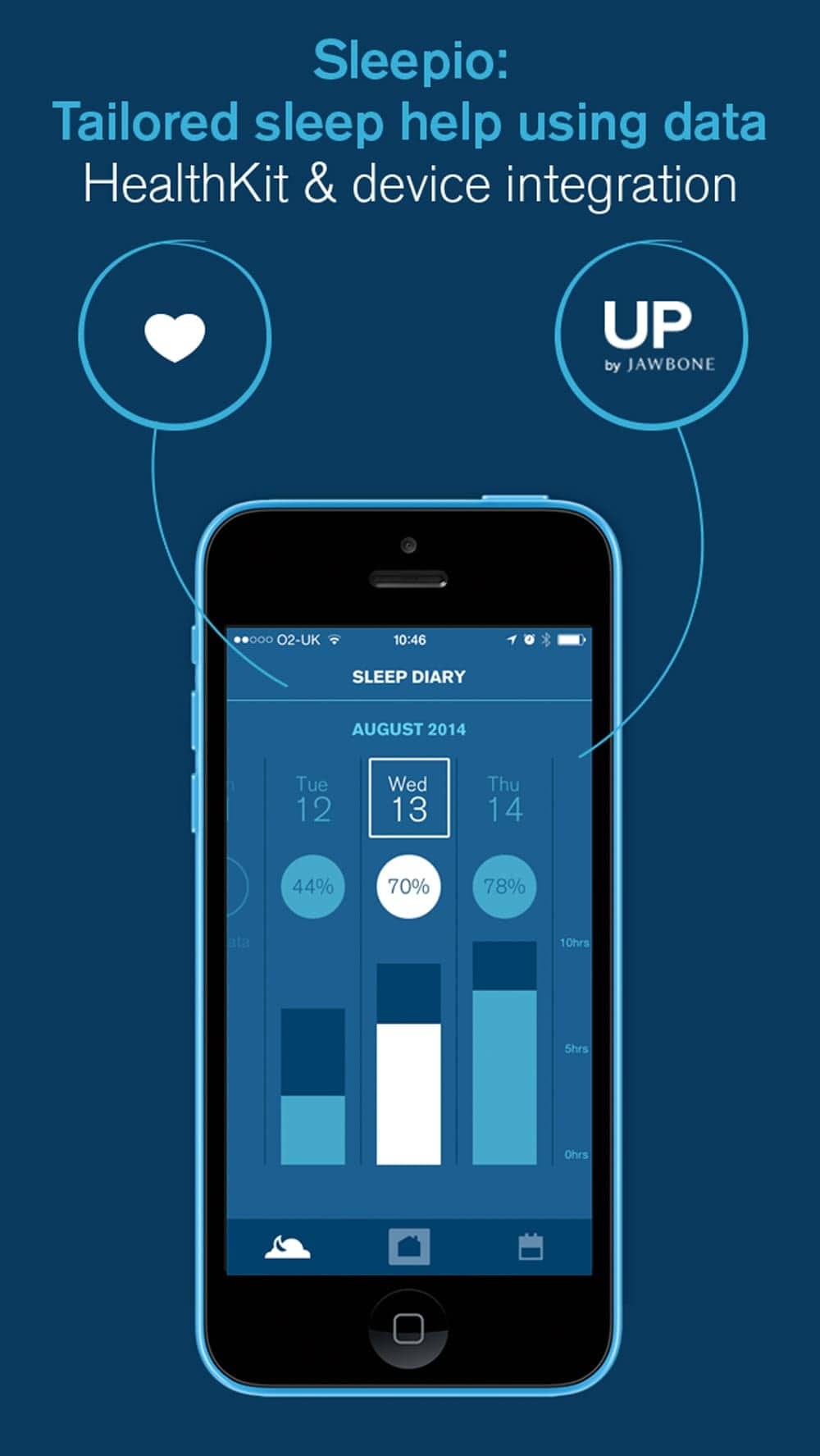
Insomnia and multiple sclerosis
Sep 9, 202400:20:10Tap to summarizeHow many of you have disturbed sleep? How many of you suffer from insomnia? In my MS practice, insomnia is the most common sleep disorder I encounter, and it generally goes untreated. The reason is simply because most people with MS accept it as part of living with MS, and it is not prioritised by HCPs (healthcare professionals) who tend to focus on other MS-related problems. InsomniaInsomnia is defined as difficulty initiating or maintaining sleep and can be a symptom or a disorder. If a disorder, insomnia is associated with a feeling of distress about poor sleep, and it disrupts social or occupational functioning.In the general population, ~10% of adults have insomnia disorder and another 15-20% report occasional insomnia, i.e. the symptom. In comparison, 40-50% of people with MS have insomnia. Insomnia is more common in women and is associated with mental health and other medical problems. The most common MS-associated symptoms that are linked to insomnia are pain, neurogenic bladder, spasticity, restless legs, periodic limb movements, alcohol and stimulant misuse, menopausal symptoms, poor sleep hygiene (daytime napping), deconditioning (lack of exercise), anxiety and depression. All these MS-related problems can interfere with sleep initiation, maintenance, or perception.Insomnia can be episodic or situational and tends to follow a persistent course in most people. Chronic insomnia in itself can cause depression and is associated in the general population with the development of hypertension and dementia. I suspect this applies to pwMS as well. Insomnia assessment, diagnosis, and management require a careful history to document its course, concomitant comorbidities, and potential contributing factors. I suspect many of you have never had your insomnia formally assessed. A 24-hour history of sleep-wake behaviours can help identify additional behavioural and environmental factors for intervention. Patient-reported outcome measures and sleep diaries provide valuable information about the nature and severity of insomnia, help screen for other sleep disorders, and monitor treatment progress.A sleep diary should collect information on your sleep cycle (bedtime, arising time, napping) and estimates of your sleep-wake characteristics, i.e. sleep latency (how long it takes to fall asleep), number and duration of awakenings, and an estimated sleep time. Useful PROMS included the Insomnia Severity Index, Pittsburgh Sleep Quality Index, STOP–Bang questionnaire for evaluating the risk of sleep apnoea and the International Restless Legs Syndrome Rating Scale. ManagementIf you have any MS-related symptoms that can affect sleep, these need to be managed accordingly. How can you treat insomnia if your sleep is interrupted by anxiety-related rumination, nocturia, pain, leg spasms, restless legs, inability to roll over in bed, vasomotor menopausal symptoms and poor sleep hygiene? I would start with the following simple self-help guide to improve your sleep hygiene:* Ensure you spend an appropriate amount of time asleep, at least 6 hours in bed. Some people need more than this to feel refreshed. * Limit daytime naps to 30 minutes. Please note that napping does not make up for inadequate nighttime sleep. * Avoid stimulants such as caffeine, modafinil and nicotine close to bedtime. * Only drink alcohol in moderation. Alcohol is well-known to help you fall asleep faster, but too much disrupts sleep.* Exercise helps improve sleep quality. As little as 10 minutes of aerobic exercise daily can enhance sleep quality. * Don’t eat before going to bed. Heavy foods and fizzy drinks can trigger indigestion or heartburn/reflux, which can disrupt sleep.* Ensure you get adequate exposure to natural light; sunlight during the day and darkness at night help maintain a regular sleep-wake cycle. * Establish a regular relaxing bedtime routine, which helps the body recognise it is bedtime. This could include taking a shower or bath or reading. However, avoid reading or watching emotionally upsetting content before attempting to sleep.* Make sure that your sleep environment is pleasant. Your mattress and pillows should be comfortable. The bedroom should be cool for optimal sleep (16-20°C). The bright light from lamps, smartphones and television screens can make it difficult to fall asleep, so turn those lights off or adjust them when possible. Use the blue filter mode on your smartphone and other devices to reduce the inhibition of melatonin from light. Consider using blackout curtains, eyeshades, earplugs, white noise machines and other devices to make the bedroom more relaxing.If this should fail, other current treatment options include prescribed and over-the-counter (OTC) medications, cognitive behavioural therapy for insomnia (CBTI), and complementary and alternative therapies. I would avoid over-the-counter sedatives, as these tend to be first-generation antihistamines with potent centrally acting anticholinergic effects that affect cognitive function and long-term brain health (please see ‘Your anticholinergic burden’, 08-Jul-2021). Some pwMS self-medicate with OTC melatonin, CBD (cannabidiol) and THC (tetrahydrocannabinol) preparations. Please be aware that melatonin has a U-response curve for some people; therefore, lower doses may be better than higher doses. In general, I can’t recommend the use of CBD and THC for insomnia. However, if my patients find these work, who am I to say stop taking them? If you do buy CBD and THC, please try and use a reputable supplier and preferably pharmaceutical-grade products. Medicinal cannabis cannot be prescribed on the NHS but can be obtained via several private clinics. I know it is available online; many patients purchase it this way. As a doctor, I can’t recommend buying it this way. Please be aware that CBD is a drug and is associated with liver toxicity. CBD may interact with your other medications. If you raise the issue with your HCP, they often reach for the prescription pad. Before accepting a sedative, please ensure you have optimised all of the above and know its limitations. Sedatives are only a short-term solution; they work well for about 4-5 days before you develop tachyphylaxis and need higher doses. Tachyphylaxis refers to the rapidly diminishing response to successive doses of a drug, rendering it less effective. Once you build tachyphylaxis and stop taking sedatives, you may have rebound insomnia. Benzodiazepines (e.g. diazepam) are pretty addictive, and in general, most doctors avoid using them for insomnia. However, there is still a role for them when insomnia is part of acute anxiety. The goto sedatives are the so-called z-drugs (zolpidem, zopiclone, zaleplon and eszopiclone). Zopiclone and eszopiclone have a longer half-life and work for 5-6 hours. In comparison, zolpidem and zaleplon act for a much shorter period (1-3 hours). Many neurologists still use tricyclic antidepressants, such as amitriptyline, as sedatives. I have largely stopped this practice unless there is another reason for using a tricyclic, for example, to help with pain management. I have primarily replaced amitriptyline with duloxetine in my clinical practice for pain management. Duloxetine is a serotonin-noradrenaline reuptake inhibitor and has much fewer anticholinergic side effects than tricyclics. For those of you taking amitriptyline or another tricyclic, please read my newsletter ‘Amitriptyline: the neurologist's dirty little secret’ (29-Sept-2021). Please be aware that antispasticity agents such as baclofen and gabapentinoids (gabapentin and pregabalin) also help sleep. However, these agents should only used for insomnia if you have spasticity or, in the case of the gabapentinoids, spasticity and/or pain that needs to be managed. Psychiatrists and some neurologists use sedating antipsychotics to help with insomnia. This practice is widespread and has been heavily criticised, but there is a role for it in patients with cognitive issues or significant psychiatric problems. The older generation antipsychotics, for example, haloperidol, have now been replaced by safer drugs such as quetiapine and olanzapine. Sadly, as a neurologist, I have seen too many severe adverse events because of the liberal use of antipsychotics as sedatives. In my opinion, there needs to be a good reason for someone to be prescribed an antipsychotic, and insomnia in isolation is not one of them. The good news is that there is a new class of sedatives on the market in some countries. These are the dual orexin receptor antagonists (ORAs); suvorexant, lemborexant and daridorexant. Daridorexant is NICE-approved for use in the NHS. Daridorexant is recommended for treating insomnia in adults with symptoms lasting for three nights or more per week for at least three months and whose daytime functioning is considerably affected and only if CBTi has been tried but not worked, or CBTi is not available or is unsuitable. I have no experience...
Transcribe →