Podcast
Petersboat
Hosted by Father Rob Ketcham · EN
from the parish of Christ the King, Commack, NY
49episodes
Episodes
Newest firstAll episodes
The Monday After | I Could Be Wrong - Thank God
Nov 1000:22:37Summary readyI propose, in this homily, a way of understanding the kind of help that Jesus is trying to offer us. It seems to me that he dwells in us in order to help us make sense of our thoughts and feelings, which are often wrong - thank God.
Summary
The Monday After | on Purgatory and Waiting with Beatific Vision
Nov 400:14:04Summary readyWe do not like waiting. Well, in any case, we're not good at it, which is obvious; in this age of invention we've all but eliminated the need to wait for anything. There was a time when we waited for the seeds, the rains, the sun. Some still do, but most of us go to the supermarket and still complain about the checkout line. We get frustrated with shipping delays, abhor traffic, and have all but abandoned television for the immediacy of binge-streaming.No wonder the suffering of purgatory is so much on our conscience these days, like a punishment the child sees coming while returning home from school. We are full of guilt for allowing ourselves to have become so alienated from the thing happening everywhere else in the natural world, which is essential for growth, namely, waiting.But I wouldn’t want us to think that the waiting we hear so often associated with purgatory is arbitrary or merely punitive. If that antechamber to heaven really is, as the Church teaches, the place where God’s mercy tempers His justice, then there must be something to be gained by the experience of waiting offered to us in this life. Maybe we shouldn’t be so afraid of it or resent it. Maybe we should welcome it, and grow in it.
Summary
The Monday After | How Could He Ask Emily for Help?
Oct 2800:27:28Summary readyThe title of this episode is a reference to the film, The Crossing Guard, which I mention toward the end of the reflection in the hope of illustrating the way that Christ can be of the greatest help to us, if we would open our heart to Him. Of course, it is a scary thing even to acknowledge our desire for God - as terrifying as the seemingly infinite space of the cosmos.
Summary
The Monday After | Conception Overcomes Deception
Oct 2000:18:01Summary readyLooking forward to the end of time with hope requires conceiving of our lives by the Holy Spirit in light of the promises God makes to us in the Scriptures, which are themselves inspired by the Holy Spirit. The hope we find in them enables us to overcome the deception of the evil spirit.
Summary
The Monday After | About a Girl at The Bar
Oct 1400:10:08Summary readyIf being together at Mass on Sundays is called "practicing the Faith" that means the world is our playing field, which means that Christ is training us to give thanks to God always and everywhere.
Summary
The Monday After | All Beneath the Mulberry Tree
Oct 600:17:12Summary readyThe root system of the mulberry tree is deep and complicated, not unlike the human heart, the ground beneath our feelings and emotions. It's a great thing to believe in God. But it's altogether heroic to trust in Him when our emotions are revolting against His will. When that happens, the mulberry tree of our lives has truly been unrooted and planted in the sea of His mercy.
Summary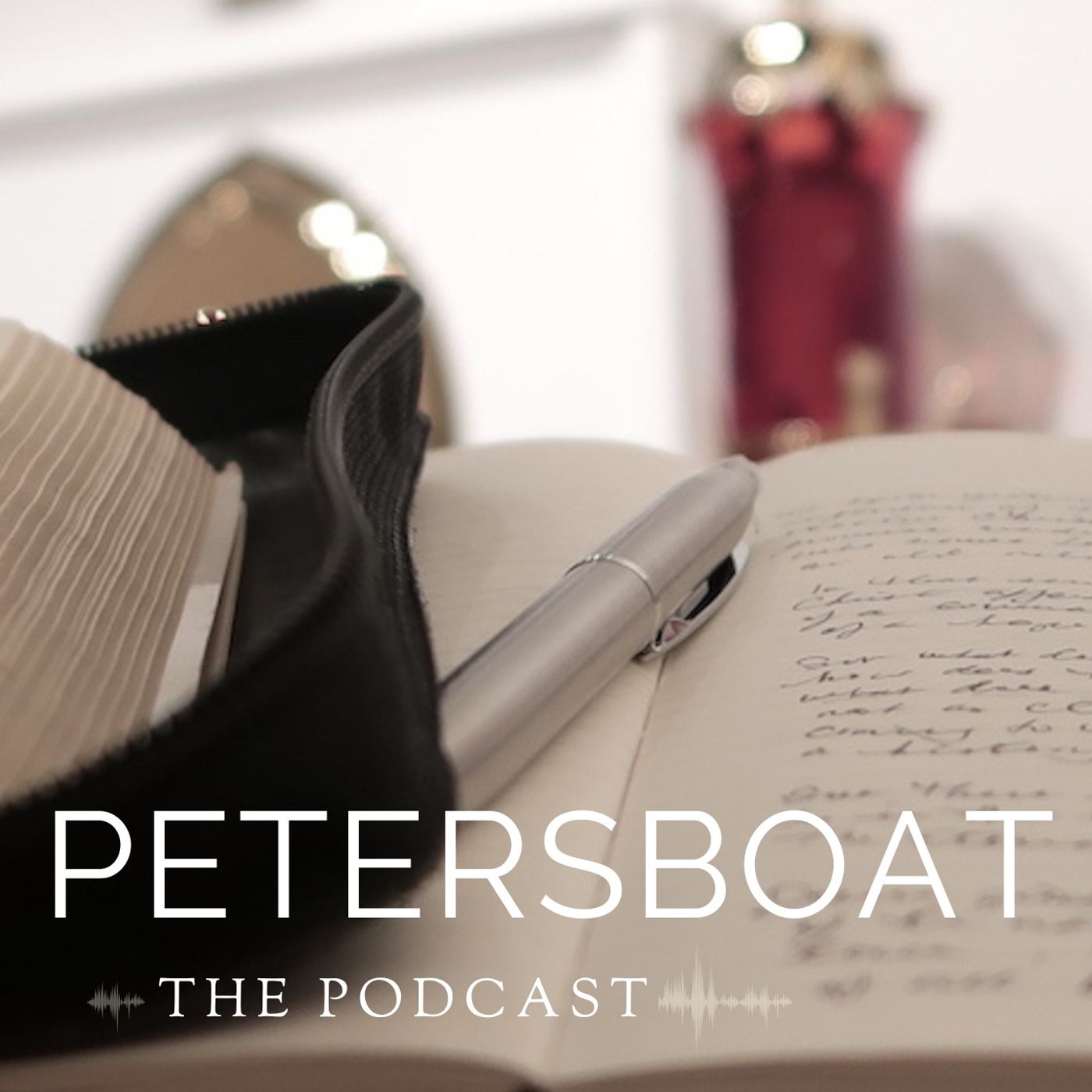
The Monday After | Where is His Victory?
Sep 3000:07:59Summary readySometimes we walk too far behind Christ, weighed down by regret. And sometimes we walk too far ahead, worried about the future. But the person in front of us, in the present, is offering us an encounter with God. The victory of Christ moves us beyond our fear, enabling us to love that person.
Summary
The Monday After | Beyond the Truman Show: the Catholic Vision of Reality
Sep 2200:13:03Summary readySo much of this world is man-made that it's a lot like The Truman Show. But Christ comes into our lives, like Sylvia into Truman's, emboldening us, by the way that He looks at us, to escape into the truth about reality, and to find Him by always seeking His face.
Summary
The Monday After | The Necessary Evil of Handing Over the Son
Sep 1500:11:24Summary readyTreatments like chemotherapy, for example, are in some ways similar to Christ's death on the cross; they are necessary evils; one heals cancer, the other sin. In this episode, I argue that political debate is also a necessary evil, because we need laws now to intervene where once (before the fall of man) there was the bond of love. I also propose that the necessary evil of the handing over of Tyler Robinson by his parents may prove to be the most unlikely source of healing for those wounded by the loss of Charlie Kirk. I end with a word of hope that young people (especially those on college campuses) will find places to argue that best facilitate an encounter with love, which alone fulfills the Law.
SummaryThe Monday After | Always First Death
Sep 800:17:43Summary readyDealing with God will always mean dying to that part of us that resists seeing things from his perspective.
Summary