
Podcast
So to Speak: The Free Speech Podcast
Hosted by FIRE · EN
So to Speak: The Free Speech Podcast takes an uncensored look at the world of free expression through the law, philosophy, and stories that define your right to free speech. Hosted by FIRE's Nico Perrino.
New episodes post every other week.
58episodes
Episodes
Newest firstAll episodes

Ep. 269: Is free speech declining worldwide?
Apr 1000:53:41Summary readyFree speech has long been a cornerstone of democratic society. But today, its principles face increasing pressure. Around the world, governments are expanding speech restrictions in the name of combating misinformation, hate speech, and extremism, while new technologies make it easier to monitor and control public discourse. Many free speech advocates warn that these efforts risk eroding democracy itself. Joining the show to discuss this "global free speech recession" is Jacob Mchangama, a senior fellow at FIRE and the founder and executive director of The Future of Free Speech at Vanderbilt University, and Jeff Kosseff, a senior fellow at The Future of Free Speech. Their new book is "The Future of Free Speech: Reversing the Global Decline of Democracy's Most Essential Freedom." Timestamps: 00:00 Intro 02:07 Why write this book? 04:40 Where free speech stands in America today 05:53 What is a "global free speech recession"? 11:22 Free speech's high point and what changed 18:56 Election misinformation, disinformation, and the role of AI 34:40 The EU's Digital Services Act and the UK's Online Safety Act 40:00 Are democracies starting to adopt more restrictive speech laws? 43:52 Solutions to reversing the free speech recession 52:25 Outro Read the transcript here. Enjoy listening to the podcast? Donate to FIRE today and get exclusive content like member webinars, special episodes, and more. If you became a FIRE Member through a donation to FIRE at thefire.org and would like access to Substack's paid subscriber podcast feed, please email sotospeak@thefire.org.
Summary
Ep. 268: News and misinformation in early America
Apr 300:56:47Summary readyIn 18th century America, news traveled slowly across the Atlantic. Newspapers reprinted secondhand reports, private letters, and unverified stories from abroad, leaving readers with multiple versions of reality. In a world educated by an unverifiable news cycle, how did misinformation shape early American life? To explore how news, rumor, and misrepresentation influenced the course of the American Revolution and the nation that followed, we are joined by Jordan Taylor, a historian of American history and the author of Misinformation Nation: Foreign News and the Politics of Truth in Revolutionary America. Timestamps: 00:00 Intro 02:05 How colonists got their news 08:28 Why foreign news dominated early newspapers 17:33 How colonial newspapers verified information 22:32 Did miscommunication help spark the Revolution? 29:57 The XYZ Affair and the Sedition Act 39:21 The First Amendment's original meaning 44:34 Current day parallels 55:41 Outro Read the transcript here. Enjoy listening to the podcast? Donate to FIRE today and get exclusive content like member webinars, special episodes, and more. If you became a FIRE Member through a donation to FIRE at thefire.org and would like access to Substack's paid subscriber podcast feed, please email sotospeak@thefire.org.
Summary
Ep. 267: Social media = cigarettes?
Apr 100:59:45Summary readyIn March, juries in California and New Mexico delivered seminal verdicts holding Meta and YouTube liable for failing to protect young users from harm. Both verdicts found that the companies were negligent in the design or operation of their platforms and that each company knew their platforms could be dangerous when used by a minor. The courts found that the design elements of the platforms could be separated from the content hosted on the platforms, thus removing the need to consider the First Amendment or Section 230 of the Communications Decency Act. Joining us to break down the rulings and their possible free speech implications is Mike Masnick, CEO & founder of Techdirt & the Copia Institute. Masnick is the author of "Everyone Cheering The Social Media Addiction Verdicts Against Meta Should Understand What They're Actually Cheering For." Timestamps: 00:00 Intro 02:29 Why these verdicts scare the hell out of Mike 10:34 Are social media algorithms "addictive"? 21:45 Did Meta fail to protect kids? 30:37 The First Amendment and Section 230 43:13 Is social media the new Big Tobacco? 55:15 The role of parents in social media use 59:04: Outro Read the transcript here. Enjoy listening to the podcast? Donate to FIRE today and get exclusive content like member webinars, special episodes, and more. If you became a FIRE Member through a donation to FIRE at thefire.org and would like access to Substack's paid subscriber podcast feed, please email sotospeak@thefire.org.
Summary
Ep. 266: How foreign censors target American speakers
Mar 1901:02:11Summary readyGovernments around the world have increasingly sought to regulate online speech well beyond their borders. If global platforms are forced to comply with the world's most restrictive laws, whose speech standards win? And what happens to a free and open internet when governments apply their censorship rules across borders? Today we are joined by Preston Byrne, an attorney and expert in international law and emerging technologies. He has spent nearly two decades working at the intersection of law, tech, and policy, and he now serves as counsel to a coalition of internet publishing platforms suing the United Kingdom's internet regulator. Follow him on X and Substack. Timestamps: 00:00 Intro 02:15Preston's background 16:46 What do foreign censorship laws actually target? 22:35 The UK's Online Safety Act 29:39 Free speech cultures: US vs. UK 40:48 The GRANITE Act and protecting Americans from foreign censorship 1:01:15 Outro Don't miss the free speech event of the year! Get your tickets and learn more about the Soapbox Conference here. Read the transcript here. Enjoy listening to the podcast? Donate to FIRE today and get exclusive content like member webinars, special episodes, and more. If you became a FIRE Member through a donation to FIRE at thefire.org and would like access to Substack's paid subscriber podcast feed, please email sotospeak@thefire.org.
Summary
Ep. 265: Anthropic, age verification laws, and press freedom
Mar 1101:00:49Summary readySeveral stories have put government power over speech and technology back in the spotlight. In this episode, we break down the Pentagon's targeting of the AI company Anthropic, the push for government-mandated age verification technologies, and the Department of Justice's raid on a Washington Post reporter's home. We are joined by: Jennifer Huddleston, senior fellow in technology policy at the Cato Institute Mike Godwin, AI and privacy expert, first staff counsel at the Electronic Frontier Foundation, first full-time general counsel at Wikimedia, and author of two books on internet law and policy Greg Lukianoff, president and CEO of FIRE Timestamps: 00:00 Intro 03:19 The Pentagon vs. Anthropic? 22:40 The FTC, Congress, and age verification laws 48:15 Is it unusual for the DOJ to seize a reporter's computer? 59:46 Outro Don't miss the free speech event of the year! Get your tickets and learn more about the Soapbox Conference here. Enjoy listening to the podcast? Donate to FIRE today and get exclusive content like member webinars, special episodes, and more. If you became a FIRE Member through a donation to FIRE at thefire.org and would like access to Substack's paid subscriber podcast feed, please email sotospeak@thefire.org.
Summary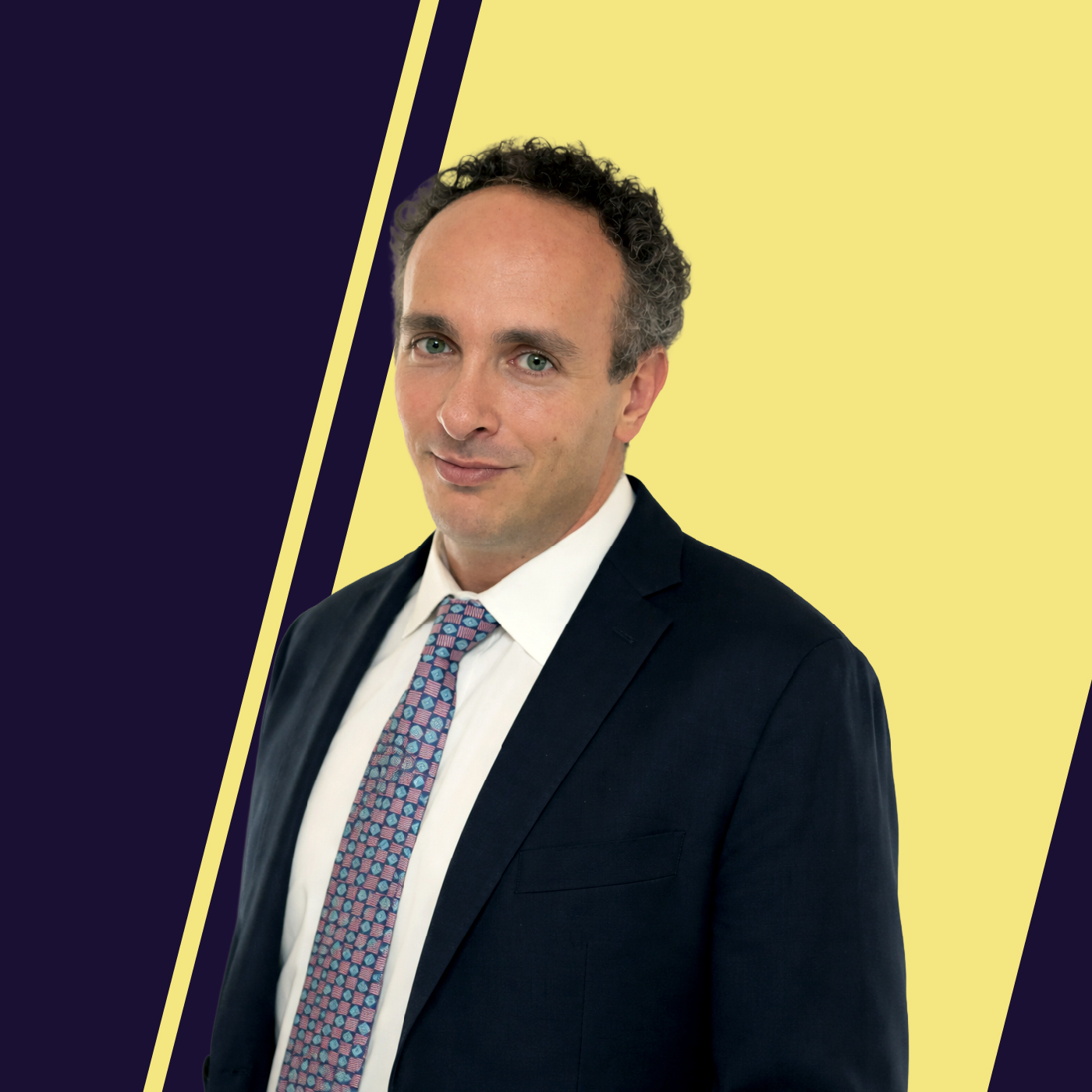
Ep. 264: Anonymity from the founding to the digital age
Feb 2500:52:46Summary readyIn the years leading up to the American Revolution, newspapers and pamphlets overflowed with essays signed "Publius," "Brutus," and "A Farmer." Those arguments helped shape a nation, but the authors' real names were nowhere to be found. Americans have long relied on anonymous speech to challenge the powerful, protect dissenters, and keep the focus on ideas rather than identities. That tradition has endured into America's digital age, even as anonymous speech has become more controversial. To explore America's history with anonymity, we are joined by Jeff Kosseff, a nonresident senior legal fellow at The Future of Free Speech and author of The United States of Anonymous. Preorder his forthcoming book, The Future of Free Speech: Reversing the Global Decline of Democracy's Most Essential Freedom. Timestamps: 00:00 Intro 02:01 What is anonymity? 04:38 Anonymous speech in Colonial America 15:58 Does the First Amendment protect anonymity? 20:35 Anonymous speech in the Civil Rights Era 31:17 The internet and anonymity 35:44 Modern anonymity debates: DHS subpoenas, age verification, social media regulation, and VPN bans 51:53 Outro Read the transcript here. Enjoy listening to the podcast? Donate to FIRE today and get exclusive content like member webinars, special episodes, and more. If you became a FIRE Member through a donation to FIRE at thefire.org and would like access to Substack's paid subscriber podcast feed, please email sotospeak@thefire.org.
Summary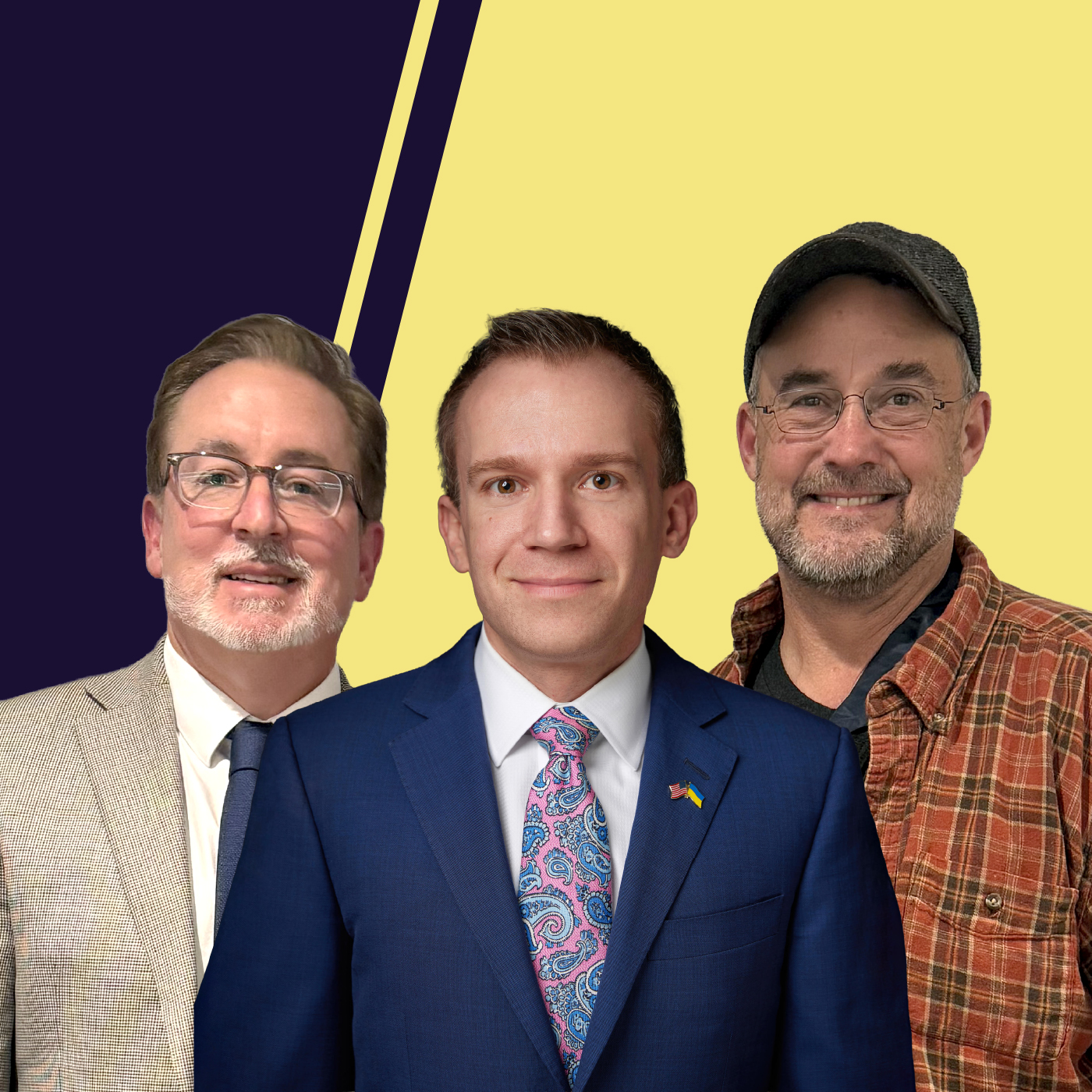
Ep. 263: Free speech in Trump 2.0
Feb 201:10:38Summary readyOne year into Trump 2.0, we examine the administration's record on free speech and how it compares to the president's campaign pledge to "bring back free speech to America." We also discuss recent ICE protests, including the right to carry a gun and to film law enforcement, and what these encounters reveal about protest rights today. Today we are joined by: Clark Neily, senior vice president for legal studies at the Cato Institute Timothy Zick, professor of government and citizenship at William & Mary Law School and author of the new book Trump 2.0: Executive Power and the First Amendment Conor Fitzpatrick, supervising senior attorney at FIRE Zick is also the author of Public Protest and Governmental Immunities, Managed Dissent: The Law of Public Protest, and Arming Public Protests. Timestamps: 00:00 Intro 01:47 ICE protests: Alex Pretti, filming police, and the right to carry a gun 13:30 How to hold law enforcement accountable 19:10 Don Lemon's arrest 23:27 Trump's retribution politics and the "domestic terrorist" label 35:05 FCC pressure and attacks on the media 39:40 Free speech for noncitizens 53:49 Attacks on higher education 58:40 Trump 1.0 vs. Trump 2.0 01:02:25 What reforms are needed? 1:09:13 Outro Read the transcript here. Enjoy listening to the podcast? Donate to FIRE today and get exclusive content like member webinars, special episodes, and more. If you became a FIRE Member through a donation to FIRE at thefire.org and would like access to Substack's paid subscriber podcast feed, please email sotospeak@thefire.org.
Summary
Ep. 262: Escaping Iran
Jan 2201:08:10Summary readyRecent protests in Iran have drawn renewed attention to dissent under the country's authoritarian government. The demonstrations have been met with mass arrests, internet restrictions, and even accusations of murder. While large-scale demonstrations appear to have subsided for now, reporting from Iran describes a tense calm, a heightened security presence, and widespread "disappointment and disillusionment" among Iranians. Today we are joined by Pouya Nikmand, an Iranian-born writer who escaped Iran at 18. He writes about how his experiences have shaped his understanding of expression, freedom, and belonging on his Substack, Outliving Iran. Timestamps: 00:00 Intro 02:17 What's happening in Iran now? 10:47 What does life look like under an authoritarian regime? 20:33 Growing up in Iran 24:48 The influence of Western media in Iran 32:55 Escaping Iran 37:05 Life after escape 40:55 Being trafficked to Poland 54:45 Escaping captivity and coming to America 01:01:53 An immigrant's perspective on US immigration 1:07:24 Outro Read the transcript here. Enjoy listening to the podcast? Donate to FIRE today and get exclusive content like member webinars, special episodes, and more. If you became a FIRE Member through a donation to FIRE at thefire.org and would like access to Substack's paid subscriber podcast feed, please email sotospeak@thefire.org.
Summary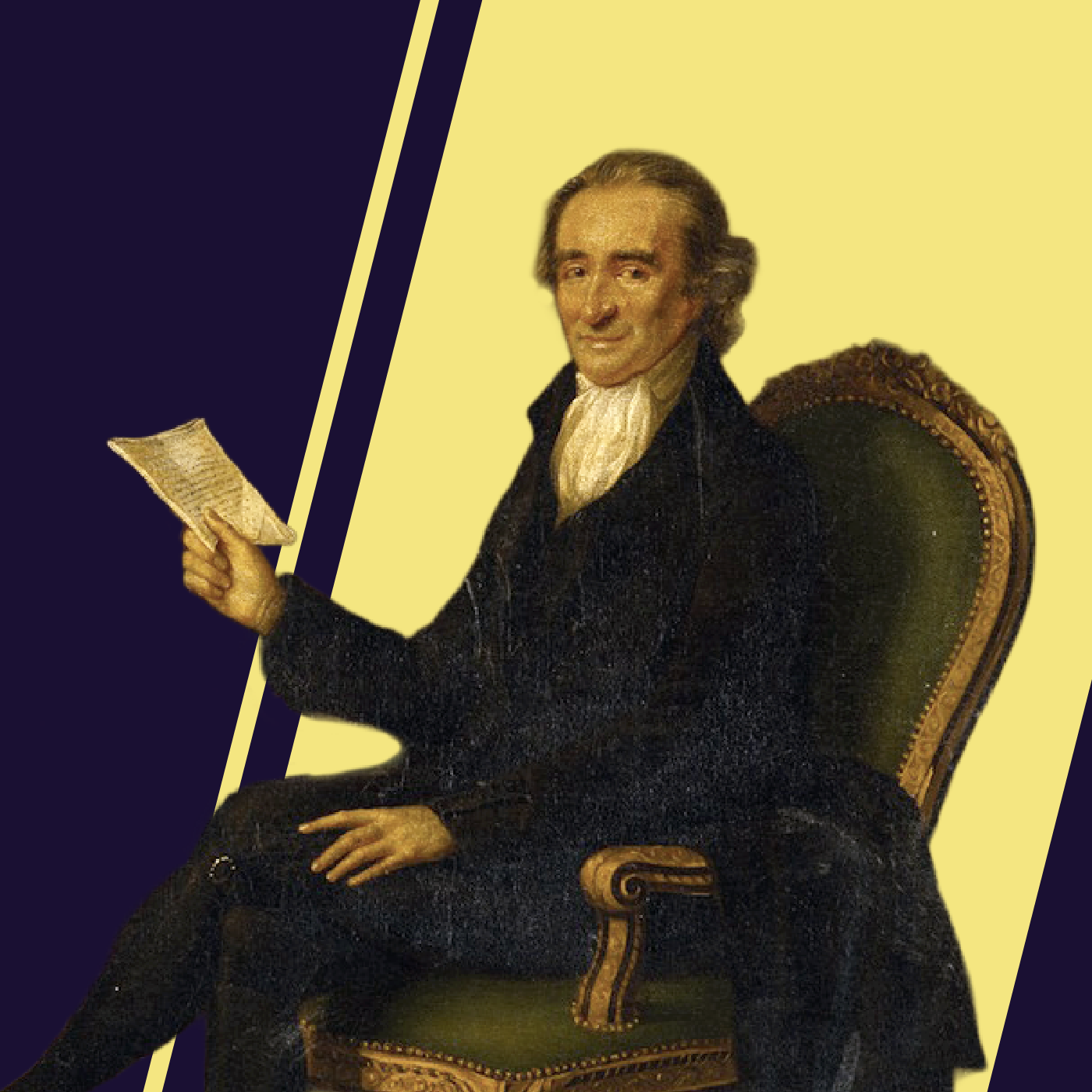
Ep. 261: Thomas Paine's rise and fall
Jan 1501:29:29Summary readyThomas Paine arrived in America in 1774 with little to his name and a long record of personal failure behind him. Within a year, he wrote Common Sense, one of the most influential political pamphlets in history, helping to ignite the American Revolution and catapulting Paine into the American history hall of fame. But by the end of his life, he was widely reviled, politically isolated, and personally abandoned. Once celebrated as the voice of liberty, he died an outcast, mourned by only six people at his funeral. How does one man become the voice of the American Revolution and end up forgotten? To explore Paine's complicated legacy, we are joined by Richard Bell, professor of history at the University of Maryland and author of The American Revolution and the Fate of the World. Timestamps: 00:00 Intro 02:41 Thomas Paine's early life 10:32 Paine's arrival in America 20:02 What did Paine argue in Common Sense? 25:11 Why Common Sense was so revolutionary 36:31 The American Crisis and the Revolutionary War 41:35 Why Paine returned to London and wrote The Rights of Man 49:19 Exile from Britain, imprisonment in France, and writing The Age of Reason 01:01:27 Why America turned its back on Paine 01:12:09 Paine's final days 01:18:50 How should we understand Paine's legacy today? 01:26:58 Outro Read the transcript here. Enjoy listening to the podcast? Donate to FIRE today and get exclusive content like member webinars, special episodes, and more. If you became a FIRE Member through a donation to FIRE at thefire.org and would like access to Substack's paid subscriber podcast feed, please email sotospeak@thefire.org.
Summary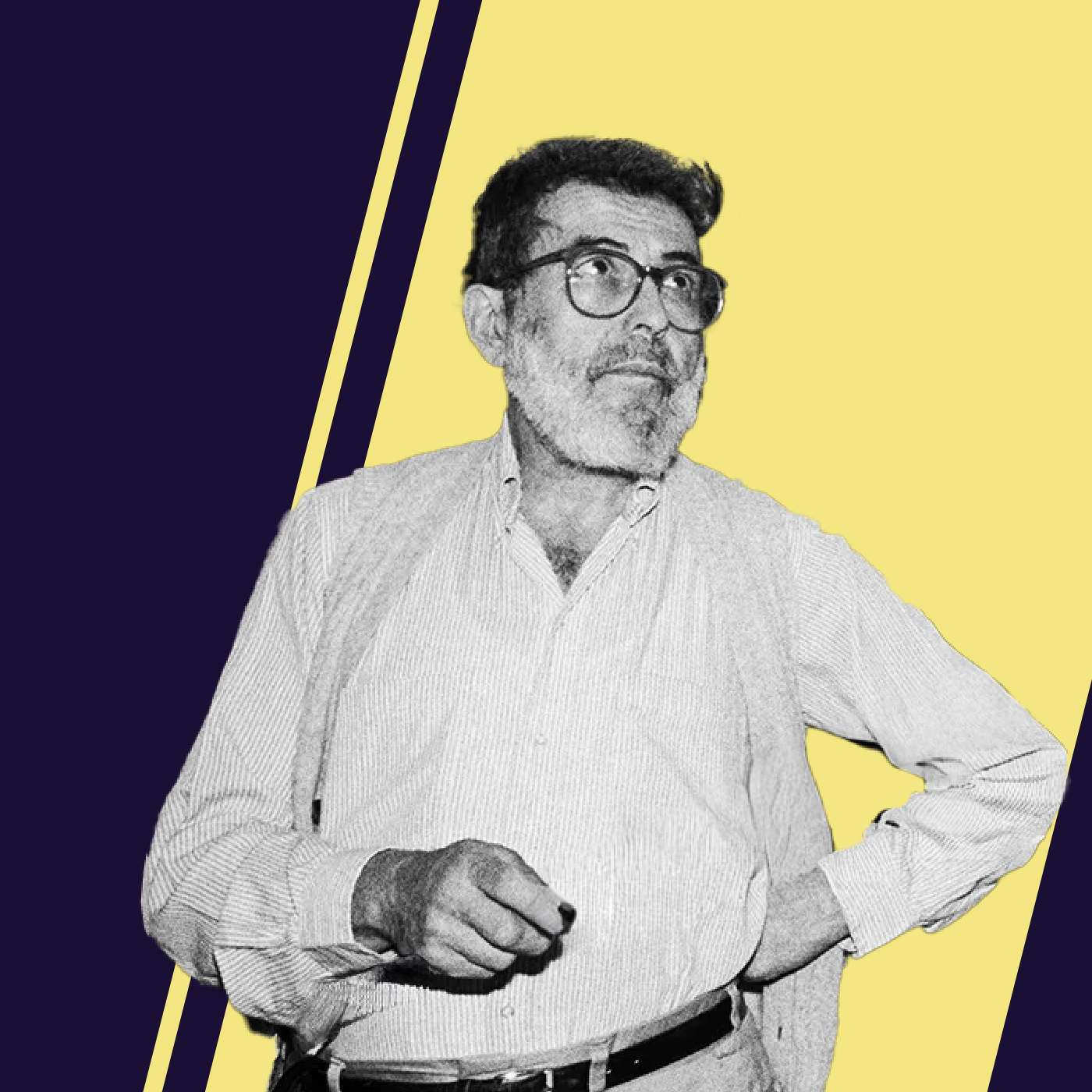
Ep. 260: Remembering 'free-thinking' writer Nat Hentoff
Dec 1900:58:35Summary readyOn January 7, 2017, The Associated Press announced that "Free-thinking author and columnist Nat Hentoff is dead at 91." For well over 60 years, Hentoff was a one of America's foremost public intellectuals and a familiar byline to free speech advocates and jazz aficionados. The First Amendment was a way of life for Nat Hentoff. He would have been 100 years old this year. To reflect on his life and legacy, we are joined by his son Nick Hentoff and filmmaker David Lewis, whose 2013 documentary, "The Pleasures of Being Out of Step," explored Nat Hentoff's embodiment of free expression as the defining characteristic of the individual. Timestamps: 00:00 Intro 00:52 Who was Nat Hentoff 03:48 Nat's early life & influences 18:20 Jazz, writing, & finding his voice 31:24 Free speech as a way of being 35:15 Being out of step: Controversy, courage, and consequences 41:56 Rage, compassion, & moral clarity 51:53 Nat Hentoff's legacy of dissent 55:20 Outro Read the transcript here. Enjoy listening to the podcast? Donate to FIRE today and get exclusive content like member webinars, special episodes, and more. If you became a FIRE Member through a donation to FIRE at thefire.org and would like access to Substack's paid subscriber podcast feed, please email sotospeak@thefire.org.
Summary