
Podcast
So to Speak: The Free Speech Podcast
Hosted by FIRE · EN
So to Speak: The Free Speech Podcast takes an uncensored look at the world of free expression through the law, philosophy, and stories that define your right to free speech. Hosted by FIRE's Nico Perrino.
New episodes post every other week.
58episodes
Episodes
Newest firstAll episodes
Ep. 259: FIRE answers your questions
Dec 1001:01:49Summary readyChanges at the Pentagon, Charlie Kirk and cancel culture, free speech and misinformation, globalized censorship, Indiana University, how to support FIRE, and more! Timestamps: 00:00 Introductions 02:11 What is the Press Clause, and who does it apply to? 05:53 FIRE's position on Oklahoma student grading incident 08:50 What does FIRE need from Members besides financial support? 15:59 FIRE's College Free Speech Rankings and what they mean 19:44 What is the latest on the Ann Seltzer cases? 22:08 What is FIRE's view on the Pentagon press room changes? 24:50 What is the value of small donations? How can FIRE supporters volunteer? 29:21 Indiana University is good at football but bad at free speech 33:46 Are courts trending in a more speech-protective direction? 37:05 Charlie Kirk and cancel culture 39:20 Pro- and anti-Zionist speech and "hostile environment" harassment 43:48 Is "globalize the intifada" incitement? 45:07 How does FIRE distinguish between free speech and misinformation? 47:54 Can FIRE help supporters start free speech alumni groups? 48:55 Free speech, artificial intelligence, and copyright/trademarks 51:51 The sordid legacy of Hazelwood v. Kuhlmeier 53:22 Staying hopeful amidst so much hypocrisy 55:32 Global speech platforms and censorship 58:14 Differences between FIRE and the ACLU? 59:34 Does FIRE have a Substack? (The Eternally Radical Idea, So to Speak, Expression) 1:00:03 Closing remarks. Read the transcript here. Joining us: Alisha Glennon, chief operating officer Nico Perrino, executive vice president Greg Lukianoff, president and ceo Will Creeley, legal director Become a paid subscriber today to receive invitations to future live webinars. If you became a FIRE Member through a donation to FIRE at thefire.org and would like access to Substack's paid subscriber podcast feed, please email sotospeak@thefire.org.
Summary
Ep. 258: Donor disclosure and campaign finance at SCOTUS
Nov 2500:55:47Summary readyThe Institute for Free Speech's Bradley Smith and Brett Nolan join the show to discuss two upcoming Supreme Court arguments involving donor disclosure (First Choice Women's Resource Centers, Inc. v. Platkin) and political party contributions to candidates (National Republican Senatorial Committee v. FEC). The conversation also explores the broader landscape for political speech and campaign regulation, what legal battles may be next for the Supreme Court, and how both guests found their way into First Amendment advocacy. Timestamps: 00:00 Intro 01:32 What is the Institute for Free Speech? 02:39 Personal paths into free speech work 05:10 First Choice Women's Resource Centers, Inc. v. Platkin 32:08 NRSC v. FEC 51:50 What's next for campaign finance at SCOTUS? 54:58 Outro Enjoy listening to the podcast? Donate to FIRE today and get exclusive content like member webinars, special episodes, and more. If you became a FIRE Member through a donation to FIRE at thefire.org and would like access to Substack's paid subscriber podcast feed, please email sotospeak@thefire.org.
Summary
Ep. 257: Conversion therapy at the Supreme Court
Nov 1301:05:50Summary readyFIRE's Ronnie London and Conor Fitzpatrick join the show to discuss the Supreme Court's oral argument in the conversion therapy case, the Pentagon's new press rules, Indiana University's censorship rampage, and where the situation stands with visa and green card holders who say things the feds don't like. Timestamps: 00:00 Intro 01:19 Chiles v. Salazar, the conversion therapy case 30:03 The Pentagon's new press rules 48:48 What the hell is going on at Indiana University? 55:38 Feds boot noncitizens for Charlie Kirk speech 01:05:02 Outro Enjoy listening to the podcast? Donate to FIRE today (https://www.thefire.org/) and get exclusive content like member webinars, special episodes, and more. If you became a FIRE Member through a donation to FIRE at thefire.org and would like access to Substack's paid subscriber podcast feed, please email sotospeak@thefire.org.
Summary
Ep. 256: Ten arguments against free speech
Oct 3001:14:19Summary readyWe tackle ten common arguments against free speech. FIRE President and CEO Greg Lukianoff and FIRE Senior Fellow and former ACLU President Nadine Strossen are the co-authors of the new book, "War on Words: 10 Arguments Against Free Speech—And Why They Fail." Transcript Timestamps: 00:00 Intro 01:18 Book's origins 04:25 Argument #1: Words are violence 20:27 Argument #2: Words are dangerous 25:09 Argument #3: Hate speech isn't free speech 31:06 Argument #4: About shoutdowns 37:18 Argument #5: Free speech is outdated 45:41 Argument #6 Free speech is right-wing 50:14 Argument #7: About that crowded theater and marketplace of ideas 59:27 Argument #9: Misinformation and disinformation 01:03:53 Argument #8: Free speech protects power 01:09:30 Argument #10: About the Holocaust and Rwandan genocide 01:13:35 Outro Get the Book:Purchase War on Words: 10 Arguments Against Free Speech—And Why They Fail. Enjoy listening to the podcast? Donate to FIRE today (https://www.thefire.org/) and get exclusive content like member webinars, special episodes, and more. If you became a FIRE Member through a donation to FIRE at thefire.org and would like access to Substack's paid subscriber podcast feed, please email sotospeak@thefire.org.
Summary
Ep. 255: Authoritarians in the Academy
Oct 1500:40:03Summary readyFIRE Senior Scholar Sarah McLaughlin discusses her new book, "Authoritarians in the Academy: How the Internationalization of Higher Education and Borderless Censorship Threaten Free Speech." Timestamps: 00:00 Intro 01:17 Book origins 03:38 How China censored speech on American campuses 18:36 COVID's impact for international students' speech 22:05 What is sensitivity exploitation? 25:35 Free speech at international satellite campuses 31:28 Attempted deportations of Mahmoud Khalil and Rümeysa Öztürk 36:52 Sarah's free speech inspirations: literature and people About the Guest: Learn more about Sarah McLaughlin and her work. Get the Book: Purchase Authoritarians in the Academy here. Read the transcript here: https://www.thefire.org/research-learn/so-speak-transcript-authoritarians-academy Enjoy listening to the podcast? Donate to FIRE today (https://www.thefire.org/) and get exclusive content like member webinars, special episodes, and more. If you became a FIRE Member through a donation to FIRE at thefire.org and would like access to Substack's paid subscriber podcast feed, please email sotospeak@thefire.org.
Summary
Ep. 254: What is going on with the FCC?
Sep 3000:48:04Summary readyWhat is the Federal Communications Commission, and why does its chairman think the agency can regulate Jimmy Kimmel’s jokes? Note: Shortly after recording this episode, Nexstar and Sinclair announced they would return “Jimmy Kimmel Live!” to their stations. Joining us: Anna Gomez, FCC Commissioner Ronnie London, FIRE General Counsel Bob Corn-Revere, FIRE Chief Counsel Timestamps: 00:00 Intro 04:46 What’s the FCC? 07:35 What’s the “public interest” standard? 14:20 What is the “fairness doctrine”? 25:21 What is the “broadcast hoax” rule? 28:55 What is “news distortion”? 35:31 Role of network affiliates 41:15 What happens now? Enjoy listening to the podcast? Donate to FIRE today and get exclusive content like member webinars, special episodes, and more. If you became a FIRE Member through a donation to FIRE at thefire.org and would like access to Substack’s paid subscriber podcast feed, please email sotospeak@thefire.org.
Summary
Ep. 253: Pam Bondi says hate speech is not free speech — is she right?
Sep 1601:05:16Summary readyFIRE staff also take your questions on Charlie Kirk's assassination, President Trump's lawsuit against The New York Times, cancel culture, and more. Timestamps: 00:00 Intro 01:42 Attorney General Pam Bondi's comments that "hate speech" is distinct from "free speech" 02:23 Is it OK for the Department of Justice to target people for "hate speech"? 05:42 How have “hate speech” laws played out overseas? 07:19 President Trump's response to Pam Bondi's “hate speech” remarks 08:50 Are “fighting words,” “incitement,” and “true threats” free speech? 11:22 What about doxxing? 15:15 Is it free speech to celebrate or condone the assassination of Charlie Kirk? 21:52 The termination of k-12 and university faculty in response to their commentary on Kirk's assassination 28:40 Is there a law that might implicate the Discord users who had reason to be aware of malicious intentions the shooter had towards Kirk ahead of the assassination? 30:05 The agency of speakers and those hearing their speech under the incitement standard 31:14 What are the differences between the free speech rights of citizens and non-citizens? 36:20 Does a court filing by President Trump as an individual in the New York Times lawsuit open him up to being deposed about a wide range of behaviors and actions? 37:40 What is the Trump's administration's legal strategy with the New York Times lawsuit? 39:24 What is FIRE doing about private employees being fired for their political commentary? 46:50 What is Charlie Kirk's legacy on free speech? 50:04 What is the difference between the academic protections enjoyed by tenured and non-tenured faculty members? 52:05 Does FIRE trust the Supreme Court to protect free speech? 56:12 How can we prevent capitulation from The New York Times? 59:20 How can ordinary people safely express their opinions on social media and promote civil discourse? Joining us: Ronnie London, general counsel Sarah McLaughlin, senior scholar, global expression Aaron Terr, director of public advocacy
Summary
Ep. 252: America’s first free speech crisis — the Sedition Act of 1798
Sep 1501:08:11Summary readyWe’re joined by award-winning author, Charles (Charlie) Slack, to discuss his book, Liberty’s First Crisis: Adams, Jefferson and the Misfits Who Saved Free Speech. Slack focuses on the infamous Sedition Act of 1798, which sparked the first major controversy over freedom of speech in America. Timestamps: 00:00 Intro (including note about Charlie Kirk) 03:59 Book origins 12:05 What were the Alien and Sedition Acts? 16:00 Prosecutions under the Act and their free speech implications 25:35 Free speech during the Revolutionary era 28:14 Adams’ perspective on the Sedition Act 46:02 Was Supreme Court Justice Samuel Chase a partisan hack? 53:57 Sedition Act fallout 01:01:02 Outro Enjoy listening to the podcast? Donate to FIRE today and get exclusive content like member webinars, special episodes, and more. If you became a FIRE Member through a donation to FIRE at thefire.org and would like access to Substack’s paid subscriber podcast feed, please email sotospeak@thefire.org.
Summary
Ep. 251: Free speech and ‘the executive power’ with Advisory Opinions
Sep 401:12:34Summary readyWhat are the limits of presidential power? How many days has it been since President Trump’s TikTok ban moratorium went into place? What is the state of the conservative legal movement? And where did former FIRE president David French go on his first date? French and Sarah Isgur of the popular legal podcast “Advisory Opinions” join the show to answer these questions and discuss the few free speech issues where they disagree with FIRE. Timestamps: 00:00 Intro 02:18 Origin story of “Advisory Opinions” 08:15 Disagreements between FIRE and AO 15:04 Why FIRE doesn’t editorialize on the content of speech 24:27 Limits of presidential power 43:30 Free speech, the dread of tyrants 51:01 The prosecution of political figures 58:01 Cracker Barrel 01:00:09 State of the conservative legal movement Enjoy listening to the podcast? Donate to FIRE today and get exclusive content like member webinars, special episodes, and more. If you became a FIRE Member through a donation to FIRE at thefire.org and would like access to Substack’s paid subscriber podcast feed, please email sotospeak@thefire.org.
Summary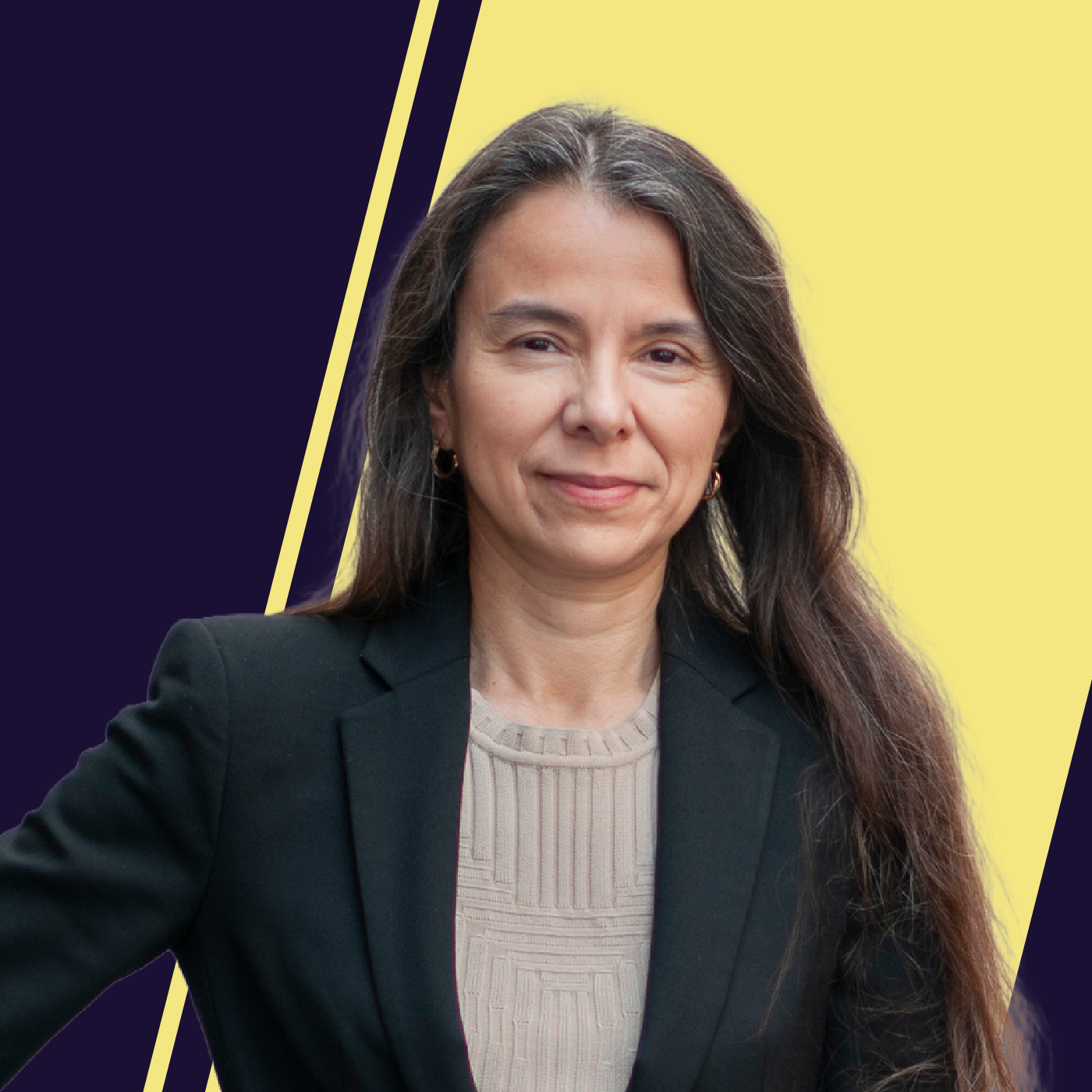
Ep. 250: Civil rights, hate speech, and the First Amendment
Aug 2800:57:04Summary readyWe know the First Amendment protects hate speech. But has it always done so? And how have civil rights groups responded when their members are the target of hate speech? University of Iowa Law Professor Samantha Barbas is the author of a new law review article, “How American Civil Rights Groups Defeated Hate Speech Laws.” Timestamps: 00:00 Intro 04:04 “The Birth of a Nation” movie controversy 12:44 Henry Ford’s anti-Semitic “Dearborn Independent” 22:41 American Jewish Committee’s “quarantining” solution 28:41 ACLU’s Eleanor Holmes Norton defending a racist in court 33:42 Racist Senate candidate J.B. Stoner 37:28 Neo-Nazis and Skokie 47:20 Why are college students afraid of saying “the wrong thing?” 52:31 Barbas’ favorite free speech literature 53:15 Barbas’ free speech hero Read the transcript here: https://www.thefire.org/research-learn/so-speak-podcast-transcript-civil-rights-hate-speech-and-first-amendment. Enjoy listening to the podcast? Donate to FIRE today and get exclusive content like member webinars, special episodes, and more. If you became a FIRE Member through a donation to FIRE at thefire.org and would like access to Substack’s paid subscriber podcast feed, please email sotospeak@thefire.org. Show notes: Morris Ernst, free speech renegade (Barbas’ previous So to Speak appearance, July 29, 2021) Brandenburg v. Ohio (1969) via FIRE
Summary