
Podcast
So to Speak: The Free Speech Podcast
Hosted by FIRE · EN
So to Speak: The Free Speech Podcast takes an uncensored look at the world of free expression through the law, philosophy, and stories that define your right to free speech. Hosted by FIRE's Nico Perrino.
New episodes post every other week.
59episodes
Episodes
Newest firstAll episodes
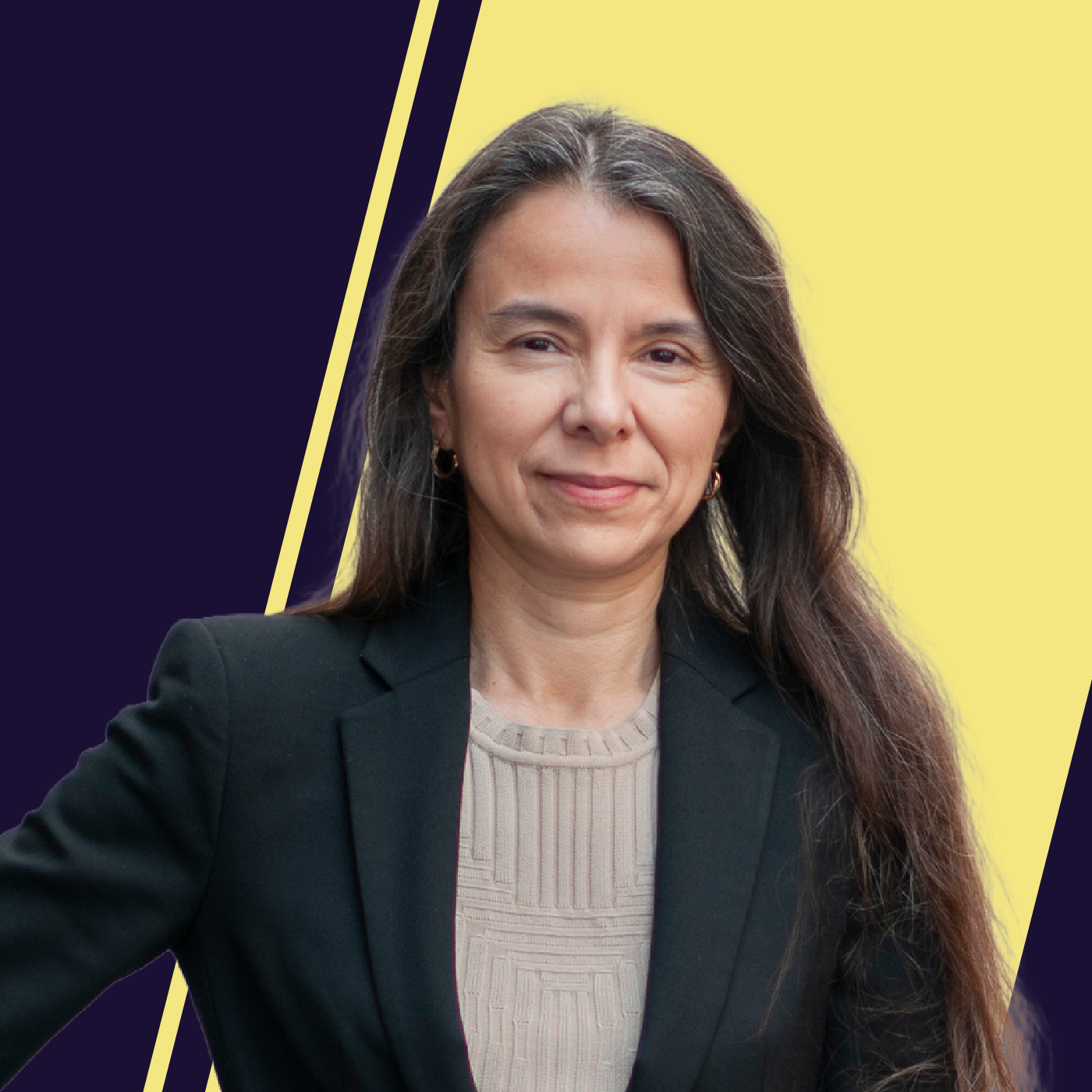
Ep. 250: Civil rights, hate speech, and the First Amendment
Aug 2800:57:04Summary readyWe know the First Amendment protects hate speech. But has it always done so? And how have civil rights groups responded when their members are the target of hate speech? University of Iowa Law Professor Samantha Barbas is the author of a new law review article, “How American Civil Rights Groups Defeated Hate Speech Laws.” Timestamps: 00:00 Intro 04:04 “The Birth of a Nation” movie controversy 12:44 Henry Ford’s anti-Semitic “Dearborn Independent” 22:41 American Jewish Committee’s “quarantining” solution 28:41 ACLU’s Eleanor Holmes Norton defending a racist in court 33:42 Racist Senate candidate J.B. Stoner 37:28 Neo-Nazis and Skokie 47:20 Why are college students afraid of saying “the wrong thing?” 52:31 Barbas’ favorite free speech literature 53:15 Barbas’ free speech hero Read the transcript here: https://www.thefire.org/research-learn/so-speak-podcast-transcript-civil-rights-hate-speech-and-first-amendment. Enjoy listening to the podcast? Donate to FIRE today and get exclusive content like member webinars, special episodes, and more. If you became a FIRE Member through a donation to FIRE at thefire.org and would like access to Substack’s paid subscriber podcast feed, please email sotospeak@thefire.org. Show notes: Morris Ernst, free speech renegade (Barbas’ previous So to Speak appearance, July 29, 2021) Brandenburg v. Ohio (1969) via FIRE
Summary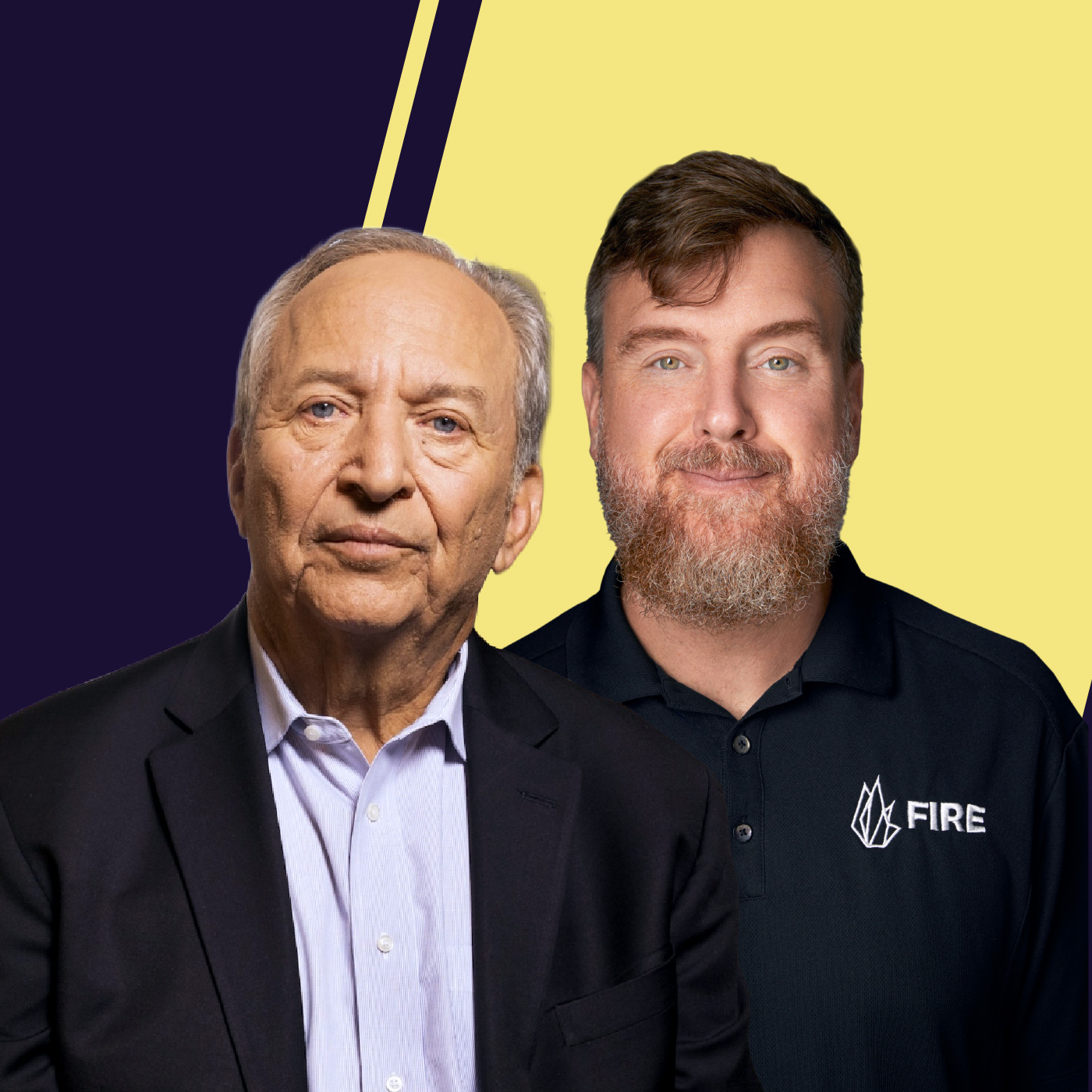
Ep. 249: FIRE Reacts — Where does Harvard go from here? With Larry Summers
Aug 1201:08:50Summary ready2025 has not been kind to Harvard. To date, the Trump administration has revoked nearly $3 billion in research funding to the university, demanding violations of free speech, academic freedom, and institutional autonomy in return for restoring the funding. In response, Harvard filed a lawsuit, raising First Amendment claims. Helping us unpack all things Harvard are: Larry Summers, President Emeritus, professor (Harvard) & advisory council member (FIRE) Greg Lukianoff, President & CEO (FIRE) Timestamps: 00:00 Intro 02:32 Harvard’s disputes with the Trump administration 08:29 The need for internal reforms at Harvard 42:50 Institutional neutrality debate 46:16 IHRA definition of anti-Semitism 01:01:28 Latest update on potential Harvard-Trump administration settlement Enjoy listening to the podcast? Donate to FIRE today and get exclusive content like member webinars, special episodes, and more. If you became a FIRE Member through a donation to FIRE at thefire.org and would like access to Substack’s paid subscriber podcast feed, please email sotospeak@thefire.org. Show notes: The War on Words: 10 Arguments Against Free Speech—and Why They Fail by Greg Lukianoff & Nadine Strossen (2025)
Summary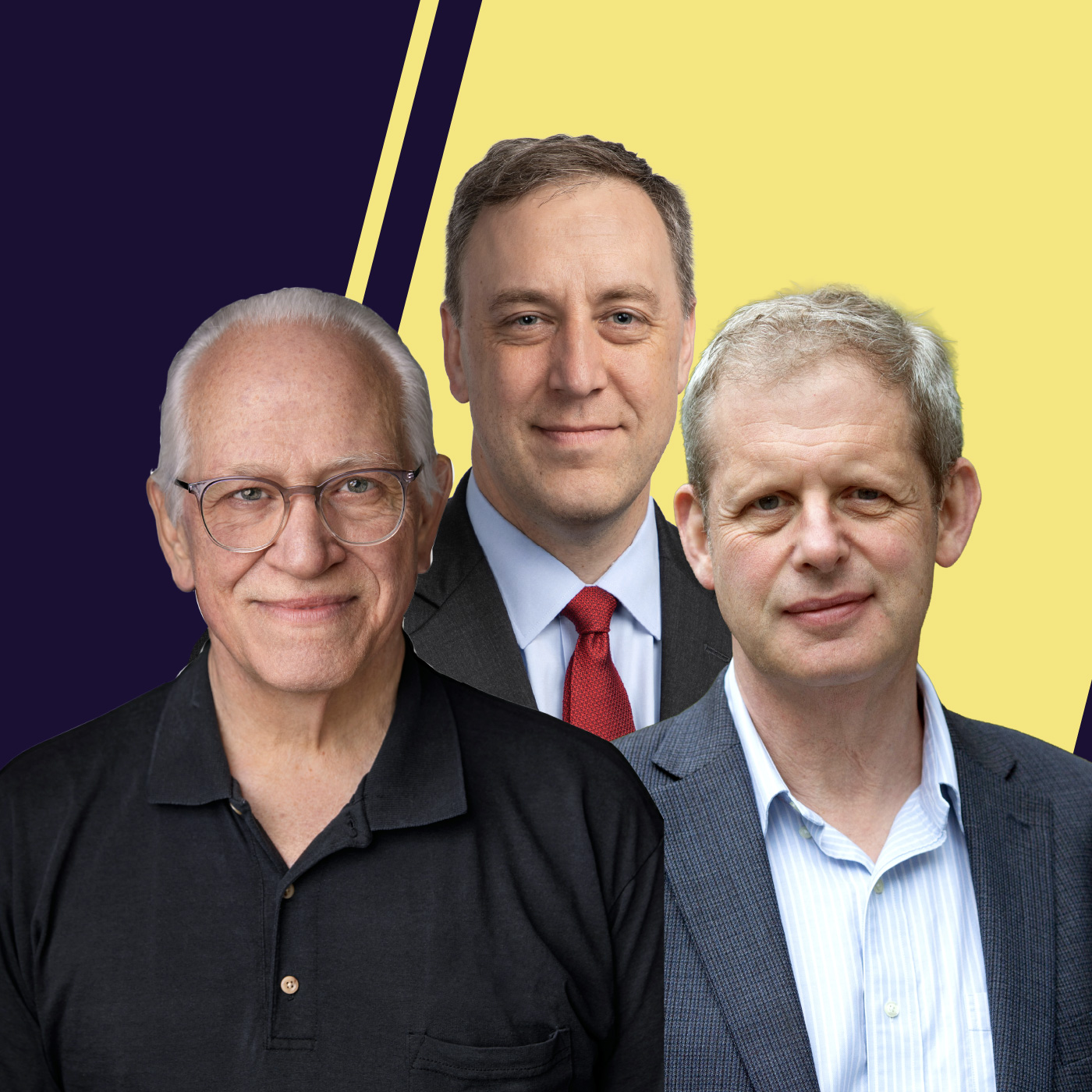
Ep. 248: The state of commercial speech
Aug 6, 202500:50:42Summary readyImagine the government forcing you to label your all-natural milk product as “imitation.” Florida tried to make one dairy farm do just that, sparking a First Amendment question: Where’s the line between a business’s right to speak and protecting consumers from deception? In this episode, we explore how far free speech protections go for commercial speech with: Justin Pearson, managing attorney (Institute for Justice) Bob Corn-Revere, chief counsel (FIRE) Eugene Volokh, Thomas M. Siebel senior fellow (Hoover Institution, Stanford) Timestamps: 00:00 Intro 05:03 What exactly is commercial speech? 08:25 The evolution of commercial speech law 13:59 Early regulation of commercial speech 23:03 What is false or misleading commercial speech? 26:04 Controversial regulations of non-misleading commercial speech 37:35 Future of commercial speech regulations Read the transcript: https://www.thefire.org/research-learn/so-speak-podcast-transcript-state-commercial-speech Coming up: Live episode of So To Speak On Monday, August 11th at 4 p.m. Eastern Time, Nico will be speaking with former Treasury Secretary/Harvard University president, Larry Summers, and FIRE President/CEO, Greg Lukianoff. They will discuss the Trump administration's campaign against elite universities, including Harvard, what outcomes we can expect from that campaign, and what those outcomes might mean for free speech, academic freedom, and university independence. Register for the livestream here: https://thefire-org.zoom.us/webinar/register/5817544039734/WN_AISudjopTvu2Yzk2pXkDYg. Enjoy listening to the podcast? Donate to FIRE today and get exclusive content like member webinars, special episodes, and more. If you became a FIRE Member through a donation to FIRE at thefire.org and would like access to Substack’s paid subscriber podcast feed, please email sotospeak@thefire.org. Show notes: Commercial speech: Should it still receive unique constitutional treatment? FIRE (2025) “In 1995, Pepsi offered a $33 million fighter jet for 7 million Pepsi Points. They thought it was a joke. But this 21-year-old took them seriously, found a loophole, and demanded the fighter jet for his 7 million Pepsi Points.” So to Speak repost via X
Summary
Ep. 247: Justin Amash
Jul 24, 202501:09:20Summary readyThroughout his career, former Congressman Justin Amash has been a strong advocate for freedom of speech, writing that “The value of free speech comes from encountering views that are unorthodox, uncommon, or unaccepted…Free speech is a barren concept if people are limited to expressing views already widely held.” In this special live episode, filmed in front of 200+ high schoolers attending FIRE’s Free Speech Forum at American University in Washington, D.C., Amash takes questions from the audience and discusses his upbringing, his political career, the state of American politics, and how the Constitution guided his work in Congress. Earlier this year, Congressman Amash joined FIRE’s Advisory Council. Timestamps: 00:00 Intro 03:30 Upbringing 06:21 Law school 13:15 Time in Congress 15:59 Why Amash publicly explained each of his votes 26:30 On being the first libertarian in Congress 30:57 Connection between his principles and free speech 33:10 Trump’s first impeachment 42:48 Dealing with pushback from constituents 46:03 Term limits for members of Congress? 55:25 How high schoolers can pursue a career in politics 59:45 Has there been a regression in First Amendment protections? 01:07:32 What Amash is up to now 01:08:06 Outro Enjoy listening to the podcast? Donate to FIRE today and get exclusive content like member webinars, special episodes, and more. If you became a FIRE Member through a donation to FIRE at thefire.org and would like access to Substack’s paid subscriber podcast feed, please email sotospeak@thefire.org.
Summary
Ep. 246: Tech check — AI moratorium, Character AI lawsuit, FTC, Digital Services Act, and FSC v. Paxton
Jul 10, 202501:11:40Summary readyWe’re checking in on the latest news in tech and free speech. We cover the state AI regulation moratorium that failed in Congress, the ongoing Character A.I. lawsuit, the Federal Trade Commission’s consent decree with Omnicom and Interpublic Group, the European Union’s Digital Services Act, and what comes next after the Supreme Court’s Free Speech Coalition v. Paxton decision. Guests: Ari Cohn — lead counsel for tech policy, FIRE Corbin Barthold — internet policy counsel, TechFreedom Timestamps: 00:00 Intro 02:38 State AI regulation moratorium fails in Congress 20:04 Character AI lawsuit 41:10 FTC, Omnicom x IPG merger, and Media Matters 56:09 Digital Services Act 01:02:43 FSC v. Paxton decision 01:10:49 Outro Enjoy listening to the podcast? Donate to FIRE today and get exclusive content like member webinars, special episodes, and more. If you became a FIRE Member through a donation to FIRE at thefire.org and would like access to Substack’s paid subscriber podcast feed, please email sotospeak@thefire.org. Show notes: “The AI will see you now” Paul Sherman (2025) Megan Garcia, plaintiff, v. Character Technologies, Inc. et. al., defendants, United States District Court (2025) Proposed amicus brief in support of appeal - Garcia v. Character Technologies, Inc. FIRE (2025) “Amplification and its discontents: Why regulating the reach of online content is hard” Daphne Kelly (2021) “Omnicom Group/The Interpublic Group of Co.” FTC (2025)
SummaryEp. 245: The Supreme Court's decision in Free Speech Coalition v. Paxton
Jun 27, 202500:46:42Summary readyFIRE staff responds to the Court's decision in Free Speech Coalition v. Paxton that addresses a Texas law requiring age verification for accessing certain sexual material online. Joining us: Will Creeley — Legal director Bob Corn-Revere — Chief counsel Ronnie London — General counsel Timestamps: 01:21 How the case wound up at the Supreme Court 06:57 Bob’s experience with arguing strict scrutiny in the courts 09:32 Ronnie’s perspective on the ruling 10:22 Brick + mortar stores vs. online sites 12:07 Has the Court established a new category of partially protected speech? 13:36 What speech is still subject to strict scrutiny after the ruling? 15:55 What does it mean to address the “work as a whole” in the internet context? 17:24 What modifications to the ruling, if any, would have satisfied FIRE? 18:06 What are the alternatives to address the internet’s risks toward minors? 20:16 For non-lawyer Americans, what is the best normative argument against the ruling? 22:38 Why is this ruling a “canary in the coal mine?” 23:36 How is age verification really about identity verification? 24:42 Why did the Court assume the need to protect children without citing any scientific findings in its ruling? 26:17 Does the ruling allow for more identity-based access barriers to lawful online speech? 28:04 Will Americans have to show ID to get into a public library? 29:30 Why does stare decisis seem to mean little to nothing to the Court? 32:08 Will there be a problem with selective enforcement of content-based restrictions on speech? 34:12 Could the ruling spark a patchwork of state laws that create digital borders? 36:26 Is there any other instance where the Court has used intermediate scrutiny in a First Amendment case? 37:29 Is the Court going to keep sweeping content-based statutes in the “incidental effect on speech” bucket? 38:14 Is sexual speech considered obscene? 40:33 How does the ruling affect adult content on mainstream social media platforms like Reddit and X? 43:27 Where does the ruling leave us on age verification laws? Show notes: - Supreme Court ruling: https://www.supremecourt.gov/opinions/24pdf/23-1122_3e04.pdf - FIRE statement on FSC v. Paxton ruling: https://www.thefire.org/news/fire-statement-free-speech-coalition-v-paxton-upholding-age-verification-adult-content - FIRE’s brief for the Fifth Circuit: https://www.thefire.org/news/supreme-court-agrees-review-fifth-circuit-decision-upholding-texas-adult-content-age - FIRE’s amicus brief in support of petitioners and reversal: https://www.thefire.org/research-learn/amicus-brief-support-petitioners-and-reversal-free-speech-coalition-v-paxton
Summary
Ep. 244: Censoring lawmakers, T-shirts, and seashells
Jun 5, 202501:06:27Summary readyWe discuss the Supreme Court backing Maine lawmaker Laurel Libby, NPR filing suit against Trump, a years-long dispute over a student wearing a “there are only two genders” shirt, the Secret Service investigation into James Comey, the latest on Harvard vs. Trump, and more. Guests: Bob Corn-Revere — chief counsel, FIRE Lee Levine — former senior counsel, Ballard Spahr Timestamps: 00:00 Intro 03:34 Censure of Rep. Libby 07:02 Supreme Court shadow docket 13:53 NPR lawsuit against Trump admin 19:07 Differences between NPR and Voice of America cases 30:50 Middle school student wearing “there are only two genders” shirt 48:54 Recent investigation into former FBI Director James Comey 55:46 Latest updates with Harvard and Trump 01:05:27 Outro Enjoy listening to the podcast? Donate to FIRE today and get exclusive content like member webinars, special episodes, and more. If you became a FIRE Member through a donation to FIRE at thefire.org and would like access to Substack’s paid subscriber podcast feed, please email sotospeak@thefire.org. Show notes: “Ep. 56 have you been defamed?” Lee Levine’s previous appearance on the show (2018) “Supreme Court backs Republican lawmaker in Maine who was punished for transgender athlete remarks” NBC (2025) “NPR and Colorado public radio stations lawsuit against Trump administration” NPR (2025) “Ending taxpayer subsidization of biased media” The White House (2025) L. M. v. Town of Middleborough, Massachusetts Justia (2024) Tinker v. Des Moines Independent Community School District FIRE (1969) “Secret Service is asking Comey about a photo of seashells spelling ‘86 47’” The New York Times (2025) “The promise of American higher education” Alan Garber (2025) Harvard's lawsuit (complaint) (2025)
Summary
Ep. 243: Heather Mac Donald on Trump and free speech
May 22, 202500:59:40Summary readyHeather Mac Donald discusses the Trump administration’s free speech record amidst its battles with higher ed, mainstream media, law firms, and more. Mac Donald is Thomas W. Smith Fellow at the Manhattan Institute. Her most recent book is “When race trumps merit: How the pursuit of equity sacrifices excellence, destroys beauty, and threatens lives.” Timestamps: 00:00 Intro 01:54 Mac Donald’s personal experience with being shouted down 05:34 Amy Wax, Carole Hooven, and other cancelled professors 11:04 Mac Donald’s support and concern on Trump’s free speech approach 23:41 Rümeysa Öztürk situation 32:08 The problems of campus bureaucracy 36:40 Trump’s executive orders on law firms 43:14 Trump’s attacks on AP News, CBS, ABC, Paramount, and other media companies 59:54 Outro Read the transcript. Enjoy listening to the podcast? Donate to FIRE today and get exclusive content like member webinars, special episodes, and more. If you became a FIRE Member through a donation to FIRE at thefire.org and would like access to Substack’s paid subscriber podcast feed, please email sotospeak@thefire.org. Show notes: “The White House’s clumsy attack on Harvard” (2025) Heather Mac Donald “Everyone knows that Harvard has “lost its way…” (2025) President Trump via Truth Social “Secretary of State Marco Rubio with Mike Benz” (2025) U.S. Department of State “Tufts student returns to Massachusetts after 6 weeks in immigration detention” (2025) The New York Times “Headlines compared: Kamala Harris’ multiple answers to ‘60 Minutes’ question” (2024) Straight Arrow News
Summary
Ep. 242: Is cancel culture dead?
May 8, 202500:55:16Summary readyThe co-authors of “The Canceling of the American Mind” discuss its new paperback release and where cancel culture stands a year and a half after the book’s original publication. - Greg Lukianoff — President and CEO of FIRE Co-author of "The Canceling of the American Mind" - Rikki Schlott — New York Post columnist Co-author of "The Canceling of the American Mind" Timestamps: 00:00 Intro 04:35 Origin of book 07:56 Definition of cancel culture 17:55 Mike Adams, canceled professor 23:51 Alexi McCammond, former Teen Vogue editor-in-chief 31:57 Echo chambers on social media 35:09 Trump administration ‘canceling’ law firms and higher ed institutions 44:02 Rikki’s libertarian political identity 51:02 Is cancel culture dead? 54:26 Outro Enjoy listening to the podcast? Donate to FIRE today and get exclusive content like member webinars, special episodes, and more. If you became a FIRE Member through a donation to FIRE at thefire.org and would like access to Substack’s paid subscriber podcast feed, please email sotospeak@thefire.org. Show notes: “Canceling of the American Mind” (paperback, 2025) by Greg Lukianoff and Rikki Schlott “We have never been woke: The cultural contradictions of a new elite” (2024) by Musa al-Gharbi
Summary
Ep. 241: The government’s money, the government’s rules?
Apr 23, 202500:54:54Summary readyOur guests today signed onto a statement by a group of 18 law professors who opposed the Trump administration’s funding threats at Columbia on free speech and academic freedom grounds. Since then, Northwestern, Cornell, Princeton, Harvard, and nearly 60 other colleges and universities are under investigation with their funding hanging in the balance, allegedly for violations of civil rights law. To help us understand the funding threats, Harvard’s recent lawsuit against the federal government, and where universities go from here are: - David Rabban — distinguished teaching professor at The University of Texas at Austin School of Law - Erwin Chemerinsky — distinguished professor of law and dean at UC Berkeley Law Timestamps: 00:00 Intro 02:50 Govt’s approach with Harvard and Columbia 05:39 Title VI violations 11:30 Anti-Semitism on campuses 23:02 Viewpoint diversity in higher education 27:12 Affirmative action and the Supreme Court 35:52 Title IX under the Obama and Biden administrations 42:32 Bob Jones University and tax-exempt status 45:53 Future of federal funding in higher education 54:08 Outro Enjoy listening to the podcast? Donate to FIRE today and get exclusive content like member webinars, special episodes, and more. If you became a FIRE Member through a donation to FIRE at thefire.org and would like access to Substack’s paid subscriber podcast feed, please email sotospeak@thefire.org. Show notes: Academic freedom: from professional norm to first amendment right David Rabban (2024) Worse than nothing: the dangerous fallacy of originalism Erwin Chemerinsky (2022) “A statement from constitutional law scholars on Columbia” The New York Review (2025) Sweezy v. New Hampshire (1957) Title VI of the Civil Rights Act (1967) Federal government letter to Harvard (2025) “The promise of American higher education” Alan Garber (2025) Harvard's lawsuit (complaint) (2025) “Columbia agrees to Trump’s demands after federal funds are stripped” The New York Times (2025) “Sustaining Columbia’s vital mission” Claire Shipman (2025) Students for Fair Admissions, Inc. v. President and Fellows of Harvard College (2023) “What is Title IX? Its history & implications” FIRE (2025) Bridges v. Wixon (1945)
Summary