
Podcast
TED Talks Art
Hosted by TED · EN
Some of the world's greatest artists, designers, photographers and architects showcase their work and visions onstage at the TED conference, TEDx events and partner events around the world. You can also download these and many other videos free on TED.com, with an interactive English transcript and subtitles in up to 80 languages. TED is a nonprofit devoted to Ideas Worth Spreading.
20episodes
Episodes
Newest firstAll episodes
Why must artists be poor? | Hadi Eldebek
Mar 15, 201800:06:31Tap to summarizeThe arts bring meaning to our lives and spirit to our culture -- so why do we expect artists to struggle to make a living? Hadi Eldebek is working to create a society where artists are valued through an online platform that matches artists with grants and funding opportunities -- so they can focus on their craft instead of their side hustle.
Transcribe →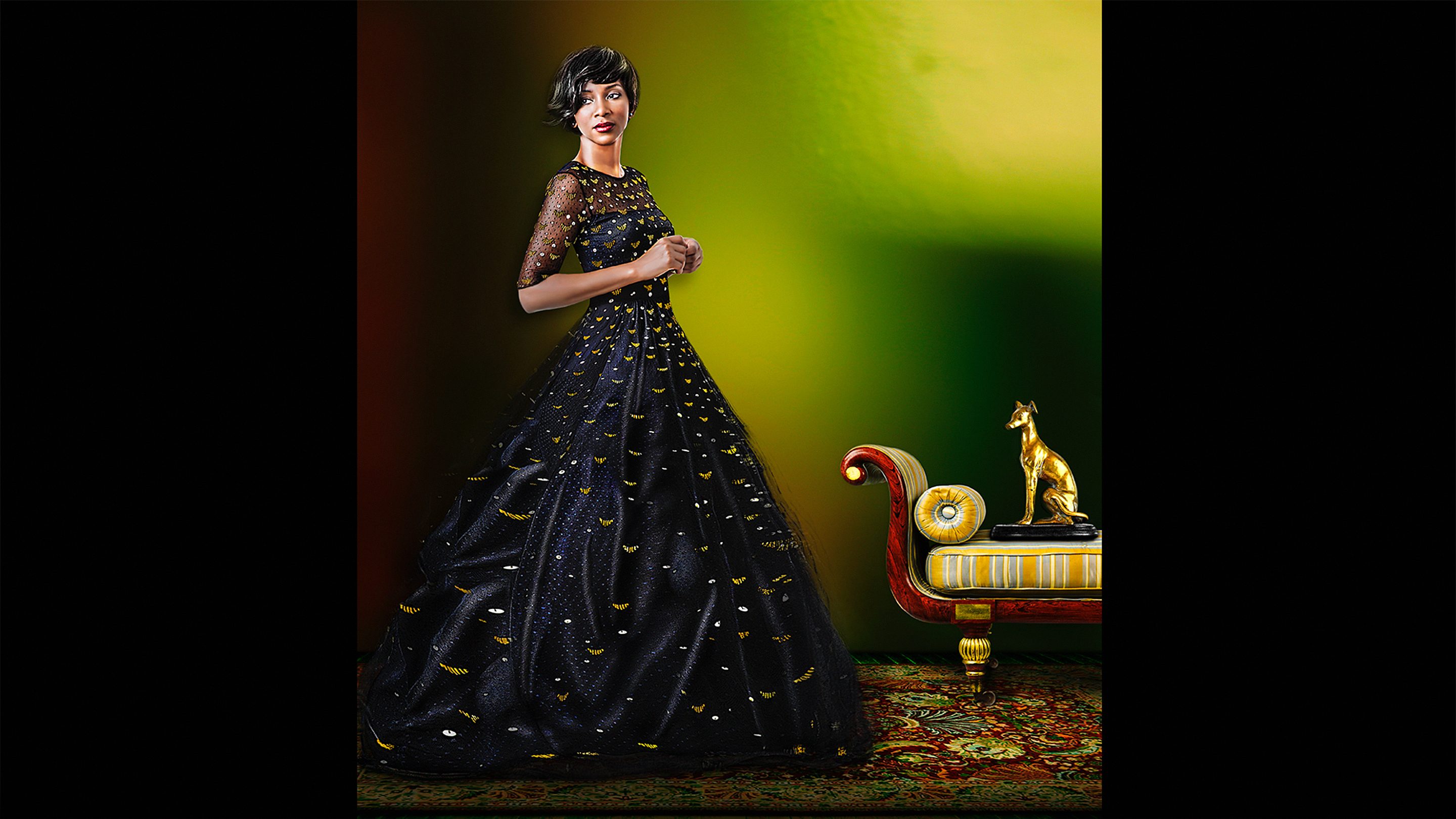
The radical beauty of Africa, in portraits | Iké Udé
Mar 12, 201800:13:13Tap to summarizeThroughout his colorful career and bodies of work, Iké Udé has found creative ways to reject the negative portrayal of Africans rampant in Western media. In this tour of his work, he shares evocative portraits that blend clothing, props and poses from many cultures at once into sharp takes on the varied, complex beauty of Africa.
Transcribe →
How fashion helps us express who we are -- and what we stand for | Kaustav Dey
Mar 6, 201800:12:23Tap to summarizeNo one thinks twice about a woman wearing blue jeans in New York City -- but when Nobel laureate Malala wears them, it's a political act. Around the globe, individuality can be a crime, and clothing can be a form of protest. In a talk about the power of what we wear, Kaustav Dey examines how fashion gives us a nonverbal language of dissent and encourages us to embrace our authentic selves.
Transcribe →
3 creative ways to fix fashion's waste problem | Amit Kalra
Feb 15, 201800:09:38Tap to summarizeWhat happens to the clothes we don't buy? You might think that last season's coats, trousers and turtlenecks end up being put to use, but most of it (nearly 13 million tons each year in the United States alone) ends up in landfills. Fashion has a waste problem, and Amit Kalra wants to fix it. He shares some creative ways the industry can evolve to be more conscientious about the environment -- and gain a competitive advantage at the same time.
Transcribe →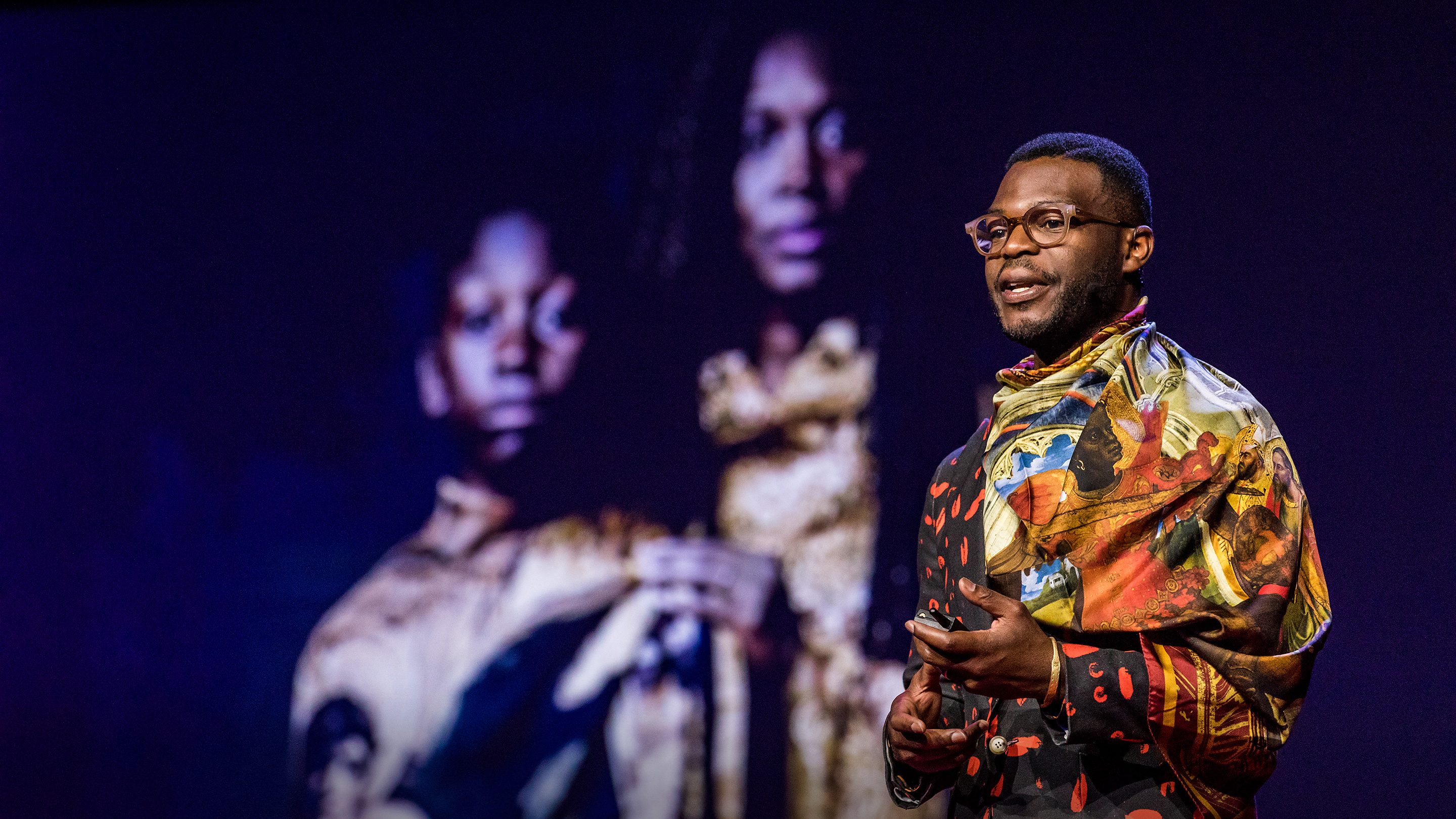
Fashion that celebrates African strength and spirit | Walé Oyéjidé
Feb 15, 201800:04:44Tap to summarize"To be African is to be inspired by culture and to be filled with undying hope for the future," says designer and TED Fellow Walé Oyéjidé. With his label Ikiré Jones (you'll see their work in Marvel's "Black Panther"), he uses classic design to showcase the elegance and grace of often-marginalized groups, in beautifully cut clothing that tells a story.
Transcribe →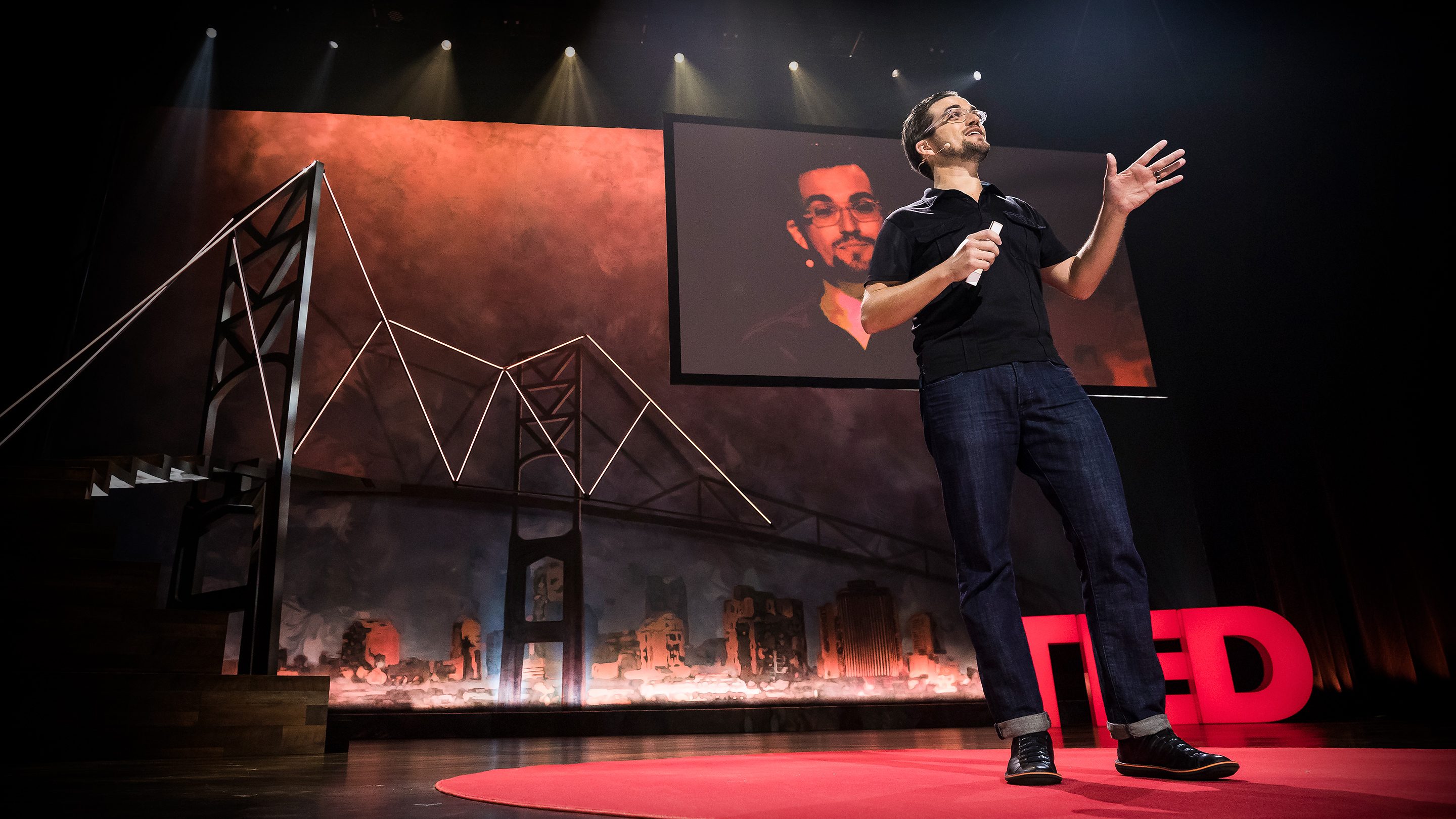
How architecture can create dignity for all | John Cary
Feb 7, 201800:13:23Tap to summarizeIf architect and writer John Cary has his way, women will never need to stand in pointlessly long bathroom lines again. Lines like these are representative of a more serious issue, Cary says: the lack of diversity in design that leads to thoughtless, compassionless spaces. Design has a unique ability to dignify and make people feel valued, respected, honored and seen -- but the flip side is also true. Cary calls for architects and designers to expand their ranks and commit to serving the public good, not just the privileged few. "Well-designed spaces are not just a matter of taste or a questions of aesthetics," he says. "They literally shape our ideas about who we are in the world and what we deserve." And we all deserve better.
Transcribe →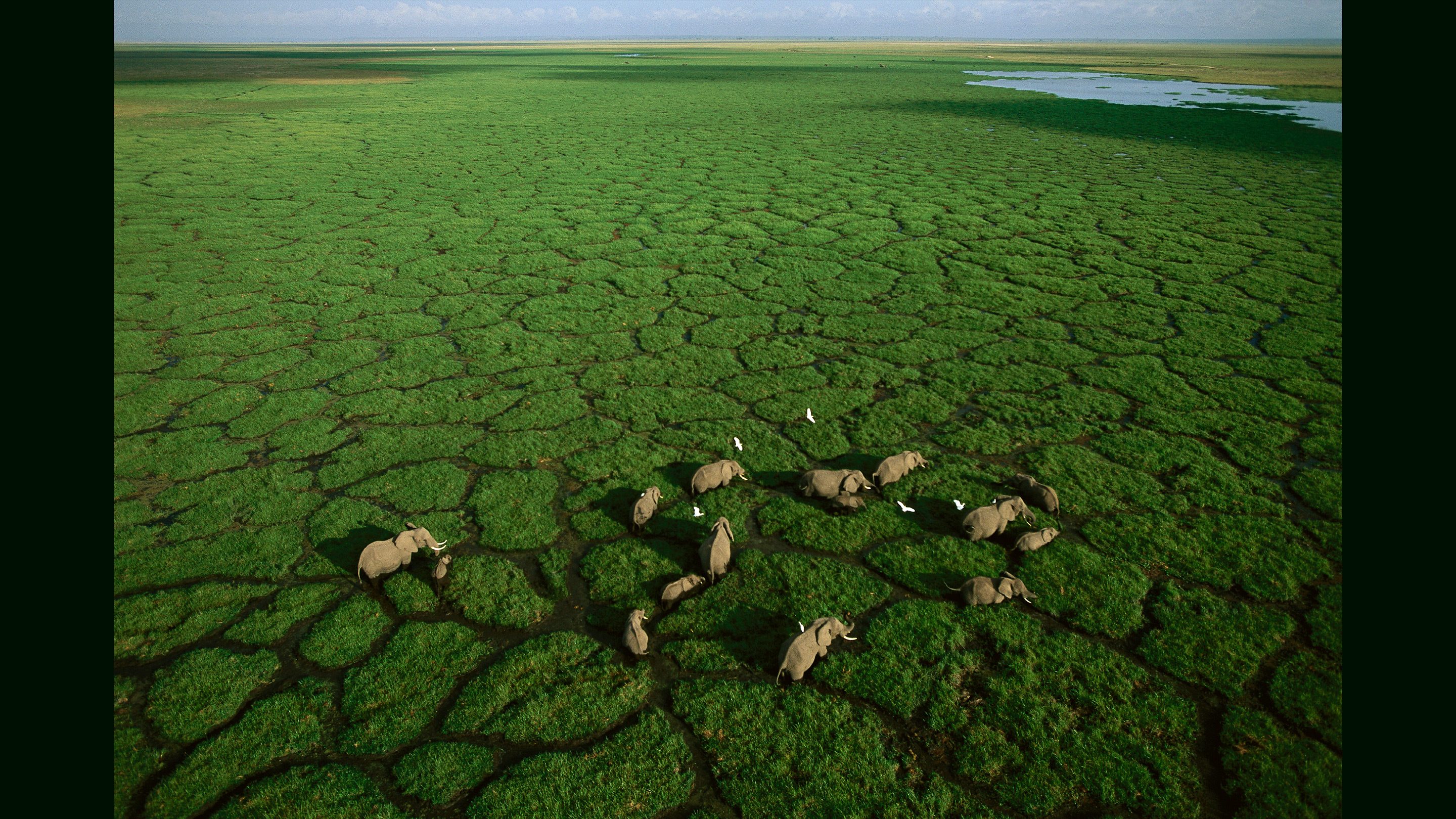
Photos of Africa, taken from a flying lawn chair | George Steinmetz
Jan 24, 201800:10:34Tap to summarizeGeorge Steinmetz's spectacular photos show Africa from the air, taken from the world's slowest, lightest aircraft. Join Steinmetz to discover the surprising historical, ecological and sociopolitical patterns that emerge when you go low and slow in a flying lawn chair.
Transcribe →
Want to change the world? Start by being brave enough to care | Cleo Wade
Jan 19, 201800:10:51Tap to summarizeArtist and poet Cleo Wade recites a moving poem about being an advocate for love and acceptance in a time when both seem in short supply. Woven between stories of people at the beginning and end of their lives, she shares some truths about growing up (and speaking up) and reflects on the wisdom of a life well-lived, leaving us with a simple yet enduring takeaway: be good to yourself, be good to others, be good to the earth. "The world will say to you, 'Be a better person,'" Wade says. "Do not be afraid to say, 'Yes.'"
Transcribe →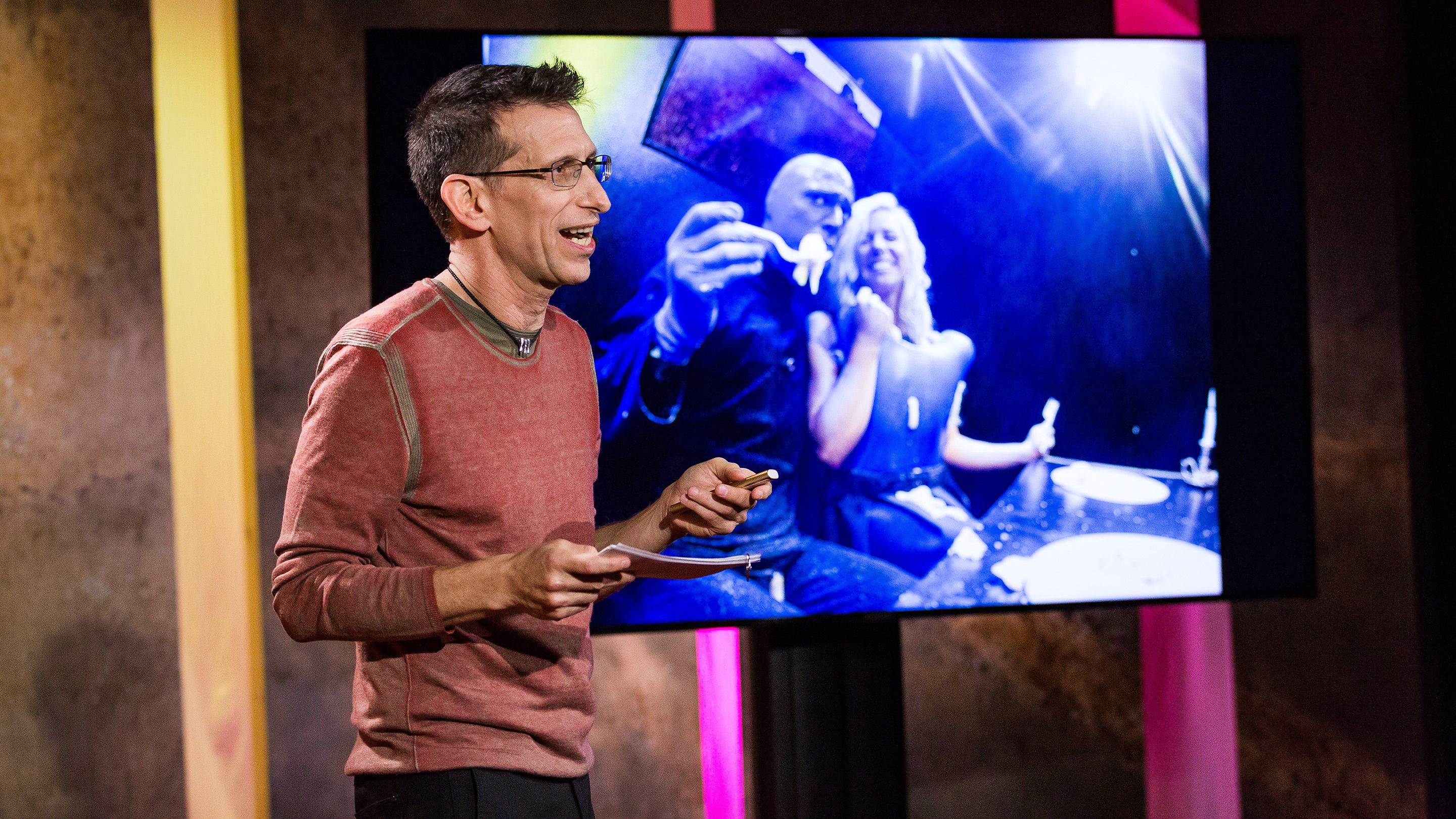
The search for "aha!" moments | Matt Goldman
Jan 16, 201800:14:02Tap to summarizeIn 1988, Matt Goldman co-founded Blue Man Group, an off-Broadway production that became a sensation known for its humor, blue body paint and wild stunts. The show works on the premise that certain conditions can create "aha moments" -- moments of surprise, learning and exuberance -- frequent and intentional rather than random and occasional. Now Goldman is working to apply the lessons learned from Blue Man Group to education, creating Blue School, a school that balances academic mastery, creative thinking and self and social intelligence. "We need to cultivate safe and conducive conditions for new and innovative ideas to evolve and thrive," Goldman says.
Transcribe →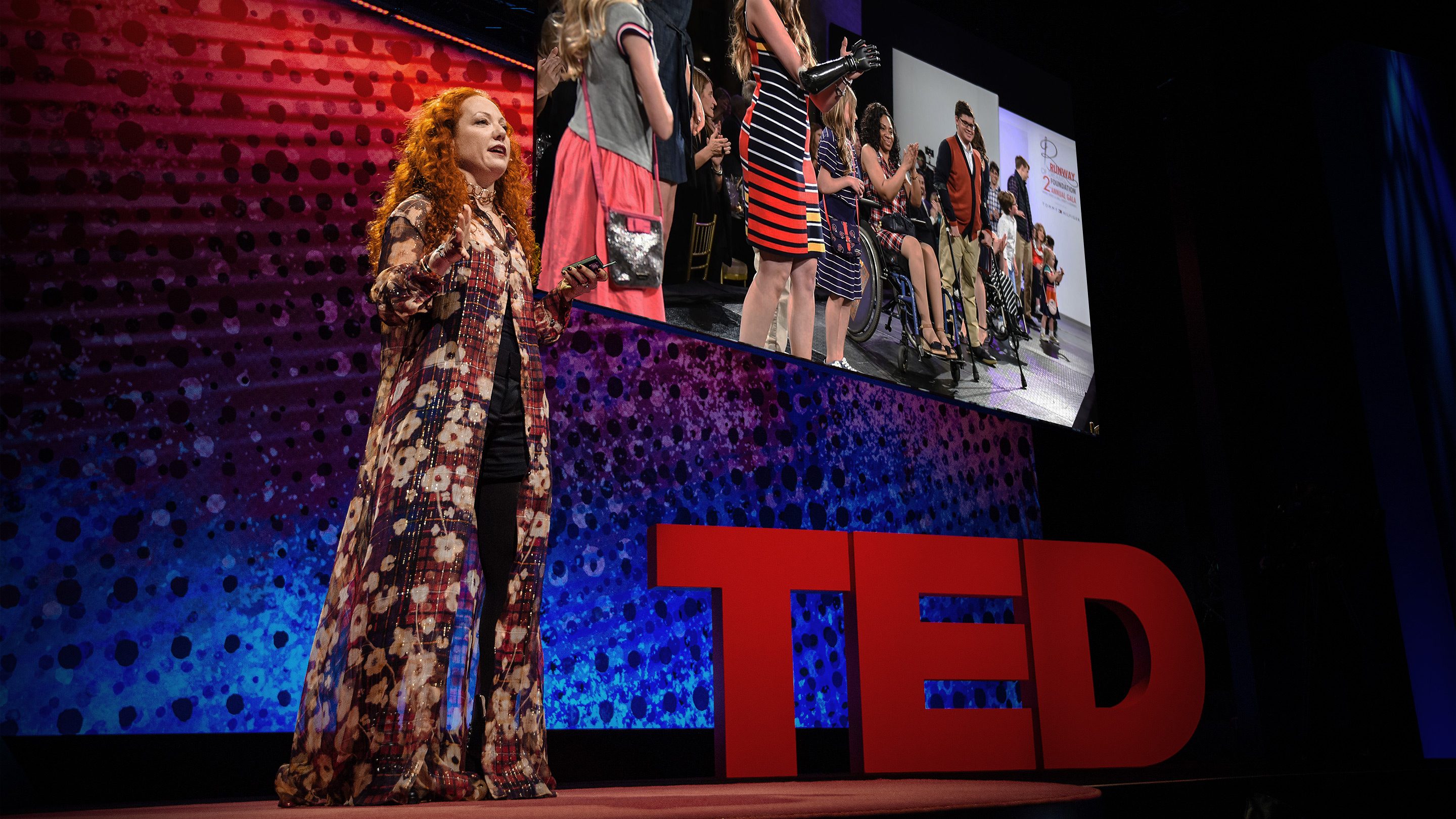
How adaptive clothing empowers people with disabilities | Mindy Scheier
Jan 9, 201800:13:30Tap to summarizeDo you have a favorite T-shirt or pair of jeans that transforms you and makes you feel confident -- makes you feel like you? That's because what you wear can affect your mood, your health and your self-esteem, says fashion designer Mindy Scheier. Inspired by her son, who was born with a degenerative disorder that makes it hard for him to dress himself or wear clothing with buttons or zippers, Scheier set out to make clothing that works for everyone, including the differently abled. Learn more about how she's made fashion history by producing the world's first mainstream adaptive clothing line.
Transcribe →