
Podcast
The Journal.
Hosted by The Wall Street Journal & Spotify Studios · EN
The most important stories about money, business and power. Hosted by Ryan Knutson and Jessica Mendoza. The Journal is a co-production of Spotify and The Wall Street Journal.
Get show merch here: https://wsjshop.com/collections/clothing
480episodes
Episodes
Newest firstAll episodes
He Thought He Invested in SpaceX. Then His Shares Vanished.
Yesterday00:21:14Summary readyAfter the massive initial public offering earlier this year, some investors who thought they had gotten early exposure to shares of SpaceX discovered things may not have been quite what they seemed. WSJ's Corrie Driebusch chronicles the rise of special-purpose vehicle funds and the issues some investors are facing as they navigate private markets. Jessica Mendoza hosts. Further Listening: - 'Eject! Eject! Eject!' Inside the Private Credit Panic - Is SpaceX Worth the Hype? Sign up for WSJ’s free What’s News newsletter. Learn more about your ad choices. Visit megaphone.fm/adchoices
SummaryTo Solve a Cold Case, French Police Bent DNA Privacy Law
2d ago00:25:19Summary readyAcross Europe, law enforcement agencies want permission to use genetic genealogy to solve criminal cold cases. But privacy laws restrict the use of recreational DNA in most of Europe. WSJ’s Matthew Dalton reports on how French investigators in one case skirted their country’s DNA laws by asking the United States for help. Jessica Mendoza hosts. Further Listening: - How Did Nancy Guthrie Vanish Without a Trace? - Camp Swamp Road Sign up for WSJ’s free What’s News newsletter. Learn more about your ad choices. Visit megaphone.fm/adchoices
SummaryJared Kushner's Albania Headache: Flamingos, Contested Land and Cocaine
3d ago00:22:24Summary readyJared Kushner has been planning to build ultraluxury resorts in Albania for years. But the multi-billion dollar project has run into a string of controversies. The development has triggered mass protests, calls for the Albanian prime minister to resign and a warning from the EU. On top of all that, WSJ’s Eliot Brown reports on a suspected gangster who sold Kushner and his partners a key piece of land. Jessica Mendoza hosts. Further Listening: - Americans Are Leaving the U.S. in Record Numbers - The Crypto President: Part 1 - The Crypto President: Part 2 Sign up for WSJ’s free What’s News newsletter. Learn more about your ad choices. Visit megaphone.fm/adchoices
Summary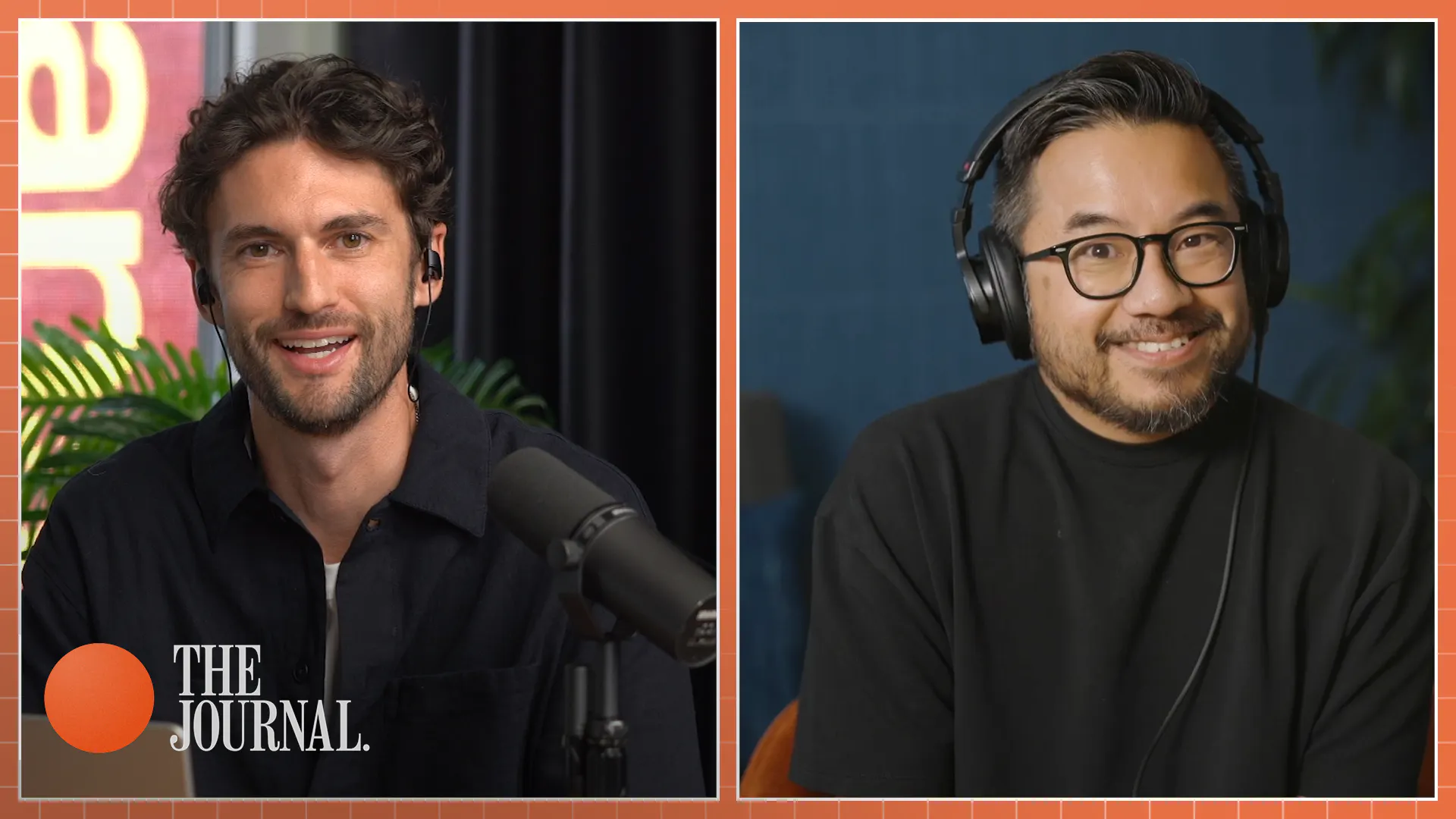
Y Combinator CEO on How AI is Changing What Startups Build
4d ago00:26:04Summary readyTickets for our live show in New York are now on sale! Get yours here. Garry Tan is the President and CEO of Y Combinator, a tech incubator that invests millions of dollars into new startups every year. Garry describes himself as “AI-pilled,” saying that he’s seen first-hand how the technology is transforming what startups can build. Ryan Knutson interviews Tan about how he remains optimistic despite AI’s risks, how AI is impacting the workforce and how we should all be having more parties. Further Listening: - The Vanishing of an Anti-AI Activist - Chinese AI Is Spooking Silicon Valley Sign up for WSJ’s free What’s News newsletter. Learn more about your ad choices. Visit megaphone.fm/adchoices
SummaryJersey Mike's Journey From the Shore to Wall Street
1w ago00:19:39Summary readyTickets for our live show in New York are on sale now! Get yours here. Jersey Mike’s started as a small sub shop on the Jersey Shore when a 17-year-old stepped in with big ambitions. Along the way, the company grew to several thousand locations before private equity company Blackstone bought it for $8 billion and took it to Wall Street. But its IPO comes amid struggles in the restaurant industry. WSJ’s Heather Haddon and Mark Maurer on Jersey Mike’s origins and the hurdles it will have to jump through as a public company. Jessica Mendoza hosts. Further Listening: - Can Burger King Regain Its Crown? - How Kraft Lost Its Mac and Cheese Crown Sign up for WSJ’s free What’s News newsletter. Learn more about your ad choices. Visit megaphone.fm/adchoices
SummaryInside Trump's Fundraising Machine
1w ago00:20:34Summary readyAlmost every night in the White House, President Donald Trump calls his fundraiser, Meredith O’Rourke, for an update. Together, they have raised more than $800 million since Trump’s second inauguration. WSJ’s Josh Dawsey and Dana Mattioli unspool their investigation into the president’s unprecedented fundraising and the political operative behind it. Jessica Mendoza hosts. Further Listening: - The Crypto President: Part 1 - The Crypto President: Part 2 Sign up for WSJ’s free What’s News newsletter. Learn more about your ad choices. Visit megaphone.fm/adchoices
SummaryRobot Workers Are Here. Human Workers Are Fighting Back.
1w ago00:18:18Tap to summarizeTickets for our live show in New York are on sale now! Get yours here. Early this year, Hyundai unveiled its newest employee: a humanoid robot named Atlas. Now, Hyundai’s unionized workers in South Korea are on a partial strike, arguing that humanoids shouldn’t join the assembly line without their approval. WSJ’s Tim Martin explains how the rest of the world is watching to see who wins the battle over the future. Ryan Knutson hosts. Further Listening: Move Over, Humans. China's Robots Are Taking Over How 1 Million Robots Are Taking Over Amazon Warehouses Sign up for WSJ’s free What’s News newsletter. Learn more about your ad choices. Visit megaphone.fm/adchoices
Transcribe →How the ‘Nostradamus of AI’ Got It Wrong
1w ago00:22:39Summary readyTickets for our live show in New York are on sale now! Get yours here. Leopold Aschenbrenner, age 24, was hailed as the ‘Nostradamus of AI.’ With that reputation, the wunderkind built a multi-billion dollar hedge fund called Situational Awareness, taking on an enormous amount of debt. WSJ’s Gregory Zuckerman explains how the fund crashed while Aschebrenner was preparing for his wedding. Ryan Knutson hosts. Further Listening: - Republican Megadonor Ken Griffin on Trump’s Economy - Is the AI Boom… a Bubble? Sign up for WSJ’s free What’s News newsletter. Learn more about your ad choices. Visit megaphone.fm/adchoices
SummaryHow Did Nancy Guthrie Vanish Without a Trace?
1w ago00:28:09Summary readySix months after Savannah Guthrie's mother Nancy was kidnapped from her home in Tucson, Ariz., investigators have little to show beyond a trail of tragic missteps and bad luck. WSJ’s Valerie Bauerlein reports on how early errors, attention from amateur sleuths and public feuding have complicated the case. Jessica Mendoza hosts. Further Listening: - Camp Swamp Road Sign up for WSJ’s free What’s News newsletter. Learn more about your ad choices. Visit megaphone.fm/adchoices
Summary
Confessions of a Recovering Work Addict
2w ago00:24:48Summary readyLaura Mayer was born a tryhard, addicted to work. A quality that supercharged her career and earned her executive jobs at major media companies. But as Mayer writes in her new memoir, “Tryhard: A Cautionary Tale of Clocking In and Spinning Out,” being a tryhard comes with a cost. Jessica Mendoza hosts.Further Listening: - How an Influencer Built His Business, One Dog at a Time - How to Keep Up with AI At Work (Without Losing Your Mind) - The Data Is In On Work From Home Learn more about your ad choices. Visit megaphone.fm/adchoices
Summary