
Podcast
The Justin Brady Show
Hosted by Justin Brady · EN
The Justin Brady Show amplifies the best ideas and people on earth. As a PR guy, he works primarily with iconic brands making podcasts and DTC content.
Past guests include:
Howard Schultz, founder of Starbucks; Blake Irving, CEO of GoDaddy; Ancesty.com Founder Paul Allen; Best-Selling authors like Dan Ariely, Dan Pink, Matthew May, and David Burkus; Apple iPhone keyboard inventor, Ken Kocienda; Harvard Business Review and Bloomberg opinion editor Sarah Green Carmichael; Dave Ramsey money guy, Chris Hogan; Sonic Drive-Ins CEO Clifford Hudson; Sam Parr, founder of The Hustle and co-host of My First Million podcast; Amanda Goetz, VP of TheKnot.com worldwide; John Jantsch, author of Duct Tape Marketing; Jaime Casap, Chief Education Evangelist for Google; Steve Clayton, Microsoft's Chief Storyteller; Service icon, Ken Blanchard; Scott Belsky, CPO of Adobe, and founder of Behance; Melinda Emerson, the Small Biz Lady; Stormy Simon, President of Overstock.com; Ryan Smith, CEO of Qualtrics; and too many more to list.
16episodes
Episodes
Newest firstAll episodes

What should founders prioritize in their marcom efforts? Allison Braley, partner at Bain Capital Ventures answers.
May 3, 202300:31:34Tap to summarizeAs the state of the economy looks shakier by the day, Allison Braley head of marketing at Bain Capital Ventures gives founders critical advice on where to spend their marketing dollars. She explains the value earned media, and how to balance spend on brand and product. It's a whole new world and although there's plenty of cash for early stage founders, late stage founders are feeling the crunch as VCs prioritize earlier profitabaility and low burn. Braley explaind the new marcom flywheel and where to focus as a founder. See the full show notes at https://justinkbrady.com/notes/allison-braley-bain-capital
Transcribe →
CEO of FreePower on creating new Tesla device charger and how he amassed a huge following.
Apr 26, 202300:32:22Tap to summarizeJake Slatnick, CEO of FreePower discusses the process in creating Tesla's new free position device charger and overcoming engineering hurdles—how did he succeed where Apple failed? I also ask the direction question everyone wants to know: will this charger be on the new Cybertruck? We also discuss how he captured massive amounts of earned media and press attention. Not to mention top YouTubers like Marques Brownlee, known as MKBHD, and Justine Ezarik, known as iJustine. Was it just luck? No. Turns out he took specific steps to get the right journalist's attention. See the full show notes at https://justinkbrady.com/jake-slatnick-freepower
Transcribe →
If you utilize a customer's values they are neurologically wired to chase you says David Allison.
Apr 19, 202300:35:24Tap to summarizeDavid Allison is creator of the Valuegraphics database, and as of recording this interview, is closing in on his one millionth in-depth survey making his dataset iron clad. Allison is the first person in history to have built a tool allowing us to precisely communicate and position our message in a way others are neurologically wired to hear and understand. Much of failed startups, wars, and broken relationships stem from bad communication resulting from misalignment and misunderstanding of others' values. Allison believes the valuegraphics databse is a great tool for marketers, allowing them to tap into new markets in a way not possible historically, but also believes this can change the world. Traditionally, we've relied on poor demographic data to understand groups. But demographic groups rarely agree on anything. What groups do agree? Groups identified by values. See the full show notes and a video message from Allison to listeners of the show at https://justinkbrady.com/david-allison-death-of-demographics
Transcribe →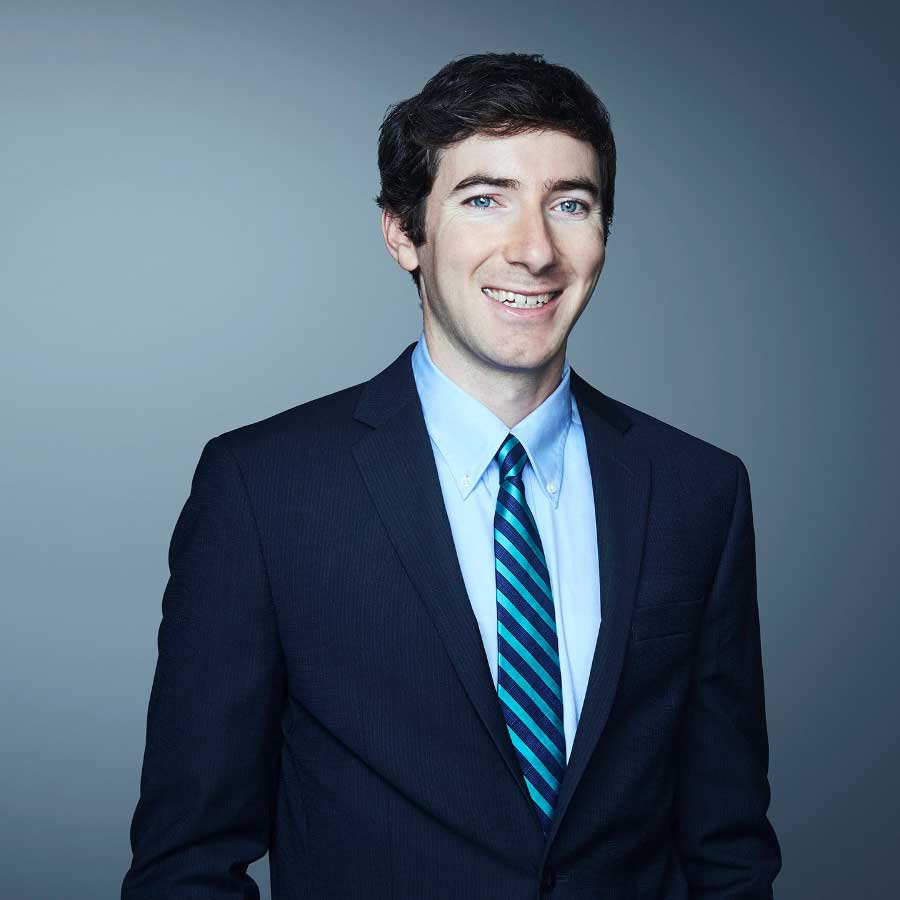
Journalist for The Washington Post and CNN on the state of media, pitching journalists, and AI-writing.
Apr 5, 202300:33:51Tap to summarizeToday is a special episode. Matt McFarland is a respected journalist with The Washington Post and most recently CNN discusses how to get press and pitch the right way, and media relevance in the 21st century. Has the media gone too hard on polarizing and political topics has that hurt them? McFarland also discusses the value of content strategy not just for sales but attracting media attention. In the same way, prospects are opening less pitch email, journalists are also ignoring pitches in favor of self-created content. We also dig into AI-writing. Representing both the writing and tech communities, does McFarland see this as a force that will replace writers like himself or a force that will give writers like himself a valuable edge?
Transcribe →
What do unicorn founders know? Matthew E. May and Pablo Dominguez wrote the book.
Feb 21, 202300:34:44Tap to summarizeMatthew E. May and Pablo Dominguez co-wrote "What A Unicorn Knows" and explain there is nothing random about becoming a unicorn. Growth-focused companies think about small steps, make experimentation part of the job, and most importantly, put the time and commitment into forming a strategy. May and Dominguez are operators at Insight Partners. They joined forces to create a light book that's dense in value and detail. The book strikes the balance between something easy-to-consume but thorough and detailed enough to take your executive team through to put your company on a growth trajectory. They discuss why strategy is vital to growth, every step you can take to build a strategy, and why even well-established companies skip this part due to their inaccurate belief it limits flexibility or is a waste of time. why companies resist focusing on "where to play" but why they can't grow without it. how lack of experimentation kills your company Check out the shows notes, buy the book, and connect with Dominguez and May: https://justinkbrady.com/matthew-may-pablo-dominguez
Transcribe →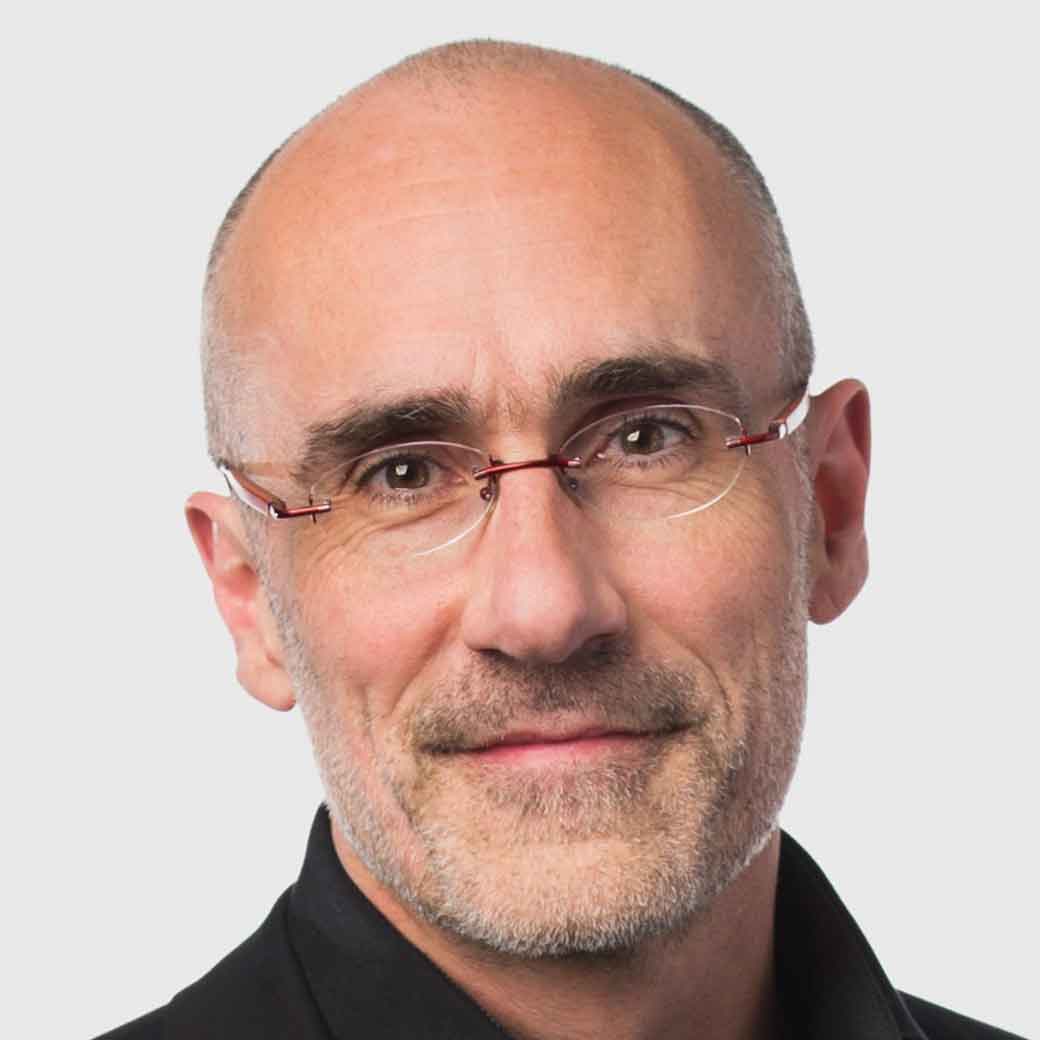
Harvard Professor Arthur Brooks on disagreement without disembowelment. 93% of us hate political division.
Mar 30, 2022Tap to summarizeIt's difficult to get a seat in Professor Arthur Brooks' happiness class at Harvard according to the WSJ. He explains how happiness is an effective productivity tool, and how leaders can avoid the hyperpolarizing political pitfalls being experienced by Disney and others. We discuss why people are so quick to throw around racist accusations for those that oppose Judge Ketanji Brown Jackson, how Disney should have acted to avoid being in the center of the new Florida bill fight, and why the wide majority of Americans don't actually want the hyper-polarized state we're living in. Did you know 93% of Americans hate how divided we are? Brooks suggests if you stand up to the whiners and tell even your own tribe "no" there's a much bigger group waiting for you on the other side. He dispels the BS that disagreement is bad, and explains why Republicans say they are grateful for Democrats. If we don't shut down the extremists and enter an economic civil war, he gives cultural examples of what that will look like.
Transcribe →