Podcast
The Media Odyssey
Hosted by Evan Shapiro & Marion Ranchet · EN
Each week, two of media’s most influential thinkers, Evan Shapiro & Marion Ranchet, take on the hottest media topics with their hottest takes, helping their audience chart a course through the maelstrom that is today’s Media Odyssey.
Based in the US, Evan Shapiro is the Media Industry’s official Cartographer, known for his well-researched and provocative analysis of the entertainment ecosystem in his must read treatises on Media’s latest trends and trajectories.
Marion Ranchet, French expat based in Amsterdam, has become the industry’s go-to expert in all things streaming, building a following for turning even the most complex problems into easily digestible and actionable insights.
Ranchet and Shapiro are known for their sharp-yet-accessible content on Media consumption, audience trends, and the shifting fundamentals of the business itself. Even during the toughest of topics, they each make talking about Media fun. Together every week, these two will offer entertaining, often humorous, and always educational content on today’s Media Odyssey.
42episodes
Episodes
Newest firstAll episodes
GOOGLE & DISNEY EARNINGS BREAKDOWN
Feb 500:32:47Summary readyGoogle crushes expectations even as YouTube slows, and Disney names a CEO to distract from its numbers. Welcome to The Media Odyssey Live!In this live earnings coverage episode, Evan Shapiro and Marion Ranchet break down Google and Alphabet’s Q4 2025 wins and Disney's less positive performance. The conversation reveals surprising shifts in where advertising dollars are flowing, with mobile and social platforms capturing growth that once went to traditional video platforms. Rather than celebrating wins, the hosts dig into what the numbers actually reveal about maturing products, shifting consumer behavior, and the growing challenge of competing across multiple devices and formats.The episode is a reality check on how even dominant players like YouTube are facing headwinds, while free ad-supported platforms are quietly gaining massive ground against premium subscription services.Key Takeaways:1. Google Beat Expectations But YouTube Growth Is SlowingGoogle beat expectations on both top and bottom line, with cloud revenue growing 48%. However, YouTube revenue growth in Q4 was less than 10%, missing expectations for the first time in recent memory. This signals YouTube is becoming a maturing product, with the majority of Q4 advertising upside going to TikTok and Meta instead. Despite the slowdown, YouTube's full-year revenue outpaced Netflix's total revenue, and Google now has the same number of subscribers across Premium, Music, and Red as Netflix has total subscribers.2. Mobile and Social Are Outpacing TV in Ad SpendingA record $13 billion in midterm political advertising is coming in 2026, with the majority of growth going to mobile-first, targeted advertising on platforms like Instagram and TikTok rather than traditional TV or even Connected TV. The money that used to flow to cable is now moving to Instagram and TikTok, signaling that mobile and social will outpace even connected television growth in 2026. YouTube needs to refocus on mobile and shorts to compete, as their heavy focus on TV has left mobile vulnerable.3. Disney's Streaming Strategy Faces Challenges Disney's revenue was up only 5% in Q4, with net income down 9% for the quarter. However, net income grew 140% year-over-year, driven entirely by streaming services bouncing back toward profitability. The sports business (ESPN) was not profitable in Q4, mostly because of rights fees, with only 1% revenue growth but a 23% drop in operating income. Disney is positioned to add vertical video to their streaming platform as a way to embrace social-first experiences and the creator economy.4. FAST Surpassed Netflix in Q4 EngagementFree Ad-supported TV platforms collectively surpassed Netflix in Q4 2025 television engagement in the United States according to Nielsen's Gauge. Tubi grew revenue 19% year-over-year and had its second profitable quarter, reaching 3% on the Gauge. Roku Channel hit 2.5%, and when combined with other FAST platforms not measured by Nielsen (like Samsung TV Plus), FAST collectively exceeded Netflix's share even with Netflix's massive December performance. This represents the biggest competitive threat to both YouTube and Netflix going forward.Interested in sponsorship? https://forms.gle/2LCWfX2HBNT8mtpx8Connect with us on Linkedin:Evan Shapiro - https://www.linkedin.com/in/eshap-media-cartographer/Marion Ranchet - https://www.linkedin.com/in/marionranchet/The Media Odyssey Podcast - https://www.linkedin.com/company/the-media-odyssey-podcast (00:00) - Introduction and Greetings (00:35) - Earnings Season Coverage Begins (01:21) - Google's Performance Analysis (04:26) - Mobile vs. TV Advertising Trends (10:25) - AI and Google's Strategy (11:25) - Disney's Financial Results (16:32) - Discussion on Parks and Revenue (17:30) - Challenges with Leadership and Talent Management (18:40) - The Future of ESPN and ABC (21:10) - Embracing the Creator Economy (22:06) - Vertical Content and Social Media Strategies (24:34) - Industry Comparisons and Market Analysis (29:30) - The Rise of Vertical and Micro Content (31:24) - Conclusion and Upcoming Topics
Summary
APPLE, META, & MICROSOFT EARNINGS BREAKDOWN
Jan 3000:45:51Summary readyApple, Microsoft, and Meta — with a quick detour into Comcast — have all reported earnings, and we’re breaking it down. Welcome back to The Media Odyssey podcast. In this episode, Evan and Marion ask the big question: why did the market cheer some results and punish others, even when the numbers looked strong?The conversation dives into iPhone surprises, AI spending anxiety, advertising dominance, and what all of this says about where big tech and media are headed next.Key Takeaways:1. Apple: iPhone to the Rescue (Again)Apple posted a better-than-expected quarter, mostly thanks to strong iPhone demand — the first real year-over-year growth in four years. Much of that growth came from China, which raises questions about how repeatable it is. Services revenue crossed $100B annually, but growth is slowing, and iPhones still account for over half of Apple’s total revenue. Still cautious, Apple is taking a wait-and-see approach to AI, focusing on on-device features rather than building massive infrastructure. And finally we pose the question: with such a premium audience, why hasn’t Apple built a serious advertising business yet?2. Microsoft: Great Numbers, Nervous InvestorsMicrosoft delivered strong results across the board, with cloud and AI continuing to power growth. Despite that, the stock dropped as investors worried about how much the company is spending on AI, especially through its OpenAI partnership. Copilot adoption is real, but expectations were even higher — and the market wanted faster proof. Gaming (including Activision Blizzard) barely got a mention, highlighting ongoing uncertainty about Microsoft’s role in the future of gaming. Bottom line, we found Microsoft is getting punished not for weak performance, but for investing too aggressively.3. Meta: Ads Win, Spending ShrugsMeta’s quarter was all about advertising strength — higher impressions and higher prices. Even though net income was down for the year, the stock jumped as investors bought into Meta’s AI vision. AI at Meta isn’t about selling tools — it’s about making ads smarter, products faster, and teams smaller. Unfortunately, Reality Labs continues to bleed cash, and the metaverse is quietly fading into the background. But with promises to leverage AI-driven efficiency (aka layoffs), Wall Street seems convinced that will boost margins down the line.4. Comcast & Peacock: Scale Matters Comcast lost hundreds of thousands of broadband customers, a worrying sign for its core business. Peacock is still small, still losing money, and limited by its US-only strategy. Without global scale, the streaming math gets very hard — especially as content costs stay high5. The Bigger PictureAdvertising is the growth story — subscriptions have hit a ceiling. A handful of tech giants now control the majority of global ad spend, reshaping the media economy. AI works best when it’s built into massive platforms, not sold as a standalone product. The market is rewarding clear AI narratives and punishing uncertainty — even when the fundamentals look strong.Interested in sponsorship? https://forms.gle/2LCWfX2HBNT8mtpx8Connect with us on Linkedin:Evan Shapiro - https://www.linkedin.com/in/eshap-media-cartographer/Marion Ranchet - https://www.linkedin.com/in/marionranchet/The Media Odyssey Podcast - https://www.linkedin.com/company/the-media-odyssey-podcast (00:00) - Introduction and Overview of Earnings Reports (01:35) - Deep Dive into Apple's Earnings (07:00) - Analyzing Microsoft's Performance (16:59) - Meta's Strategy and Market Reaction (28:47) - Comcast's Struggles in the Streaming Era (35:26) - Regulatory Challenges in Advertising (39:17) - Controversies in YouTube Measurement
Summary
THE CREATOR BILL OF RIGHTS
Jan 2900:54:41Summary readyThe Creator Economy has 1.5 million creators, billions in revenue, and… zero worker protections. Welcome back to The Media Odyssey Podcast!In this episode, Evan Shapiro and Marion Ranchet sit down with Shira Lazar, founder of What's Trending and a pioneer in the creator economy. The conversation covers Shira's journey from early vlogger at CBS News to building a digital media brand covering internet culture, and dives deep into her current work on the Creator Bill of Rights and mental health advocacy for creators through her organization Creators 4 Mental Health. Rather than focusing on growth metrics or platform strategies, Shira, Marion, and Evan tackle the human side of content creation including the mental health challenges, lack of industry protections, and systemic issues facing the millions of people who make up the creator economy.The episode is a reality check on how the creator economy, despite generating billions in revenue for platforms and brands, still lacks basic worker protections and the mental health support structures that exist in traditional industries.Key Takeaways:1. The Creator Economy Is a Real Industry That Lacks Basic ProtectionsThere are 1.5 to 10 million creators in the US (compared to 83,000 steel workers) yet creators operate in what's described as the "Wild West" without established worker protections. The creator economy generates enormous revenue, with Meta alone generating more than all television on Earth, and Unilever putting half their marketing budget into creator partnerships. Despite this scale, creators lack the fundamental protections, unions, and support systems that exist in traditional industries.2. Mental Health Crises in the Creator Economy Need Systemic SolutionsCreators face unique mental health challenges from constant platform algorithm changes, metrics obsession, isolation, and financial instability. While awareness of mental health issues exists, there's no clear infrastructure or accessible resources for creators to get help. The Creator Bill of Rights initiative aims to establish mental health support as a foundational element of the industry rather than an afterthought, making resources tangible and accessible.3. The Industry Was Built by Accident, Not DesignUnlike traditional industries that were planned and structured over time, the creator economy emerged through happenstance without intentional design or worker protections built in. The automotive industry had headquarters, roads, and eventually unions, but the creator economy is asymmetrical with no central structure. This requires building frameworks from scratch, including state and federal level recognition, rather than trying to retrofit traditional models.4. Corporate Media Faces Similar Mental Health Issues Without the AwarenessThe mental health challenges aren't unique to creators, corporate media employees struggle with burnout, loneliness, and shame around mental health, but without the same level of awareness or conversation. In corporate environments, mental health struggles are often seen as a disgrace despite theoretical access to company resources. The creator economy has an advantage in that there's at least recognition that something is wrong and needs to be fixed, creating an opportunity to build support systems into the foundation of the industry.Thank you Shira Lazar for joining the pod!Shira Lazar: https://www.linkedin.com/in/shiralazar/ What’s Trending: https://www.linkedin.com/company/what's-trending/Creators 4 Mental Health: https://www.creators4mentalhealth.com/ Interested in sponsorship? https://forms.gle/2LCWfX2HBNT8mtpx8Connect with us on Linkedin:Evan Shapiro - https://www.linkedin.com/in/eshap-media-cartographer/Marion Ranchet - https://www.linkedin.com/in/marionranchet/The Media Odyssey Podcast - https://www.linkedin.com/company/the-media-odyssey-podcast (00:00) - Introduction and Guest Introduction (01:39) - Shira Lazar's Journey in the Creator Economy (02:02) - The Evolution of What's Trending (05:05) - Challenges and Innovations in the Creator Space (09:14) - Collaboration and Mapping the Creator Ecosystem (18:31) - Monetization and Value in the Creator Economy (27:38) - Understanding the Value of Time and Experience (28:31) - Challenges in Influencer Marketing (30:53) - The Importance of Hiring Experts (32:30) - Mental Health in the Creator Community (32:50) - Founding Creators for Mental Health (36:33) - Key Findings from the Mental Health Survey (43:31) - The Creator Bill of Rights (52:30) - Reflecting on Mental Health and Social Media
Summary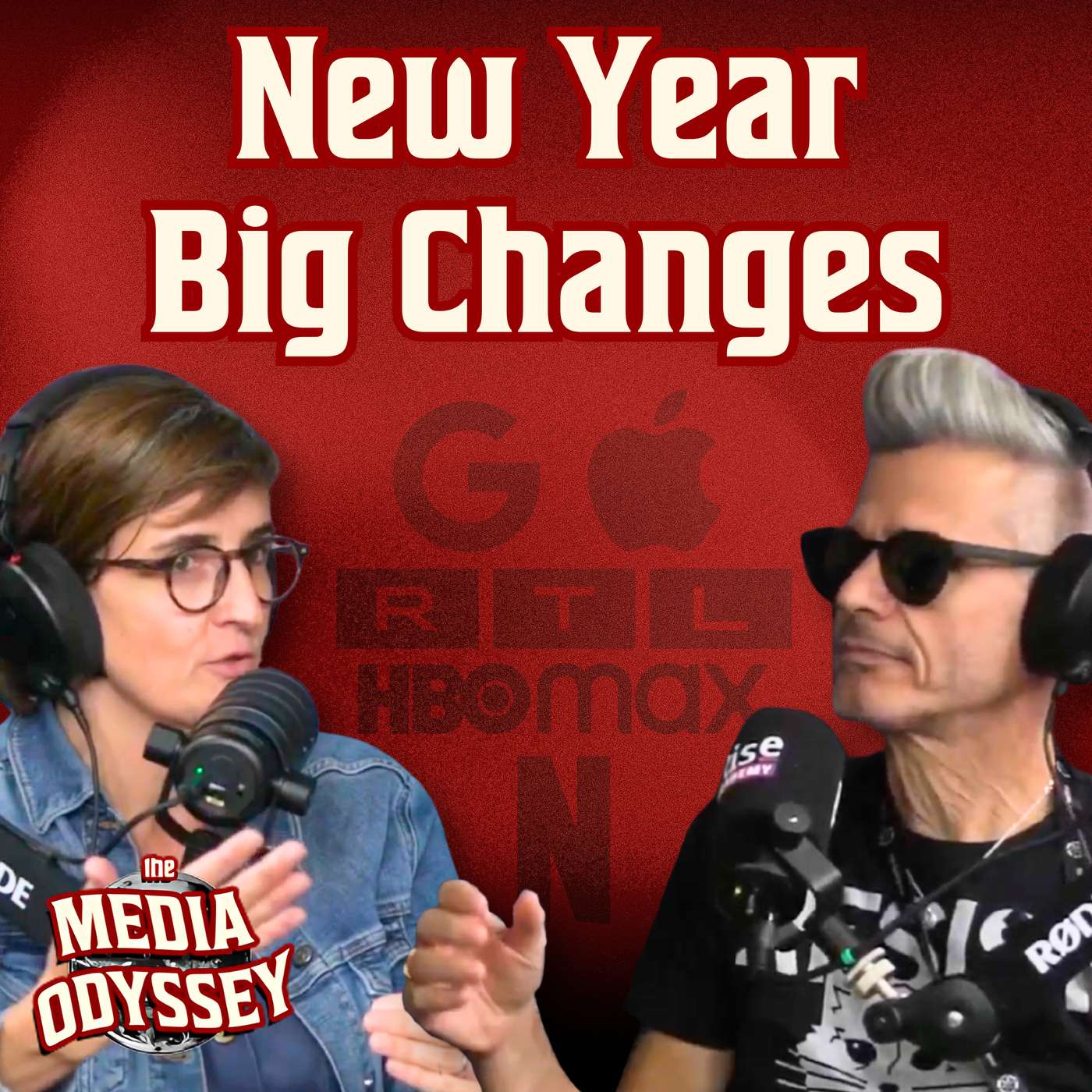
GOOGLE, APPLE, HBO MAX, NETFLIX, RTL & SKY: NEW YEAR, BIG CHANGES!
Jan 2200:48:06Tap to summarizeGoogle officially beat Apple and HBO Max is conquering Europe. Welcome back to The Media Odyssey Podcast! In this episode, Evan Shapiro and Marion Ranchet focus on two media milestones that didn’t get the attention you expect: Google officially surpassing Apple in scale, and HBO Max’s long-awaited launch across key European markets. Rather than treating these as isolated news items, the conversation explains why both moments matter and what they reveal about platform economics, global strategy, and competitive positioning.The episode is a reality check on how quickly the hierarchy is changing, and how even long-anticipated launches now arrive in a far more crowded, expensive, and competitive environment.Key Takeaways: 1. Google Has Officially Passed Apple in SizeGoogle, along with the rest of Alphabet, beat out Apple with a higher annual revenue and faster top-line growth. What once looked unthinkable now reflects Google’s dominance across advertising, platforms, and global scale.Apple’s business remains strong, but it’s reliance on hardware and services tied closely to its ecosystem have kept growth down it is missing out on a core two thirds of consumers. 2. HBO Max Is Finally Launching Across EuropeHBO Max’s rollout into major European markets, a move years in the making, finally began. The launch represents a major operational and branding milestone for Warner Bros. Discovery.Timing is a strategic Risk for HBO Max, arriving in Europe after Netflix, Prime Video, and Disney+, making customer acquisition more difficult and more expensive than it would have been earlier. Launching now means competing in a market where consumer budgets are tighter and subscription fatigue is real.3. Scale Is Now the Deciding FactorWhether it’s Google surpassing Apple or HBO Max expanding internationally, the episode reinforces that scale is increasingly what determines who can compete effectively.Interested in sponsorship? https://forms.gle/2LCWfX2HBNT8mtpx8Connect with us on Linkedin:Evan Shapiro - https://www.linkedin.com/in/eshap-media-cartographer/Marion Ranchet - https://www.linkedin.com/in/marionranchet/The Media Odyssey Podcast - https://www.linkedin.com/company/the-media-odyssey-podcast (00:00) - Introduction and Overview (01:12) - HBO Max's European Launch (04:05) - Strategic Partnerships and Deals (11:58) - Pricing Strategies and Market Impact (16:29) - Potential Acquisitions and Future Outlook (24:43) - Netflix's Ad Tier Success (25:10) - HBO Max's Struggles in Europe (25:56) - Telco Deals and Bundling (27:48) - Google Surpasses Apple in Market Cap (28:59) - Google's AI and Search Dominance (40:19) - Apple's Challenges and Future (43:39) - The Era of Commodity Hardware (46:35) - Upcoming Episodes and Events
Transcribe →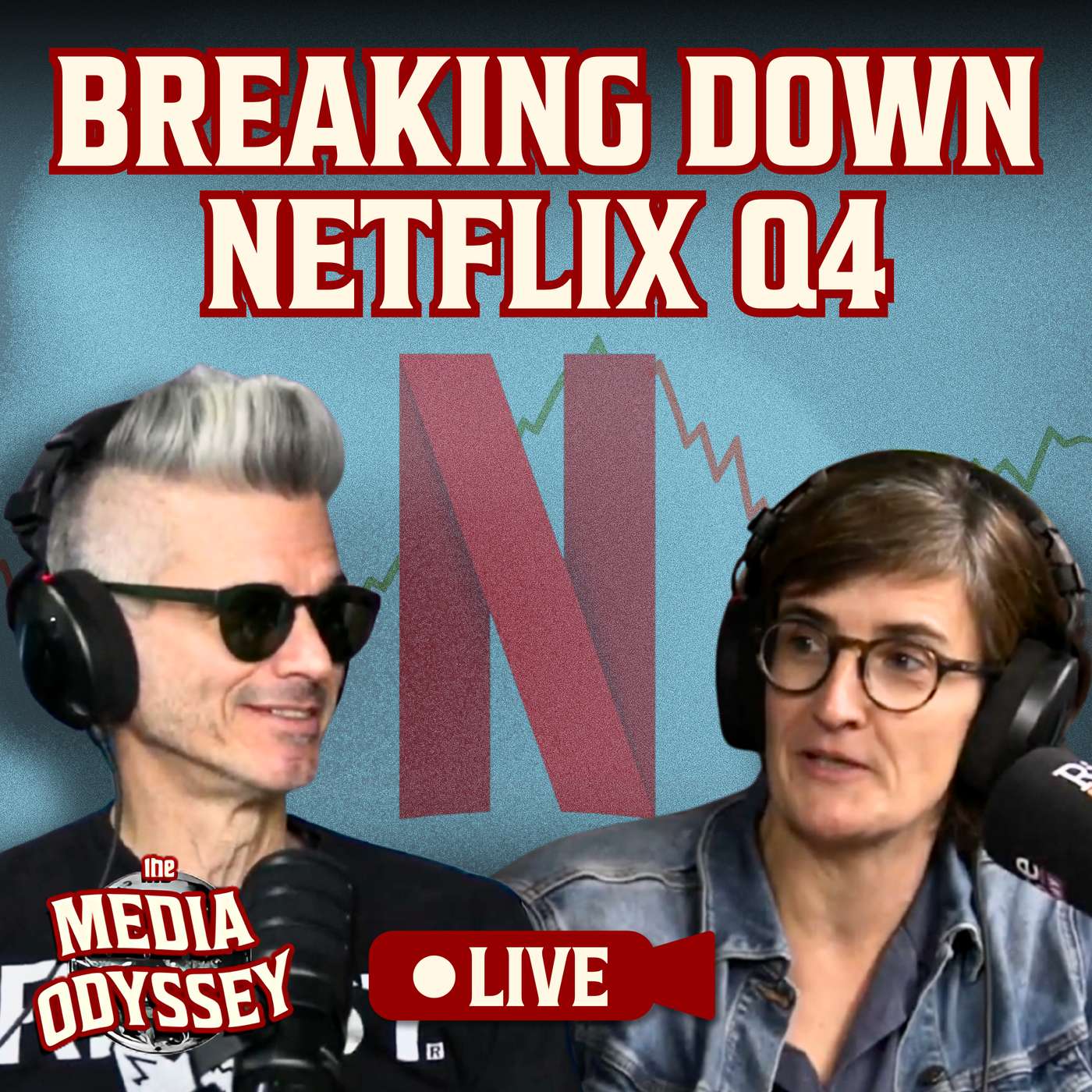
BREAKING DOWN NETFLIX Q4
Jan 2100:35:35Tap to summarizeNetflix’s earnings beat expectations, but the numbers reveal a business increasingly reliant on optics, pricing, and financial engineering rather than underlying engagement growth.In this live earnings breakdown episode of The Media Odyssey Podcast, Evan Shapiro and Marion Ranchet analyze Netflix’s latest quarterly results, separating headline wins from structural concerns. While revenue, profit, and subscriber figures all came in strong, deeper engagement metrics tell a more cautious story. The conversation focuses on growth rates, viewing hours, ad revenue contribution, and the financial implications of Netflix’s proposed Warner Bros. Discovery acquisition.The Numbers: 1. Netflix Reported 325 Million Subscribers (After Saying It Would Stop)Despite previously stating it would no longer report subscribers, Netflix disclosed a global total of 325M, reframing what likely ~23M net adds without explicitly saying so.2. Revenue and Profit Growth Remain StrongNetflix reported +15% revenue growth in Q4 and +16% for the full year, with net income up ~25% in Q4 and ~26% year over year, comfortably beating Wall Street expectations.3. Engagement Growth Is Essentially FlatTotal viewing reached 191B hours annually, up only ~1B hours half-over-half. Average viewing now sits at roughly 1.7 hours per subscriber per day, down from ~2 hours a few years ago.4. Netflix’s Share of Total TV Viewing Remains Under 10%Even during an all-time high month driven by Christmas Day, Netflix accounted for ~9% of total TV usage per Nielsen Gauge data.5. Advertising Generated ~$1.5B, Still Only ~3% of RevenueNetflix disclosed $1.5B in ad revenue, representing roughly 2–3% of total revenue, with management signaling plans to double and eventually triple that figure.6. Roughly 40% of New Subscribers Are on the Ad TierThird-party estimates suggest ~40% of recent subs are ad-supported, but Netflix provided no ARPU, churn, or engagement data tied to those users.7. Guidance Was Lowered Despite the Earnings BeatNetflix reduced forward guidance, contributing to a ~7% stock drop overnight, highlighting investor concern despite strong backward-looking results.8. The Proposed Warner Bros. Deal Would Push Debt to ~$85BIf completed, Netflix would take on roughly $50–54B in new debt, bringing total obligations close to $85B, a key factor behind market skepticism.Interested in sponsorship? https://forms.gle/2LCWfX2HBNT8mtpx8Connect with us on Linkedin:Evan Shapiro - https://www.linkedin.com/in/eshap-media-cartographer/Marion Ranchet - https://www.linkedin.com/in/marionranchet/The Media Odyssey Podcast - https://www.linkedin.com/company/the-media-odyssey-podcast (00:00) - Introduction and Welcome (00:14) - Event Highlights and Advertising Chat (00:53) - Netflix Earnings Report Breakdown (02:36) - Subscriber Numbers and Engagement (04:44) - Netflix's Strategic Moves and Market Reactions (05:47) - Streaming Industry Trends and Predictions (06:59) - Warner Brothers Discovery Deal Analysis (09:34) - Global Market Insights and HBO Content (16:37) - Advertising Business and Future Prospects (19:09) - Ad Strategies and Market Competition (20:01) - Disney's Ad Selling Prowess vs. Warner Brothers' Struggles (20:39) - Netflix's Efforts to Improve Ad Sales (20:53) - Live Q&A Session Begins (21:34) - Disney's Model and Market Competition (23:11) - Warner Acquisition and Franchise Opportunities (26:56) - Vertical Video and Social Features (31:19) - Global Market Opportunities and Challenges (33:48) - Wrapping Up and Audience Engagement
Transcribe →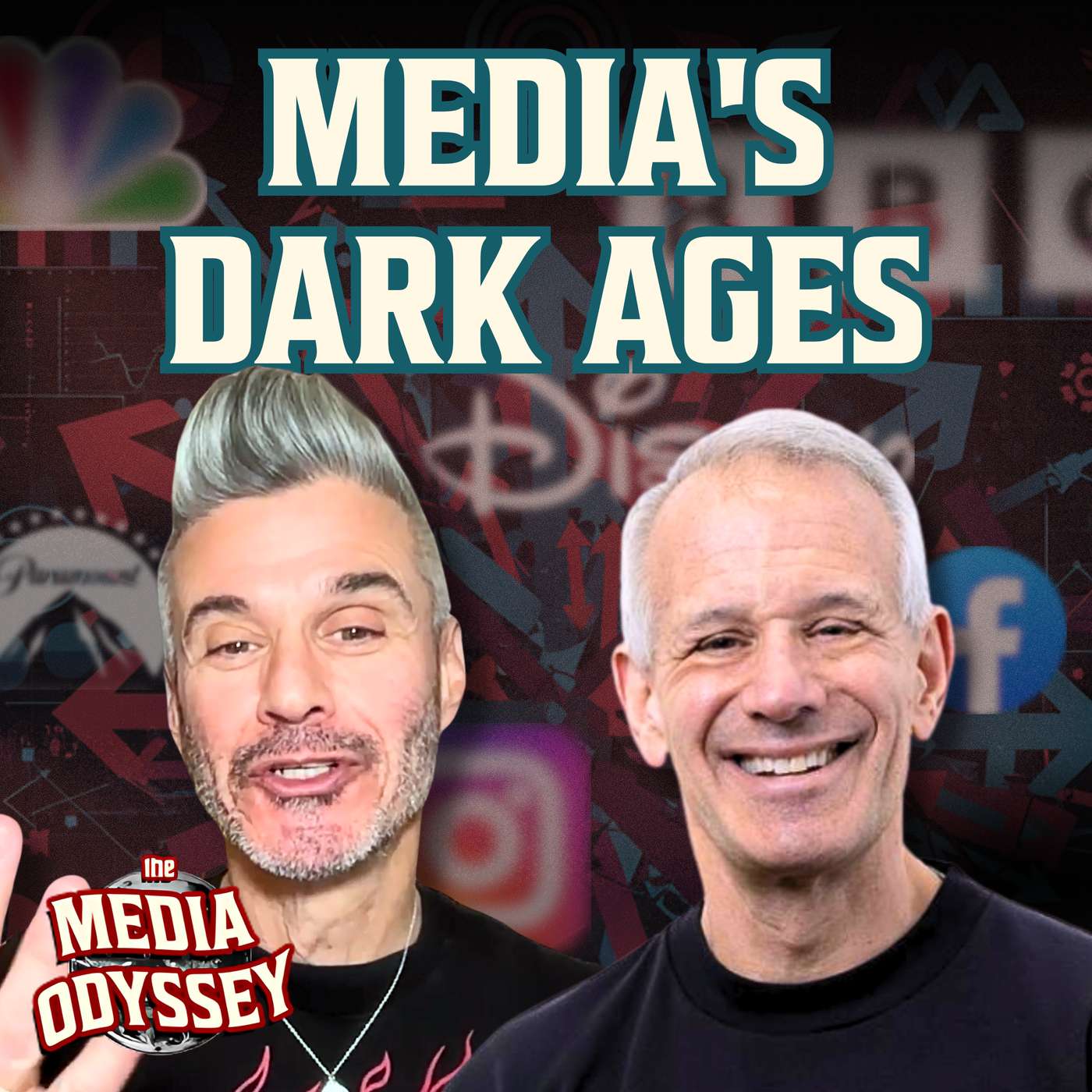
IS 2026 MEDIA'S DARK AGES?
Jan 1500:42:03Tap to summarizeCES isn’t about gadgets anymore, but who controls the interface between audiences, data, and distribution.Welcome back to The Media Odyssey Podcast! From CES, Evan Shapiro and Alan Wolk, Co-Founder and Lead Analyst of TVREV, unpack what this year’s show revealed about the future of media, entertainment, and technology while expanding on their predictions for 2026. Beyond the hype of AI demos and hardware announcements, the conversation centers on power shifts: who owns how we get information, who controls discovery, and which companies are quietly positioning themselves as the new gatekeepers.Rather than signaling a breakout moment, CES reinforces a familiar reality. Platforms are consolidating influence, AI is moving into the background, and media companies face shrinking control over how audiences find and engage with content.Key Takeaways:1. Media Is Entering a Prolonged Era of “Feudal Fragmentation”Alan predicts that the monoculture is gone for the foreseeable future, replaced by thousands of disconnected content bubbles with their own truths, celebrities, and norms. This fragmentation isn’t new, but it will deepen through the rest of the decade, making shared cultural moments increasingly rare.2. There Is No Longer a Single Source of Truth and That Has ConsequencesThe loss of mass media gatekeepers means audiences now operate from entirely different realities. News can be fully ignored, expertise is routinely dismissed, and misinformation thrives because there is no longer a common reference point for facts.3. The End of Expertise Is Both Dangerous and LiberatingTraditional experts and institutional authority are losing power, but this also enables creators and outsiders to build massive media businesses without permission. The upside is democratization, the downside is the erosion of trust in skill, craft, and knowledge.4. Power in Media Is Decentralizing Away from HollywoodAlan predicts that media power will continue to disperse geographically and structurally. New creator-led studios are emerging in Texas, Brazil, Nigeria, and beyond, attracting talent away from traditional Hollywood centers as production costs fall.5. Niche Audiences Will Become the Foundation of Sustainable Media BusinessesThe era of building new mega-brands is over. Instead, companies and creators will build profitable businesses around passionate, well-defined niche communities. Even if those audiences are invisible to the mainstream.6. Discovery and Serendipity Are Breaking DownAlgorithmic feeds increasingly show audiences more of what they already like, making it harder for genuinely new ideas to surface. Alan predicts fewer breakout cultural movements and more recycling of familiar formats, sounds, and franchises.7. Sports Remains the Last True MonocultureLive sports still cut across bubbles and deliver shared, simultaneous experiences. Alan predicts sports will retain outsized importance for advertisers and platforms, even as niche sports slowly grow and fragment over time.Thank you, Alan Wolk for joining the pod! https://www.linkedin.com/in/alanwolk/ Interested in sponsorship? https://forms.gle/2LCWfX2HBNT8mtpx8Connect with us on Linkedin:Evan Shapiro - https://www.linkedin.com/in/eshap-media-cartographer/Marion Ranchet - https://www.linkedin.com/in/marionranchet/The Media Odyssey Podcast - https://www.linkedin.com/company/the-media-odyssey-podcast (00:00) - Introduction and Guest Introduction (00:45) - First Impressions of CES (01:38) - Predictions for the Media Industry (02:19) - Descent into Feudal Media (02:50) - The Concept of Monoculture (06:43) - Fragmentation of Media and Advertising Challenges (19:57) - Rise of Decentralized Media Power (22:13) - The Downside of Algorithmic Recommendations (23:32) - The Loss of Serendipity in Media Discovery (24:24) - Challenges in Finding Quality Content (25:31) - The Role of Curators in Media Discovery (29:21) - The Rise of Niche Audiences (32:05) - The Continued Importance of Sports (37:14) - The Future of Media and AI's Role (39:24) - Advice for Navigating the Changing Media Landscape
Transcribe →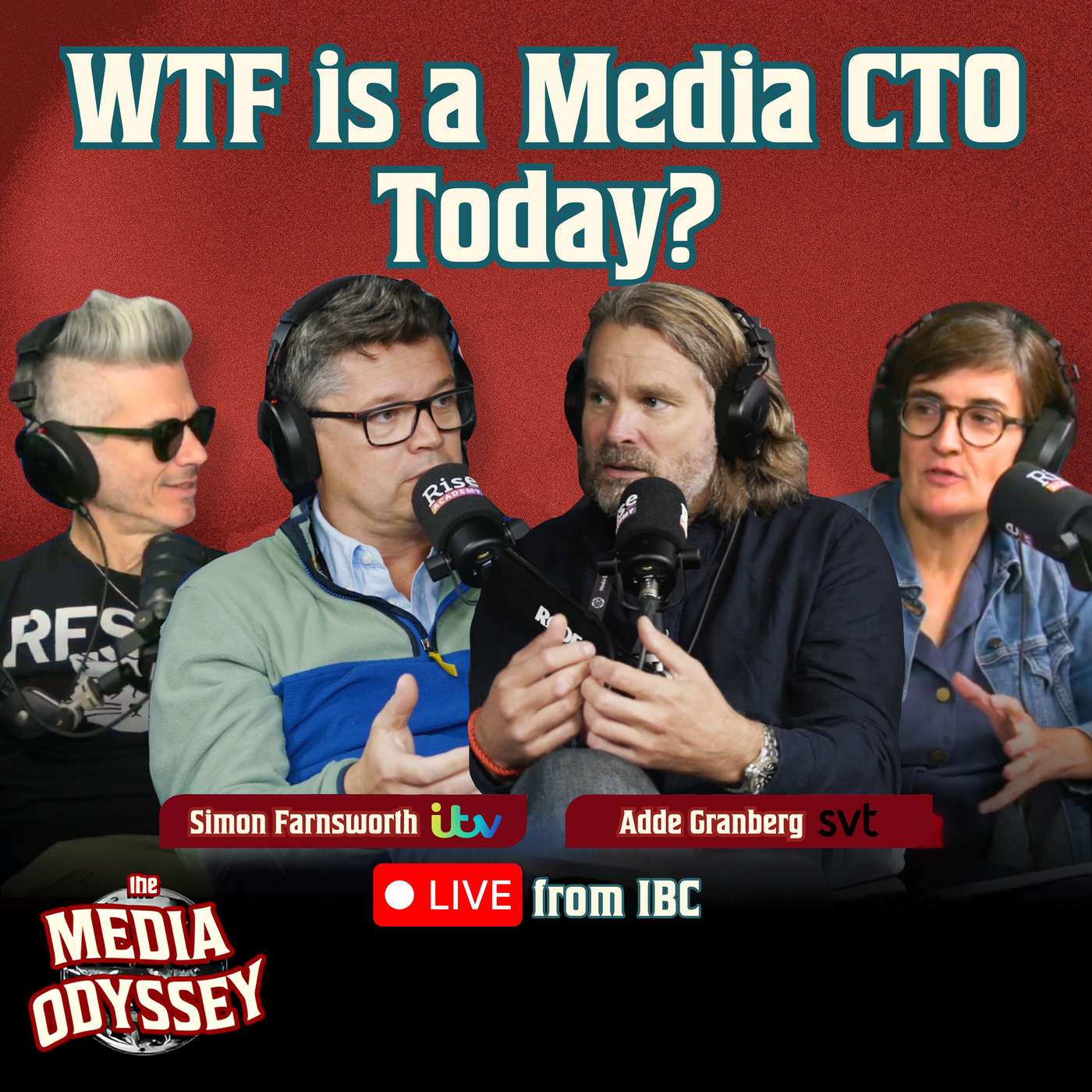
WTF IS A MEDIA CTO TODAY?
Sep 25Summary readyIn this episode of the Media Odyssey Podcast, hosts Evan Shapiro and Marion Ranchet record live from IBC with Simon Farnsworth (ITV) and Adde Granberg (SVT), two CTOs (or as they call it, “Chief Transformation Officers”) reshaping European public broadcasting. The conversation explores how legacy broadcasters can adapt to a digital-first, fragmented world while facing off against trillion-dollar tech giants.They discuss the shift from “doing digital” to “being digital,” how generative AI and cloud-based workflows can unlock beyond-human-scale production, and the biggest challenge broadcast is facing is mindset. Both guests stress that the real battle is cultural, not technical: broadcasters must abandon outdated standards, embrace platforms like YouTube and TikTok, and put audience needs, not legacy processes, at the center.Key Takeaways:From Tech to TransformationFor Farnsworth and Granberg, a CTO’s role is less about gadgets and more about changing mindsets—translating the power of technology to boards and teams, and shifting organizations from “doing digital” to truly “being digital.”Cloud, AI, and Beyond-Human ScaleGenerative AI, cloud production, and 5G enable content creation and distribution at scales humans can’t manage alone. From using AI to cast Love Island more efficiently, to producing Sweden’s iconic Vasaloppet ski race with drones over 5G, both ITV and SVT show how tech can cut costs, lower carbon footprints, and improve the creative product.Break the Walled GardensToo many broadcasters still cling to the idea that their own platform is the only destination. Farnsworth argues that distribution on YouTube, TikTok, and even Disney+ is additive, not cannibalistic—and essential to reaching younger audiences.Mindset Over StandardsThe biggest barrier isn’t tech, it’s culture. Both CTOs stress the need to ditch outdated broadcast standards and industry obsessions with hardware, replacing them with audience-first, software-driven, cross-platform strategies. Without this shift, public broadcasters risk irrelevance.Collaboration or DeclineEurope’s broadcasters must collaborate more deeply, from projects like Freely in the UK to shared production and distribution tools. Competing with “death stars” like Google, Amazon, and TikTok requires pooling resources, not building new silos.Interested in sponsorship? https://forms.gle/2LCWfX2HBNT8mtpx8Connect with us on Linkedin:Evan Shapiro - https://www.linkedin.com/in/eshap-media-cartographer/Marion Ranchet - https://www.linkedin.com/in/marionranchet/The Media Odyssey Podcast - https://www.linkedin.com/company/the-media-odyssey-podcastSimon Farnsworth: https://www.linkedin.com/in/simon-farnsworth-26521253/ Adde Granberg: https://www.linkedin.com/in/addegranberg/?originalSubdomain=se (00:00) - Introduction to Media Odyssey Podcast (00:08) - What is IBC? (00:56) - Marianne's IBC Experience (01:36) - Generational Divide in Media (04:59) - The Affinity Economy (06:15) - Redefining Broadcasting (07:35) - Introduction to Whale TV (08:03) - Whale TV's White Label Journey (09:44) - The Shift to Streaming (11:39) - Whale TV's Business Model (19:48) - Whale TV Plus Explained (21:59) - Advertisers and Connected TV Challenges (22:32) - Whale TV's Unique Advertising Opportunities (23:59) - Emerging Advertising Categories (25:34) - Balancing User Experience and Monetization (26:03) - Innovative Ad Formats (29:25) - Global Reach and Collaboration (30:56) - Industry Challenges and Future Directions (36:41) - Conclusion and Final Thoughts
Summary
CHATTING AT GEMA: Pierluigi Colantoni | RAI
Jun 17, 2025Summary readyIn this episode of "Chatting at GEMA", Marion Ranchet interviews Pierluigi Colantoni, Creative Director at RAI, Italy’s national broadcasting company, about creative packaging, branding and promotion, and the growing role of data in media. Colantoni speaks to how data informs creative decisions and the delicate balance between creative instincts and data while warning that data may become too central and rising concerns over privacy. Colantoni highlights the importance of sincerity and localization in creative processes, especially in the age of AI, and what can be lost in the race for efficiency. Pierluigi Colantoni is the Creative Director at RAI. Since 2014, Colantoni and the RAI team have received more than 100 international awards (Clio Awards, Promax, Global BDA, Ebu Connect), including the prestigious Best Creative Team of the Year award. He was nominated Director of the New Formats Development Department in 2020, where among other projects he produced the documentary series Sogno Azzurro, before becoming Creative Director in 2023. Interested in sponsorship? https://forms.gle/2LCWfX2HBNT8mtpx8Connect with us on Linkedin:Evan Shapiro - https://www.linkedin.com/in/eshap-media-cartographer/Marion Ranchet - https://www.linkedin.com/in/marionranchet/The Media Odyssey - https://www.linkedin.com/company/the-media-odyssey-podcast/Newsletters:Marion Ranchet - https://marionranchet.substack.com/Evan Shapiro - https://eshap.substack.com/
Summary
CHATTING AT GEMA: Emmanuelle Lacaze | Gédéon Communications
Jun 17, 2025Summary readyIn this episode of "Chatting at GEMA", Marion Ranchet interviews Emmanuelle Lacaze, President and Owner of Gédéon Communications, about television design, the Olympics, and innovative collaboration. Lacaze explains how Gédéon Communications, a design agency known for its work on media branding in France and internationally, contributed to the rise of television design with new ways of thinking about creativity and concept. Lacaze also speaks to how Gédéon Communications was responsible for designing the 2024 Paris Olympic emblem as well as their elaborate pitch strategy and the five-year-long process of preparing for the Opening Ceremony. Emmanuelle Lacaze is the President of Gédéon, a design agency known for its work on media branding in France and internationally. She has managed award-winning projects across multiple countries, including branding for Paris 2024, where her agency played a key role in the games’ visual identity, campaigns, and opening ceremony. Emmanuelle also has a background in film production, having produced the movie La Vie d’une Autre and developed the digital series Joy for Canal+. She is an active board member of the French AD Club and a partner of the mentoring program Media Club Elles in France.Interested in sponsorship? https://forms.gle/2LCWfX2HBNT8mtpx8Connect with us on Linkedin:Evan Shapiro - https://www.linkedin.com/in/eshap-media-cartographer/Marion Ranchet - https://www.linkedin.com/in/marionranchet/The Media Odyssey - https://www.linkedin.com/company/the-media-odyssey-podcast/Newsletters:Marion Ranchet - https://marionranchet.substack.com/Evan Shapiro - https://eshap.substack.com/
Summary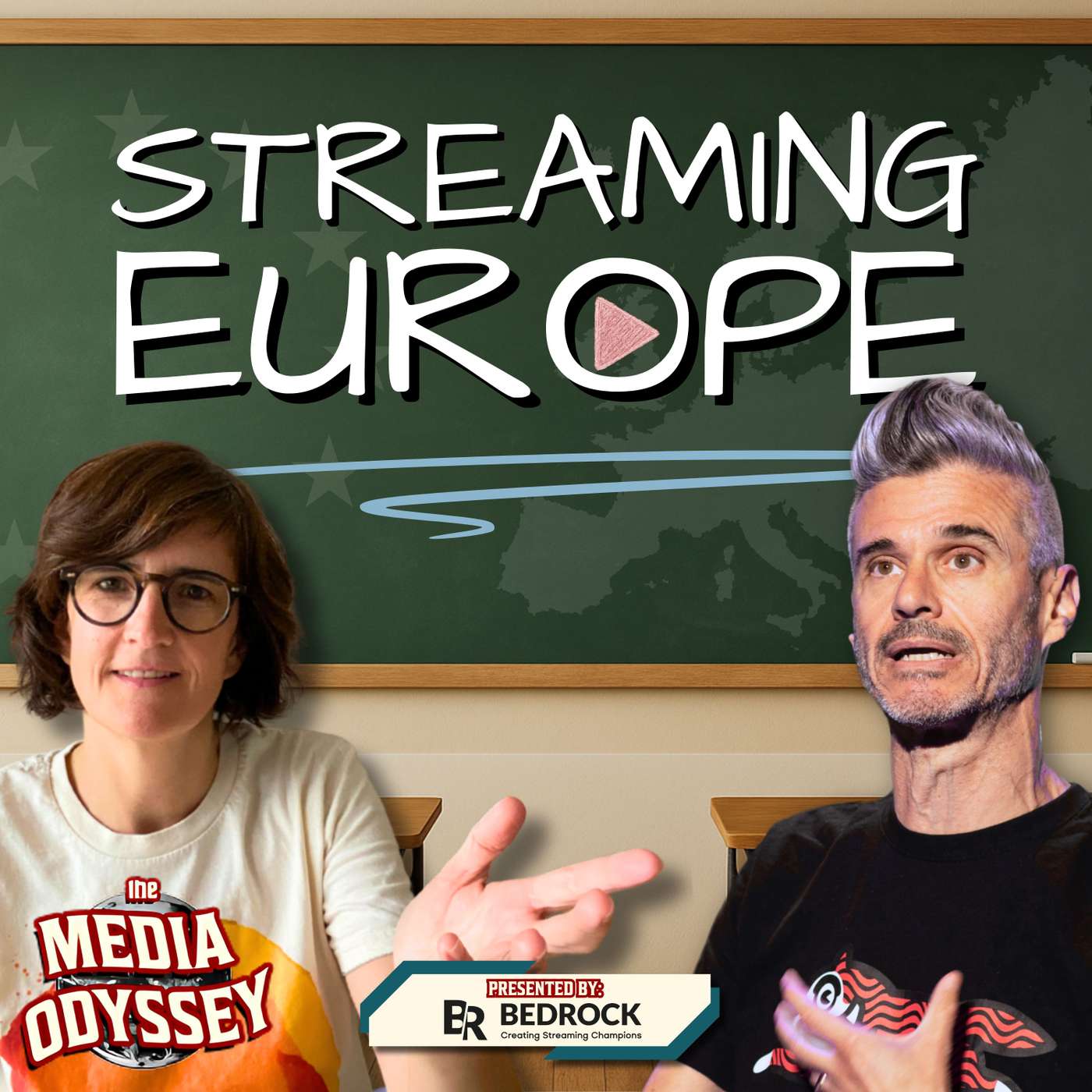
STREAMING EUROPE
Apr 17, 2025Tap to summarizeIn this episode of The Media Odyssey, Evan Shapiro and Marion Ranchet travel to Lyon, France to sit down with Bedrock CEO Jonas Engwall to explore how European broadcasters are quietly leading a streaming transformation. From free, ad-supported platforms to collaborative infrastructure, the trio unpacks why Bedrock’s tech backbone is helping legacy media compete with global giants — and why Europe’s streaming future may lie in radical cooperation over direct competition.For more on Bedrock...https://bedrockstreaming.com/Thank you Bedrock CEO Jonas Engwall for joining this week's pod!https://www.linkedin.com/in/jonas-engwall/?originalSubdomain=frInterested in sponsorship? https://forms.gle/2LCWfX2HBNT8mtpx8Connect with us on Linkedin:Evan Shapiro - https://www.linkedin.com/in/eshap-media-cartographer/Marion Ranchet - https://www.linkedin.com/in/marionranchet/Newsletters:Marion Ranchet - https://marionranchet.substack.com/Evan Shapiro - https://eshap.substack.com/ (00:00) - Introduction and License Fee Discussion (00:28) - Welcome to the Media Odyssey Podcast (00:45) - European Streaming Landscape (02:37) - Public Broadcasting vs. Commercial Streaming (03:49) - Challenges and Innovations in European Streaming (05:13) - The Role of Local Broadcasters (10:55) - Generational Shifts and Streaming Habits (22:18) - Importance of User Experience in Streaming (23:13) - Introducing Jonas and Bedrock Streaming (23:53) - Evolution of Streaming Content in Europe (25:10) - The Birth of Bedrock (27:05) - Challenges and Strategies for European Broadcasters (29:37) - The Bedrock Platform: A Unified Approach (33:00) - Collaborative Innovation and Growth (38:29) - Future of Pan-European Streaming (47:42) - Conclusion and Final Thoughts
Transcribe →