
Podcast
This American Life
Hosted by This American Life · EN
Each week we choose a theme. Then anything can happen. This American Life is true stories that unfold like little movies for radio. Personal stories with funny moments, big feelings, and surprising plot twists. Newsy stories that try to capture what it’s like to be alive right now. It’s the most popular weekly podcast in the world, and winner of the first ever Pulitzer Prize for a radio show or podcast. Hosted by Ira Glass and produced in collaboration with WBEZ Chicago.
104episodes
Episodes
Newest firstAll episodes

840: How Are You Not Seeing This?
Sep 15, 202400:59:18Summary readyPeople trying and struggling to see what another person sees. Visit thisamericanlife.org/lifepartners to sign up for our premium subscription. Prologue: Guest-host Tobin Low talks to comedian Tig Notaro about a jarring ride to school with her son. (6 minutes)Act One: Producer Aviva DeKornfeld heads to the Calgary Stampede to watch as men try out a machine designed to simulate menstrual cramps. (15 minutes)Act Two: A man can’t seem to see anyone in his life for who they really are, plunging his life into chaos. (18 minutes)Act Three: Senior Editor David Kestenbaum hears about a way to save some money and help save the world. All he needs is a little help. (5 minutes)Act Four: Marie Phillips reads a short story involving an aloof friend, a goose, and some extreme gardening. (7 minutes)Transcripts are available at thisamericanlife.orgThis American Life privacy policy.Learn more about sponsor message choices.
Summary
839: Meet Me at the Fair
Sep 8, 202401:04:21Summary readyIowa has three million people and a million come to their State Fair, each with their own goals and dreams for the fair. We hang out with some of them, to see if they get what they hoped for. Visit thisamericanlife.org/lifepartners to sign up for our premium subscription.Prologue: A big bull, a giant slide, and cowboys on horseback shooting balloons are just a few sights you can take in at the Iowa State Fair. Some people come for the spectacle, and some are the spectacle. (8 minutes)Act One: Bailey Leavitt comes from a family of carnies. For her, one of the most thrilling things she looks for at the fair is someone who is really good at luring people into spending money at their stand. She takes Ira on an insider’s search for “an agent.” (16 minutes)Act 2: Motley Crue pledged never to play the fairgrounds. Then they did. We wondered what that had been like for them. They agreed to an interview, but then they flinched. (1 minute)Act Two: What life lessons can kids learn at the 4-H rabbit competition? A lot. (11 minutes)Act Three: The Iowa State Fair awarded coveted slots to just nine new food vendors this year. All of them are run by people who already own restaurants or who’ve done other big fairs. All except for an unlikely newcomer: Biscuit Bar. (19 minutes)Act Four: As the ferris wheel goes dark and the fair is closing down, one game is racing to meet their quota. Ira watches until the end.Transcripts are available at thisamericanlife.orgThis American Life privacy policy.Learn more about sponsor message choices.
Summary
511: Fiasco! (2013)
Nov 3, 201300:57:22Summary readyStories of when things go wrong. Really wrong. When you leave the normal realm of human error, fumble, mishap, and mistake and enter the territory of really huge breakdowns. Fiascos. Things go so awry that normal social order collapses. Prologue: Jack Hitt tells the story of a small town production of Peter Pan in which the flying apparatus smacks the actors into the furniture, and Captain Hook's hook flies off his arm and hits an old woman in the stomach. By the end of the evening, firemen have arrived and all the normal boundaries between audience and actors have completely dissolved. (4 minutes)Act One: Jack Hitt's Peter Pan story continues. Jack is the author of several books, including Bunch of Amateurs. (19 minutes)Act Two: A medieval village, a 1900-pound brass kettle, marauding visigoths, and a plan to drench invaders with boiling oil that goes awry. From Ron Carlson's book, The Hotel Eden: Stories, read by actor Jeff Dorchen. Ron Carlson's newest book is Return To Oakpine. (9 minutes)Act Three: The first day on the job inevitably means mistakes, mishaps, and sometimes... fiascos. A true story, told by a former rookie cop. (13 minutes)Act Four: Journalist Margy Rochlin on her first big assigment to do a celebrity interview. It was 1982. The interviewee was Moon Unit Zappa, who'd just released "Valley Girl" with her father Frank. She'd only been interviewed once. Midway through the interview: fiasco! Margy chokes on some coffee, which pumps out of her nose. Moon's mother administers the Heimlich Maneuver. And after that, everyone's so relaxed that Margy gets an interview that becomes her first syndicated article and a big scoop for her paper. When a fiasco destroys social boundaries, it can bring people together. (7 minutes)Transcripts are available at thisamericanlife.orgThis American Life privacy policy.Learn more about sponsor message choices.
Summary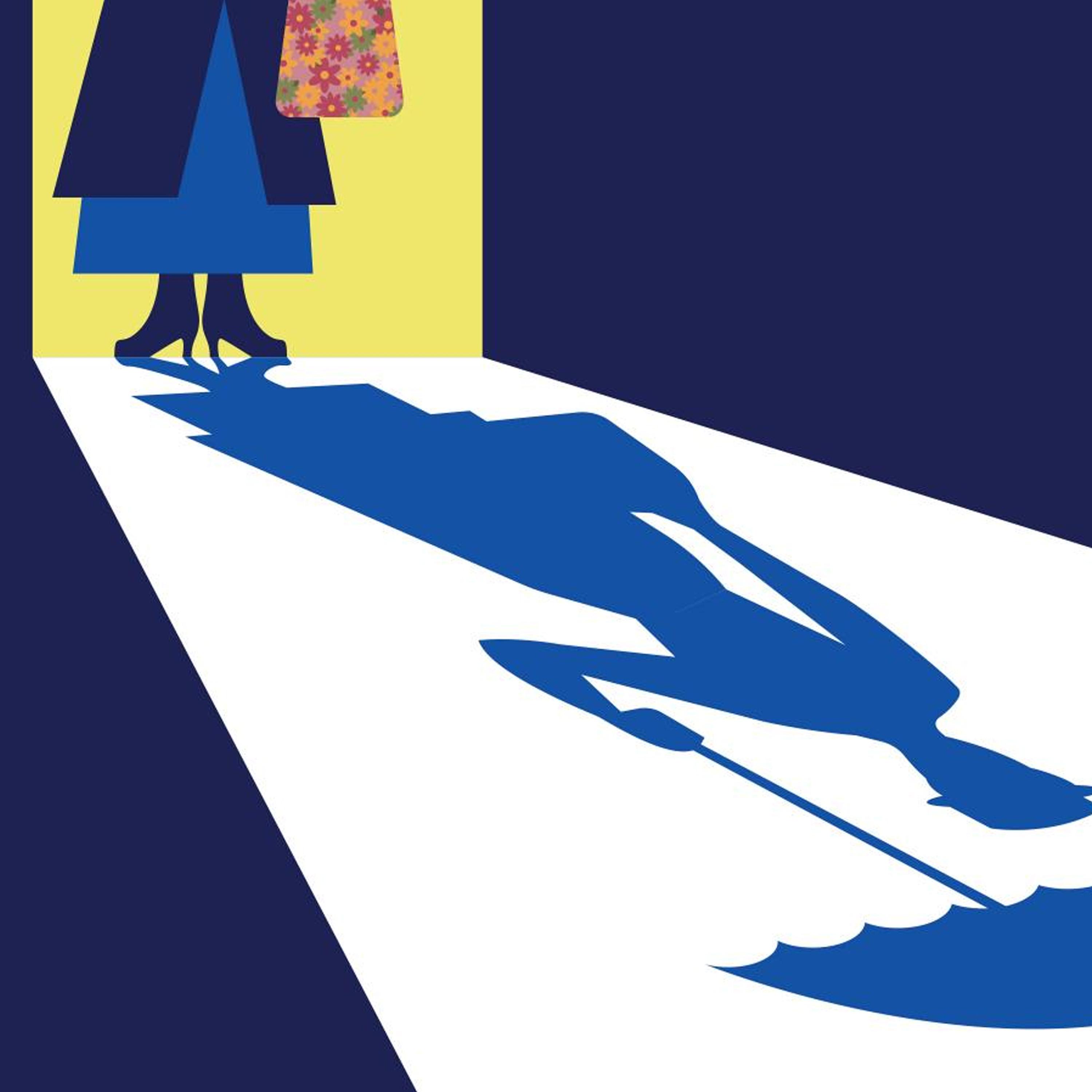
175: Babysitting
Jan 5, 200101:01:14Summary readyWhat goes on while mom and dad are away, that mom and dad never find out about. Including the story of two teenagers who decide to invent children to babysit, as an excuse to get out of their own house. We listen in on a ritual that happens in millions of families every week: kids getting dropped off at the babysitters. Six-year-old Dylan and nine-year-old Sarah explain what they can and can't get away with when they have a babysitter. After that, host Ira Glass has a few words about Mary Poppins, who is the Gold Standard of all fictional babysitters. The movie Mary Poppins contains the classic modern song about babysitting. We hear several versions of the song over the course of the program. The first is by Chicago girl punk/pop band, the Dishes. (5 minutes)Act One: Lots of babysitting is done by family members. Hillary Frank reports on what can happen when a teenaged son is put in charge of his younger brothers. It's not pretty. (14 minutes)Act Two: The story of several huge companies that accidentally got put into the babysitting business in a big, big way because of snow on December 26, 1988. Every year on the day after Christmas, divorced kids all over America fly from one parent to the other. In 1988, lots of them got snowed in at O'Hare Airport in Chicago. Susan Burton and her little sister were among them. (9 minutes)Act Three: Myron Jones and his sister Carol Bove explain what happened when they were teenagers, and they ended up babysitting children who didn't exist. (25 minutes)Transcripts are available at thisamericanlife.orgThis American Life privacy policy.Learn more about sponsor message choices.
Summary