Podcast
Thriving Kids
Hosted by The Child Mind Institute · EN
Parenting can feel overwhelming when kids struggle with anxiety, behavior, school, or big emotions. Thriving Kids is a podcast for parents and caregivers who want clear, honest answers about child and adolescent mental health.
Hosted by Dr. Dave Anderson, a clinical psychologist at the Child Mind Institute, each episode focuses on a common parenting challenge — from tantrums to school struggles — with practical strategies grounded in science.
You’ll hear direct, expert guidance from clinicians who work with kids and families every day.
New episodes every week, with companion newsletters for easy reference.
33episodes
Episodes
Newest firstAll episodes
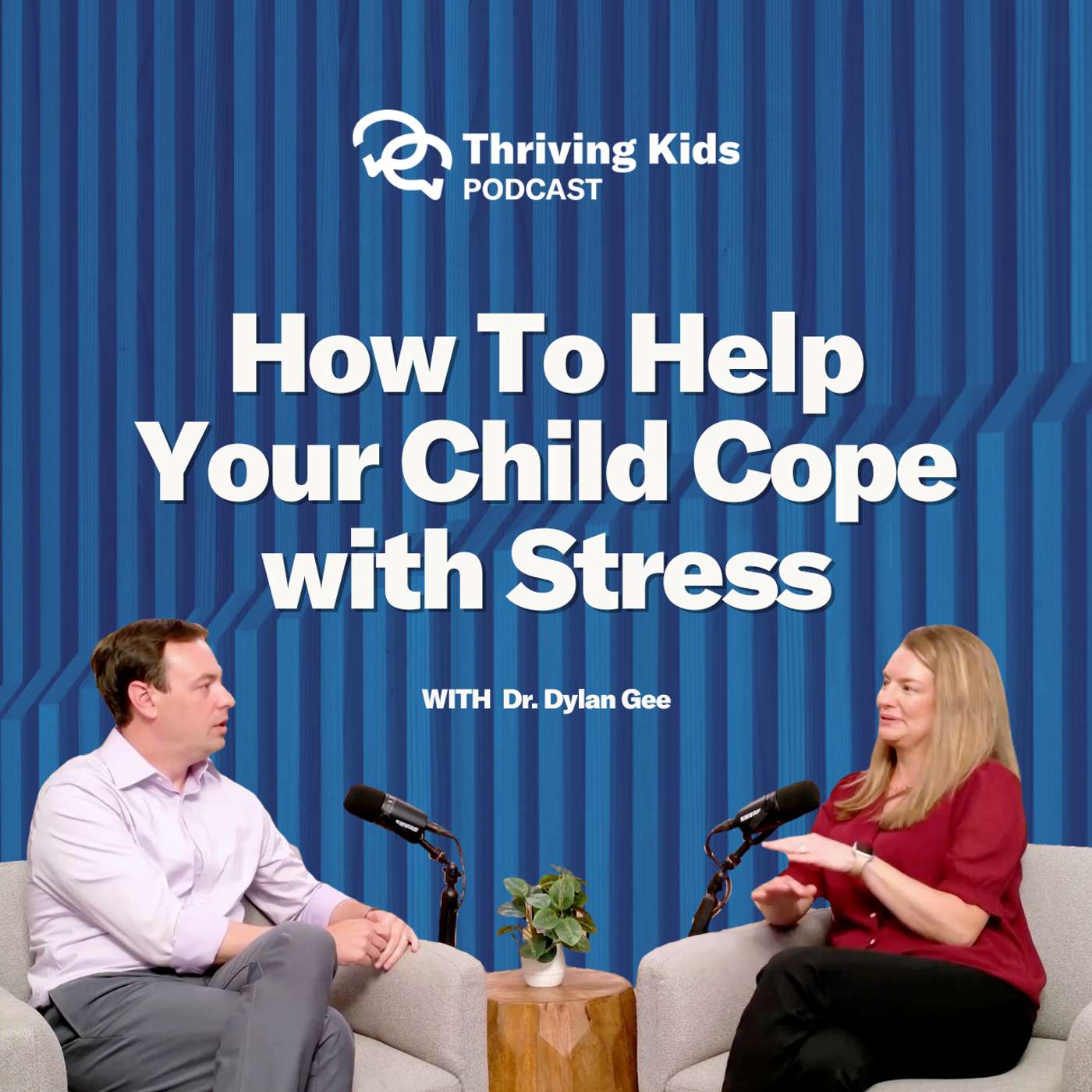
How To Help Your Child Cope With Stress with Dr. Dylan Gee
Jan 2900:33:34Summary readyIs your child struggling with stress — or is it something more?In this episode of Thriving Kids, Dr. Dave Anderson sits down with Dr. Dylan Gee, a professor of psychology at Yale University, to explore the vital difference between managing stress and simply trying to avoid it. While it’s natural to want to "pave the road" and remove obstacles for our children, learning to tolerate discomfort is one of the most important emotional skills a child can build.We discuss the "avoidance trap," where stepping in to solve every problem can actually make a child's stress worse over time. Dr. Gee explains how kids can learn to recover from hard moments and why your own emotional state as a caregiver is the most powerful tool for helping a stressed child feel safe and supported.In this episode, we discuss:The avoidance trap – Why helping kids avoid stress can undermine their ability to build long-term resilience.The power of parental regulation – How staying calm and regulated helps your child cope when things feel overwhelming.Validation and labeling – Why identifying big emotions like "frustrated" or "scared" is the first step toward managing them.Challenging extreme thinking – How to guide kids away from "all-or-nothing" thoughts and toward more balanced perspectives.Filling the coping toolbox – Practical strategies like deep breathing, mindfulness, and creative expression to help kids bounce back.
Summary
Should You Let Your Kid Fail? A Parent Q&A on Pressure, Resilience, and Emotions
Jan 2200:27:40Summary readyIn this Q&A edition of Thriving Kids, Dr. Dave Anderson answers listener questions following last week’s conversation with Jennifer Wallace on toxic achievement culture and helping kids feel like they matter.Parents asked practical, hard questions about failure, pressure, motivation, and emotional regulation. This episode focuses on striking a balance — between support and independence, structure and flexibility, and validation and limits.Questions cover:Natural consequences vs. stepping in – Did you rob your child of a lesson by rescuing a forgotten school project? How to decide based on context and stakes.Kids who cheat because they hate losing – What’s developmentally normal at younger ages, when rule-following matters for peer relationships, and how to address cheating without turning games into power struggles.Paying kids for good grades – Does it increase pressure? How to use rewards thoughtfully and fade them out over time.When your child says, “I suck at this” – How to respond to negative self-talk and helping kids move from self-blame to problem-solving.The brutal car ride home after a loss – Why “I loved watching you play” can backfire and how to ask your teen what support they actually need.When schools make failure feel high-stakes – What to say when mistakes lead to remedial groups or lost electives and how parents can act as “counter-programming” to achievement culture.Key takeaways:There is rarely one “right” parenting move.Kids need both scaffolding and space to struggle.Pressure affects children differently.Validation doesn’t mean fixing feelings.Effort matters more than perfection.This episode is especially helpful if you’re parenting a child who is sensitive to failure, a perfectionist, or feeling overwhelmed by expectations at school or in sports.
Summary
Introducing Thriving Kids by the Child Mind Institute
Jul 2, 2025Summary readyWhat do I do when my child is anxious — or angry — or just shuts down? Welcome to Thriving Kids, a new podcast from the Child Mind Institute. Hosted by clinical psychologist Dr. Dave Anderson, each episode shares practical tools and clear answers to tough parenting questions. Always evidence-based and judgment-free, you’ll hear advice from experts and real parents, all focused on helping you raise confident, connected kids. Subscribe now!Learn more at childmind.org/podcast.
Summary