
Podcast
Untethering Shame
Hosted by Kyira Wackett · EN
New episodes every Sunday!
Shame is the fear of not being good enough or worthy of connection and belonging. This silent plague keeps us tethered to the performance, focused on external validation and approval versus internal rooting. It can disrupt every relationship, thought, and experience if left unchecked. And it's time we say enough. Join licensed mental health therapist, Kyira Wackett, in the quest to build insight and take meaningful and intentional actions as we untether ourselves from shame.
40episodes
Episodes
Newest firstAll episodes
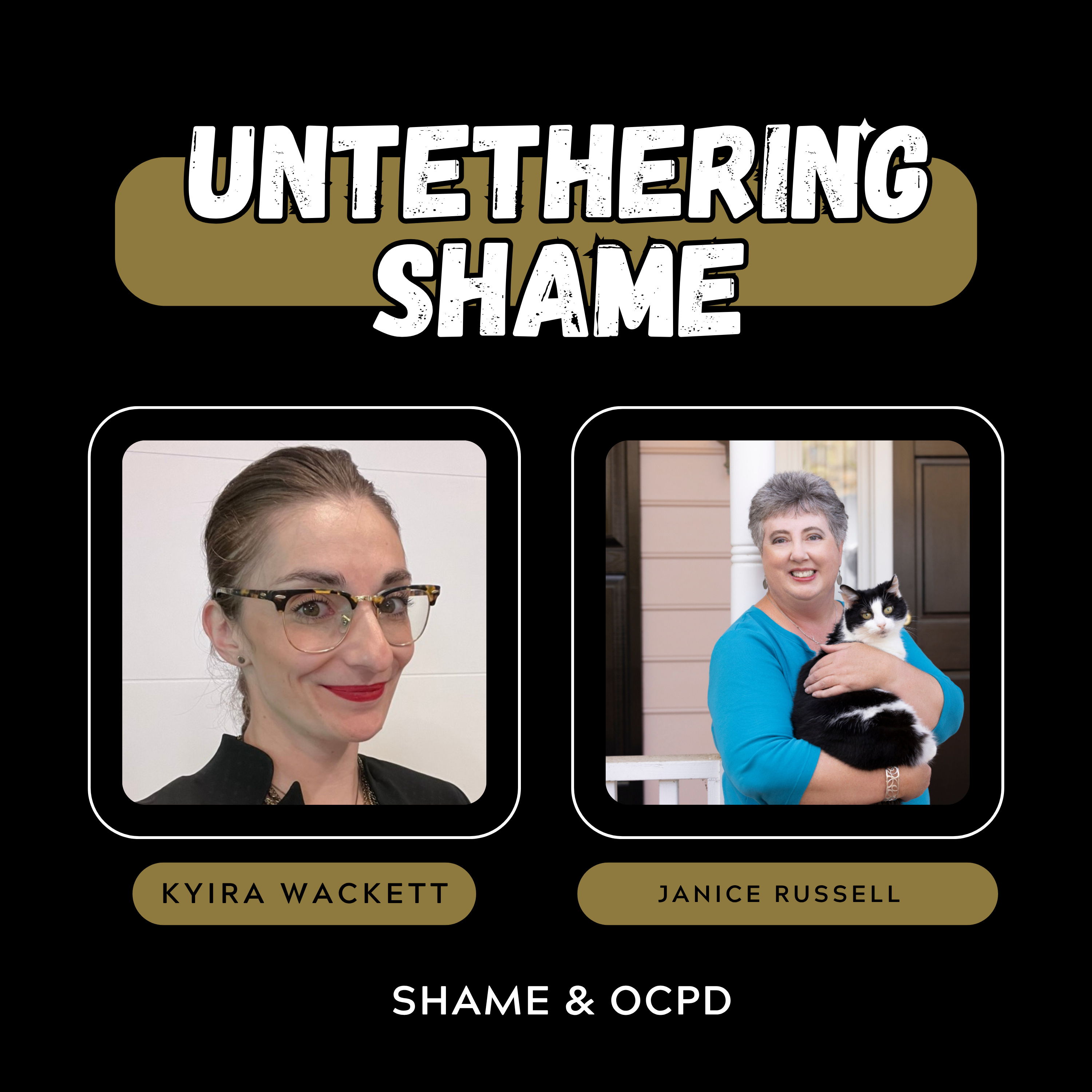
Shame & OCPD: When Your Brain Never Stops and Society Calls It a Feature with Janice Russell
3w ago01:00:31Tap to summarizeWhat if the traits you've been praised for your whole life, the perfectionism, the rule following, the relentless work ethic, were actually symptoms of a diagnosis most people have never heard of? In this episode, I sit down with Janice Russell, the Overwhelm Slayer, to unpack Obsessive Compulsive Personality Disorder (OCPD). Not OCD. OCPD. Janice spent decades building a life that looked incredibly productive and impressively accomplished, from special education to corporate to a 20-year career as a professional organizer, before a therapist handed her a questionnaire that finally explained the operating system her brain had been running the whole time.We get into the difference between OCD and OCPD, why so many people go undiagnosed, what it feels like when you literally cannot turn your brain off, and how Janice has learned to leverage her wiring instead of fighting it. From planning her relaxation (yes, really) to a gratitude practice built around a two-inch notebook, this conversation is a masterclass in working with your brain, not against it.What we cover:The difference between OCD (an anxiety disorder) and OCPD (a personality disorder)Why the traits society celebrates can be the same ones quietly depleting youHow Janice found out about her diagnosis while in therapy for depressionThe exhaustion of a brain that never stops and why she has to plan her downtimeBuilding systems that honor your wiring: gratitude notebooks, mindfulness streaks, and scheduled rechargeNavigating interpersonal relationships when your brain defaults to "there's a right way""Done is better than perfect" and asking "what's the worst thing that could happen if I don't do this?"How Janice now helps others optimize life after a medical diagnosisMore about Janice:Janice Russell is the Overwhelm Slayer, helping people navigate life after a health diagnosis by building systems that make paperwork, to-dos, and time feel manageable. After 11 years in the classroom and time in the corporate world, they built a business grounded in decades of hands-on organizing and productivity experience. Today, Janice provides virtual coaching and accountability for clients managing brain-based, autoimmune, and other body-based conditions.Connect with Janice:WebsiteLinkedInFacebookInstagramYouTubeReady to take the next step?Download the FREE handout, "5 Things Shame Resilient People Do Every Day" and start making those daily shifts to break that shame cycle that's keeping you stuck in that negative headspace.Book a free 25-minute discovery call to discuss different program options and find the support that best fits your needs.Stay Connected:Subscribe to the podcast on Spotify or Apple Podcasts and be sure to leave a review to let us know your thoughts on this episode.YouTube | Website
Transcribe →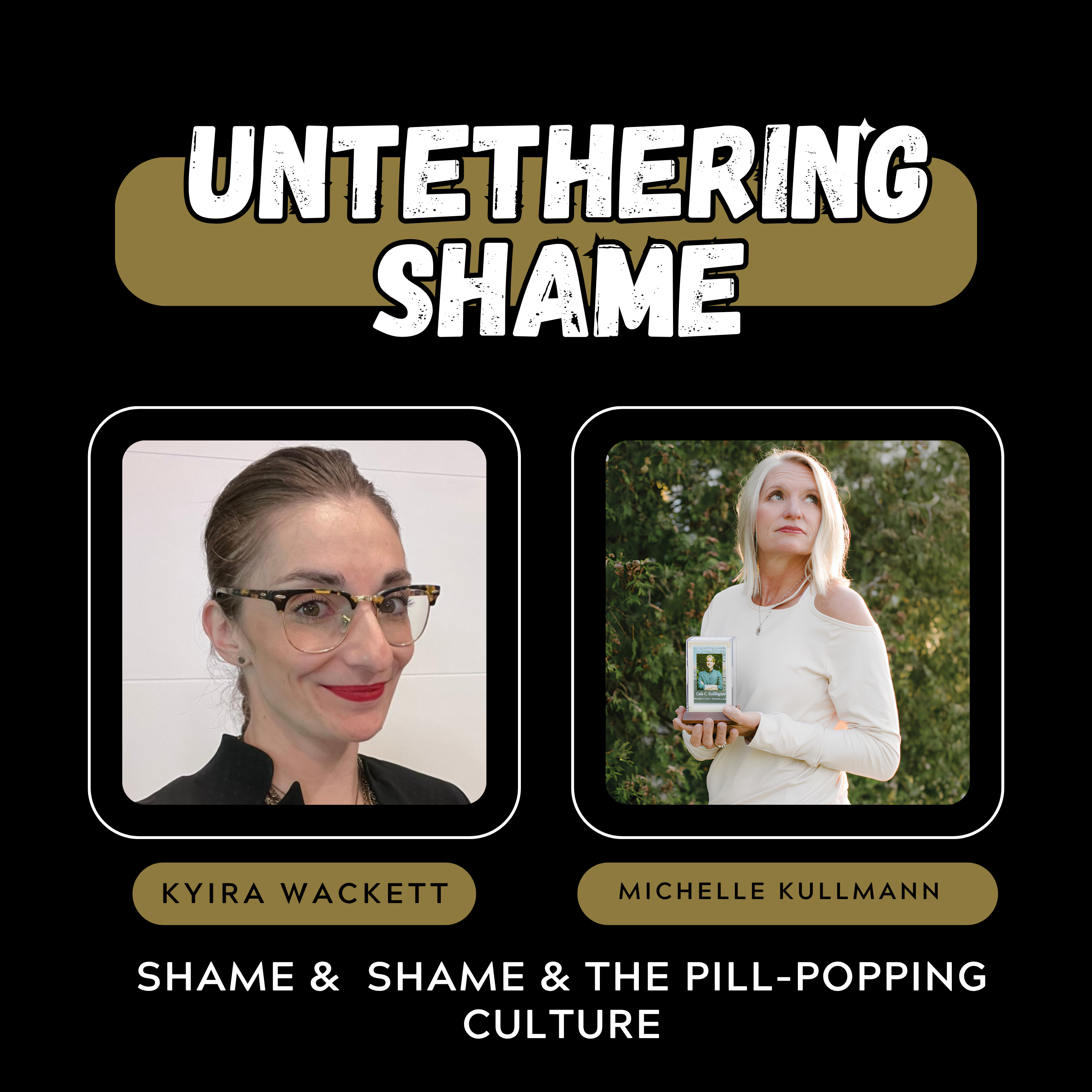
Shame & the Pill-Popping Culture: What Parents Don't Know and What That Silence Is Costing Our Kids with Michelle Kullman
Jun 2800:54:36Tap to summarizePlease note: this episode covers substance use, fentanyl poisoning, child loss, and grief. Take care while listening. If you're struggling, you can call or text 988 (Suicide and Crisis Lifeline) or reach SAMHSA at 1-800-662-4357. Michelle Kullmann was sure it would never be her kid. Then her 18-year-old son Cade took one pill at college, a fake Percocet that was 100% fentanyl, and he never came home. In this episode, Michelle tells Cade's full story: who he was, the night he died in his UW-Milwaukee dorm, the warning signs nobody in the room recognized, and the judgment she faced afterward. Strangers called her son a junkie. This conversation is about the grief, and the second wound that stigma piles on top of it. Michelle refuses to call what happened an overdose. It was a fentanyl poisoning. It only takes two milligrams of fentanyl to kill you, enough to fit on the tip of a pencil. Today she fights to put Narcan on every college campus and to tell young people the truth about what the fentanyl crisis really looks like. In this conversation: Why "fentanyl poisoning" is not the same as "overdose" The warning signs of an opioid emergency that could save a life How fake pills are pressed to look like Percocet, Adderall, and Xanax How stigma keeps families silent and keeps this crisis hidden How Michelle turned her loss into advocacy through Cade's Light Please note: this episode covers substance use, child loss, and grief. Take care while listening. Connect with Michelle Kullmann Cade's Light: cadeslight.org LinkedIn: Michelle Kullmann Resources 988 Suicide and Crisis Lifeline: call or text 988 SAMHSA National Helpline: 1-800-662-4357 Ready to take the next step? Download the free handout, 5 Things Shame Resilient People Do Every Day, and start breaking the shame cycle that keeps you stuck. Book a free 25-minute discovery call to find the support that fits your needs. Stay connected Subscribe on Spotify or Apple Podcasts and leave a review to let us know your thoughts on this episode.
Transcribe →
🎙️ Ask Me Anything – E54: How to Teach Your Kids to Sit with Discomfort When You Haven't Learned It Yourself
Jun 2400:11:59Tap to summarizeDo you know you should teach your kids that discomfort isn't an emergency, but freeze because you have never figured out how to sit with it yourself? You are not alone. In this episode, we get honest about teaching a skill you are still learning, and why that might be the most powerful version of this work there is. We tackle a question from an anonymous listener:"I know I need to teach my kids that they can't have everything immediately and that discomfort isn't an emergency, but honestly? I'm terrible at sitting with discomfort myself. I distract, I scroll, I fix things just to make the feeling stop. How do I teach my kids something I haven't figured out myself yet?"If that scene feels familiar, this episode is for you. I want to release you from the idea that you have to be fully healed to be a good parent in this area. You don't. You just need to be honest and willing to do the work alongside your kids. We get into why this is a nervous system pattern rather than a discipline problem, how it gets handed down across generations, and what a steadier kind of love actually looks like in the hard moments.In this episode, you will learn: Discomfort Tolerance Is a Skill: Why this is a nervous system pattern, not a willpower problem, and why a skill can only be built if someone creates the conditions to practice it. The Intergenerational Pattern: How the way you respond to discomfort was handed to you, without blame, and why you are at a remarkable moment to choose something different. What Rescuing Actually Teaches: Why fixing a hard feeling too fast accidentally confirms the belief that discomfort is dangerous, and what a steadier love looks like instead. You Are the Curriculum: Why kids learn discomfort tolerance from watching you move through something hard, not from lectures about it. The Pause: A concrete practice for catching your own rescuing impulse and asking whether this is an actual emergency or a feeling they can move through with your support. Co-Regulation and Narration: Why you only have to be more regulated than they are, and how naming your own discomfort out loud regulates you and teaches them at the same time. Scrolling and Real Relief: Why distraction is an understandable strategy, not a character flaw, and the difference between relief that restores you and relief that just interrupts the feeling. Your Homework: One small practice for staying present in a mild moment of discomfort, so you teach your child and learn it yourself, side by side.Resources & Links: Liberated Living Program: Learn more about the coaching program at https://adversityrising.com/liberated-living Start with the burnout quiz to find your honest starting point: https://adversityrising.com/quiz 📝 Want to submit a question for a future episode? Nothing is off-limits (well, almost nothing). Submit anonymously or with your name, whatever feels safest for you. 👉 Submit Here 💬 If this episode spoke to you, drop a comment and share your biggest takeaway: I'd love to hear what came up for you.Take the Next Step: ★ Download the FREE Guide: "Five Things Shame Resilient People Do Every Day and Three Things They Don't" and start making those daily shifts. https://www.adversityrising.com/become-shame-resilient ★ Book a Free 25 Minute Discovery Call: Discuss program options and find the support that fits your needs. https://calendly.com/adversityrising/discovery-call ★ Sign up for Liberated Living: Practice Radical Acceptance, Radical Responsibility, and Radical Authorship to reclaim your life. https://adversityrising.com/liberated-livingYou don't have to be a perfect parent. You just have to be a willing one. And you already are.
Transcribe →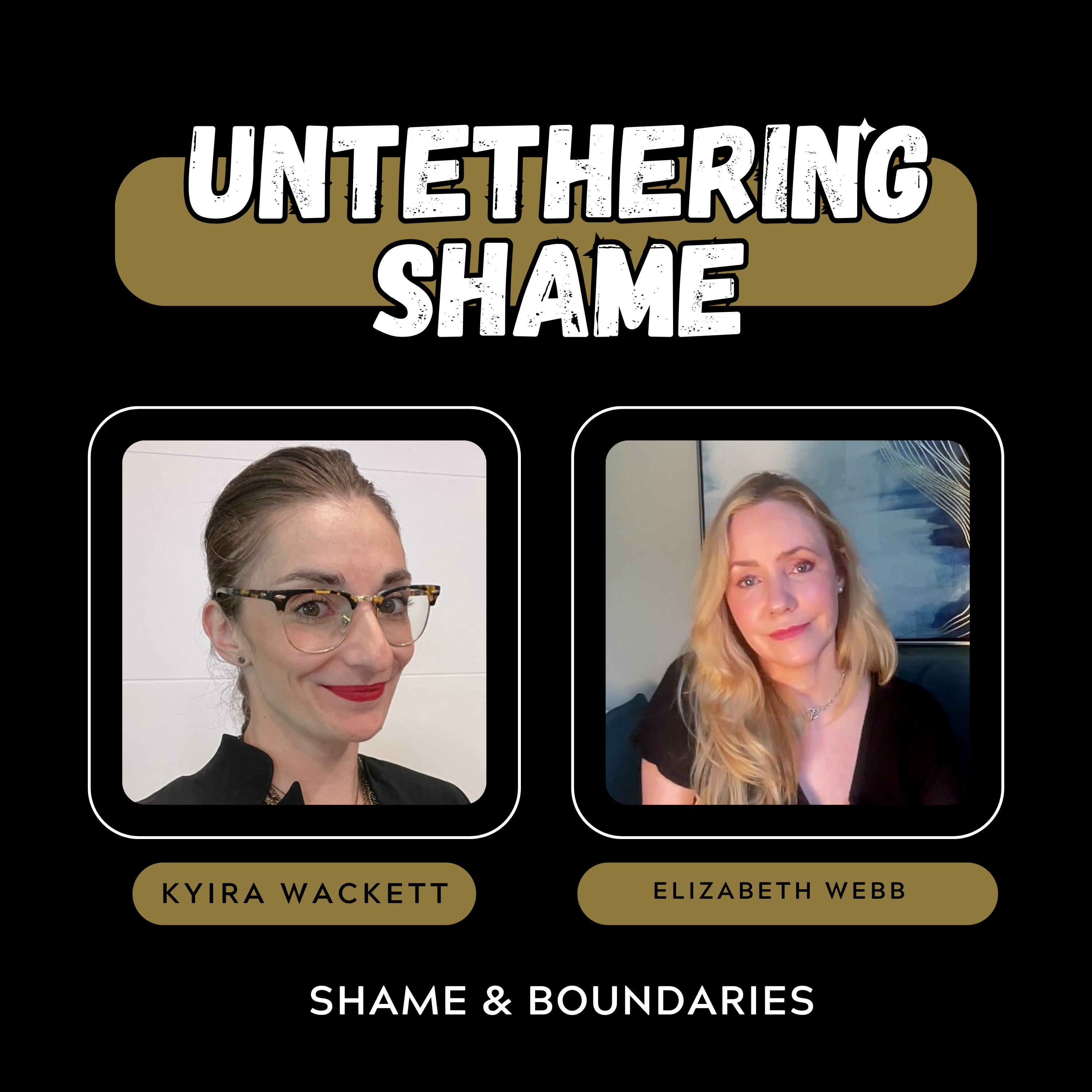
Shame & Boundaries: Reclaiming Hope, Choice, and the Courage to Stop Tolerating What Drains You with Elizabeth Webb
Jun 2100:54:26Tap to summarizeWhat happens when you have done all the things, read the books, attended the webinars, and still feel disconnected from yourself? In this episode I sit down with Elizabeth Webb, positive psychology expert, coach, and author of Made for Magic, to talk about why so many of us stay stuck in patterns that drain us, and how we start choosing differently.We get into self-abandonment and the quiet ways we spend our time and energy on everyone but ourselves. We name the trap of toxic toleration, the shadowy side of being the fixer, and why unasked-for help is often a form of control. Elizabeth gets honest about people-pleasing, the line "when you stop people pleasing, people are not pleased," and the grief that shows up when you start renegotiating the invisible relational contracts you never knew you signed.We also talk about the shame spiral that keeps you stuck, how hope and choice rebuild your agency, and the practical, body-based tools you can use in the moment when breaking a pattern feels scary.In this conversation:Why self-abandonment quietly runs your week, and how to track itToxic toleration and the cost of being the one who holds everyone's stuffThe shadowy side of caretaking and unasked-for helpHow the shame spiral keeps you out of actionElizabeth's energy reclamation practice for ruminationBreaking and rewriting relational contracts without ghosting peopleThe grief that follows boundary work, and how to be with itIn-the-moment distress tolerance: walks, nature, grounding, bilateral stimulationWhy hope is always available, because choice is always availableAbout Elizabeth:Elizabeth Webb is The Practical Priestess and an expert in positive psychology and human behavior. For over two decades she has helped leaders, celebrities, and change-makers break free from life's shackles, make empowered choices, and build a life they are excited to wake up to. Her debut book, Made for Magic, is out now in paperback and audiobook, narrated by Elizabeth.Connect with Elizabeth:Website: http://positivelyelizabeth.com/Instagram: https://www.instagram.com/positivelyelizabeth/Get the first chapter of Made for Magic free: http://madeformagicbook.com/Ready to take the next step?Download the free handout, 5 Things Shame Resilient People Do Every Day, and start making the daily shifts that break the shame cycle keeping you stuck: http://www.adversityrising.com/become-shame-resilientBook a free 25-minute discovery call to talk through program options and find the support that fits you best: https://calendly.com/adversityrising/discovery-callIf this one landed, comment POD and let me know what hit home.Stay connected:Spotify: https://open.spotify.com/show/2AouludJr7EweOkMIN9s42?si=d8cdfcb925ce4c9cApple Podcasts: https://podcasts.apple.com/us/podcast/untethering-shame/id1691795543YouTube: https://www.youtube.com/@adversityrisingWebsite: https://www.adversityrising.com
Transcribe →
🎙️ Ask Me Anything – E53: The Three Buckets That Will Change Every Relationship You Have (Needs, Wants, and What You've Been Quietly Accepting)
Jun 1700:11:32Tap to summarizeDo you keep accepting things in your relationships that you never actually agreed to? You are not alone. In this episode, we get clear on the difference between what you genuinely need, what you truly want, and what you have just quietly been tolerating.We tackle a question from an anonymous listener:"I have three things I need from people in my life, like fifteen things I'd love, and then a whole other category of things I've just... quietly accepted even though they don't feel good. I've never actually separated those out and I think it's making everything murkier than it needs to be. How do I get clear on what I actually need versus what I'm just tolerating?"If that lands somewhere uncomfortable, this episode is for you. I introduce a framework I call the three buckets, and once you hear it you will start applying it to every relationship in your life. You will learn why collapsing these categories into one undifferentiated blur creates the exact fog so many of us live in, and how getting clear is an act of radical self-authorship.In this episode, you will learn:The Three Buckets: The difference between needs, wants, and accepts, and why each one carries a very different emotional weight.Needs Are the Floor: Why needs are non-negotiable baseline conditions, not preferences in urgent language, and why an unmet need is crucial information.Wants Deserve Naming: How swallowed wants turn into slow, quiet, accumulating resentment, and how to voice them without ultimatums.The Accept Trap: The one question to ask about everything you tolerate, "did I consciously choose this?", and how to tell genuine acceptance from tolerance that accumulated in the dark.Why the Buckets Collapse: How the fog became a survival strategy for high-achievers and helpers, and what it costs you.Your Homework: A simple exercise to map all three buckets in one relationship and get them out of the fog and onto the page.Resources & Links:Liberated Living Program: Learn more about the coaching program at https://adversityrising.com/liberated-livingStart with the burnout quiz to find your honest starting point: https://adversityrising.com/quiz📝 Want to submit a question for a future episode? Nothing is off-limits (well, almost nothing). Submit anonymously or with your name, whatever feels safest for you. 👉 Submit Here: https://forms.gle/1uYJ87Y2Vag6KYCeA💬 If this episode spoke to you, drop a comment and share your biggest takeaway: I'd love to hear what came up for you.Take the Next Step★ Download the FREE Handout: "5 Things Shame Resilient People do Every Day" and start making those daily shifts. https://www.adversityrising.com/become-shame-resilient★ Book a Free 25 Minute Discovery Call: Discuss program options and find the support that fits your needs. https://calendly.com/adversityrising/discovery-call★ Sign up for Liberated Living: Practice Radical Acceptance, Radical Responsibility, and Radical Authorship to reclaim your life. https://adversityrising.com/liberated-livingYou are allowed to know what you need. You are allowed to want more than you've been settling for. And you are allowed to stop tolerating things you never actually chose.
Transcribe →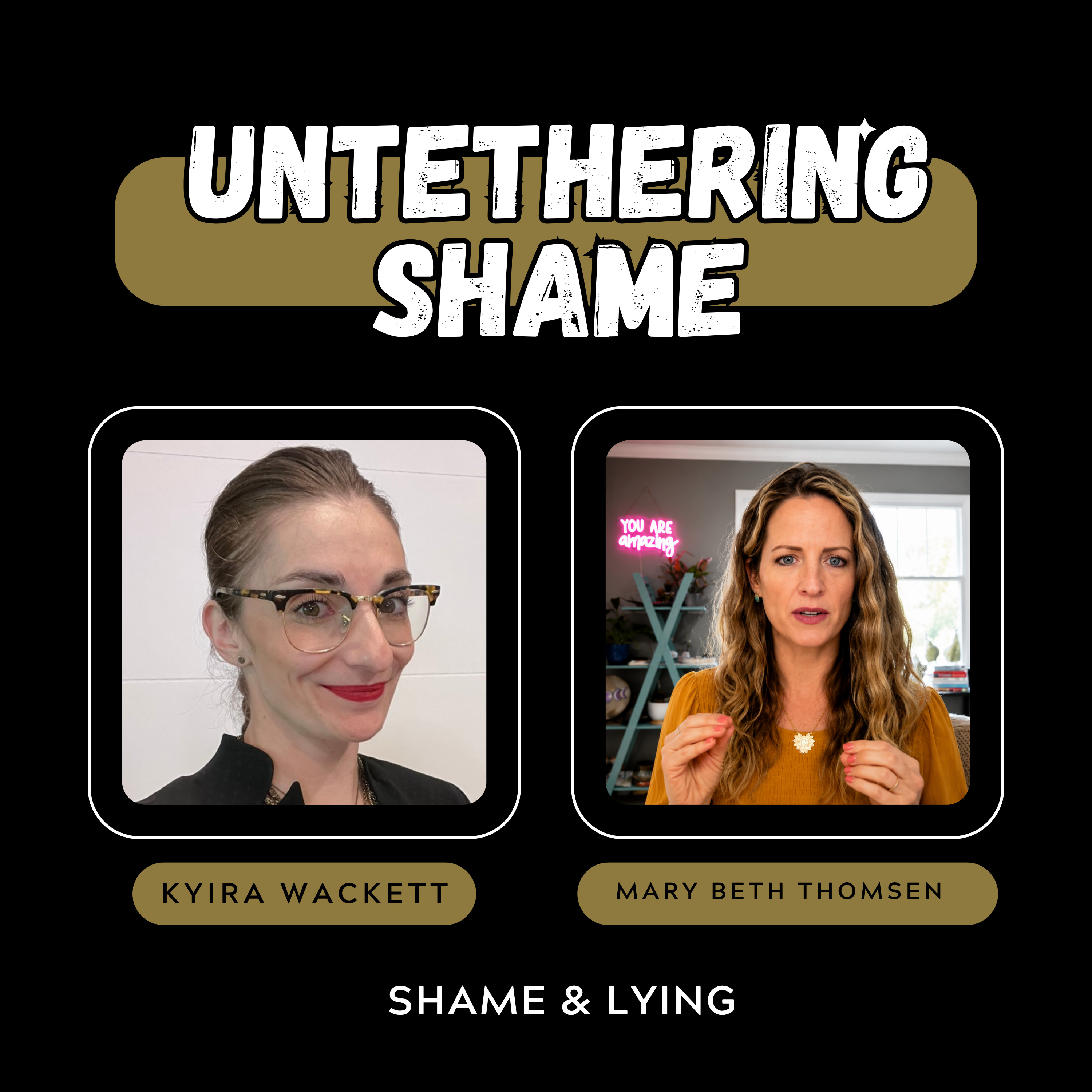
Shame & Lying: From People-Pleasing to Telling the Truth with Mary Beth Thomsen
Jun 1400:53:18Tap to summarizeYou lie one to two times a day. So do I. And most of those lies have nothing to do with being a bad person.In this episode I sit down with Mary Beth Thomsen, intuitive and spiritual life coach, psychic medium, and shamanic practitioner, to unpack the real psychology of lying: why we lie, how lying starts in childhood as a survival strategy, and how those same protective habits turn into self betrayal as adults.Mary Beth teaches her clients how to do deep internal assessments to understand where they are holding themselves back from living their most authentic lives. Her upcoming book, Burn the Ships: The Power of Telling Your Truth to Yourself and the World, gets right to the heart of what we do here: releasing shame so you can live rooted in truth, self trust, and radical acceptance.We get into why lying is almost always about safety and belonging, not malice. Why being lied to can be one of the most triggering experiences even if you have lied plenty yourself. How to teach kids honesty without shaming them. And the question underneath all of it: where in your life are you saying yes when you really mean no?What we cover:What actually counts as a lie, and the lies we tell without knowing itWhy kids start lying around age 2 to 3 and what it really meansThe research: 60 percent of adults lie at least once in a 10 minute conversationWhy being lied to is a trauma triggerHow to teach children truth telling and boundaries without shameThe link between shame, secrecy, and image managementHow to use your body as a truth barometerWhat self betrayal really is and where it hides in your daily lifeThe five years from now exercise for getting radically honestWhy truth telling sometimes costs you relationships, and why it is still worth itTake the next step:Mary Beth created a free Truth-Telling Assessment for this conversation. It is a self betrayal inventory that helps you find where in your life you are not being fully honest with yourself. Take it here: https://www.soulshinescoaching.com/truthConnect with Mary Beth Thomsen:Website: https://www.soulshinescoaching.com/Truth-Telling Assessment: https://www.soulshinescoaching.com/truthInstagram: https://www.instagram.com/soulshinescoaching/Facebook: https://www.facebook.com/soulshinescoaching/Book: Burn the Ships: The Power of Telling Your Truth to Yourself and the World (coming soon)Chapters:0:00 Intro: lying is more layered than you think2:12 What is a lie, actually?3:33 The lies we tell ourselves without knowing6:08 Why we lie: it was never about being bad7:19 How often adults really lie9:26 Lying to belong13:34 Why being lied to is a trauma trigger14:31 How do we teach kids when and how to lie?18:35 The compliant kid problem22:08 Body agency28:47 Shame, secrecy, and image management29:52 Your body as a truth barometer30:51 The Self Betrayal Inventory35:22 What self betrayal really means38:28 Values, alignment, and designing an honest life42:37 The five years from now exercise44:29 Compassion and the permission slip to tell the truth46:33 The cost of honesty52:23 The Cheryl Strayed quote that says it allIf this episode hit home, share it with someone who needs permission to tell the truth. New episodes every week. Subscribe so you never miss one.
Transcribe →
🎙️ Ask Me Anything – E52: When You've Both Changed (How to Renegotiate a Relationship Without Blowing It Up)
Jun 1000:09:50Tap to summarizeAre you feeling disconnected from your partner even though you rarely fight? You are not alone. In this episode, we address the silent distance, outdated relationship contracts, and the unspoken changes that leave couples feeling lost.We tackle a highly relatable question from an anonymous listener:"My partner and I have been together for years and I love them, but somewhere along the way we became completely different people with completely different needs. We don't fight, we just feel... disconnected and a little lost. Is it normal for relationships to need a total reset? And how do you even start that conversation without it feeling like an accusation?"If you find yourself relating to this, this episode will help you understand the silent agreements running your relationship. You will learn why feeling distant is not evidence of a broken relationship, but rather proof that you are both still growing.We explain the critical difference between the absence of conflict and the presence of connection, and we provide practical steps to begin renegotiating your relationship without placing blame.In this episode, you will learn: The Reality of Relationship Contracts: Why the unspoken agreements from the early days of your relationship might be causing your current disconnection. Quiet Distance vs. Conflict: The exact reason why couples with the least conflict often have the most unspoken distance. Starting the Conversation: How to express your feelings of disconnection using your own experience rather than pointing fingers at your partner's behavior. Defining Your Needs: How to get genuinely clear on what you actually need right now to feel safe and fulfilled. A Practical Action Plan: A pre-conversation homework exercise to identify who you are now, what you have stopped asking for, and what a fitting relationship looks like today.Resources & Links:Liberated Living Program: Learn more about our coaching program at https://adversityrising.com/liberated-living📝 Want to submit a question for a future episode?Nothing is off-limits (well, almost nothing).Submit your question anonymously or with your name; whatever feels safest for you.👉 Submit Here: https://forms.gle/1uYJ87Y2Vag6KYCeA💬 If this episode spoke to you, drop a comment and share your biggest takeaway or reflection: I’d love to hear what came up for you.Take the Next Step ★ Join the Energy Audit: A free seven day email challenge starting May 24th to help you identify what is draining you and what is restoring you. https://adversityrising.com/the-energy-audit ★ Download the FREE Handout: "5 Things Shame Resilient People do Every Day" and start making those daily shifts to break the cycle keeping you stuck in a negative headspace. https://www.adversityrising.com/become-shame-resilient ★ Book a Free 25 Minute Discovery Call: Discuss different program options and find the support that best fits your needs. https://calendly.com/adversityrising/discovery-call ★ Sign up for Liberated Living: Implement the Radical 3 practice (Radical Acceptance, Radical Responsibility, and Radical Authorship) to reclaim your life. https://adversityrising.com/liberated-living
Transcribe →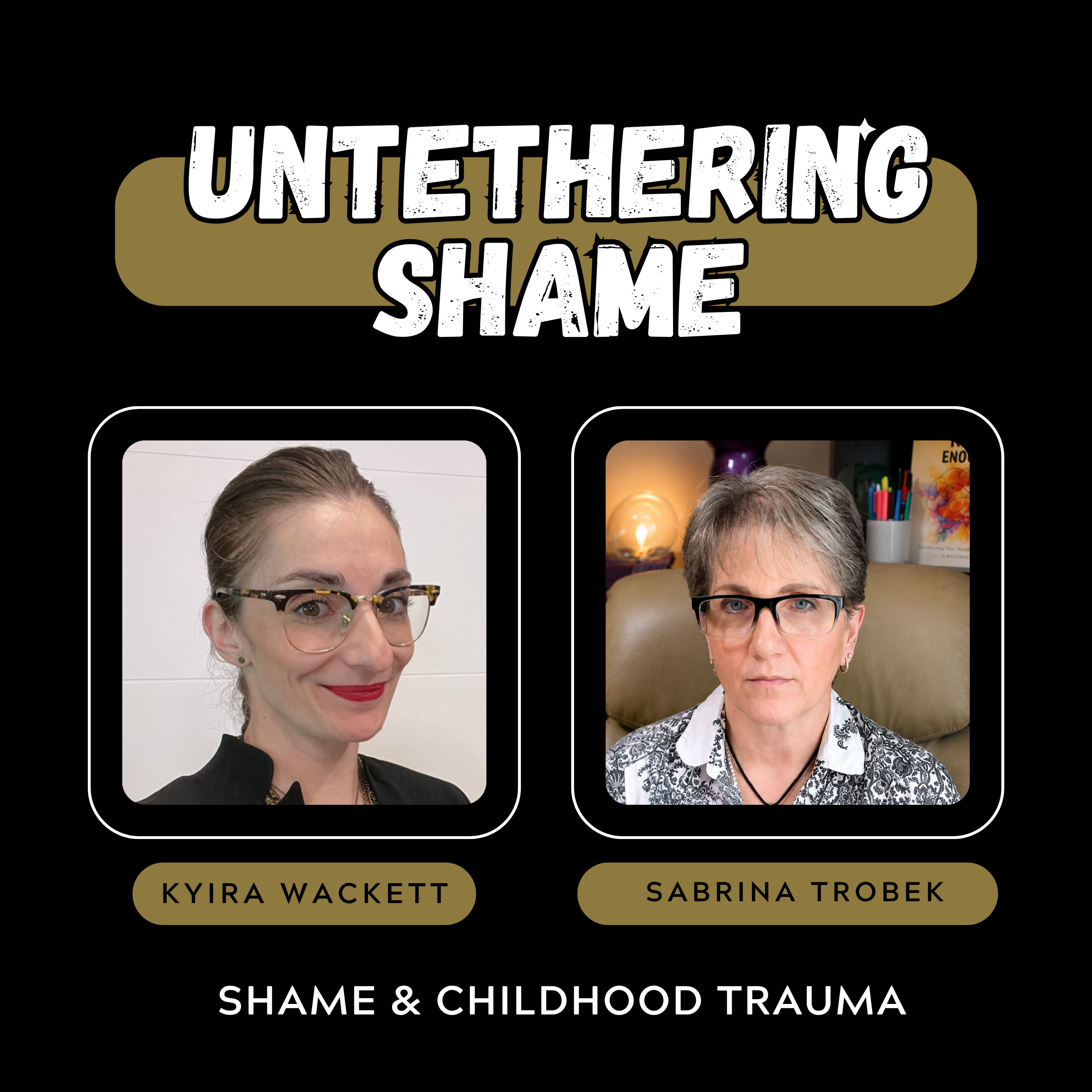
Shame & Childhood Trauma: How Early Wounds Become Core Beliefs in Adulthood with Sabrina Trobek
Jun 701:01:18Tap to summarizeIt's not what happened to you, it's the emotion you were never allowed to feel. Therapist and author Sabrina Trobak returns to Untethered Shame to explain why "the past is the past" keeps you stuck, and how one quiet core belief, not good enough, not important, not valued, drives anxiety, people-pleasing, and burnout.Another Untethered Shame episode that goes one layer deeper than you expected.This episode is for you if:You downplay your childhood because "nothing really happened"You're the dependable, easy one and you're exhaustedYou can explain your pain perfectly but still feel stuck in itWhat you'll learn:Why the event isn't the wound, the suppressed emotion isThe two "buckets" of trauma, and why low-grade, long-term trauma is the kind no one labelsWhy "normal" isn't the goal, and what healthy actually looks likeThe core belief behind anxiety: not good enough, not important, not valuedHow people-pleasing and perfectionism get praised while quietly costing youWhy we ghost, avoid, and use logic to dodge our own feelingsBoundaries and owning your part as the real first step"Normal is usually not healthy. Strive for healthy." — Sabrina TrobakGrab Sabrina's book: Not Good Enough: Understanding Your Core Belief and Anxiety — link in Sabrina's bio below.More about Sabrina: Sabrina Trobak is a registered counsellor and the author of Not Good Enough: Understanding Your Core Belief and Anxiety. Sabrina is also a clinical supervisor and public speaker and holds a master's degree in counselling psychology. Before becoming a counsellor, Sabrina was a teacher, vice principal, and school counsellor for over 20 years. Sabrina has extensive training in resolving past trauma and the impact trauma can have on a person, including anxiety and core beliefs.Connect with Sabrina:Website: https://www.trobakholistic.org/Facebook: https://www.facebook.com/trobakholisticcounsellingInstagram: https://www.instagram.com/nge_trobak/LinkedIn: https://www.linkedin.com/in/sabrina-trobak-b-ed-m-a-c-p-r-c-c-ccs-99725127/YouTube: https://www.youtube.com/@SabrinaTrobak🔔 Subscribe for new Untethered Shame episodes.Get Connected.★ Subscribe to my YouTube channel★ Sign up for my email list: https://adversityrising.com/email-list★ Listen to my Podcast: https://open.spotify.com/show/2AouludJr7EweOkMIN9s42Take the Next Step.★ Download the FREE handout, "5 Things Shame Resilient People Do Every Day" and start making those daily shifts to break the shame cycle that's keeping you stuck: www.adversityrising.com/become-shame-resilient★ Book a free 25-minute discovery call to discuss program options and find the support that best fits your needs: https://calendly.com/adversityrising/discovery-call★ Are you a people pleaser? Ruminator? Over-extender? Sign up for the next round of Liberated Living and implement the radical 3 practice — Radical Acceptance, Radical Responsibility & Radical Authorship: https://adversityrising.com/liberated-living
Transcribe →
🎙️ Ask Me Anything – E51: When Family Calls You Selfish for Choosing Yourself (And How to Hold Your Ground Without Losing Yourself)
Jun 300:10:20Tap to summarizeHave you ever made a decision you knew in your gut was right — then had someone you love tell you it was wrong, until you started doubting everything? Not because new information showed up. Just because their disappointment got so loud it drowned out your own knowing.If you've been there, this episode is for you.This week's question comes from a longtime listener and dear friend, Alice:"My family is devastated that I'm not coming home for a funeral. I had real, legitimate reasons — financial, emotional, logistical — but no one wants to hear them. They're calling me selfish and cold, and part of me is starting to believe them. How do I hold my decision without completely falling apart under the weight of their disappointment?"In this Ask Me Anything episode, I sit with one of the hardest places to stand: holding a decision you know is right while the people who raised you call you selfish. Family shame is different — it has roots, and it knows exactly where to pull.I walk through the difference between guilt (I did something against my values) and shame (I am something wrong), and why what Alice is feeling is borrowed shame imported from someone else's value system. We separate the two tangled threads — your family's grief and the validity of your decision — and I share how to build internal authority so you can stay anchored when outside voices get loud.What I cover:• Guilt vs. shame, and how to tell which you're feeling- The unspoken family loyalty codes you broke without meaning to- Why over-explaining hands them the power to validate your choice- Giving yourself permission to grieve your own lossA few lines I keep coming back to:• Borrowed shame is not yours to carry.- Love is not demonstrated through self-destruction.- You can love your family, grieve that you weren't there, and still know it was the right call.You're allowed to make hard decisions. You're allowed to have limits. And the people who love you most will find their way back to you.Resources & Links:Liberated Living Program: Learn more about our coaching program at https://adversityrising.com/liberated-living📝 Want to submit a question for a future episode?Nothing is off-limits (well, almost nothing). Submit your question anonymously or with your name; whatever feels safest for you.👉 Submit Here: https://forms.gle/1uYJ87Y2Vag6KYCeA💬 If this episode spoke to you, drop a comment and share your biggest takeaway or reflection: I'd love to hear what came up for you.Take the Next Step★ Join the Energy Audit: A free seven day email challenge starting May 24th to help you identify what is draining you and what is restoring you. https://adversityrising.com/the-energy-audit★ Download the FREE Handout: "5 Things Shame Resilient People Do Every Day" and start making those daily shifts to break the cycle keeping you stuck in a negative headspace. https://www.adversityrising.com/become-shame-resilient★ Book a Free 25 Minute Discovery Call: Discuss different program options and find the support that best fits your needs. https://calendly.com/adversityrising/discovery-call★ Sign up for Liberated Living: Implement the Radical 3 practice (Radical Acceptance, Radical Responsibility, and Radical Authorship) to reclaim your life. https://adversityrising.com/liberated-living
Transcribe →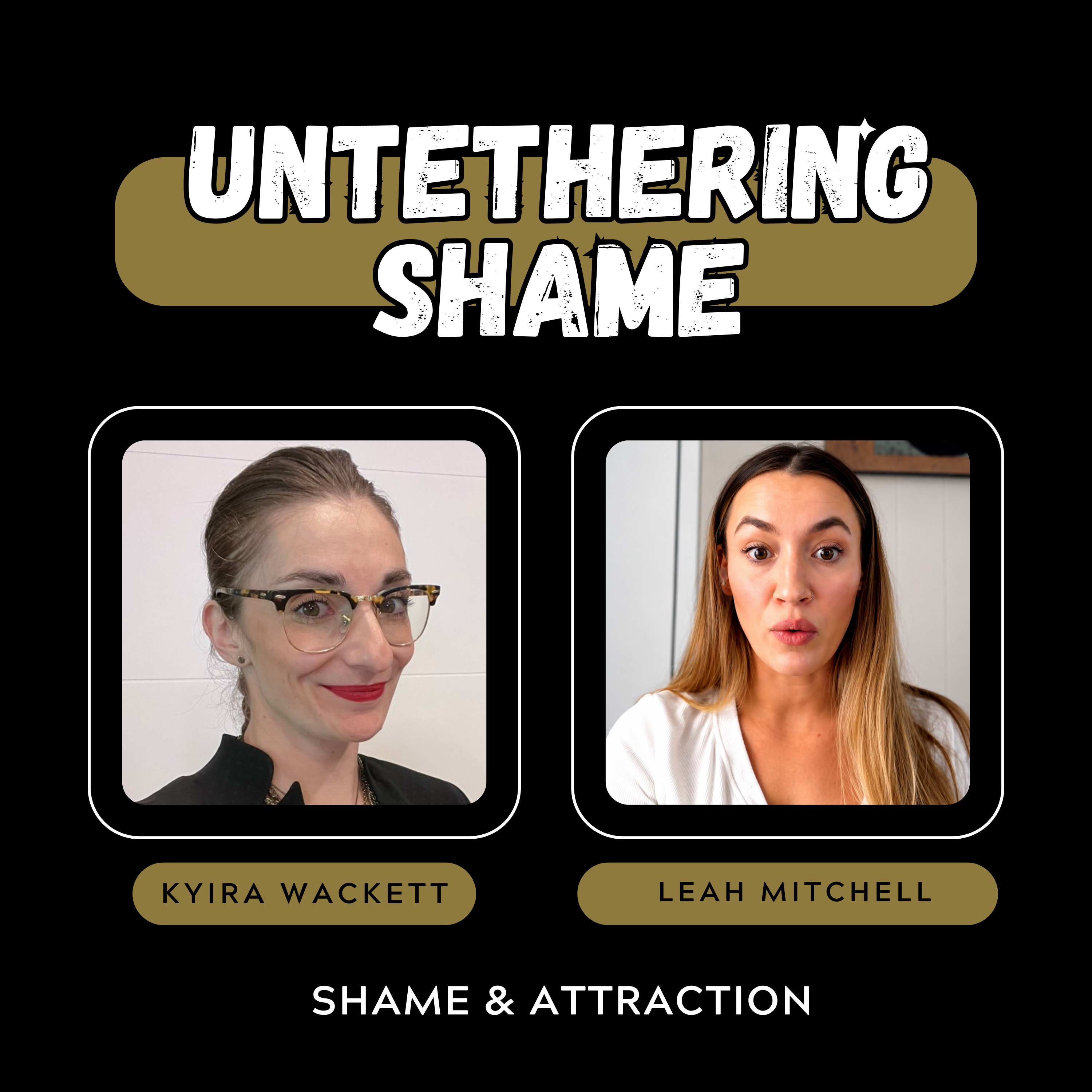
Shame & Attraction: Why Your Brain Falls for the Wrong People with Leah Mitchell
May 3100:52:01Tap to summarizeWhy do I keep choosing the people, relationships, and dynamics that confirm my deepest insecurities? That question sits at the heart of this episode. I'm joined by neuroscience-based love coach Leah Mitchell to unpack why we're drawn to the "wrong" people on a chemical level.We get into why we stay stuck seeking validation as adults, the truth about reaching for the "narcissist" label, how cortisol and stress shape attraction, why we chase the chaos we grew up with, and why secure love can feel so threatening. None of it leaves you stuck. Leah shares her idea of "regardless energy" and a real first step toward choosing differently.If good love has ever felt boring, if you sabotage the healthy thing, or you're tired of ending up in the same place, this one is for you.In this episode:Why we get stuck seeking validationThe truth about the "narcissist" labelHow attraction works on a chemical levelWhy secure love can feel like a trapLearning to trust yourself and choose connection anywayConnect with Leah Mitchell:Facebook: facebook.com/LeahMitchellInstagram: @goddessofloveofficialGet Connected:Subscribe to my YouTube channelSign up for my email list: adversityrising.com/email-listListen to the podcast: open.spotify.com/show/AdversityRisingTake the Next Step:Download the FREE handout, "5 Things Shame Resilient People Do Every Day," and start making the daily shifts to break the shame cycle keeping you stuck: adversityrising.com/become-shame-resilientBook a free 25-minute discovery call to find the support that best fits your needs: calendly.com/adversityrising/discovery-callAre you a people pleaser, ruminator, or over-extender? Join the next round of Liberated Living and practice the radical 3 — Radical Acceptance, Radical Responsibility, and Radical Authorship: adversityrising.com/liberated-livingIf something here hit home, let me know what you're taking away, and share it with someone who needs to hear it. I'll see you back here next week.
Transcribe →