Podcast
BUILDERS
Hosted by Front Lines Media · EN
Welcome to BUILDERS — the show about how founders get new technology adopted.
Each episode features a founder on the front lines of bringing new tech to market, sharing how they broke into their industry, earned early believers, built credibility, and unlocked real technology adoption.
BUILDERS is part of a network of 20 industry-specific shows with a library of 1,200+ founder interviews conducted over the past three years.
For the full network, visit FrontLines.io.
Brought to you by:
www.FrontLines.io/FounderLedGrowth — Founder-led Growth as a Service. Launch your own podcast that drives thought leadership, demand, and most importantly, revenue.
94episodes
Episodes
Newest firstAll episodes
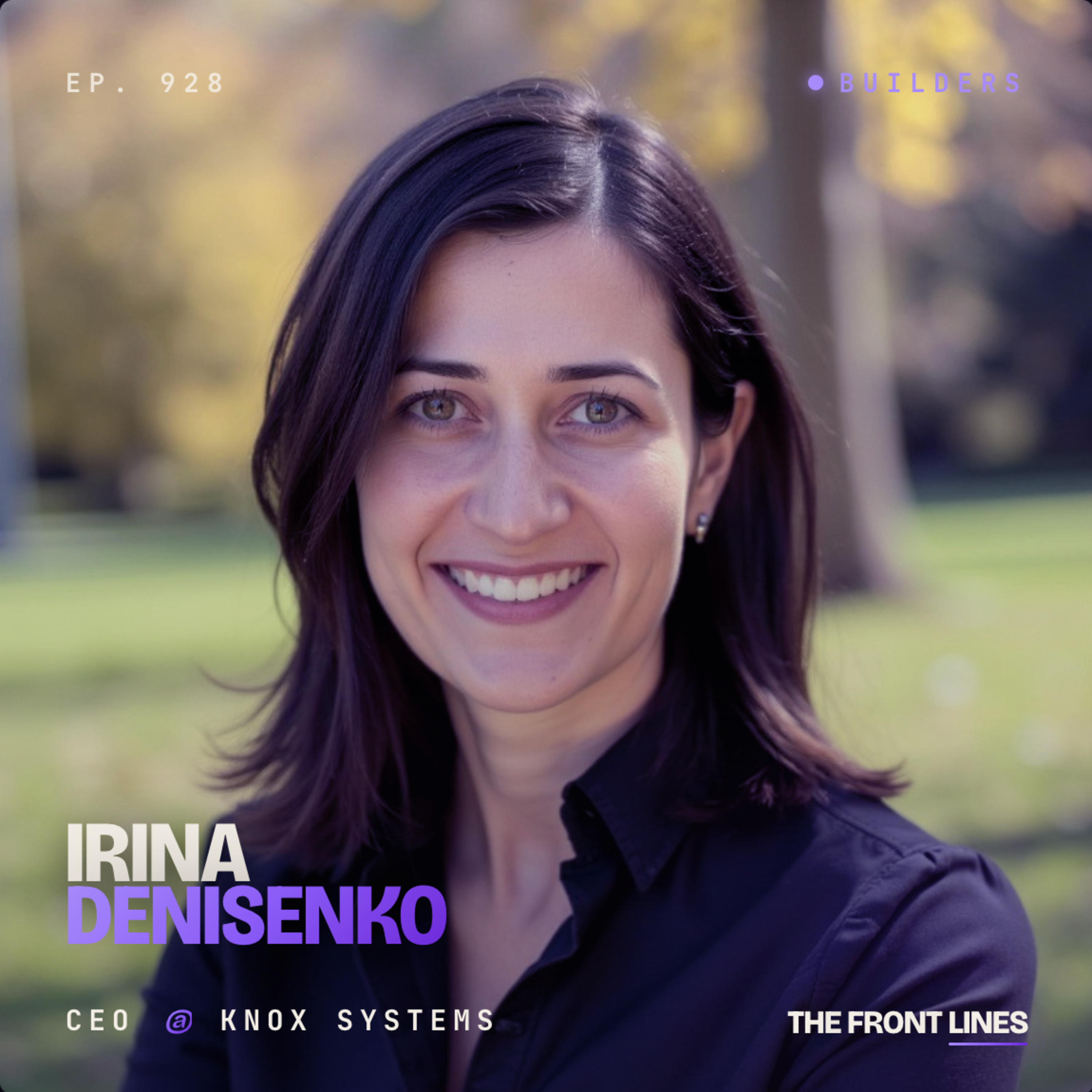
How Knox turned a blunt SLA into its entire marketing message | Irina Denisenko
Yesterday00:23:51Summary readyKnox Systems has built a path around one of the most exclusive certifications in enterprise software. FedRAMP, the security standard required to sell cloud technology to the US federal government, has fewer than 500 companies holding it worldwide, versus more than 10,000 apps on the AWS Marketplace. Earning it independently typically takes three years and roughly $3 million. Knox compresses that to 90 days at 90% less cost by letting customers inherit authorization from its own infrastructure, which carries 16 sponsorships across agencies including the Army, Air Force, Navy, DHS, Treasury, and VA. In a recent episode of BUILDERS, we sat down with Irina Denisenko, CEO of Knox Systems, to learn how she built this model and how the government's relationship with Silicon Valley has shifted.Topics Discussed:How Knox lets customers inherit federal sponsorships instead of building authorization from scratch The acquisition behind Knox's core technology, which hosted Adobe's federal environment for over a decadeWhy FedRAMP has become a competitive differentiator with commercial enterprise buyersHow Knox judged the market large enough despite only 500 existing FedRAMP holdersThe shift from convincing buyers FedRAMP matters to meeting buyers already sold on itKnox's strategy of partnering with 3PAOs and GRC platforms instead of competing with themHow Silicon Valley's relationship with the federal government has shifted since enterprise AIGTM Lessons For B2B Founders:Make your tagline an operational guarantee, not a slogan: Irina turned "90 days for 90% less" into a literal SLA on the homepage. The discipline behind it: "over-index on say what you're gonna do, do it in the time that you said you would do it, and then rinse and repeat." Provocative claims work only if the operating model can satisfy them every time.Prove the moat with cross-industry customers, not hypotheticals: Knox's authorization helped Sierra AI reach FedRAMP High and brought Armis, a company heavily focused on OT cybersecurity, into the federal market through Knox's platform.Track inbound conviction as a market-maturity signal: Irina measures GTM motion by what share of conversations start with buyers already sold on the category. Knox is now at three-in-four, up from the inverse a few years ago, and expects it to flip again at saturation. Track this ratio as a leading indicator of how much market education your sales motion still requires.Become a customer of the incumbents you'd otherwise compete with: Knox didn't build its own GRC tooling or displace 3PAOs. It became a Vanta and Drata customer and works alongside 3PAOs on complex cases, while putting engineering effort into autonomous cloud management instead. In a regulated market, coexisting with established players can open more doors than disrupting them.Let acquired infrastructure define your speed advantage: Knox's 90-day timeline exists because its core technology is 15 years old, built to host Adobe's federal environment before Knox opened it to other applications. When evaluating M&A, weigh whether a target's infrastructure maturity creates a structural edge competitors can't replicate organically.// Sponsors: Front Lines — We help B2B tech companies launch, manage, and grow podcasts that drive demand, awareness, and thought leadership. www.FrontLines.ioThe Global Talent Co. — We help tech startups find, vet, hire, pay, and retain amazing marketing talent that costs 50-70% less than the US & Europe. www.GlobalTalent.co//Don't Miss: New Podcast Series — How I Hire Senior GTM leaders share the tactical hiring frameworks they use to build winning revenue teams. Hosted by Andy Mowat, who scaled 4 unicorns from $10M to $100M+ ARR and launched Whispered to help executives find their next role. Subscribe here: https://open.spotify.com/show/53yCHlPfLSMFimtv0riPyM
Summary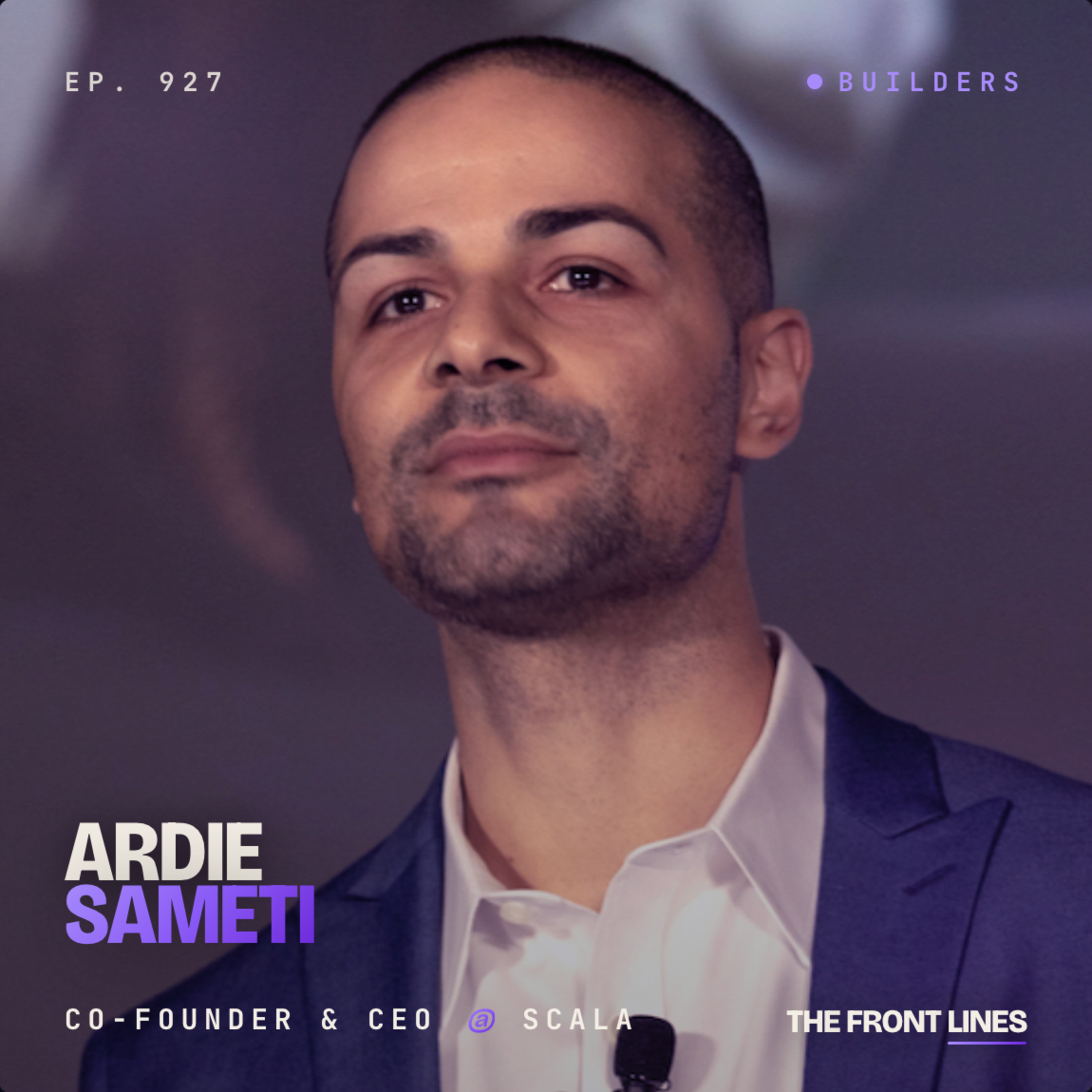
How Scala tracks every closed deal back to its source before scaling spend | Ardie Sameti
1w ago00:31:37Summary readyScala is reimagining how operators run customer experience and contact center operations, shifting the model from software as a service to what its founder calls intelligence as a service. In a recent episode of BUILDERS, we sat down with Ardie Sameti, Co-Founder and CEO of Scala, to learn how a decade scaling healthcare technology company Accolade shaped his decision to start over and build an AI-native operations platform from scratch.Topics Discussed:Why operational fragmentation at scale, not a single bad decision, created the gap Scala was built to fillWhy Scala held off adding headcount even while tracking ahead of its investor-approved hiring planThe shift from software as a service to intelligence as a service, and why proprietary data is the real moatHow Scala attributes closed deals back to specific channels before scaling spend on any of themThe guardrails Scala applies to AI avatars and outbound to avoid the brand cost of generic AI spamThe long-term vision: an autonomous operations agentic platform where humans supervise fleets of AI agentsGTM Lessons For B2B Founders:Resist headcount growth even when you're ahead of plan. Ardie's go-to-market and marketing leads were tracking ahead of their investor-approved hiring milestones, but chose not to add headcount anyway, because every new layer between founders and prospect calls dilutes the firsthand signal driving product and positioning decisions. Founders should treat being "ahead of schedule" as a reason to slow hiring, not speed it upBuild a per-person output multiplier into headcount planning, not just budget. Scala's internal framework reframes each hire's expected output as a multiple of what the same role would have produced a few years ago, the same way Ardie now expects to operate at several times his own historical output. Founders should use this to decide which roles get automated versus hired for.Attribute every closed deal to its actual source before scaling spend on any channel. Scala tracks which deals originated from warm network intros versus AI avatar-driven inbound versus paid social, and only increases investment in a channel after it has produced enough closed deals to justify the cost. Founders should build this kind of deal-level channel attribution before assuming a new GTM motion is working.Apply explicit guardrails to AI outreach the same way you would onboard a junior SDR. Scala intentionally avoids blasting AI avatars at scale, instead targeting them using intent signals like active buying patterns and in-market status, with guardrails on what the AI is and isn't allowed to say. Founders should define those boundaries before scaling AI-driven outreach volume.Architect around proprietary data and workflow context, not the model layer. Ardie's view is that frontier models are now a commodity anyone can access, so the durable advantage is the specific data, workflows, and context a company accumulates inside its customers' operations. Founders should evaluate moats by asking what data a competitor cannot replicate, not which model they've shipped.// Sponsors: Front Lines — We help B2B tech companies launch, manage, and grow podcasts that drive demand, awareness, and thought leadership. www.FrontLines.ioThe Global Talent Co. — We help tech startups find, vet, hire, pay, and retain amazing marketing talent that costs 50-70% less than the US & Europe. www.GlobalTalent.co//Don't Miss: New Podcast Series — How I Hire Senior GTM leaders share the tactical hiring frameworks they use to build winning revenue teams. Hosted by Andy Mowat, who scaled 4 unicorns from $10M to $100M+ ARR and launched Whispered to help executives find their next role. Subscribe here: https://open.spotify.com/show/53yCHlPfLSMFimtv0riPyM
Summary
How Angle Health built a unified data layer to make fully custom SMB health plans economically feasible at scale | Ty Wang
2w ago00:20:55Summary readyNearly half of working Americans and their families get health coverage through a small or medium-sized business — and for most of them, that means choosing from one to three rigid, off-the-shelf plans that may not fit their needs at all. Angle Health is changing that. As the first AI-native health plan and vertically integrated healthcare benefits platform, Angle Health delivers fully customizable health insurance to SMBs through an insurance broker channel — with a median renewal rate increase of just 5.5%, at a time when most small businesses are absorbing 11–20%+ increases year over year. In this episode of BUILDERS, we spoke with Ty Wang, Co-Founder and CEO of Angle Health, about the hard-won channel pivot that unlocked their distribution, the unified data infrastructure that makes custom plan design economically feasible at scale, and what it actually looks like to rebuild a broken system from first principles.Topics Discussed:Why going direct-to-employer failed — and what the pivot to broker-channel distribution revealed about the marketHow Angle Health delivers fully custom health plans to SMBs when no legacy incumbent can do this economicallyThe unified data infrastructure that enables AI to automate plan design, underwriting, eligibility, and claims administration end-to-endHow Angle Health is rebuilding care pathways — moving procedures like infusions from hospital settings to in-home settings at a fraction of the costThe discipline of running a deliberately lean team at scale, and how Angle Health decides what to prioritizeThe long-term vision: a healthcare experience that is seamless, fully transparent on cost, and actually affordable for every AmericanGTM Lessons For B2B Founders:Your initial distribution thesis is a hypothesis — treat it that way. Angle Health launched in 2021 going direct to small business owners and pivoted fast when it became clear the model wasn't working. The problem wasn't product-market fit — it was that SMB owners needed a trusted, unbiased advisor to guide their benefits decisions, and that role already belonged to brokers. Rather than build around that reality, Ty learned it the hard way. The lesson isn't "use channels" — it's to stay lean enough in your early distribution experiments that you can read the signal and change before you've over-indexed on the wrong motion.The dominant access point in your market is almost always the right wedge, even if it's not where you ultimately want to play. Ty is explicit that building a health plan was never the goal — it was the mechanism. The health plan is the primary way the majority of Americans access and pay for care, so controlling that layer is what makes everything downstream possible. Founders disrupting heavily intermediated or regulated industries should map the flow of access in their market and ask: what is the chokepoint everything else runs through? That's usually the right place to start, regardless of where you eventually want to go.// Sponsors: Front Lines — We help B2B tech companies launch, manage, and grow podcasts that drive demand, awareness, and thought leadership. www.FrontLines.ioThe Global Talent Co. — We help tech startups find, vet, hire, pay, and retain amazing marketing talent that costs 50-70% less than the US & Europe. www.GlobalTalent.co//Don't Miss: New Podcast Series — How I Hire Senior GTM leaders share the tactical hiring frameworks they use to build winning revenue teams. Hosted by Andy Mowat, who scaled 4 unicorns from $10M to $100M+ ARR and launched Whispered to help executives find their next role. Subscribe here: https://open.spotify.com/show/53yCHlPfLSMFimtv0riPyM
Summary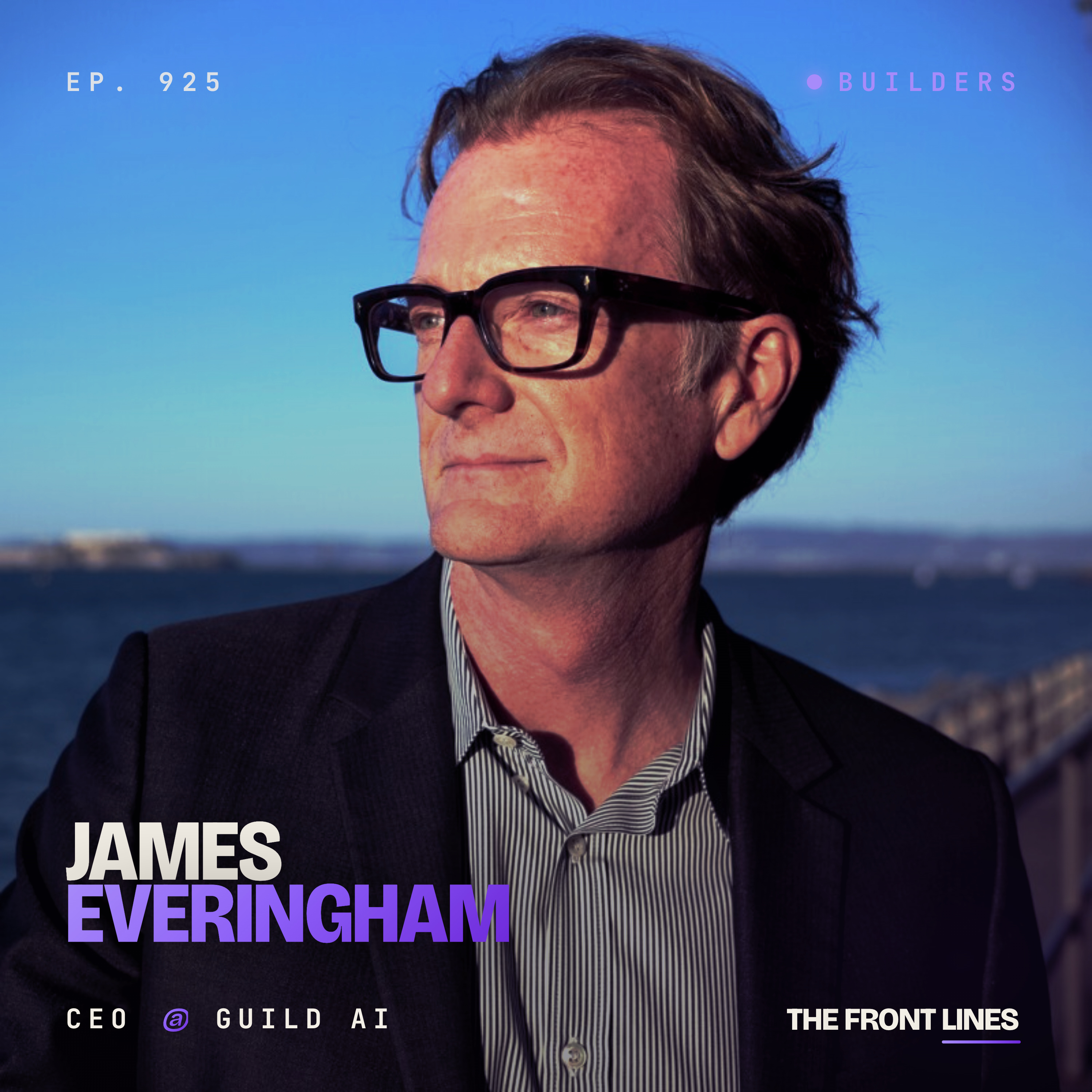
How Guild AI discovered their real buyers weren't developers — and rebuilt their GTM motion around CIOs and CSOs | James Everingham
2w ago00:20:54Summary readyGuild AI is building the infrastructure layer that enterprises need to deploy, manage, and govern AI agents operating inside their systems. Founded by James Everingham — a five-time founder who most recently led developer infrastructure at Meta, overseeing a team of more than a thousand engineers — Guild AI is solving a problem James watched emerge firsthand inside one of the world's most complex technology organizations: what happens when agents stop being prototypes and start taking autonomous action inside your production infrastructure.In this episode of BUILDERS, James shares what he's learned about founding companies across nearly four decades, from writing shareware in central Pennsylvania in 1987 to building developer tooling at Meta to launching Guild AI. He goes deep on why the go-to-market motion for a new infrastructure category defaults tops-down, what enterprise engineering leaders actually respond to from vendors, and the product philosophy he's refined across five companies.Topics Discussed:Why James founded Guild AI after watching agent adoption break at scale inside MetaHow Guild AI's go-to-market shifted from developer-led to CIO/CSO/CTO-driven — and what forced that shiftWhy design partners pushed Guild AI's use cases away from software development and into legal, marketing, HR, and financeWhat vendors consistently got wrong when trying to sell to James at Meta — and what actually workedGTM Lessons For B2B Founders:New infrastructure categories require a tops-down entry: Guild AI initially assumed a bottoms-up, developer-led motion. Their design partners revealed quickly that CIOs, CSOs, and CTOs were the ones carrying the urgency around agent governance — not individual developers. James frames the dynamic precisely: in early markets where buyers lack a clear starting point, individual contributors won't self-organize around a new tool without leadership buy-in first. The tops-down entry earns executive trust, establishes the governance framework, and creates the conditions for developers to adopt the tooling on their own terms — without a mandate.Follow your design partners, not your original thesis: Guild AI launched with a developer productivity thesis. Their earliest design partners pulled them toward marketing, legal, HR, and finance — areas where, as James noted, there's likely more demand for agentic workflow automation than in software development itself. The team followed the signal rather than defending the thesis. For B2B founders in emerging categories, design partnerships aren't just validation — they're navigation. The customers who show up first will often redirect you toward the higher-value problem you hadn't fully seen yet.Enterprise outreach is pattern-matched and rejected in seconds: James was receiving vendor pitches at Meta at scale. What killed deals before they started: AI-generated emails that reflected his own company's marketing language back at him with light personalization layered on top. His analogy is precise — he compares it to the first banner ads on the internet, effective for about three months before everyone learned to ignore them. What earned attention was evidence of real homework: a vendor who understood the specific friction points inside Meta's infrastructure before showing up to pitch.// Sponsors: Front Lines — We help B2B tech companies launch, manage, and grow podcasts that drive demand, awareness, and thought leadership. www.FrontLines.ioThe Global Talent Co. — We help tech startups find, vet, hire, pay, and retain amazing marketing talent that costs 50-70% less than the US & Europe. www.GlobalTalent.co//Don't Miss: New Podcast Series — How I Hire Senior GTM leaders share the tactical hiring frameworks they use to build winning revenue teams. Hosted by Andy Mowat, who scaled 4 unicorns from $10M to $100M+ ARR and launched Whispered to help executives find their next role. Subscribe here: https://open.spotify.com/show/53yCHlPfLSMFimtv0riPyM
Summary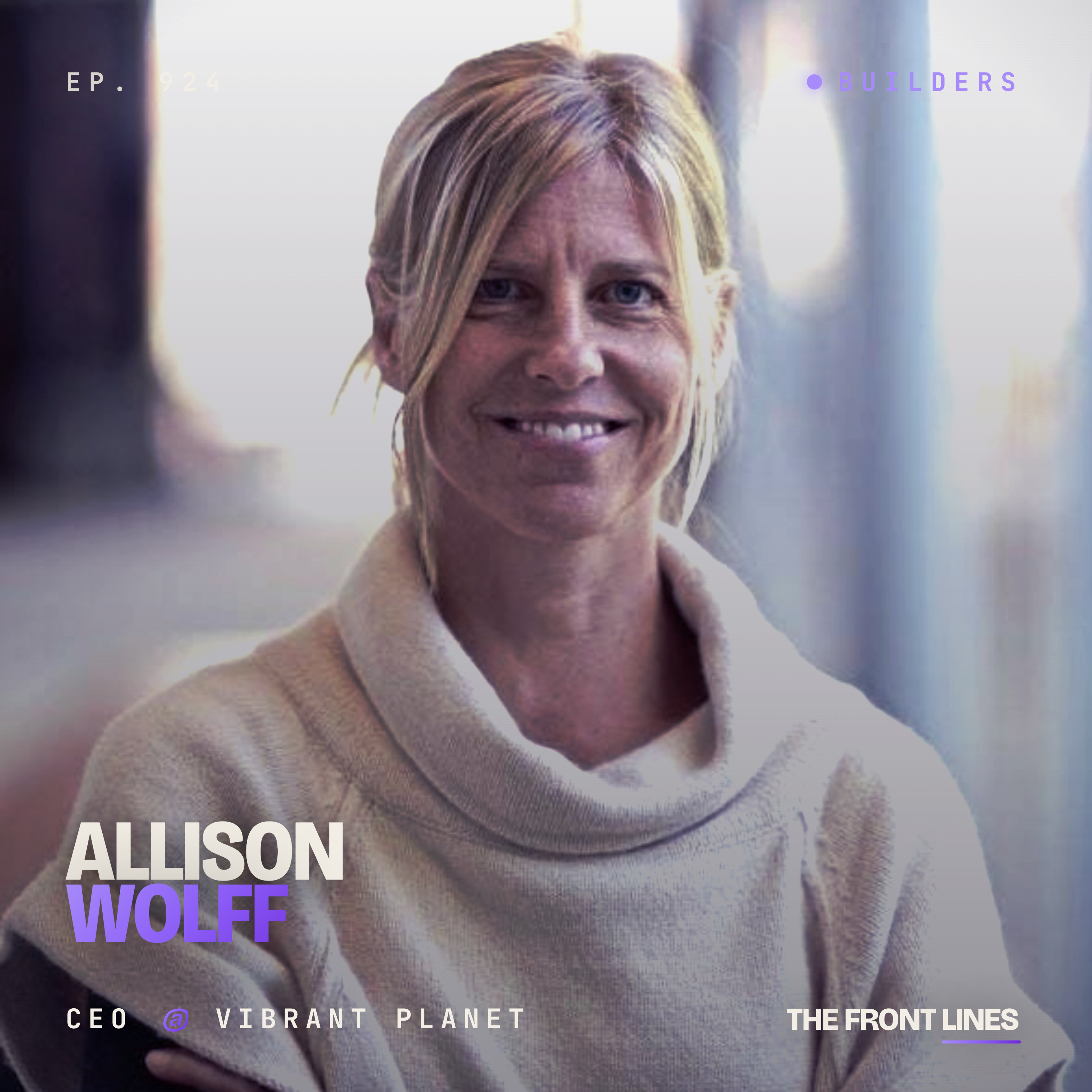
How Vibrant Planet turned Congressional testimony into a GTM credibility | Allison Wolff
2w ago00:27:36Summary readyThe western US faces a trillion-dollar mitigation gap, a policy window that's finally opening, and a wildfire crisis that is accelerating faster than the industry being stood up to fight it. In this episode of BUILDERS, we sat down with Allison Wolff, CEO of Vibrant Planet, to hear how she's built the platform that agencies, utilities, and policymakers use to decide where to put limited dollars before communities burn.Topics Discussed:How Vibrant Planet's ML-trained vegetation structure layer — built on LiDAR and refreshed with satellite imagery — provides the spatial and temporal resolution that makes fine-scale fire modeling possibleThe statewide Cal Fire contract Allison announced on this episode: deploying across all 21 units and six contract counties to prioritize $1.4 billion in Prop 4 fundingHow Vibrant Planet functions as the optimization engine for constrained public budgets when treating the entire western US would cost an estimated $1 trillionHow Allison testified before Congress after the Altadena fire using her platform's own post-fire analysis: $9 million in strategic forest thinning could have potentially slowed a fire that caused $40 billion in insured lossesWhy Vibrant Planet invested in a lobbyist — and how that investment shaped Congressional testimony, navigated new federal contracting red tape, and helped position the company for an emerging class of outcomes-driven state mandatesHow the supply certainty Vibrant Planet's platform produces can unlock private investment in adjacent industries: biochar, cross-laminated timber, prescribed fire workforceWhy wildfire is one of the only genuinely apolitical issues in Washington right now, and what that creates for companies in the spaceGTM Lessons For B2B Founders:Build the optimization layer, not just the data layer. Vibrant Planet's core product isn't a data platform — it's a recommendation engine that answers "where do we put the money to get the most impact" when treating everything is impossible and every dollar has political and scientific accountability attached to it. Allison described customers who were previously allocating treatment budgets based on whoever was loudest in the grant cycle. Vibrant Planet replaced that with objective, reproducible prioritization. In markets where buyers face constrained budgets and high-stakes tradeoffs, the product that owns the decision architecture — not just the data inputs — is the one that becomes structural.Congressional testimony is a GTM channel. Allison testified before the Natural Resources Committee nine months before this episode using Vibrant Planet's own platform outputs: animated fire spread models, community risk profiles, thousand-community comparisons to Altadena. The result was a credibility signal and a demand signal that no case study produces. In infrastructure, climate, and regulated industries, policy engagement isn't separate from sales — it shapes the budget categories your customers are allowed to spend from. Founders in these sectors should treat time in front of legislators the same way they treat an enterprise reference customer.// Sponsors: Front Lines — We help B2B tech companies launch, manage, and grow podcasts that drive demand, awareness, and thought leadership. www.FrontLines.ioThe Global Talent Co. — We help tech startups find, vet, hire, pay, and retain amazing marketing talent that costs 50-70% less than the US & Europe. www.GlobalTalent.co//Don't Miss: New Podcast Series — How I Hire Senior GTM leaders share the tactical hiring frameworks they use to build winning revenue teams. Hosted by Andy Mowat, who scaled 4 unicorns from $10M to $100M+ ARR and launched Whispered to help executives find their next role. Subscribe here: https://open.spotify.com/show/53yCHlPfLSMFimtv0riPyM
Summary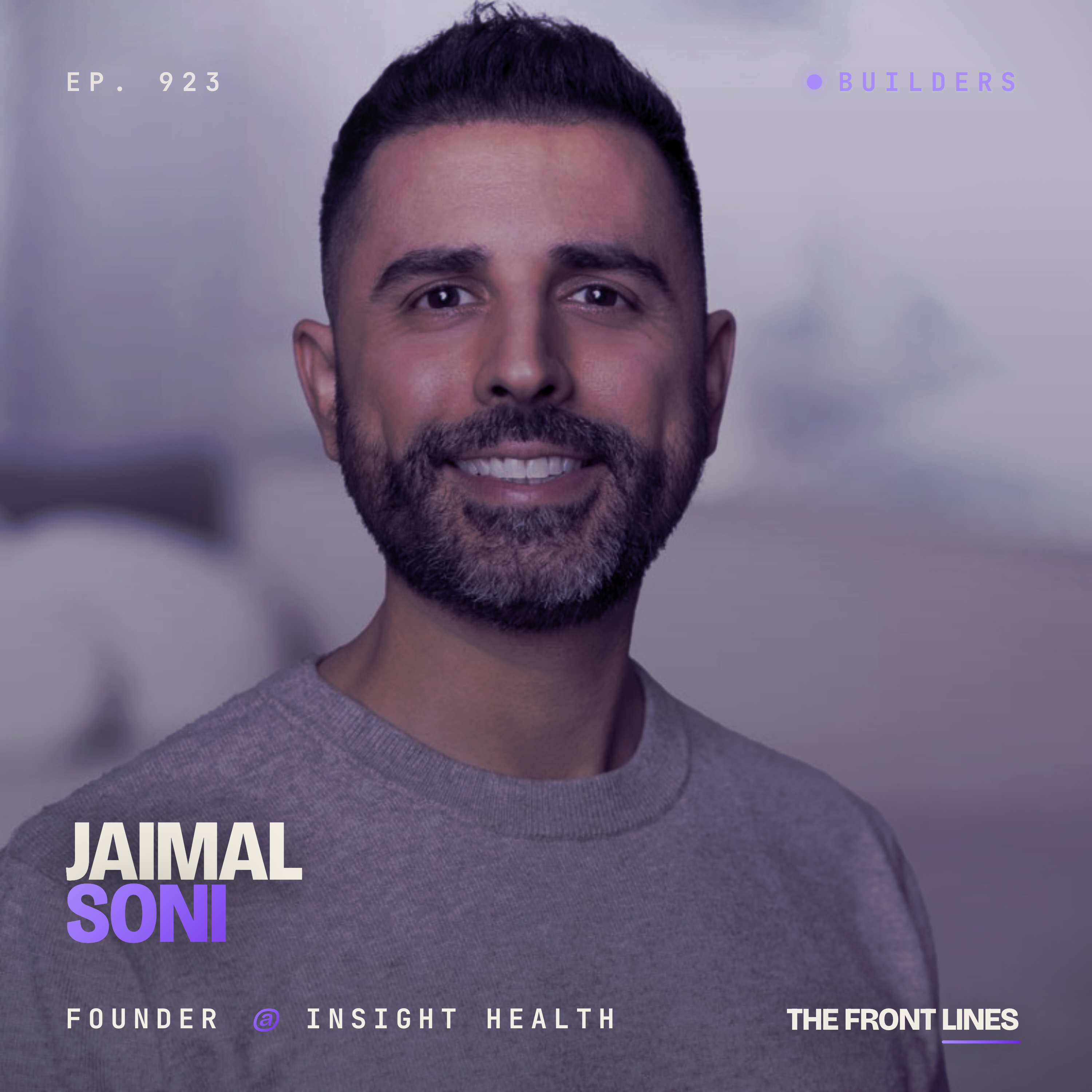
How Insight Health used a free AI scribe to turn EHR companies from competitors into a distribution channel | Jaimal Soni
2w ago00:26:17Summary readyInsight Health is automating the clinical work that surrounds the patient visit — from history capture and intake to referrals and chronic disease follow-ups — so that specialty providers can deliver more care with the capacity they already have. The company completed its first fully autonomous patient interaction for an oncology practice on the West Coast and has since surpassed four million AI-powered encounters. In a recent episode of BUILDERS, we sat down with Jaimal Soni, Co-Founder & CEO of Insight Health, to hear how a founding team of engineers and practicing physicians built the credibility, infrastructure, and go-to-market motion to move fast in one of the hardest industries to sell into.Topics Discussed:Why up to half of a first specialty visit is history capture — and why that insight shaped the entire product roadmapHow Insight Health chose mid-market healthcare (seven to sixty providers) to close its first paid customer in under four months — while Kaiser-scale enterprises take twelve to eighteen monthsWhy they built an AI scribe, offered it for free, and how that decision turned EHR companies from competitors into a distribution channel How the team built Safe AI — their proprietary real-time and near-real-time evaluation framework — when no off-the-shelf evals solution existed for live patient interactions The three-stakeholder map required to win any healthcare deal: clinical champion, administrative champion, and economic buyer GTM Lessons For B2B Founders:Pick your initial segment based on sales cycle math, not just market size. Insight Health chose mid-market healthcare because those organizations close in three to four months. Kaiser-scale enterprises take twelve to eighteen months and require infrastructure Insight Health simply didn't have at the time. Jaimal's framing: "You never want to go out fishing for a whale in a dinghy." The lesson is tactical — run the procurement cycle math for each segment before you pick your entry point, and match it honestly to what your team can actually support and deploy.Post-close is where discovery actually matters most. Jaimal's biggest carry-out from seven years at Segment was that discovery is not a pre-sales activity. Economic buyers change. Deployment scope shifts. Champions lose their internal standing. The teams that treated discovery as a closed chapter after signing were the ones caught flat-footed when accounts churned or contracted. Build a standing cadence for re-qualifying the key stakeholders inside your accounts after the contract is signed.Healthcare deals require three distinct stakeholders — and only one of them needs to be a champion. Insight Health mapped this buying committee directly from their physician co-founders' experience on the procurement side: a clinical champion (often the CMO or a lead clinician carrying the torch internally), an administrative champion responsible for day-to-day operations, and an economic buyer who signs off on spend. Critically, the economic buyer does not need to be a champion — they just need to not block the deal. Conflating these roles wastes sales cycles. Enter every enterprise deal knowing which of the three you have and which you still need to develop.// Sponsors: Front Lines — We help B2B tech companies launch, manage, and grow podcasts that drive demand, awareness, and thought leadership. www.FrontLines.ioThe Global Talent Co. — We help tech startups find, vet, hire, pay, and retain amazing marketing talent that costs 50-70% less than the US & Europe. www.GlobalTalent.co//Don't Miss: New Podcast Series — How I Hire Senior GTM leaders share the tactical hiring frameworks they use to build winning revenue teams. Hosted by Andy Mowat, who scaled 4 unicorns from $10M to $100M+ ARR and launched Whispered to help executives find their next role. Subscribe here: https://open.spotify.com/show/53yCHlPfLSMFimtv0riPyM
Summary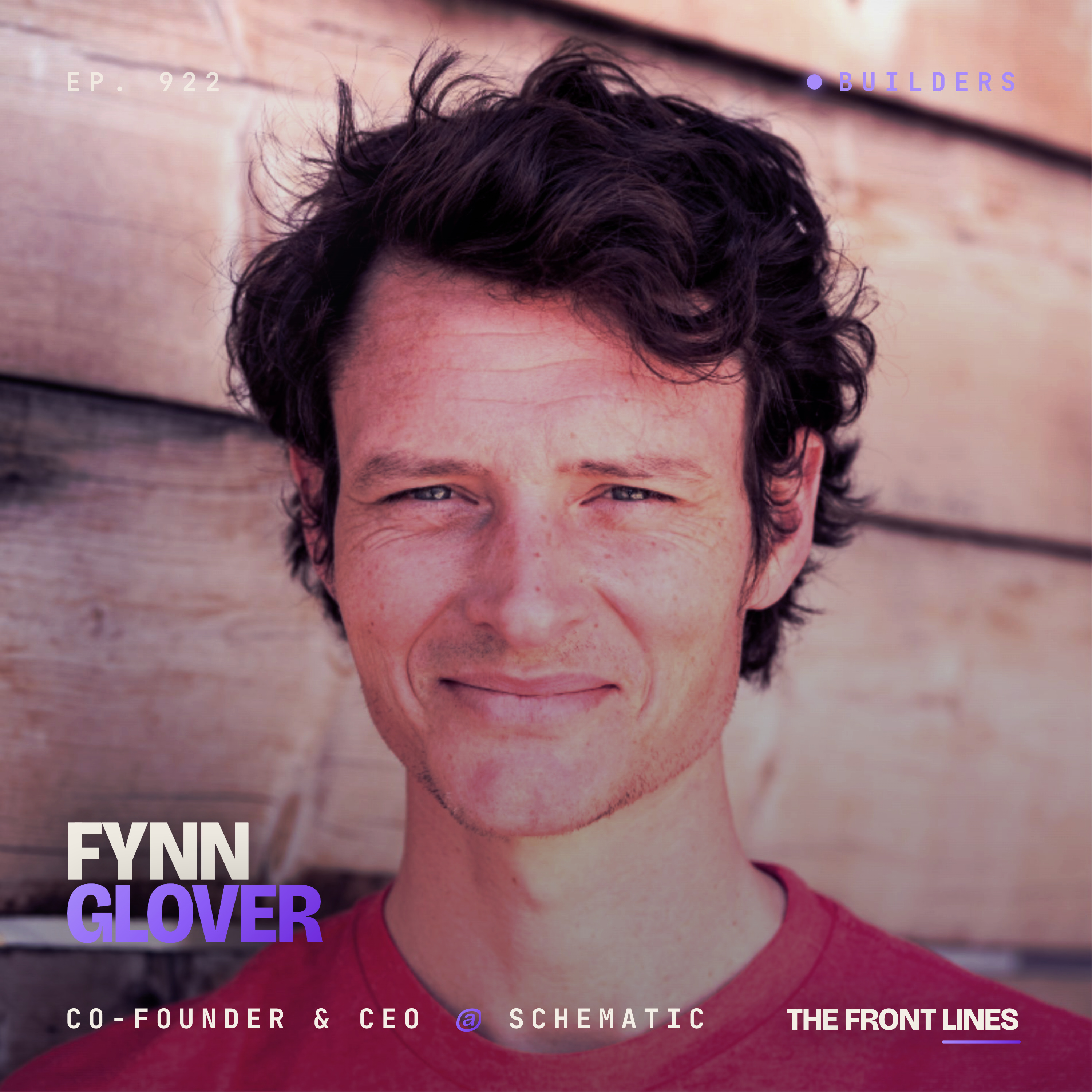
How Schematic ran a two-step validation to separate problem pain from build/buy intent | Fynn Glover
3w ago00:26:44Summary readySchematic is building the infrastructure layer between the application and the billing system — solving the entitlements problem that quietly kills commercial agility at scaling software companies. In a recent episode of BUILDERS, we sat down with Fynn Glover, Co-Founder & CEO of Schematic, to learn how a lived operator problem and 100 discovery conversations led to a conviction that entitlements management is to monetization what Auth0 was to authentication.Topics Discussed:The entitlements problem: why hard-coding feature access to billing plan IDs creates commercial and technical debtHow 100 discovery conversations surfaced product engineering as the true ICP — and why finance and sales couldn't see itThe two-sided market thesis: legacy companies forced to re-architect and startups who can avoid the messWhy content was Schematic's primary GTM mechanism before the product existedHow Fynn mines transcripts for language shifts and re-runs WTP validation every six monthsGTM Lessons For B2B Founders:Use your own experience as the discovery opener: Fynn didn't lead with structured questions. He shared his story — six months to change pricing at a high-growth cybersecurity company — then listened for prospects to name the root cause before he did. When they stopped blaming the billing system and started describing the app-to-billing intersection as the problem, he had signal. Finance and sales couldn't see it. Product and engineering could, because they were building the glue.Separate "is this a problem" from "would you buy a solution": Once Fynn had consistency on the problem, he ran a distinct step — asking whether the infrastructure felt core to the company's product or non-core, careful not to bias the answer. The more he heard "none of this is related to our actual product," the more conviction he built that companies would buy it off the shelf. Two questions, sequenced: the first surfaces pain, the second surfaces build/buy intent.Publish before you have a product when creating a category: Fynn knew Schematic would take years to build something enterprises would trust. Content became the mechanism to attract people who believed in the problem before a product existed. His framing: content doesn't need direct ROI — it needs to bring the company energy, reputation, and market utility.Re-run willingness-to-pay every six months: Fynn ran 10-15 WTP conversations before founding Schematic and has continued every six months with new prospects and existing customers. Pricing assumptions drift — recalibration keeps positioning grounded in what buyers actually value now.Treat call transcripts as a language intelligence feed: One of the biggest workflow changes for Fynn has been mining call transcripts to track how buyers describe their bottlenecks over time. As the market shifts from seat-based to hybrid pricing, buyer language shifts too. Transcripts let him track that at scale rather than relying on intuition.// Sponsors: Front Lines — We help B2B tech companies launch, manage, and grow podcasts that drive demand, awareness, and thought leadership. www.FrontLines.ioThe Global Talent Co. — We help tech startups find, vet, hire, pay, and retain amazing marketing talent that costs 50-70% less than the US & Europe. www.GlobalTalent.co//Don't Miss: New Podcast Series — How I Hire Senior GTM leaders share the tactical hiring frameworks they use to build winning revenue teams. Hosted by Andy Mowat, who scaled 4 unicorns from $10M to $100M+ ARR and launched Whispered to help executives find their next role. Subscribe here: https://open.spotify.com/show/53yCHlPfLSMFimtv0riPyM
Summary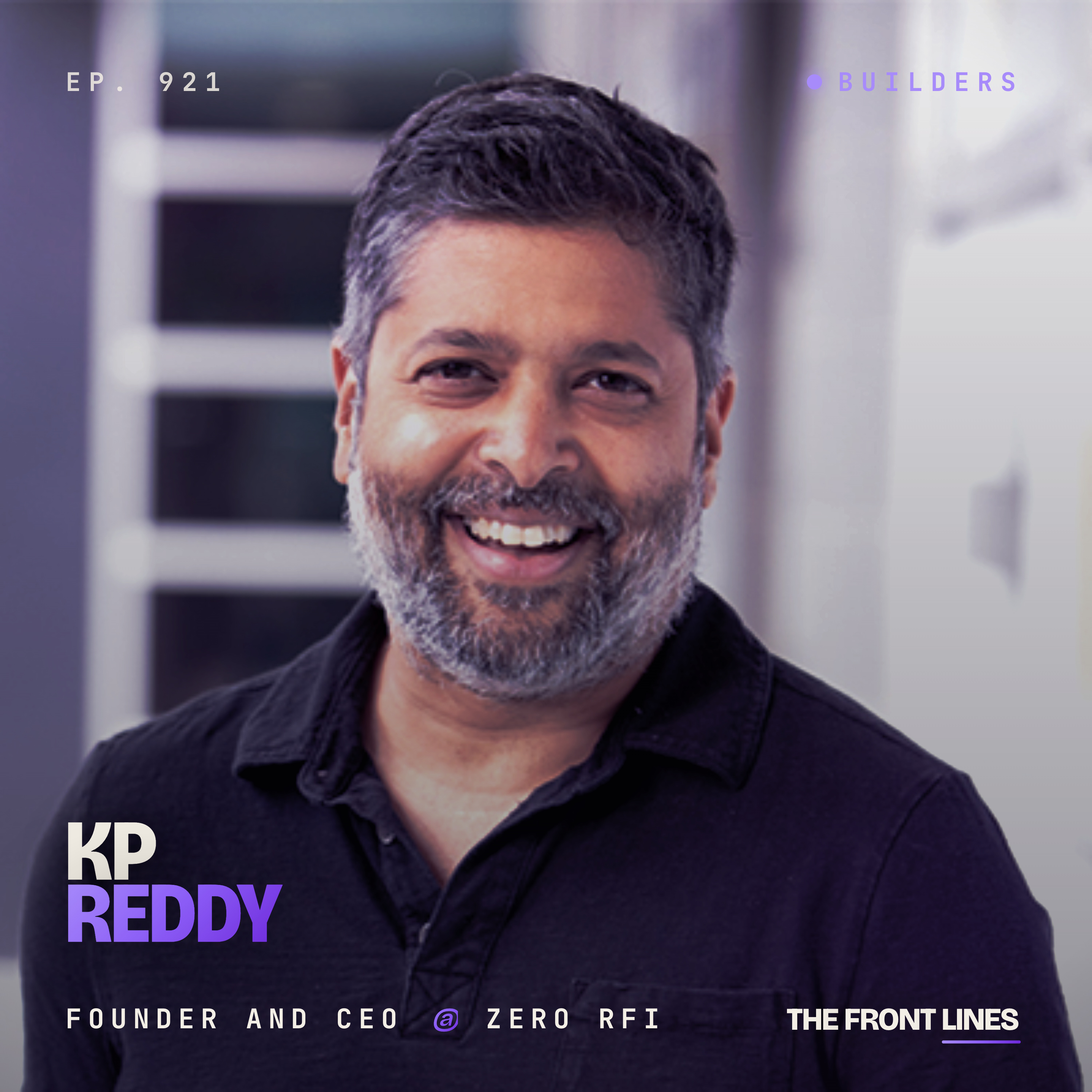
GTM lessons from a construction tech pioneer | KP Reddy
3w ago00:23:38Summary readyKP Reddy hasz chased the same mission for 30 years: eliminate the change orders and unanswered questions that derail construction projects. Web-based construction management in 1994. A Building Information Modeling textbook in the early 2000s. Now with Zero RFI — backed by General Catalyst — he's running an AI roll-up of construction services businesses to answer every question before a shovel hits the dirt. In this episode: acquisition criteria, investor filtering, why owning the asset beats selling software, and the S-curve trap that kills most construction tech companies.Topics Discussed:Why founder-to-founder credibility wins acquisition conversationsThe house-of-brands model and the customer logic behind itHow KP screens investors: roll-up experience, fund structure, and portfolio construction activityThe two-part SaaS survival test and when owning the asset is the better GTM moveThe $5 billion, three-year deployment roadmapThe $5M ARR head fake and the S-curve plateau in construction techGTM Lessons For B2B Founders:Founder-to-founder credibility closes acquisitions: The target founder has one question — how does my life get better after this? PE experience doesn't answer it. "You actually have to have been in the shoes of the founder that you're buying." Add a world-class tech stack, because these companies have already tried AI. Both matter.You're acquiring customers, not a company: Zero RFI keeps acquired company names intact. Customers chose that boutique deliberately. "None of us want to really be reminded that our Porsche is actually owned by Volkswagen." A rebrand signals you value your brand over the relationships you just paid for.Three gates for investor fit: Gate one — AI roll-up experience. If no, points off. Gate two — fund structure. Last check out of a 10-year fund means DPI math kills the relationship. Gate three — portfolio construction activity. GC's defense and industrial portfolio turned out to be doing massive construction. Re-industrialization made it a real qualifier.The two-part SaaS survival test: Two conditions must both be true — enough value captured to survive, and users who can't live without it. KP's diagnostic: "Who loves Salesforce? Management loves Salesforce. The users hate Salesforce." One of two. Where both are uncertain, owning the asset is the more defensible GTM path.Build peer advocates before you need them: The first three Zero RFI acquisitions were deliberately under 50 people — to build a cohort that shows up at the next acquisition as living proof. "It's not about me saying it. It's about other people saying it." In a show-me industry, that's the only motion that works.The $5M ARR head fake: Construction is so problem-dense that $5M ARR comes easily — and that's the trap. "It doesn't mean you're going to get to 10, 20, 30, 40, 50." Founders who think too narrowly hit the top of the S-curve with no plan to extend the vertical. In construction tech, that plateau arrives faster than any other industry.// Sponsors: Front Lines — We help B2B tech companies launch, manage, and grow podcasts that drive demand, awareness, and thought leadership. www.FrontLines.ioThe Global Talent Co. — We help tech startups find, vet, hire, pay, and retain amazing marketing talent that costs 50-70% less than the US & Europe. www.GlobalTalent.co//Don't Miss: New Podcast Series — How I Hire Senior GTM leaders share the tactical hiring frameworks they use to build winning revenue teams. Hosted by Andy Mowat, who scaled 4 unicorns from $10M to $100M+ ARR and launched Whispered to help executives find their next role. Subscribe here: https://open.spotify.com/show/53yCHlPfLSMFimtv0riPyM
Summary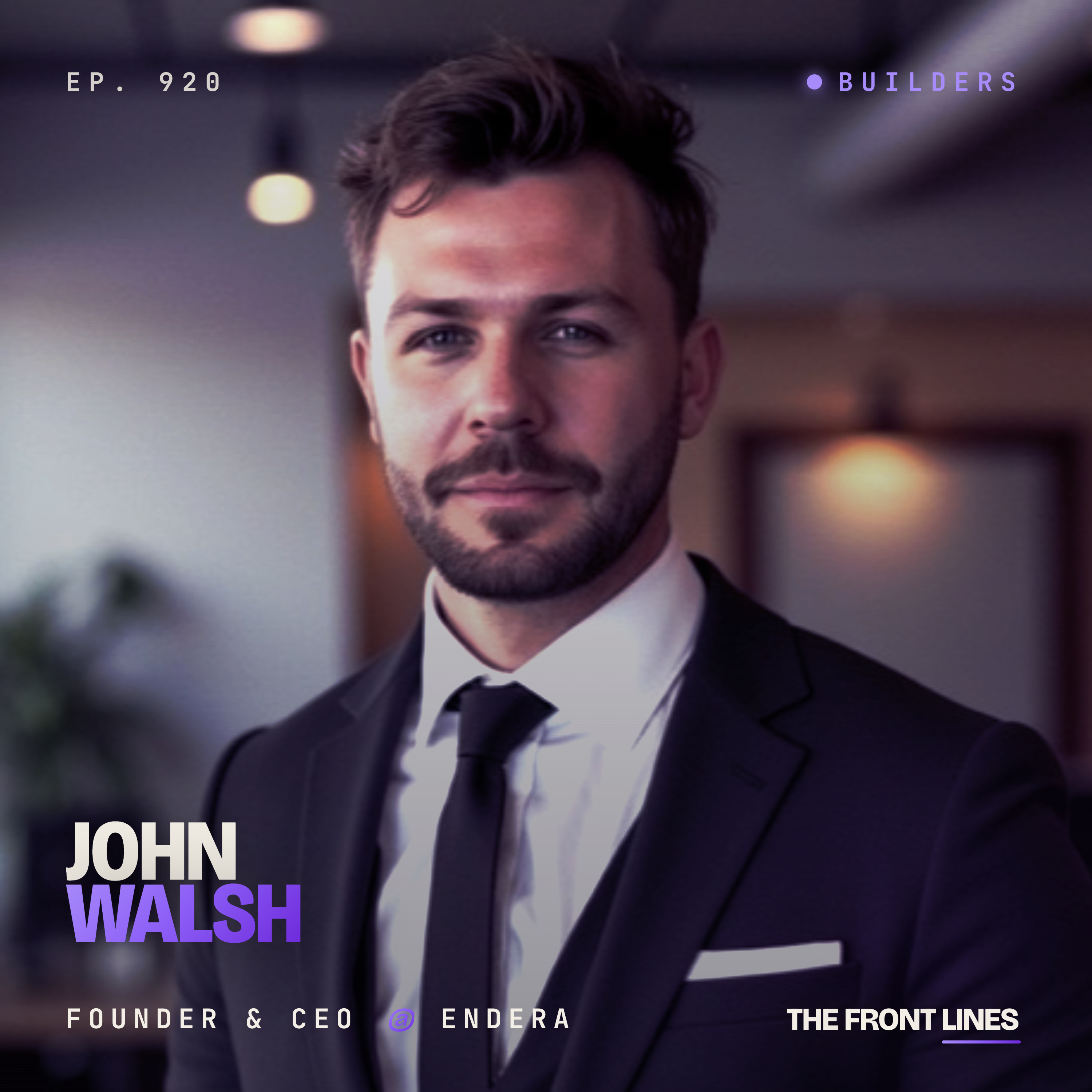
How Endera closed a 7-figure deposit before building a single bus | John Walsh
3w ago00:22:01Summary readyEndera is one of the fastest-growing specialty bus manufacturers in the United States, supplying electric, CNG, and gas-powered buses to school districts, transit agencies, and airports. In a recent episode of BUILDERS, we sat down with John Walsh, Founder & CEO, to hear how he closed a seven-figure deposit on a bus that didn't exist and what it actually takes to sell to government.Topics Discussed: How John validated Endera's first product with a seven-figure deposit before building a single busThe mechanics of government procurement — state contracts, five-year vendor pools, and how POs get printed Why government is inflation-proof, tariff-proof, Buy America-protected — and the one thing it is notHow Endera used its legacy gas business to de-risk and fund its EV transition Lessons on lobbyists, C-suite hiring, and matching investor profile to stageGTM Lessons For B2B Founders:Deposit before product: John went to a pilot customer and said, "I'm not going to tell you what you need — you tell me." He flew that operator to Canada, China, and the Midwest, wrote down what they wanted, and closed a seven-figure deposit before Endera had a single bus. A paying customer defines the blueprint so precisely that every problem becomes a good problem. His prior startup failed for the opposite reason — he built something with no validation that anyone would buy it.Government procurement runs on state contracts, not RFPs: Win a spot on a five-year state contract and every school district or transit agency in that state can buy off it directly — no RFP required. That's how POs start printing at scale. For EV, buyers start small: a few units to prove the vehicle can serve their actual routes. Range anxiety is real. Let them touch it, prove the route, then they scale.Government is not shutdown proof: The inflation-proof, tariff-proof, Buy America-protected stability of government revenue has one blind spot. John went through two historic shutdowns. Demand defers, it doesn't disappear, and the snapback comes — but the working capital gap is brutal. Stress-test your model against this before you need to.Lobby with a scoped objective or don't bother: John's rule — deploy lobbyists only when a specific deal is in motion and you need to open a defined door. Without scope they bill like lawyers and wander. The highest-value play is upstream: shaping bid requirements before an RFP goes live. Government agencies copy old contracts verbatim. Getting the right language in early is far cheaper than fighting requirements after the fact.Match investor profile to stage, not just sector: John lost early time chasing a project equity fund with surface-level relevance. His progression: Family Office at formation, Venture as the business scaled, Growth Equity once proven. Climate tech funds passed because the legacy gas business didn't fit the thesis — until EV-only competitors started going under.An empty seat beats the wrong C-suite hire: A bad executive is a net negative. John was unambiguous — the wrong person does more damage than leaving the role open, and removal compounds the cost. Raise the bar before you fill the role.// Sponsors: Front Lines — We help B2B tech companies launch, manage, and grow podcasts that drive demand, awareness, and thought leadership. www.FrontLines.ioThe Global Talent Co. — We help tech startups find, vet, hire, pay, and retain amazing marketing talent that costs 50-70% less than the US & Europe. www.GlobalTalent.co//Don't Miss: New Podcast Series — How I Hire Senior GTM leaders share the tactical hiring frameworks they use to build winning revenue teams. Hosted by Andy Mowat, who scaled 4 unicorns from $10M to $100M+ ARR and launched Whispered to help executives find their next role. Subscribe here: https://open.spotify.com/show/53yCHlPfLSMFimtv0riPyM
Summary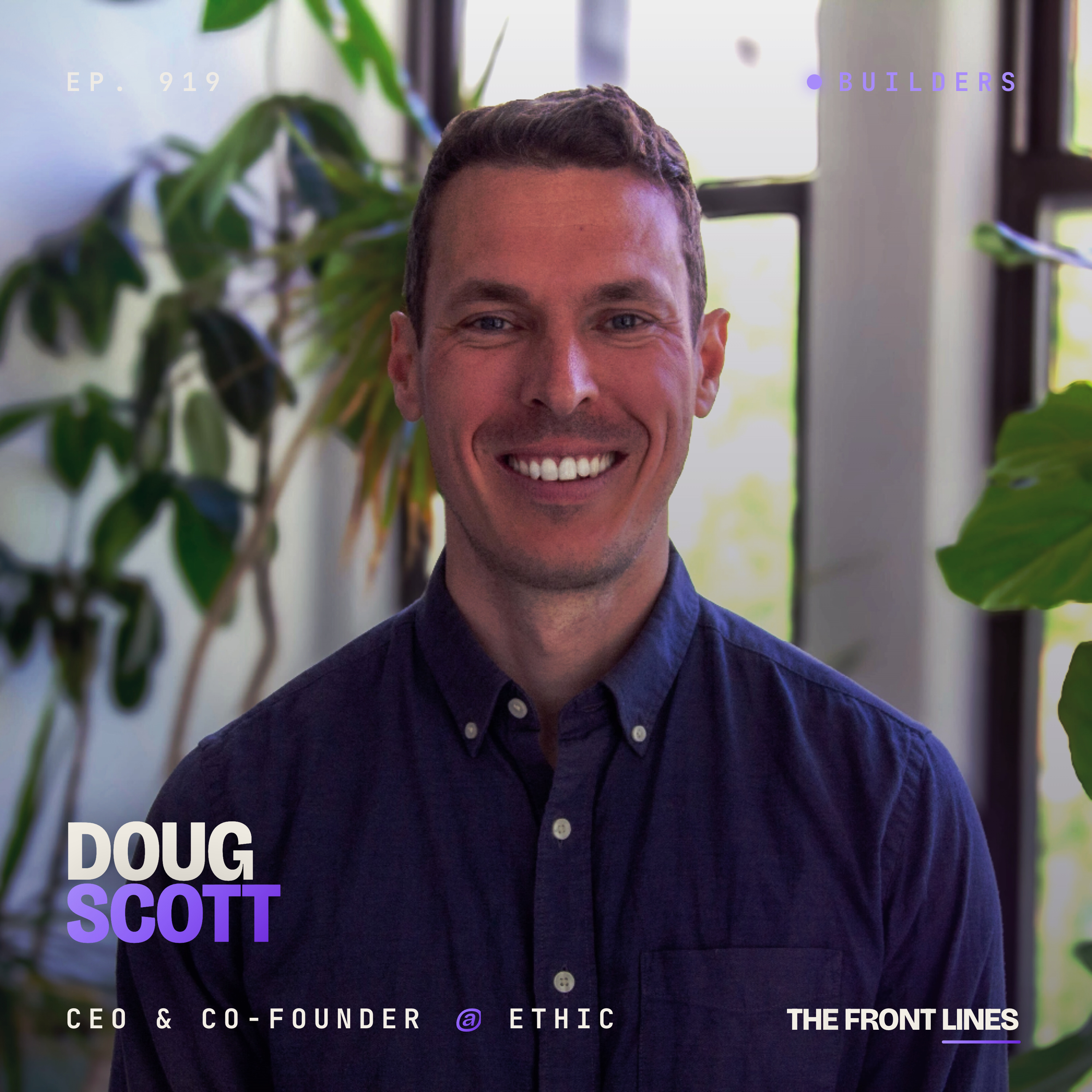
How Ethic rejected VC-prescribed enterprise GTM playbooks and built a motion around financial advisor psychology instead | Doug Scott
3w ago00:20:34Summary readyEthic builds customized, tax-smart, and values-aligned investing infrastructure for financial advisors and institutions — a platform that lets advisors personalize across their entire book of business, simultaneously accounting for financial, values-based, and tax considerations at scale. Today, Ethic manages over $9 billion in assets across approximately 300 investment advisory businesses, from boutique wealth managers to large endowments and foundations.In a recent episode of BUILDERS, we sat down with Doug Scott, CEO and Co-Founder of Ethic, to learn how the company spent eleven years navigating one of the most trust-dependent, risk-averse markets in B2B fintech — and why the GTM decisions that looked wrong on paper turned out to be the right ones.Topics Discussed:Why Ethic chose the advisor and institutional channel over consumer from day one — and what that tradeoff actually cost them earlyHow Ethic structured its growth in phases: from zero AUM to the $100M psychological threshold, through Series A product-market fit, to team-of-teams scale at $9BWhy the translation problem between founder-led sales and a first growth hire is more dangerous than most founders anticipateHow distribution partnerships with large financial custodians became Ethic's primary growth lever — and the specific execution failure that nearly made the model worthlessWhy VC-recommended GTM playbooks can actively harm companies that operate in trust-based, relationship-driven marketsHow Ethic converted unused office space into a full in-house production studio and launched a podcast that crossed 200,000 YouTube views within weeks of its first episodeGTM Lessons For B2B Founders:Choosing the hard channel is sometimes the only viable channel. Most fintech founders default to consumer because the path from zero to one is faster. Doug went the opposite direction — targeting sophisticated financial professionals managing portfolios for families, endowments, and foundations. The tradeoff was brutal: large pools of capital sitting inside an extraordinarily trust-based, risk-averse environment where moving from zero AUM to any AUM is genuinely hard. The first major milestone wasn't revenue — it was crossing $100M in assets under management as a psychological proof point. Founders in regulated, trust-dependent markets should stop benchmarking their early traction against software companies. The milestones are different, the timeline is longer, and the motion has to reflect that reality from the start.The founder-to-first-hire translation problem will quietly kill your GTM. When you are simultaneously the builder and the distributor, the feedback loop between what clients say and what gets built is frictionless — because it lives inside one person's head. The moment you hand off go-to-market to even one other person, that loop breaks. Doug's first growth hire is still with the company today, but the lesson Doug draws isn't about hiring well — it's about the structural work required after the hire. You need explicit mechanisms to keep client signal flowing back into the product org once the founder steps out of direct selling. Without that, you don't just lose feedback — you lose the ability to course-correct before the misalignment compounds.// Sponsors: Front Lines — We help B2B tech companies launch, manage, and grow podcasts that drive demand, awareness, and thought leadership. www.FrontLines.ioThe Global Talent Co. — We help tech startups find, vet, hire, pay, and retain amazing marketing talent that costs 50-70% less than the US & Europe. www.GlobalTalent.co//Don't Miss: New Podcast Series — How I Hire Senior GTM leaders share the tactical hiring frameworks they use to build winning revenue teams. Hosted by Andy Mowat, who scaled 4 unicorns from $10M to $100M+ ARR and launched Whispered to help executives find their next role. Subscribe here: https://open.spotify.com/show/53yCHlPfLSMFimtv0riPyM
Summary