
Podcast
Business Daily
Hosted by BBC World Service · EN
The daily drama of money and work from the BBC.
258episodes
Episodes
Newest firstAll episodes

Founders: Caecilia Chu on 200 rejections and building YouTrip
Jun 900:17:28Summary readyWe meet Caecilia Chu, founder of one of Southeast Asia’s fastest-growing fintech companies, YouTrip.Growing up in a small public housing flat in Hong Kong, she watched her father study at night for years to become an accountant, only to later struggle to secure a bank loan to start his own business. The experience left a lasting impression and sparked her interest in making financial services more accessible. She tells Leanna Byrne how she went from a failed first startup and hundreds of investor rejections to building a company that now processes billions of dollars in payments each year. She also shares how the pandemic-era collapse in travel nearly wiped out the business overnight, forcing a dramatic pivot that ultimately helped YouTrip survive.Founders with Leanna Byrne - The stories of the emotions from the highs and lows of starting a successful business Producer: Amber Mehmood(Picture: Caecilia Chu)You can contact us by email to businessdaily@bbc.co.uk
Summary
Follow the Money: FIFA’s billions — where your World Cup ticket money goes
Jun 800:17:56Summary readyWorld Cup 2026 will span the United States, Canada and Mexico, with demand for tickets at record levels. Fifa stands to earn nearly $9 billion from the tournament, more than the entire Paris 2024 Olympics. So who pays, and where does the money actually go? Sam Fenwick follows the cash through the business of the World Cup: the rising price of tickets, Fifa’s own resale platform, the billions generated by broadcast rights and sponsors, and the host cities covering security and transport costs while receiving little direct revenue in return.Featuring Mark DiDonato (Florida State University), ticketing consultant Jim McCarthy, Amir Somoggi (Sports Value), and Alan Rothenberg, who led the 1994 US World Cup and now sits on the Los Angeles host committee.On Tuesdays, we Follow the Money with Sam Fenwick. Discover where the cash you're spending goes.Presenter: Sam Fenwick Producer: Matt LinesYou can contact the team on businessdaily@bbc.co.uk(Photo: A Germany fan during training at the Fifa World Cup 2026 in North Carolina, USA. Credit: Chuck Burton/Reuters)
Summary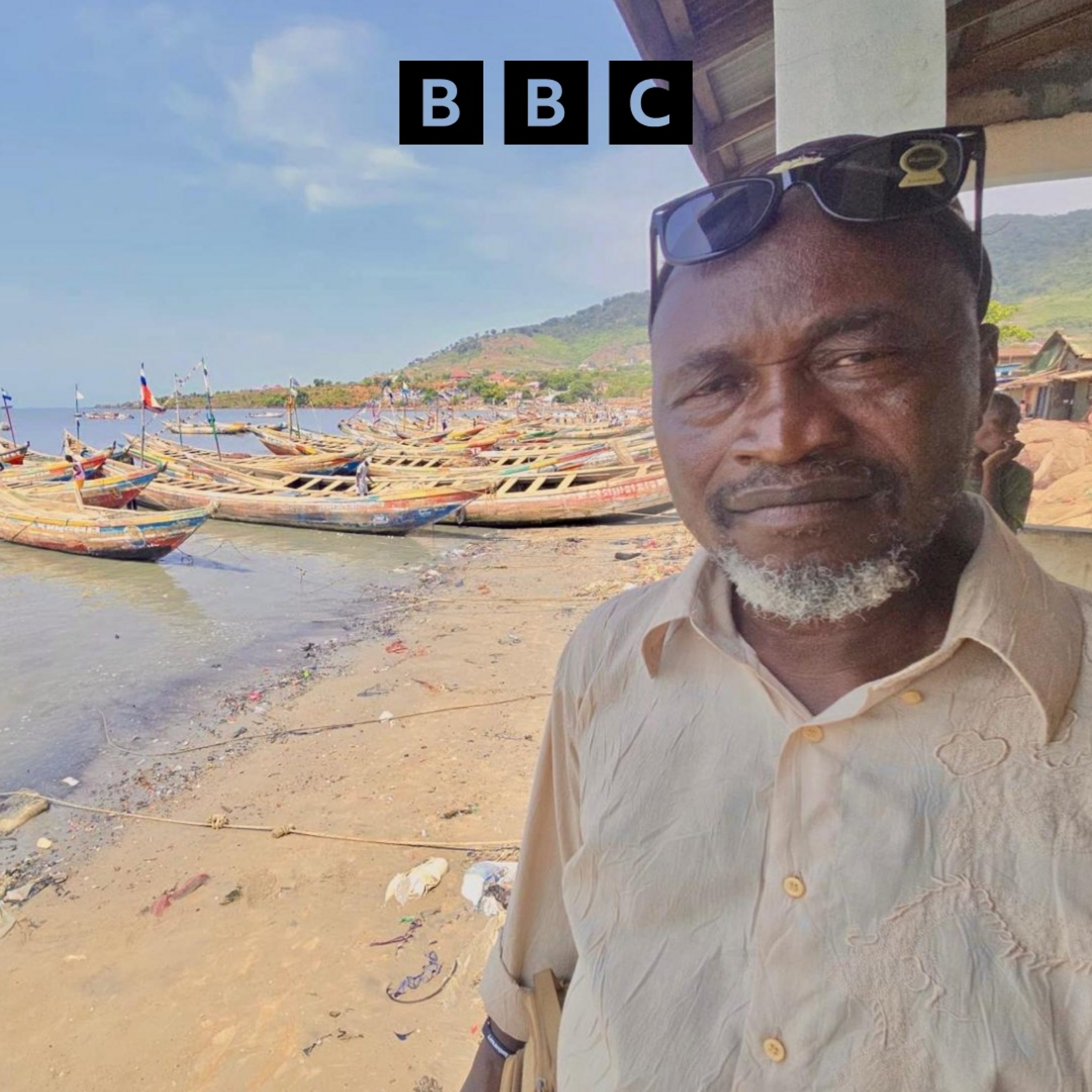
Who’s behind Sierra Leone’s illegal fishing problem?
Jun 700:17:28Summary readyEach Monday, Ed Butler takes you around the globe to the heart of the stories and meeting those living through them. West Africa is currently the global epicentre for illegal fishing, according to the UN's Food and Agriculture Organisation. An estimated 40% of the world's illegal industrial fishing occurs in its waters, costing the region up to 10 billion dollars a year in lost revenue, and severely depleting stocks essential for the food security and livelihoods of over 7 million people. Ed Butler has been hearing about the practice in Sierra Leone, trying to ascertain who is behind it, and finding out how much the government is doing to help. Presenter/producer: Ed Butler(Picture: Thomas Turay, Sierra Leone Artisinal Fishermens Union. Credit: BBC/Ed Butler)Our email address is businessdaily@bbc.co.uk
Summary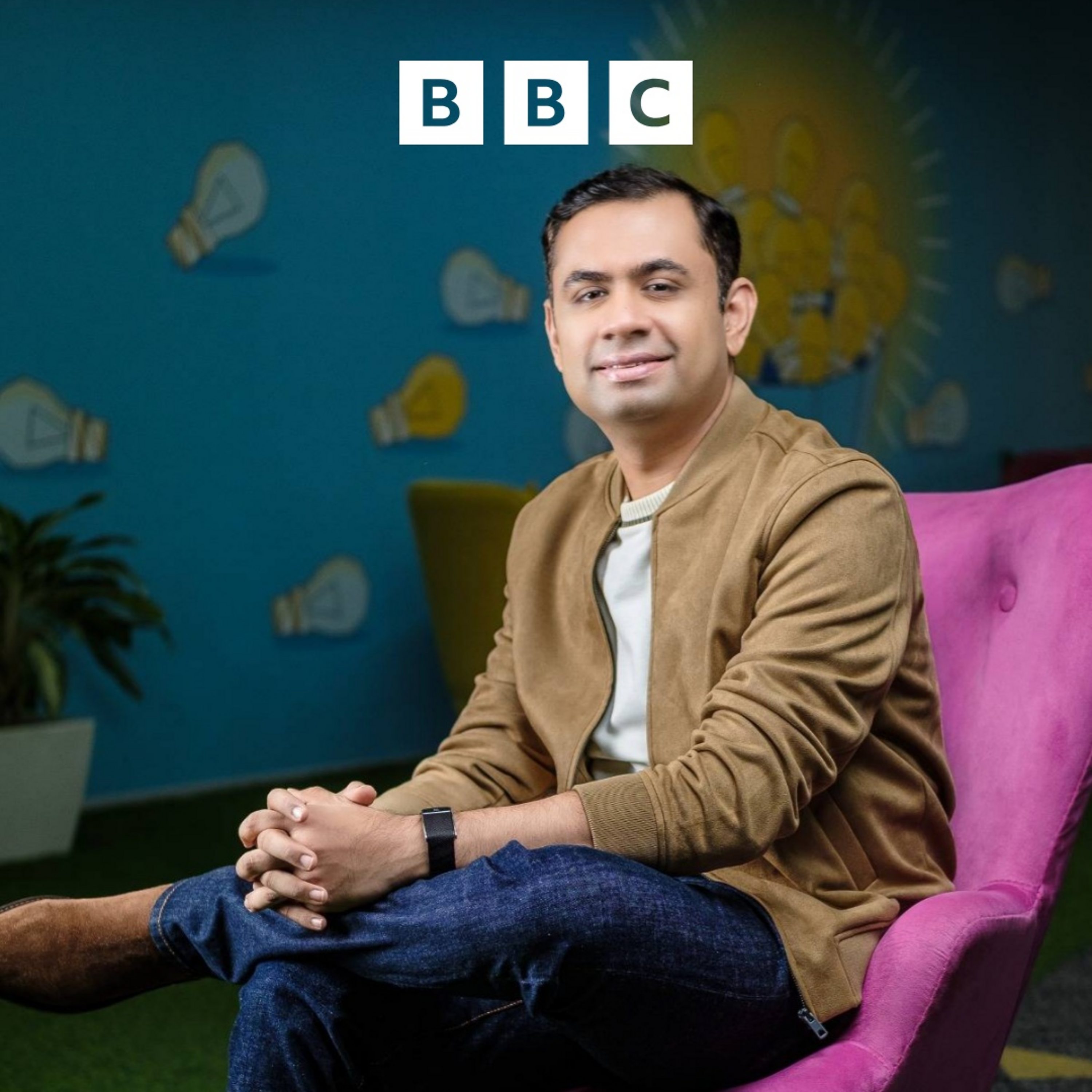
How karate helped a shy kid transform how India pays
Jun 400:17:28Summary readyWe hear how karate, being laughed out of a bank boardroom in a cash-obsessed country helped shape one of India’s most valuable fintech companies. Harshil Mathur shares how discipline, resilience and a leap of faith helped him build Razorpay into a $7.5 billion company at the heart of India’s digital payments revolution.If you'd like to get in touch with the team, our email address is businessdaily@bbc.co.uk Presenter: Rahul Tandon Producer: Amber Mehmood and Niamh Mc Dermott(Picture: Harshil Mathur)
Summary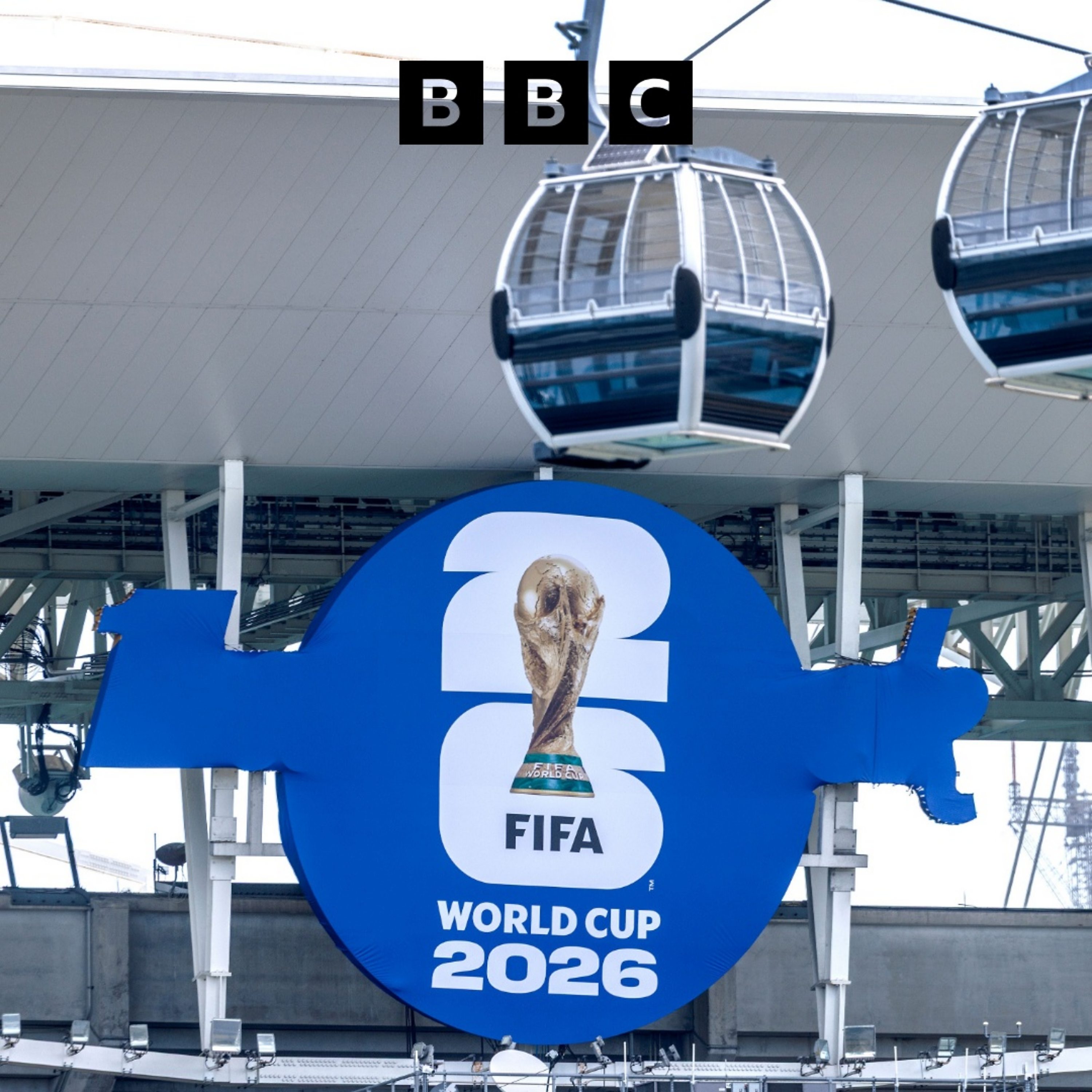
Has the World Cup broken dynamic pricing?
Jun 300:17:27Summary readyThis week, Michelle, Rahul and Will explore the world of dynamic pricing, where prices go up when demand is high and come down when demand drops. It’s already standard in travel and hospitality. Now, it’s expanding into live events, and this year, it reached the World Cup. Supporters say it’s simple economics, charging what people are willing to pay. Critics argue it risks pricing ordinary fans out of the experiences they love. So how does dynamic pricing really work? Why has it become one of the most controversial trends in live entertainment? And as organisers push to maximise revenue, are we seeing the future of events, or the point where fans push back?Hosts: Will Bain, Michelle Fleury and Rahul Tandon Producer: Rebecca Smyllie(Picture: The 2026 FIFA World Cup logo is placed over the original logo of the Hard Rock stadium in Miami, Florida, USA. Credit: CRISTOBAL HERRERA-ULASHKEVICH/EPA/Shutterstock)
Summary
The blurring of K-beauty
Jun 200:17:29Summary readyRenowned for its multi-step skincare routine and its foundation in the ever trendy Korean culture, K-beauty has become a multi-billion dollar industry across the globe.The term covers a wide range of skincare, make-up and cosmetics from South Korea and is lauded for its quality and value.But as demand grows, tens of thousands of companies are claiming to be K-beauty, and not all of them are based in South Korea. This has raised questions about its identity and authenticity. In the midst of its identity crisis, counterfeiters are now getting involved.So, what puts the K in K-beauty?We hear from manufacturers, retailers and industry bodies who might have an idea.Presented and produced by David Cann Sound mix: Ben Houghton[This episode was first broadcast on 28 October 2025](Picture: A young Asian woman applying a moisturising cream in front of a mirror. Credit: Getty Images)
Summary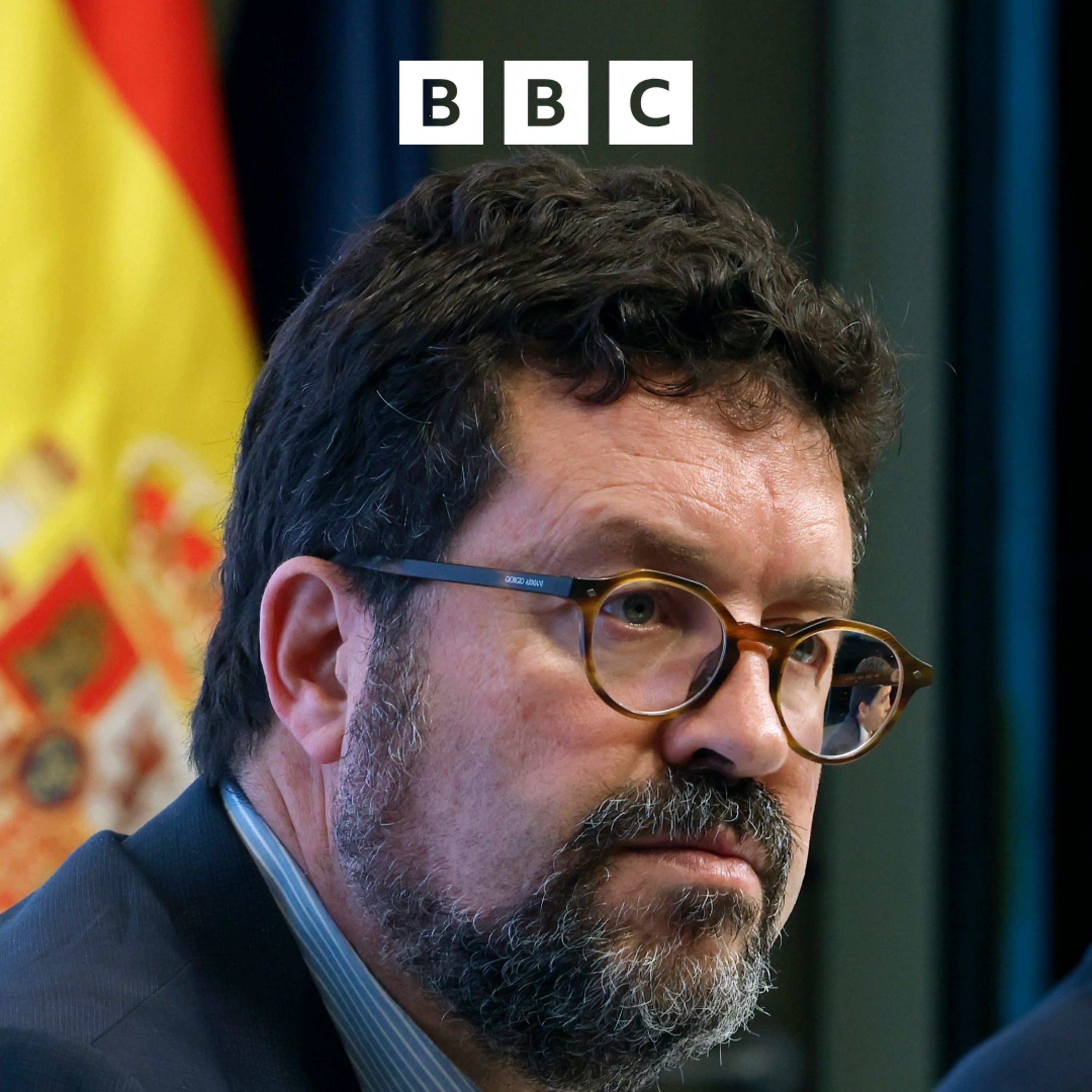
Spain's economy is growing fast. So why is youth unemployment still so high?
Jun 100:18:12Summary readyMany graduates are reluctant to work in the country’s large tourism and service sectors, looking instead for roles that match their university skills. That can make finding a first job after graduating a real challenge.Presenter/producer: Ashish SharmaIf you’d like to get in touch with the team, our email address is businessdaily@bbc.co.uk(Picture: Spanish Secretary of State for Labour Joaquin Perez Rey speaking about how unemployment in April 2026 fell below 2.4 million people for the first time since June 2008. Credit: JAVIER LIZON/EPA/Shutterstock)
Summary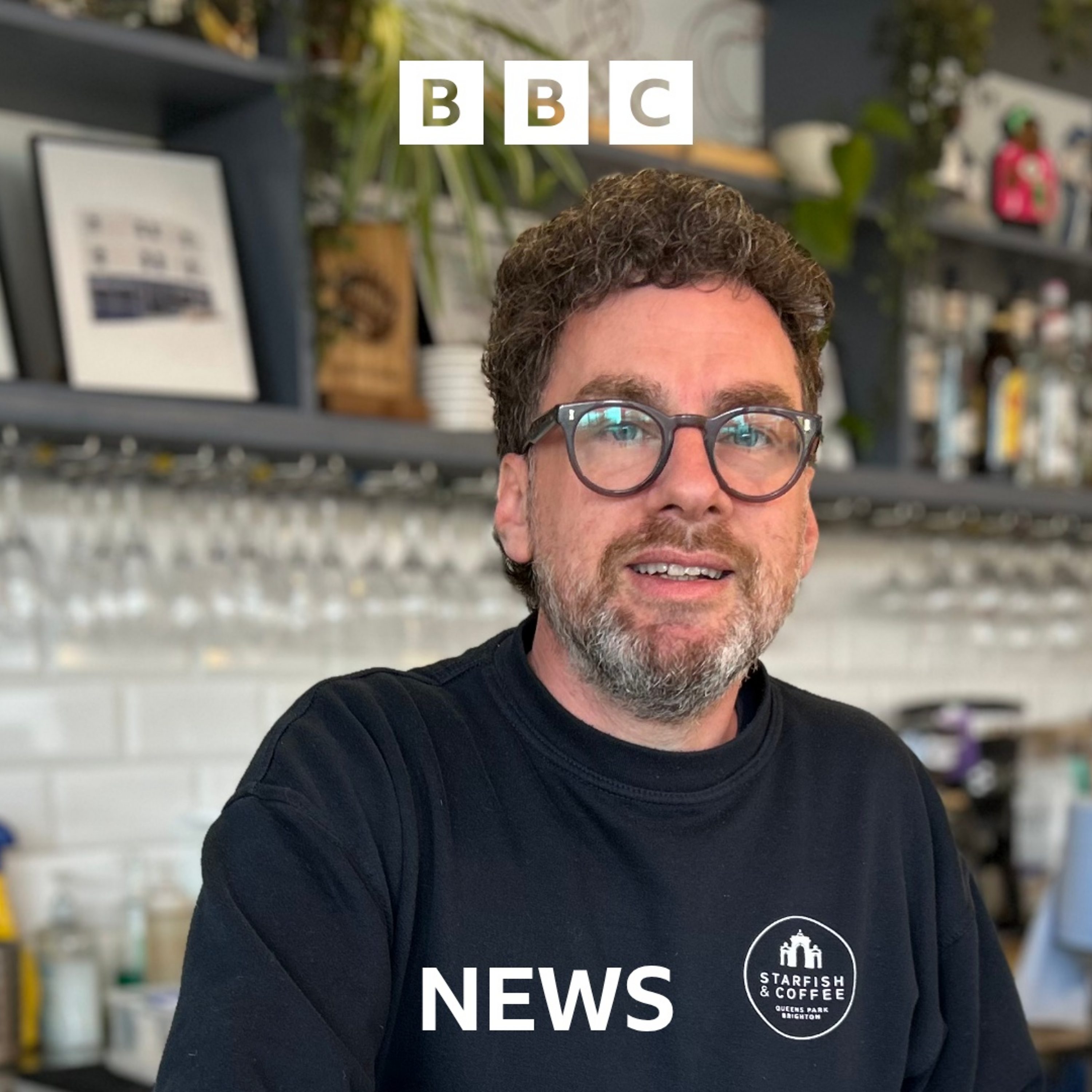
Are content creators invading public spaces?
May 3100:17:27Summary readyFrom cafes and gyms to supermarkets and restaurants, content creators are moving into everyday spaces, searching for attractive backdrops for their photos and videos. But as the influencer economy grows, their presence is dividing companies, customers and creators. Megan Lawton speaks to business owners, influencers and digital culture experts about what the rules should be.Presenter: Megan Lawton Producer: Sam Gruet(Photo: Tony Marks, owner of the Starfish and Coffee cafe in Brighton in the UK; Credit: Megan Lawton)
Summary
The woman trying to fix Nigeria's medicine gap
May 2800:17:26Summary readyNigeria pharmacist Abimbola Adebakin tells us how a failed start-up and the struggle to access essential medicines inspired her to build Advantage Health Africa, a company connecting pharmacies and helping deliver medicines across Nigeria.Presenter: Leanna Byrne Producer Amber Mehmood(Photo: Abimbola Adebakin. Credit: Studio 24)
Summary
Prediction markets: are they fuelling insider trading?
May 2700:17:27Summary readyThis week, Michelle, Rahul and Will explore prediction markets — online platforms where people can bet on future events, from elections to pop culture and even world conflicts.Concerns about insider trading are on the rise and platforms are being banned in an increasing number of countries. So as talk of regulation increases, we try to predict the future of the prediction market.Presenters: Michelle Fleury, Rahul Tandon and Will BainProducer: Rebecca Smyllie(Photo: Getty/Yuichiro Chino)
Summary