
Podcast
Business Daily
Hosted by BBC World Service · EN
The daily drama of money and work from the BBC.
258episodes
Episodes
Newest firstAll episodes
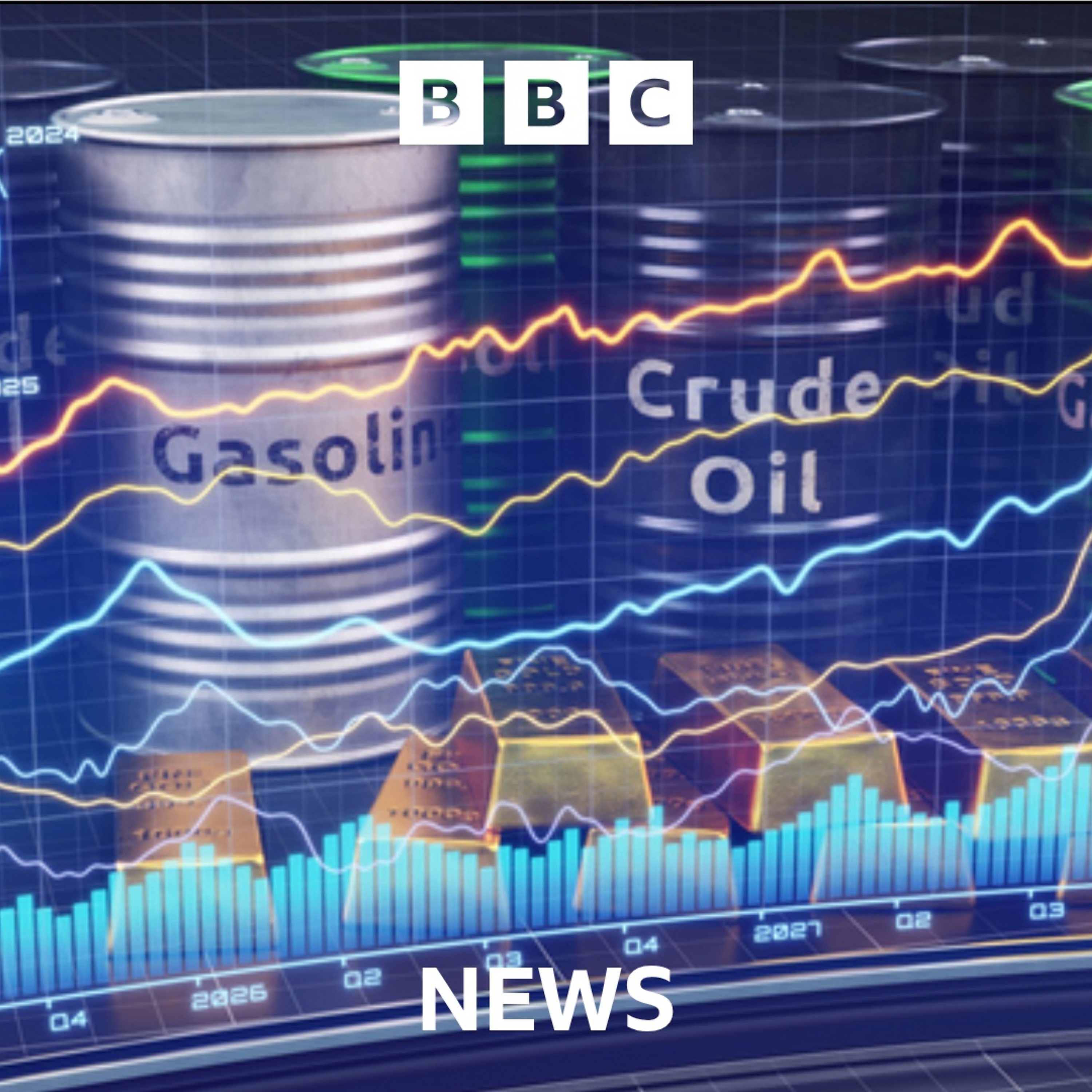
The Iran war oil shock: Is there worse to come?
May 2600:17:27Summary readyWhen the Iran war and the Strait of Hormuz's closure disrupted global oil supply, some experts predicted crude oil prices as high as $150, or even $200 per barrel. That hasn't happened. Why not? And is it because the way the global oil markets work mean the pain for households and businesses is still to come?Presenter: Ed Butler Producer: Josh Martin(Photo: Getty/matejmo)
Summary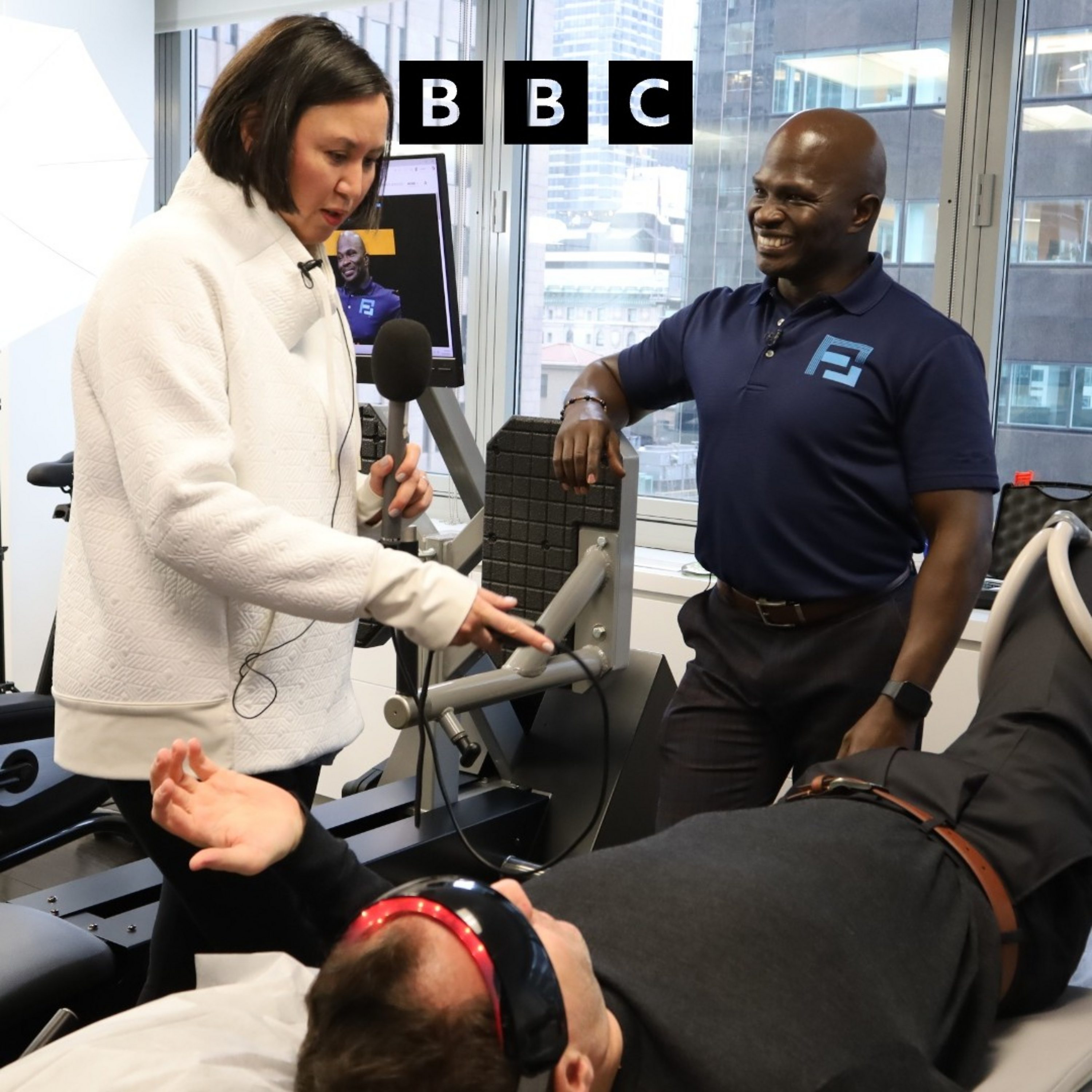
Biohacking: Where fad meets finance?
May 2500:17:28Summary readyBiohackers say they are making their bodies and brains run better by hacking their biology. And it is not just kitchen counter experimentation anymore. There is now an entire industry promising to optimise you with supplements, treatments and increasingly strange gadgets. Are these expensive, unproven “hacks” worth the investment? To get in touch with the team, send an email to businessdaily@bbc.co.ukPresenter: Michelle Fleury Producer: Nathalie Jimenez(Photo: North America Business correspondent Michelle Fleury and Midtown Biohack owner Chuck Morris, standing over a client trying out a red light therapy headset)
Summary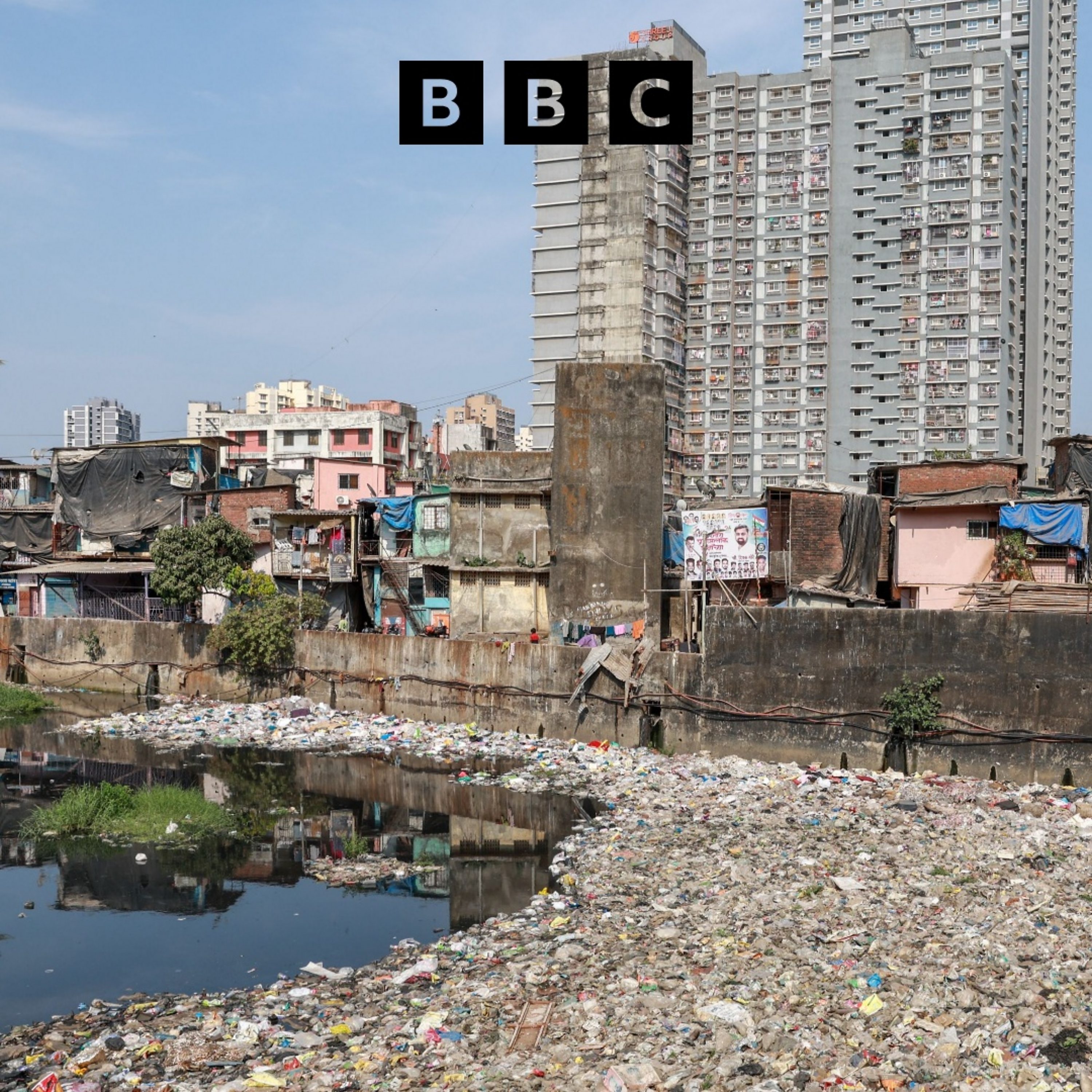
Can the global economy go plastic free?
May 2400:17:27Summary readyIt is an invaluable material that has enabled global trade and modern medicine, but experts say our reliance on plastic has created a problem the planet is struggling to manage. With plastic waste threatening landscapes and our health, we meet innovators from the UK, Ecuador and India who are trying to get the global economy off its reliance on plastic.Presenter: Sam Gruet Producer: Megan LawtonYou can email us on businessdaily@bbc.co.uk(Picture: A view of the sewage line covered with plastic waste and other litter in Mumbai, India, 22 April 2026. Credit: Photo by DIVYAKANT SOLANKI/EPA/Shutterstock)
Summary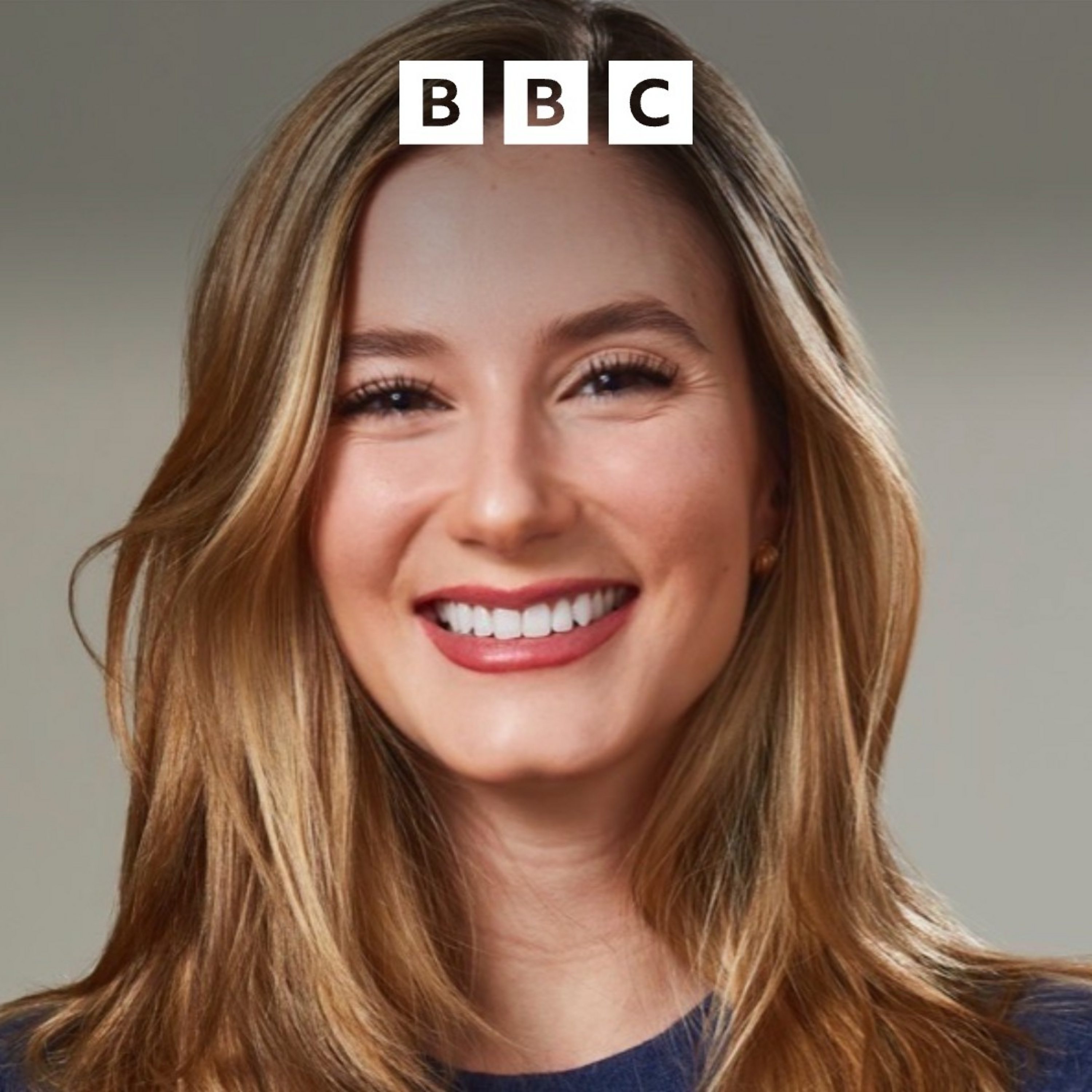
The ex-ballerina betting big on prediction markets
May 2100:17:28Summary readyOn Meet the Founders, we meet Luana Lopes Lara, creator of Kalshi, a prediction markets startup that allows users to trade on the outcome of real-world events - from inflation and interest rates to elections and geopolitics.Kalshi drew attention for showing Zohran Mamdani as a favourite in the NYC mayoral race, as prediction markets gain traction as political barometers. But the wider industry has also faced scrutiny: a trader on rival platform Polymarket reportedly made nearly half a million dollars betting on the capture of Venezuela’s former president Nicolás Maduro before it was announced. The controversy around prediction markets has placed Lopes Lara and her company at the centre of a growing regulatory and ethical debate in the US. In this episode, the Brazilian founder explains how the discipline and resilience of ballet has shaped her approach to building a business, and why she believes markets can often forecast the future better than experts.(First broadcast/podcast on 06 February 2026)If you'd like to get in touch with the team, our email address is businessdaily@bbc.co.ukPresenter: Sam Fenwick Producer: Amber Mehmood Sound mix: Toby James(Picture: Luana Lara Lopes, founder and Chief Operating Officer of Kalshi.)
Summary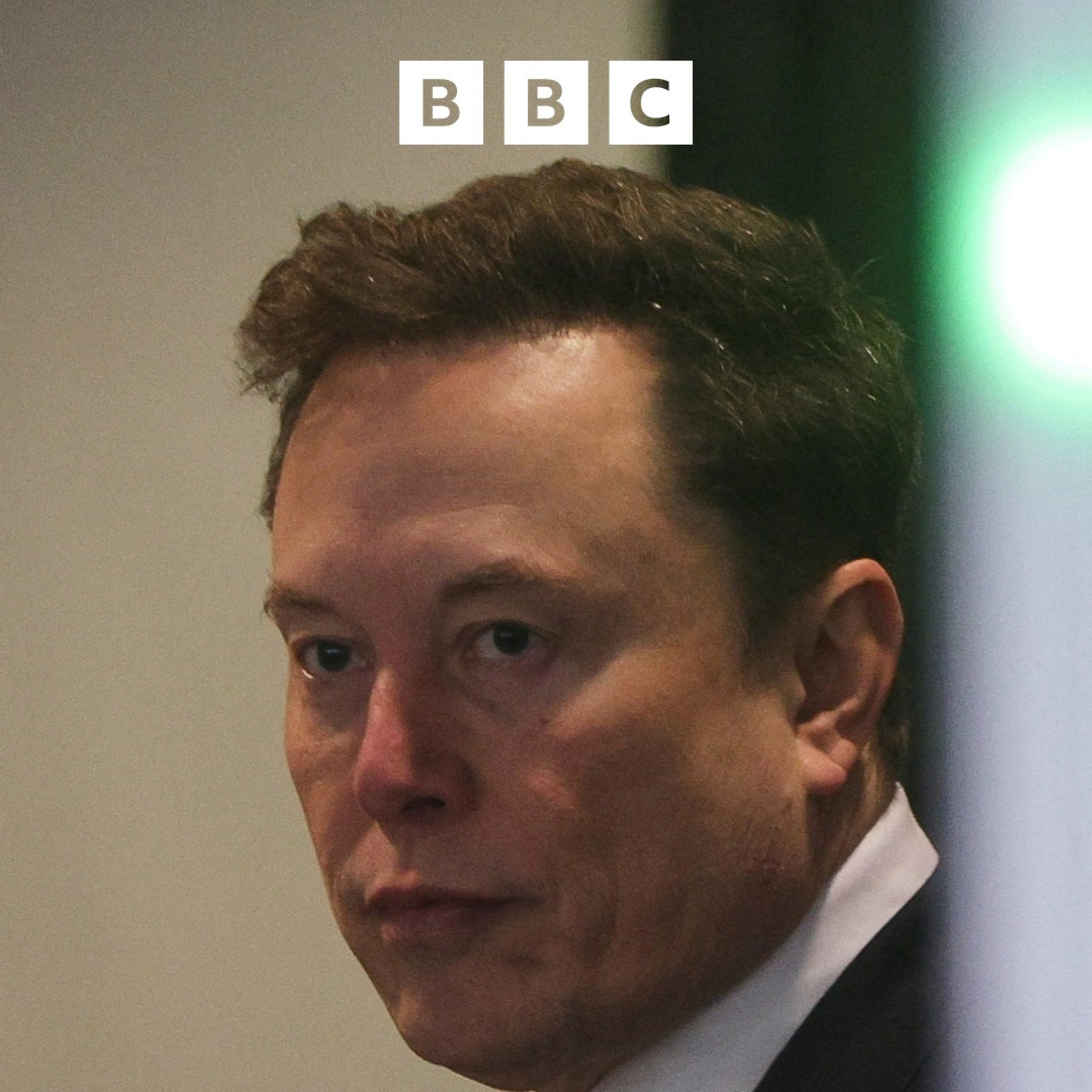
Musk v Altman: Tech bros battle
May 2000:17:27Summary readyA California jury tossed out Elon Musk's high-profile lawsuit against OpenAI and its boss Sam Altman. But who actually wins and what does this public row mean for the reputation of their companies? Michelle Fleury and Rahul Tandon are joined by the BBC's Lily Jamali, who spent weeks in court following the twists and turns in a battle of the tech titans.Producer: Gideon LongYou can email us: businessdaily@bbc.co.uk(Photo: A combination photo shows OpenAI CEO Sam Altman (L) and Tesla CEO Elon Musk (R) during a trial at a federal courthouse in Oakland, California, US. Credit: Manuel Orbegozo/Reuters)
Summary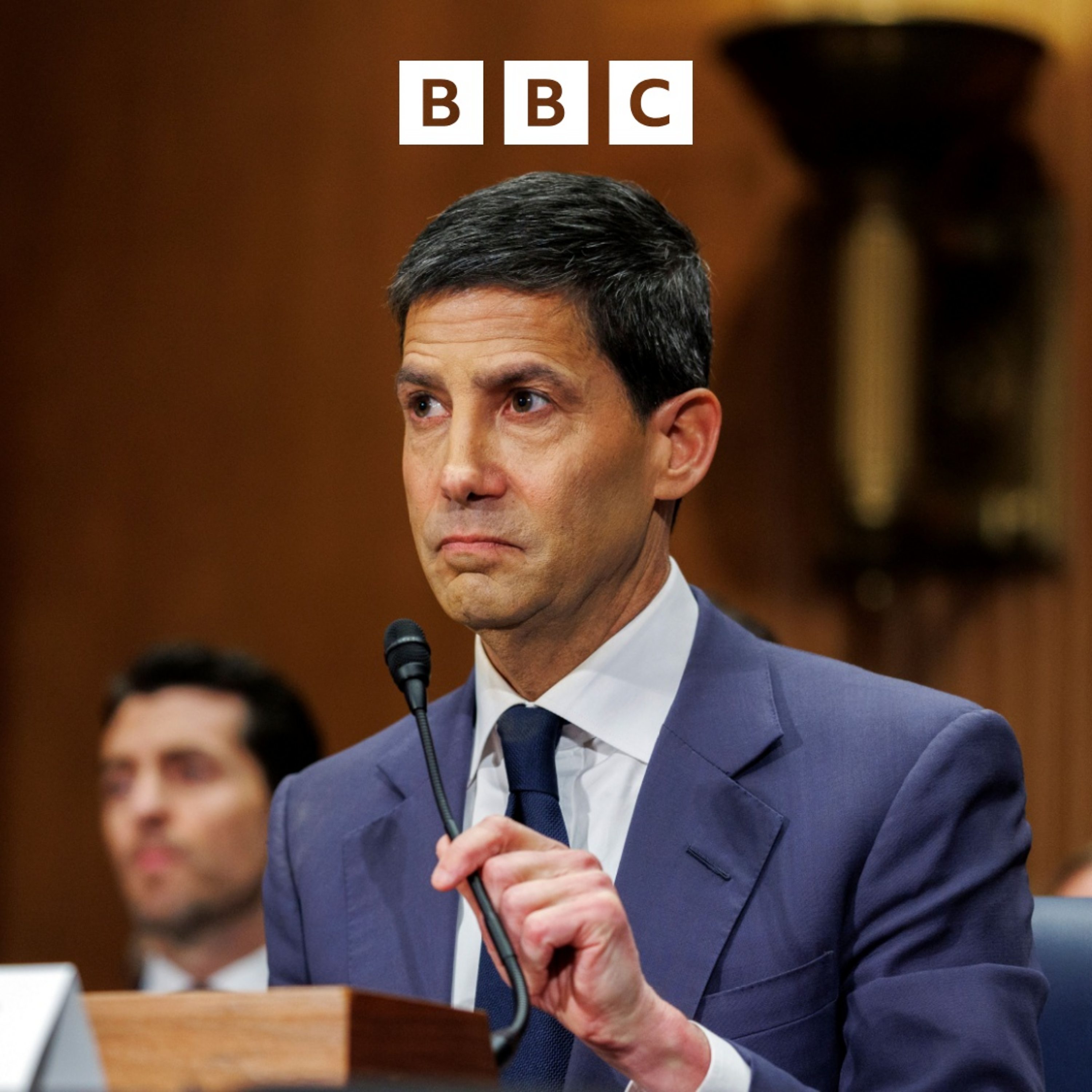
Trump v The US Federal Reserve
May 1900:19:24Summary readyHow will President Trump get on with Kevin Warsh, who is starting out as the Chair of the Federal Reserve, America's Central Bank? Trump famously clashed with his predecessor Jerome Powell. Can the US central bank remain truly independent from the government?Presenter: Ed Butler Producer: Josh Martin(Photo: Kevin Warsh testifies during a Senate Banking Committee confirmation hearing at the US Capitol in Washington, DC, USA, 21 April 2026. Credit: Will Oliver/EPA/Shutterstock)
Summary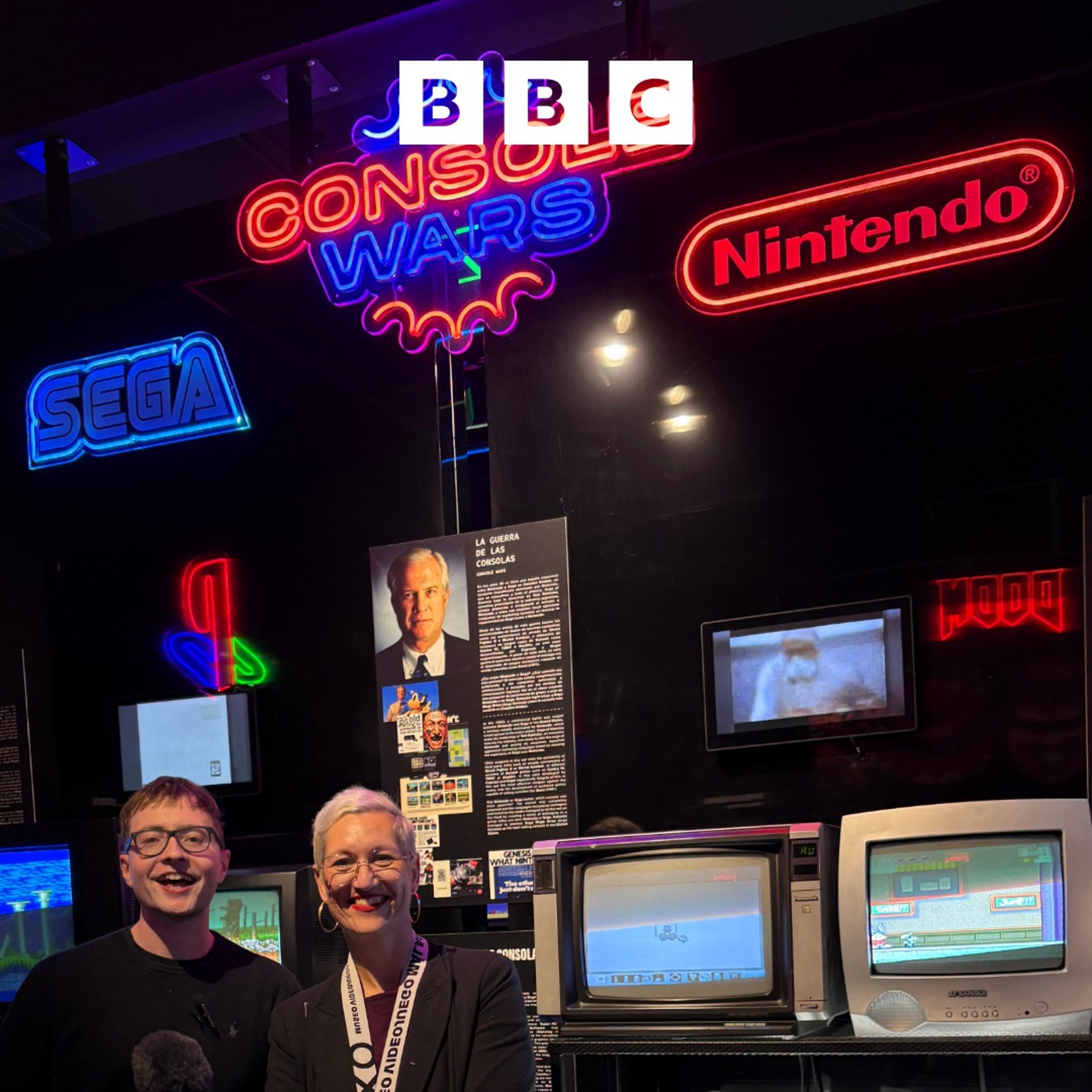
Video Game Console Wars
May 1800:17:27Summary readyIn the 1990s, the video game industry was locked in competition between gaming giants Sega and Nintendo, battling for dominance in living rooms around the world as they raced to deliver the best games on their consoles while attacking one another in advertising. This rivalry reshaped the landscape of gaming, helping it grow into the world’s biggest entertainment industry today. We hear from Sega America CEO Tom Kalinske, who took on Nintendo by targeting a more mature audience, focusing on lower prices. Central to that plan was the creation of Sonic the Hedgehog, a character designed to challenge Mario as the face of gaming. We also travel to the heart of Madrid, to the OXO video game museum to explore the legacy of the console wars and how they helped the industry level up.Presenter/producer: Sean AllsopIf you’d like to get in touch with the team, our email address is businessdaily@bbc.co.uk
Summary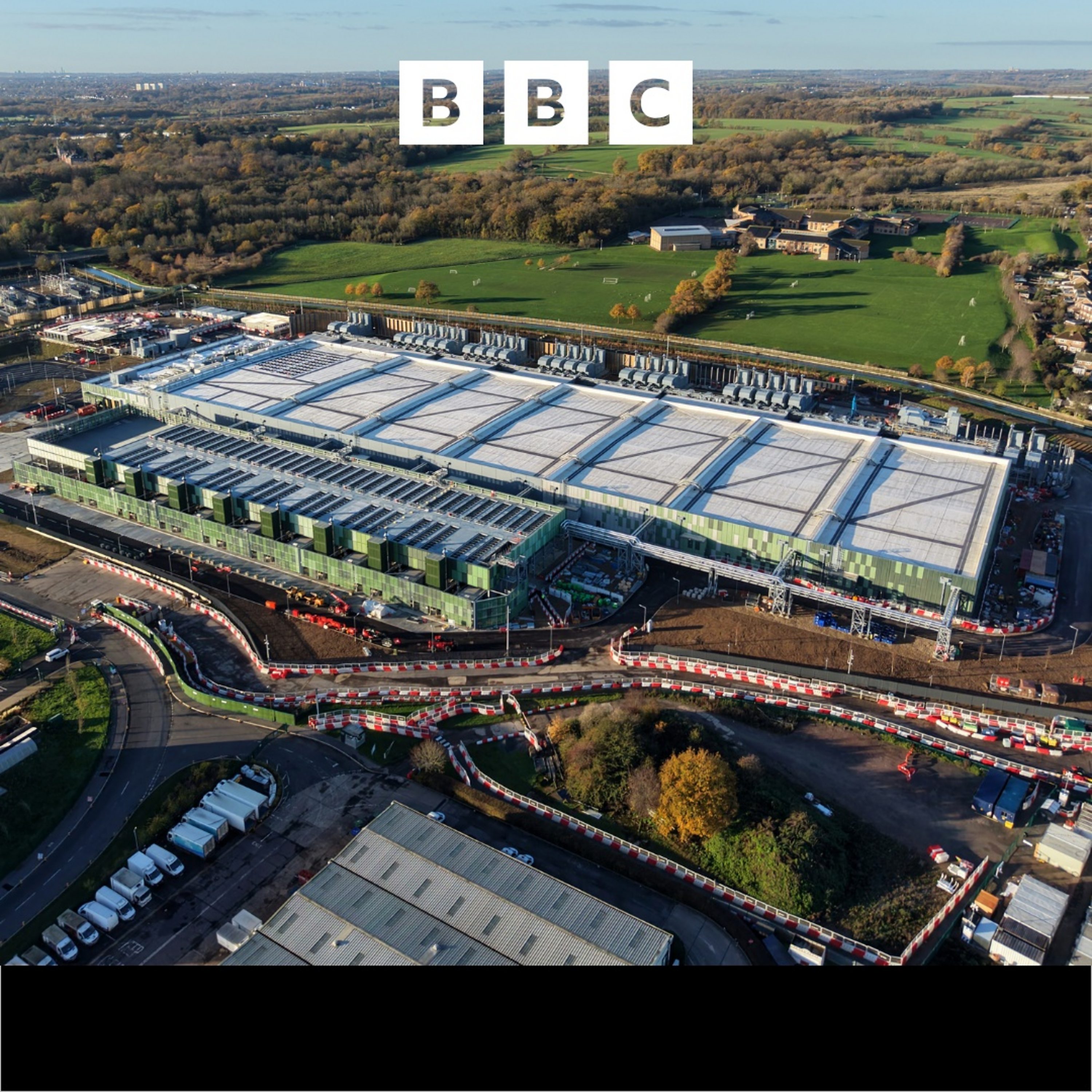
How do we live with data centres?
May 1700:19:53Summary readyData centres are becoming and ever bigger part of our daily lives and our landscapes – great big warehouses, packed with computers, that power pretty much every digital thing we do, from using AI chatbots or filing our tax returns. They’ve popped up around the world in recent years and – whether we like it or not - more are coming. But people don’t necessarily want to live next to these places. They’re often big, faceless facilities, built close to the towns and cities they serve, and there’s a perception that they’re pushing up electricity costs and consuming precious water. So as the AI revolution rolls on, fuelling the need for ever greater digital storage capacity, how do we learn to live with data centres? Presenter/producer: Gideon Long If you’d like to get in touch with the team, our email address is businessdaily@bbc.co.uk(Picture: Aerial view of a large Google Data Centre in Cheshunt, Hertfordshire, UK on 30th November 2025. Credit: Richard Newstead/Getty Images)
Summary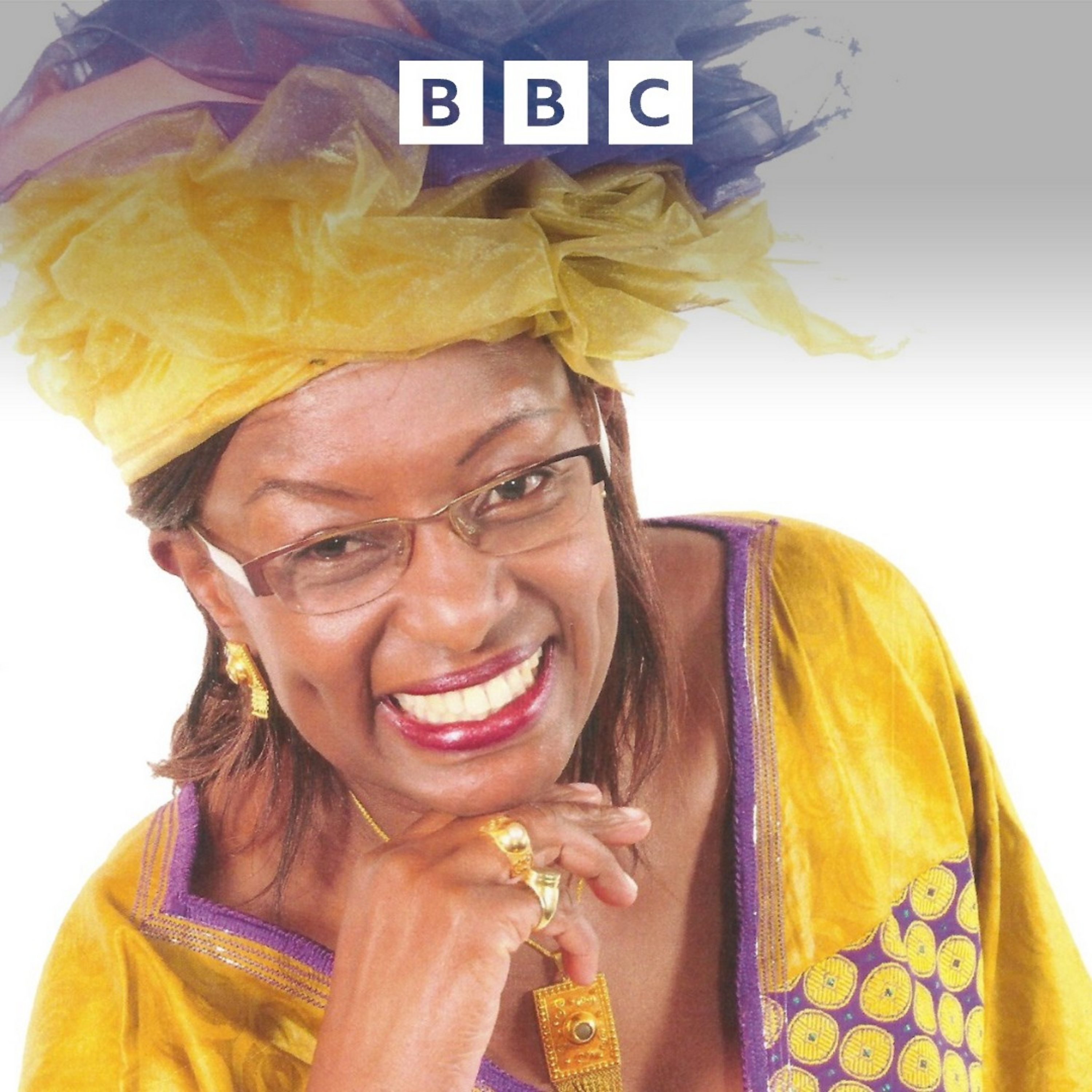
The banker who loaned to women when no one else would
May 1400:17:28Summary readyJennifer Riria grew up in a rural village in Kenya, juggled motherhood and university studies in her late teens, and ended up running one of the biggest microfinance institutions for women in Africa, which allows women to access loans for their businesses. The entrepreneur pioneered giving small loans to women at a time when they were not allowed to get finance. We hear about her story in life and in business. If you'd like to get in touch with the team, our email address is businessdaily@bbc.co.ukPresenter: Leanna Byrne Producers: Ahmed Adan and Amber Mehmood Sound mix: Toby JamesBusiness Daily is the home of in-depth audio journalism devoted to the world of money and work. From small startup stories to big corporate takeovers, global economic shifts to trends in technology, we look at the key figures, ideas and events shaping business.Each episode is a 17-minute deep dive into a single topic, featuring expert analysis and the people at the heart of the story.Recent episodes explore the weight-loss drug revolution, the growth in AI, the cost of living, why bond markets are so powerful, China's property bubble, and Gen Z's experience of the current job market.We also feature in-depth interviews with company founders - like Jennifer Riria - and some of the world's most prominent CEOs. These include Google's Sundar Pichai, Wikipedia founder Jimmy Wales, and the CEO of Starbucks, Brian Niccol.(Picture: Jennifer Riria.)
Summary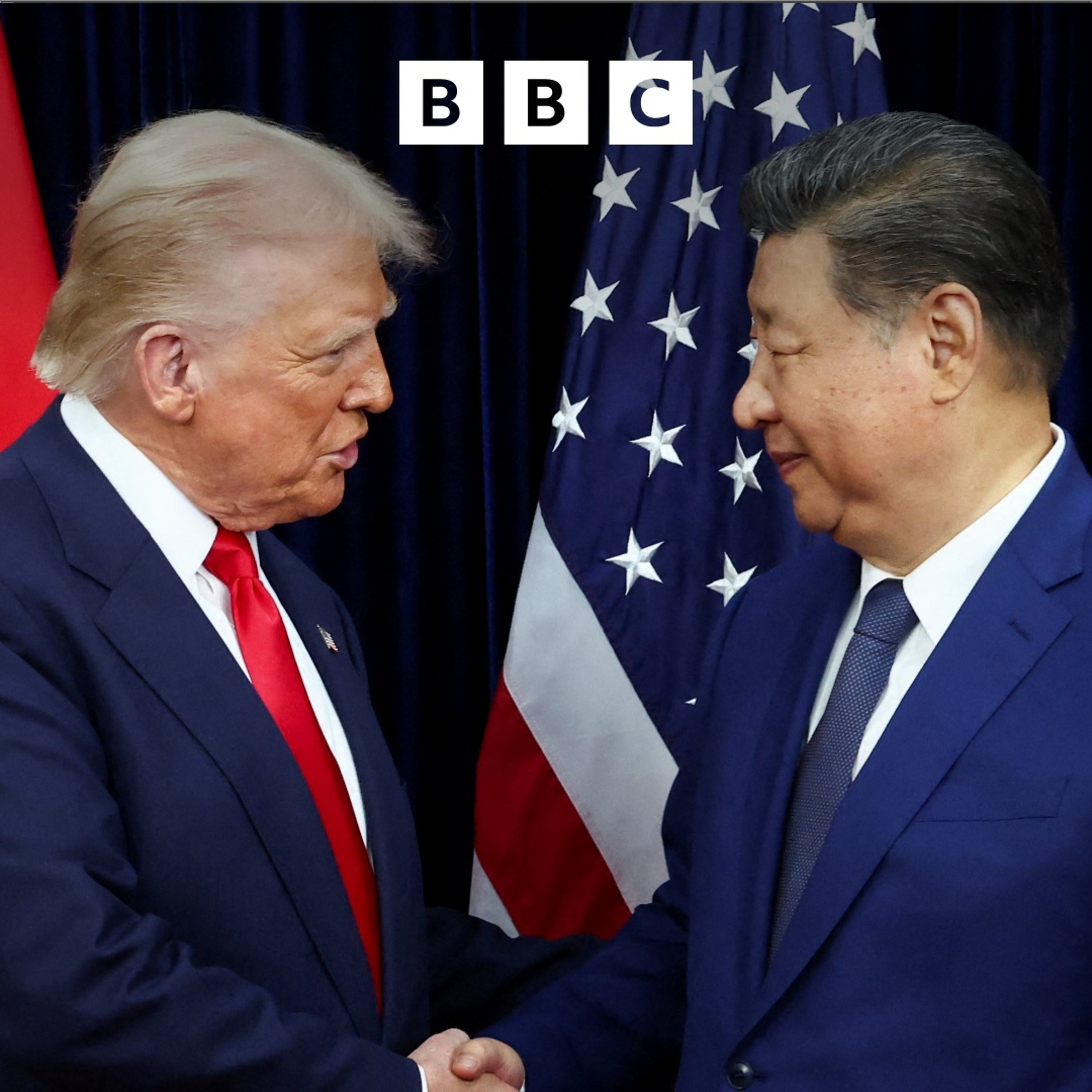
The US-China economic relationship
May 1300:17:28Summary readyAs US President Donald Trump travels to Beijing to meet Chinese President Xi Jinping, we look at the tensions and the relationship between the world's two biggest economies. Presenter: Will Bain, Michelle Fleury and Rahul Tandon Producer: Gideon Long(Photo: US President Donald Trump shakes hands with Chinese President Xi Jinping in Busan, South Korea, 30 October, 2025. Credit: Evelyn Hockstein/Reuters)
Summary