
Podcast
ChinaTalk
Hosted by Jordan Schneider · EN
Conversations exploring China, technology, and US-China relations. Guests include a wide range of analysts, policymakers, and academics. Hosted by Jordan Schneider.
Check out the newsletter at https://www.chinatalk.media/
557episodes
Episodes
Newest firstAll episodes
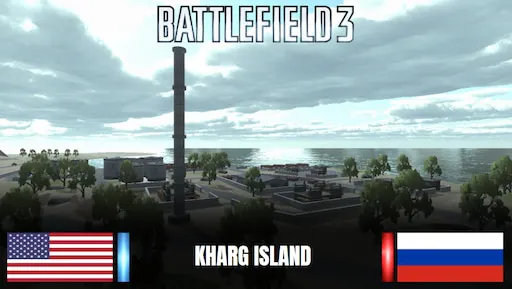
Second Breakfast: Taking Kharg Island, Terrorism, Grift
Mar 2001:18:51Summary readyThe administration is reportedly considering seizing Kharg Island, and the global economy is beginning to buckle under the pressure of disrupted energy flows. Eric Robinson is a lawyer now who worked in NCTC, a veteran of Joint Special Operations Command. He joins Second Breakfast regulars Bryan Clark, Tony Stark, and Justin McIntosh to break down the military and strategic realities of America's latest Middle Eastern war. We discuss… The Kharg Island fantasy and why a coup de main three weeks too late is a recipe for catastrophe "How are you going to take Kharg Island? You have no ships in the Persian Gulf." Why "lethality maxim" is not a theory of victory and the Iranians know it "A focus on a gunfight is why we're in this strategic mess to begin with. There's no amount of successful engagements that will become strategically meaningful if you don't have a vision of victory." The NCTC resignation, its anti-Semitic undertones, and the hollowing out of American counterterrorism infrastructure "An institution that was designed to fix the leaks that gave rise to 9/11, staffed with extraordinary analytic capacity, started chasing the Sinaloa cartel." Whether Iran can strike the US homeland — and why the dog hasn't barked "Did we build a titanium golem that was really a clay monster? Did we dramatically overestimate this operational capacity?" The naval escort nightmare: how keeping the Strait open would consume the entire destroyer fleet and gut Pacific deterrence "If you do this escort operation, it's going to take every available destroyer on the East Coast and in Europe for the duration." DHS corruption, Corey Lewandowski's hundreds of millions, and why American grift has graduated to a new level "Even in somewhere like China, you still have to kind of hide it. You can't just be tweeting out the deals that you're making to make yourself billions of dollars." Song: https://suno.com/s/FK4kifdAbVykiRax Learn more about your ad choices. Visit megaphone.fm/adchoices
Summary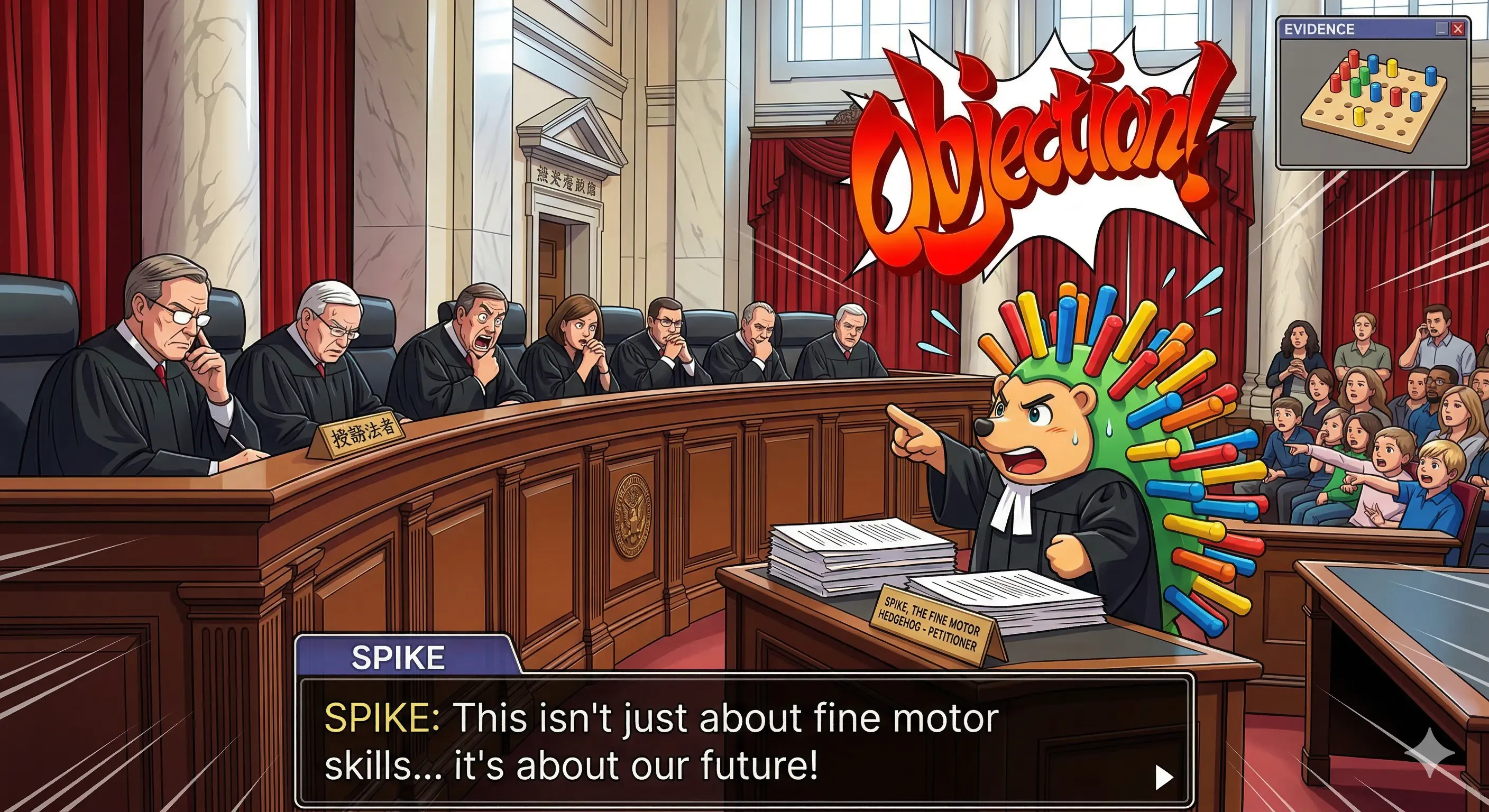
The Toymaker vs. the Tariffs
Mar 1900:33:31Summary readyA century-old toy company has taken down Trump’s Liberation Day tariffs with a self-funded lawsuit. But how? Today’s guest is Rick Woldenberg, CEO of Learning Resources, creator of Spike the Fine Motor Hedgehog, and a successful Supreme Court plaintiff in Learning Resources, Inc. v. Trump. Co-hosting is Peter Harrell, who submitted an amicus brief on the tariff case that shook the world. Our conversation covers: David v. Goliath — Why a mid-sized toy company sued when industry giants stayed silent, and what that says about incentives and courage in corporate America. The Existential Math — How tariff costs were set to jump from $2 million to $100 million, putting 500 jobs and a century-old family business at risk. Why Manufacturing Stays in China — The hard economics of toy production, supply-chain concentration, and why moving to Vietnam, India, or Mexico isn’t a simple fix. Rule of Law and Refunds — What it means to win at the Supreme Court, what should happen with the overcollected tariffs, and the constitutional guardrails around taxation. Legacy and Responsibility — Why taking a stand was necessary to protect this company’s mission. Learn more about your ad choices. Visit megaphone.fm/adchoices
Summary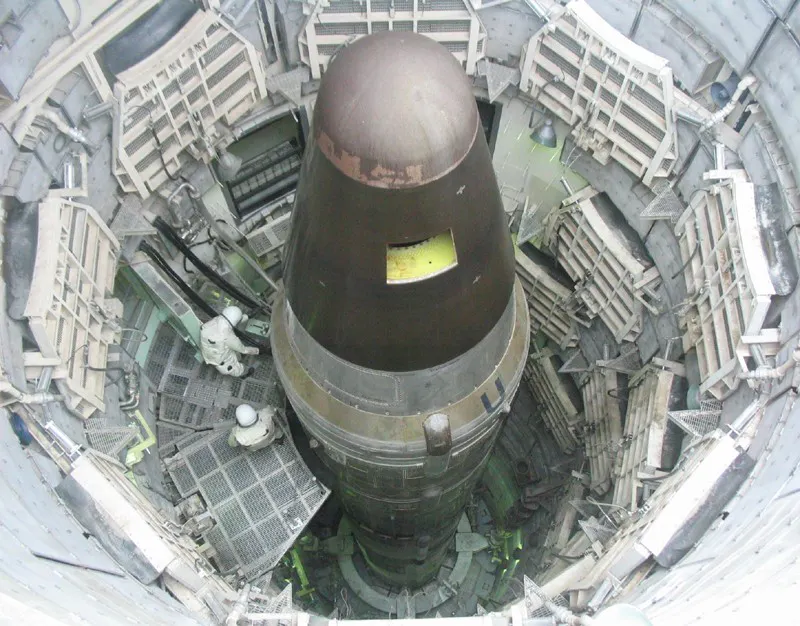
WarTalk: AI, Nukes, Iran and Autonomous War
Mar 1601:59:27Summary readyWarTalk launches! We chat with Pranay Vaddi (MIT, Sandia, formerly Biden NSC) and Chris McGuire (State, NSC, now CFR) about AI, nuclear command and control, deterrence, and how new military technologies could reshape strategic stability. We cover why the U.S. insists on keeping humans in the loop for nuclear employment decisions, where AI may still play a role in warning and decision support, and how drone warfare, undersea detection, and strategic AI capabilities could change the future of war. 05:00 How “human in the loop” became U.S. nuclear policy12:25 Accident risk, NC3, and the new dangers AI could introduce20:25 Where AI could help: targeting, planning, and decision support57:25 The bigger issue: proliferation of AI-enabled strategic military capabilities1:07:30 Tactical nuclear use, escalation, and lessons from recent wars1:17:40 What an AI nonproliferation regime might actually look like1:32:15 Civilian harm, targeting mistakes, and whether AI makes war more or less humane suno song: https://suno.com/s/d1tG4bBVnCULgQqd Learn more about your ad choices. Visit megaphone.fm/adchoices
Summary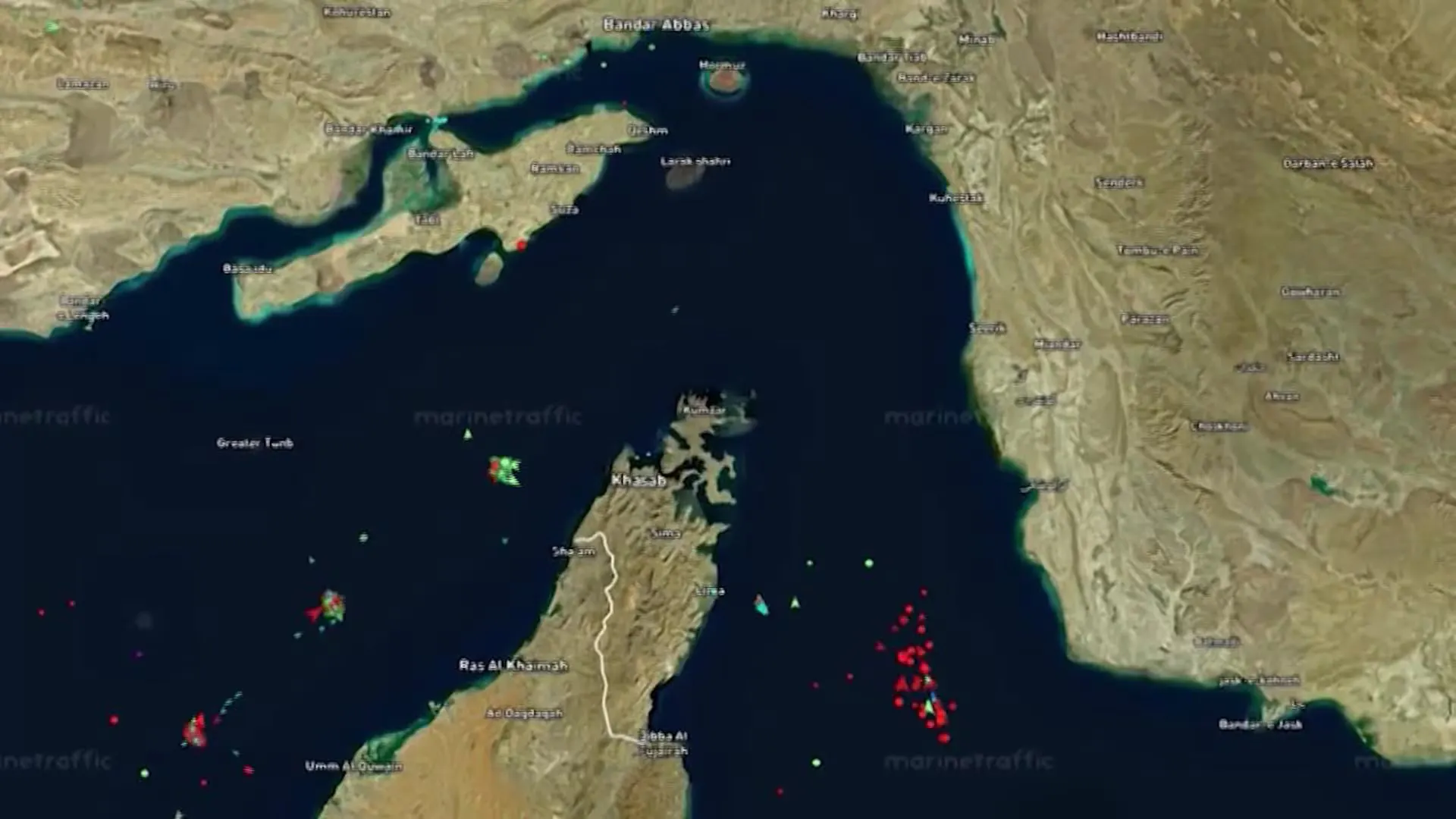
Iran: No Save Point
Mar 1301:09:32Summary readyTwo weeks into the US-Iran war, CENTCOM has struck 6,000 targets, but Hormuz is closed, oil is at $100 a barrel, the regime hasn’t fallen, and 400 kilograms of highly enriched uranium sit somewhere under rubble. Shashank Joshi of The Economist, Justin Mc, and Tony Stark drop in to Second Breakfast for week two of the Iran war. We discuss… Why CENTCOM’s 6,000-target tally sounds like a Vietnam body count The staggering failure to prepare for mine and drone countermeasures for the one strait CENTCOM exists to keep open The prospect of a special forces raid to seize Iran’s HEU How AI targeting machines like Maven can generate industrial-scale target banks without a theory of victory Learn more about your ad choices. Visit megaphone.fm/adchoices
Summary
Why it Sucks to Work in AI in China + Open Source with Kevin Xu
Mar 1200:50:34Summary readyKevin Xu of http://interconnected.blog/ and I did a liveshow on substack! We chat about why working in Chinese AI looks so much tougher than building in the West: less compute, lower upside, more political constraints, and a much weaker market for enterprise software. We also get into Kevin Xu's definitive history of open source in China (https://interconnected.blog/chinese-open-source-a-definitive-history/?ref=kevin-xus-interconnected-newsletter) and talk why open source has become one of the few real paths Chinese AI companies have to win users abroad, even as the business model at home remains brutal. Also: the Qwen shakeup at Alibaba, what it says about the limits of China’s AI lab ecosystem, and why Chinese firms may still beat the West in areas like AI shopping and commerce. Learn more about your ad choices. Visit megaphone.fm/adchoices
Summary
Software Abundance for Government With Cognition's Russell Kaplan
Mar 900:56:56Summary readyRussell Kaplan, co-founder of Cognition — the company behind Devin — and previously at Scale AI and Tesla, joins the podcast to discuss what “software abundance” could mean for government. Our conversation covers… Why government software is so broken — Despite spending over $100B annually on IT, critical systems at agencies like the Social Security Administration and U.S. Department of the Treasury still run on decades-old code that few engineers know how to modify. How two-year software projects become three-week ones — why AI agents are particularly good at the painful migration and modernization work engineers tend to avoid. What “software abundance” actually means — AI agents can handle the tedious work of switching systems 24/7, collapsing the switching costs, and forcing software vendors to compete on value rather than locking customers into outdated systems. AI for cybersecurity — From triaging massive vulnerability backlogs to automatically fixing CVEs, AI will be essential for defending critical infrastructure as attackers gain the same tools. The coming “post-coding” world — As models converge in capability, the key bottleneck shifts from writing code to understanding problems, reviewing systems, and deciding what should be built in the first place. Plus, the future of procurement in an AI world, fraud detection in government datasets, the DMV as a software problem, and why Kaplan thinks the real skill of the future is knowing which problems matter. Thanks so much to Cognition for sponsoring this episode. Learn more about your ad choices. Visit megaphone.fm/adchoices
Summary
Second Breakfast: Iran and the DIB with Fmr SECAF Frank Kendall
Mar 601:15:45Summary readyFrank Kendall served as the 26th Secretary of the Air Force from 2021 to 2025. Before that he was Under Secretary of Defense for Acquisition, Technology and Logistics under Obama. His new book, Lethal Autonomy: The Future of Warfare, comes out in June. Cohosting today is Bryan Clark of Hudson, JustinMc and Eric Robinson. Learn more about your ad choices. Visit megaphone.fm/adchoices
Summary
Autonomous Weapons 101 + Anthropic v DoW
Mar 500:40:53Summary readyMike Horowitz, Penn Professor and Biden DoD official who wrote 3000.09, clears up some autonomous weapons misconceptions! Learn more about your ad choices. Visit megaphone.fm/adchoices
Summary
Emergency Pod: Iran + Anthropic
Mar 201:19:59Summary readyAn all-star cast today with: Emmy Probasco, a fellow at Georgetown's Center for Security and Emerging Technology (CSET) and former Navy officer with deep expertise in autonomous weapons and military AI adoption; Michael Horowitz, a University of Pennsylvania professor who previously ran the Pentagon office that rewrote U.S. policy on autonomy in weapons systems; Bryan Clark, a defense analyst at the Hudson Institute and retired Navy officer specializing in naval warfare and military technology; and Henry Farrell, a political scientist and writer focused on the intersection of technology, geopolitics, and economic coercion. [00:00] America's First Precise Mass Campaign Against Iran The U.S. debuts the Lucas drone — a sub-$100K system reverse-engineered from Iran's own Shahed 136 — alongside legacy Tomahawk strikes in a campaign of unprecedented scale and velocity. [10:00] Regime Change Without a Plan The panel debates the theory of victory when you decapitate leadership but have nobody to pick up the pieces, with implications for nuclear proliferation, Gulf stability, and the Strait of Hormuz. [18:00] Weapons Stockpiles, Air Defense, and What China Is Learning Burning through expensive interceptors against cheap drones risks drawing down Pacific stockpiles, while China gets a front-row seat to how American air defenses operate at scale. [25:00] Claude Enters the Chat: AI in Military Operations Claude's integration into CENTCOM's Maven Smart System prompts a discussion on what military AI actually does — mostly boring bureaucratic tasks — and why the Terminator narrative misses the point. [46:00] The Anthropic–Pentagon Fight Mike argues the dispute is about personality and politics, not policy — Anthropic never refused a government request, and the real clash is over who gets to decide future use cases. [56:00] Treating a U.S. Company Like Huawei Threatening Anthropic with supply chain risk designations — tools built for foreign adversaries — could chill the entire tech sector's willingness to work with the Pentagon and poison allied trust in American tech. If we're doing emergency pods once a week now should I stop calling them emergency pods? Learn more about your ad choices. Visit megaphone.fm/adchoices
Summary
Second Breakfast: Anthropic, SecDefs being weird
Feb 2701:23:42Summary readywhat a mess! Wario Amodei's slow jam vibe: https://suno.com/s/cf3KDdVQ5F0KCjow Learn more about your ad choices. Visit megaphone.fm/adchoices
Summary