
Podcast
Digital Disruption
Hosted by HealthWallet · EN
Welcome to Digital Disruption, a podcast by HealthWallet dedicated to sharing insights on how you can cut through the noise of a complex healthcare system.
10episodes
Episodes
Newest firstAll episodes
Simplifying Benefits: Inside Health Wallet's Digital Revolution
Jul 25, 202500:47:54Tap to summarizeExplore the transformative power of Health Wallet in this insightful episode of the Digital Health Heavyweights Podcast. Host, Norm Bulski, sits down with Ryan Copland, CEO of Health Wallet, to discuss how this innovative platform is streamlining benefits access and enhancing user experience. Discover the journey from risk finance strategy to pioneering digital healthcare solutions.What You'll Learn: The challenges faced when transitioning to self-funded health plans and Health Wallet's role in overcoming them. How Health Wallet utilizes AI and cutting-edge technology to boost engagement and efficiency. Insight into the company's unique pricing model and competitive edge in the digital health space. The importance of autonomy, teamwork, and informed hiring practices in scaling a successful company.
Transcribe →
Self Funded with Spencer feat. Ryan Coplon
Apr 3, 202501:12:35Tap to summarizeUnlocking Efficient Healthcare: Health Wallet's Digital RevolutionDiscover How Health Wallet Transforms Member Experience in HealthcareAre you ready to experience the future of healthcare management? Dive into this game-changing episode featuring Ryan Copland, co-founder of Health Wallet, as he dissects the intricacies of digital healthcare solutions. Along with Spencer Smith, he delves into how Health Wallet's mobile app is redefining the way users interact with their healthcare plans, enhancing accessibility and minimizing complexities.What You'll Learn:The core functionalities of Health Wallet, including real-time tracking and electronic ID cards.Innovative features like TeleHealth and RX Market that empower users to make informed healthcare decisions.Strategies for improving user engagement through targeted reminders and easy access to medical experts.Explore Health Wallet's transformative digital solutions at www.healthwallet.com.Timestamps 00:00 – Introduction 02:10 – Understanding Health Wallet's Mission and Services 05:20 – Deep Dive into Health Wallet Features and Benefits 10:40 – User Engagement and Technological Innovations 15:30 – Expert Recommendations and Future Trends in Health Tech 20:45 – Q&A with Ryan Copland 25:50 – Closing Thoughts and Additional ResourcesLinks & Resources:Visit www.healthwallet.com to discover more about customized digital healthcare solutions.
Transcribe →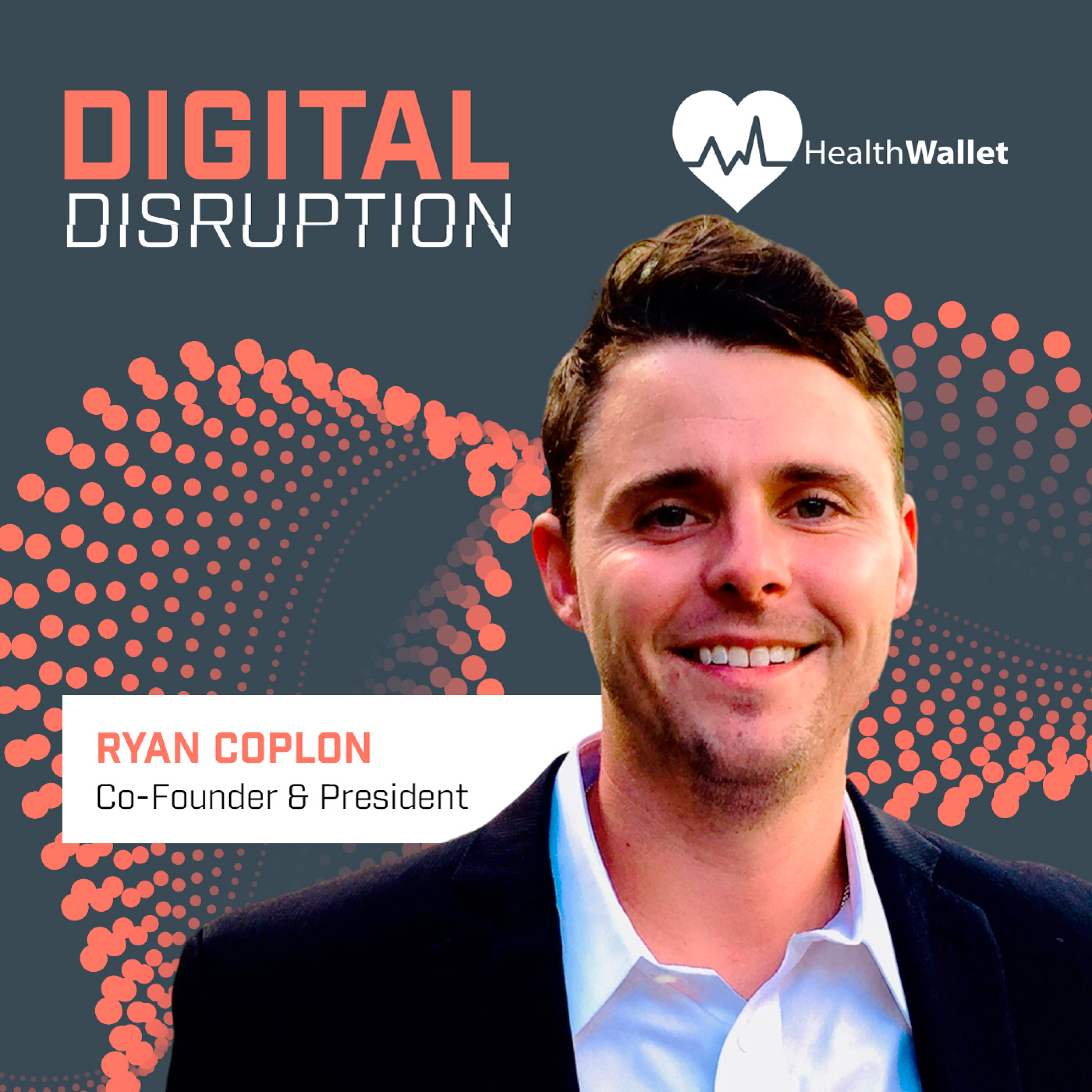
A Different Approach to Health Plans with HealthWallet with Ryan Coplon
Mar 29, 202200:25:02Tap to summarizeHealthcare plans are easy when one doesn’t need to use them, but navigating a plan to receive needed care can prove challenging. Ryan Coplon, Co-Founder & President of HealthWallet, believes there is a better way to make order out of the healthcare chaos, and that’s through HealthWallet’s smartphone app. He spoke with Kevin Stevenson about HealthWallet’s unique approach to giving people the healthcare access they desire when they need it.Coplon’s background comes from the employee benefits and health plan architecture, and that experience shaped his ideas on ways in which a better health plan program could benefit those in need of options. “We realized the more progressive we got with our plan design and infrastructure, the more confused our plan members got,” Coplon said. “So, I saw an opportunity to partner with my co-founder now, in collaboration with the health plan that we managed.” After a year of development, they created an easy platform to drive utilization at the plan level. Once their idea solved these issues, Coplon and his partner recognized the potential to mainstream this idea.
Transcribe →A Different Approach to Health Plans with HealthWallet with Ryan Coplon
Mar 29, 202200:24:59Tap to summarizeHealthcare plans are easy when one doesn’t need to use them, but navigating a plan to receive needed care can prove challenging. Ryan Coplon, Co-Founder & President of HealthWallet, believes there is a better way to make order out of the healthcare chaos, and that’s through HealthWallet’s smartphone app. He spoke with Kevin Stevenson about HealthWallet’s unique approach to giving people the healthcare access they desire when they need it.Coplon’s background comes from the employee benefits and health plan architecture, and that experience shaped his ideas on ways in which a better health plan program could benefit those in need of options. “We realized the more progressive we got with our plan design and infrastructure, the more confused our plan members got,” Coplon said. “So, I saw an opportunity to partner with my co-founder now, in collaboration with the health plan that we managed.” After a year of development, they created an easy platform to drive utilization at the plan level. Once their idea solved these issues, Coplon and his partner recognized the potential to mainstream this idea.
Transcribe →Ryan Coplon on 'Highway to Health' Podcast: Educating Customers Will Be Key to Balancing Customers Expectations With Healthcare Plans
Mar 25, 202200:30:08Tap to summarizeHealthWallet CEO Ryan Coplon was recently featured on healthcare industry podcast "Highway to Healthcare". He spoke with with host David Kemp about healthcare customer education and how to manage user expectations in the current marketplace.
Transcribe →Innovation and Health Plan Design & Health Insurance with Daniel Corliss
Sep 20, 202100:17:36Tap to summarizeIn commercial health insurance, innovations are taking place to re-imagine health plan design. Daniel Corliss, Chief Executive Manager and Founding Partner at BSP (Business Stimulus Partners), and DC Angel spoke with Digital Disruption’s Hilary Kennedy about the changes he’s seeing. “A lot is going on, but some of the critical components that are teed up for us today are the transparency laws that have taken effect,” Corliss said. These changes make hospital reimbursements and their contracts with different insurance providers non-secretive. “And so, every hospital system in the United States is supposed to be posting their contracts and their cash prices for all of their chargemaster services.” Corliss said the current changes help determine the healthcare innovators worthy of investment from the venture capital side. “I love the VC space because I can identify health tech entrepreneurs and founders that are creating awesome business models, technology, and products and services for the health plans that I serve,” Corliss said. “If I see something that I really like, and I see a startup that they’re doing things sustainably, ethically, and responsibly, and I want to help promote their growth and their success, I can invest capital into that company and then also insert them into the healthcare ecosystems and channel partnerships, to get them to rapid, scalable growth for that technology.” Sometimes, Corliss said, innovators get stuck because they have great technology but don’t know what to do with it or how to make the right connections to bring the technology into the marketplace in a scalable way. That’s where businesses like Health Wallet can help make sense of the technology and put it to use.
Transcribe →
Innovation and Health Plan Design & Health Insurance with Daniel Corliss
Sep 20, 202100:16:51Tap to summarizeIn commercial health insurance, innovations are taking place to re-imagine health plan design. Daniel Corliss, Chief Executive Manager and Founding Partner at BSP (Business Stimulus Partners), and DC Angel spoke with Digital Disruption’s Hilary Kennedy about the changes he’s seeing. “A lot is going on, but some of the critical components that are teed up for us today are the transparency laws that have taken effect,” Corliss said. These changes make hospital reimbursements and their contracts with different insurance providers non-secretive. “And so, every hospital system in the United States is supposed to be posting their contracts and their cash prices for all of their chargemaster services.” Corliss said the current changes help determine the healthcare innovators worthy of investment from the venture capital side. “I love the VC space because I can identify health tech entrepreneurs and founders that are creating awesome business models, technology, and products and services for the health plans that I serve,” Corliss said. “If I see something that I really like, and I see a startup that they’re doing things sustainably, ethically, and responsibly, and I want to help promote their growth and their success, I can invest capital into that company and then also insert them into the healthcare ecosystems and channel partnerships, to get them to rapid, scalable growth for that technology.” Sometimes, Corliss said, innovators get stuck because they have great technology but don’t know what to do with it or how to make the right connections to bring the technology into the marketplace in a scalable way. That’s where businesses like Health Wallet can help make sense of the technology and put it to use.
Transcribe →Exploring Healthcare Coverage Alternatives
Aug 9, 202100:32:47Tap to summarizeInaccessibility to low-cost health insurance is a fact of life for many people, as well as employers who want to offer part-time and 1099 workers solutions. Where can people turn to when they want affordable healthcare coverage? Charlie Geiselhart, CRO of Healthcare2U, spoke with Daniel Litwin about how more companies and people are considering new, out-of-the-box solutions.When faced with selecting a healthcare coverage plan for employees, companies may have options, but they may not always be viable. Healthcare2U is a membership-based, direct primary care organization that provides employers, brokers and patients with complete primary and urgent care nationwide.“From an employer’s perspective, there are alternatives out there, but they’re costly,” Geiselhart said. “The high-deductible plan’s been out there for a long time. For an employee, it's expensive to buy coverage. It’s expensive to use coverage. So, a lot of people are going without coverage.”Geiselhart said that, with all the choices available, it can be challenging to navigate the space. “The layperson doesn’t understand how insurance operates, so what we’ve decided to do is do a lot of handholding through our coverage and our program that allows them to make one phone call and access care,” Geiselhart said.This access, Geiselhart said, is essential. When it comes to issues surrounding healthcare coverage, costs, etc., the average person wants help and needs advice and expertise regarding navigating a world they typically spend their time avoiding.Healthcare brokers recognize that they have traditional coverage offerings for many employers and employees. Still, those traditional offerings leave a large pool of people off the table. Those left outside looking in still want access to healthcare coverage.“There are a lot of brokers operating in the traditional sense, but there’s new and exciting alternatives that a lot of brokers haven’t explored,” Geiselhart said.Healthcare2U is one such possibility.
Transcribe →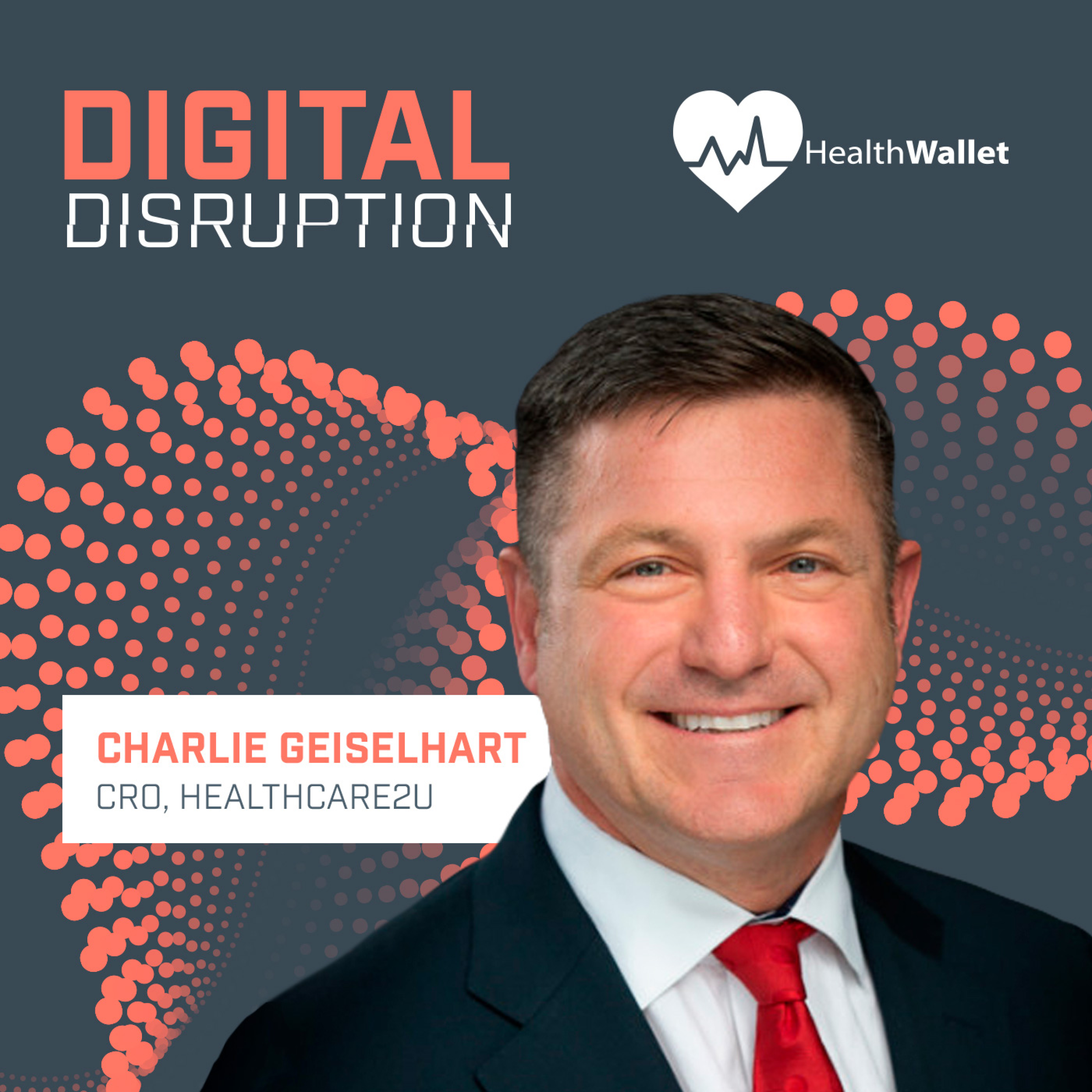
Exploring Healthcare Coverage Alternatives
Aug 9, 202100:31:37Tap to summarizeInaccessibility to low-cost health insurance is a fact of life for many people, as well as employers who want to offer part-time and 1099 workers solutions. Where can people turn to when they want affordable healthcare coverage? Charlie Geiselhart, CRO of Healthcare2U, spoke with Daniel Litwin about how more companies and people are considering new, out-of-the-box solutions.When faced with selecting a healthcare coverage plan for employees, companies may have options, but they may not always be viable. Healthcare2U is a membership-based, direct primary care organization that provides employers, brokers and patients with complete primary and urgent care nationwide.“From an employer’s perspective, there are alternatives out there, but they’re costly,” Geiselhart said. “The high-deductible plan’s been out there for a long time. For an employee, it's expensive to buy coverage. It’s expensive to use coverage. So, a lot of people are going without coverage.”Geiselhart said that, with all the choices available, it can be challenging to navigate the space. “The layperson doesn’t understand how insurance operates, so what we’ve decided to do is do a lot of handholding through our coverage and our program that allows them to make one phone call and access care,” Geiselhart said.This access, Geiselhart said, is essential. When it comes to issues surrounding healthcare coverage, costs, etc., the average person wants help and needs advice and expertise regarding navigating a world they typically spend their time avoiding.Healthcare brokers recognize that they have traditional coverage offerings for many employers and employees. Still, those traditional offerings leave a large pool of people off the table. Those left outside looking in still want access to healthcare coverage.“There are a lot of brokers operating in the traditional sense, but there’s new and exciting alternatives that a lot of brokers haven’t explored,” Geiselhart said.Healthcare2U is one such possibility.
Transcribe →
Cost Containment Strategies for Healthcare Plans
Jul 6, 202100:24:20Tap to summarizeThe rising costs of prescription medications in the U.S. are top of mind for anyone who relies on daily doses for their health. Between 2000 and 2017, some studies put the prescription drug cost increases in the U.S. as high as 76%. So, what are consumers to do?
Transcribe →