Podcast
Endocrine Feedback Loop
Hosted by Endocrine Society · EN
Endocrine Feedback Loop is a monthly journal club podcast series brought to you by the Endocrine Society. Hosted by endocrinologist Chase Hendrickson, MD, from Vanderbilt University, each episode features an expert educator and a topical specialist dissecting recently published journal articles and discussing implications for clinical practice.
26episodes
Episodes
Newest firstAll episodes
EFL075 - Methimazole Titration and Initial Disease Severity in Graves' Disease
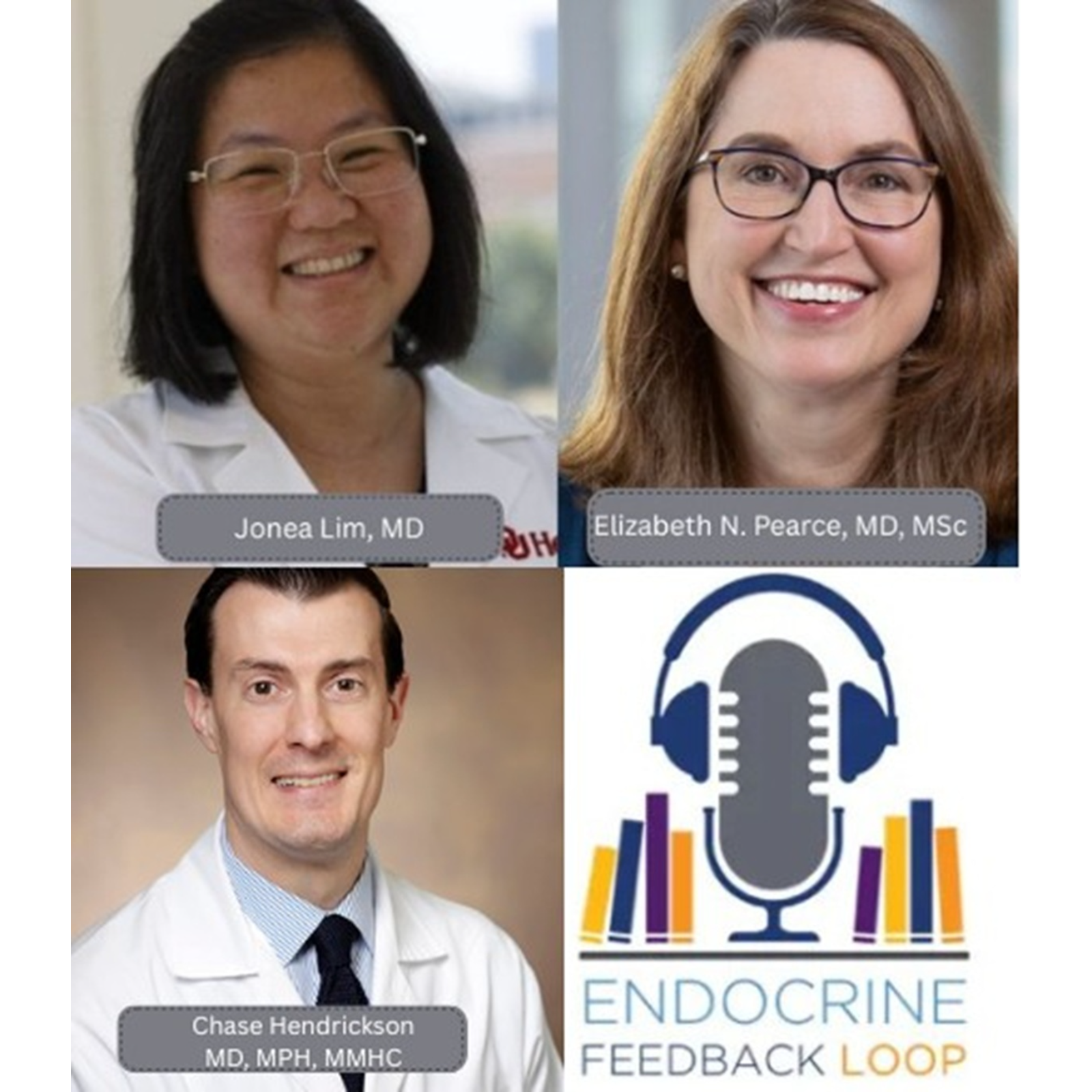
Jul 1600:36:54Summary readyHow does the severity of Graves disease at presentation affect subsequent methimazole dose titration? Find out more in this month's episode!For our 75th episode, we review a forthcoming Journal of Clinical Endocrinology & Metabolism study examining whether the severity of Graves disease at presentation influences methimazole titration and treatment management. Drawing on a retrospective longitudinal cohort of 152 patients, the study provides a real-world look at antithyroid drug dosing and monitoring practices.Host Chase Hendrickson, MD, MPH, MMHC, from Vanderbilt University, is joined by new regular contributor Jonea Lim, MD, from the University of Oklahoma, and guest expert Elizabeth Pearce, MD, MSc, from Boston University. Together, they discuss “Initial disease severity and methimazole titration for Graves' disease: a retrospective longitudinal cohort study” and explore its implications for the clinical management of Graves disease.Want to learn more? Visit the Episode 75 webpage for additional resources and information about our guests and host.
Summary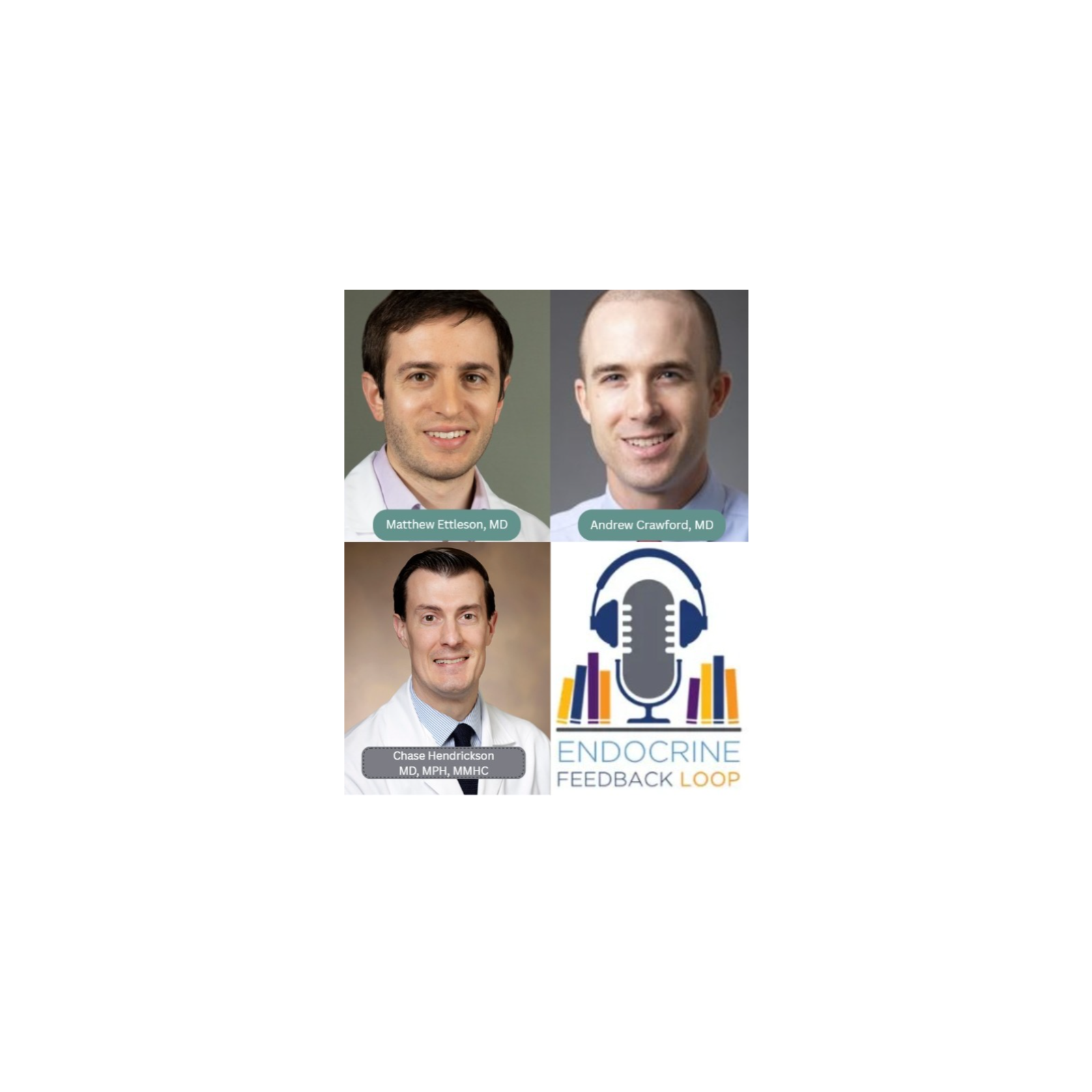
EFL074 - Taking Levothyroxine Fasting vs. With Breakfast
Jun 1800:32:34Summary readyFor our 74th episode, recorded live at ENDO 2026 in Chicago, we review a recent JCEM study that addresses a common clinical question: does levothyroxine need to be taken on an empty stomach?This randomized clinical trial evaluates a dose-adjusted, non-fasting regimen and finds that a 15% increase with breakfast ingestion achieves TSH stability similar to that with standard fasting dosing. The results also suggest potential improvements in adherence and patient-reported well-being, while highlighting variability in dose adjustments and limitations in generalizability.Host Chase Hendrickson, MD, MPH, MHCC, from Vanderbilt University, is joined by regular contributor Andy Crawford, MD, from Dartmouth-Hitchcock Medical Center, and guest expert Matt Edelson, MD, from the University of Chicago. Together, they discuss “Fasting versus non-fasting dose-adjusted levothyroxine ingestion in hypothyroidism,” published in the April 2026 issue of JCEM, and consider how these findings may inform patient-centered approaches to medication timing and management.
Summary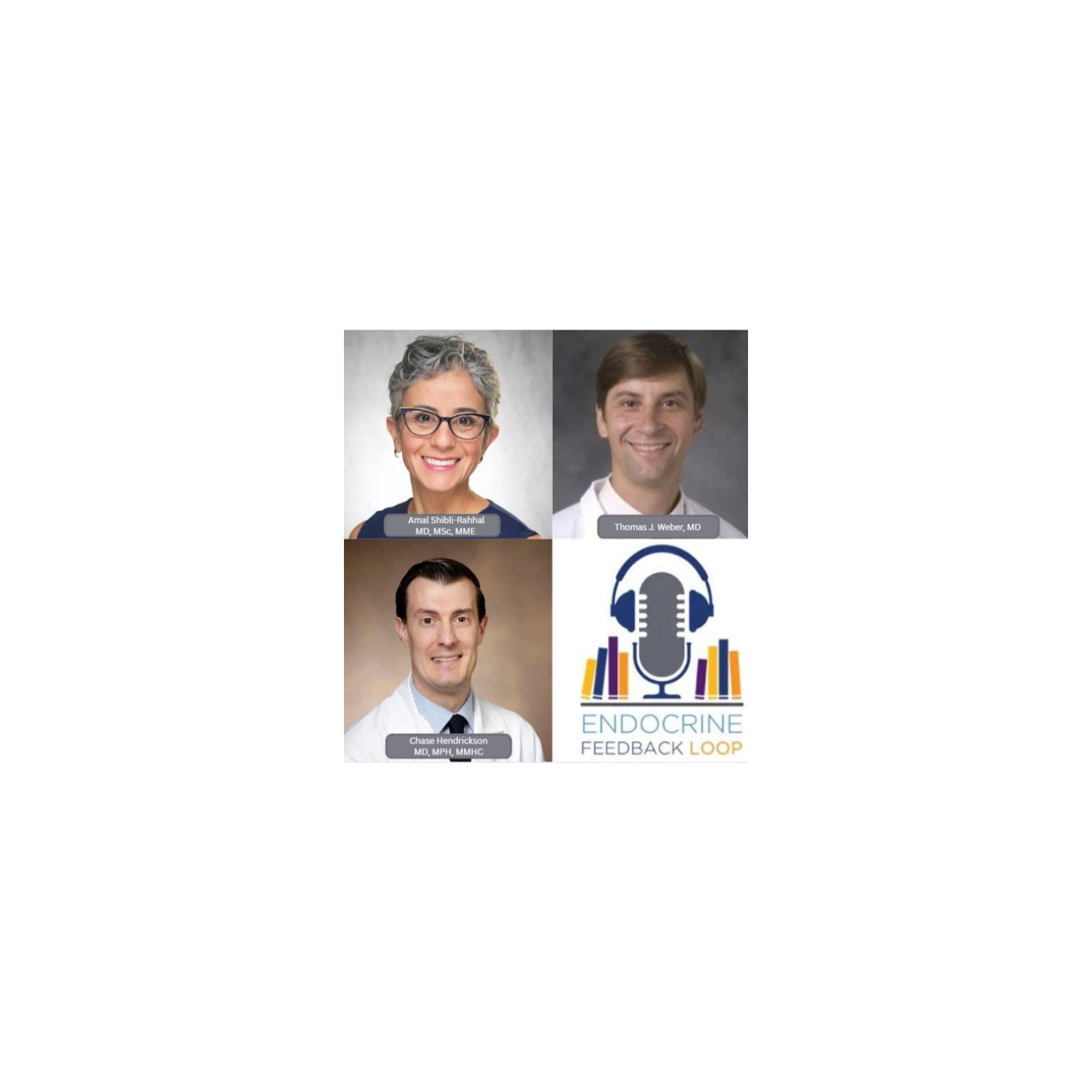
EFL073 - Infrequent Zoledronate in Low Fracture Risk
May 2100:38:07Summary readyFor our 73rd episode and the start of the seventh season, we review a recent study examining the long-term anti-fracture efficacy of infrequent zoledronate dosing in women with osteopenia. While current clinical approaches typically focus on treating individuals at higher fracture risk, this study explores whether earlier intervention in lower-risk populations may help reduce fracture risk over time.This secondary analysis of a randomized clinical trial evaluates the effects of zoledronate administered at extended intervals, with outcomes assessed over a 10-year period. The findings suggest that infrequent dosing may be associated with meaningful reductions in vertebral, major osteoporotic, and overall fracture risk, particularly in the later years of follow-up. The study also examines how fracture risk relates to baseline risk factors and changes in bone mineral density, raising questions about the role of routine monitoring and the timing of preventive therapy.Host Chase Hendrickson, MD, MPH, MHCC, from Vanderbilt University, talks with regular contributor Amal Shibli Rahhal, MD, from the University of Iowa, and guest expert Thomas Weber, MD, from Duke Health. Together, they discuss “Anti-fracture efficacy of 5 or 10 yearly zoledronate in women aged 50 to 60 years,” published in the April 2026 issue of JCEM, and consider how these findings may inform decisions around early treatment strategies, risk assessment, and long-term fracture prevention in clinical practice.
Summary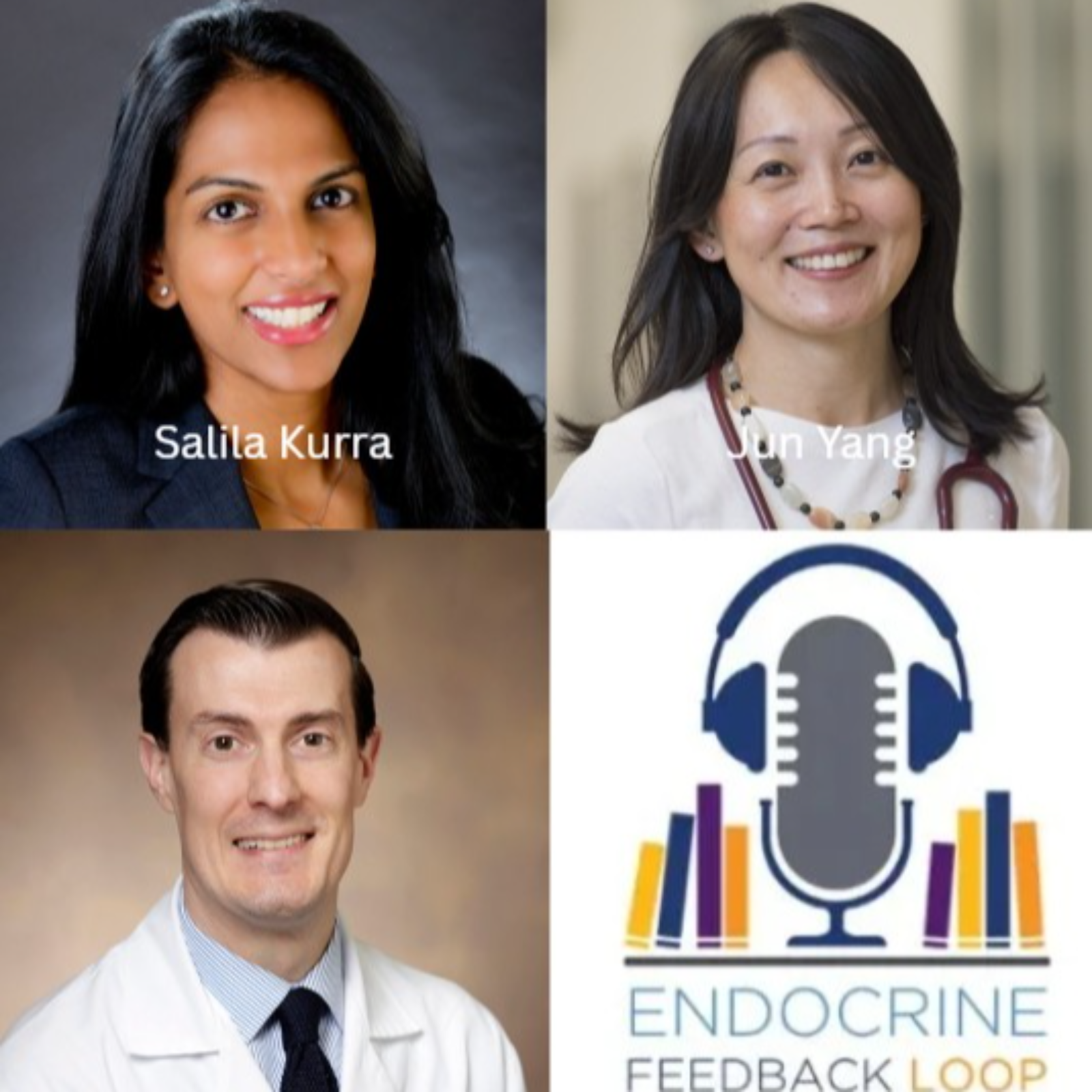
EFL072 - Pre-Operative Use of Mineralocorticoid-Receptor Antagonists in Primary Aldosteronism
Apr 2200:43:48Summary readyFor our 72nd episode and the final episode of the sixth season, we review a recent study examining the perioperative medical management of primary aldosteronism, with a focus on the use of mineralocorticoid receptor antagonists before adrenalectomy. Primary aldosteronism is increasingly recognized as a common and clinically important cause of secondary hypertension, yet questions remain about optimal preoperative treatment strategies. This study explores whether pretreatment with mineralocorticoid receptor antagonists influences postoperative outcomes and longer‑term biochemical cure in patients undergoing surgery.Host Chase Hendrickson, MD, MPH, MHCC, from Vanderbilt University, talks with regular contributor Salila Kurra, MD, from Columbia University, and guest expert Jun Yang, MD, PhD, from Monash Health in Melbourne, Australia. Together, they discuss "Mineralocorticoid Receptor Antagonist Pre-Adrenalectomy in Primary Aldosteronism," published in the April 2026 issue of JCEM, and consider how these findings may inform perioperative management and surgical decision-making in clinical practice.
Summary
EFL071 – Taste Changes with Semaglutide
Mar 2700:30:54Summary readyFor our 71st episode, we review a randomized, placebo-controlled clinical trial that explores how semaglutide may influence taste perception in women with obesity and polycystic ovary syndrome. While GLP‑1 receptor agonists are widely used for weight loss, the mechanisms underlying changes in food preference remain less well understood. This study takes a multimodal approach to examine whether semaglutide alters taste recognition, tongue gene expression, and brain responses to food-related cues. Host Chase Hendrickson, MD, MPH, MHCC, from Vanderbilt University, talks with regular contributor Na Shen, MD, from UCLA, and guest expert Kalpana Muthusamy, M.B.B.S., MD, from Mayo Clinic in Rochester, Minnesota. Together, they discuss "Semaglutide and Taste in Women With Obesity and Polycystic Ovary Syndrome: A Randomized Placebo-Controlled Study," published in the January 2026 issue of JCEM.
Summary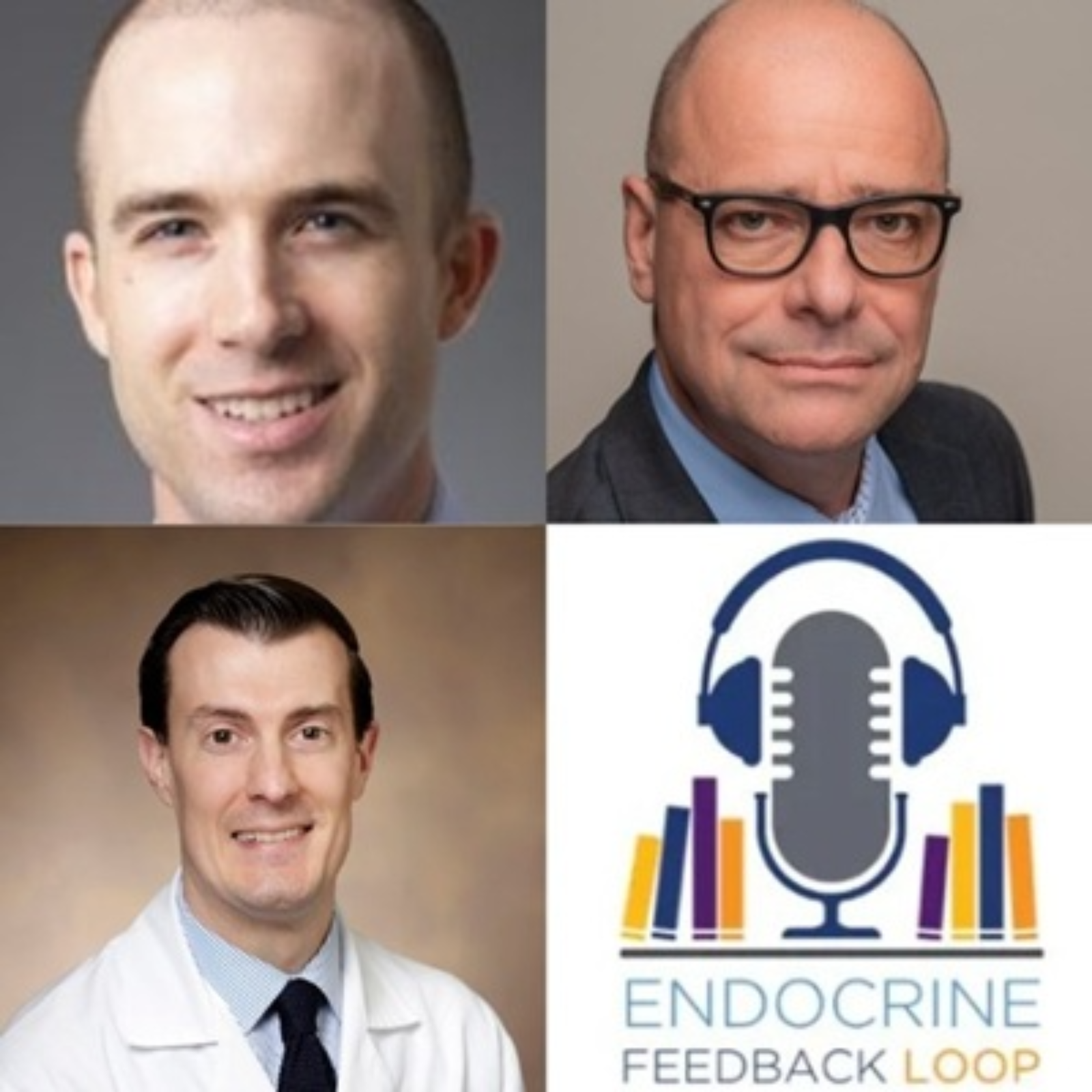
EFL070 – Dosing Strategies for Remission in Graves Disease
Feb 1900:35:12Summary readyFor our 70th episode, we review a paper that tries to improve our understanding of remission in Graves’ disease. Long-term thionamide treatment has long been the preferred approach internationally in Graves’ disease, and only more recently here in the U.S. So, the more we know about dosing and how that might encourage or predict remission, the better. This report is an observational study, as is often the case with the papers we look at, so we will discuss how these authors approach this question and share our thoughts along the way. Host Chase Hendrickson, MD, MPH, MHCC, from Vanderbilt University, talks with regular contributor Andy Crawford, MD, from Dartmouth-Hitchcock Medical Center, and guest expert Giuseppe Barbesino, MD, from Harvard Medical School in Boston. They discuss "Impact of Minimal Dose Strategy Before Antithyroid Drug Discontinuation on Relapse Risk in Graves' Disease" by Miyamura et al., published in the August 2025 issue of JCEM.
Summary
EFL069 - The Gut Microbiome in Type 1 Diabetes and Obesity
Jan 1500:41:00Summary readyFor our 69th episode, we review a paper in The Journal of Clinical Endocrinology & Metabolism on the gut microbiome of adolescents with type 1 diabetes, which hopes to understand differences between those with a normal body mass index compared to obesity. Studying gut microbiomes has been a “hot topic” for several years now, and we are excited to take the opportunity to unpack this work and see how it helps us better understand our patients. We both work through the challenges that come with any observational study and learn more about the specific techniques used by these investigators in this study. Host Chase Hendrickson, MD, MPH, MHCC, from Vanderbilt University talks with regular contributor Ashok Balasubramanyam, MD, from Baylor College of Medicine, and guest expert Åke Lernmark, MD, PhD, professor emeritus from Lund University in Malmö, Sweden. They discuss “Gut Microbial Changes Associated With Obesity in Youth With Type 1 Diabetes” by Ismail et al, published in the February 2025 issue of JCEM.
Summary
EFL068 - Hypocalcemia in CKD after Denosumab
Dec 1800:35:54Summary readyFor our 68th episode, we look at a paper in The Journal of Clinical Endocrinology & Metabolism that compares the effect on calcium of initial and subsequent doses of denosumab in people with chronic kidney disease (CKD). Though concerns have arisen over the years about the problems with stopping denosumab therapy, it remains an appealing medication for some of our patients with CKD. So we thought this report had the potential to change our practice and gave us the opportunity to delve into the challenges around osteoporosis in CKD. Host Chase Hendrickson, MD, MPH, MHCC, from Vanderbilt University talks with regular contributor Amal Shibli-Rahhal, MD, from University of Iowa Carver College of Medicine, and guest expert Kristin Clemens, MD, from St. Joseph’s Hospital and Western University in London, Ontario, Canada. They discuss “Dose-Specific Effects of Denosumab on Serum Calcium Levels in Patients With Osteoporosis and Various Renal Functions” by Sun et al, published in the July 2025 issue of JCEM.
Summary
EFL067 - Bariatric Surgery and Changes in Body Composition and Musculoskeletal Health
Nov 2000:43:01Summary readyFor our 67th episode, we look at a study in The Journal of Clinical Endocrinology & Metabolism that reports the impact of different types of weight-loss surgery on body composition, muscle strength, and bone density. Our patients frequently ask questions about these changes with surgical and medical weight loss, so we thought it highly worthwhile to review these findings with you all. Host Chase Hendrickson, MD, MPH, MHCC, from Vanderbilt University talks with regular contributor Andrew Kraftson, MD, from the University of Michigan, and guest expert Anne Schafer, MD, from the University of California, San Francisco. They discuss “One Year Changes in Body Composition and Musculoskeletal Health Following Metabolic/Bariatric Surgery” by Jassil et al, published in the May 2025 issue of JCEM.
Summary
EFL066 - Islet Autoantibodies
Oct 1600:35:40Summary readyFor our 66th episode, we review a recent Journal of the Endocrine Society (JES) article that looks at the frequency of positive islet antibodies in a population of adults without diabetes. While that may initially seem like an unusual article choice, we found it to be quite helpful in an era where we now have a therapeutic option to delay the onset of clinical type 1 diabetes when we can identify people early enough. That treatment option naturally raises questions about how we can find such patients and the risk of false-positive results with these antibodies. Host Chase Hendrickson, MD, MPH, MHCC, from Vanderbilt University talks with regular contributor Steven D. Wittlin, MD, from the University of Rochester Medical Center, and guest expert Raghu G. Mirmira, MD, PhD, from the University of Chicago. They discuss “Prevalence of Islet Autoantibodies in Adults Without Diabetes” by Pauley et al, published in the August 2025 issue of JES.
Summary