Podcast
Newt's World
Hosted by Gingrich 360 · EN
Join Newt Gingrich, former U.S. Speaker of the House and Ph.D. historian, for the most diverse, informative, and entertaining podcast available. Every episode is an education.
180episodes
Episodes
Newest firstAll episodes

Episode 981: Senator Lamar Alexander
May 2400:36:54Summary readyNewt talks with Senator Lamar Alexander, former Governor of Tennessee and U.S. Education Secretary, about his memoir, “The Education of a Senator: From JFK to Trump.” He traces his public life from a 1963 Justice Department job under Robert Kennedy, where he heard Martin Luther King Jr.’s “I Have a Dream” speech, through the rise of “digital democracy,” social media, globalization, the Great Recession, and the Obama and Trump eras, arguing that social media and economic disruption have transformed American politics since around 2008. Alexander contrasts gubernatorial and senatorial leadership, likening governors to Moses and Senate leaders to drum majors who must recruit, align, and manage diverse “marchers,” and notes that many governors find the Senate frustrating while some senators struggle as pragmatic executives. He credits Howard Baker with teaching him to be an “eloquent listener,” to “learn to count” votes, and to remember “the other fellow might be right.” Relationships, he argues, are the essence of the Senate: he cultivated them by visiting House counterparts, maintaining courtesy, and hosting about 60 Senate couples, both Republicans and Democrats alike, at his Tennessee home. Alexander reflects on his own presidential bids, which he compares to moving from eighth-grade basketball to the NBA finals. He warns that presidential politics are increasingly dominated by “media and money,” recalling a 1999 quip predicting a Trump-like figure emerging from this environment.See omnystudio.com/listener for privacy information.
Summary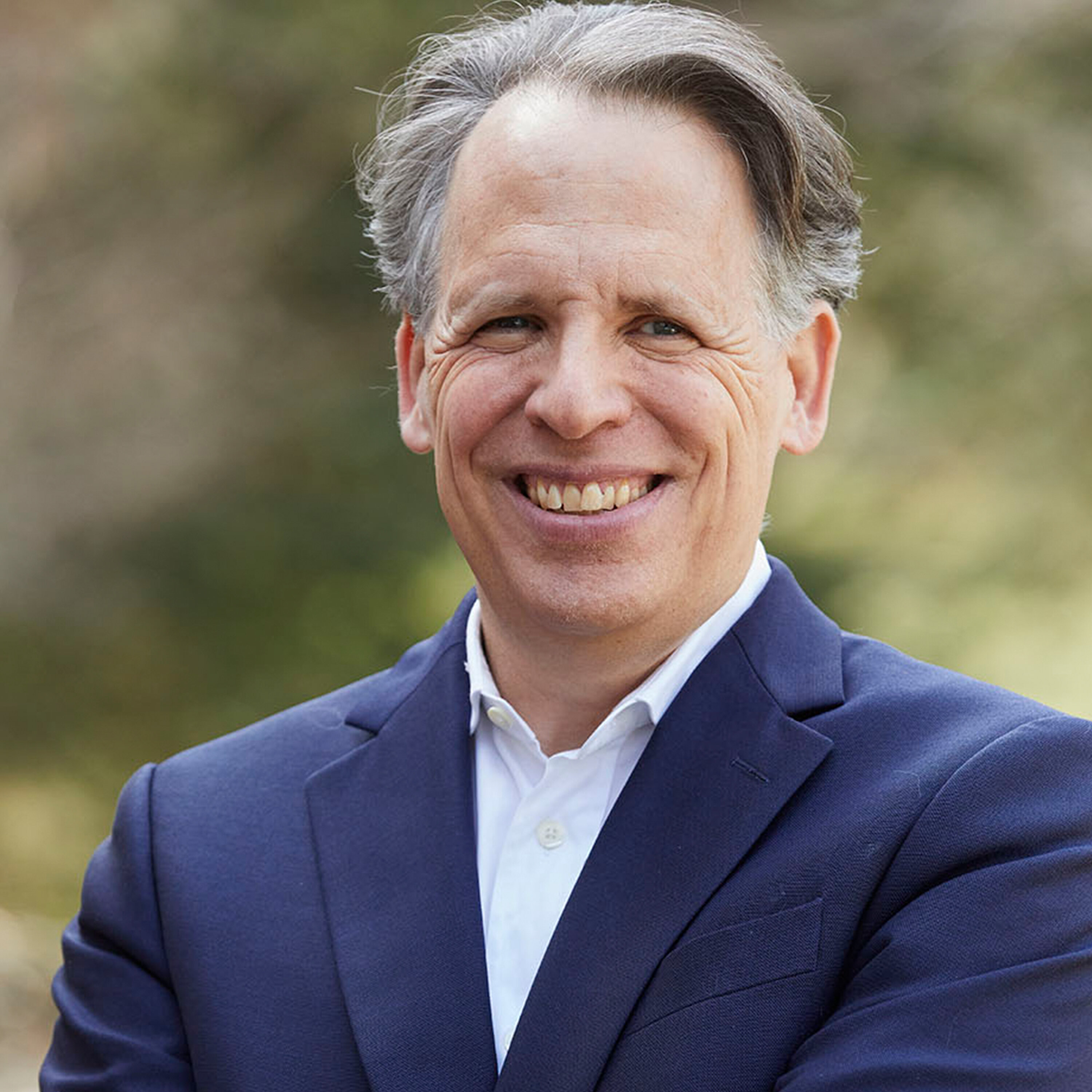
Episode 980: George H. W. Bush and the End of the American Establishment
May 2300:43:52Summary readyNewt talks with historian Laurence Jurdem about his new book, “41: George H. W. Bush and the End of the American Establishment.” They discuss Bush’s upbringing in a patrician, duty-bound family culture shaped by his parents and elite institutions such as Phillips Academy and Yale. Bush’s wartime service as the youngest U.S. Navy fighter pilot in World War II, and other formative experiences deepened his sense of mission and sacrifice. Bush’s decision to reject a conventional Connecticut finance career and instead pursue a career in the West Texas oil industry was motivated by a desire for risk, independence and a desire for entrepreneurial achievement. They discuss Bush’s political evolution from an ambitious Senate candidate to President. In assessing Bush’s legacy, Jurdem contends that Bush represents the culmination and “end of the American establishment”: a multi-generational elite of highly experienced, institutionally loyal leaders whose credibility was later undermined by events such as the financial crisis and the Iraq War under subsequent administrations.See omnystudio.com/listener for privacy information.
Summary
Episode 979: Steve Brusatte on “The Story of Birds”
May 1700:46:48Summary readyNewt talks with Steve Brusatte, paleontologist and bestselling author of “The Story of Birds: A New History from Their Dinosaur Origins to the Present.” They discuss a recent fossil discovery in China, a gigantic, long-necked dinosaur found at a construction site that may approach the largest known dinosaur sizes. Brusatte compares these massive sauropods—potentially 100 feet long and 50–60 tons—to modern aircraft. Brusatte reflects on his role advising Jurassic World filmmakers, contrasting his technical academic work with the opportunity to reach mass audiences through films and popular books. They also discuss the modern scientific consensus that birds are living dinosaurs: a surviving, flight-capable branch of the dinosaur family that flourished after the mass extinction. Brusatte likens dinosaur diversity to that of mammals today, emphasizing that many dinosaurs were small and that birds are the dinosaur equivalent of bats—highly specialized, small-bodied fliers within a larger group. He notes that while non-avian dinosaurs died out in the asteroid impact, birds represent the last remnant of this once-dominant lineage. They discuss how birds have become extraordinarily successful: while there are about 6,500 mammal species, there are likely 10,000–15,000 bird species, meaning roughly twice as many bird species as mammals today.See omnystudio.com/listener for privacy information.
Summary
Episode 978: Trump and Xi in China
May 1500:34:44Summary readyNewt talks with Weifeng Zhong, of the America First Policy Institute, about President Trump’s visit to Beijing and his meetings with Xi Jinping. They describe Chinese diplomatic style as highly choreographed, such as the airport reception and elaborate youth choirs that are used to project confidence and set the stage for pressing core issues like Taiwan. Zhong argues that China’s slowing, export-dependent economy and severe demographic pressures from the one-child policy make closer economic ties with the U.S. necessary. Trump’s large delegation of top U.S. business leaders, especially from technology, semiconductor, and AI sectors, is seen as both a bid for market access and a reflection of where U.S.– China tensions are most acute. Their discussion turns to Chinese dishonesty in areas such as arms transfers to Iran, support for Russia in the Ukraine war, fentanyl exports, COVID transparency, and propaganda in state-controlled media, emphasizing the need to read beyond official narratives. On Taiwan, Zhong argues that Xi’s lack of major achievements and the loss of Hong Kong as a credible model make “reunification” with Taiwan central to the Chinese Communist Party’s search for legitimacy.See omnystudio.com/listener for privacy information.
Summary
Episode 977: Peter Carter on Delta and the Future of Air Travel
May 1000:40:40Summary readyNewt talks with Peter Carter, President of Delta Air Lines. Their conversation traces Carter’s transition from 23 years as a trial lawyer to airline leadership. Carter explains how trial practice honed his skills in narrative, simplification of complex issues, and problem-solving, which he now applies to business decision-making and risk navigation, helping Delta pursue opportunities. Carter contrasts law firm culture with corporate leadership, describing the shift from revenue generator to support function and emphasizing the need to add enterprise-wide value in a 100,000-person organization. He underscores the hidden complexity of airline operations—about 5,000 procedures must run correctly daily to deliver safe, clean, on-time flights with baggage and high-quality service—and characterizes Delta as an “endlessly complex” business highly sensitive to geopolitical dynamics. Carter highlights Delta’s safety culture and industry-wide collaboration with the FAA, noting that U.S. airlines do not compete on safety but instead fully report and analyze incidents to drive continuous improvement. Looking to the future, Delta aims to become a leading global airline, focusing on expanding its international route network, particularly in underserved markets like the Middle East, Africa, and India.See omnystudio.com/listener for privacy information.
Summary
Episode 976: Bret Baier on “The Case for America”
May 900:30:07Summary readyNewt talks with Bret Baier, Chief Political Anchor of Fox News Channel and the anchor and executive editor of Special Report with Bret Baier, about his new book, “The Case for America: An Argument on Behalf of Our Nation.” Baier makes the case that the United States remains resilient and exceptional despite its flaws. He draws heavily on six presidents, George Washington, Ulysses S. Grant, Theodore Roosevelt, Franklin Roosevelt, Dwight Eisenhower, and Ronald Reagan, to describe American resilience, leadership, and optimism. He argues that the Declaration of Independence was a courageous, high-risk act that defined the nation’s core truths: choosing unity despite dissent, serving as a beacon of freedom, demonstrating a unique capacity for resilience, and remaining a land of opportunity. Their discussion extends to the founders’ disagreements, the risk they faced in signing the Declaration, and the evolution of American political rivalry and reconciliation, exemplified by the bitter split and later warm correspondence between John Adams and Thomas Jefferson. Turning to contemporary politics, Baier contends that the upcoming America 250th celebration offers a chance to rebuild shared civic affection across ideological lines by acknowledging both the country’s problems and its strengths.See omnystudio.com/listener for privacy information.
Summary
Episode 975: John Tillman on “The Political Vise”
May 600:35:27Summary readyNewt talks with John Tillman, CEO of the American Culture Project, about his new book, “The Political Vise: How the Radical Left Controls America and the Path to Regaining Our Liberty.” They discuss how the “radical left” wields power in America and how conservatives should respond. Tillman argues that the left outperforms the right in emotional storytelling, especially on economic issues like gas prices, and contend that conservatives must connect policy to everyday experiences to win public sentiment. Tillman introduces his “political vise” framework, describing politics as a pressurized system in which media pressure from the left, people pressure from the right, and elite influencers, especially government unions, trial lawyers, and nonprofits dependent on government funding, squeeze political decision-makers. Their conversation also examines why Republicans struggle to recruit and retain strong candidates. Tillman argues that people on the right are more drawn to business than politics, that some politicians adopt policy agendas mainly to advance their careers, and that the culture of Washington often pulls conservatives leftward through constituent and donor pressures.See omnystudio.com/listener for privacy information.
Summary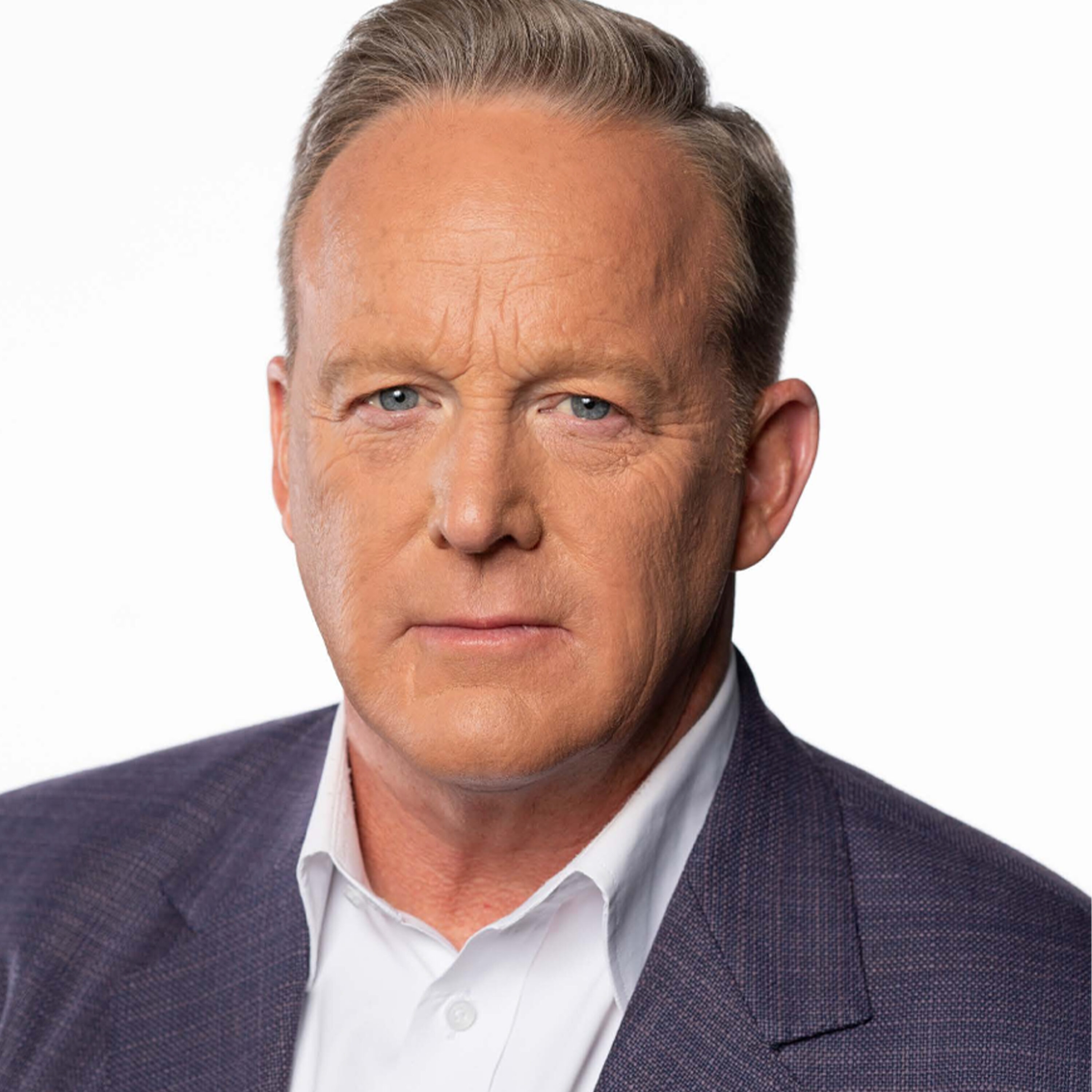
Episode 974: Sean Spicer on “Trump 2.0”
May 300:40:54Summary readyNewt talks with Sean Spicer, the 30th White House Press Secretary, about his new book, “Trump 2.0: The Revolution That Will Permanently Transform America.” They discuss how President Trump’s second term in office could be among the most consequential in history. Spicer argues that Trump’s second term will be fundamentally different because of four years of planning by groups like the America First Policy Institute and Gingrich’s America’s New Majority Project, which studied lessons from the first term and built a detailed policy blueprint. He emphasizes that Trump now relies on long-standing loyalists who understand his agenda to serve in roles in the White House and cabinet, reducing internal resistance that hindered his first term in office. Looking ahead, Spicer defines the key theme of Trump 2.0 as “permanency” using legislation rather than executive orders to lock in policy changes that cannot be easily reversed by future administrations. Their conversation concludes with a discussion about Spicer’s extensive political memorabilia collection.See omnystudio.com/listener for privacy information.
Summary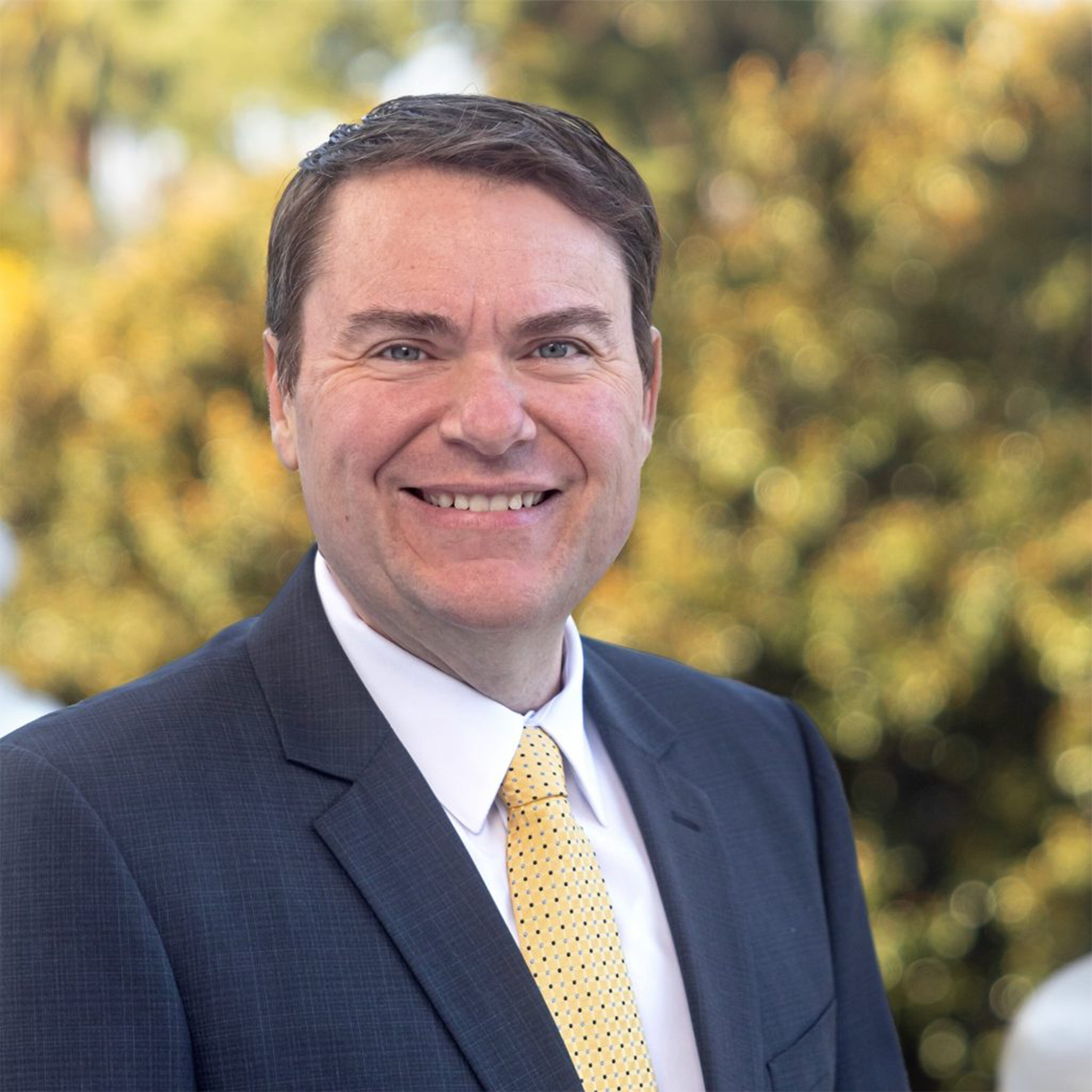
Episode 973: Carl DeMaio on the California Governor’s Race
May 200:35:32Summary readyNewt talks with Carl DeMaio, California State Assemblymember, representing District 75, and Chairman of Reform California. They discuss the California governor’s race and the “top two” primary election system. DeMaio describes the risk that Republican candidates may face by potentially being shut out of the general election if no Republican candidates receive a 35% share of the primary vote. After candidate Eric Swalwell dropped out of the race, establishment Democrats are coalescing their support around Xavier Becerra, while billionaire Tom Steyer continues to spend millions of his own money on his campaign. DeMaio urges Republicans to vote for the Republican candidate that is polling the highest to secure a position in the runoff election. They also discuss the details of the California Voter ID Initiative; a proposed 2026 constitutional amendment DeMaio co-authored that would require voter identification and citizenship verification in all future California state elections.See omnystudio.com/listener for privacy information.
Summary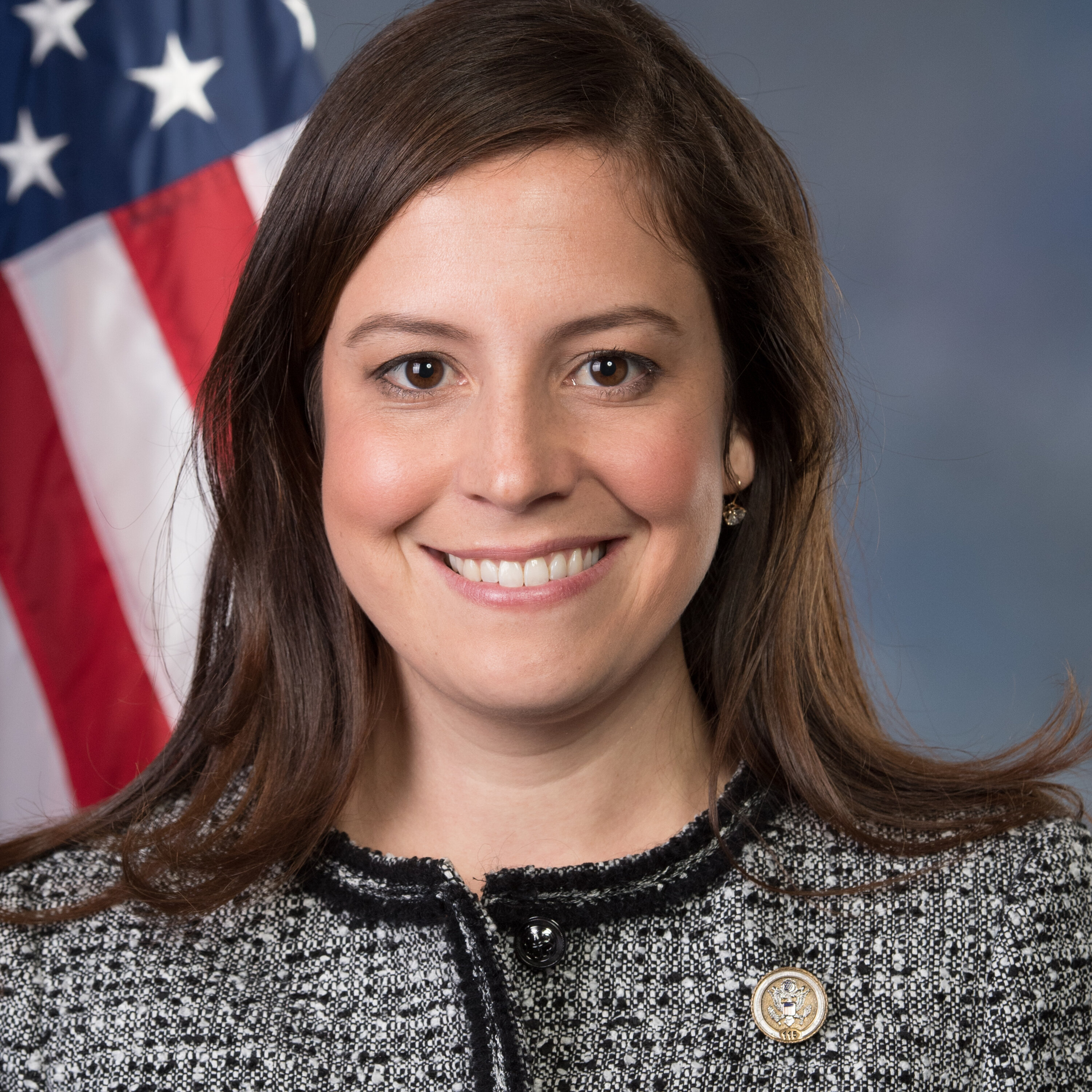
Episode 972: Congresswoman Elise Stefanik on “Poisoned Ivies”
Apr 2600:36:36Summary readyNewt talks with Congresswoman Elise Stefanik (NY-21st), Chairwoman of the House Republican Leadership, about her new book, “Poisoned Ivies: The Inside Account of the Academic and Moral Rot at America’s Elite Universities.” They discuss how America’s elite universities, once proud symbols of academic excellence, have become centers of far-left indoctrination and division. Stefanik traces her own political and professional trajectory, from volunteering for the New York Republican State Committee at age 14 and ultimately running as a 28-year-old underdog who has become a long-serving New York Republican in Congress. Drawing on her experience as a Harvard alumna, Stefanik argues that many elite universities have shifted from liberal leaning but pluralistic to ideologically lopsided, with a dramatic imbalance between Democratic and Republican faculty and a growing culture of political indoctrination over academic rigor. Stefanik’s participation in the hearing with university presidents was a historic turning point in the national debate over higher education. She concludes by expressing her hope, both as a policymaker and as a parent, that this earthquake in public awareness will help restore American universities to global excellence.See omnystudio.com/listener for privacy information.
Summary