Podcast
Newt's World
Hosted by Gingrich 360 · EN
Join Newt Gingrich, former U.S. Speaker of the House and Ph.D. historian, for the most diverse, informative, and entertaining podcast available. Every episode is an education.
180episodes
Episodes
Newest firstAll episodes
Episode 971: The Hospital Cost Crisis
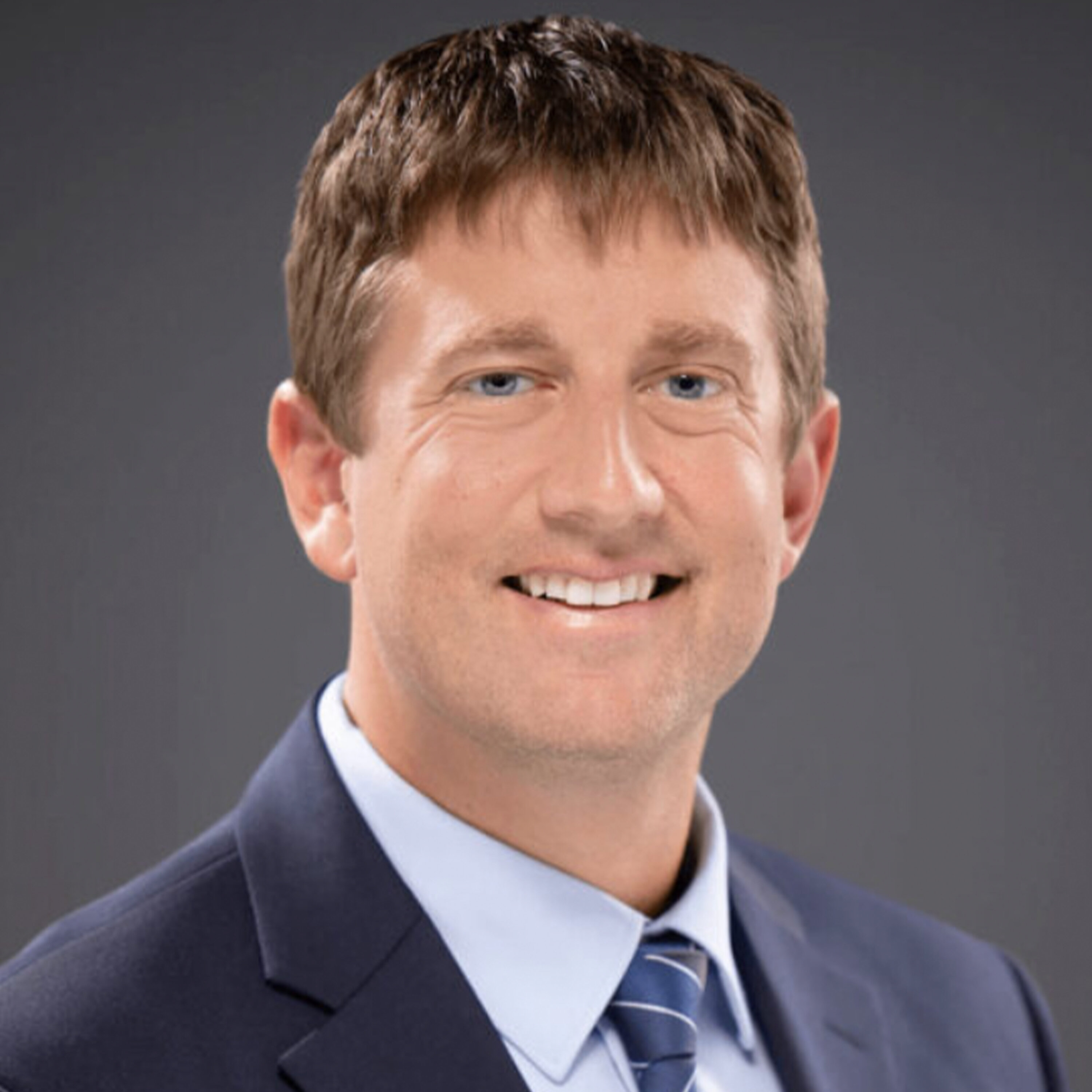
Apr 2500:35:08Summary readyNewt talks with Brian Blase, President of the Paragon Health Institute, about their new report, “The Hospital Cost Crisis: How Government Policies Drive Consolidation, Undermine Competition, and Fuel Soaring Prices.” Hospital prices have increased three times faster than inflation and more than twice as fast as worker wages since 2000, making rising hospital prices a major threat to middle-class families. Their discussion highlights that hospital care now totals about $1.6 trillion annually, roughly one-third of national health expenditures, and that large hospital systems deploy substantial lobbying resources, including over $115 million in federal lobbying in 2025 alone, to preserve favorable policies and block reforms. Blase explains how cost-based reimbursement in Medicare historically encouraged hospitals to increase costs, fueling administrative bloat and higher spending, a dynamic that still persists when higher hospital costs trigger higher government payments. He argues that Medicare’s centrally set prices and cost-based methodologies distort the entire healthcare market. Policies that pay more for the same service in a hospital than in a physician’s office further drive consolidation and higher prices. As potential solutions, their conversation emphasizes price transparency.See omnystudio.com/listener for privacy information.
Summary
Episode 970: Founder’s Fire From 1776 to the Age of Trump
Apr 2400:38:48Summary readyNewt talks with New York Times bestselling author and Pulitzer Prize Finalist, Dr. Arthur Herman, about his new book, “Founders Fire: From 1776 to the Age of Trump,” and the enduring founder mindset in American history, business, and culture. Herman defines a new generation of founders as Americans who embody a core national trait: the belief that individuals can build new enterprises, institutions, and futures through risk-taking, creativity, and self-reliance. He traces this founder spirit through business titans such as John D. Rockefeller, Andrew Carnegie, Henry Ford, Steve Jobs, and Elon Musk, arguing that their innovations transformed society and exemplify American exceptionalism in entrepreneurship and innovation. They discuss President Lincoln’s deep engagement with technology and commerce, his advocacy for railroads, his work as a railroad lawyer, his unique status as the only U.S. president with a patent, and his vision for a transcontinental railroad, as evidence of a founder’s technological and economic mindset. Herman identifies the core traits of founders and encourages listeners to see the fire of genius within themselves and to consider whether they might be founders shaping the nation’s next chapter as it marks its 250th anniversary.See omnystudio.com/listener for privacy information.
Summary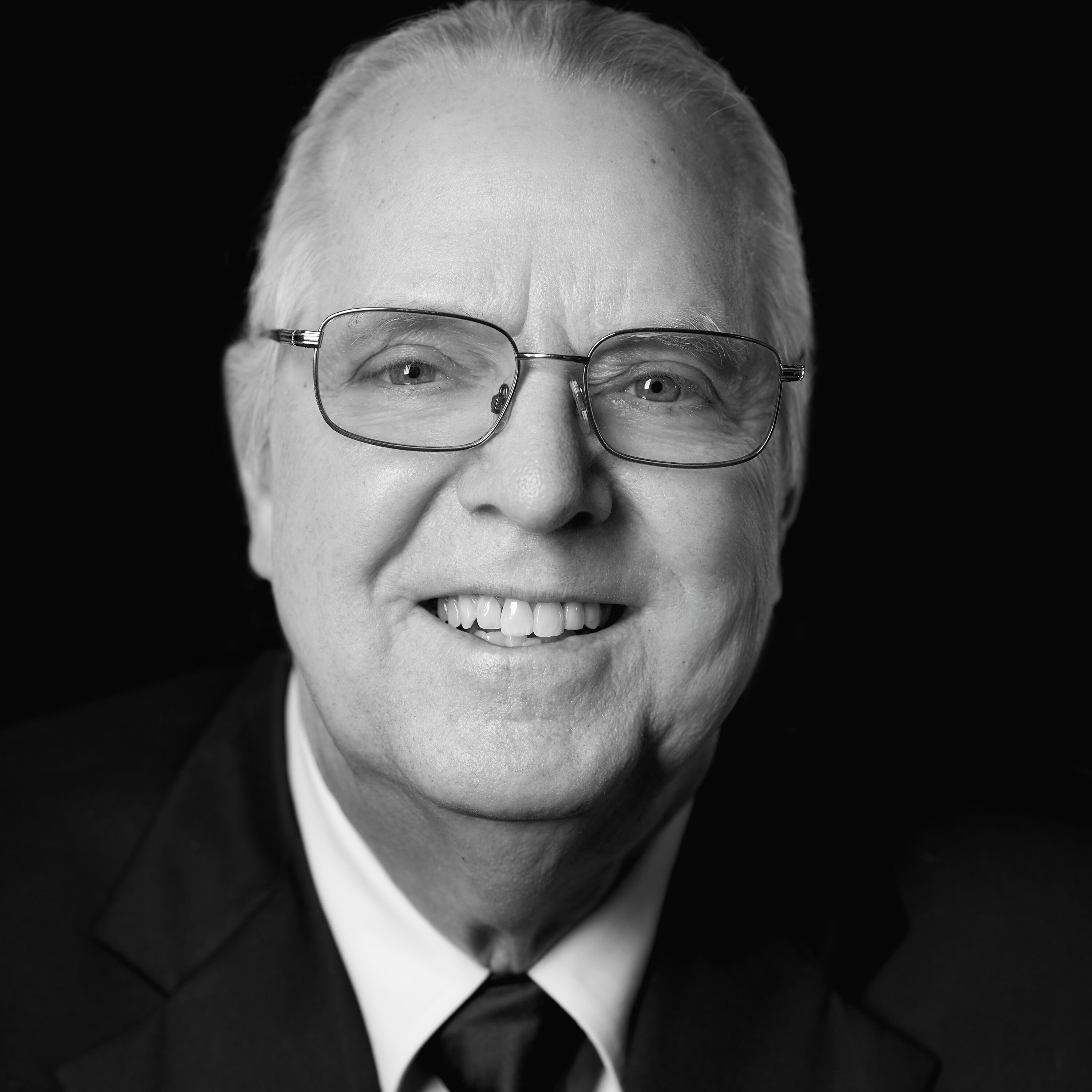
Episode 969: Wayne Barnes on “A Traitor in the FBI”
Apr 1900:36:09Summary readyNewt talks with former FBI counterintelligence special agent Wayne Barnes, whose 29-year career included working KGB espionage, running double agents, recruiting hostile intelligence officers, and debriefing Cold War defectors before becoming a private investigator, signature expert, and specialist in recovering stolen impressionist paintings. Barnes recounts his path from inner-city Philadelphia through Penn State and Villanova Law into the FBI, where high scores on a language aptitude test led to Romanian training in Monterey and a Washington Field Office posting focused on Eastern Bloc counterintelligence. Barnes’ book, “A Traitor in the FBI: The Hunt for a Russian Mole,” documents his investigation to uncover an internal FBI spy for the Russians, Robert Hanssen. After he wrote the book, it was a seven-year struggle to get it through FBI pre-publication review. An initial submission in 2016 was returned almost entirely redacted except for half a page, leading to multiple trips to Washington, wording changes, and securing permission from 32 named individuals before final clearance.See omnystudio.com/listener for privacy information.
Summary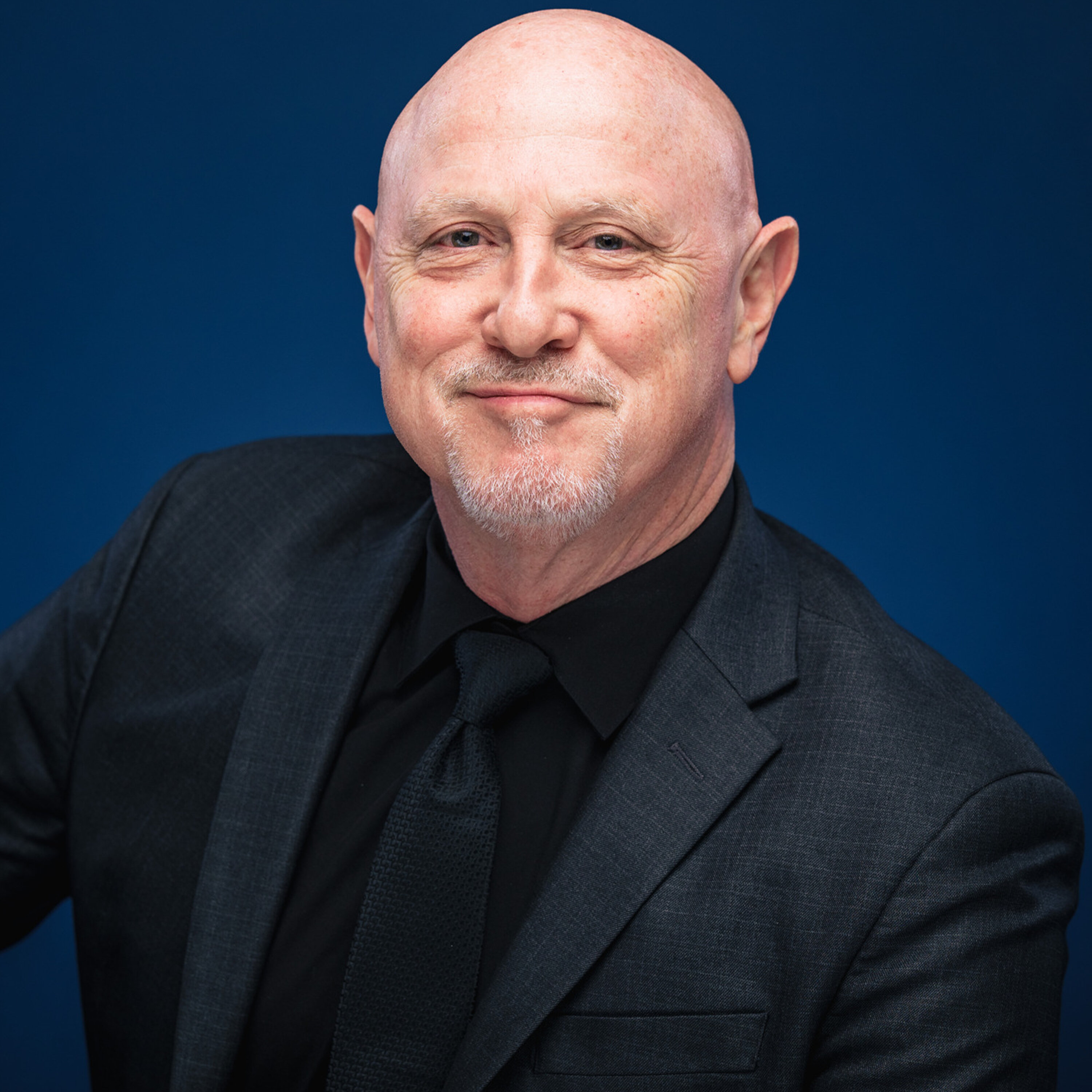
Episode 968: CEI’s Annual Report of the Federal Regulatory State
Apr 1800:34:24Summary readyNewt talks with Wayne Crews, the Fred L. Smith Fellow in Regulatory Studies at the Competitive Enterprise Institute. His work explores the impact of government regulation of free enterprise. They discuss CEI’s annual report “Ten Thousand Commandments: An Annual Snapshot of the Federal Regulatory State.” Crews argues that rising federal spending and regulation move together, citing post-COVID laws such as the CARES Act, CHIPS and Science Act, and Inflation Reduction Act as examples of “hyper-regulatory” spending that expands the administrative state even before agencies write rules. Crews contends that government is ill-suited to pick market winners, set prices, or manage sectors like energy and finance, and that market forces—suppliers, customers, investors, media, and civil society—already discipline firms without heavy-handed regulation. He stresses that rejecting overregulation does not mean “no regulation,” but rather preferring competitive over political discipline. Crews warns that massive federal spending has weakened the coalition for regulatory reform by aligning businesses, governors, and mayors with Washington through funded mandates and programmatic strings tied to priorities like DEI, climate, and the “care economy.”See omnystudio.com/listener for privacy information.
SummaryEpisode 967: Regulating Online Sports Betting
Apr 1600:30:47Summary readyNewt talks with former Congressman and physician Dr. Greg Ganske about the growing public health risks posed by online sports betting and emerging prediction markets, framed by a broader discussion of sports’ role in personal development and community life. Dr. Ganske argues that sports uniquely teach discipline, teamwork, goal setting, and community cohesion. He warns that the rapid expansion of online betting, driven by ubiquitous smartphone access and aggressive advertising campaigns featuring major sports leagues and star athletes, threatens this integrity by increasing incentives for cheating, point shaving, and manipulation at both professional and collegiate levels. Dr. Ganske highlights gambling disorder as a medically recognized condition associated with loss of control, financial ruin, deception, and bankruptcy, affecting an estimated 2-4 million Americans, with another roughly 10 million people at high risk. Their conversation also examines prediction markets on platforms such as Kalshi and Polymarket, which position themselves as regulated futures markets under the CFTC but, in Ganske’s view, exploit regulatory gaps while enabling betting on elections, assassination risks, and other sensitive events, compounding incentives for abuse. Dr. Ganske outlines potential federal responses, favoring regulation over outright bans due to constitutional and First Amendment concerns.See omnystudio.com/listener for privacy information.
Summary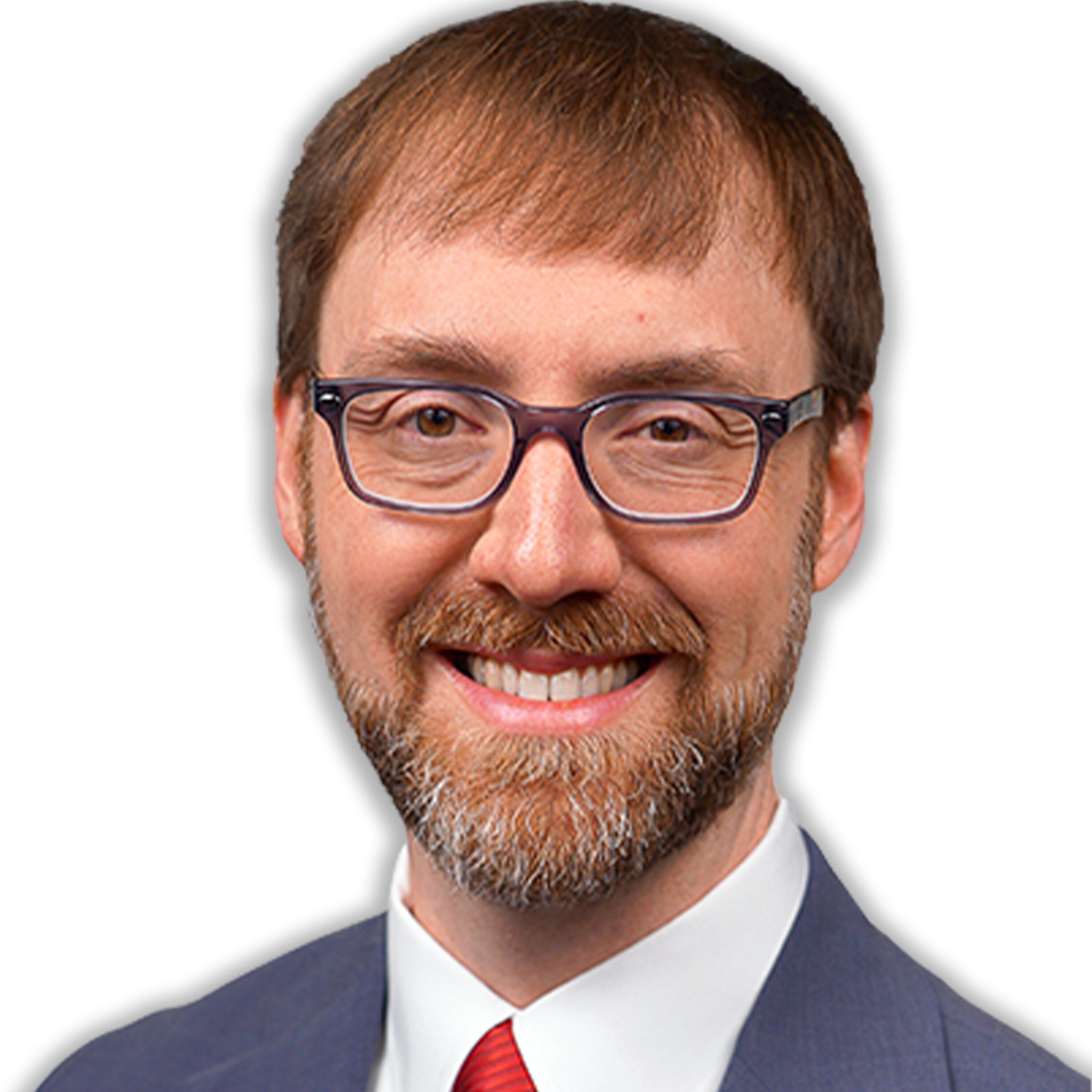
Episode 966: Trump v. Barbara, the birthright citizenship case
Apr 1200:37:24Summary readyNewt talks with Zack Smith, Senior Legal Fellow at The Heritage Foundation, about Trump v. Barbara, also known as the birthright citizenship case. The Supreme Court heard oral arguments on April 1, 2026, to determine if President Trump’s executive order violates the 14th Amendment’s Citizenship Clause. Trump’s order seeks to deny automatic U.S. citizenship to children born in the U.S. to undocumented or temporary visa holding parents. The key issues include the meaning of the "subject to the jurisdiction thereof" language in the 14th Amendment, which the Trump administration argues was intended to only grant citizenship to children of U.S. citizens or permanent residents, not to those born to temporary or illegal residents. They also discuss whether the historical context and original understanding of the 14th Amendment at the time of its adoption supports the administration's position, or the broader interpretation of birthright citizenship. Modern issues like "birth tourism" and the ability for large numbers of people to easily travel to the U.S. to give birth, are discussed in the context of the intent of the 14th Amendment's framers. The Court appeared divided during oral arguments, with some justices seeming skeptical of the administration's position, but Smith notes it is difficult to predict the ultimate outcome. A decision is expected by the end of the Court's term in late June 2026.See omnystudio.com/listener for privacy information.
Summary
Episode 965: The Winston Group on the 2026 Midterm Elections
Apr 1100:33:59Summary readyNewt talks with David Winston and Myra Miller of the Winston Group, about the 2026 midterm elections. Inflation and the economy remain the central issue for voters. They discuss how war-driven spikes in gas prices may be seen as temporary, potentially buying the Trump administration time if voters expect prices to fall once the Iran conflict and Strait of Hormuz tensions ease. Turning to party dynamics, they describe the growing importance of independents, whose share of the electorate rose from 27% in 2020 to 34% in 2024 and now exceeds at least one major party in many competitive states. Historical swings show how dramatically independents can shift outcomes. David and Myra argue that independents are becoming an “existential threat” to both parties and that their voting is driven primarily by economic concerns, especially cost of living. Looking ahead to 2026, they recommend that every Republican campaign adopt two core strategies: a clear economic message that educates voters on the benefits of the “Big Beautiful Bill” and a specific plan to win independents, recognizing that an effective independent strategy is inseparable from a strong economic strategy.See omnystudio.com/listener for privacy information.
Summary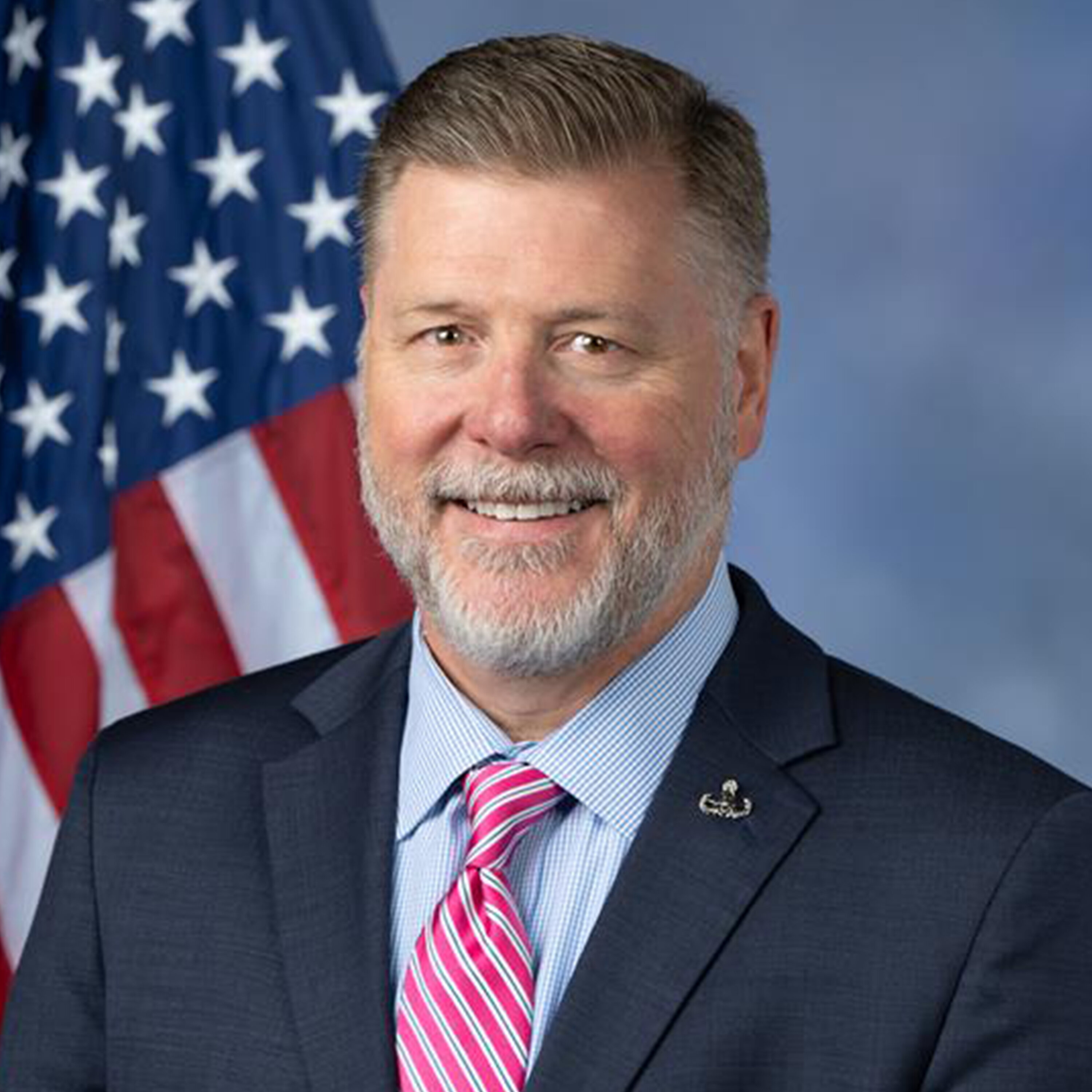
Episode 964: Congressman Rick Crawford on Counterintelligence Reform
Apr 900:41:02Summary readyNewt talks with Congressman Rick Crawford, (AR-1st) Chairman of the House Permanent Select Committee on Intelligence, about the importance of counterintelligence reform, the Iran war, and fully funding the Department of Homeland Security. Chairman Crawford explains that the United States needs counterintelligence reform to address threats from China, Russia, Iran, and Cuba, which are actively engaging in espionage and intelligence operations within the U.S. homeland. There is a need for better coordination and cooperation between federal agencies like the FBI and military counterintelligence assets to leverage their different capabilities for threat mitigation rather than just law enforcement. Iran poses a significant threat, with the capability to deliver radioactive materials or a "dirty bomb" via their ballistic missile program, in addition to their support for terrorism and proxies. Our European allies have been unwilling to adequately fund their own defense, relying heavily on U.S. protection. Lastly, they address the challenge to fully fund the Department of Homeland Security and discuss the risks a shutdown poses by leaving critical security gaps in areas like border security, cybersecurity, and disaster response.See omnystudio.com/listener for privacy information.
Summary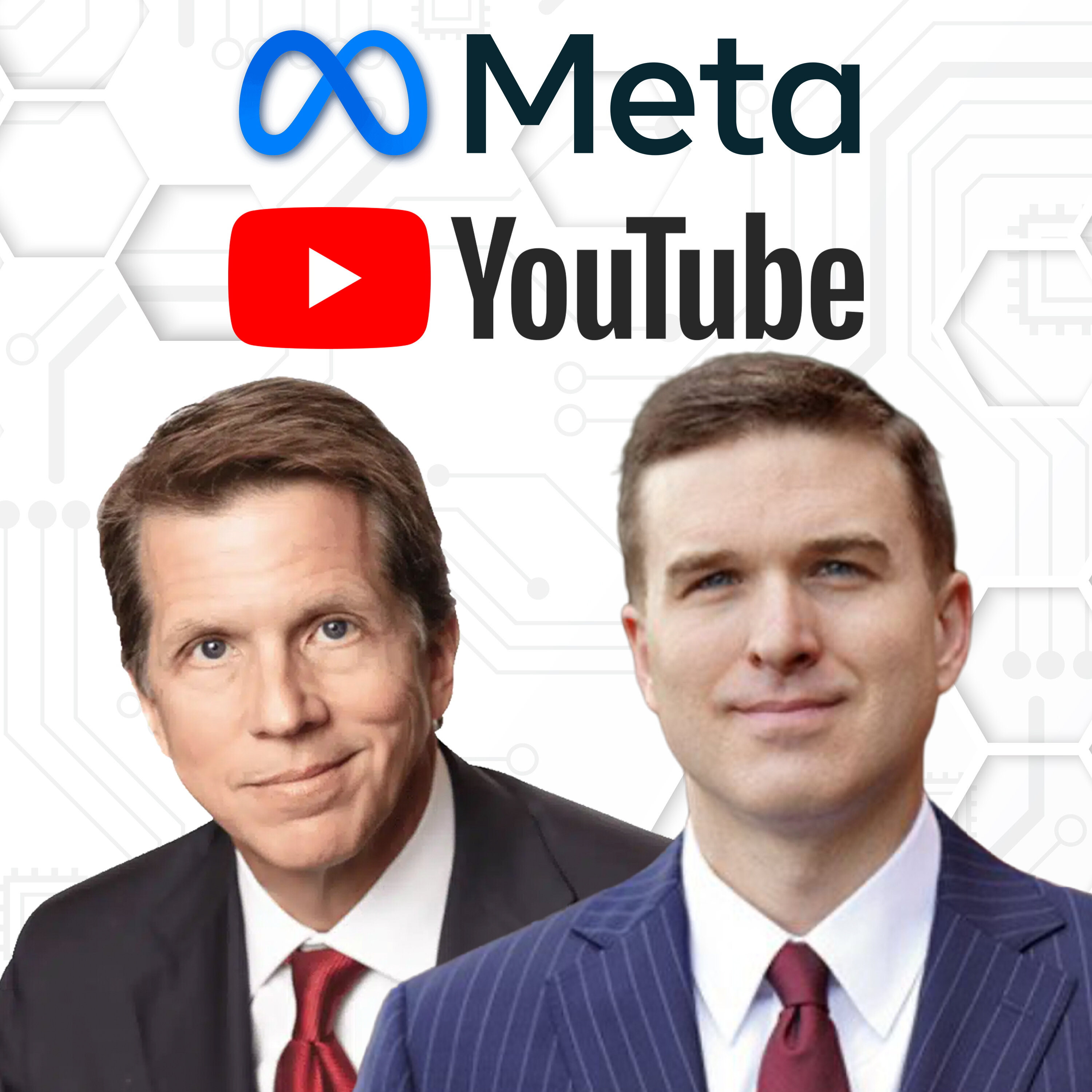
Episode 963: The Landmark Social Media Addiction Case in California
Apr 500:47:35Summary readyNewt talks with attorneys Joseph VanZandt of the Beasley Allen Law Firm, and Mark Lanier of The Lanier Law Firm about the landmark case in California where Meta and YouTube were deemed liable for addiction-related harm to children and young adults. They represented the plaintiff in the case, known as K.G.M. The case was initiated after former Facebook whistleblower Frances Haugen leaked internal documents showing that Meta was aware of the harms its platforms were causing to young users, but prioritized growth over user safety. The case was structured as individual lawsuits rather than a class action, with the judge selecting 9 bellwether cases to go to trial. The K.G.M. case was the first one selected. The key evidence used in the case was internal documents and depositions from current and former employees of the tech companies, which showed intentional efforts to design addictive features targeting children. The lawyers argued that the tech companies' actions constituted addiction, drawing parallels to the tobacco industry, and presented expert testimony to establish the clinical criteria for addiction. The verdict found Meta and YouTube liable, marking a significant legal precedent in holding social media platforms accountable for the harms caused by their products. The lawyers expressed concerns about the ongoing lobbying efforts by the tech companies to prevent further lawsuits through legislative means, highlighting the need for greater transparency and regulation.See omnystudio.com/listener for privacy information.
Summary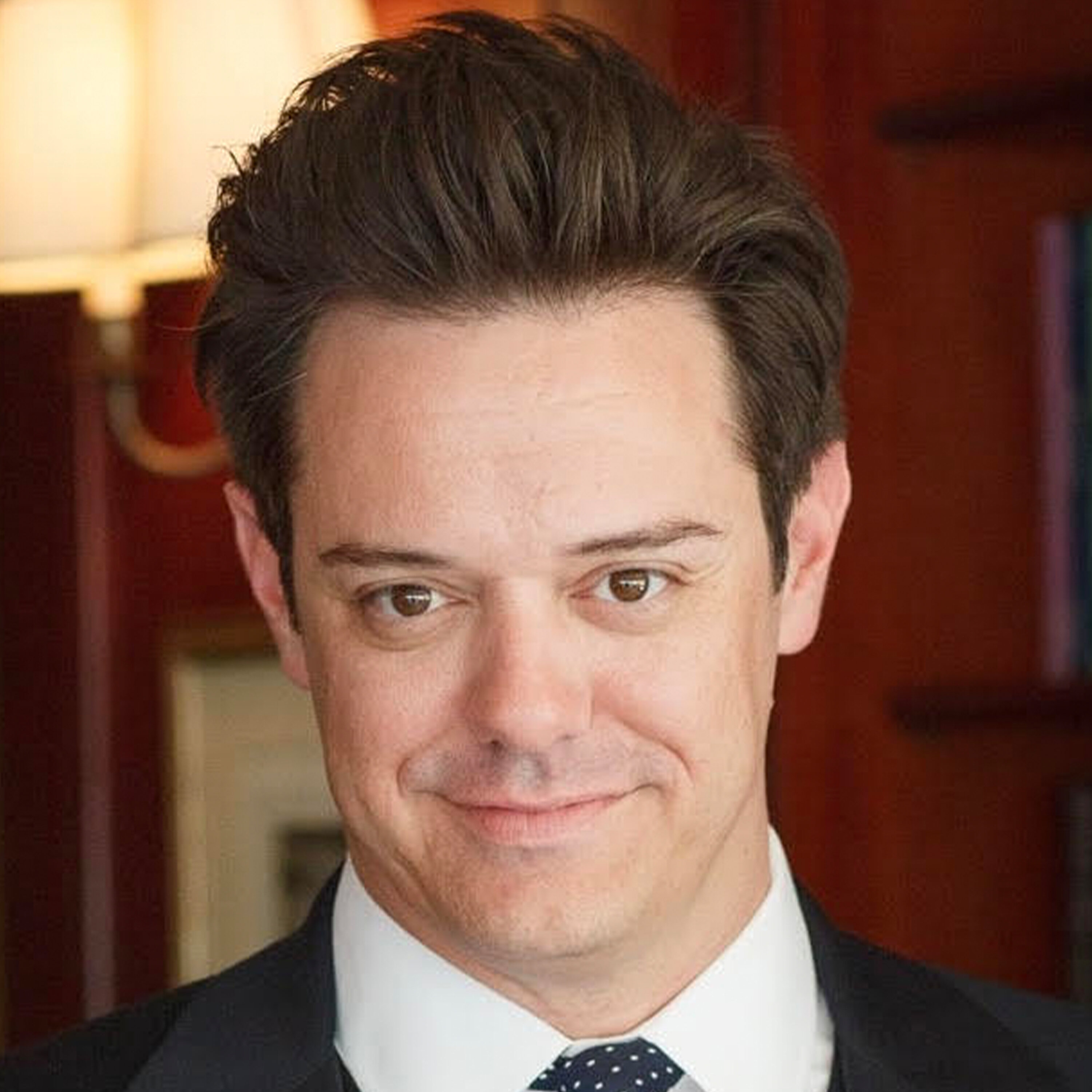
Episode 962: The Race to Control AI
Apr 400:31:08Summary readyNewt talks with Wynton Hall, the director of social media at Breitbart News about his new book, "Code Red: The Left, the Right, China, and the Race to Control AI." Hall describes AI as a defining national security challenge, emphasizing its dual role as a tool and a form of political power, particularly in the context of AI warfare and the race against China. Their conversation highlights the importance of AI in military applications, including cybersecurity and battlefield dominance, and the need for increased investment in AI-related government spending. Hall also discusses the democratization of AI, which could empower mid-level countries and non-state actors, potentially leading to both positive and negative outcomes. Their discussion touches on the challenges of autonomous weapons and the ethical considerations surrounding their use. They explore the broader implications of AI on society, including job displacement and the potential for AI to create new opportunities and challenges.See omnystudio.com/listener for privacy information.
Summary