Podcast
Newt's World
Hosted by Gingrich 360 · EN
Join Newt Gingrich, former U.S. Speaker of the House and Ph.D. historian, for the most diverse, informative, and entertaining podcast available. Every episode is an education.
180episodes
Episodes
Newest firstAll episodes
Episode 991: Rainmaker - Solving the West's Water Crisis
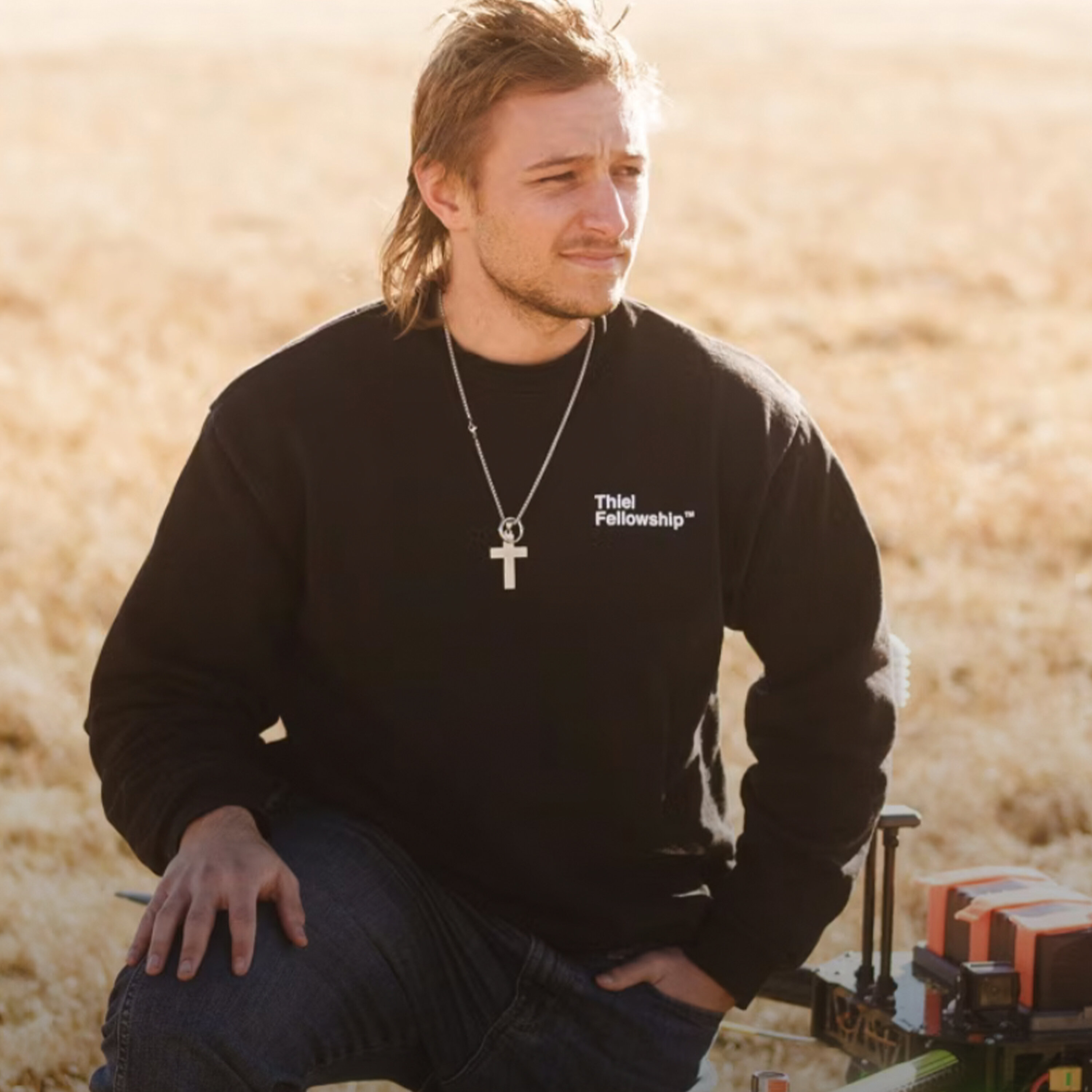
Jun 2000:30:04Summary readyNewt talks with Augustus Doricko, founder and CEO of Rainmaker. They discuss how drone-based cloud seeding could transform America's water future. Doricko explains how new radar and satellite technology finally lets scientists prove precipitation is manmade, solving a problem that has stumped researchers since GE invented cloud seeding in 1946. He breaks down why drones beat manned aircraft on safety and cost, how atmospheric water gets replenished every eight to ten days, and his ambitious goal to double the Colorado River's flow by 2031. Their conversation also covers his path from a UC Berkeley physics dropout to a Peter Thiel Fellow, the legal and environmental questions raised by manipulating weather, and even a provocative idea about weakening hurricanes before they reach shore. It's a fascinating conversation addressing whether technology can finally solve the West's worsening drought crisis.See omnystudio.com/listener for privacy information.
Summary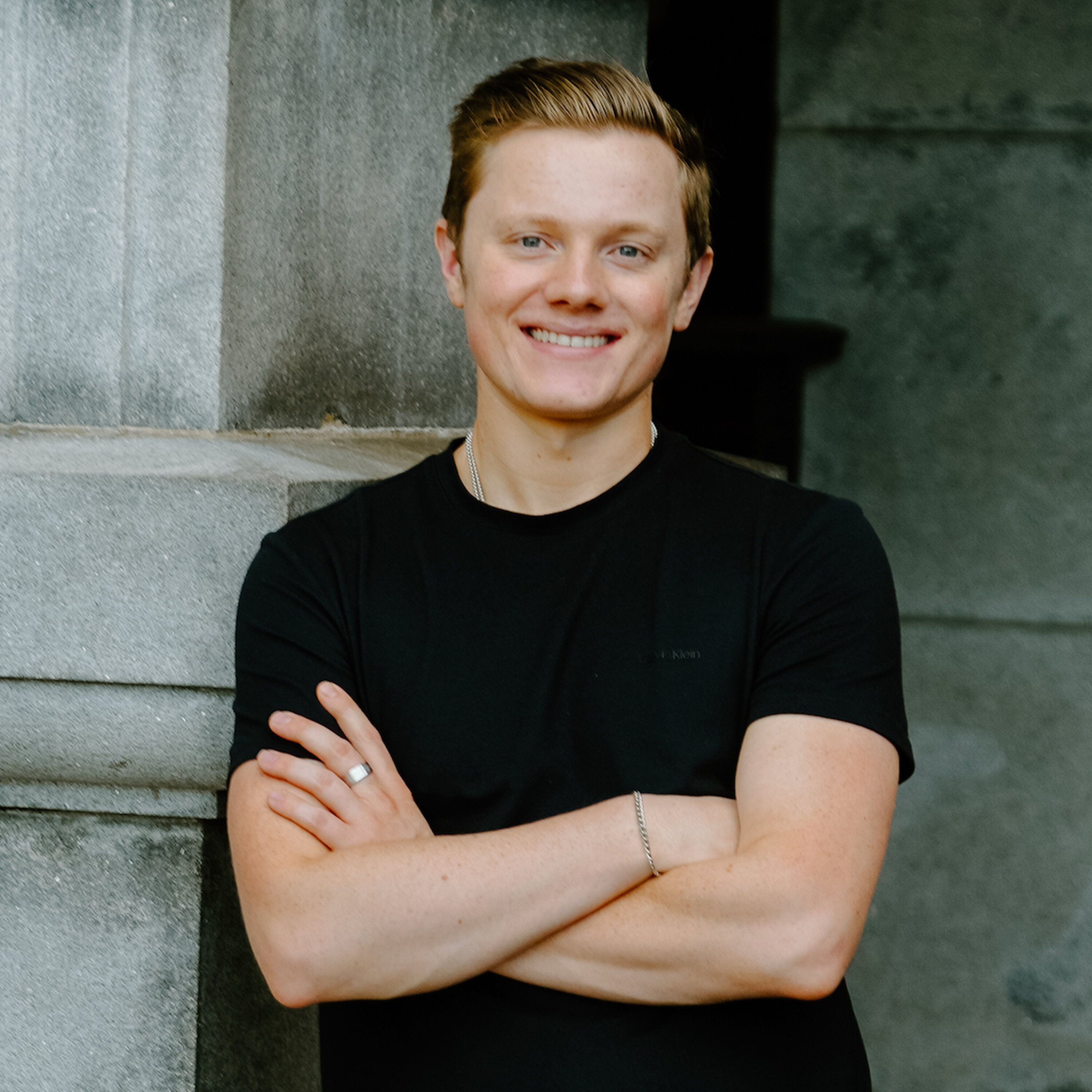
Episode 990: Grady Connolly A Journey through America's Basilicas
Jun 1800:34:24Summary readyNewt talks with Grady Connolly, founder of Social Thomist and author of the new book “Basilicas: A Pilgrim's Guide to America's Most Remarkable Catholic Churches.” Connolly recounts his path from a small town in Maine to a full scholarship at Catholic University of America, where daily visits to the Basilica of the National Shrine of the Immaculate Conception in Washington, D.C. inspired a lifelong devotion to his faith. He describes learning how to build a major following for Catholic content online. Their discussion turns to Connolly's four-year quest to visit all 94 minor basilicas in the United States plus the four papal basilicas in Rome, what officially makes a church a "basilica," and standout stops like The Cathedral Basilica of St. Louis and the immigrant built, The Basilica of St. Fidelis in Victoria, Kansas. His book, “Basilicas” is available for pre-order now: https://a.co/d/0bk6zlAmSee omnystudio.com/listener for privacy information.
Summary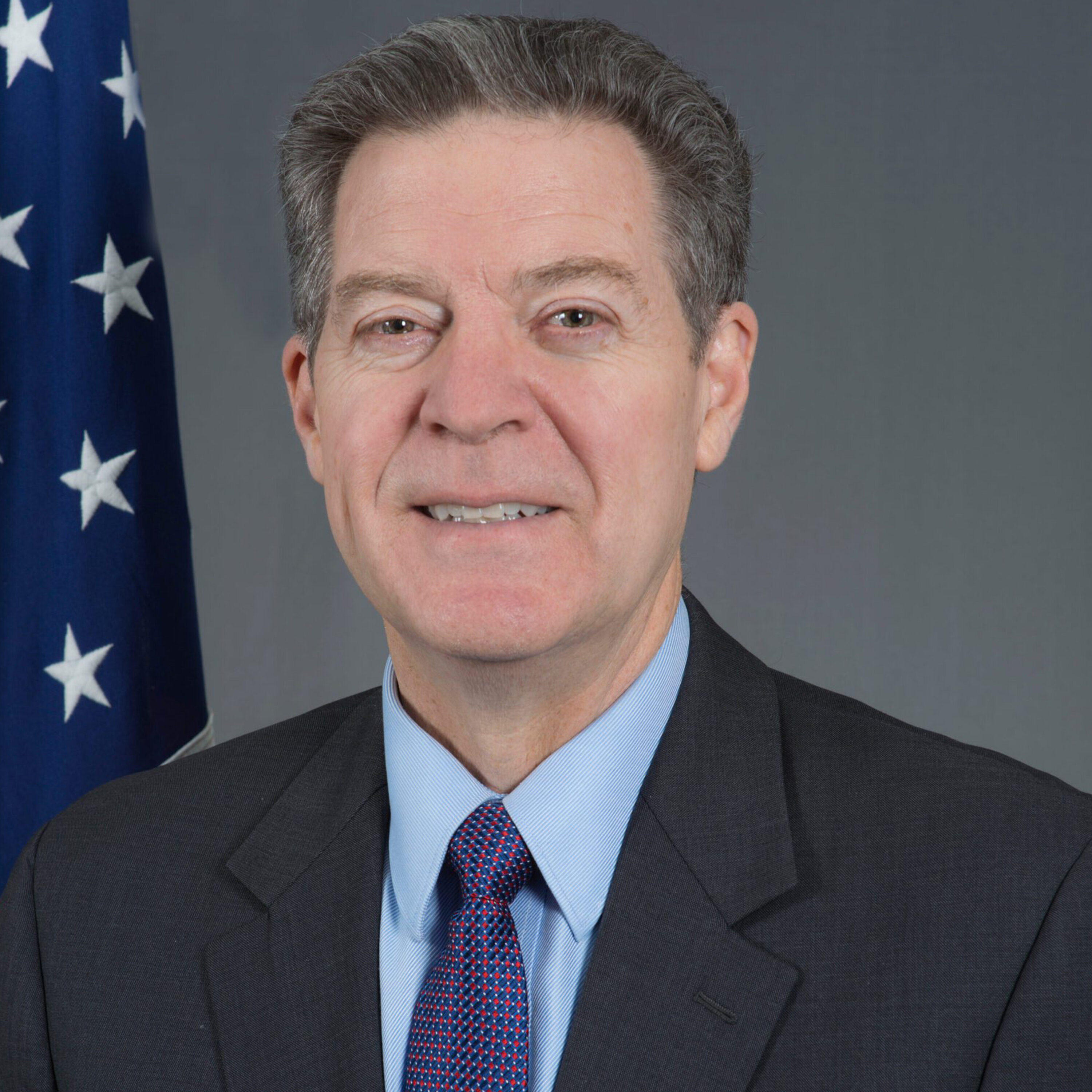
Episode 989: China's War on Faith A Conversation with Ambassador Sam Brownback
Jun 1400:29:44Summary readyNewt talks with Ambassador Sam Brownback about his new book, “China’s War on Faith.” Brownback, who previously served as a United States Senator, the 46th governor of Kansas and Ambassador-at-Large for International Religious Freedom, has decades of experience on the frontlines fighting for religious liberty around the world. Brownback argues the Chinese Communist Party sees religious freedom as an existential threat and has engaged in a ruthless campaign to suppress people of faith, including forced organ harvesting on the Falun Gong. He believes the party's crackdown on religious groups like the Tibetan Buddhists and Uyghur Muslims constitutes genocide. Brownback calls for the U.S. to elevate religious freedom as a strategic issue in confronting China's totalitarianism.See omnystudio.com/listener for privacy information.
Summary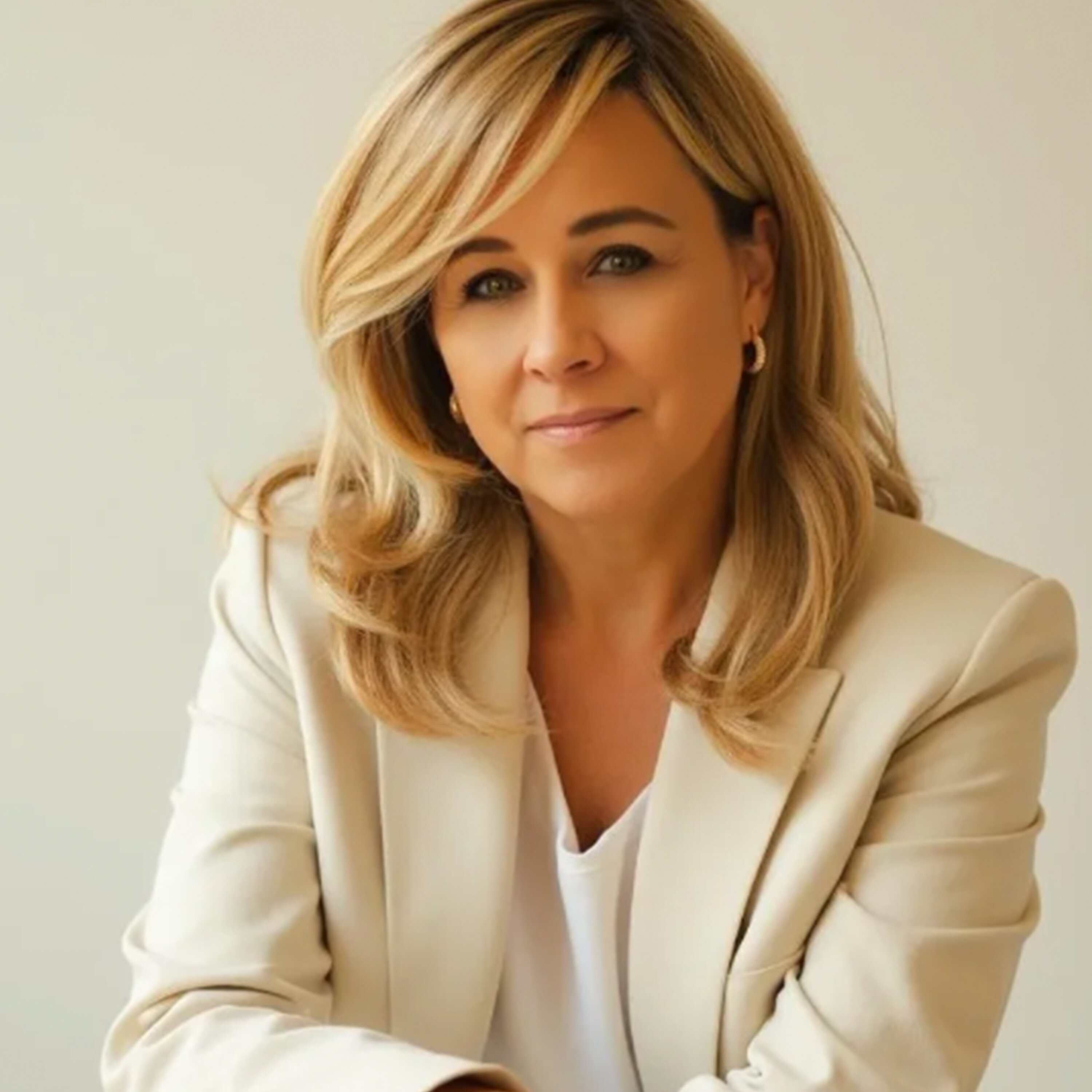
Episode 988: Inside the Battle for Free Speech on the Internet
Jun 1300:34:22Summary readyNewt talks with Sarah Westall, host of the Business Game Changers Podcast, about her legal battle against YouTube, Google, and the U.S. government over censorship and free speech on the internet. In 2020, Sarah Westall's YouTube channel with 130,000 subscribers was deleted overnight, along with many others. Westall believes this was due to her interviewing medical experts who disagreed with the COVID-19 narrative. After being reinstated for 3 days, Westall's channel was taken down again, and fake channels with her branding and content started appearing, which YouTube failed to remove despite Westall's requests. Section 230 of the Communications Decency Act was originally intended to protect online platforms and enable free speech but has been "weaponized" to allow Big Tech companies to censor content without impunity. Westall and her co-plaintiffs argue the courts have misinterpreted Section 230. Their case was filed in Washington, D.C. and is ongoing.See omnystudio.com/listener for privacy information.
Summary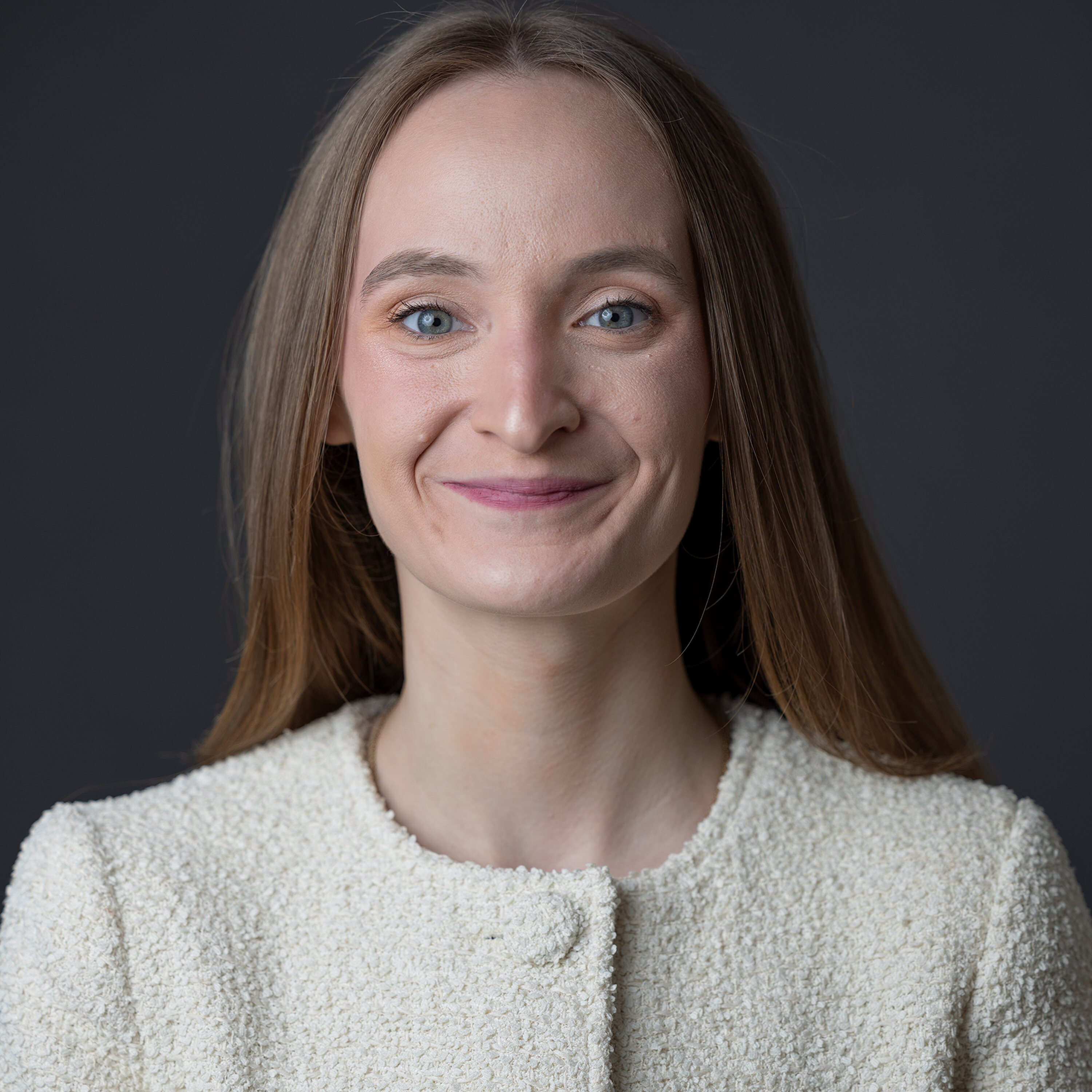
Episode 987: Obamacare Enrollment Fraud
Jun 1000:35:10Summary readyNewt talks with Elle Minarik, from the Paragon Health Institute, about their new report, “The Persistent Obamacare Enrollment Fraud” which details the widespread fraud and improper enrollment in Affordable Care Act (ACA) exchange plans, driven by enhanced federal subsidies, weak verification systems, and misaligned incentives for insurers and intermediaries. Paragon Health Institute’s analysis compares Census data on people with incomes between 100–150% of the federal poverty level to the number of highly subsidized enrollees, estimating that 6.2 million people are enrolled in heavily subsidized plans despite not having incomes in that range. They project about $25 billion per year in improper Obamacare enrollment by 2026, with at least $75 billion over the last three years, and note that in one year alone $40 billion in federal payments went to insurers for “zero-claim” enrollees who never used their coverage. Improper enrollment is highly concentrated in non–Medicaid expansion states, especially Florida and Texas, which together account for 63% of projected improper enrollees in 2026; five states including Florida, Texas, Georgia, South Carolina, and North Carolina account for 78%.See omnystudio.com/listener for privacy information.
Summary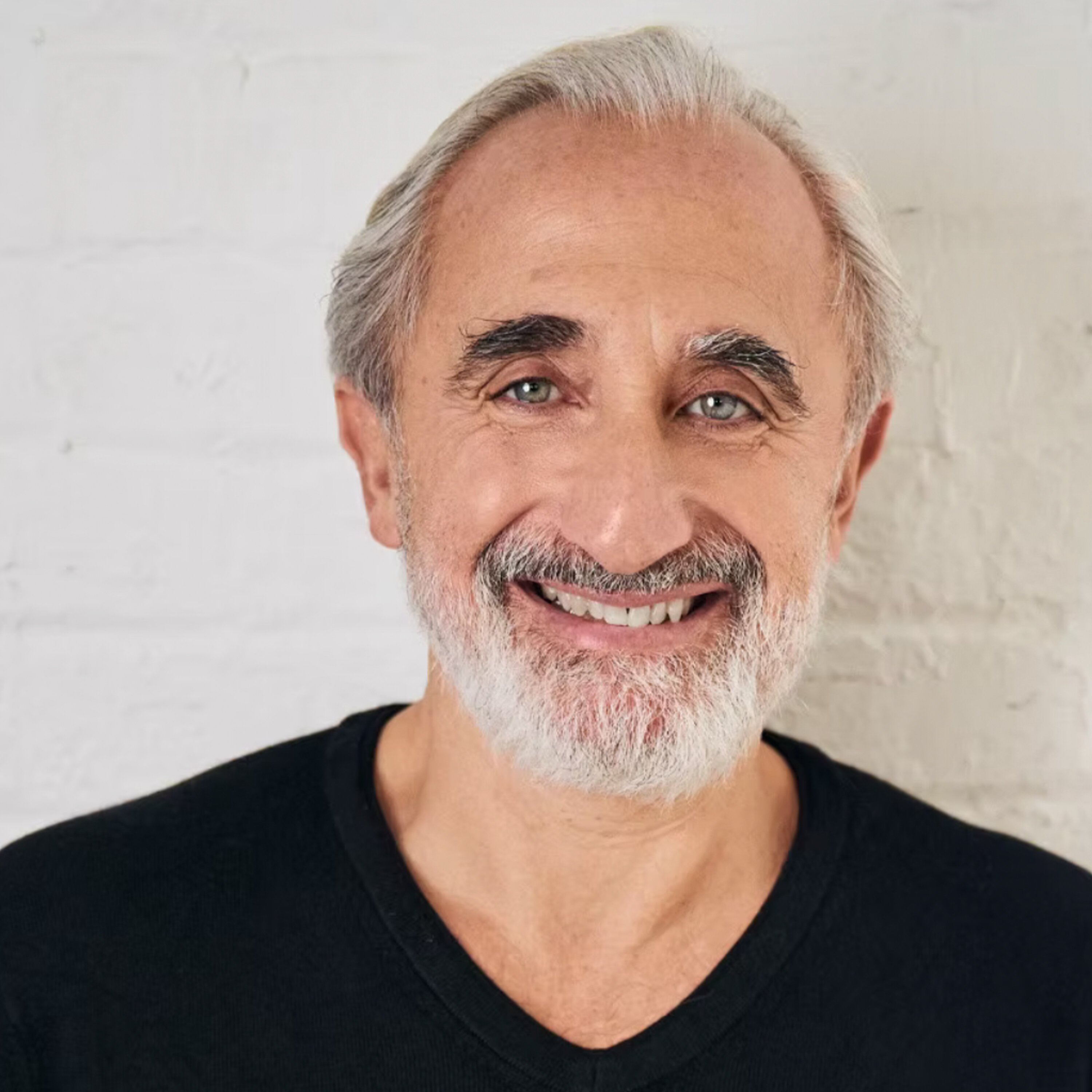
Episode 986: Gad Saad on “Suicidal Empathy”
Jun 700:34:24Summary readyNewt talks with Dr. Gad Saad, a scholar at the Declaration of Independence Center for the Study of American Freedom at the University of Mississippi and professor of marketing at Concordia University. His new book, “Suicidal Empathy: Dying to Be Kind,” is a number one New York Times nonfiction bestseller. Dr. Saad argues that empathy is vital but must be properly calibrated; too little empathy risks psychopathy, while “hyperactive empathy” misdirected toward the wrong targets becomes “suicidal empathy,” which he believes underlies many domestic and foreign policy failures. Dr. Saad links “Suicidal Empathy” to his earlier book “The Parasitic Mind,” arguing that human decision-making is shaped by both cognitive and affective systems. He claims that just as minds can be infected by ideological brainworms, they can also be captured by dysregulated empathy, allowing activists and policymakers to hijack emotional responses and override critical thinking. Dr. Saad dates the roots of today’s academic and cultural crises to “parasitic ideas” incubated in universities 50–100 years ago, including cultural relativism and postmodernism.See omnystudio.com/listener for privacy information.
Summary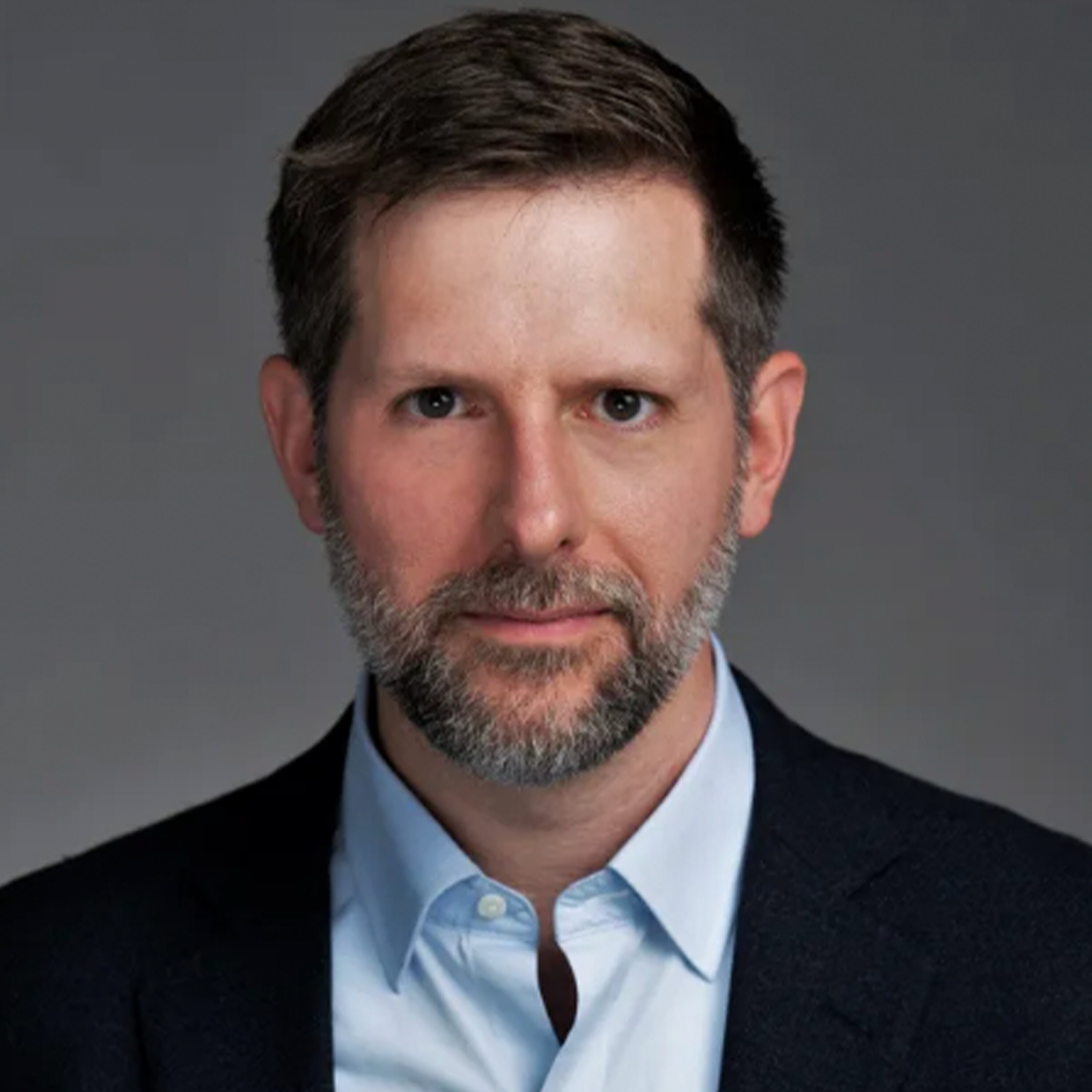
Episode 985: AI Update – Anthropic’s IPO, Pope Leo’s Encyclical and China
Jun 400:37:30Summary readyNewt talks with Neil Chilson, Head of AI Policy at the Abundance Institute about the latest AI news. They discuss Anthropic’s IPO and the current AI investment surge. Chilson maintains it is a genuine boom rather than a speculative bubble, driven by massive datacenter and energy buildouts that are already generating substantial revenue. Their conversation turns to Pope Leo’s 42,000-word encyclical on AI. Chilson praises its emphasis on human flourishing but notes its academic skepticism toward technology and markets and observes that it appears only four years into the AI era, long before the full benefits and risks are known. They discuss China as a “fast follower” pursuing “good enough” AI models powered by abundant energy and released as open source, in contrast to U.S. labs’ focus on proprietary frontier models, and Chilson cautions that China may gain economic and military advantages by rapidly integrating AI across its economy and systems even without surpassing U.S. model quality.See omnystudio.com/listener for privacy information.
Summary
Episode 984: Dan Doyle on “Of Roughnecks & Riches”
May 3100:26:19Summary readyNewt talks with Dan Doyle, president of Reliance Well Services and Arena Resources and author of the new book, “Of Roughnecks & Riches: A Start-Up in the Great American Fracking Boom.” They discuss his decision to found a fracking company in 2009 amid the post-2008 financial crisis, despite severe industry volatility and personal setbacks. Doyle recounts his early fascination with oil sparked by family drilling projects in northwestern Pennsylvania, his shift to geology at the University of Pittsburgh, and his early career raising money for wells in Pennsylvania and Texas. He characterizes the broader oil and gas sector as a high-risk, “cowboy” culture that persists even as the industry becomes more corporate. Doyle explains that he wrote “Of Roughnecks and Riches” because the chaotic, risk-filled story of his startup, from volatile partners and a truck builder who pulled a knife on him after receiving substantial funds, to visits from the Attorney General’s office, was too dramatic not to document.See omnystudio.com/listener for privacy information.
Summary
Episode 983: Brent Dusing on TruPlay
May 3000:32:36Summary readyNewt talks with Brent Dusing, Founder and CEO of TruPlay, a faith-based gaming and entertainment platform for children. They discuss the growing fears surrounding A.I. and the urgent need for values-driven technology. Dusing began his career at Menlo Ventures leading to his first startup, Cellfire. He describes his conversion to Christianity in the early 2000s and how it led him to create Lightside Games, a Christian gaming studio that reached over seven million players. He created TruPlay as a response to what he describes as a crisis facing American children and the time they spend on screens. TruPlay’s game design is protective: the platform has no chat rooms, no ads, and no micro-purchases, relying instead on a single subscription fee. He emphasizes that TruPlay’s mission is to safeguard children while providing enjoyable experiences that convey messages about God’s truth, aiming to create a space parents can trust. Dusing argues that current AI systems embed anti-Christian values and warns that as AI increasingly governs speech, social media access, and financial transactions, it could be used to classify Christian organizations as “dangerous” groups, restricting their funding and public presence.See omnystudio.com/listener for privacy information.
Summary
Episode 982: Scott Rasmussen on “Out of Touch”
May 2900:34:55Summary readyNewt talks with Scott Rasmussen, President of RMG Research, about his new book, “Out of Touch: The Elite One Percent and the Battle for America’s Soul.” They discuss the “We the People” project that gathered 1.6 million words from over 2,000 voters across every congressional district to draft a modern Declaration of American Ideals. Rasmussen describes the country as a “10-10-80” nation: 10% on the left and 10% on the right locked in conflict, while 80% quietly embrace founding ideals and focus on everyday life. Rasmussen’s research on the “elite 1%” identifies a small, politically active group, disproportionately postgraduates, high-income earners, and dense-city residents, whose views diverge sharply from most voters, including strong trust in the federal government, support for sweeping climate policies, and belief that Americans have too much individual freedom. He contends this elite group rejects core ideals of freedom, equality, and self-governance, with about half believing only college graduates should be allowed to vote and traces its intellectual lineage to Woodrow Wilson’s vision of “government by the unelected” and the administrative state.See omnystudio.com/listener for privacy information.
Summary