
Podcast
Short Wave
Hosted by NPR · EN
New discoveries, everyday mysteries, and the science behind the headlines — in just under 15 minutes. It's science for everyone, using a lot of creativity and a little humor. Join hosts Emily Kwong and Regina Barber for science on a different wavelength.
Support public media by joining NPR+ at plus.npr.org. You’ll get perks for over 25 NPR podcasts, including sponsor-free listening for Short Wave.
Support public media by joining NPR+ at plus.npr.org. You’ll get perks for over 25 NPR podcasts, including sponsor-free listening for Short Wave.
325episodes
Episodes
Newest firstAll episodes
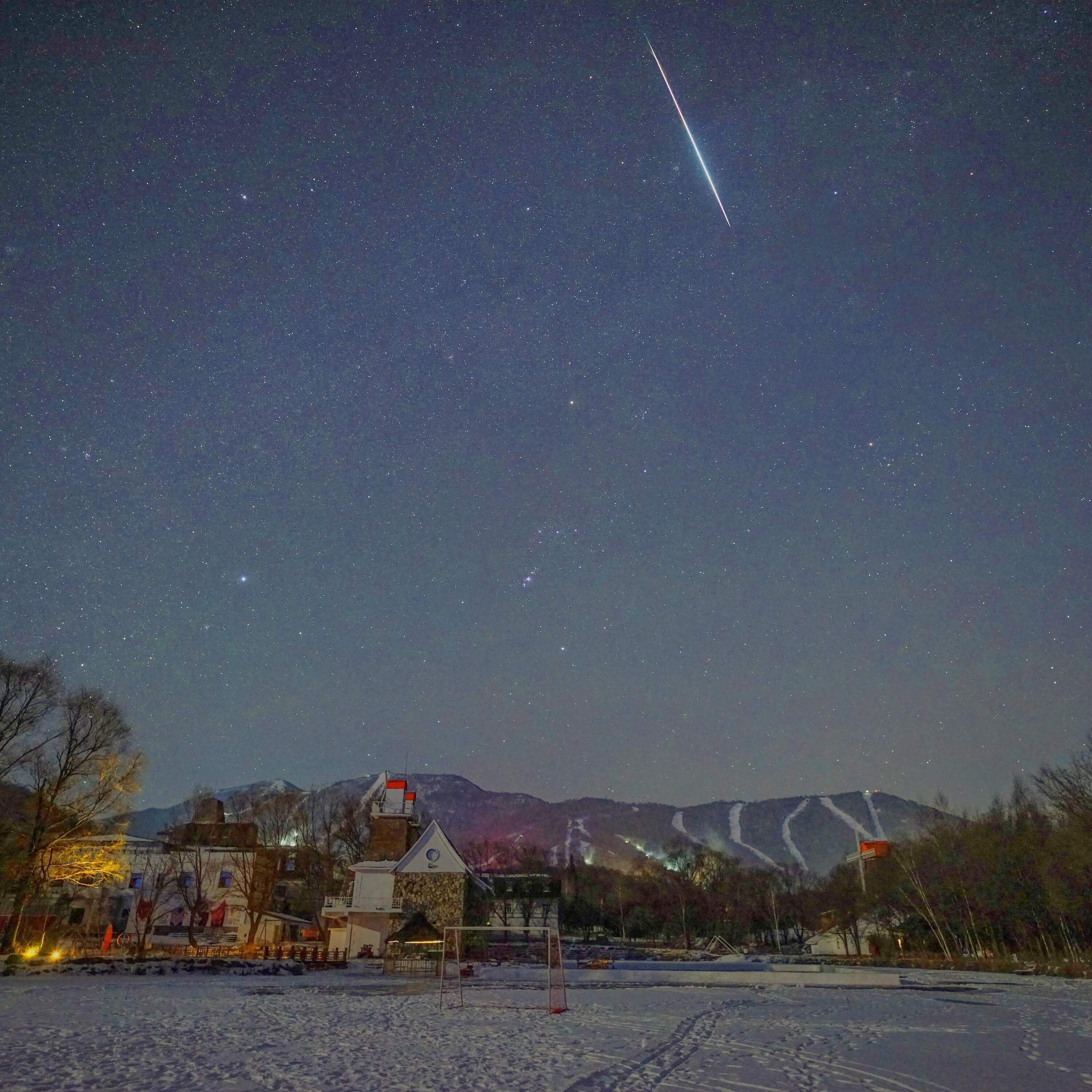
Shooting stars are just pea-sized rocks... and other space wonders
4d ago00:11:40Tap to summarizeAhead of the peak of the Perseid meteor shower, we're re-airing our first episode with host Regina G. Barber. In it, Regina and planetary scientist Melissa Rice explore all things shooting stars. They talk about the different types, where they come from and what they actually are (hint: not stars).Learn more about viewing the Perseids, which will peak Aug. 12: A Perfect Year for the Perseid Meteor ShowerInterested in more stellar science in the news? Email us your question at shortwave@npr.org.Support public media with NPR+ and enjoy perks for over 25 podcasts like this one. It includes perks like bonus episodes, early access, archive access, curated playlists and sponsor-free listening. Learn more at plus.npr.org. See pcm.adswizz.com for information about our collection and use of personal data for sponsorship and to manage your podcast sponsorship preferences.NPR Privacy Policy
Transcribe →
More food and money, less disease: Senegal's surprising eco-experiment
5d ago00:13:30Summary readyIn Senegal, rice farmers are trying to kill three birds with one stone – er, fish. Rice and fish are already a natural combination; they’re even the main ingredients of thieboudienne, the delicious national dish. But could that combination also reduce a debilitating disease, boost food security AND help farmers make more money? A team of researchers are conducting an ambitious experiment to see whether growing rice and fish together can be a win-win-win for Senegal, and NPR’s Jonathan Lambert came along for the ride.Interested in more science-based biological solutions? Email us your question at shortwave@npr.org.Support public media with NPR+ and enjoy perks for over 25 podcasts like this one. It includes perks like bonus episodes, early access, archive access, curated playlists and sponsor-free listening. Learn more at plus.npr.org.See pcm.adswizz.com for information about our collection and use of personal data for sponsorship and to manage your podcast sponsorship preferences.NPR Privacy Policy
Summary
The new era of AI-powered cybercrime
6d ago00:12:28Summary readyHacking has been on the rise around the world. In 2025, the FBI’s Internet Crime Complaint Center received over 1 million complaints of cybercrime, a record high in the US. Hackers are always getting more creative, and now they have a new tool at their disposal: AI. Interested in more tech in the news? Email us your question at shortwave@npr.org.Support public media with NPR+ and enjoy perks for over 25 podcasts like this one. It includes perks like bonus episodes, early access, archive access, curated playlists and sponsor-free listening. Learn more at plus.npr.org. See pcm.adswizz.com for information about our collection and use of personal data for sponsorship and to manage your podcast sponsorship preferences.NPR Privacy Policy
Summary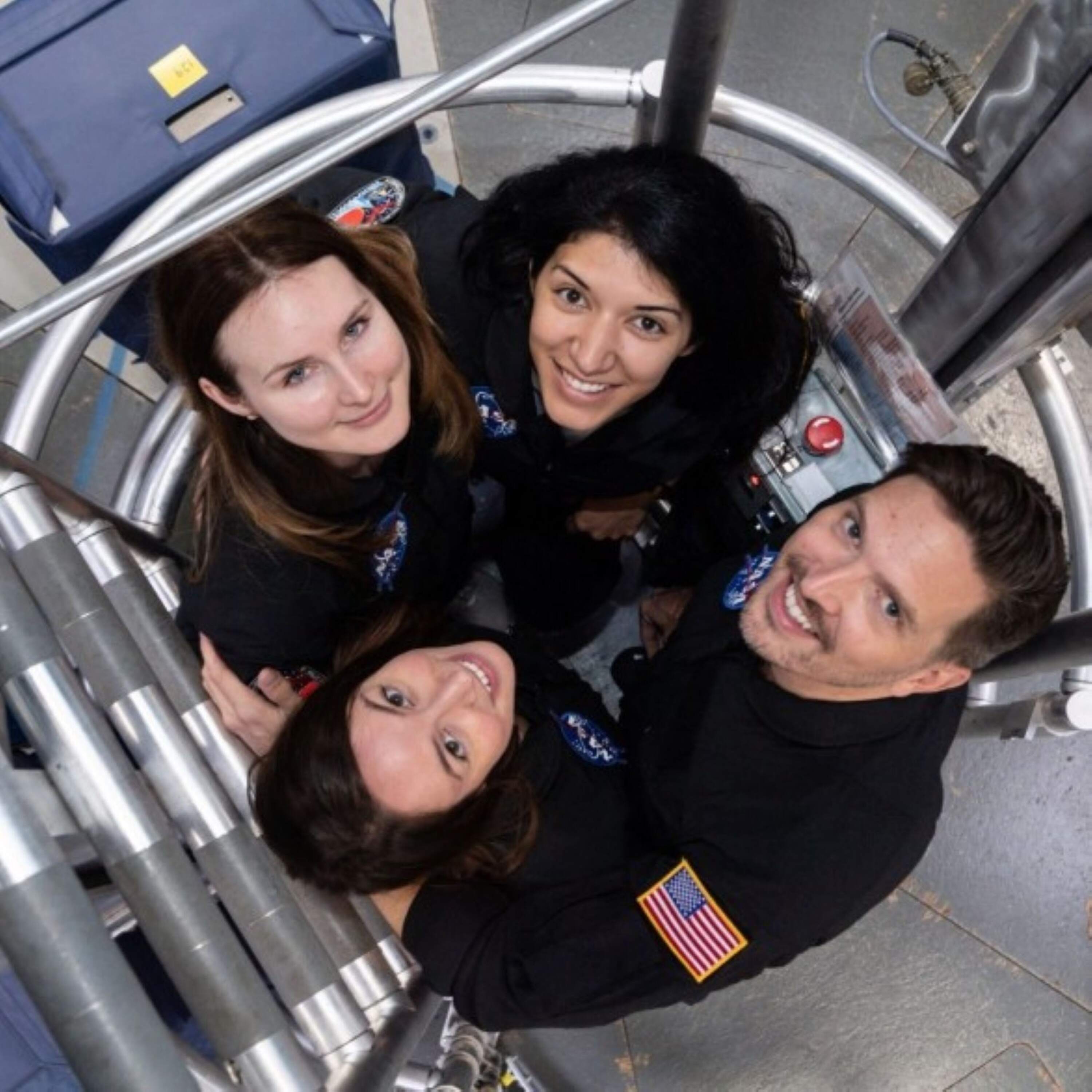
Want to spend a year living in NASA's Mars simulation?
1w ago00:12:07Summary readyHave you ever wanted to be an astronaut without risking your life in space? If so, we have the perfect opportunity for you. NASA is calling for people with a science background to apply for a simulated mission to the Moon and Mars. Four adults will spend a year isolated in two enclosures meant to simulate both traveling through deep space and living on Mars. Learn whether you fit the profile and what NASA researchers hope to learn from the mission in this episode.Interested in more space news? Email us your question at shortwave@npr.org and we may cover it in an upcoming segment.Support public media with NPR+ and enjoy perks for over 25 podcasts like this one. It includes perks like bonus episodes, early access, archive access, curated playlists and sponsor-free listening. Learn more at plus.npr.org. See pcm.adswizz.com for information about our collection and use of personal data for sponsorship and to manage your podcast sponsorship preferences.NPR Privacy Policy
Summary
Are extreme wildfires the new normal?
2w ago00:13:21Summary readyWith parts of the U.S, Canada, Spain and France all ablaze with wildfires, you might be wondering: Are wildfires on the rise? If so, know that you mind-melded with the entire Short Wave staff. We had the exact same thought – and then went down some reporting rabbit holes and turned it into a whole episode. And let us just say: The answer is surprisingly complicated! But don’t you worry. We get into all the nuances this episode.Interested in more science behind the headlines? Email us your question at shortwave@npr.org.Support public media with NPR+ and enjoy perks for over 25 podcasts like this one. It includes perks like bonus episodes, early access, archive access, curated playlists and sponsor-free listening. Learn more at plus.npr.org. See pcm.adswizz.com for information about our collection and use of personal data for sponsorship and to manage your podcast sponsorship preferences.NPR Privacy Policy
Summary
A cooler of eggs and a bold plan to save leopard sharks
2w ago00:13:40Summary readyLeopard sharks have nearly vanished from the waters in Raja Ampat, Indonesia. The country is one of the largest shark fishing nations in the world. Now, a first-of-its-kind conservation project is working to bring Indo-Pacific leopard sharks back from the brink of extinction. This international project hatches their eggs and raises shark pups to rewild them into the ocean where they once thrived. Will it be enough?For answers, we talk to freelance journalist Katerina Barton. She takes us behind-the-scenes to a shark nursery and shares what this conservation project could mean for other shark species.Interested in more conservation news? Email us your question at shortwave@npr.org.Support public media with NPR+ and enjoy perks for over 25 podcasts like this one. It includes perks like bonus episodes, early access, archive access, curated playlists and sponsor-free listening. Learn more at plus.npr.org. See pcm.adswizz.com for information about our collection and use of personal data for sponsorship and to manage your podcast sponsorship preferences.NPR Privacy Policy
Summary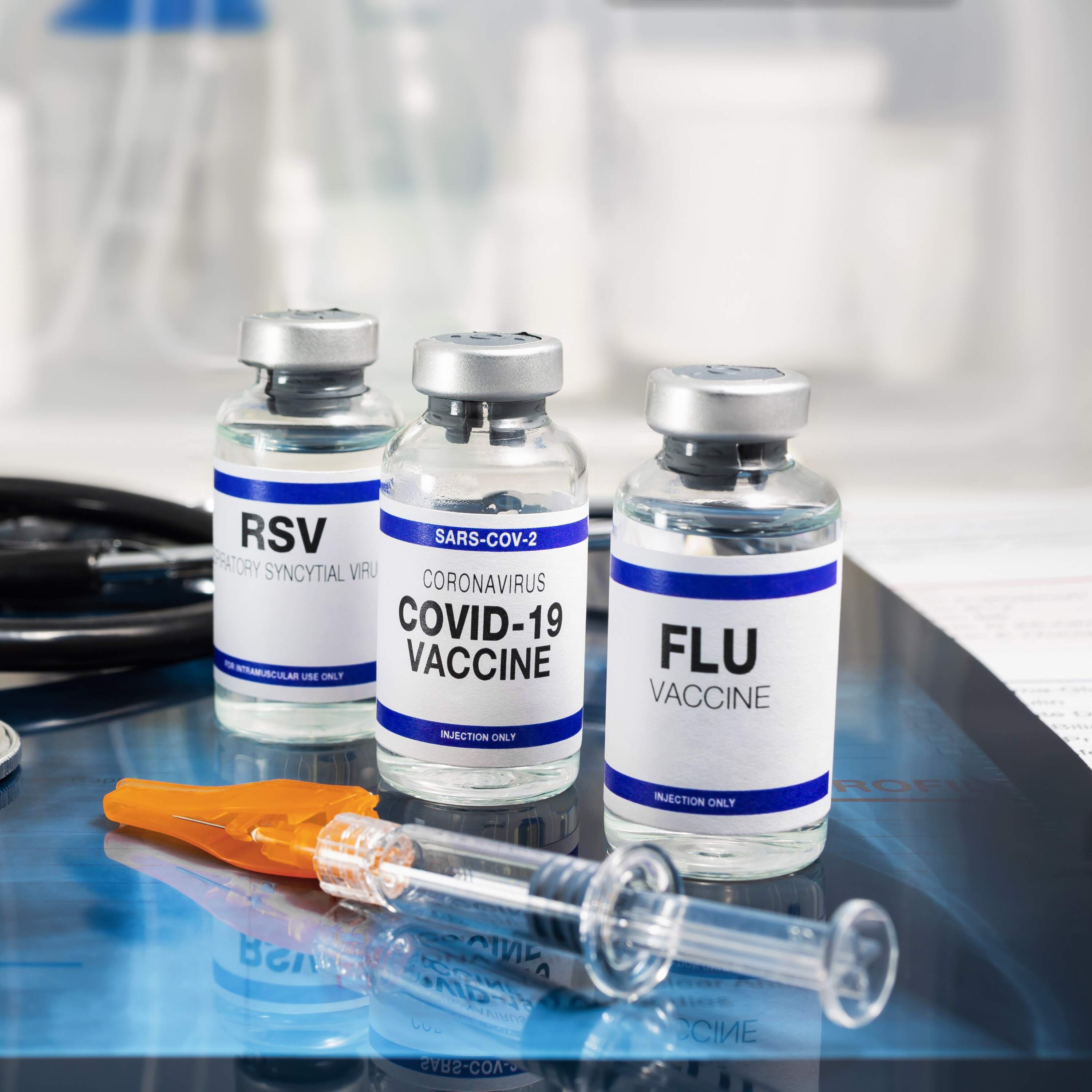
Could this nasal spray replace all your vaccines one day?
2w ago00:10:25Summary readyThere’s the flu vaccine. The covid shot. The RSV shot… What if all of these—and more—could be combined into one universal vaccine? That’s what immunologist Bali Pulendran is working on in his lab. For this episode in our Tech Camp series, Regina G. Barber talks to him about how far he’s gotten, how far he has to go and why our ancient immune system is the key to it all. Plus they discuss how the vaccine may not be a shot at all—but a needle-free nasal spray. Sources: Mucosal vaccination in mice provides protection from diverse respiratory threatsNon-specific effects of BCG vaccine on viral infectionsInterested in more science of the future? Email us your question at shortwave@npr.org.Support public media with NPR+ and enjoy perks for over 25 podcasts like this one. It includes perks like bonus episodes, early access, archive access, curated playlists and sponsor-free listening. Learn more at plus.npr.org. See pcm.adswizz.com for information about our collection and use of personal data for sponsorship and to manage your podcast sponsorship preferences.NPR Privacy Policy
Summary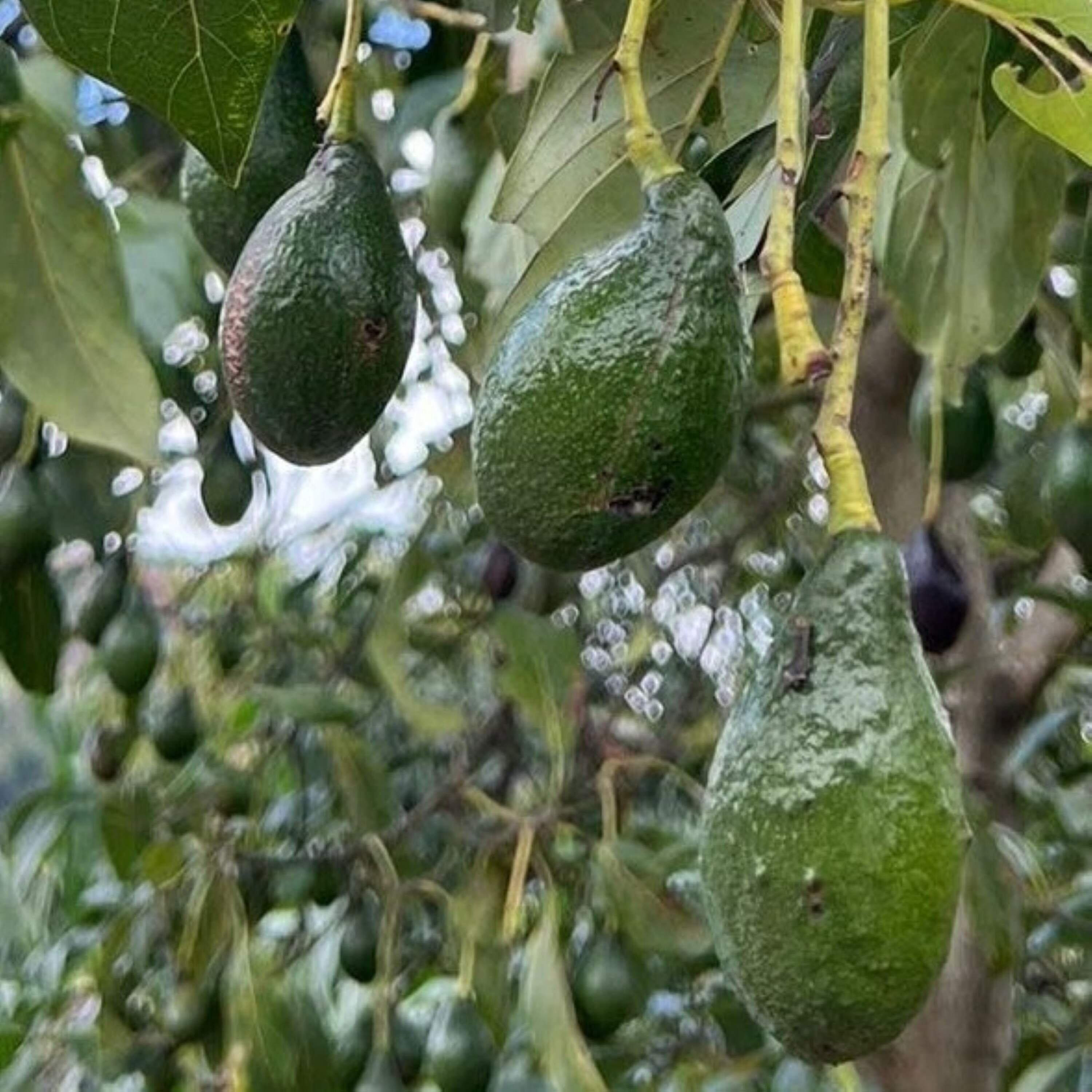
The problem with modern avocados — and the ancient solution
2w ago00:09:33Summary readyDid you know that when you pick up avocados at the supermarket, make avocado toast at home or order guacamole in your burrito, you’re probably consuming only one genetic type of avocado? Yep, it’s the Hass avocado. Since it originated in California in the 20th century, it’s been grafted onto trees worldwide. And today, it makes up more than 80 percent of commercial avocado production. Its bounty is a double-edged sword: It makes our avocados consistent; it also makes them susceptible to threats like new diseases and climate problems. In other words, we’re putting all of our eggs – er, avocados – in one basket. This episode, we get the inside scoop on new research that could help shore up the avocado’s chances at a long, more genetically diverse future. That way, avocados and their lovers alike can continue to thrive in the future.Read the research paper here.Interested in more plant anthropology science? Email us your question at shortwave@npr.org.Support public media with NPR+ and enjoy perks for over 25 podcasts like this one. It includes perks like bonus episodes, early access, archive access, curated playlists and sponsor-free listening. Learn more at plus.npr.org. See pcm.adswizz.com for information about our collection and use of personal data for sponsorship and to manage your podcast sponsorship preferences.NPR Privacy Policy
Summary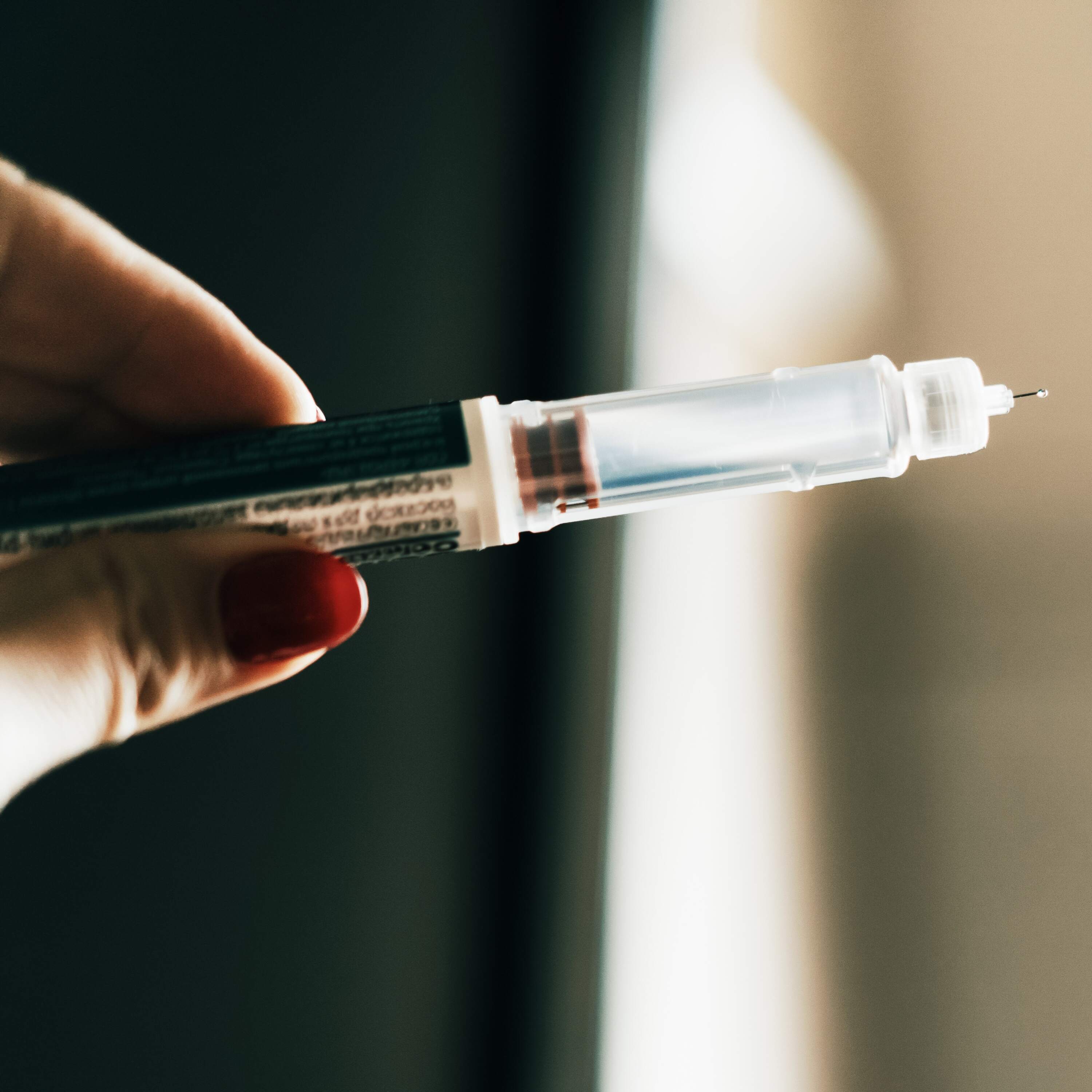
Does the science of peptides live up to the hype?
3w ago00:12:52Summary readySynthetic peptides are getting some serious hype, from fitness influencers on your FYP to people seeking new options for chronic conditions. And while the human body already makes peptides, like insulin and the hormone oxytocin, most of the viral synthetic peptides are not approved by the Food and Drug Administration. Scientists say that raises some big concerns about safety and efficacy. So ahead of this week’s FDA meeting to discuss seven commonly used peptides, we get into the science with health reporter Sarah Boden.Interested in more science behind health trends? Email us your question at shortwave@npr.org.Support public media with NPR+ and enjoy perks for over 25 podcasts like this one. It includes perks like bonus episodes, early access, archive access, curated playlists and sponsor-free listening. Learn more at plus.npr.org. See pcm.adswizz.com for information about our collection and use of personal data for sponsorship and to manage your podcast sponsorship preferences.NPR Privacy Policy
Summary
Cyclosporiasis: the science, risks and red flags
3w ago00:10:36Summary readyWhat’s small, round and could give you explosive diarrhea? Cyclospora parasites. The diarrheal disease they cause is wreaking havoc on thousands this summer in what is the largest known flare up in the U.S. ever. What’s causing it and what can we do about it? NPR’s Joseph Kim joins host Nate Rott to talk about the outbreak – and how to protect yourself and your loved ones.Read more of Joseph’s reporting on cyclosporiasis here. Interested in more science in the news? Email us your question at shortwave@npr.org.Support public media with NPR+ and enjoy perks for over 25 podcasts like this one. It includes perks like bonus episodes, early access, archive access, curated playlists and sponsor-free listening. Learn more at plus.npr.org.See pcm.adswizz.com for information about our collection and use of personal data for sponsorship and to manage your podcast sponsorship preferences.NPR Privacy Policy
Summary