
Podcast
Short Wave
Hosted by NPR · EN
New discoveries, everyday mysteries, and the science behind the headlines — in just under 15 minutes. It's science for everyone, using a lot of creativity and a little humor. Join hosts Emily Kwong and Regina Barber for science on a different wavelength.
Support public media by joining NPR+ at plus.npr.org. You’ll get perks for over 25 NPR podcasts, including sponsor-free listening for Short Wave.
Support public media by joining NPR+ at plus.npr.org. You’ll get perks for over 25 NPR podcasts, including sponsor-free listening for Short Wave.
325episodes
Episodes
Newest firstAll episodes

Are Trump and AI driving a nuclear power boom?
3w ago00:13:46Summary readyA race started by President Trump is leading to the rapid construction of new, experimental nuclear reactors. If they work, they could power data centers for artificial intelligence. But critics worry that the breakneck pace is compromising safety and public trust. NPR correspondent Geoff Brumfiel talks about the potential risks and benefits, and whether this may lead to a new nuclear age.Read more of Geoff’s coverage of the U.S.’s new nuclear reactors here.If you like this episode, check out our episode about what happens inside a top-secret U.S. nuclear facility?Interested in more science and tech news? Email us your question at shortwave@npr.org.Support public media with NPR+ and enjoy perks for over 25 podcasts like this one. It includes perks like bonus episodes, early access, archive access, curated playlists and sponsor-free listening. Learn more at plus.npr.org. See pcm.adswizz.com for information about our collection and use of personal data for sponsorship and to manage your podcast sponsorship preferences.NPR Privacy Policy
Summary
Why did designing the World Cup pitches take eight years?
3w ago00:13:21Summary readyYamal and Messi aren’t the only stars of the World Cup finals. If you’ve been watching any of the games, you’ve probably stared directly at a huge, unsung hero: the turf. Turf grass science is a real thing, and it’s John Sorochan’s area of expertise. He’s a scientist at the University of Tennessee at Knoxville, and he’s spent the last eight years preparing for the grass pitch the players are scoring on. John had the daunting task of figuring out how to create consistency and uniformity across all the World Cup stadiums. That meant dozens of team base camps and 16 different stadiums where turf had to weather all kinds of conditions – from Mexico City’s high altitude, to Miami’s sweltering heat. Today on Short Wave, we dive into the science behind it all. Interested in more science behind your favorite sports? Email us your question at shortwave@npr.org.Support public media with NPR+ and enjoy perks for over 25 podcasts like this one. It includes perks like bonus episodes, early access, archive access, curated playlists and sponsor-free listening. Learn more at plus.npr.org. See pcm.adswizz.com for information about our collection and use of personal data for sponsorship and to manage your podcast sponsorship preferences.NPR Privacy Policy
Summary
Our favorite brains, including Einstein's stolen one
3w ago00:13:52Summary readyAt Short Wave, we love a good brain. Which is why we’ve had a lot of conversations over the years with NPR’s neuroscience reporter, Jon Hamilton. Jon’s been writing about brains for over 15 years, from tiny brain organoids that grow in a dish, to fruit fly brains, mouse brains and some really memorable human brains. But Jon is retiring, so today on the show he joins us to share the most memorable brains he’s come across in the past couple of decades. Interested in more brain science? Email us your question at shortwave@npr.org.Listen to every episode of Short Wave sponsor-free and support our work at NPR by signing up for Short Wave+ at plus.npr.org/shortwave.See pcm.adswizz.com for information about our collection and use of personal data for sponsorship and to manage your podcast sponsorship preferences.NPR Privacy Policy
Summary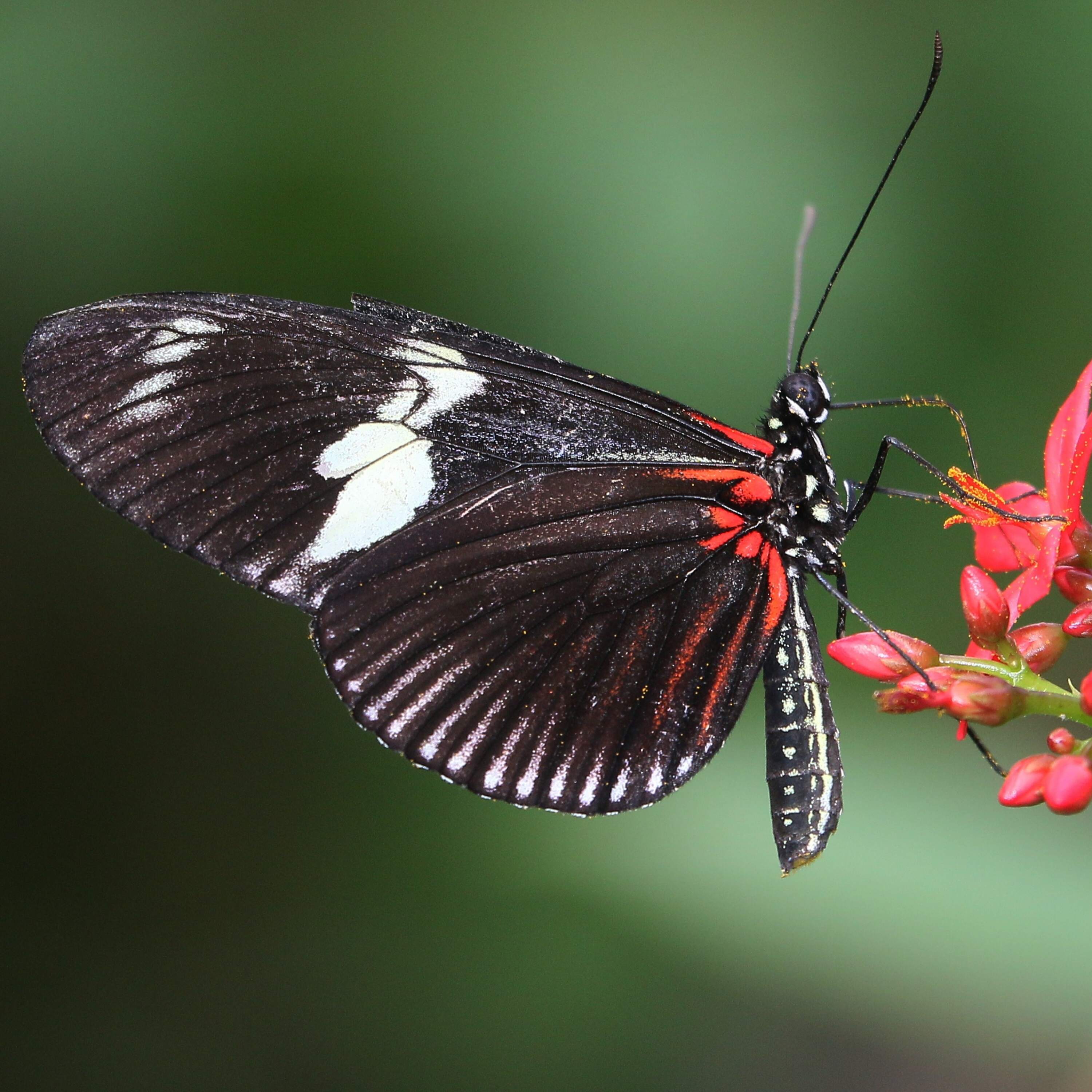
What's this super-aging butterfly’s longevity secret?
4w ago00:13:18Summary readyWhat if there were a great ape species that could live over 1,000 years? That’s basically Heliconius in the butterfly world. The insects live around 25 times longer than their butterfly cousins, and scientists think they have one clue as to why: pollen. But as Katie Wu, a science writer at The Atlantic, explains, that’s not the whole story. She and host Nate Rott also talk about how bats sip from the fountain of youth – and what it all may mean for humans.Read Katie's full story here.If you liked this episode, check out our episode on a pill that could extend dogs’ lives…and maybe yours someday. Interested in more science about aging? Email us your question at shortwave@npr.org.Support public media with NPR+ and enjoy perks for over 25 podcasts like this one. It includes perks like bonus episodes, early access, archive access, curated playlists and sponsor-free listening. Learn more at plus.npr.org. See pcm.adswizz.com for information about our collection and use of personal data for sponsorship and to manage your podcast sponsorship preferences.NPR Privacy Policy
Summary
How should we decide who, or what, is conscious?
4w ago00:13:06Summary readyIn the age of AI, what differentiates humans from robots? What makes humans … human? To find answers, many people are studying consciousness: our capacity for experience. But doctors and researchers still have a long way to go when it comes to finding new ways to detect consciousness in humans — much less computer software. That gets especially tricky when people are unable to use their words or bodies to tell others whether or not they’re conscious, like in vegetative states. Today on Short Wave, how some researchers are finding ways to get around those limitations. Interested in more tech episodes? Email us your question at shortwave@npr.org.Listen to every episode of Short Wave sponsor-free and support our work at NPR by signing up for Short Wave+ at plus.npr.org/shortwave.See pcm.adswizz.com for information about our collection and use of personal data for sponsorship and to manage your podcast sponsorship preferences.NPR Privacy Policy
Summary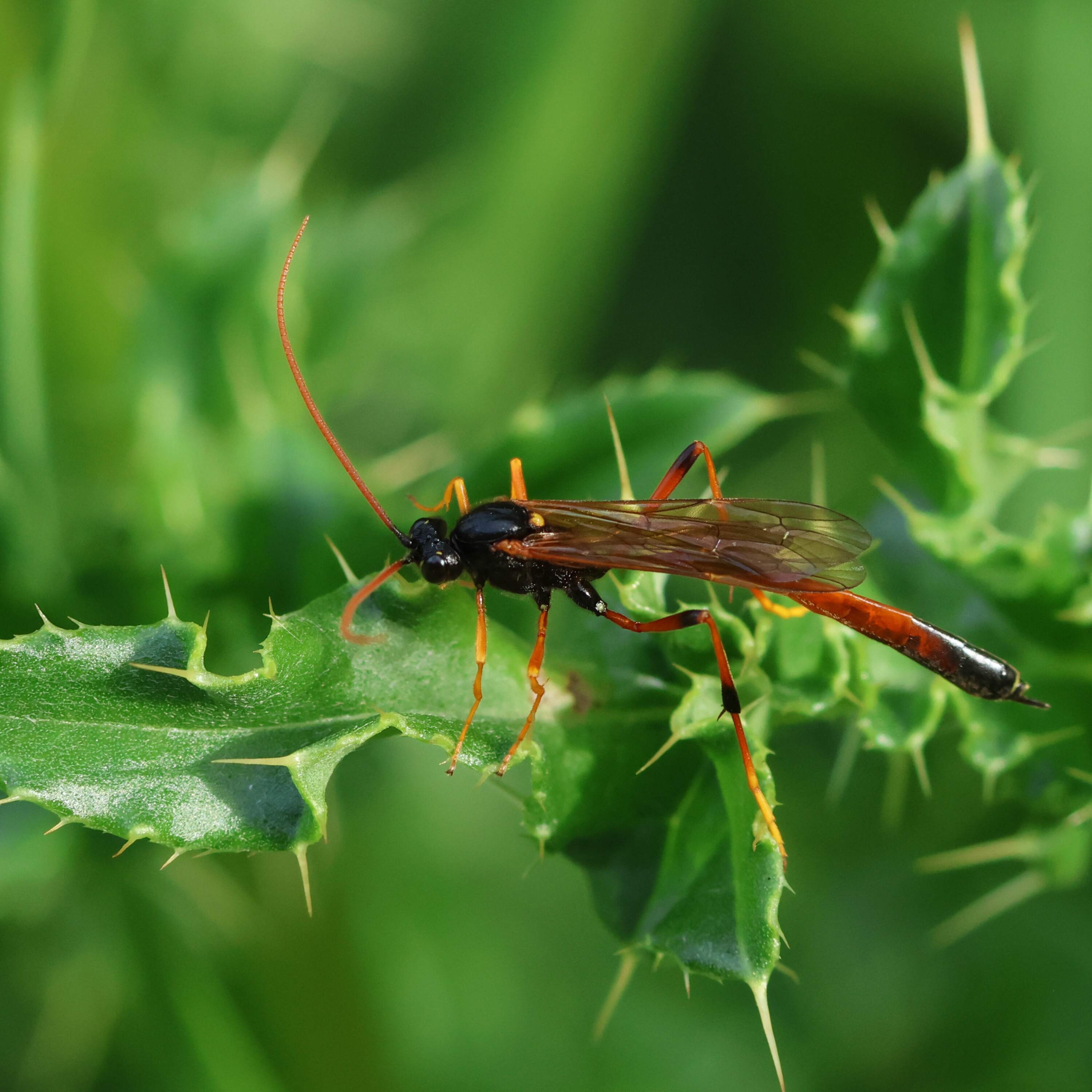
Plot twist: We're probably way undercounting insects on Earth
4w ago00:09:28Summary readyMaybe you’ve wondered about it late at night as a mosquito buzzes in your ear. Or when you kick over a rock and watch dozens of little critters crawl away: How many types of insects are there in the world? Scientists have been interested in answering this question for years. A new study — based on a census of tiny and, frankly terrifying, parasitoid wasps — suggests there’s way more than previously thought. Like, millions more that are just waiting to be discovered. Interested in more bug science in the news? Email us your question at shortwave@npr.org.Support public media with NPR+ and enjoy perks for over 25 podcasts like this one. It includes perks like bonus episodes, early access, archive access, curated playlists and sponsor-free listening. Learn more at plus.npr.org. See pcm.adswizz.com for information about our collection and use of personal data for sponsorship and to manage your podcast sponsorship preferences.NPR Privacy Policy
Summary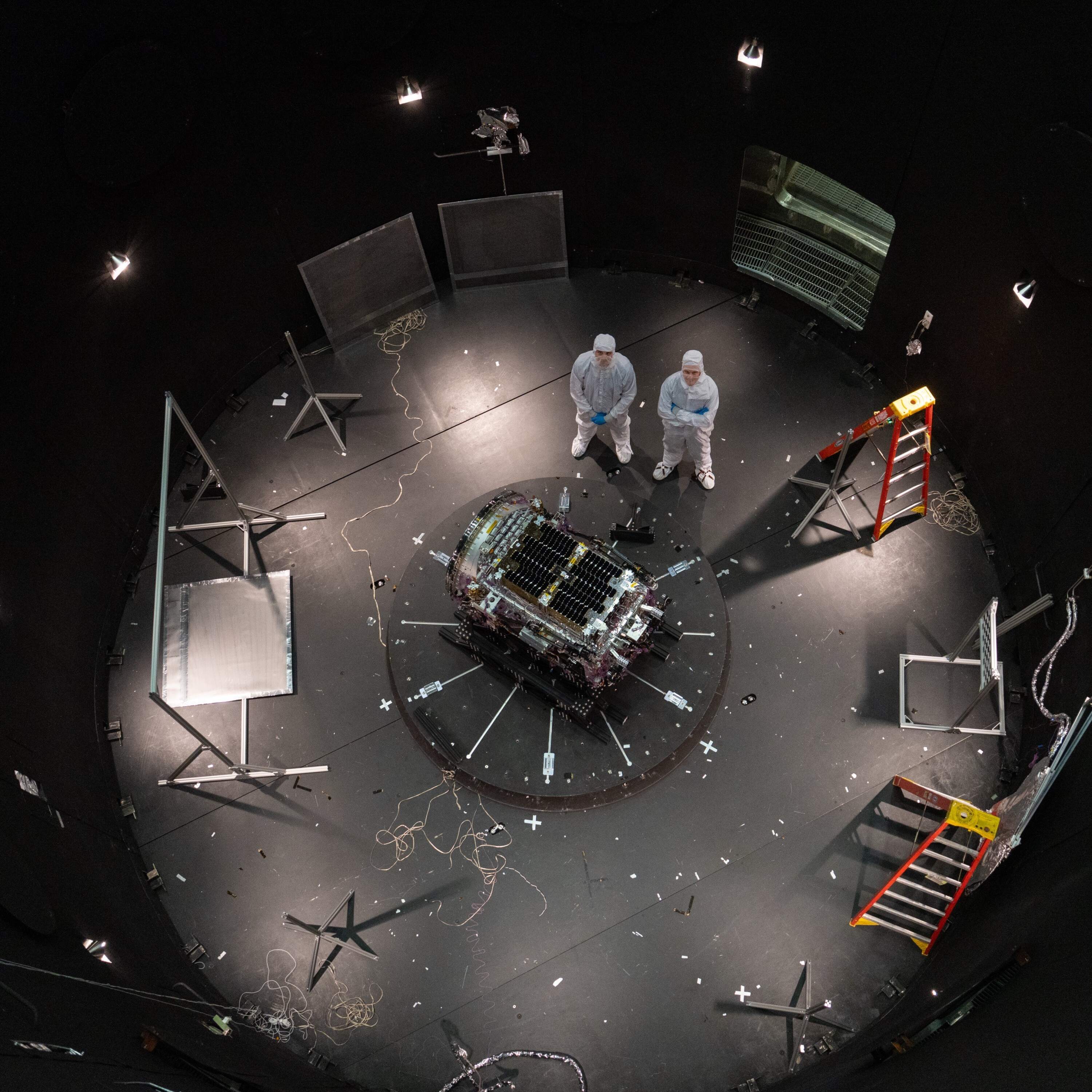
NASA's race against time to rescue a falling satellite
Jul 800:11:27Summary readyA valuable NASA satellite observatory is falling to Earth faster than scientists expected. It’s called the Neil Gehrels Swift Observatory, or “Swift” for short, and it can respond to celestial events much faster than its sky-gazing counterparts. To save Swift and test out a first-of-its-kind technology, NASA partnered with an Arizona-based startup to launch a refrigerator-sized robot, aptly named Link, into lower Earth orbit. That’s on its way right now to meet up with Swift to give it a boost.Interested in more science in the news? Email us your question at shortwave@npr.org.Support public media with NPR+ and enjoy perks for over 25 podcasts like this one. It includes perks like bonus episodes, early access, archive access, curated playlists and sponsor-free listening. Learn more at plus.npr.org. See pcm.adswizz.com for information about our collection and use of personal data for sponsorship and to manage your podcast sponsorship preferences.NPR Privacy Policy
Summary
Could this anti-aging dog pill lead to one for you too?
Jul 700:11:23Summary readyEvery dog lover’s greatest fear is inevitably losing their pet to time. We want our furry pals to stick around as long as they can. That wish may soon become reality with a new pill from a company called Loyal. It aims to extend the lives–and health–of dogs. This new drug also serves as a pitstop on a much bigger quest: to eventually lengthen human lives.Interested in more science about your pets? Email us your question at shortwave@npr.org.Support public media with NPR+ and enjoy perks for over 25 podcasts like this one. It includes perks like bonus episodes, early access, archive access, curated playlists and sponsor-free listening. Learn more at plus.npr.org. See pcm.adswizz.com for information about our collection and use of personal data for sponsorship and to manage your podcast sponsorship preferences.NPR Privacy Policy
Summary
Sky Uber? Air taxis could be here soon
Jul 600:14:05Summary readyTaking an air taxi to the airport may become as simple as ordering a ride share today. In our first episode in our summer series Tech Camp, we explore how a futuristic vehicle that transforms from helicopter to propeller plane is already taking flight in New York and San Francisco. This new kind of commuting might be here sooner than you think: A law just went into effect to build infrastructure for them in places like airports. Short Wave host Regina Barber speaks with the startup Joby and Georgia Tech aerospace experts about the safety, the science and what an actual ride would look like from app to air. Plus, we get into the history of the air taxis of the past and why those airlines no longer exist.Interested in more tech episodes? Email us your question at shortwave@npr.org.Listen to every episode of Short Wave sponsor-free and support our work at NPR by signing up for Short Wave+ at plus.npr.org/shortwave.See pcm.adswizz.com for information about our collection and use of personal data for sponsorship and to manage your podcast sponsorship preferences.NPR Privacy Policy
Summary
This July 4th, are you a thrill- or chill-seeker?
Jul 300:13:19Summary readyIndependence Day is approaching!Imagine if someone has procured illegal fireworks from a couple of states over. Are you:1. first in line to light them?2. content to watch while others set them off?3. going to find a fire extinguisher — just in case — while loudly condemning the activity?Ken Carter, a psychologist at Oxford College of Emory University, says everyone has a different level of sensation-seeking. This episode, we get into the factors at play, like people's brain chemistry, when deciding whether or not to do an activity, like setting off fireworks.For low and average sensation-seekers, very thrilling activities like large, self-run fireworks displays can cause their bodies to produce a lot of cortisol, a stress hormone.On the other hand, high sensation-seekers, Carter says, "don't tend to produce that much cortisol when they're in those highly chaotic experiences. So when they're seeing those fireworks, they actually produce higher amounts of another chemical called dopamine, which is a neurotransmitter or a chemical messenger that's involved in pleasure."Carter has developed a 40-point self-assessment survey for people to figure out how much of a sensation-seeker they are. The survey can be found in his book, Buzz!Interested in more psychology episodes? Email us your question at shortwave@npr.org.Support public media with NPR+ and enjoy perks for over 25 podcasts like this one. It includes perks like bonus episodes, early access, archive access, curated playlists and sponsor-free listening. Learn more at plus.npr.org. See pcm.adswizz.com for information about our collection and use of personal data for sponsorship and to manage your podcast sponsorship preferences.NPR Privacy Policy
Summary