
Podcast
Short Wave
Hosted by NPR · EN
New discoveries, everyday mysteries, and the science behind the headlines — in just under 15 minutes. It's science for everyone, using a lot of creativity and a little humor. Join hosts Emily Kwong and Regina Barber for science on a different wavelength.
Support public media by joining NPR+ at plus.npr.org. You’ll get perks for over 25 NPR podcasts, including sponsor-free listening for Short Wave.
Support public media by joining NPR+ at plus.npr.org. You’ll get perks for over 25 NPR podcasts, including sponsor-free listening for Short Wave.
332episodes
Episodes
Newest firstAll episodes

Why renaming this common hormonal disorder is a huge deal
May 2000:13:31Summary readyYou probably know someone who has a condition that, until last week, was known as PCOS, or polycystic ovary syndrome. It affects one in eight reproductive-aged women. But despite it being such a common disorder, patients are often misdiagnosed and have delayed treatment. Now, medical professionals are trying to change that. After 15 years of work, the condition has been renamed to PMOS, or polyendocrine metabolic ovarian syndrome. The new name reflects the real driver of the condition: disruptions in hormones. But how much can changing a name really do? Click here to access resources about PMOS in multiple languages. Interested in more science? Email us your question at shortwave@npr.org.Listen to every episode of Short Wave sponsor-free and support our work at NPR by signing up for Short Wave+ at plus.npr.org/shortwave.See pcm.adswizz.com for information about our collection and use of personal data for sponsorship and to manage your podcast sponsorship preferences.NPR Privacy Policy
Summary
A solution for California's water woes
May 1900:14:27Summary readyFor years, farmers in California have been pumping huge amounts of water from their wells to irrigate their crops. The state’s Central Valley is the nation’s single biggest source for many different foods. But all that water use is making aquifers shrink, wells go dry and, in some places, the ground sink. Science reporter Dan Charles has been looking into the issue and is on the show today to talk about what happens when water gets scarce. What is it like for farmers? And for the people enforcing new water restrictions? If you liked this episode, check out some of our other recent water stories – including why the world’s freshwater is getting saltier, what’s happening to our groundwater supply, and what happens when a city runs out of water.Interested in more stories about water, farming and food production? Email us your question at shortwave@npr.org.Listen to every episode of Short Wave sponsor-free and support our work at NPR by signing up for Short Wave+ at plus.npr.org/shortwave.See pcm.adswizz.com for information about our collection and use of personal data for sponsorship and to manage your podcast sponsorship preferences.NPR Privacy Policy
Summary
What's up with your nightmares?
May 1800:14:17Summary readyDreams of flying? Nightmares of teeth falling out? Falling off a cliff? As a sleep scientist at the University of Montreal, Michelle Carr has pretty much heard it all. In Michelle’s new book Nightmare Obscura, she explores the science of dreams, nightmares – and even something called dream engineering, where people influence their own dreams while they sleep. Today on Short Wave, co-host Regina G. Barber dives into the science of our sleeping life with Michelle Carr. (encore)Interested in any upcoming science books? Email us your question at shortwave@npr.org.Listen to every episode of Short Wave sponsor-free and support our work at NPR by signing up for Short Wave+ at plus.npr.org/shortwave.See pcm.adswizz.com for information about our collection and use of personal data for sponsorship and to manage your podcast sponsorship preferences.NPR Privacy Policy
Summary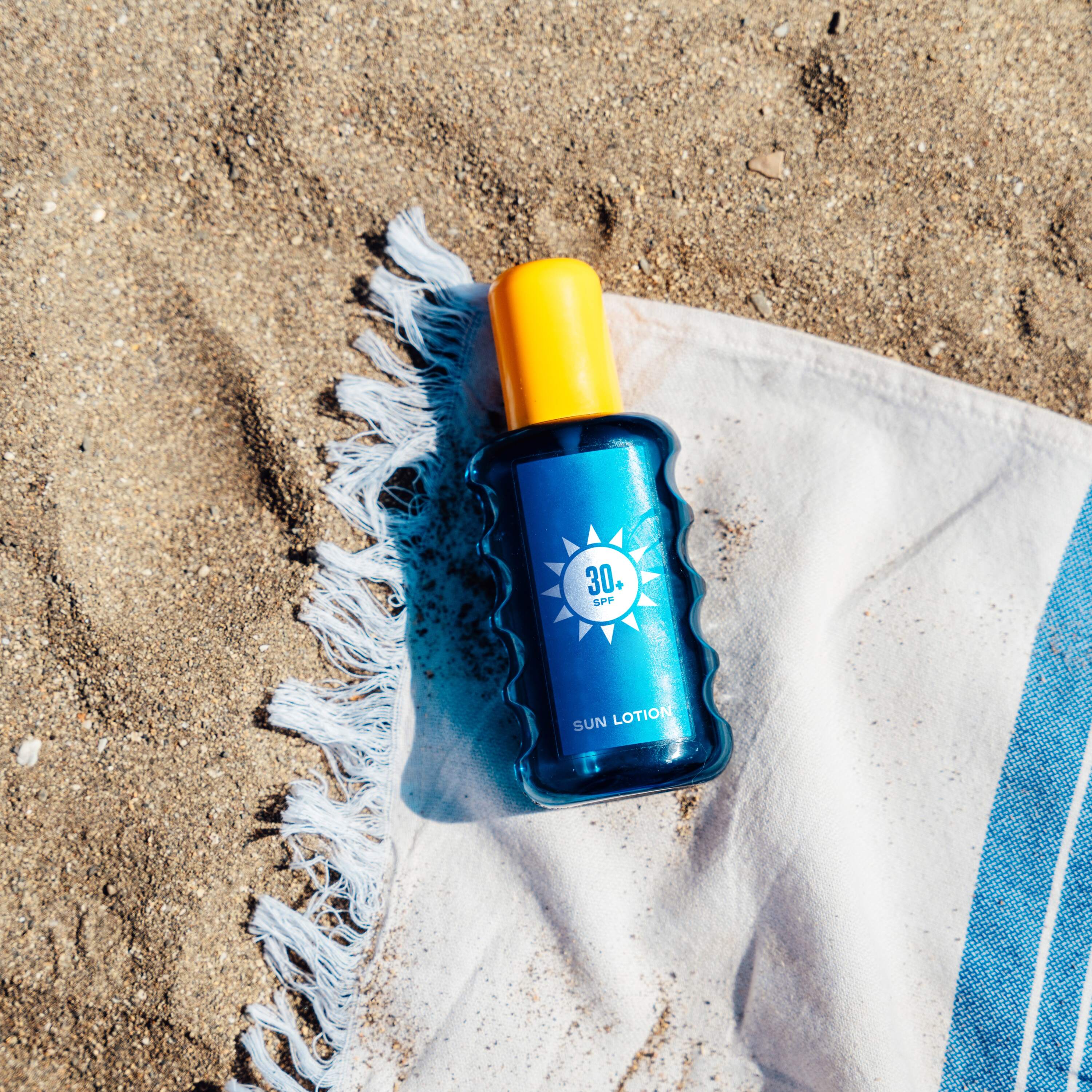
A chemical found in fish could help reinvent your sunscreen
May 1500:10:32Summary readyIt’s been over 25 years since the FDA approved a new ingredient for sunscreen in the United States. But a molecule called gadusol found in fish and coral reefs is a promising candidate. It absorbs U.V. rays — acting like a built-in sunscreen for fish. But there’s a big hurdle if scientists want to turn gadusol into human sunscreen: They’d need to make a lot of it. A new study out this week in the journal Trends in Biotechnology takes us a big step closer. Their solution? Using the bacteria best known for making your stomach hurt: e. Coli. Interested in more science? Email us your question at shortwave@npr.org.Listen to every episode of Short Wave sponsor-free and support our work at NPR by signing up for Short Wave+ at plus.npr.org/shortwave.See pcm.adswizz.com for information about our collection and use of personal data for sponsorship and to manage your podcast sponsorship preferences.NPR Privacy Policy
Summary
Should you be fibermaxxing? Here's what the science says
May 1300:12:00Summary readyThe average person eats 10-15 grams of fiber per day, according to the USDA. The problem? That’s WAY under the recommended daily amount. Fiber – a type of carb that our bodies are unable to digest – is prevalent in foods like fruits, veggies, whole grains, and beans. And it’s key for everything from feelings of fullness, to gut health, to good poop. That’s why a lot of people online are “fibermaxxing”: trying to meet or exceed the daily recommendation of fiber, in hopes it’ll improve their health. But how should YOU add fiber to your diet… and are the fibermaxxers overdoing it? Gastroenterologist Berkeley Limketkai is here to help parse the science on how little fiber is too little, how much fiber is too much – and, like Goldilocks, how we can figure out the amount that’s just right.Interested in more food and dietary science? Email us your question at shortwave@npr.org.Listen to every episode of Short Wave sponsor-free and support our work at NPR by signing up for Short Wave+ at plus.npr.org/shortwave.See pcm.adswizz.com for information about our collection and use of personal data for sponsorship and to manage your podcast sponsorship preferences.NPR Privacy Policy
Summary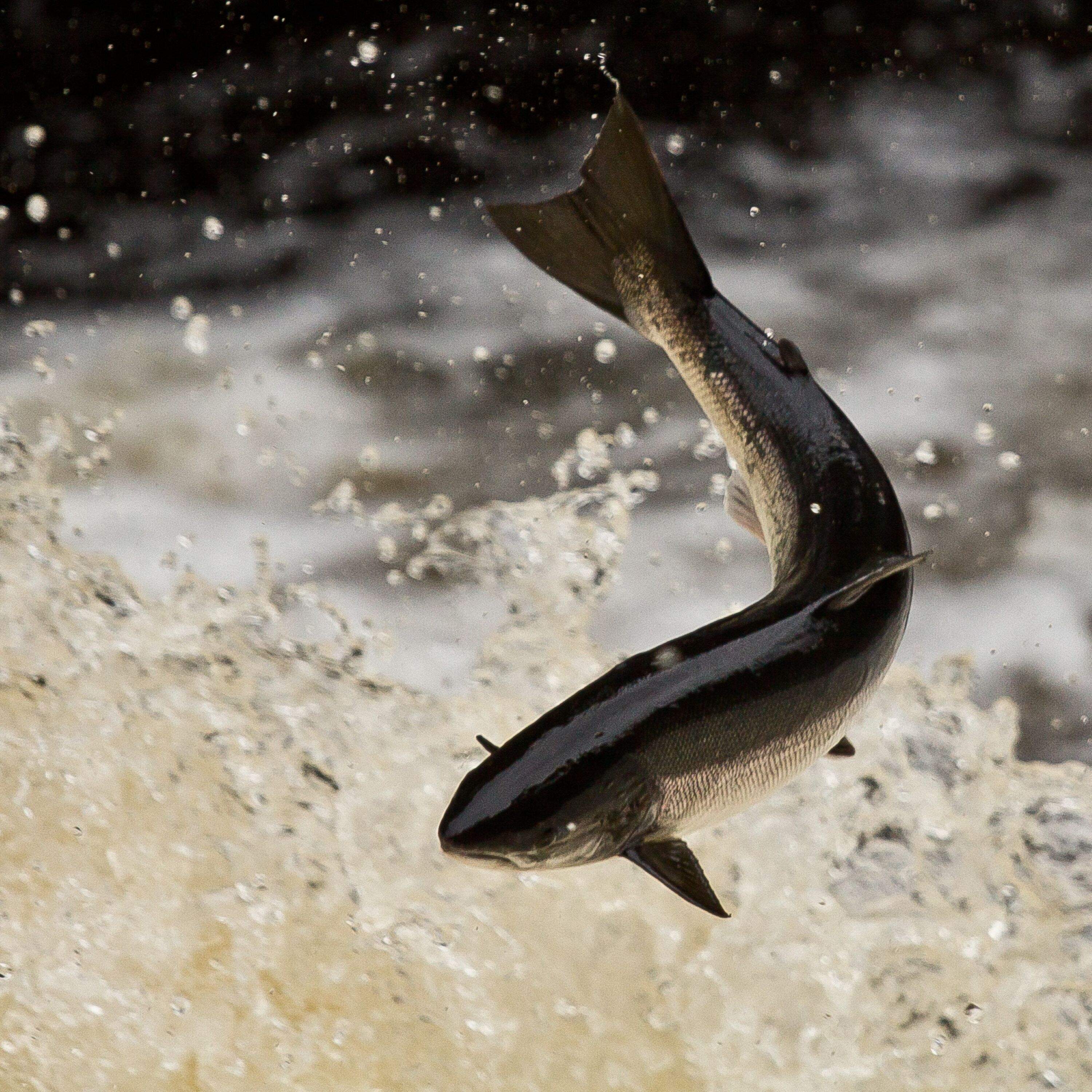
Why Swedish scientists gave salmon cocaine
May 1200:10:05Summary readyA recent study caught our eye: salmon on cocaine. Or really, researchers giving salmon cocaine…for science. See, scientists know human drugs pollute aquatic environments – past studies have shown even anti-anxiety drugs can change how fish act. But illicit drugs are less studied. And Jack Brand, an aquatic ecologist at the Swedish University of Agricultural Sciences, wanted to know how illicit drugs like cocaine might change fish behavior, like foraging and mating. To answer that question, Jack and his team gave salmon cocaine. Interested in more science? Email us your question at shortwave@npr.org.Listen to every episode of Short Wave sponsor-free and support our work at NPR by signing up for Short Wave+ at plus.npr.org/shortwave.See pcm.adswizz.com for information about our collection and use of personal data for sponsorship and to manage your podcast sponsorship preferences.NPR Privacy Policy
Summary
Without this pill, lots of people would be dead
May 1100:14:27Summary ready25 years ago, the FDA approved a pill that would change the way scientists treat cancer … for good. The pill was called Gleevec; it was designed specifically to treat CML, chronic myeloid leukemia, and it was one of the first targeted cancer therapies available. A quarter century after approval, it’s still being prescribed, as are second, third and fourth-generation drugs that followed in its footsteps. What made it so special – and so effective? Pharmaceutical correspondent Sydney Lupkin walks us through the history of the drug, and why it’s continued to change lives for decades.If you liked this episode, check out our other episodes with Sydney on accelerated drug approvals and the development of GLP-1 pills.Interested in more stories about medicine and medical treatment? Email us your question at shortwave@npr.org.Listen to every episode of Short Wave sponsor-free and support our work at NPR by signing up for Short Wave+ at plus.npr.org/shortwave.See pcm.adswizz.com for information about our collection and use of personal data for sponsorship and to manage your podcast sponsorship preferences.NPR Privacy Policy
Summary
Hantavirus: the risks, the science and what you need to know
May 800:12:57Summary readyOn May 2, the World Health Organization got an alarming report: People aboard a ship in the Atlantic Ocean were falling ill. The culprit is now confirmed as hantavirus, a pathogen that some rodents carry that can infect humans in rare, but often deadly, instances. Multiple passengers have died, and more people are showing symptoms. So, we’re talking to Emily Abdoler, an infectious disease doctor at the University of Michigan, about the news – how common is hantavirus in humans, what are the consequences of getting it, and how can at-risk people protect themselves from it? If you found this episode interesting, listen to our episode on Rocky Mountain spotted fever.Interested in more science in the news? Email us your question at shortwave@npr.org.Listen to every episode of Short Wave sponsor-free and support our work at NPR by signing up for Short Wave+ at plus.npr.org/shortwave.See pcm.adswizz.com for information about our collection and use of personal data for sponsorship and to manage your podcast sponsorship preferences.NPR Privacy Policy
Summary
How science is taking tripping mainstream
May 600:12:56Summary readyPresident Trump recently signed an order to speed up the evaluation of psychedelics to treat the brain. That’s coming after decades of strict prohibition on psychedelic drug use dating back to President Nixon. So how did we go from that to a psychedelic renaissance? A look into a key institution in the world of psychedelic research may give us some clues. This episode, NPR’s brain correspondent Jon Hamilton shares insight from a recent trip. (No pun intended.) Want more psychedelic content? Catch our episode on ketamine therapy here, or learn why some scientists want to take the trip out of psychedelics here. Have other questions about psychedelics and the brain? Let us know by emailing shortwave@npr.org!See pcm.adswizz.com for information about our collection and use of personal data for sponsorship and to manage your podcast sponsorship preferences.NPR Privacy Policy
Summary
This medical condition stumped doctors for years
May 500:14:29Summary readyOne morning, Kyla Madonna Kenney woke up and her world was turned upside down: The room was spinning, she had a splitting migraine and one side of her body was shaking. Her tremors and migraine lasted for days. And for years afterwards, doctors would ask her: Did anything upset you recently? Are you stressed? Have you talked to a therapist about your anxiety? She underwent surgeries and took medications that were, in hindsight, unnecessary. It wasn’t until seeing Dr. David Perez, a neurologist who is also a psychiatrist, that she finally got the right treatment for her medical condition, functional neurological disorder. Today, we dig into this disorder – what it is, why it’s so unknown despite being a top reason people seek out neurologists and what this condition reveals about the consequences of siloing medicine.If you liked this episode, check out our previous one about a new approach to brain health. Interested in more science behind medicine? Email us your questions at shortwave@npr.org. Listen to every episode of Short Wave sponsor-free and support our work at NPR by signing up for Short Wave+ at plus.npr.org/shortwave.See pcm.adswizz.com for information about our collection and use of personal data for sponsorship and to manage your podcast sponsorship preferences.NPR Privacy Policy
Summary