Podcast
The Circle: The Queer Men's Embodiment Podcast
Hosted by Eric Bomyea and Timothy Bish · EN
Welcome to The Circle, an on-going conversation about men’s work, men's embodiment practices, and personal growth from the perspective of two queer men. Hosted by Eric Bomyea and men’s embodiment coach, Tim Bish, together, we investigate the purpose of men’s work, how queer men can participate, what value they might receive, and the unique value they add in the pursuit of growth for all. We also explore the challenges, dynamics, and transformative practices that empower men to show up authentically in the world. Each episode goes all in on themes like masculine and feminine energies, intuition, purpose, integrity, and brotherhood. We offer in-depth discussions on breaking through societal expectations, healing personal wounds, and developing a sense of presence. Drawing from the teachings of Amir Khalighi, David Deida, John Wineland, and our own experiences, we guide listeners through the journey of leading a conscious, integrated, and impactful life. Join us as we explore what it means to show up powerfully as queer men, navigate the dynamics of men’s spaces, and offer insights that benefit all men—gay, straight, or otherwise. Whether you're redefining your relationship masculinity, connecting with your intuition, or pushing past your edges, The Circle is your space for growth, connection, and transformation.
21episodes
Episodes
Newest firstAll episodes

Moving from Physical to Embodied Intimacy with Tom Bruett
Sep 400:53:59Tap to summarizeQueer therapist Tom Bruett joins us to explore what it means to move from connection that’s just physical to intimacy that’s truly embodied. We unpack how early messages around fear, secrecy, and performance shape desire, and what becomes possible when we bring awareness back into the body. Together we get practical: the “thumb out” signal for pausing when you’re overwhelmed, Dan Siegel’s hand model of the brain, the window of tolerance, and simple brain-stem tools like breath and sensation to come back online. We talk consent using Betty Martin’s Wheel, sensate focus as a no-pressure practice, and why owning your own pleasure can reduce shame and resentment. Eric shares on sober intimacy and using kink/BDSM as a bridge to presence; Tim translates models into day-to-day micro-practices you can try over dishes, on a walk, or in moments of closeness. We also name app fatigue, hypersexualized spaces, and how to de-emphasize the finish line without losing the fun.Chapter Markers00:00 – Welcome & Introductions: Eric sets the stage, introduces Tom Bruett and his work at the Queer Relationship Institute.03:20 – Queer Men, Bodies, and Hypermasculinity: How early messages about masculinity and secrecy shape our relationship with embodiment.08:45 – Differentiation & Authentic Expression: Tom explains how attachment, differentiation, and experimentation help queer men reconnect with themselves.14:30 – Adolescence Delayed: Emotional, Sexual, Spiritual: Exploring the unique timing of queer men’s adolescence and what that means for intimacy.18:55 – Physical vs. Embodied Connection: Tim and Tom define embodied intimacy, contrasting it with purely physical encounters.23:15 – Sober Intimacy & BDSM as a Bridge: Eric shares his transition into sobriety and how kink created space for embodied connection.28:40 – Desire Differences & Myths in Gay Culture: Unpacking desire discrepancy, app fatigue, and the hypersexualized pressures queer men face.34:20 – First Steps into Embodiment: Practical entry points: body scans, breathwork, yoga, dance, and sensate focus exercises.40:05 – The Nervous System & Dan Siegel’s Hand Model: Understanding hyperarousal, hypoarousal, and tools to return to regulation.45:00 – Consent, Communication & the “Thumb Out” Signal: Introducing Betty Martin’s Wheel of Consent, shorthand for pausing, and reframing performance pressure.49:20 – De-Emphasizing the Finish Line: How to shift focus away from orgasm as the marker of success and expand intimacy through experimentation.52:00 – Closing Reflections: Tom, Tim, and Eric share final takeaways on vulnerability, practice, and ongoing exploration.53:08 – Closing Ritual: Tim leads the gratitude and release, “container open but not broken.”
Transcribe →When Care Doesn’t Land: Recognizing Love Even When We Don't See It
Aug 2800:40:58Tap to summarizeWhy is it that sometimes, even when care is offered freely, it doesn’t land? In this episode of The Circle, Eric and Tim unpack the messy, beautiful complexity of giving and receiving care.From family dynamics and love languages to roommates, ex-husbands, and Provincetown coffee shop connections, they explore why care often misses the mark—and what we can do to better recognize and receive it. They share personal stories of frustration, vulnerability, and breakthrough, reminding us that effort, transparency, and trust go a long way.This is an invitation to practice revealing what you need, honoring how others show care, and making sure the people you love actually feel it. Because if tomorrow never comes, will they know how much you cared?Chapter Markers00:00 – Welcome & Introduction: Why care is such a tender and complicated subject02:45 – When Care Doesn’t Land: Eric’s family Christmas story06:30 – Care Requires Vulnerability: Tim on courage and the glamorization of “not caring”11:00 – “It’s Just a Yoga Class”: When dismissal misses the mark15:25 – Different Languages of Care: Roommates, partners, and communication gaps21:10 – Effort vs. Perfection: Why trying matters more than getting it right26:05 – Love Letters to Friends: Tim’s reflections on Gordon and the power of reassurance32:40 – Accepting Care as It’s Given: Shifting perspective with empathy and trust37:00 – Closing Reflections & Sow: Care as ongoing practice and communicationLearn more, ask questions and practice along with us at www.myembodiment.com
Transcribe →
Intimacy Without Sex: A Queer Conversation on Asexuality With Hannah O'Rourke
Aug 2100:57:43Tap to summarizeIn this episode of The Circle, we explore asexuality and the many ways intimacy can thrive outside of sexual expression. Eric and Tim are joined by Hannah O’Rourke—a yoga teacher and early childhood educator—who shares her experience identifying as asexual and how it reshaped her understanding of romance, validation, and connection. Together, they unpack the difference between romantic and sexual orientation, what it means to be demisexual, and how embodiment practices can help people attune to their true desires. This conversation challenges cultural assumptions about sex and identity, and offers a liberating lens for queer folks navigating their own intimate lives.Chapter Markers/Time Stamps00:00 What If Sex Isn’t the Center of Intimacy? 00:24 What Is Asexuality? A Conversation with Hannah O’Rourke 01:06 Discovering Asexual Identity: Hannah’s Story 02:28 Romantic vs. Sexual Attraction Explained 05:23 How Asexual People Navigate Relationships 15:03 The Asexuality Spectrum: Demisexual, Graysexual & More 28:10 Redefining Intimacy: Love and Connection Beyond Sex 29:38 The Opposite of Sex? Rethinking Intimacy Through Film 32:17 Being Asexual in Queer Spaces 35:43 Self-Love Without Sexual Validation 41:02 Debunking Asexual Myths and Misconceptions 50:58 Healing the Inner Child Through Self-Understanding 55:49 Final Reflections on Identity and Intimacy
Transcribe →Softening the Story: Forgiveness, Resentment, and Relational Repair
Aug 1400:49:31Tap to summarizeIn this episode of The Circle, we explore forgiveness not as a final destination, but as a living, breathing process. From unspoken resentments to painful memories of being let down, Eric and Tim share personal stories about parental wounds and what it means to carry the weight of hurt for years.This conversation unpacks:Why forgiveness isn’t the same as forgettingHow resentment impacts our nervous systems and relationshipsThe role of safety, grief, and compassion in the forgiveness processWhat it looks like to forgive without needing the other person to changeIf you’ve ever struggled to let go of a grudge, or felt the pressure to "just move on," this one’s for you. What’s one weight you’ve been carrying that might be ready to soften?Practice with us and explore embodiment tools for relational repair: 👉 https://myembodiment.comChapter Markers / Time Stamps:00:00 - Intro: Forgiveness as a Practice01:00 - What Forgiveness Really Means03:05 - Forgiveness ≠ Forgetting06:42 - The Weight We Carry: Resentment and Memory08:58 - Not Letting Go, but Lightening the Load11:31 - When Forgiveness Isn’t Closure13:30 - Parental Wounds and Resentment15:50 - Reframing the Past: Seeing with Softer Eyes18:10 - Tim’s Story: Turning Mom into Wonder Woman20:42 - The Cost of Idealization and the Gift of Reality24:30 - Bragging as a Search for Safety27:25 - From Villainizing to Understanding30:01 - Big Hurt, No Villain: How Forgiveness Actually Starts33:40 - Beliefs that Block Forgiveness36:15 - The Band Camp Story: When They Didn’t Show Up
Transcribe →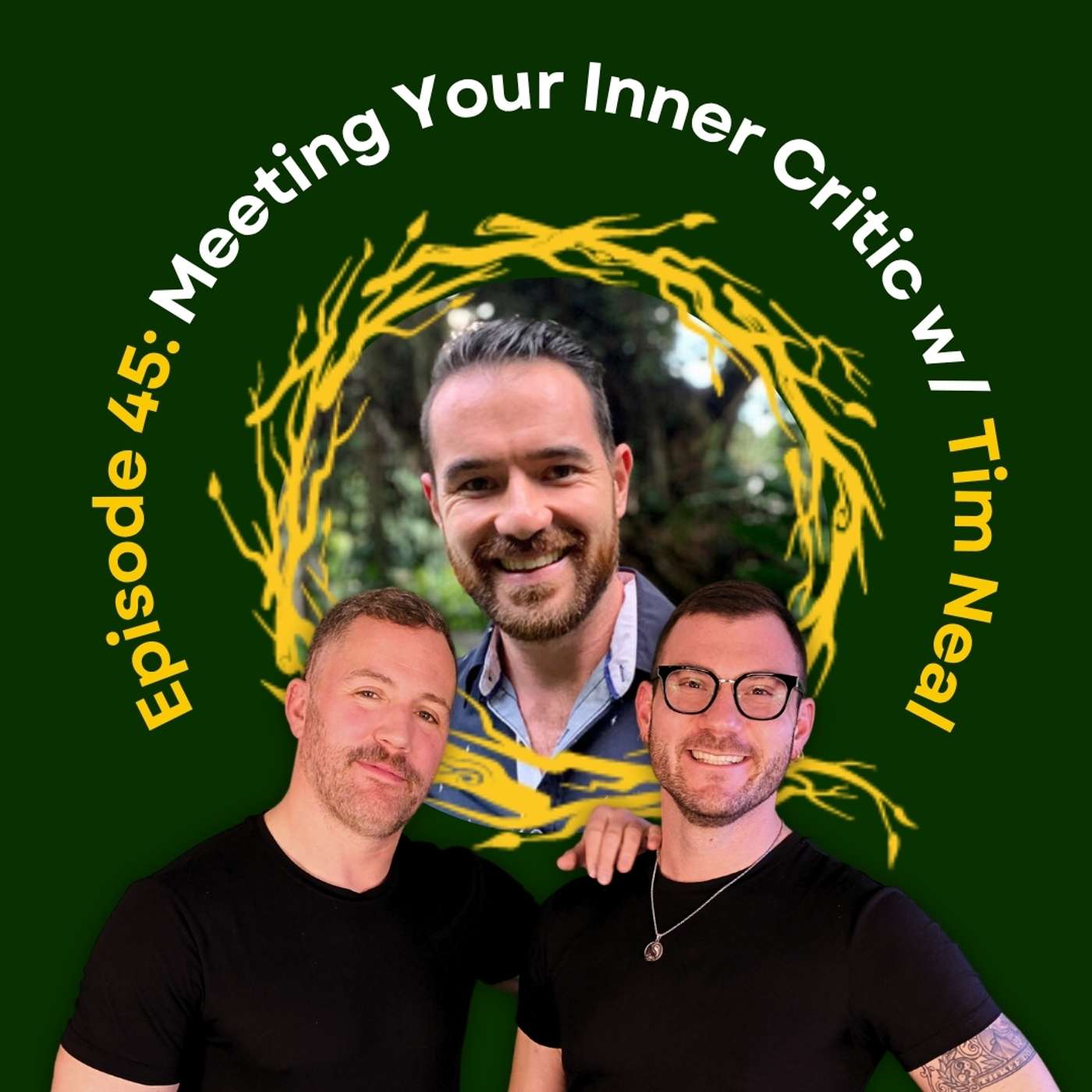
Parts Work with Tim Neal: Meeting Your Inner Critic and Finding the Centered Self
Aug 7, 202501:02:39Tap to summarizeIn this episode of The Circle, Eric and Tim are joined by Tim Neal, a men’s transformation coach and embodiment facilitator, to explore the power of parts work. Drawing from Internal Family Systems (IFS) and shadow work, Tim explains how the voices inside us, like the inner critic or perfectionist, are not problems to fix, but parts to understand, honor, and integrate.Through personal storytelling, emotional insights, and a live parts work practice, the conversation reveals how embracing these inner parts can lead to emotional intelligence, self-trust, and what Tim calls the “centered self.” Whether you’re new to IFS or deep in your healing work, this episode will shift how you relate to your inner world.You’ll learn:What parts work is and how it relates to shadow workThe difference between exile parts and protector partsWhy trying to eliminate parts of yourself doesn’t workHow emotional awareness is the foundation of growthHow to meet your parts with compassion and curiosityChapter Markers / Time Stamps:0:00 – Intro to the episode and Tim Neal2:15 – What is parts work? Tim’s childhood story of emotional shutdown6:50 – Origins of Internal Family Systems (IFS) and blending with shadow work9:30 – Shadow work as a subset of parts work12:00 – Tim’s inner critic origin story and the rise of the achiever part15:20 – The Tony Robbins experience as a pattern interrupt18:10 – Masculinity, vulnerability, and redefining strength20:40 – The pressure to be one thing vs. embracing many parts24:00 – Mono-mind vs. multi-mind: the freedom of “a part of me”27:30 – Introducing the capital-S Self / Centered Self29:50 – Pattern interrupts, neural pathways, and belief shifts34:00 – Manager parts, exiles, and protectors explained38:00 – The fruit salad metaphor: integration, not elimination41:00 – What is the Centered Self? The goal of living from calm, clarity, and compassion43:30 – Why we can’t “cut off” our inner parts (like a sprained ankle)46:20 – The role of emotional intelligence in working with parts48:00 – Live guided practice: meeting your inner part with compassion52:15 – Eric meets his inner critic, Tim meets his inner director54:30 – What our parts are really afraid of—and how they’re trying to help56:00 – Closing reflections: parts work as a path toward self-compassionStay Connected with The CircleInstagram: https://www.instagram.com/queermensembodiment/YouTube: https://www.youtube.com/channel/UCDCAp8OFjLrGaAwycfGmydgWebsite & Community: www.MyEmbodiment.com
Transcribe →Belonging vs. Fitting In: How to Stop Abandoning Yourself to Be Liked
Jul 31, 202500:53:13Tap to summarizeWhat’s the difference between truly belonging and just fitting in? In this raw and resonant episode of The Circle, Eric and Tim unpack the subtle (and not-so-subtle) ways we abandon ourselves in order to be accepted—and what it takes to stop. They explore how social conditioning, internalized fear, and curated identities shape our choices around how we show up in community, especially in queer spaces.Eric shares his personal experience of feeling isolated during Bear Week in Provincetown, while Tim opens up about the cost of being too playful, too much, or too real. Together, they discuss the relationship between control, safety, and self-trust—and how embodiment practices, affirmation, and conscious spaces can help us come home to ourselves.This is a must-listen for anyone navigating identity, authenticity, or the messy middle between self-protection and self-expression.Timestamps:00:00–04:20 — Intro: The difference between belonging and fitting in04:21–14:10 — Tim’s fashion story: authenticity vs. curation14:11–20:50 — Expertise vs. people-pleasing, and the role of intention20:51–27:45 — The hidden cost of hiding parts of ourselves27:46–36:10 — Embodied loneliness: fitting in but still feeling alone36:11–44:30 — Tim’s story: playfulness, performance, and the pain of not being seen44:31–52:40 — The illusion of belonging on Instagram; the craving for connection52:41–59:00 — Embodiment and nervous system tools to anchor authenticity59:01–1:05:10 — Safe spaces vs. performative ones: building real community1:05:11–1:13:30 — Inner belonging, affirmations, and the challenge of loving all parts1:13:31–1:22:00 — The need for community, checking in, and not feeling like a burden1:22:01–End — Wrap-up: Sass, solitude, and the sacred work of showing upStay Connected with The CircleInstagram: @queermensembodimentYouTube: Queer Men’s EmbodimentWebsite & Community: www.MyEmbodiment.com
Transcribe →
The Dominant Way to Avoid Burnout: Ms. Elle X on Rest and Radical Self-Advocacy
Jul 24, 202501:03:39Tap to summarizeWhat if rest was the most dominant thing you could do?In this episode of the Circle, trauma-informed BDSM educator, licensed life coach, and former Dominatrix Ms. Elle X joins us to explore the hidden cost of leadership—and why so many men, Dominants, and space-holders burn out before they ever give themselves permission to stop. We talk about the shame that makes rest feel dangerous, how insecurity fuels overwork, and why true power comes from knowing when to say “no.” Ms. Elle reframes rest as radical self-advocacy, drawing a bold parallel between consent and rest: you can’t authentically say yes if you’re unwilling to say no.Whether you lead in the bedroom, the boardroom, or at home, this episode will challenge everything you think you know about strength, power, and the courage it takes to rest.___Glossary of Terms:What is BDSM? – An acronym for Bondage, Discipline, Dominance, Submission, Sadism, and Masochism. It refers to consensual practices that explore power exchange, sensation, and psychological play. At its core, BDSM is about communication, consent, and creating safe, intentional spaces for exploring power and desire.What is a Dominant (Dom/Domme)? – The person who takes the leadership or guiding role in a BDSM dynamic. A Dominant holds space, sets structure, and creates safety, allowing the Submissive to fully let go. In healthy dynamics, the Dominant’s power is rooted in consent, responsibility, and respect.What is a Submissive (Sub)? – The person who consensually surrenders control in a BDSM dynamic. For many, this surrender can feel deeply restful, freeing them from decision-making or the pressure of constant responsibility. Submissives are not passive; their active consent, communication, and boundaries are essential to the dynamic.What is D/S? - Refers specifically to the dynamic or relationship between a Dominant and a Submissive. This can be sexual or non-sexual and is centered on consensual power exchange, clear communication, and trust.What is a Switch? – A person who enjoys both Dominant and Submissive roles, depending on the context or partner. Switches may move fluidly between roles, and this flexibility often gives them deep empathy and insight into both sides of the power exchange.____Rest, burnout, and radical self-advocacy—Ms. Elle X on why leaders struggle to slow down and how boundaries restore power.Timestamps:00:00 Introduction and Podcast Overview00:23 Exploring the Hidden Cost of Leadership01:33 The Struggle with Rest and Insecurity05:41 The Importance of Consent and Boundaries13:31 Self-Awareness and Embodiment Work21:40 The Role of Rest in BDSM24:58 Being Seen and Valued in Relationships29:06 Dominance and Submission (D/S) Dynamics32:53 The Universal Lessons of BDSM34:56 The Importance of Humility in Leadership37:50 Navigating Trust and Safety in Relationships39:58 Understanding Rejection Sensitivity43:53 Balancing Dominance and Vulnerability49:56 The Power of Rest and Boundaries59:32 Concluding Thoughts and Reflections____Connect with Us & Ms. Elle XStay Connected with The CircleInstagram: @queermensembodimentYouTube: Queer Men’s EmbodimentWebsite & Community: MyEmbodiment.comConnect with Ms. Elle XInstagram: @thewisedommeYouTube: Ms. Elle XPatreon & Discord Community: Join #ElleXArmyIf this episode resonated with you, share it, leave a review, and tag us—we love hearing what landed for you. And if you’re ready to explore conscious kink, self-advocacy, and empowered relationships, go follow Ms. Elle X—her wisdom is next level.
Transcribe →Urgency Without the Rush: Moving Quickly with Presence and Purpose | Men’s Work Podcast
Jul 17, 202500:48:48Tap to summarizeUrgency doesn’t have to mean rushing. In this episode of The Circle, Eric Bomyea and Timothy Bish explore urgency and embodiment, unpacking how to move quickly with purposeful action instead of reactive rushing.Drawing from personal stories—airport chaos, bartending mishaps, and even Tim’s professional dance training—they discuss how urgency impacts the nervous system, why it often feeds perfectionism, and how to regulate it through embodiment practices.You’ll learn:The difference between rushing vs. moving with purposeHow to recognize physical signs of urgency in the bodySimple mindfulness and nervous system tools to stay grounded under pressureHow to turn urgency into an embodied spark for action rather than a source of stressPerfect for anyone navigating busy days, high-pressure moments, or exploring men’s work and embodiment practices to stay present and steady.Chapter Markers0:00 – Welcome & Introduction2:10 – Urgency as a Learned Survival Tool7:35 – The Difference Between Moving Quickly and Rushing11:50 – Physical Signs of Rushing vs. Purposeful Movement17:05 – Ayurvedic & Yogic Perspectives on Natural Pace22:40 – Airport Stories: Regulating in High-Pressure Moments30:55 – Internal vs. External Urgency: Creating It from Care & Purpose38:20 – Fitness, Perfectionism, and Rushing the Body44:10 – Urgency as a Spiritual Spark (Kirtan & Longing)50:25 – Embodiment Tools to Work with Urgency55:40 – Closing Reflections & Takeaways
Transcribe →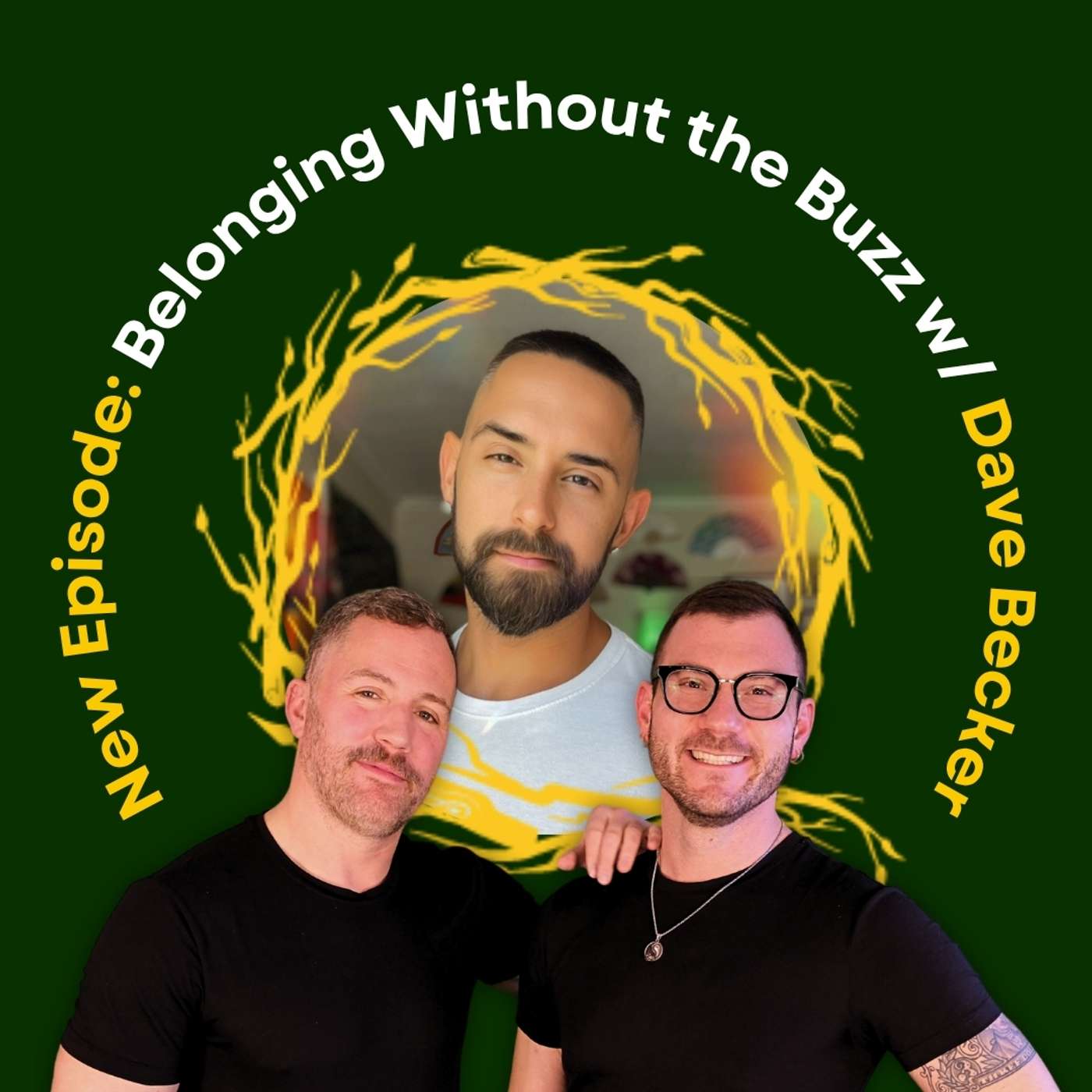
Belonging Without the Buzz: Queer Sobriety & Connection
Jul 10, 202500:55:06Tap to summarizeWhat does it mean to feel free, connected, and authentic in queer spaces—without the crutch of alcohol or drugs? In this episode of The Circle, Eric and Tim are joined by Dave Becker, founder of Sober Gay Sunday, to explore queer sobriety, nightlife, and what it means to connect without substances. Dave shares his personal story—from circuit parties and addiction to building a sober community that celebrates authenticity and nervous system regulation. Together, they unpack why so many queer people seek connection through bars and substances, and how alternative spaces like sports leagues, podcasts, and sober events can offer deep belonging. Whether you're sober, sober-curious, or just navigating your place in queer community, this conversation invites reflection, honesty, and compassion.We go all in on:Why nightlife became the default way queer people connectHow sobriety opened new dimensions of joy, clarity, and nervous system awarenessWhat a more inclusive queer social landscape could look likeHow to listen to your body, set boundaries, and honor your own paceWhether you're sober, sober-curious, or just reflecting on your relationship to community and connection, this episode offers insight, honesty, and hope.Rate, review, and subscribe to The Circle to keep exploring men’s embodiment, queer healing, and personal growth.Chapter Markers:00:00 – Welcome to The Circle01:07 – Introducing Dave Becker & Sober Gay Sunday04:50 – First steps into gay nightlife and early alcohol use08:20 – When partying turns into dependence11:15 – The loop between alcohol, identity, and belonging15:35 – Queer nightlife and double lives18:55 – What are we seeking in nightlife and substances?21:50 – The “chip on the shoulder” of queer identity26:00 – The pandemic and Dave’s path to sobriety30:25 – Community support & the surprise of being celebrated sober34:05 – Advice for those navigating sobriety alone39:35 – The power of shared experience44:50 – What is a sober coach? How Dave found his50:00 – Why Dave started Sober Gay Sunday54:25 – What makes the queer sober experience unique58:40 – Social anxiety, nervous systems & knowing when to leave01:05:20 – Embodiment, boundaries & the wisdom of the body01:12:30 – Inclusive queer spaces: from bars to kickball fields01:19:15 – The structure of sport as a new kind of container01:24:00 – Sobriety as a practice, not a perfect01:27:00 – Closing reflection & breath practice with Tim
Transcribe →Doing vs. Being: When Growth Becomes Another Grind
Jul 3, 202500:56:09Tap to summarizeIn this episode of The Circle, Eric and Tim explore how personal growth and spiritual practice can quietly slip into another form of hustle. Why do we sometimes treat healing like a to-do list? What happens when our breathwork, yoga, or journaling stops being supportive and starts becoming performative?Together, they unpack perfectionism, self-trust, and the radical permission to just be. From Tim’s morning breathwork dilemma to Eric’s meditation hall ego trip, this episode is a heartfelt, humorous, and deeply honest look at what it means to grow without losing yourself in the process.Topics include:The trap of trying to “win” at healingHow spiritual practices can become performanceThe importance of intention vs. outcomeThe power of check-ins and body-based awarenessWhy doing less might be exactly what you needWhether you’re burned out from personal development or just curious about being more present, this conversation is an invitation to soften, slow down, and stop striving.00:00 - Intro: The Hustle of Healing02:03 - Why We Strive Even in Spiritual Spaces06:20 - Eric’s “Best Meditator” Moment09:45 - The Yoga Trap: Performing vs. Practicing13:10 - External Validation in Embodiment Work18:25 - The Slippery Slope of “Not Doing Enough”22:42 - Spiritual Checklists: Help or Harm?28:00 - Choosing What’s Right for *Today*32:48 - The Fine Line Between Fixing and Growing36:10 - Doing to Be: Yoga's Eight Limbs42:12 - Intention, Not Just Action46:40 - Is This Practice Serving Me?50:55 - The Gift of Showing Up (Even When You Don’t Want To)57:12 - Internal Validation: Can It Be Enough?01:02:40 - From Broken to Better: Shifting Motivation01:07:30 - Men’s Work & the Power of Just Being01:11:58 - Check-Ins: A Simple, Radical Practice01:20:00 - Feeling Without Explaining01:25:30 - App Behavior, Loneliness & Conscious Choice01:31:15 - Being with Discomfort Without Numbing01:37:20 - Embodiment Is Not Measured in Metrics01:41:00 - Closing Reflections: Let Being Guide Your Doing
Transcribe →