Podcast
The Intentional Parents Podcast
Hosted by Intentional · EN
In a world where distractions are endless and culture constantly pulls us in different directions, it’s more important than ever to remain intentional in your marriage and parenting. Brook and Elizabeth Mosser, alongside Phil and Diane Comer, invite you into a conversation about biblical formation — offering wisdom, encouragement, and practical tools for raising passionate Jesus followers. As an intergenerational team that is also family, we bridge the perspectives of different life stages, drawing from both decades-long experience and fresh insight on the topics of parenting and marriage. From vulnerable Q+R sessions to insightful guest interviews, we explore real-life stories of both steady formation and radical transformation — unpacking how God is shaping our lives and the lives of those around us. Join us each week as we pursue God’s design for life, marriage, and parenting — with intention.
29episodes
Episodes
Newest firstAll episodes
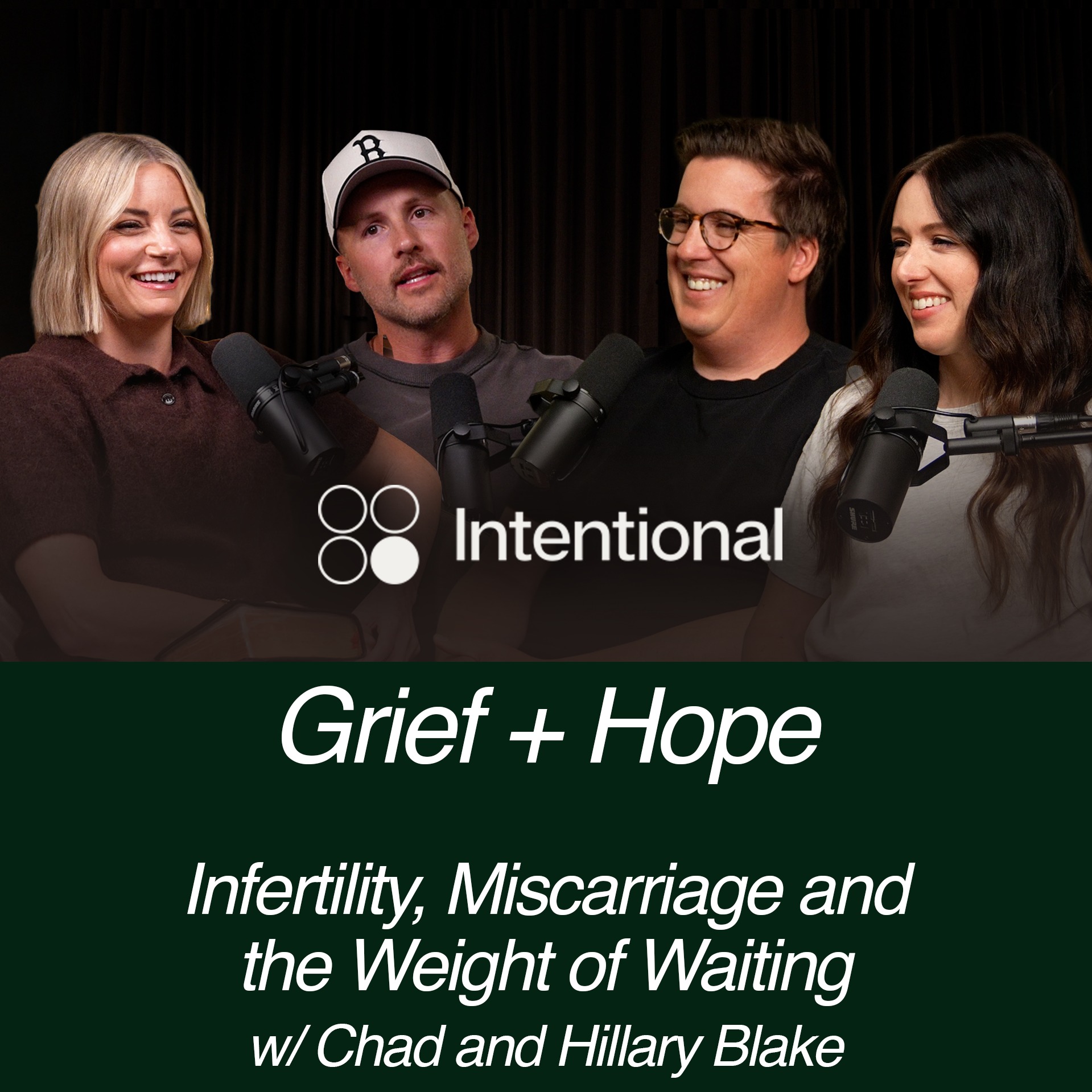
Grief + Hope: Infertility, Miscarriage and the Weight of Waiting (w/ Chad and Hillary Blake)
4w ago02:02:18Tap to summarizeThis week, we sit down with Chad Blake, Executive Director of Intentional, and his wife Hillary, dear friends who share their personal journey through infertility, miscarriage, grief, and ultimately, hope. With honesty and vulnerability, they reflect on the pain of longing to grow their family, the challenges of navigating infertility, and the ways God’s faithfulness sustained them through seasons of deep suffering and uncertainty.Throughout the conversation, Chad and Hillary share what it was like to walk through years of uncertainty, prayerfully consider medical options, experience the heartbreak of pregnancy loss, and wrestle with questions about God’s presence in suffering. They discuss the unique ways infertility impacts both men and women, the loneliness that can accompany long seasons of waiting, and the importance of having people who are willing to sit with you in grief rather than trying to fix it. As they candidly share their experiences with miscarriage, anxiety, therapy, and healing, they offer wisdom for those walking through similar struggles and for those seeking to support loved ones dealing with infertility.At the heart of this conversation is a powerful reminder that God is with us in our pain. Rather than offering easy answers or neatly tying a bow around suffering, Chad and Hillary explore how faith makes room for both joy and sorrow, grief and hope. They reflect on how seasons of pain and waiting turned theological theory into lived reality, and how God’s faithfulness through every chapter has deepened their trust in Him. Their story is a testimony that while suffering is real, it does not have the final word, and that even when hope feels foolish, God remains present, trustworthy, and at work.Scripture Mentioned: John 11:35, Romans 8:28, John 14:9, John 1, Romans 4:18-22, Romans 5:3-5 + Luke 11:5-10Books Mentioned: The Problem of Pain by C.S. Lewis, A Grief Observed by C.S. Lewis, A Grace Disguised by Jerry L. SittserIntentional Motherhood Retreat: October 15-17, 2026 in Portland, ORIntentional Fatherhood Retreat: November 12-14, 2026 in Austin, TXSubmit Questions: Send a voice recording to hello@intentionalparents.org, mentioning your name and where you’re from.Sowing a Hidden SeedJoin Our Legacy BuildersWatch on YouTubeFollow Us on Instagram: @intentional_parents @brookmosser@emosserFREE Bottom-Up vs. Top-Down Parenting PDFFREE Text Message Daily DevotionalRaising Passionate Jesus FollowersThe Intentional Film Series
Transcribe →
More Than Spectators: The Unique Role of Grandparents in Leaving a Legacy for the Next Generation
Jul 1501:20:14Tap to summarizeWhat are we passing on to those who come after us? In this episode, we explore the powerful and often overlooked role of grandparents, who are called not to be spectators but bridge-builders between generations. At the heart of the conversation is the Hebrew phrase L’dor V’dor (לְדוֹר וָדוֹר), meaning “from generation to generation,” a beautiful picture of faith, wisdom, and legacy being intentionally passed down.We discuss the tension many grandparents feel between stepping back too much and overstepping their role, and how healthy involvement can be one of the greatest gifts they offer their families. Investing in children and grandchildren often requires sacrifice, flexibility, and generosity, but it also creates opportunities to leave a lasting spiritual legacy. Grandparents have a unique opportunity to encourage their adult children while helping shape the faith and character of future generations.Three Key Roles of Grandparents:Rememberers: Passing down stories of God’s faithfulness and the lessons learned through both successes and failures.Blessers: Speaking life, truth, encouragement, and identity into the lives of children and grandchildren.Embodiers: Modeling a lifelong walk with Jesus through the way they live, love, and persevere.Ultimately, grandparents have the opportunity to become living proof of the gospel, not through perfection, but through lives that demonstrate that faith can endure hardship, mistakes can be redeemed, relationships can be restored, and following God is worth it. This episode invites listeners to consider the kind of legacy they are building today and what it means to faithfully pass on something of lasting value from generation to generation.Scripture Mentioned: Luke 6:38, Acts 20:35, Psalm 78:1-8, Hebrews 11, 2 Peter 3:1, Deuteronomy 4:9-10, Psalm 105:5, Psalm 103:2, Psalm 92:12-15 + Romans 12:2Books Mentioned: It's Not About Me by Max Lucado + The Blessing by John TrentPrevious Episodes Mentioned: Your Children Will Become Who You Tell Them You See Them Becoming: The Blessing Part 1 (Spotify + Apple Podcasts) + Your Children Will Become Who You Tell Them You See Them Becoming: The Blessing Part 2 (Spotify + Apple Podcasts)Intentional Motherhood Retreat: October 15-17, 2026 in Portland, ORIntentional Fatherhood Retreat: November 12-14, 2026 in Austin, TXSubmit Questions: Send a voice recording to hello@intentionalparents.org, mentioning your name and where you’re from.Sowing a Hidden SeedJoin Our Legacy BuildersWatch on YouTubeFollow Us on Instagram: @intentional_parents @brookmosser@emosserFREE Bottom-Up vs. Top-Down Parenting PDFFREE Text Message Daily DevotionalRaising Passionate Jesus FollowersThe Intentional Film Series
Transcribe →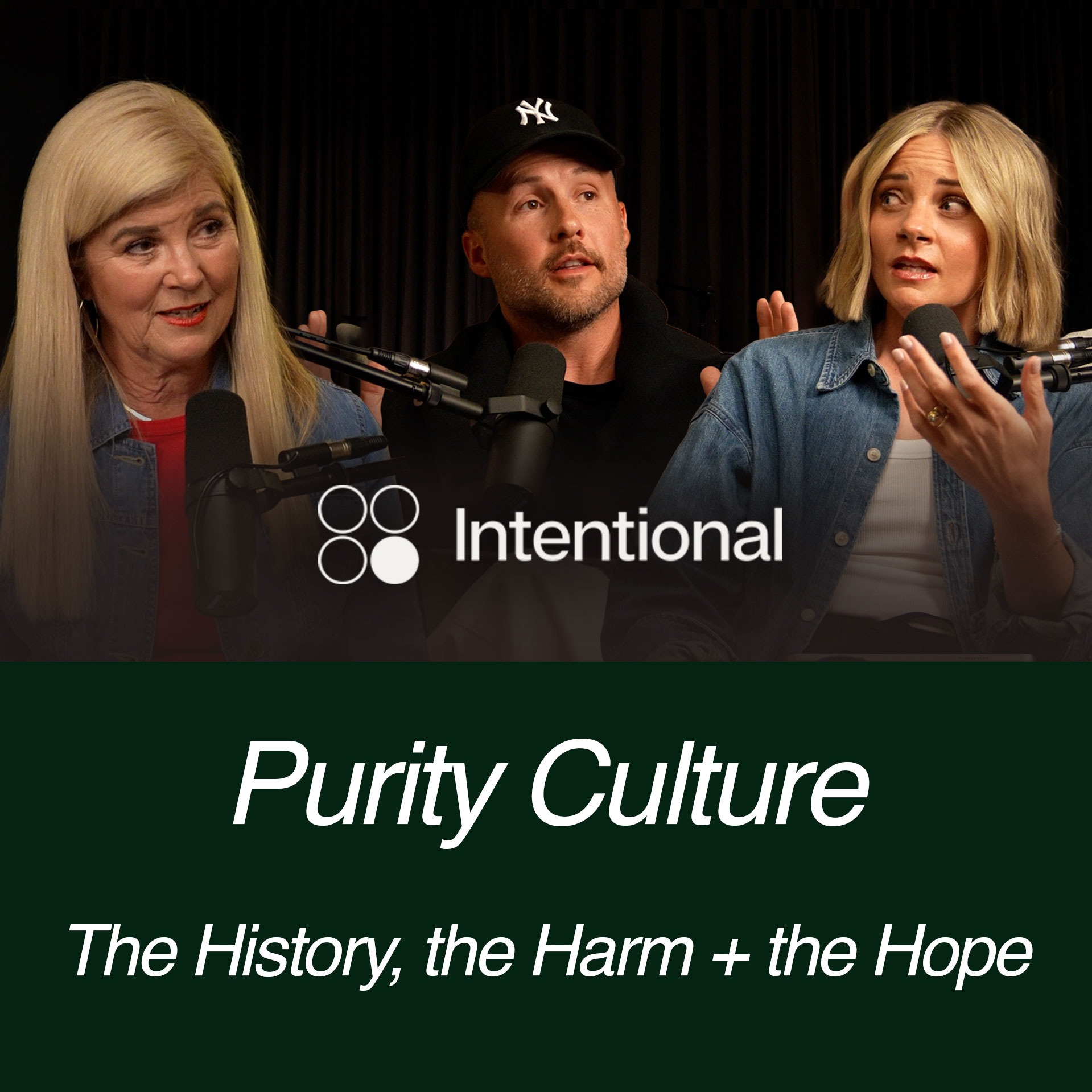
Purity Culture: The History, the Harm + the Hope
Jul 801:31:04Tap to summarizeIn this episode, we explore the history of purity culture, how it emerged as a response to the sexual revolution of the 1960s and 70s, and the lasting impact it has had on a generation of Christians now raising their own kids. While many parents and church leaders were motivated by a genuine desire to protect young people and uphold biblical values, purity culture often reduced purity to virginity and communicated messages rooted in fear, shame, and performance rather than grace.We discuss how these teachings affected both men and women, the pressure and responsibility often placed on women, and the ways purity culture shaped how many people view sex, relationships, and their own worth. We also talk about the challenges it created for those who carried shame from their past, as well as those who struggled to embrace sexuality as a good gift from God after years of hearing that desire itself was dangerous.Most importantly, this conversation is about hope. The gospel reminds us that our identity is not defined by our failures and that God's grace is greater than any mistake we have made. We discuss how the church can move toward a healthier, more biblical understanding of sexuality, one that honors God's design while making room for grace, healing, and honest conversations.We close with three practical takeaways:Give your kids a theology of the body, not just a list of rules. Teach them that their bodies are good, desire is healthy, attraction is normal, and intimacy is sacred.Give your kids a view of grace that is bigger than their failures. Help them understand that they are not defined by their worst decisions and are never beyond God's forgiveness and redemption.Give them wisdom instead of formulas. Equip them with discernment and the ability to navigate life's complexities rather than relying on simple rules or guarantees.Scripture Mentioned: Colossians 3:1-17, Matthew 5:8 + Mark 9:24Previous Episode Mentioned: 20 Years From Now: What You'll Wish You Focused On As a Parent (w/ Sally Lemos, MS, LPC) (YouTube, Spotify + Apple Podcasts)Intentional Motherhood Retreat: October 15-17, 2026 in Portland, ORIntentional Fatherhood Retreat: November 12-14, 2026 in Austin, TXSubmit Questions: Send a voice recording to hello@intentionalparents.org, mentioning your name and where you’re from.Sowing a Hidden SeedJoin Our Legacy BuildersWatch on YouTubeFollow Us on Instagram: @intentional_parents @brookmosser@emosserFREE Bottom-Up vs. Top-Down Parenting PDFFREE Text Message Daily DevotionalRaising Passionate Jesus FollowersThe Intentional Film Series
Transcribe →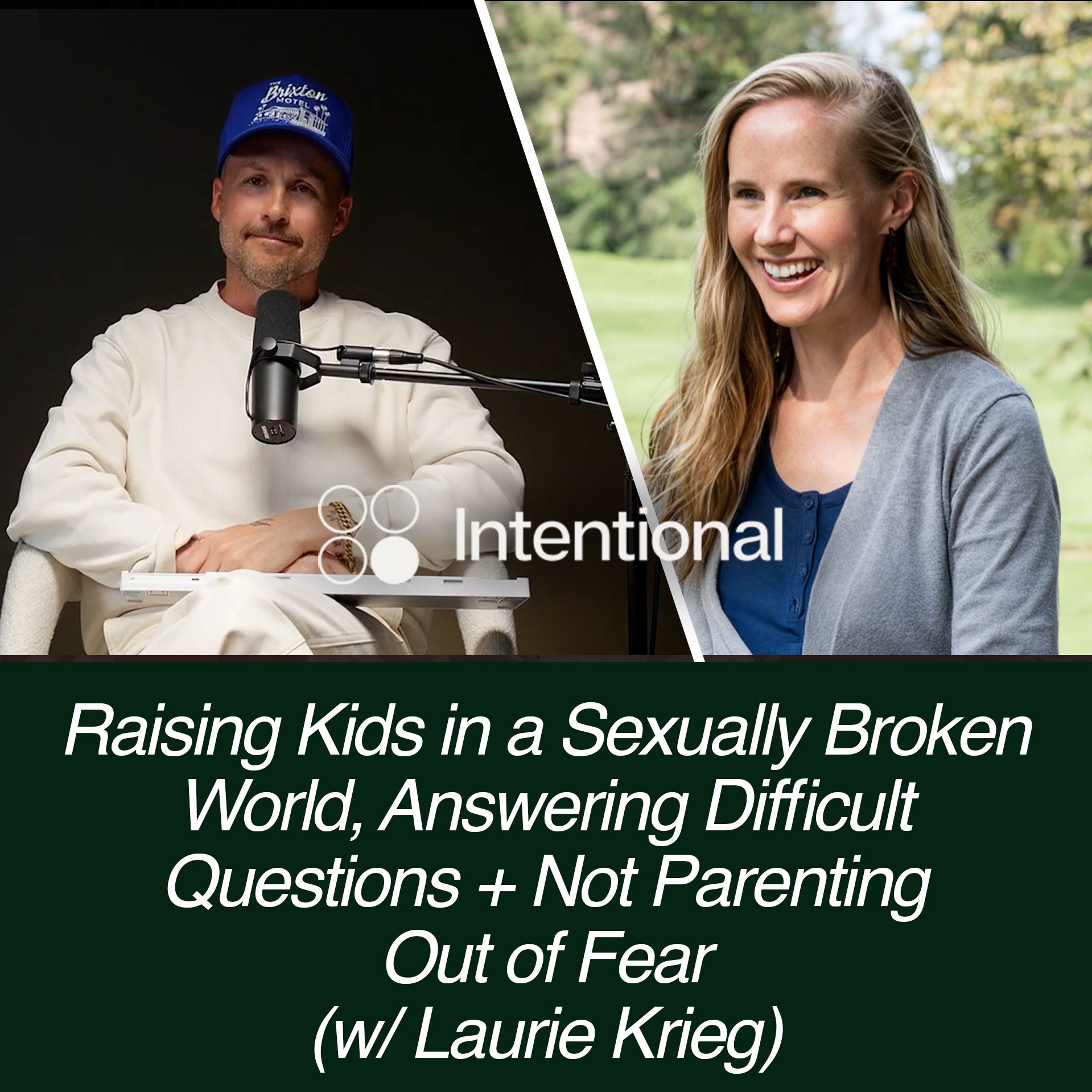
Raising Kids in a Sexually Broken World, Answering Difficult Questions + Not Parenting Out of Fear (w/ Laurie Krieg)
Jul 100:51:07Tap to summarizeIn this episode, we’re joined by Laurie Krieg, author, speaker, podcast host, and Director of Parent Programs & Discipleship at The Center for Faith, Sexuality, and Gender. Laurie shares parts of her personal story, including life in a mixed-orientation marriage and the journey of confronting childhood trauma that resurfaced later in life. We also discuss her latest book and the experiences that have shaped her passion for helping the Church develop a gospel-centered vision for sexuality.Together, we explore the biblical picture of marriage through Ephesians 5:32, discussing how covenantal marriage reflects the profound mystery of Christ’s relationship with His Church. Laurie shares how these truths have influenced the way she disciples her own children and approaches conversations about sexuality, identity, and marriage in the home.We also dive into practical guidance for parents who want to help their kids navigate difficult questions. Laurie explains why it’s important to fill the “narrative void” before culture does, how to respond when children ask hard questions, and why phrases like “I don’t know” can be both honest and helpful. Along the way, she offers a powerful reminder that “we will transmit what we don’t transform,” encouraging parents to address their own stories and wounds so they can parent from a place of health rather than fear. This conversation is full of wisdom, encouragement, and practical examples for parents seeking to lead their families with both truth and grace.Laurie Krieg: Website, Podcast, Instagram + Raising Wise Kids in a Sexually Broken WorldScripture Mentioned: Ephesians 5:32 + Matthew 12:34Books Mentioned: Raising Wise Kids in a Sexually Broken World by Laurie Krieg, An Impossible Marriage by Laurie Krieg + You and Me Forever by Francis and Lisa ChanIntentional Motherhood Retreat: October 15-17, 2026 in Portland, ORIntentional Fatherhood Retreat: November 12-14, 2026 in Austin, TXSubmit Questions: Send a voice recording to hello@intentionalparents.org, mentioning your name and where you’re from.Sowing a Hidden SeedJoin Our Legacy BuildersWatch on YouTubeFollow Us on Instagram: @intentional_parents @brookmosser@emosserFREE Bottom-Up vs. Top-Down Parenting PDFFREE Text Message Daily DevotionalRaising Passionate Jesus FollowersThe Intentional Film Series
Transcribe →
ADHD in Kids: What It Looks Like, How to Provide Support + the Hidden Costs of Missing It
Jun 2400:49:15Tap to summarizeDisclaimer: The information shared in this episode is based on our personal experiences and is not intended to serve as medical, psychological, or professional advice.Parenting is about stewarding the children God has given us and helping them flourish according to how He uniquely wired them. In this episode, we discuss ADHD in kids, what it is, how it shows up, and why understanding it matters. ADHD is a neurodevelopmental condition that affects attention, impulse control, emotional regulation, memory, and executive functioning. It’s not a character flaw or intelligence issue, but a different way the brain processes information and experiences the world.We explore how ADHD can look beyond hyperactivity, including forgetfulness, disorganization, emotional overwhelm, rejection sensitivity, and difficulty following through on tasks. We also discuss how ADHD often presents differently in girls, showing up as anxiety, perfectionism, people-pleasing, and daydreaming. Drawing from Colossians 3:21, we talk about the importance of understanding our children rather than simply correcting behaviors, helping them feel supported instead of discouraged.We also address the hidden cost of missing ADHD. While many parents worry about labeling their child, failing to recognize what’s really going on can leave children believing they are lazy, behind, not smart enough, or simply “not good enough.” When we understand and name their struggles, we can help replace shame with understanding and equip them with the support they need to thrive.Five Tools for Parents:Educate: Learn about ADHD yourself, help your child understand how their brain works, and educate the important people in their life.Advocate: Speak up for the support and accommodations your child needs, especially in environments where they may be vulnerable.Build: Create scaffolding and systems that help your child succeed, giving them a foundation on which they can learn and grow.Coach: Move beyond correction by teaching practical strategies and guiding your child toward what works, saying, “Not this way, but this way.”Celebrate: Intentionally identify and affirm your child’s strengths, gifts, and progress so they learn to see themselves through a lens of capability rather than deficiency.Instagram Reel Clip MentionedDefinition of ADHD: ADHD is a neurodevelopmental condition that affects attention regulation, impulse control, emotional regulation, motivation, memory, and executive functioning. It’s not an intelligence issue or a character flaw — it’s a brain-based difference in how someone processes and manages information, tasks, emotions, and stimulation. Many kids and adults with ADHD are highly creative, intuitive, energetic, and capable, but they often struggle in systems that weren’t built for how their brain works.Scripture Mentioned: Colossians 3:21Intentional Motherhood Retreat: October 15-17, 2026 in Portland, ORIntentional Fatherhood Retreat: November 12-14, 2026 in Austin, TXSubmit Questions: Send a voice recording to hello@intentionalparents.org, mentioning your name and where you’re from.Sowing a Hidden SeedJoin Our Legacy BuildersWatch on YouTubeFollow Us on Instagram: @intentional_parents @brookmosser@emosserFREE Bottom-Up vs. Top-Down Parenting PDFFREE Text Message Daily DevotionalRaising Passionate Jesus FollowersThe Intentional Film Series
Transcribe →
The Hidden Dangers of Technology Every Parent Should Know (w/ Chris McKenna of Protect Young Eyes)
Jun 1701:32:25Tap to summarizeIn this episode, we had the honor and privilege of sitting down with Chris McKenna, founder of Protect Young Eyes, father of four, and author of 5 Habits of the Tech-Ready Family. Chris shares his personal story of early exposure to pornography and how that experience eventually led him to dedicate his life to helping families navigate the realities of raising children in a digital world.Together, we discuss why today's technology landscape presents challenges previous generations never faced, including the accessibility, affordability, and anonymity that place harmful content just a few clicks away. Chris explains what it means to be a "tech-ready" family, not by bubble-wrapping kids from technology, but by developing habits that help families wisely engage with it. We also talk about the hidden dangers within platforms like YouTube, Roblox and Snapchat, as well as the growing concerns surrounding artificial intelligence and its impact on childhood development.Throughout the conversation, Chris offers practical guidance for parents who want to move beyond fear and toward wisdom. From setting boundaries and evaluating risk to staying deeply involved in their children's digital lives, he reminds us that the strongest protection is found in authentic relationships. Chris also challenges churches to take digital discipleship seriously and encourages parents to lead with both grace and truth. Most importantly, he leaves listeners with hope that small, intentional changes can make a lasting difference in their families.Chris McKenna: Protect Young Eyes, Instagram, Facebook + 5 Habits of the Tech-Ready FamilyScripture Mentioned: Philippians 4:8 + John 1:14Books Mentioned: 5 Habits of the Tech-Ready Family by Chris McKenna + The Anxious Generation by Jonathan HaidtIntentional Motherhood Retreat: October 15-17, 2026 in Portland, ORIntentional Fatherhood Retreat: November 12-14, 2026 in Austin, TXSubmit Questions: Send a voice recording to hello@intentionalparents.org, mentioning your name and where you’re from.Sowing a Hidden SeedJoin Our Legacy BuildersWatch on YouTubeFollow Us on Instagram: @intentional_parents @brookmosser@emosserFREE Bottom-Up vs. Top-Down Parenting PDFFREE Text Message Daily DevotionalRaising Passionate Jesus FollowersThe Intentional Film Series
Transcribe →
20 Years From Now: What You'll Wish You Focused On As a Parent (w/ Sally Lemos, MS, LPC)
Jun 1002:06:12Tap to summarizeWhat if you could fast-forward 20 years and discover what really mattered in parenting…and what didn't? In this rich and encouraging conversation, Elizabeth sits down with her mother, Diane, and our dear friend and mentor, Sally Lemos, to reflect on the lessons they've learned through decades of parenting, faith, healing, and growth.Together, we talk about the pressures parents face in an age of endless information, the fear of getting it wrong, and the anxiety many carry about their children's future. Sally and Diane share what they once thought mattered most — things like keeping a perfect home, focusing on performance, and emphasizing behavior — and why they now believe connection, humility, and relationship are far more important.We also explore the importance of emotional health, repair after mistakes, raising resilient kids, and creating a safe space where our children can bring their whole selves. Finally, we discuss what it looks like to parent adult children, break unhealthy generational patterns, and continue trusting God through the power of prayer. If you're looking for wisdom, perspective, and hope for your parenting journey, this conversation is for you.Sally Lemos, MS, LPC: New Bloom Therapy (newbloomtherapy.com) | sally@newbloomtherapy.comScripture Mentioned: Deuteronomy 7:9-12 + 2 Chronicles 19-20Previous Episodes Mentioned: Was Parenting Always This Hard… Or Are We Just Failing? (YouTube, Spotify + Apple Podcasts) + Generations, Leaving and Cleaving + 6 Ways to Honor Your Parents (YouTube, Spotify + Apple Podcasts)Submit Questions: Send a voice recording to hello@intentionalparents.org, mentioning your name and where you’re from.Sowing a Hidden SeedJoin Our Legacy BuildersWatch on YouTubeFollow Us on Instagram: @intentional_parents @brookmosser@emosserFREE Bottom-Up vs. Top-Down Parenting PDFFREE Text Message Daily DevotionalRaising Passionate Jesus FollowersThe Intentional Film Series
Transcribe →
You're Not Broken: Finding Freedom and Clarity Through an Adult ADHD Diagnosis
Jun 301:18:08Tap to summarizeDisclaimer: The information shared in this episode is based on our personal experiences and is not intended to serve as medical, psychological, or professional advice.This week, Brook and Diane share their experiences of being diagnosed with ADHD as adults and how that journey has given them a deeper understanding of themselves, their childhoods, and the challenges they’ve faced throughout life. For many adults, ADHD went undiagnosed for years, and receiving a diagnosis later in life can bring both relief and grief as unanswered questions begin to make sense.We discuss some of the ways ADHD can impact daily life, including feeling overwhelmed by information, procrastination, hyperfocus, and self-criticism. We also explore some of the unique strengths that can come with ADHD, such as creativity, perceptual reasoning, and the ability to see possibilities and solutions outside the conventional path. Understanding ADHD doesn't excuse our behaviors, but it can help explain them and provide a framework for growth and greater self-awareness.We also talk about the diagnosis process, treatment options, and how medication can serve as a helpful tool. Rather than viewing ADHD as a flaw to be fixed, we've learned to better understand how we're wired and how to work with our strengths and limitations. For us, getting help for ADHD has been a lot like putting on a pair of glasses for the first time, bringing clarity to things that once felt confusing.Our hope is that this conversation removes some of the fear and shame surrounding ADHD and encourages you to approach yourself with curiosity and compassion. Whether you have ADHD, think you might, or love someone who does, we want to remind you that healing, growth, and support are available. As Psalm 139:14 says, we are "fearfully and wonderfully made."Definition of ADHD: ADHD is a neurodevelopmental condition that affects attention regulation, impulse control, emotional regulation, motivation, memory, and executive functioning. It’s not an intelligence issue or a character flaw — it’s a brain-based difference in how someone processes and manages information, tasks, emotions, and stimulation. Many kids and adults with ADHD are highly creative, intuitive, energetic, and capable, but they often struggle in systems that weren’t built for how their brain works.Submit Questions: Send a voice recording to hello@intentionalparents.org, mentioning your name and where you’re from.Scripture Mentioned: Psalm 139:14Intentional Motherhood Retreat: October 15-17, 2026 in Portland, ORIntentional Fatherhood Retreat: November 12-14, 2026 in Austin, TXSowing a Hidden SeedJoin Our Legacy BuildersWatch on YouTubeFollow Us on Instagram: @intentional_parents @brookmosser@emosserFREE Bottom-Up vs. Top-Down Parenting PDFFREE Text Message Daily DevotionalRaising Passionate Jesus FollowersThe Intentional Film Series
Transcribe →
Church Hurt, Conflict With Your Spouse, Fairness With Kids + Uninvolved Grandparents (Q+R)
May 2701:02:13Tap to summarizeFor the first time from our brand-new studio, all four of us are together responding to your questions on personal formation, marriage, parenting, and navigating generational relationships.We talk about how to process church hurt while still raising kids in the church, including the importance of separating people’s failures from the character of God, remaining grounded in Scripture, and modeling healing, honesty, and discernment for your children. We also discuss the responsibility leaders carry and what it looks like to pursue restoration with wisdom and humility.We also answer questions about addressing tension in marriage before resentment builds, learning when to absorb small frustrations with grace and when difficult conversations need to happen. From there, we talk through parenting children with different needs and why fairness is not always about equal attention, but about making sure each child feels seen and understood.Finally, we explore the challenges and beauty of multigenerational family relationships, including navigating distant grandparents, helping older generations find renewed purpose, and creating family cultures where everyone feels valued and connected.This episode is a thoughtful, Scripture-packed conversation on relationships, healing, family dynamics, and growing through difficult seasons.Scripture Mentioned: Luke 22, Hebrews 12:15, Hebrews 4:15, Isaiah 53:3, Galatians 6:1, Song of Solomon 2:15, 1 Corinthians 13:4-7, 1 Peter 4:8, 1 Corinthians 7:3 + Proverbs 17:6Submit Questions: Send a voice recording to hello@intentionalparents.org, mentioning your name and where you’re from.Intentional Motherhood Retreat: October 15-17, 2026 in Portland, ORIntentional Fatherhood Retreat: November 12-14, 2026 in Austin, TXSowing a Hidden SeedJoin Our Legacy BuildersWatch on YouTubeFollow Us on Instagram: @intentional_parents @brookmosser@emosserFREE Bottom-Up vs. Top-Down Parenting PDFFREE Text Message Daily DevotionalRaising Passionate Jesus FollowersThe Intentional Film Series
Transcribe →
Live Q+R from the Motherhood Retreat: Fostering Vulnerability, Receiving Criticism + Parenting Without a Healthy Model
May 2000:40:16Tap to summarizeLive from the Intentional Motherhood Retreat in Franklin, this episode is a candid Q&R conversation around marriage, communication, parenting, and healing from the past. We respond to questions from attendees about how to cultivate deeper vulnerability with your spouse and parenting when you don't have a healthy model to follow.We talk about practical ways to help a spouse open up emotionally, including asking thoughtful questions like “What do you think about this?” instead of “How do you feel?” We also discuss the importance of paying attention to the environment, timing, and tone of hard conversations, recognizing how much those factors shape whether someone feels safe to engage.We also explore what it looks like to stay honest and vulnerable in marriage when feedback is often heard as criticism. Encouragement and affirmation matter deeply, especially when your spouse’s story includes wounds from a lack of affirmation growing up. Knowing your spouse’s story helps you become an agent of healing rather than hurt.The conversation closes with an honest discussion about parenting when you didn’t have healthy examples yourself. We talk about the importance of finding strong models, building a network of support, and acknowledging the pain you may have experienced in your own family before you can begin to relearn healthier patterns. Ultimately, we reflect on the importance of parenting the specific family God has entrusted to you in this season, while remaining open to the guidance of the Holy Spirit instead of trying to control every outcome.Scripture Mentioned: James 1:19-20, 2 Corinthians 5:17 + 1 Corinthians 11:1 Submit Questions: Send a voice recording to hello@intentionalparents.org, mentioning your name and where you’re from.Sowing a Hidden SeedJoin Our Legacy BuildersWatch on YouTubeFollow Us on Instagram: @intentional_parents @brookmosser@emosserFREE Bottom-Up vs. Top-Down Parenting PDFFREE Text Message Daily DevotionalRaising Passionate Jesus FollowersThe Intentional Film Series
Transcribe →