Podcast
Iran: The Latest
Hosted by The Telegraph · EN
Iran: The Latest is The Telegraph’s defence, security and foreign affairs news podcast providing deep-dive analysis on the ongoing conflict between the US, Israel and Iran.
Veteran foreign correspondents Roland Oliphant and Venetia Rainey bring you the latest updates from The Telegraph’s award-winning journalists, plus exclusive interviews with world-class experts in military strategy, international relations, and Middle East policy.
From attacks on the Gulf to Hezbollah in Lebanon to the Houthis in Yemen to the threat of nuclear escalation, stay informed with the best of The Telegraph’s Middle East coverage in one place. As the geopolitical landscape shifts, subscribe for essential updates on the security shifts defining our global future.
Battle Lines, a defence podcast with a wider scope and created by David Knowles, previously lived on this feed.
Don’t forget to follow and leave a review to stay updated on the latest in global conflict and foreign affairs.
Hosted on Acast. See acast.com/privacy for more information.
147episodes
Episodes
Newest firstAll episodes
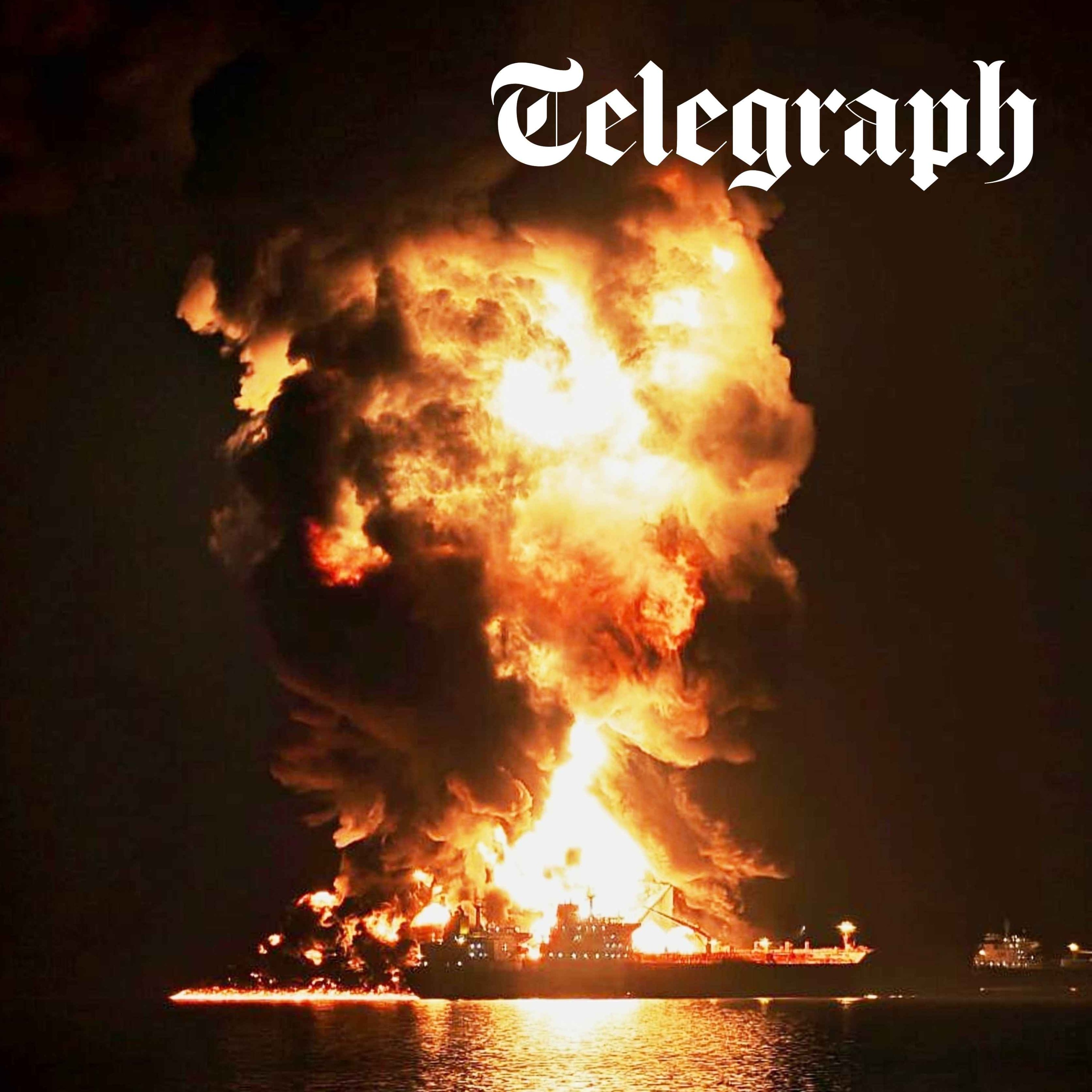
China steps in as Iran war drains US oil reserves to 40-year low
Yesterday00:29:05Summary readyAs Donald Trump’s Iran war drags on and hostilities continue in the Strait of Hormuz and Red Sea, global energy markets are being reshaped - not by OPEC or the US, but by China. On today’s episode of Iran: the Latest, Venetia Rainey talks to world economy editor Ambrose Evans-Pritchard about how Beijing has weaponised its internal oil demand to keep oil prices stable and bypass Saudi Arabia, even as US Strategic Petroleum Reserves have plunged to their lowest level since 1983. Why have oil prices remained largely stable and are those figures masking underlying economic turmoil?Plus: how the blockade of the Strait of Hormuz is pushing Iraq to the brink of total economic collapse and the worrying news of a recent Pew Survey measuring attitudes towards the US vs China. HighlightsIran war drains US strategic petroleum reserves to 40-year lowHow Beijing has kept oil prices stable and bypassed Saudi ArabiaCONTRIBUTORS:Venetia Rainey, co-host and executive producer @venetiaraineyAmbrose Evans-Pritchard, world economy editor WATCH US ON YOUTUBE: https://www.youtube.com/playlist?list=PLJnf_DDTfIVAif-vifC6F2aoPB8GIw6dkCONTENT REFERENCED:Ambrose Evans-Pritchard: Trump’s eternal March of Folly on Iranhttps://www.telegraph.co.uk/business/2026/07/31/trumps-eternal-march-of-folly-on-iran/Trump targets Iran’s economy as military campaign faltershttps://www.telegraph.co.uk/us/politics/2026/08/12/trump-scott-bessent-end-iran-war/Iran war threatens to cripple growth, Treasury warns Burnhamhttps://www.telegraph.co.uk/business/2026/08/12/iran-war-threatens-to-cripple-growth-treasury-warns-burnham/Winner Best News and Analysis Podcast - Publisher Podcast Awards 2026Nominated Podcast of the Year - Society of Editors News Podcasts Awards 2026Nominated Best News, Politics and Current Affairs - British Podcast Awards 2026The Telegraph, Winner Podcast Publisher of the Year 2026 - Publisher Podcast Awards 2026Producer: Peter ShevlinVideo Producer: Max BowerResearcher and Social Producer: Anna HindmarshStudio Operator: Andy WatsonExecutive Producer: Venetia Rainey ► Sign up to our most popular newsletter, From the Editor. Look forward to receiving free-thinking comment and the day's biggest stories, every morning. telegraph.co.uk/fromtheeditor► EMAIL US: Contact the team on battlelines@telegraph.co.uk► GET THE LATEST HEADLINES: Find all our latest Iran coverage here: https://www.telegraph.co.uk/iran-war/ Hosted on Acast. See acast.com/privacy for more information.
Summary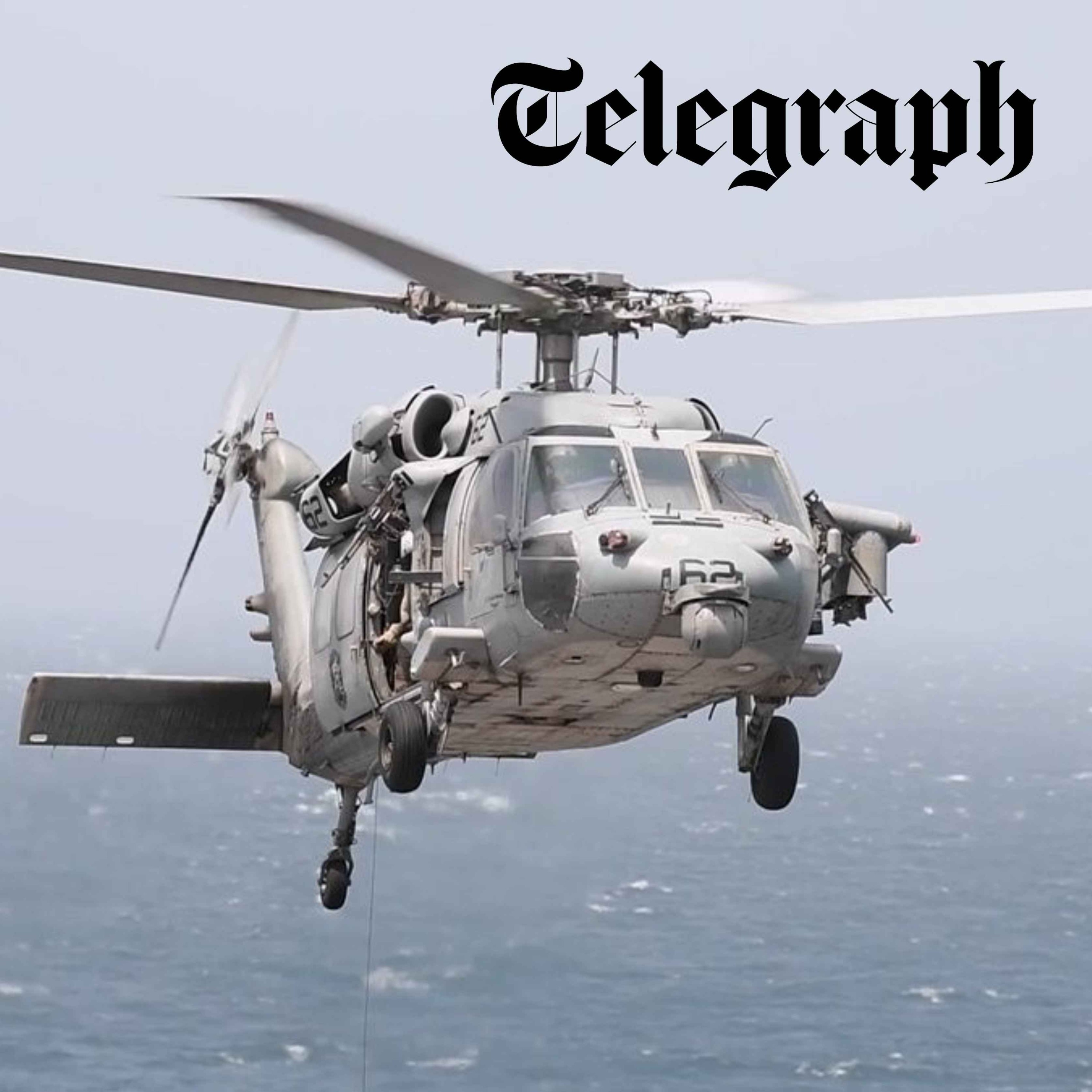
Houthis’ first kills in Red Sea & is the Iran war America’s Suez moment?
2d ago00:32:32Summary readyThe Iran-backed Houthis have carried out their first deadly strikes of the war, killing six mariners in a double-tap ballistic missile attack on a cargo vessel in the Red Sea. Meanwhile, near the Strait of Hormuz, US Navy helicopters have fired Hellfire missiles to disable a ship breaking Donald Trump’s blockade.On today’s episode of Iran: The Latest, Venetia Rainey is joined by veteran British Army officer Tim Collins, famous for his ‘tread lightly’ speech prior to leading British troops into Iraq in 2003 (and dramatised by Kenneth Branagh in the 2008 BBC series 10 Days to War). Just back from a trip to Bahrain, Tim unpacks the difficult position the Gulf is now in and the parallels between the Iraq and Iran regimes. Plus, is this America’s Suez Crisis? Tim argues that US dominance is declining as a result of the fast-escalating conflict and offers a piece of advice to Trump for how to end the war.CREDIT: BBC HighlightsUS Navy fires Hellfires as Houthi Red Sea strikes kill first marinersIs the Iran war America’s Suez Crisis moment?CONTRIBUTORS:Venetia Rainey, co-host and executive producer @venetiaraineyTim Collins, former British Army officer @tim_324WATCH US ON YOUTUBE: https://www.youtube.com/playlist?list=PLJnf_DDTfIVAif-vifC6F2aoPB8GIw6dkCONTENT REFERENCED:Tim Collins: Britain’s old friend and ally in the Gulf would welcome us backhttps://www.telegraph.co.uk/news/2026/08/10/britains-old-friend-and-ally-in-the-gulf-would-welcome-us/Britain opens first naval overseas base in 50 years in sign of ‘global reach’ https://www.telegraph.co.uk/news/2018/04/05/britain-opens-first-naval-overseas-base-50-years-sign-global/Col. Tim Collins' full speech, Kuwait, 19 March, 2003https://www.dajobe.org/2003/03/collins/BBC: 10 Days to War mini series https://www.bbc.co.uk/programmes/b009rcp0Winner Best News and Analysis Podcast - Publisher Podcast Awards 2026Nominated Podcast of the Year - Society of Editors News Podcasts Awards 2026Nominated Best News, Politics and Current Affairs - British Podcast Awards 2026The Telegraph, Winner Podcast Publisher of the Year 2026 - Publisher Podcast Awards 2026Producer: Peter ShevlinVideo Producer: Max BowerResearcher and Social Producer: Anna HindmarshStudio Operator: Andy WatsonExecutive Producer: Venetia Rainey ► Sign up to our most popular newsletter, From the Editor. Look forward to receiving free-thinking comment and the day's biggest stories, every morning. telegraph.co.uk/fromtheeditor► EMAIL US: Contact the team on battlelines@telegraph.co.uk► GET THE LATEST HEADLINES: Find all our latest Iran coverage here: https://www.telegraph.co.uk/iran-war/ Hosted on Acast. See acast.com/privacy for more information.
Summary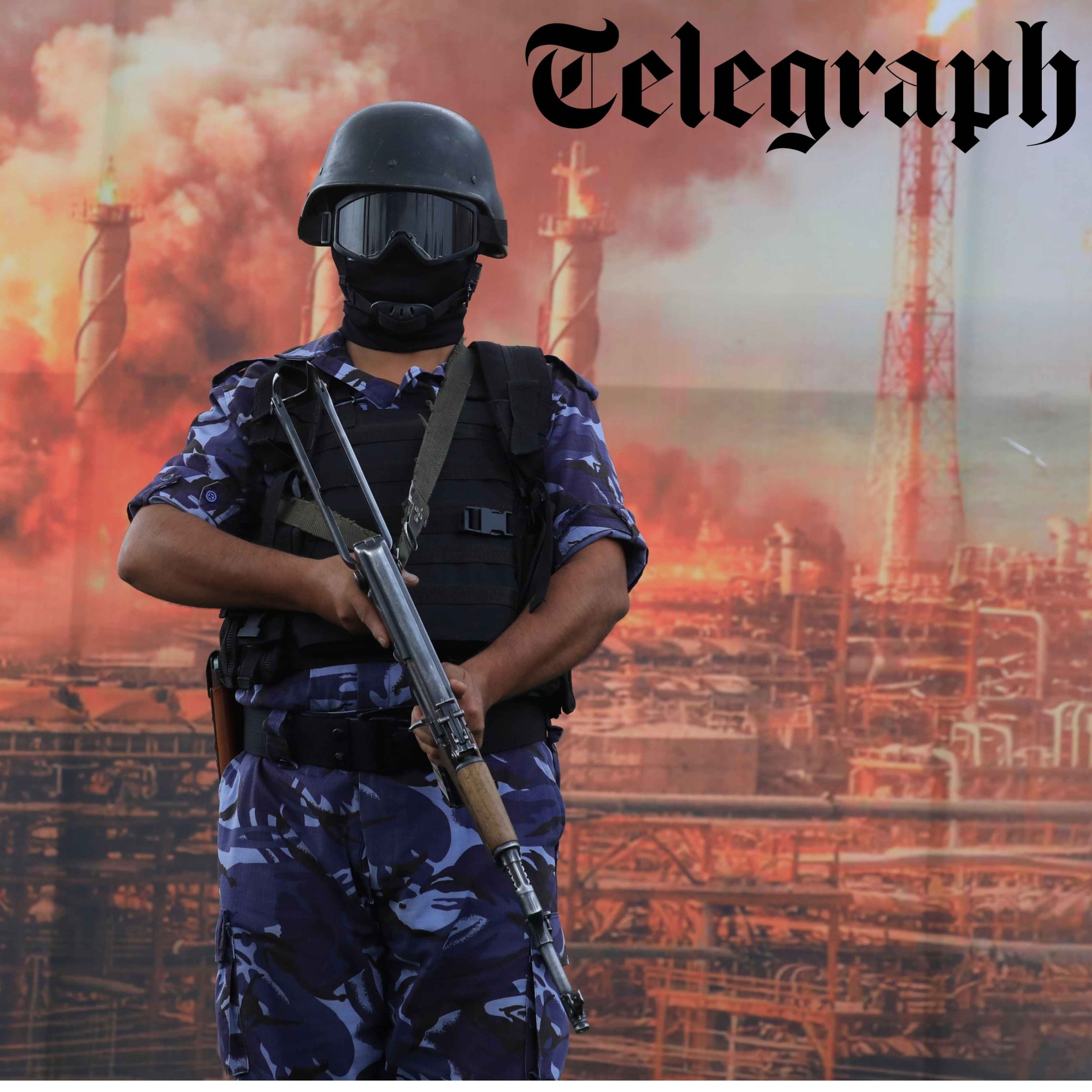
Iran's Trump assassination plot & Houthis restart Yemen war
3d ago00:35:03Summary readyIran’s proxy group the Houthis have launched fresh missile attacks on Yemeni ports in the Red Sea as their conflict with Saudi Arabia heats up. A new war in the Arabian Peninsula is now inevitable, according to former Yemeni diplomat Mahmoud Shehrah.On today’s episode of Iran: The Latest, Roland Oliphant talks to Chatham House’s Shehrah to unpack the Houthis' intentions and to what extent they are acting on Tehran’s orders. Could they close the Bab al-Mendab strait and what can the West do about it?Plus, news of an Iranian assassination plot against Donald Trump that forced him to hide in an airplane catering trolley, and why the US president is now demanding war reparations from Iran to resolve their dispute over the Strait of Hormuz. HighlightsIran’s proxy group the Houthis restarting the Yemen warIran's Trump assassination plot exposedCONTRIBUTORS:Roland Oliphant, co-host and chief foreign affairs analyst @RolandOliphantMahmoud Shehrah, former Yemeni diplomat and associate fellow Chatham House @shehrah_mahmoud WATCH US ON YOUTUBE: https://www.youtube.com/playlist?list=PLJnf_DDTfIVAif-vifC6F2aoPB8GIw6dkCONTENT REFERENCED:Trump demands ‘reparations’ from Iranhttps://www.telegraph.co.uk/us/news/2026/08/10/trump-demands-reparations-iran/Trump sneaked out of Turkey in catering cart over Iranian plot fearshttps://www.telegraph.co.uk/us/politics/2026/08/11/trump-secret-flight-turkey-iran-plot-air-force-one/Winner Best News and Analysis Podcast - Publisher Podcast Awards 2026Nominated Podcast of the Year - Society of Editors News Podcasts Awards 2026Nominated Best News, Politics and Current Affairs - British Podcast Awards 2026The Telegraph, Winner Podcast Publisher of the Year 2026 - Publisher Podcast Awards 2026Producer: Max BowerVideo Producer: Peter ShevlinResearcher and Social Producer: Anna HindmarshStudio Operator: Andy WatsonExecutive Producer: Venetia Rainey ► Sign up to our most popular newsletter, From the Editor. Look forward to receiving free-thinking comment and the day's biggest stories, every morning. telegraph.co.uk/fromtheeditor► EMAIL US: Contact the team on battlelines@telegraph.co.uk► GET THE LATEST HEADLINES: Find all our latest Iran coverage here: https://www.telegraph.co.uk/iran-war/ Hosted on Acast. See acast.com/privacy for more information.
Summary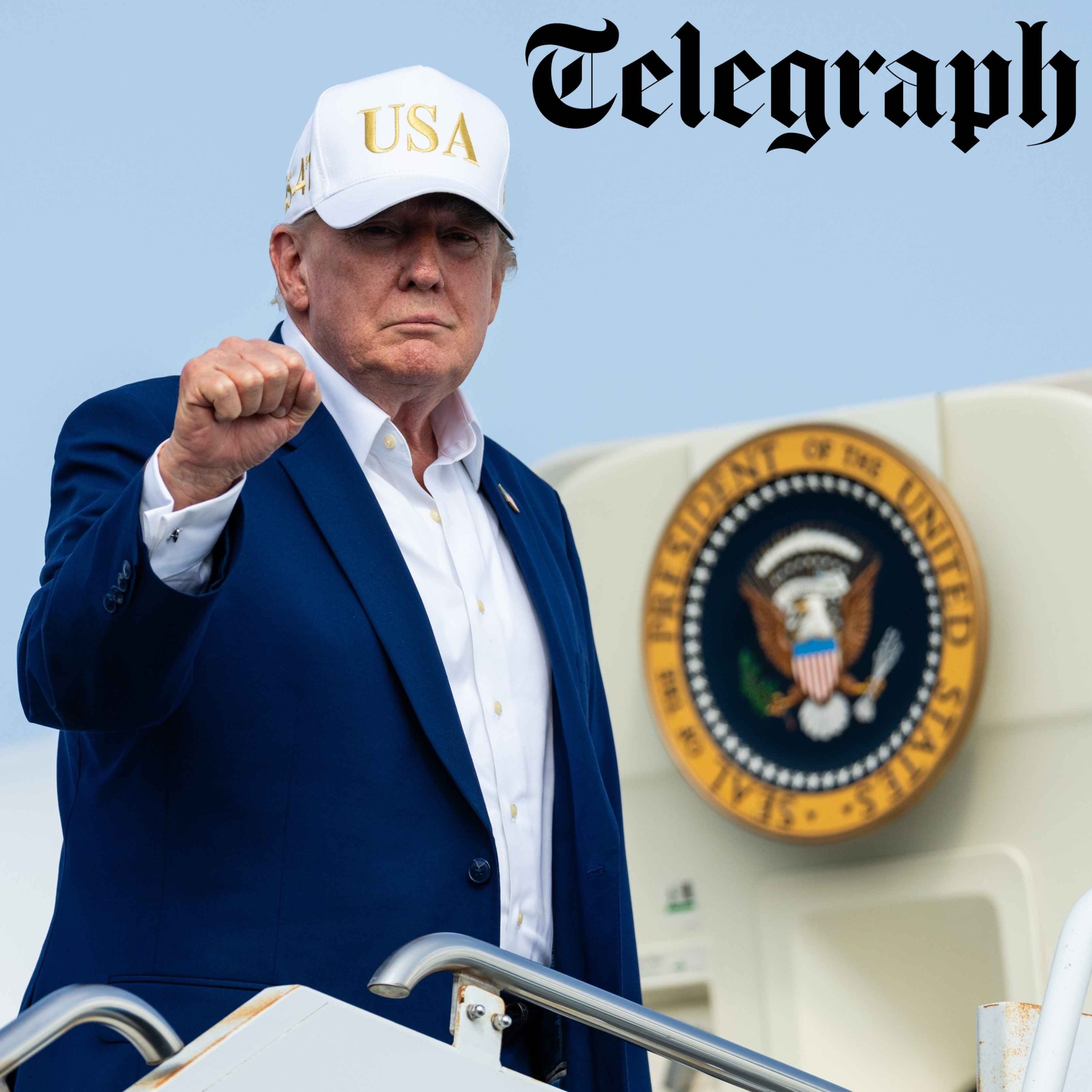
US blockade squeezes Iran & Tehran names price to reopen Hormuz
4d ago00:30:09Summary readyIran has issued a series of demands to the US in return for reopening the Strait of Hormuz - everything from war reparations to withdrawing regional military assets. Many of them echo the previous peace deal, so will Donald Trump accept?On today's episode of Iran: the Latest, Venetia Rainey and Sophia Yan look at who is in a stronger position. Trump’s naval blockade has forced Tehran’s primary oil terminal on Kharg Island to grind to a halt and is pushing food inflation above 200 per cent in some cases. But Iran has just appointed a hardline new security council leader who has vowed to retain full control of Hormuz. Plus, why Tehran has released an old video of Supreme Leader Mojtaba Khamenei, Houthi attacks on a Saudi oil refinery puts the new Saudi Arabia-Turkey-Pakistan Mecca defence pact to an early test, and Israel’s Benjamin Netanyahu explicitly rejects Donald Trump’s 15-point Gaza peace deal.HighlightsUS blockade squeezes Iran as main oil terminal goes darkTehran names price to reopen the Strait of HormuzCONTRIBUTORS:Venetia Rainey, co-host and executive producer @venetiaraineySophia Yan, co-host and senior foreign correspondent @sophia_yanWATCH US ON YOUTUBE: https://www.youtube.com/playlist?list=PLJnf_DDTfIVAif-vifC6F2aoPB8GIw6dkCONTENT REFERENCED:Iran names price to reopen Strait of Hormuzhttps://www.telegraph.co.uk/world-news/2026/08/09/iran-names-price-to-reopen-strait-of-hormuz/ As one oil chokepoint calms, Houthis threaten anotherhttps://www.telegraph.co.uk/world-news/2026/08/08/war-yemen-threatens-drag-middle-east-deeper-crisis/Israel rejects Trump’s Gaza planhttps://www.telegraph.co.uk/world-news/2026/08/09/benjamin-netanyahu-israel-donald-trump-gaza-plan-hamas/Winner Best News and Analysis Podcast - Publisher Podcast Awards 2026Nominated Podcast of the Year - Society of Editors News Podcasts Awards 2026Nominated Best News, Politics and Current Affairs - British Podcast Awards 2026The Telegraph, Winner Podcast Publisher of the Year 2026 - Publisher Podcast Awards 2026Producer: Max BowerVideo Producer: Peter ShevlinResearcher and Social Producer: Anna HindmarshStudio Operator: Andy WatsonExecutive Producer: Venetia Rainey ► Sign up to our most popular newsletter, From the Editor. Look forward to receiving free-thinking comment and the day's biggest stories, every morning. telegraph.co.uk/fromtheeditor► EMAIL US: Contact the team on battlelines@telegraph.co.uk► GET THE LATEST HEADLINES: Find all our latest Iran coverage here: https://www.telegraph.co.uk/iran-war/ Hosted on Acast. See acast.com/privacy for more information.
Summary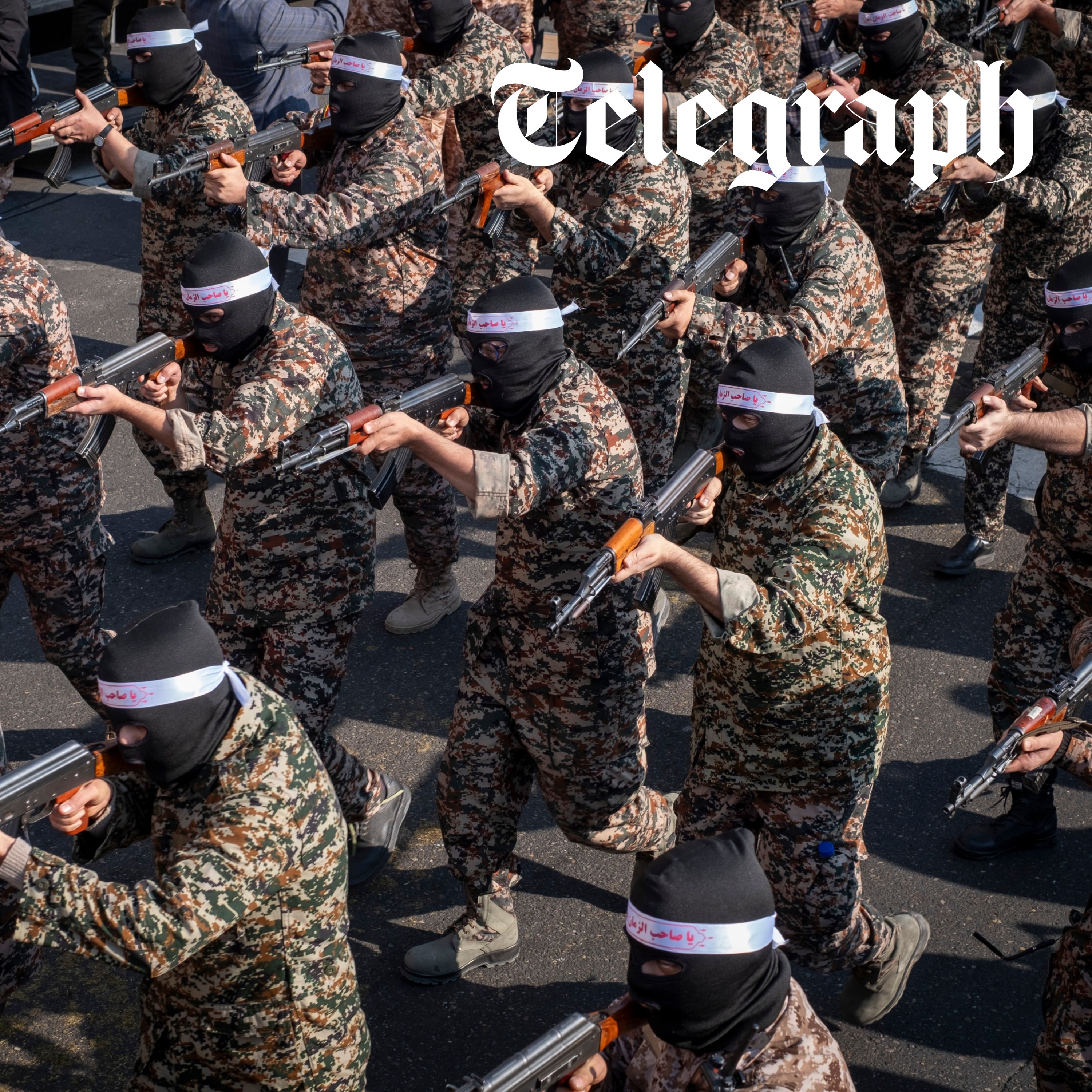
Why Trump can’t trust Iran: the fatal flaw in any peace deal
5d ago00:22:32Summary readyDonald Trump is holding off on any further military action against Iran in the hope of striking a diplomatic breakthrough to end the war - but is he wasting his time?For this bonus episode of Iran: the Latest, Venetia Rainey speaks to Iranian-American entrepreneur and former refugee Payam Zamani. He argues that the Iranian regime cannot be trusted and that the West repeatedly misunderstands the Islamic Republic, which is built on martyrdom, brutality and religious fanaticism. Payam knows this from experience. Born into a Baha’i family in 1970s Tehran, he was repeatedly persecuted and eventually fled Iran on foot after being chased out of school by a violent mob. He offers a rare insider look at how the Islamic Republic operates by looking at how it crushes minorities and any dissent. HighlightsWhy Trump can’t trust Iran: the fatal flaw in any peace dealIRGC brutality, being a Baha'i and escaping Iran with Payam Zamani CONTRIBUTORS:Venetia Rainey, co-host and executive producer @venetiaraineyPayam Zamani, CEO/founder One Planet Group @PayamZamaniWATCH US ON YOUTUBE: https://www.youtube.com/playlist?list=PLJnf_DDTfIVAif-vifC6F2aoPB8GIw6dkWinner Best News and Analysis Podcast - Publisher Podcast Awards 2026Nominated Podcast of the Year - Society of Editors News Podcasts Awards 2026Nominated Best News, Politics and Current Affairs - British Podcast Awards 2026The Telegraph, Winner Podcast Publisher of the Year 2026 - Publisher Podcast Awards 2026Producer: Peter ShevlinVideo Producer: Max BowerResearcher and Social Producer: Anna HindmarshStudio Operator: Andy WatsonExecutive Producer: Venetia Rainey ► Sign up to our most popular newsletter, From the Editor. Look forward to receiving free-thinking comment and the day's biggest stories, every morning. telegraph.co.uk/fromtheeditor► EMAIL US: Contact the team on battlelines@telegraph.co.uk► GET THE LATEST HEADLINES: Find all our latest Iran coverage here: https://www.telegraph.co.uk/iran-war/ Hosted on Acast. See acast.com/privacy for more information.
Summary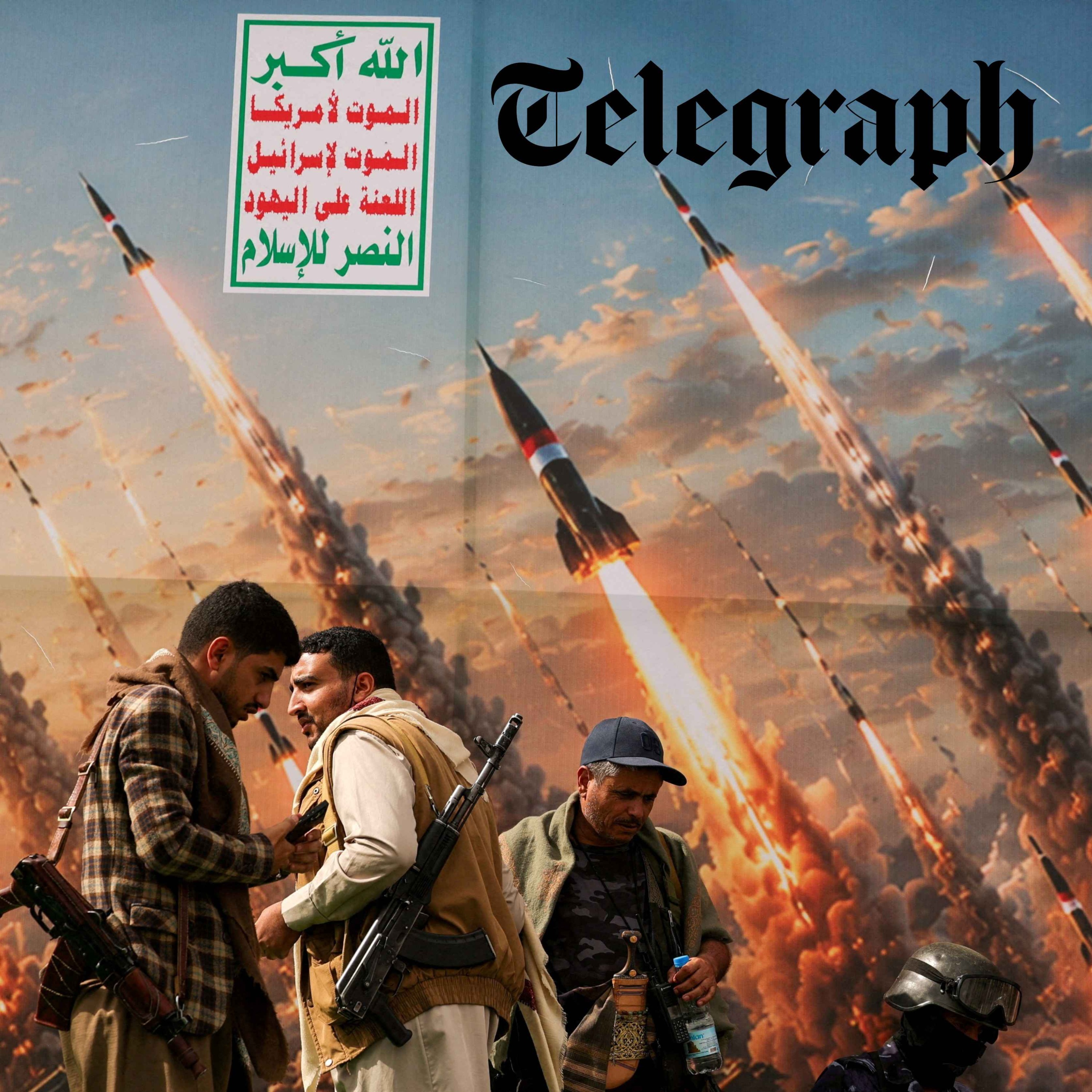
Saudi Arabia, Turkey, and Pakistan sign Nato-style pact as Iran isolated
1w ago00:42:59Summary readySaudi Arabia, Turkey, and Pakistan have signed a historic trilateral defence agreement containing a Nato-style mutual assistance clause. As the Iranian threat - including from its proxies in Yemen and Iraq - grows, is this the future of security in the Middle East?On today’s episode of Iran: the Latest, Sophia Yan is joined by Miad Maleki, senior fellow at the Foundation for Defense of Democracies and former Pentagon lead sanctions architect. They discuss how much control Tehran still has over its proxies, growing internal dissent in Iran over the Strait of Hormuz deal, and whether Tehran is stringing out the war to avoid further protests. Plus, how China enables Iran to bypass Western sanctions. HighlightsSaudi Arabia, Turkey, and Pakistan sign Nato-style pact against IranHow China enables Iran to bypass Western sanctionsCONTRIBUTORS:Sophia Yan, co-host and senior foreign correspondent @sophia_yanMiad Maleki, senior fellow at the Foundation for Defence of Democracies @miadmalekiWATCH US ON YOUTUBE: https://www.youtube.com/playlist?list=PLJnf_DDTfIVAif-vifC6F2aoPB8GIw6dkCONTENT REFERENCED:Iran considers banning US and Israeli ships from Strait of Hormuzhttps://www.telegraph.co.uk/world-news/2026/08/07/iran-considers-banning-us-israeli-ships-strait-of-hormuz/Winner Best News and Analysis Podcast - Publisher Podcast Awards 2026Nominated Podcast of the Year - Society of Editors News Podcasts Awards 2026Nominated Best News, Politics and Current Affairs - British Podcast Awards 2026The Telegraph, Winner Podcast Publisher of the Year 2026 - Publisher Podcast Awards 2026Producer: Max BowerVideo Producer: Peter Shevlin Researcher and Social Producer: Anna HindmarshStudio Operator: Andy WatsonExecutive Producer: Venetia Rainey ► Sign up to our most popular newsletter, From the Editor. Look forward to receiving free-thinking comment and the day's biggest stories, every morning. telegraph.co.uk/fromtheeditor► EMAIL US: Contact the team on battlelines@telegraph.co.uk► GET THE LATEST HEADLINES: Find all our latest Iran coverage here: https://www.telegraph.co.uk/iran-war/ Hosted on Acast. See acast.com/privacy for more information.
Summary
‘Bizarre’ Iran-Oman Strait of Hormuz deal cuts out Trump
1w ago00:36:30Summary readyIran and Oman are reported to be on the verge of signing a historic deal to reopen the Strait of Hormuz that would put Tehran in control of all inbound traffic. Will Donald Trump approve the deal - and with the US apparently cut out of negotiations, does he have any choice?On today’s episode of Iran: the Latest, Venetia Rainey speaks to chief Washington correspondent Connor Stringer about how the deal would work, the tolls - or fees - it could involve for transiting ships, and why no deal can permanently solve the waterway’s instability in the long-run. Plus, fresh violence in Lebanon between Israel and Hezbollah, an “argument” between Trump and Secretary of Defense Pete Hegseth over missile stockpiles, and why Tucker Carlson is heading up a splinter MAGA group that is furious about the US-Iran war. Could Tucker run for president in 2028?HighlightsIran-Oman Strait of Hormuz deal cuts out Trump Plus: could Tucker Carlson run for president in 2028 off the back of Iran war anger?CONTRIBUTORS:Venetia Rainey, co-host and executive producer @venetiaraineyConnor Stringer, chief Washington correspondent @connorstringerWATCH US ON YOUTUBE: https://www.youtube.com/playlist?list=PLJnf_DDTfIVAif-vifC6F2aoPB8GIw6dkCONTENT REFERENCED:Roland Oliphant: This is proof Iran won the warhttps://www.telegraph.co.uk/news/2026/08/06/this-is-proof-iran-won-the-war/Iran says it has agreed Strait of Hormuz shipping route with Omanhttps://www.telegraph.co.uk/world-news/2026/08/06/iran-threatens-attack-gulf-energy-facilities-new-us-strikes/Trump ‘clashes with Hegseth’ over missile shortageshttps://www.telegraph.co.uk/world-news/2026/08/06/trump-clashes-hegseth-missile-shortages/Europe to foot bill under new proposal to reopen Hormuzhttps://www.telegraph.co.uk/us/news/2026/08/04/europe-could-foot-bill-in-new-plan-to-reopen-hormuz/Iran’s plot to split Jordan from the Westhttps://www.telegraph.co.uk/world-news/2026/08/06/irans-plot-to-split-jordan-from-the-west/Winner Best News and Analysis Podcast - Publisher Podcast Awards 2026Nominated Podcast of the Year - Society of Editors News Podcasts Awards 2026Nominated Best News, Politics and Current Affairs - British Podcast Awards 2026The Telegraph, Winner Podcast Publisher of the Year 2026 - Publisher Podcast Awards 2026Producer: Peter ShevlinVideo Producer: Max BowerResearcher and Social Producer: Anna HindmarshStudio Operator: Andy WatsonExecutive Producer: Venetia Rainey ► Sign up to our most popular newsletter, From the Editor. Look forward to receiving free-thinking comment and the day's biggest stories, every morning. telegraph.co.uk/fromtheeditor► EMAIL US: Contact the team on battlelines@telegraph.co.uk► GET THE LATEST HEADLINES: Find all our latest Iran coverage here: https://www.telegraph.co.uk/iran-war/ Hosted on Acast. See acast.com/privacy for more information.
Summary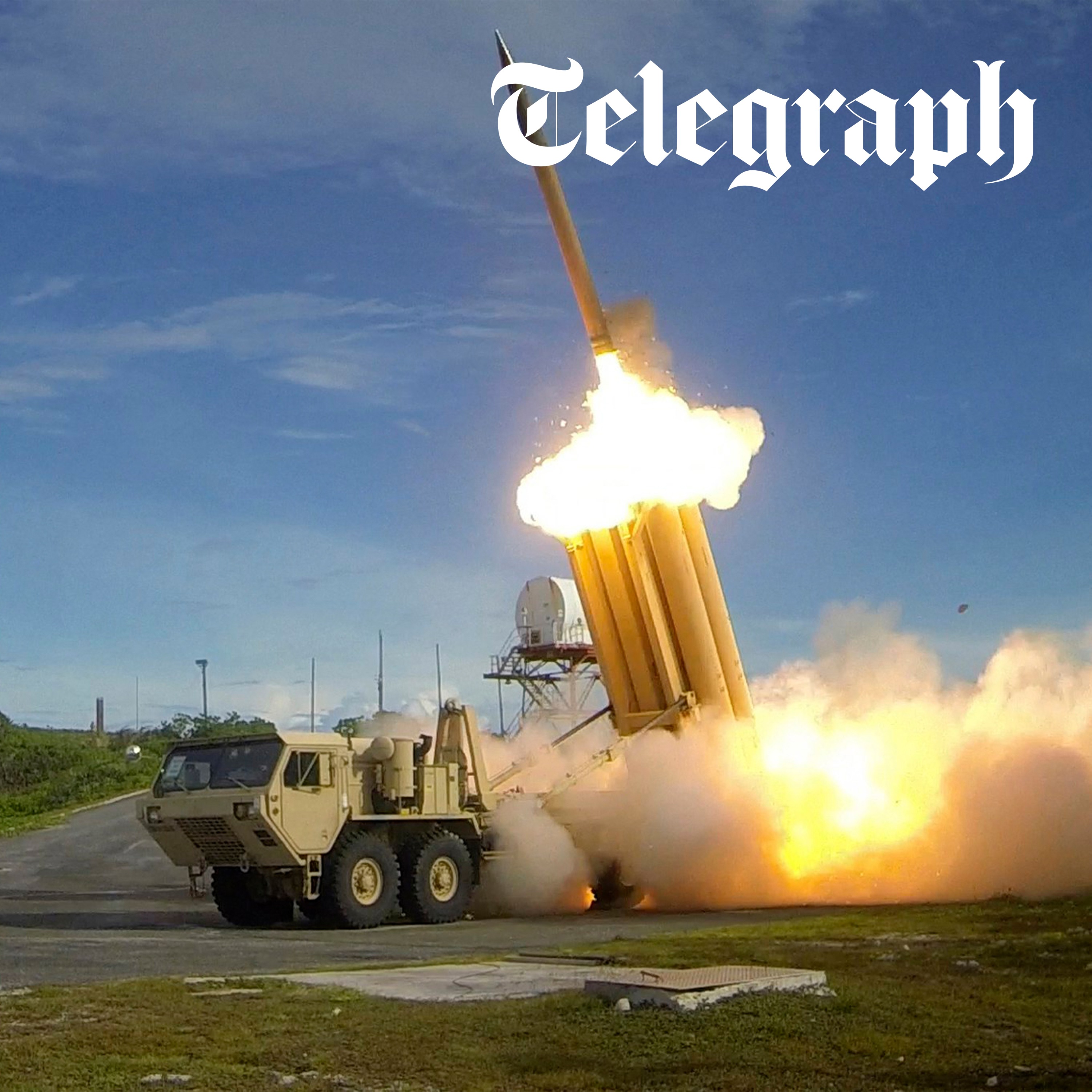
US interceptor missile stocks dangerously low & Houthis strike Saudi ship
1w ago00:35:26Summary readyThe US military have ‘burnt through’ their critical missile interceptors since the start of the Iran war. Senior commanders warn that stockpiles for THAAD and Patriot systems are "dangerously low." Elsewhere, the conflict in the Red Sea has escalated as Iranian-backed Houthi rebels have escalated their maritime blockade, striking a Saudi oil tanker in the northern Red Sea with ballistic missiles. On today’s episode Roland Oliphant speaks to Jerusalem correspondent Henry Bodkin about the geopolitical implications of depleted US missile inventories, the crumbling reality behind the Gaza decommissioning deal, and growing political rifts inside Israel over war aims.Plus, Roland and Henry analyse the Israeli perspective to the news cycle, differing cultures of leaking information between the US and Israel, and alarming UN reports detailing a surge in state executions across Iran.HighlightsUS Thaad and Patriot missile stockpiles burn dry as Iran conflict escalatesIranian-backed Houthi rebels hit a Saudi oil tanker with ballistic missilesCONTRIBUTORS:Roland Oliphant, co-host and chief foreign affairs analyst @RolandOliphantHenry Bodkin, Jerusalem correspondent, @HenryBodkin WATCH US ON YOUTUBE: https://www.youtube.com/playlist?list=PLJnf_DDTfIVAif-vifC6F2aoPB8GIw6dkWinner Best News and Analysis Podcast - Publisher Podcast Awards 2026Nominated Podcast of the Year - Society of Editors News Podcasts Awards 2026Nominated Best News, Politics and Current Affairs - British Podcast Awards 2026The Telegraph, Winner Podcast Publisher of the Year 2026 - Publisher Podcast Awards 2026Producer: Max BowerVideo Producer: Peter ShevlinResearcher and Social Producer: Anna HindmarshStudio Operator: Andy WatsonExecutive Producer: Venetia Rainey ► Sign up to our most popular newsletter, From the Editor. Look forward to receiving free-thinking comment and the day's biggest stories, every morning. telegraph.co.uk/fromtheeditor► EMAIL US: Contact the team on battlelines@telegraph.co.uk► GET THE LATEST HEADLINES: Find all our latest Iran coverage here: https://www.telegraph.co.uk/iran-war/ Hosted on Acast. See acast.com/privacy for more information.
Summary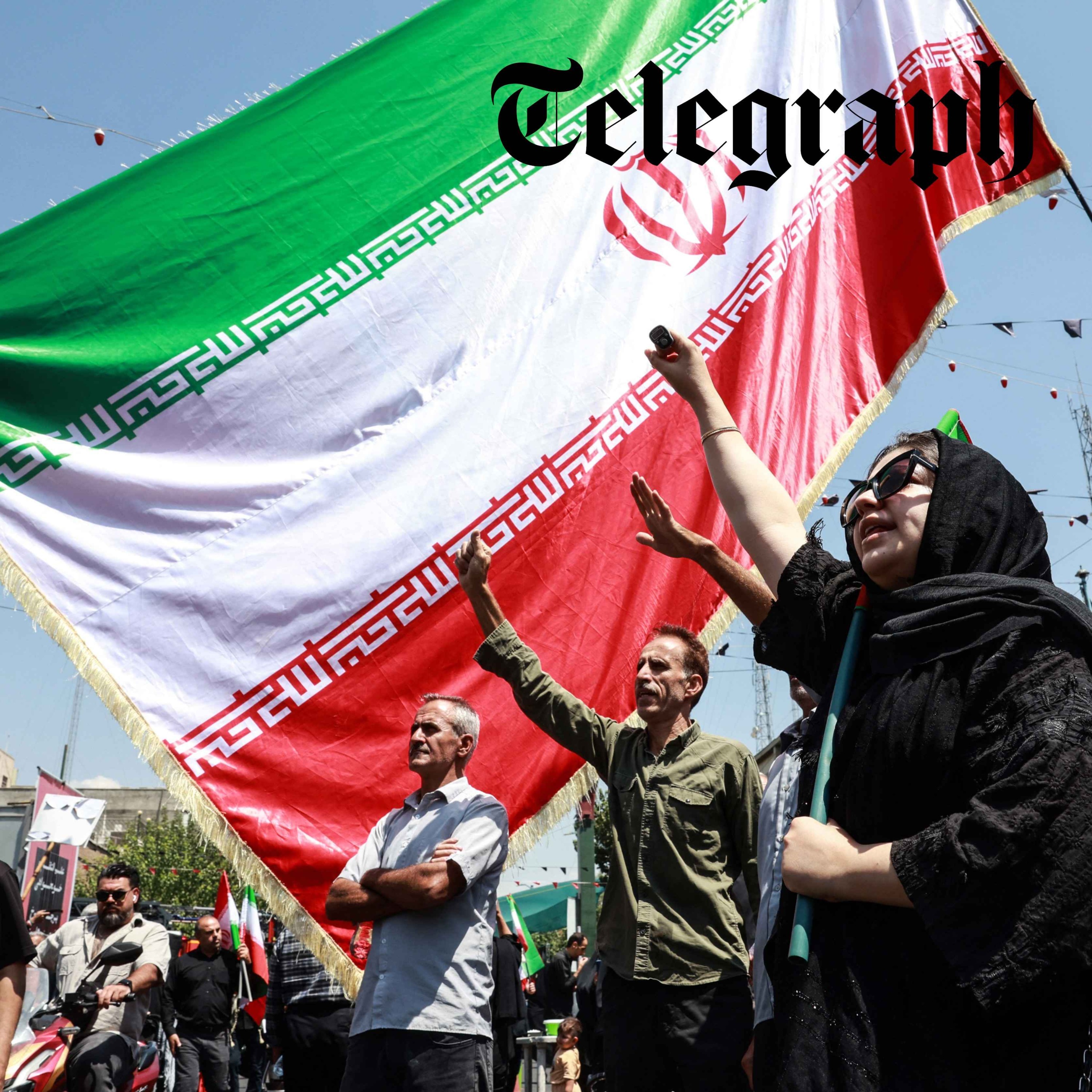
Trump’s empty ‘decapitation’ threats as Ukraine and Iran wars ‘very close’ to merging
1w ago00:43:17Summary readyDonald Trump has threatened a "decapitation" strike to restart the war if negotiations with Iran fail. Iran denies talks are underway, but Tehran is certainly talking with one country: Oman. It is closing in on a Strait of Hormuz deal that would grant Iranian control over inbound shipping, potentially allowing it to charge fees on everything from oil to fertiliser. Amid fresh missile strikes on commercial vessels near Oman, how will the US respond?On today’s episode of Iran: The Latest, Roland Oliphant speaks with Danny Citrinowicz, Senior Fellow at Israel’s Institute for National Security Studies (INSS), about whether Iran is strategically dragging out the conflict. They analyse how the Iran and Russia-Ukraine wars are “very close” to merging into a single global front, why US military posture is buckling in the Gulf, and how collapsing ceasefire deals in Lebanon and Gaza expose the limits of Trump’s Middle East strategy. HighlightsTrump threatens ‘decapitation’ strike if Iran negotiations failWhy the Iran and Ukraine wars are ‘very close’ to merging CONTRIBUTORS:Roland Oliphant, co-host and chief foreign affairs analyst @RolandOliphantDanny Citrinowicz, senior fellow at Institute for National Security Studies @citrinowicz WATCH US ON YOUTUBE: https://www.youtube.com/playlist?list=PLJnf_DDTfIVAif-vifC6F2aoPB8GIw6dkCONTENT REFERENCED:Trump cut out of new deal to reopen Strait of Hormuzhttps://www.telegraph.co.uk/world-news/2026/08/04/iran-and-oman-near-deal-to-reopen-strait-of-hormuz/Trump’s Hamas disarmament plan unravelshttps://www.telegraph.co.uk/world-news/2026/08/03/donald-trump-hamas-disarmament-deal-unravelling/Winner Best News and Analysis Podcast - Publisher Podcast Awards 2026Nominated Podcast of the Year - Society of Editors News Podcasts Awards 2026Nominated Best News, Politics and Current Affairs - British Podcast Awards 2026The Telegraph, Winner Podcast Publisher of the Year 2026 - Publisher Podcast Awards 2026Producer: Max BowerVideo Producer: Peter ShevlinResearcher and Social Producer: Anna HindmarshStudio Operator: Andy WatsonExecutive Producer: Venetia Rainey ► Sign up to our most popular newsletter, From the Editor. Look forward to receiving free-thinking comment and the day's biggest stories, every morning. telegraph.co.uk/fromtheeditor► EMAIL US: Contact the team on battlelines@telegraph.co.uk► GET THE LATEST HEADLINES: Find all our latest Iran coverage here: https://www.telegraph.co.uk/iran-war/ Hosted on Acast. See acast.com/privacy for more information.
Summary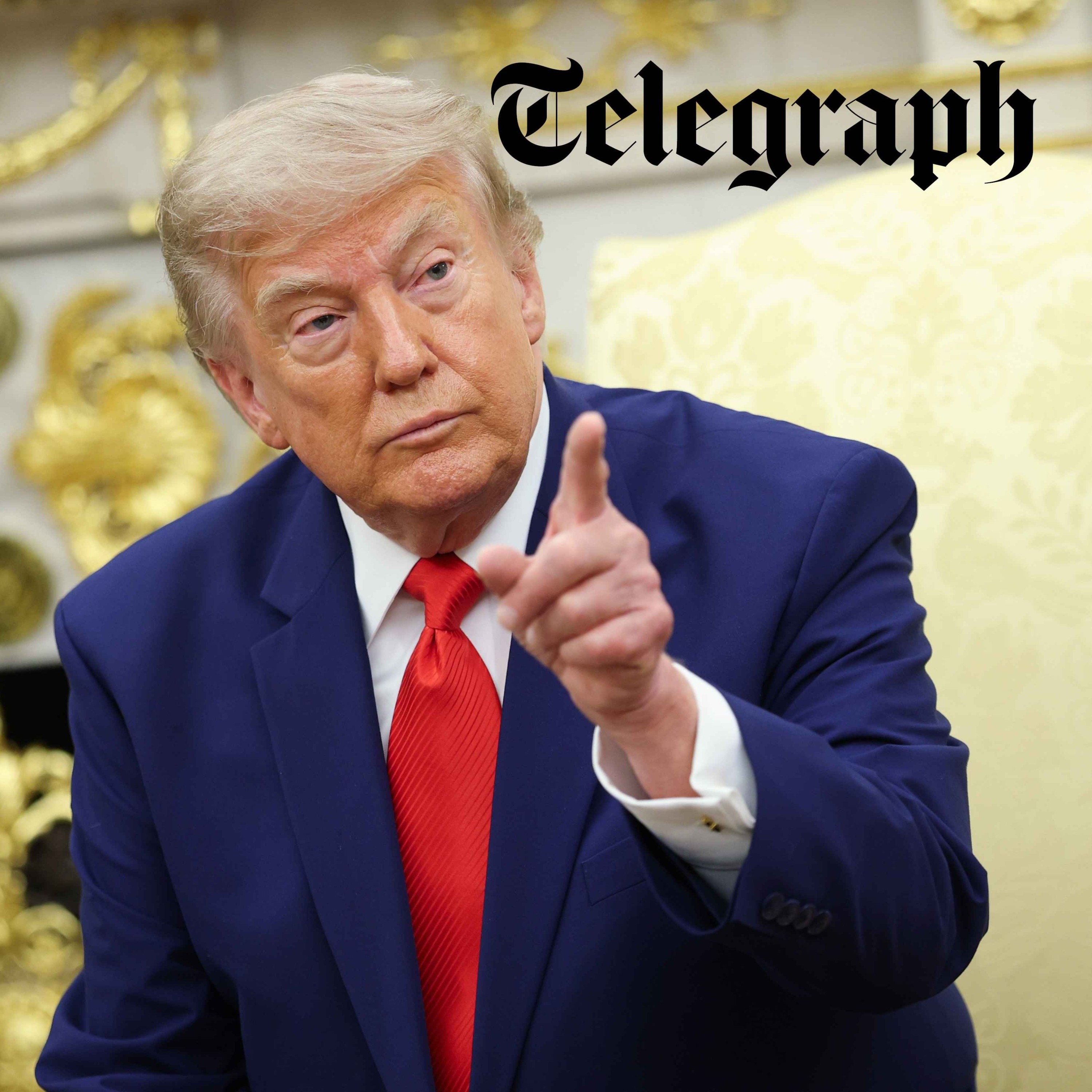
Trump halts 14-day Iran strikes for talks as US admits running out of ideas
2w ago00:30:43Summary readyDonald Trump has U-turned on a 14-day campaign of military strikes on Iran, which he claimed would have been the biggest attack since World War II in favor of restarting peace talks. Tehran insists no negotiations with the US are taking place.Meanwhile, an intelligence breach reveals Centcom is actively seeking "unconventional" ways to pressure Iran, while fresh missile attacks and radio threats near Oman continue to disrupt critical shipping through the Strait of Hormuz.On today's episode of Iran: The Latest, Venetia Rainey and Roland Oliphant discuss the news, the rinse-and-repeat cyclical nature of the war and why Saudi Arabia is becoming increasingly vocal and involved. Plus, new polling showing American public support for the war dropping to record lows, the Shia festival of Arbaeen in Iraq and how climate change is affecting the region.HighlightsTrump cancels ‘biggest strike since WW2’ on Iran, but Tehran denies peace talks Leaked Centcom emails expose US military running out of ways to punish TehranCONTRIBUTORS:Venetia Rainey, co-host and executive producer @venetiaraineyRoland Oliphant, co-host and chief foreign affairs analyst @RolandOliphantWATCH US ON YOUTUBE: https://www.youtube.com/playlist?list=PLJnf_DDTfIVAif-vifC6F2aoPB8GIw6dkCONTENT REFERENCED:Pentagon asks soldiers for ‘creative’ ideas to punish Iranhttps://www.telegraph.co.uk/world-news/2026/08/03/pentagon-asks-soldiers-for-creative-ideas-to-punish-iran/Oil plummets as Trump calls off Iran strikeshttps://www.telegraph.co.uk/business/2026/08/03/oil-plummets-as-trump-calls-off-iran-strikes/Tiny militias threaten to draw Middle East into forever warhttps://www.telegraph.co.uk/world-news/2026/08/03/iraqi-militias-threaten-draw-middle-east-into-forever-war/New Hormuz plan leaves Iran in controlhttps://www.telegraph.co.uk/world-news/2026/08/01/israel-poised-return-iran-war-heaviest-us-strikes/US lacks weapons to defend Israel against Iran, leaked memo warnshttps://www.telegraph.co.uk/world-news/2026/08/02/us-lacks-weapons-to-defend-israel-leaked-memo-warns/Winner Best News and Analysis Podcast - Publisher Podcast Awards 2026Nominated Podcast of the Year - Society of Editors News Podcasts Awards 2026Nominated Best News, Politics and Current Affairs - British Podcast Awards 2026The Telegraph, Winner Podcast Publisher of the Year 2026 - Publisher Podcast Awards 2026Producer: Max BowerVideo Producer: Peter ShevlinResearcher and Social Producer: Anna HindmarshStudio Operator: Andy WatsonExecutive Producer: Venetia Rainey ► Sign up to our most popular newsletter, From the Editor. Look forward to receiving free-thinking comment and the day's biggest stories, every morning. telegraph.co.uk/fromtheeditor► EMAIL US: Contact the team on battlelines@telegraph.co.uk► GET THE LATEST HEADLINES: Find all our latest Iran coverage here: https://www.telegraph.co.uk/iran-war/ Hosted on Acast. See acast.com/privacy for more information.
Summary