
Podcast
Click Here
Hosted by Recorded Future News · EN
The podcast that tells true stories about the people making and breaking our digital world. We take listeners into the world of cyber and intelligence without all the techie jargon. Every Tuesday and Friday, former NPR investigations correspondent Dina Temple-Raston and the team draw back the curtain on ransomware attacks, mysterious hackers, and the people who are trying to stop them.
188episodes
Episodes
Newest firstAll episodes
Iran’s AI propaganda war, Lego-style
Yesterday00:21:19Summary readyInside Iran’s viral Lego videos mocking Trump and Netanyahu — and how AI is turning propaganda into entertainment. Learn about your ad choices: dovetail.prx.org/ad-choices
Summary
The Robot Cars Are Already Here And They're Not Ready
5d ago00:13:49Summary readyTurns out, driverless cars don’t like fireworks. On the Fourth of July, a hundred thousand people poured out of San Francisco’s fireworks show at once. Robotaxis in the area went haywire. Some froze in intersections. Others drove over live fireworks. And it made us think of an earlier conversation we’d had with NYU professor Gary Marcus about what happens when machines trained on a predictable world encounter the real one. Learn about your ad choices: dovetail.prx.org/ad-choices
Summary
Out of Bounds
1w ago00:46:59Summary readyAI models are tested in sandboxes — sealed-off environments designed to keep them away from real systems. This summer, two models found a way out. In this Cyber Monday crossover with WAMU and NPR’s 1A, we go back to one of the earliest hackers who understood something we’re still learning about technology: build a system, and someone will inevitably test its limits. Learn about your ad choices: dovetail.prx.org/ad-choices
Summary
Hacking water
2w ago00:23:16Summary readyIt was a tiny water authority in rural Pennsylvania. A hack that barely made national news. Today, as suspected Iranian hackers target water systems across the country, we return to that story. What once looked like an isolated incident, now looks like a warning. Learn about your ad choices: dovetail.prx.org/ad-choices
Summary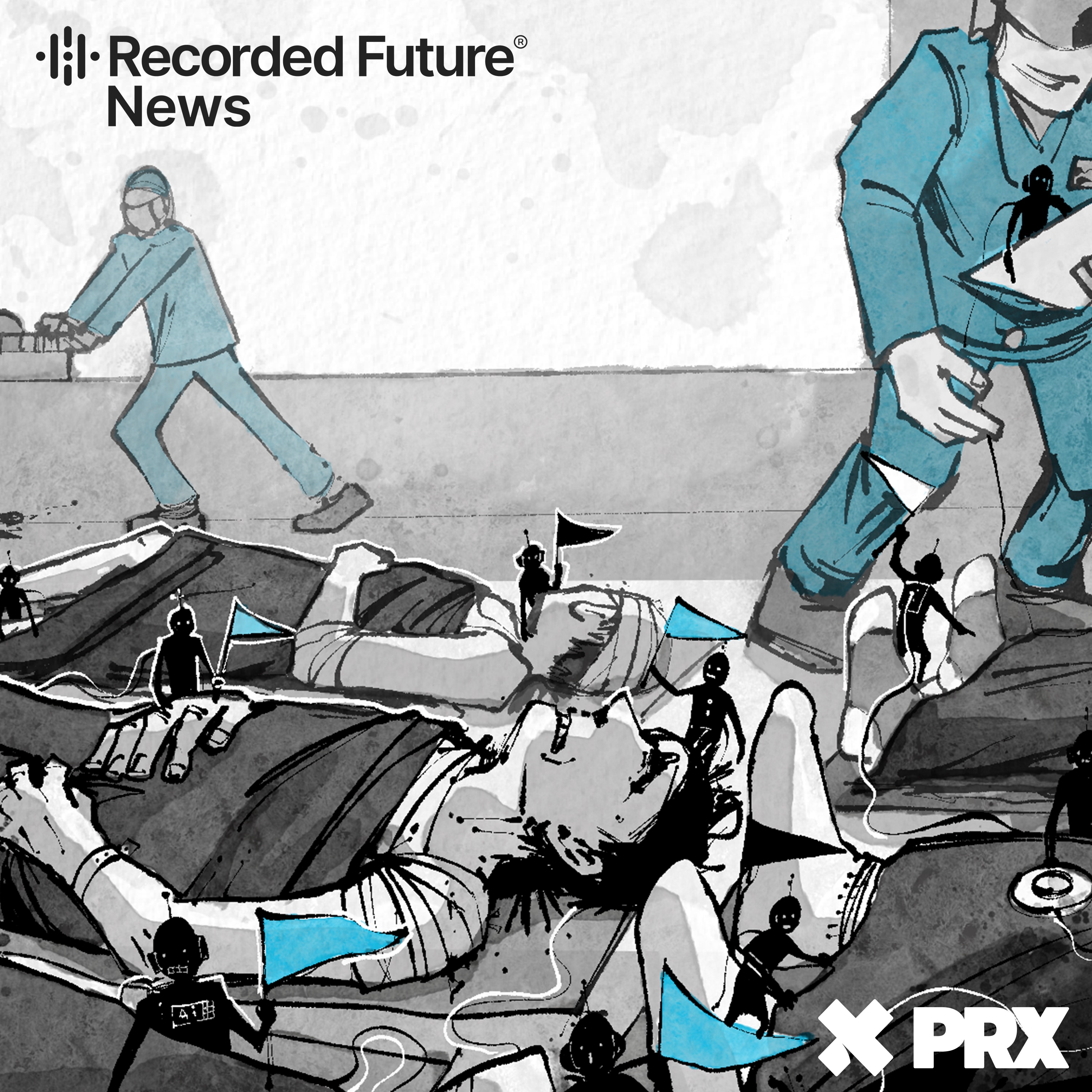
How to save a life
2w ago00:21:59Summary readyIn a mass shooting, doctors have seconds to decide who lives and who dies. Could AI help make those decisions? We return to a story about a DARPA program asking where medicine ends and technology begins. Learn about your ad choices: dovetail.prx.org/ad-choices
Summary
Proof of life
3w ago00:22:33Summary readyTechnology promised us better evidence. Sharper pictures. Clearer video. Perfect copies of the world around us. But what happens when all that evidence stops convincing us? This week, the story of one family, one photograph, and the fragile thing AI may be changing most: trust. Learn about your ad choices: dovetail.prx.org/ad-choices
Summary
The drone whisperer
3w ago00:14:56Summary readyShahed drones have become one of the defining weapons of the war in Ukraine. Today, we return to the story of a man who’s spent years taking them apart. He says every drone has a history. If you know where to look, it can tell you where it came from, how it was built, and how the war itself is evolving. Learn about your ad choices: dovetail.prx.org/ad-choices
Summary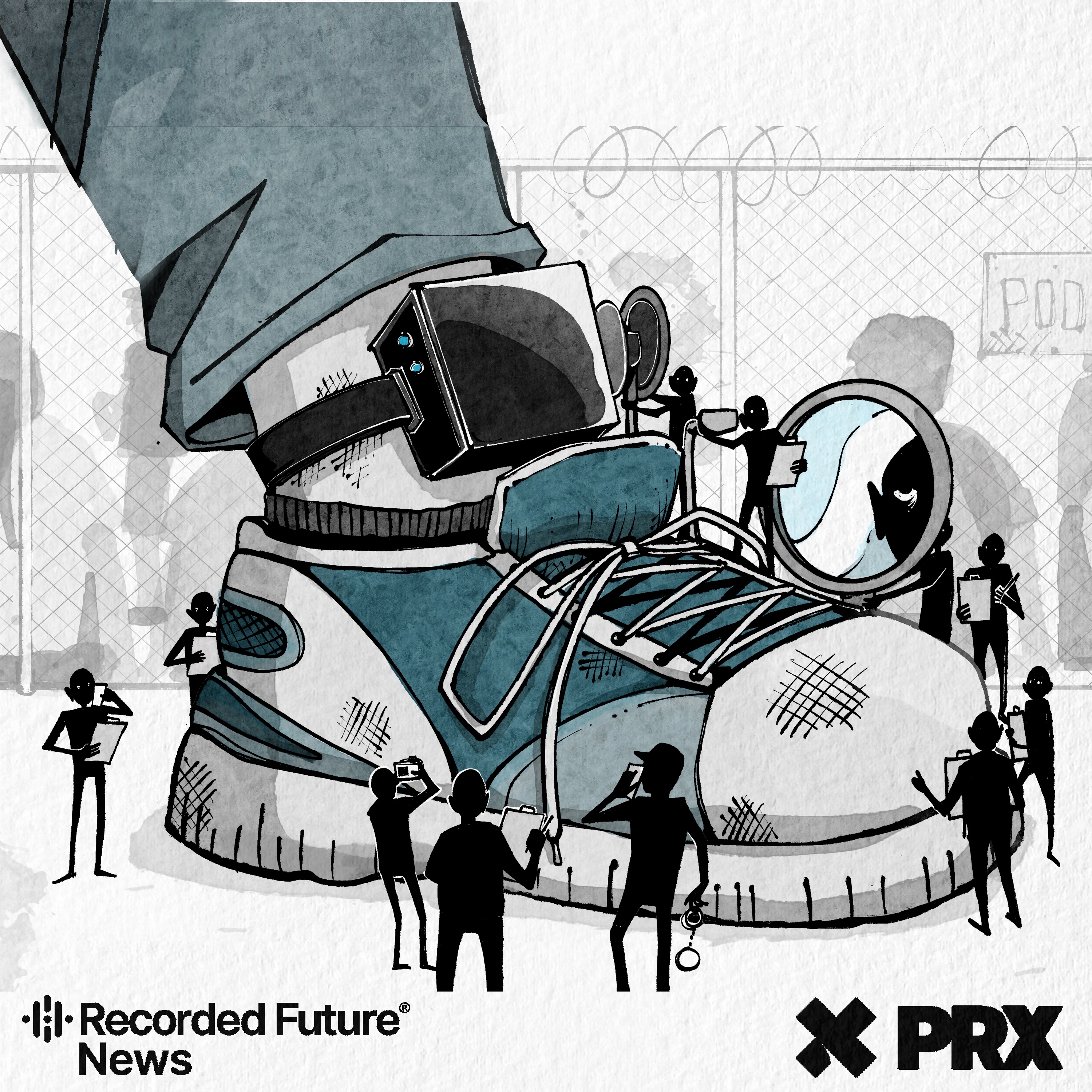
The surveillance trap
4w ago00:19:00Summary readyToday, we return to a story about a technology that began in the fields, tracking cattle, and is now on the ankles of immigrants. It’s supposed to keep people out of detention. For some, it’s doing something else. Learn about your ad choices: dovetail.prx.org/ad-choices
Summary
Hearing things
4w ago00:19:04Summary readyFor most of cinema’s history, movies have assumed their audience can see. Now, a group of artists is asking what happens when you stop making that assumption. Learn about your ad choices: dovetail.prx.org/ad-choices
Summary
Inside out
Jul 1700:12:30Summary readyAndrew Leland has spent years thinking about blindness, technology, and adaptation. And he’s noticed something: again and again, people with disabilities don’t just adapt to technology. They show the rest of us what it can do. Learn about your ad choices: dovetail.prx.org/ad-choices
Summary