
Podcast
DTC Podcast
Hosted by DTC Newsletter and Podcast · EN
Weekly discussions between disruptive direct to consumer ecommerce brands and our amazing team about marketing, funnels, and everything scaling related. Subscribe to our newsletter for highlights and step by step tactical insights 👉🏻 📦 directtoconsumer.co
230episodes
Episodes
Newest firstAll episodes
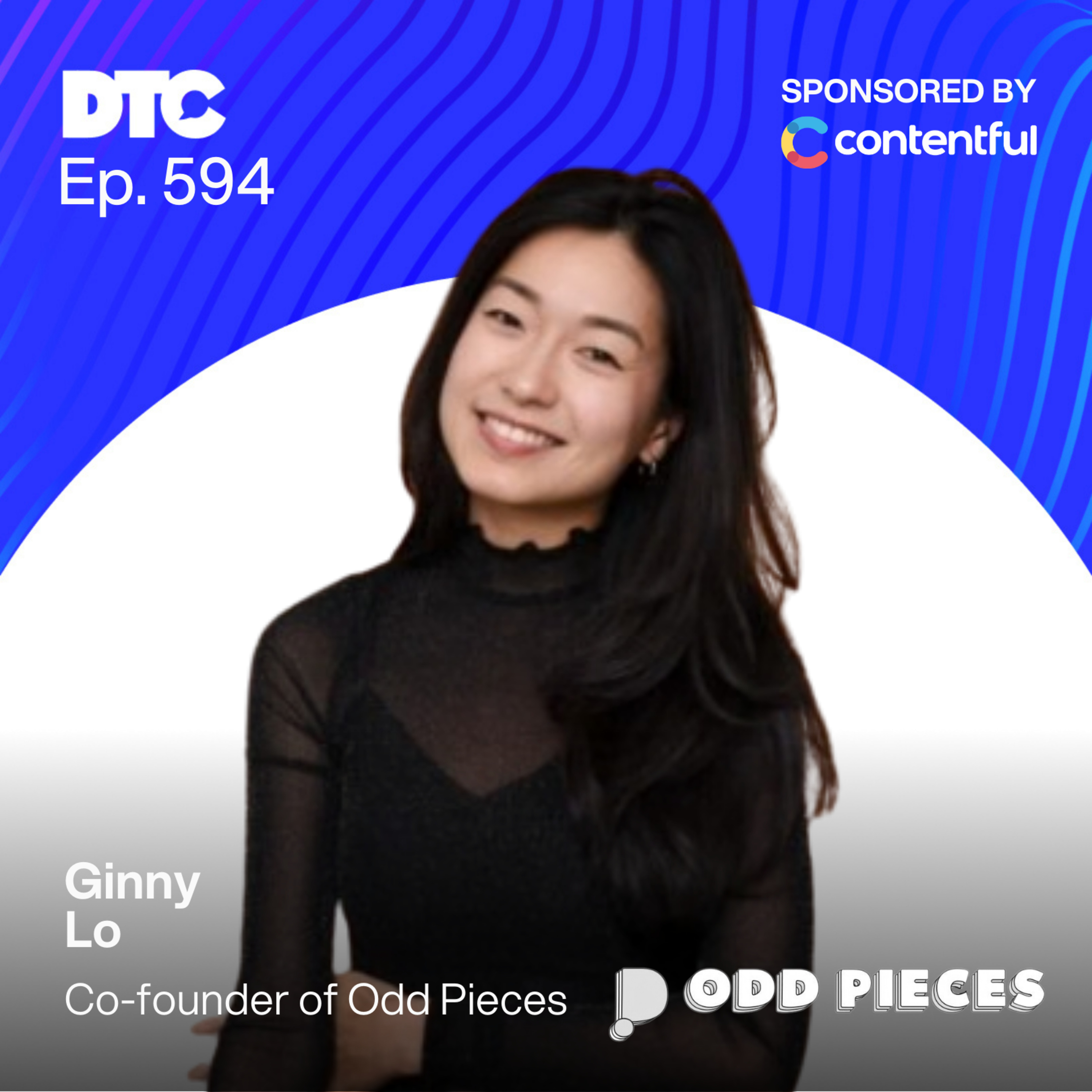
Ep 594: How Odd Pieces Hit $500K on Kickstarter by Reinventing the Puzzle Category
Mar 1600:50:38Summary readySubscribe to DTC Newsletter - https://dtcnews.link/signupGinny Lo is the co-founder of Odd Pieces, a story-driven puzzle brand that took a tired category and made it feel fresh again. Instead of selling just another image-in-a-box, Odd Pieces built puzzles with narrative, hidden clues, comic-style storytelling, and reveal mechanics that make customers want the next one as soon as they finish the first.For DTC founders building an original physical product with limited capital, this episode is a real look at category creation, Kickstarter validation, and early repeat purchase.In this conversation, Ginny breaks down how Odd Pieces started in a 400-square-foot apartment, why they skipped the big research deck and built from instinct, how they launched on Kickstarter with less than $10K, and what they’ve learned from scaling across DTC, Amazon, Barnes & Noble, and repeat Kickstarter launches.You’ll hear about:How a cheap COVID date night turned into a new product categoryWhy the first Odd Pieces prototype took 8+ months to get rightWhat actually makes Kickstarter work, and what agencies can’t do for youHow the first campaign hit $500K and nearly 10,000 backersWhy product design, not just marketing, is doing the heavy lifting on retentionWho this is for:DTC founders, consumer product operators, Kickstarter creators, and marketers trying to build something people actually come back for.What to steal:Build surprise and progression into the product itself so repeat purchase feels naturalUse playtesting to watch customer behavior, not just collect polite feedbackTreat Kickstarter as a distinct channel with its own customer psychology, creative, and conversion strategyTimestamps:00:00 Odd Pieces intro02:02 Why they started Odd Pieces04:14 Turning puzzles into story experiences06:58 Building without formal market research09:00 Making the first prototype11:23 Working with artists and storyboards15:08 Launch costs and early funding18:06 Pricing and repeat customers23:12 Tony Yu’s role in the business27:22 How Kickstarter really works31:00 First launch results and lessons35:17 Kickstarter creatives that convert38:24 The controversy that drove traffic43:17 Shopify, Amazon and retail growth47:14 Who they would hire nextSubscribe to DTC Newsletter - https://dtcnews.link/signupAdvertise on DTC - https://dtcnews.link/advertiseWork with Pilothouse - https://dtcnews.link/pilothouseFollow us on Instagram & Twitter - @dtcnewsletterWatch this interview on YouTube - https://dtcnews.link/video
Summary
Ep 593: 3 Rules for Culturally Relevant DTC Ads That Still Convert on Meta
Mar 1300:29:24Summary readySubscribe to DTC Newsletter - https://dtcnews.link/signupAves and Daniel Sendecki get into a problem a lot of brands still haven’t solved: how do you make ads feel culturally relevant without making them cringe, tone deaf, or useless in performance channels? This episode breaks down why “brand voice” alone no longer carries paid social, how algorithmic feeds reward relevance over cleverness, and why the best creative now has to do two jobs at once: feel native and resolve intent.For DTC founders, growth marketers, and creative strategists trying to make Meta and TikTok ads feel native without losing conversion intent.In this episode, we cover:Why brand voice was built for an older distribution model, and why that model doesn’t dominate anymoreHow to “cooperate with culture” instead of awkwardly borrowing itWhy great paid social creative now needs both cultural cues and problem-solution clarityHow generational context shapes what kind of humor, references, and framing actually landWhat Super Bowl ads, street interviews, and creator-style content reveal about where attention is movingWho this is for:DTC operators, paid social teams, creative strategists, and founders who want better-performing ads without sounding like every other brand online.What to steal:Build ads that use native visual language from the feed, not polished brand-world aestheticsUse cultural references as permission to speak, not as the entire messageMatch creative tone to the audience’s deeper context, not just surface-level trendsTimestamps:00:00 Cultural elements in ads that actually work02:00 Cooperating with culture vs co-opting culture04:01 Why brand voice works differently now06:04 Generational marketing and millennial humor08:58 Relevance, intent, and permission to speak11:07 Why ads need to feel native and authentic13:14 Ad examples that build cultural relevance17:18 Creative systems and authentic brand messaging19:02 McDonald’s, Burger King, and authenticity in ads23:03 Why Super Bowl ads missed the mark27:08 Where the best ads are happening nowSubscribe to DTC Newsletter - https://dtcnews.link/signupAdvertise on DTC - https://dtcnews.link/advertiseWork with Pilothouse - https://www.pilothouse.co/?utm_source=AKNF593Follow us on Instagram & Twitter - @dtcnewsletterWatch this interview on YouTube - https://dtcnews.link/video
Summary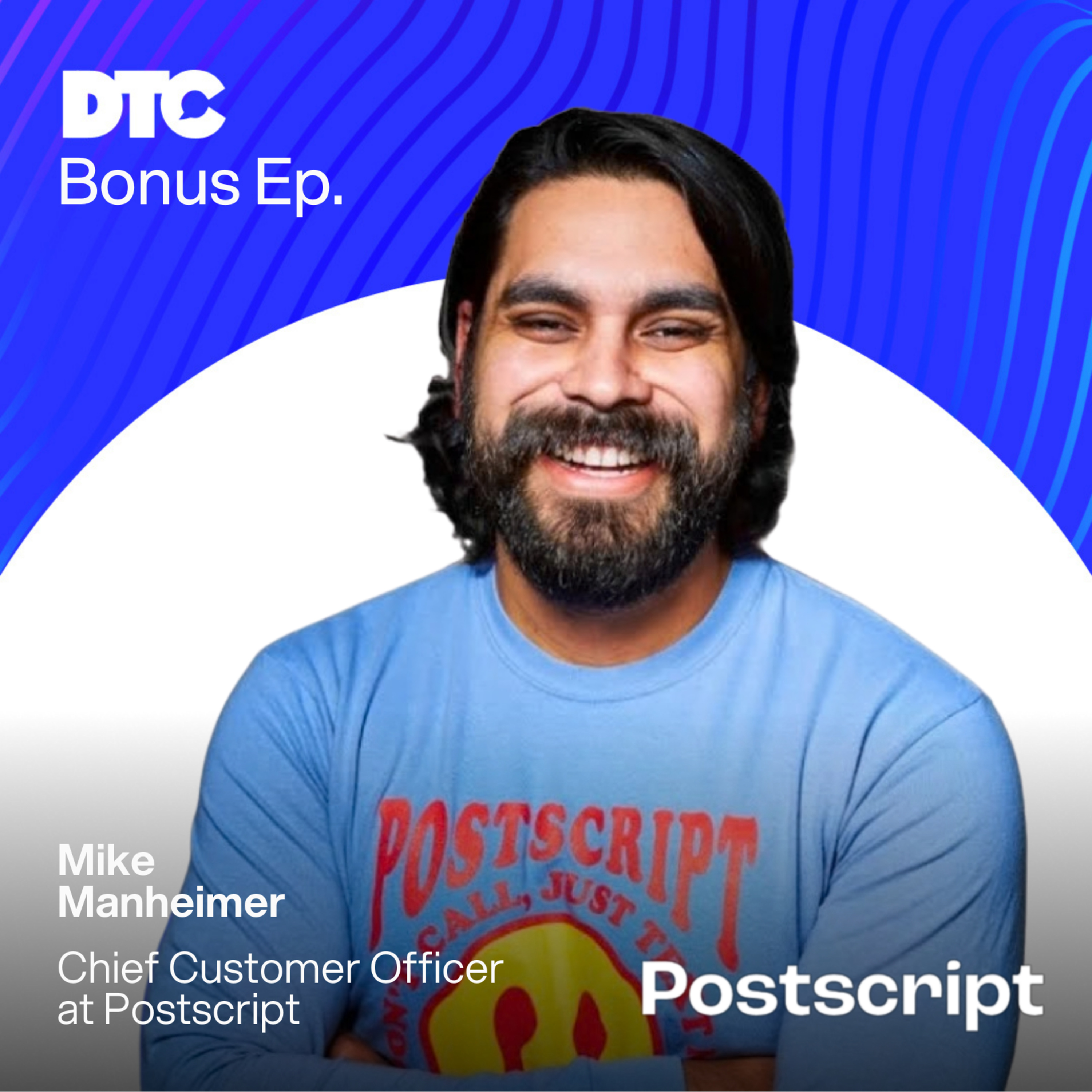
Bonus: 26% of Brands Reply in Real Time: The Conversational SMS Playbook That Wins More Orders
Mar 1100:41:47Summary readySubscribe to DTC Newsletter - https://dtcnews.link/signupWe co-authored The Conversational Report with Postscript to understand one simple question: when shoppers text brands back, what happens next? The punchline is uncomfortable. Customers treat texting like a real conversation, but most brands treat replies like a support inbox, or ignore them entirely. That gap is where a lot of abandoned carts live.Role-based hook: For DTC founders and operators scaling past $1M who want SMS to do more than broadcast promos, and want replies to turn into revenue plus better creative and PDPs.Mike Manheimer from Postscript joins to break down what the data says, why brands struggle operationally, and how AI changes the economics of responding quickly.What we get into:Why brands misread replies as “support,” and why that kills revenueThe consumer expectation gap, plus why 26% real time reply rate is a gift for anyone who executesThe easiest way to start: add one question to your welcome flow and watch what comes backTurning reply data into a weekly insight loop for PDP, creative angles, and offer clarityWhat a real playbook looks like beyond “send more promos”Who this is for: Retention, growth, CX, and founders who know SMS works, but feel like it has not matured into what it should be.What to steal:The “question mark” strategy for welcome and abandoned cart flowsA reply triage model that does not require headcount explosionsA simple way to turn conversations into segments you can act onPostscriptMikeReportTimestamps00:00 Why brands are wasting SMS potential02:00 The gap between brand assumptions and shopper behavior04:14 Why SMS should be treated like sales, not support06:00 The staffing problem behind slow SMS replies08:10 How Postscript’s conversational AI actually works11:20 Why fast replies create a better buying experience13:05 The LTV upside of real SMS relationships15:10 How to write SMS flows that get real responses18:12 The revenue and ROI from conversational SMS21:35 Why PDPs cannot answer every shopper question25:05 How SMS conversations create better customer insights31:20 The best conversational SMS playbook for brands37:45 Why one-way SMS is becoming obsoleteSubscribe to DTC Newsletter - https://dtcnews.link/signupAdvertise on DTC - https://dtcnews.link/advertiseWork with Pilothouse - https://dtcnews.link/pilothouseFollow us on Instagram & Twitter - @dtcnewsletterWatch this interview on YouTube - https://dtcnews.link/video
Summary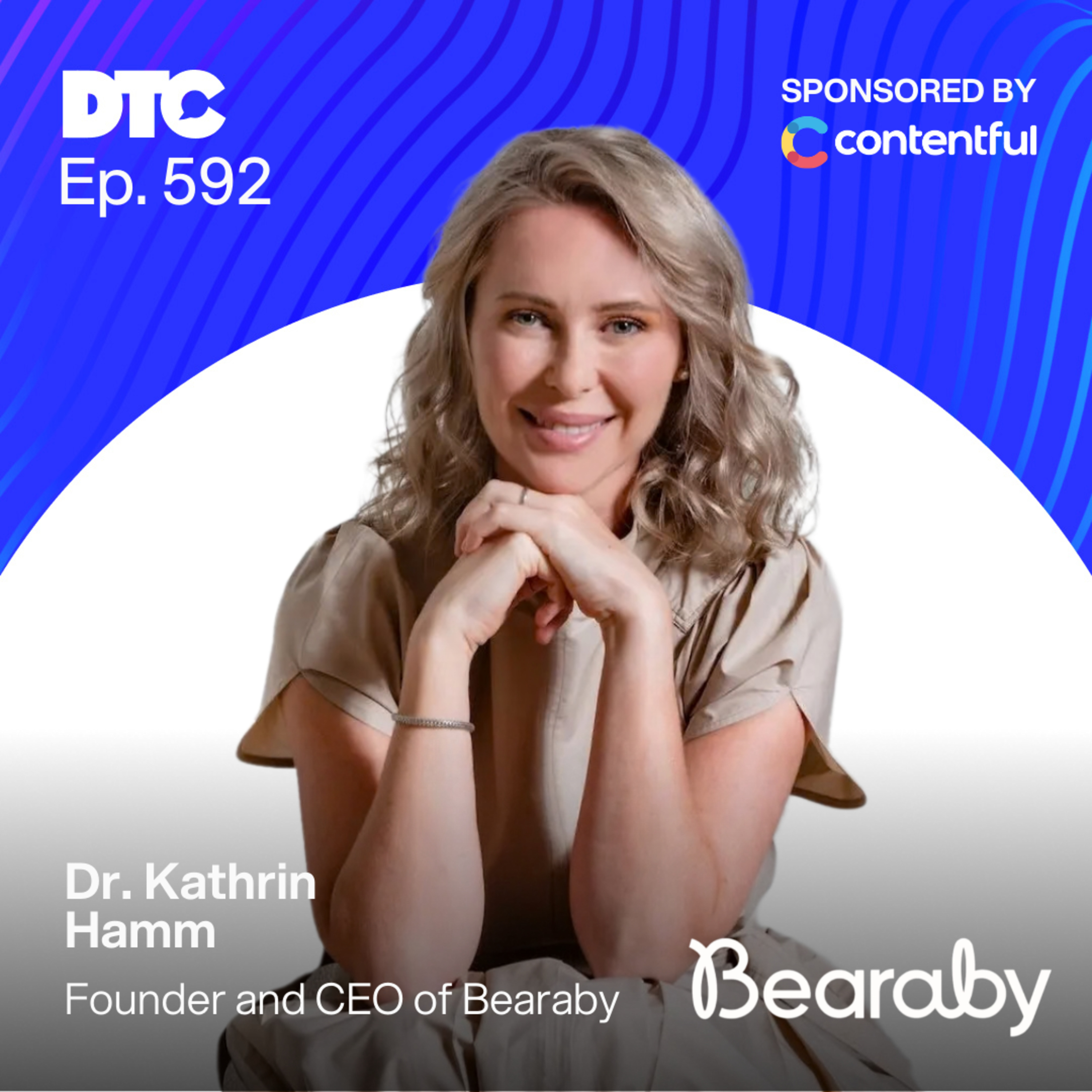
Ep 592: $250K Kickstarter to West Elm: How Bearaby Built a Weighted Blanket Category (Without Early Meta Spend)
Mar 900:43:26Summary readySubscribe to DTC Newsletter - https://dtcnews.link/signupDr. Kathrin Hamm (PhD Economics) didn’t set out to be a founder. She just wanted to sleep. One ugly “medical” weighted blanket fixed her insomnia… then made her realize the whole category was stuck in 30-year-old design, plastic beads, and overheating. So she rebuilt it from scratch with a chunky-knit, breathable form factor that looks like home decor, not a pharmacy product.Role-based hook: For DTC founders building a new category (or trying to escape the “Meta-only” trap) and scaling from early traction into real distribution.In this episode we get tactical on:Why Bearaby launched on Kickstarter to bypass “what even is this?” cold traffic frictionHow the product design (breathable chunky knit) became the marketingThe early growth engine: gifting + press + interior design circles, before paidA surprisingly underrated channel: TV/Netflix set placements as free cultural reachWhat changed on Meta: why creative strategists + creative diversity is now non-negotiableEurope expansion lessons: language, sleep habits, visuals, and humor are not transferableWho this is for: founders + marketers selling anything that requires education (sleep, wellness, new formats, “never seen this before” products).What to steal:Launch new categories where early adopters already are (Kickstarter) so you can teach before you sellBuild an earned pipeline (editors, designers, set decorators) that compounds for yearsTreat each country like its own market: copy, visuals, and cultural jokes includedTimestamps00:00 Bearaby origin story02:08 Discovering weighted blankets for sleep04:18 Why old weighted blankets failed08:05 Selling out the first 800 blankets10:10 Turning weighted blankets into a lifestyle brand14:20 Why Kickstarter and gifting worked18:15 Getting Bearaby onto Netflix sets20:45 Scaling through DTC, Amazon and retail24:45 Expanding Bearaby into Europe29:05 Germany launch and viral egg hats32:20 How Meta creative changed34:35 Dealing with copycats37:35 New product innovation beyond blankets42:00 Where Bearaby is headedSubscribe to DTC Newsletter - https://dtcnews.link/signupAdvertise on DTC - https://dtcnews.link/advertiseWork with Pilothouse - https://dtcnews.link/pilothouseFollow us on Instagram & Twitter - @dtcnewsletterWatch this interview on YouTube - https://dtcnews.link/video
Summary
Ep 591: Meta Andromeda: 3 New Tools (CASC, AI Assistant, Creative Testing) to Improve DTC Performance
Mar 600:20:23Summary readySubscribe to DTC Newsletter - https://dtcnews.link/signupJacob (Head of Meta at Pilothouse) joins Eric to break down what Meta’s actually rolling out right now, what’s hype, and what’s worth testing. They get into CASC (combined awareness + sales), Meta’s new AI “business assistant,” and a super practical creative testing feature that can even help you split-test landing pages without nuking social proof.For DTC founders + performance marketers scaling spend who need creative variety and cleaner measurement in Meta.In this episode, you’ll learn:Why most accounts are trending video-heavy (think ~70/30 video/static), and where statics still make sense (hint: retargeting).What CASC is trying to solve (awareness + sales in one campaign) and who’s most likely to get access first.How Meta’s AI assistant can speed up reporting… and why you still need to fact-check it.How to use Meta’s ad-level creative testing to quickly find winning hooks (and kill losers fast).A sneaky use case: split-test URLs (homepage vs PDP vs collection vs presell) using the same ad.Who this is for:Operators managing Meta at $50K+/mo who are feeling the “Andromeda” shift and need more creative throughput without turning the account into spaghetti.What to steal:Run 5-hook tests on one hero concept before you film 10 more “new” creatives.Use ad-level creative testing to test landing pages while keeping comments/likes intact.Treat AI insights as a junior analyst: fast drafts, then human verification.Timestamps:00:00 CASC explained and why Meta is combining awareness with sales02:05 Why consolidation and bigger budgets matter more in the Andromeda era04:05 Who CASC is for and when it makes sense to test05:10 Creative strategy for upper funnel: intent buckets and first 2 seconds08:05 Meta AI Business Assistant: what it can answer inside Ads Manager11:25 Creative Testing at the ad level: how the new feature works13:55 Using Creative Testing to split test landing pages without losing social proof16:10 Attribution changes: engaged views and Meta taking less credit18:25 Rollout notes and how to start using these updatesSubscribe to DTC Newsletter - https://dtcnews.link/signupAdvertise on DTC - https://dtcnews.link/advertiseWork with Pilothouse - https://www.pilothouse.co/?utm_source=AKNF591Follow us on Instagram & Twitter - @dtcnewsletterWatch this interview on YouTube - https://dtcnews.link/video
Summary
Bonus: How Street Interviews Became a Performance Creative Pillar (15,000 Ads Later)
Mar 400:19:19Summary readySubscribe to DTC Newsletter - https://dtcnews.link/signupOn this episode of the DTC Podcast, Eric sits down with Josh Suggs, founder of StreetTalk, and they break down how “Conversation Creative” is helping consumer brands appeal to today's audience preferences for raw, unscripted authenticity in their social feeds, while combatting headwinds brought on by Meta's Andromeda update. We talk frameworks, question design, editing loops, and why StreetTalk interviews drive KPI improvements across the full-funnel in under 45 seconds.Visit StreetTalk.com to get your brand out of the boardroom and into the streets!In this episode, we get into:How StreetTalk interviews can move someone from awareness → consideration → conversion in ~45 secondsThe difference between “random reactions” and direct response street ads (problem/solution, value props, use case)How StreetTalk briefs, shoots, edits, and tests concepts across major citiesWhere this fits inside an ad account (creative pillars + authenticity as a needed lane)What stops brands from doing it themselves (systems, reps, data, consistency)If you’re a brand with product-market fit already, running UGC, and looking to scale with creative diversity on Meta/TikTok/YouTube, this episode is a must-listenTimestamps0:00 Street Talk sells authenticity with street interview ads2:00 Josh’s origin story: Tabs Chocolate to first street reviews4:00 Building Street Talk fast with referrals (80 brands in a summer)6:00 Why man-on-the-street ads convert (full funnel in 45 seconds)8:00 Making street interviews direct response (hooks, pain points, value props)10:00 Where this fits in your ad account (creative diversity + authenticity)12:00 Results and wins (PrizePicks, ROAS improvements, scaling spend)14:00 Pricing, who it’s for, and why brands can’t easily DIY it16:00 The operational machine behind Street Talk (hosts, training, logistics)18:00 Platform playbook: Meta, TikTok, YouTube, TV, and repurposing clipsSubscribe to DTC Newsletter - https://dtcnews.link/signupAdvertise on DTC - https://dtcnews.link/advertiseWork with Pilothouse - https://dtcnews.link/pilothouseFollow us on Instagram & Twitter - @dtcnewsletterWatch this interview on YouTube - https://dtcnews.link/video
Summary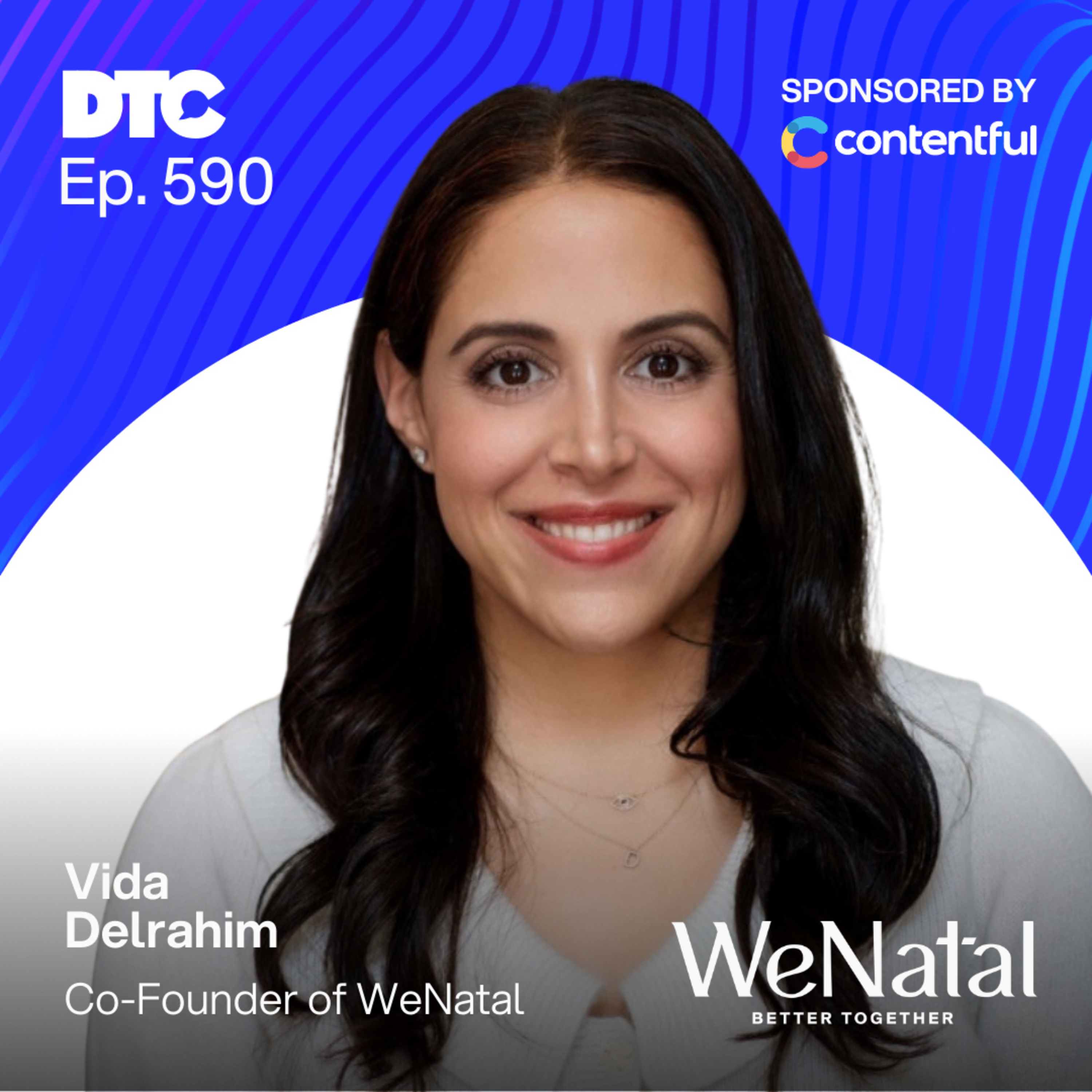
Ep 590: How WeNatal Grew to 30,000 Families With $0 Paid Ads (Bootstrapped Supplement DTC)
Mar 200:37:22Summary readySubscribe to DTC Newsletter - https://dtcnews.link/signupVida Delrahim (ex-Nike marketing leader) built WeNatal after two miscarriages, zero satisfying answers, and a pretty wild realization: fertility isn’t just “a women’s problem,” and the market was full of either overpriced clinic-only options or low-dose “pretty” prenatals that don’t move the needle.This episode is about two things: the product gap (his + hers fertility support, done like adults) and the go-to-market gap (how you grow a sensitive health brand without playing the paid media arms race).Role-based hook: For DTC founders building trust-heavy products (supplements, wellness, personal care) who can’t or won’t outspend VC brands.Tactical takeaways:Why WeNatal built around a medical board + research transparency instead of influencer “seeding”The doctor + midwife + doula channel as the real “creator engine”How premium packaging accidentally became UGC bait (and drove organic sharing)Why paid media flopped for them, and what worked better: education, SEO, panels, masterclasses, emailWhat “small batch, no fillers” actually means operationally (and why most brands avoid it)Who this is for:Founders/marketers in regulated or trust-sensitive categories who need compounding growth, not a one-time launch pop.What to steal:Build a lead magnet that’s actually useful (their free fertility masterclass model) → then nurture with emailGo win practitioner trust one office at a time (and let that credibility cascade into PR + podcasts + referrals)Make your packaging something people want on the counter (compliance = retention)Timestamps00:00 Why WeNatal exists02:00 Miscarriage, Hashimoto’s, and the wake-up call05:00 Men’s role in fertility and what the research says07:00 Treating fertility like a team sport11:00 The fertility crisis and why it’s tied to overall health16:00 Building the product: medical board, formulation, manufacturing18:00 How WeNatal grew without paid ads23:00 Pre, during, and postnatal use and retention26:00 Education-led growth: blogs, masterclass, panels, email30:00 Integrity vs hype in the supplement industry34:00 What’s next: Protein Plus and 2026 product bets37:00 OutroSubscribe to DTC Newsletter - https://dtcnews.link/signupAdvertise on DTC - https://dtcnews.link/advertiseWork with Pilothouse - https://dtcnews.link/pilothouseFollow us on Instagram & Twitter - @dtcnewsletterWatch this interview on YouTube - https://dtcnews.link/video
Summary
Ep 589: 70% Different or Meta Buckets It: The Andromeda Creative Playbook (w/ Braydon Germain, Pilothouse)
Feb 2700:25:54Summary readySubscribe to DTC Newsletter - https://dtcnews.link/signupBraydon Germain from Pilothouse is back, and we go straight into the most practical question in DTC right now: how do you use AI to create more winning ads and systems without torching brand trust or wasting time prompting? We talk AI “employees,” creative production in the Andromeda era, and why concept volume matters more than ever.Role-Based Hook: For DTC founders + performance marketers scaling Meta spend while creative fatigue (and CAC) keep creeping up.In this episode, we get tactical on:“Clawbot/Maltbot” style AI agents that can operate a computer (and why security is the real bottleneck)How to use AI for Black Friday creative that stops the scroll but doesn’t scream “fake”Why Andromeda pushes you toward new concepts (not tiny headline/CTA tweaks)How to set ChatGPT custom instructions so it stops being a yes-man and starts pressure-testing your ideasMotion’s AI tagging + “chat with your ad data” workflows for faster creative strategy loops Who this is for:Media buyers, creative strategists, and founders who need more creative output, faster learnings, and fewer “we tested 30 ads and learned nothing” weeks.What to steal (quick wins):Use AI to generate weird-but-believable statics (organic-looking, scroll-stopping) instead of obvious AI artBuild a “mentor mode” prompt profile that actively calls out weak angles before you waste spendAudit your account for creative diversity and gaps (formats, audiences, hooks) before you brief your next batchTimestamps0:00 Using AI in ads without looking obviously AI2:00 Malt Bot and autonomous AI that can run a computer4:05 Bot social network drama and why “scary AI posts” go viral6:10 Black Friday AI creative workflow with Photoshop and subtle edits8:20 AI video trick: first frame + last frame for organic-looking shots10:20 Static ad creator tools for fast concept volume12:30 Andromeda creative testing: the 70% different rule and bucketing14:45 Custom instructions to make ChatGPT less of a people pleaser17:05 Building an AI-assisted newsletter system with Claude and podcast “brains”19:15 Staying plugged into AI communities and new ecommerce tools21:25 Motion app AI tagging and creative analysis for Meta ads23:30 Agent mode, security, and letting AI work while you sleepSubscribe to DTC Newsletter - https://dtcnews.link/signupAdvertise on DTC - https://dtcnews.link/advertiseWork with Pilothouse - https://www.pilothouse.co/?utm_source=AKNF589Follow us on Instagram & Twitter - @dtcnewsletterWatch this interview on YouTube - https://dtcnews.link/video
Summary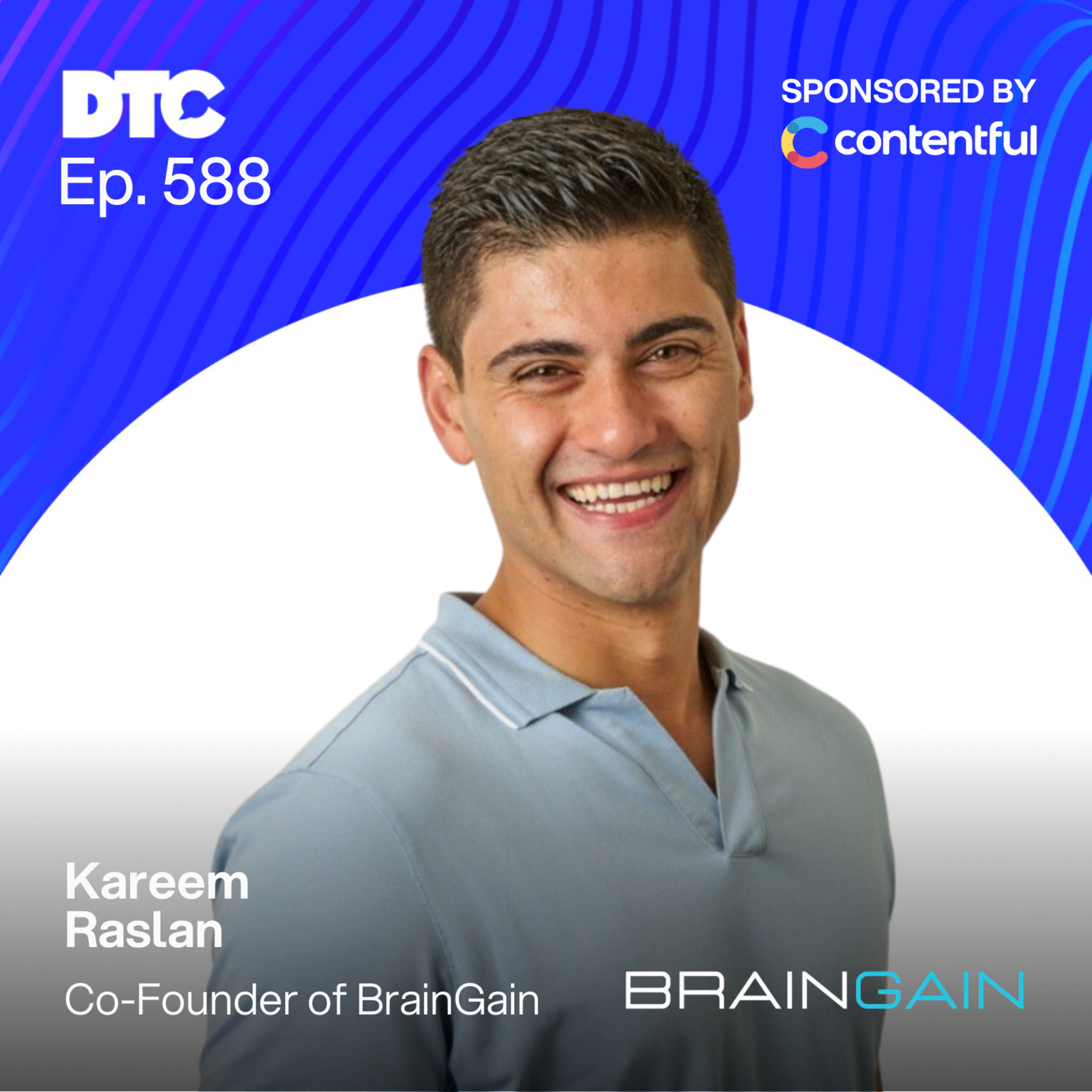
Ep 588: How BrainGain Scaled Heavy Home Gym Equipment to 30 Countries (100,000+ Customers)
Feb 2300:42:25Summary readySubscribe to DTC Newsletter - https://dtcnews.link/signupKareem Raslan (co-founder of BrainGain) breaks down how a “25 dumbbells in a garage” COVID side-hustle turned into a home gym brand with 100,000+ customers across 30 countries. We talk heavy-product logistics, why “just run Meta” isn’t the whole story, and what it really takes to expand across Europe without margin leakage.For DTC operators selling high-AOV, physical products who want to expand beyond one market without getting crushed by fulfillment and localization.In this episode, we cover:Why BrainGain skipped dropshipping and went product-in-hand from day oneThe Europe expansion reality: VAT, language, regulations, and market-by-market nuanceWhy Germany can be the “logical” move… and still the hardest operationallyTheir channel strategy today: ~50% Amazon / ~50% Shopify, with Google doing the heavy liftingHow YouTube affiliates drive trust for high-consideration purchasesWho this is for:Founders and marketers selling heavy, high-AOV products (fitness, home goods, equipment) who need a real playbook for scaling across regions.What to steal:Build SKU-by-SKU unit economics so you know your true ceiling CAC (by market + channel)Use YouTube affiliates for “proof” when the purchase isn’t impulsiveAudit 3PL invoices line-by-line (surcharges hide everywhere)Timestamps0:00 BrainGain’s growth from garage sales to 100,000 customers2:00 How BrainGain started during COVID with Facebook Marketplace sales5:00 Post-lockdown demand, competing in “big and heavy” products7:00 Switching to Shopify and Amazon, building the brand online14:40 Expanding across Europe: VAT, regulations, and localization realities22:00 Channel mix breakdown: Amazon vs Shopify, Google vs Meta24:00 Why BrainGain is saying no to TikTok influencers and leaning into YouTube affiliates27:30 Picking the right 3PL in Europe and avoiding hidden surcharges31:00 Fulfillment cost levers: packaging thresholds, pallet rules, invoice audits34:10 SKU-level unit economics audit and setting a real CAC ceiling37:20 Pricing strategy: Shopify vs Amazon and controlling channel mix39:30 What US expansion could look like for heavy, bulky productsSubscribe to DTC Newsletter - https://dtcnews.link/signupAdvertise on DTC - https://dtcnews.link/advertiseWork with Pilothouse - https://dtcnews.link/pilothouseFollow us on Instagram & Twitter - @dtcnewsletterWatch this interview on YouTube - https://dtcnews.link/video
Summary
Ep 587: Meta Andromeda Strategy: 5 Creative Testing Shifts for $5M+ DTC Brands
Feb 2000:20:58Summary readySubscribe to DTC Newsletter - https://dtcnews.link/signupIf you’re a $5M+ brand owner or growth lead and Meta’s performance feels “fine but fragile,” this is probably why. Abby from Pilothouse breaks down how Andromeda changed the rules: targeting moved upstream into creative strategy, and the old “tiny tweaks + CTR tests” approach doesn’t survive in an AI-ranked feed.Role-Based Hook: For DTC brand owners and growth leads at $5M+ who need a real Meta strategy for creative testing, not more random volume.What you’ll learn (tactical + skimmable):Why “go broad” without segmentation is a strategy fail (and a fast way to spike frequency)The audience setup mistake that makes Meta hammer warm users instead of prospectingWhy micro-variants (same static, new headline) now read as boring to the algorithmThe new testing model: persona → concept → multiple formats (same message, different executions)How to use competitive pressure to sharpen your differentiation strategy (not copy angles)Who this is for: Owners + growth leads managing Meta as a core growth channel and trying to scale without wasting spend on over-frequency.What to steal:Ask your team for frequency split by new vs engaged vs existing over the last 30 daysBuild creative tests around a persona hypothesis, then ship 5 distinct formats (carousel, static, UGC, iPhone selfie, trend)Pressure-test messaging against competitors: “If we line up 5 brands, what do we say that only we can say?”Timestamps00:00 Andromeda changes how creative testing works02:00 Why broad targeting breaks without proper audience segments04:00 Frequency benchmarks and the prospecting mistake to watch06:00 Why the old “pilot test” headline testing stopped working08:00 Persona testing: turning pain points into ad angles10:00 Differentiators vs competitors when everyone sells the same USP12:00 The new testing stack: one concept, five creative formats15:00 Building personas with the four Cs plus competitor ad library18:00 Audit questions to ask your media buyer and creative strategistSubscribe to DTC Newsletter - https://dtcnews.link/signupAdvertise on DTC - https://dtcnews.link/advertiseWork with Pilothouse - https://www.pilothouse.co/?utm_source=AKNF587Follow us on Instagram & Twitter - @dtcnewsletterWatch this interview on YouTube - https://dtcnews.link/video
Summary