
Podcast
Economist Podcasts
Hosted by The Economist · EN
Every weekday our global network of correspondents makes sense of the stories beneath the headlines. We bring you surprising trends and tales from around the world, current affairs, business and finance — as well as science and technology.
Hosted on Acast. See acast.com/privacy for more information.
242episodes
Episodes
Newest firstAll episodes

Taking the shine off: albedo and global temperatures
2d ago00:23:00Summary readyFewer clouds, shrinking ice caps, changing pollutants: all result in less of the sun’s energy being reflected back into space. Which is more bad news for a changing climate. Our correspondent explains why so much more of the world’s cocaine is passing through west Africa. And the data that reveal Americans’ discomfort about wives earning more than their husbands.Guests and host:Oliver Morton, planetary-affairs editorỌrẹ Ogunbiyi, Africa correspondentDoug Dowson, data journalistRosie Blau, co-host of “The Intelligence”Jason Palmer, co-host of “The Intelligence”Topics covered: climate change, albedo, global temperaturesAfrica, cocaine, smugglingwage equality, gender pay gapListen to what matters most, from global politics and business to science and technology—subscribe to The Economist. Hosted on Acast. See acast.com/privacy for more information.
Summary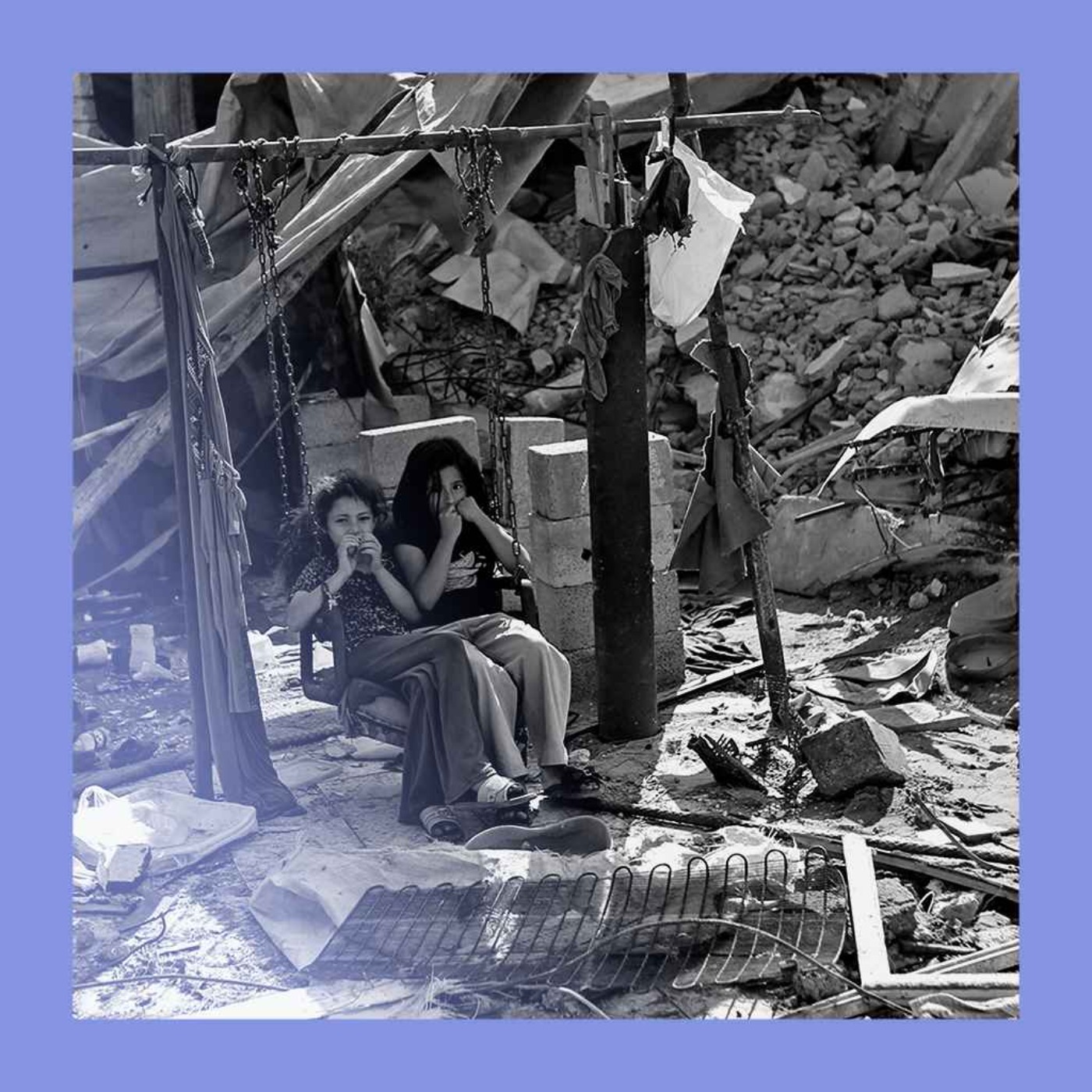
In arms’ way: Gaza-deal sticking points
3d ago00:21:22Summary readyPresident Donald Trump’s claim that Hamas had agreed to disarm in Gaza was, at best, premature. We examine the sticking points of a lasting deal. New-business applications are on a tear in America. We ask why so many people are working for themselves—but not doing much hiring. And the enduring popularity of radio in Africa, aided rather than degraded by social media. Guests and host:Anshel Pfeffer, Israel correspondentShera Avi-Yonah, business correspondentWilliam Finlator, contributor to The EconomistJason Palmer, co-host of “The Intelligence”Topics covered: Gaza, Hamas, Israel, Board of PeaceAmerican business, entrepreneurshipAfrica, media, radioListen to what matters most, from global politics and business to science and technology—subscribe to The Economist. Hosted on Acast. See acast.com/privacy for more information.
Summary
Taken littorally: Spain’s sudden crisis in Ceuta
4d ago00:24:17Summary readyThe deadly rush of migrants into the Spanish exclave has deep roots in a wider North African conflict—and implications for a far wider European fight about immigration. Our India columnist presents an incomplete list of falling objects as a way to examine public-safety failures. And a data dive that reveals how AI writing is forever shifting.Guests and host:Michael Reid, Spain correspondent and writer at largeLeo Mirani, Ashoka columnistCaitlin Talbot, digital culture correspondentJason Palmer, co-host of “The Intelligence”Topics covered: Ceuta, migration, Spain, EU, SchengenIndia, public safetyAI writing, waning human primacyListen to what matters most, from global politics and business to science and technology—subscribe to The Economist. Hosted on Acast. See acast.com/privacy for more information.
Summary
Omission accomplished: why the Iran-war cycle spins on
1w ago00:25:39Summary readyFrom impasse in Iran to still-unresolved conflicts in Gaza and Lebanon, a trend is clear: President Donald Trump’s scant, early plans for peace do not actually forge a path to it. Our correspondent says that in the driverless-car future, it will often be Chinese AI behind the wheel. And remembering Wally Funk, who never relinquished her ambition to become an astronaut. Watch extended clips from Insider, plus our full Elon Musk interview, here Guests and host:Gregg Carlstrom, Middle East correspondentDon Weinland, China business and finance editorAnn Wroe, obituaries editorJason Palmer, co-host of “The Intelligence”Topics covered: Iran war, Strait of Hormuz, diplomacyChina, AI, driverless carsWally Funk, astronautsListen to what matters most, from global politics and business to science and technology—subscribe to The Economist. Hosted on Acast. See acast.com/privacy for more information.
Summary
Working memory: the surprising decline of dementia
1w ago00:25:08Summary readyA dive into the data reveals that, despite dire past predictions, the prevalence of dementia is actually waning. We take a look at Pix, a beloved Brazilian digital-payments system, and why it so bothers President Donald Trump. And we attend one of the concerts that reveals how the appeal of emo music is holding strong across generations. Guests and host:Jonathan Rosenthal, international correspondentCarla Subirana, news editorSarah Lawrynuik, deputy editor of “The Intelligence”Jason Palmer, co-host of “The Intelligence”Topics covered: dementia, global health statistics, ageingBrazil, Pix, payment systems, Donald Trumpemo music, My Chemical RomanceListen to what matters most, from global politics and business to science and technology—subscribe to The Economist. Hosted on Acast. See acast.com/privacy for more information.
Summary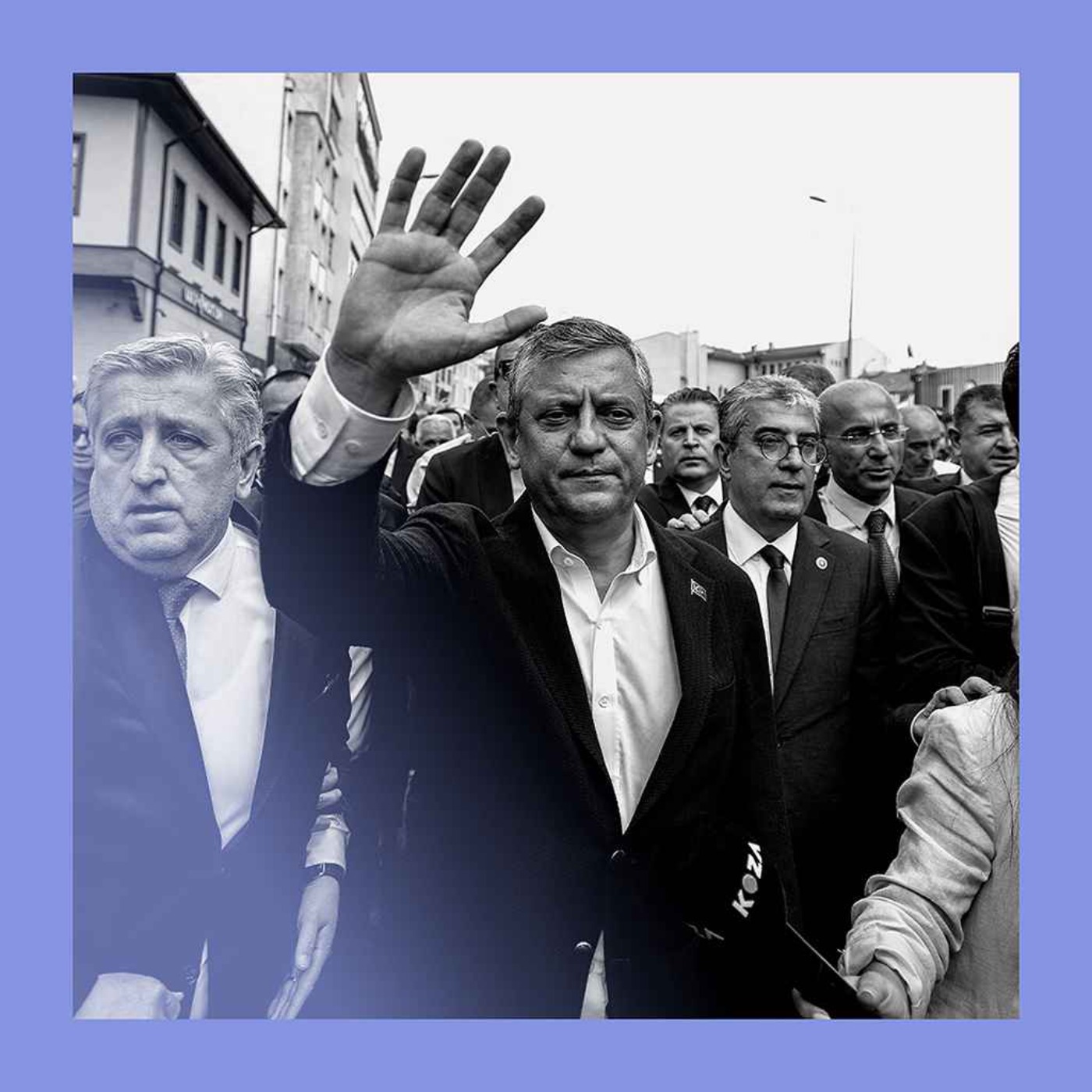
Brave New whirl: Turkey’s opposition overhaul
1w ago00:20:27Summary readyAn ousted former opposition leader started a new party—called the New Party. We assess its chances at the ballot box, and under President Recep Tayyip Erdogan’s thumb. A surrogacy scandal in Germany has prompted a government reshuffle, with Chancellor Friedrich Merz left holding the proverbial baby. And how traditional career advice is falling short for Gen Z. Guests and host:Piotr Zalewski, Turkey correspondentVendeline von Bredow, senior Germany correspondentTom Wainwright, culture correspondentJason Palmer, co-host of “The Intelligence”Topics covered: Turkish politics, New Party, Recep Tayyip ErdoganGerman politics, Jens Spahn, Friedrich MerzGen Z, careersListen to what matters most, from global politics and business to science and technology—subscribe to The Economist. Hosted on Acast. See acast.com/privacy for more information.
Summary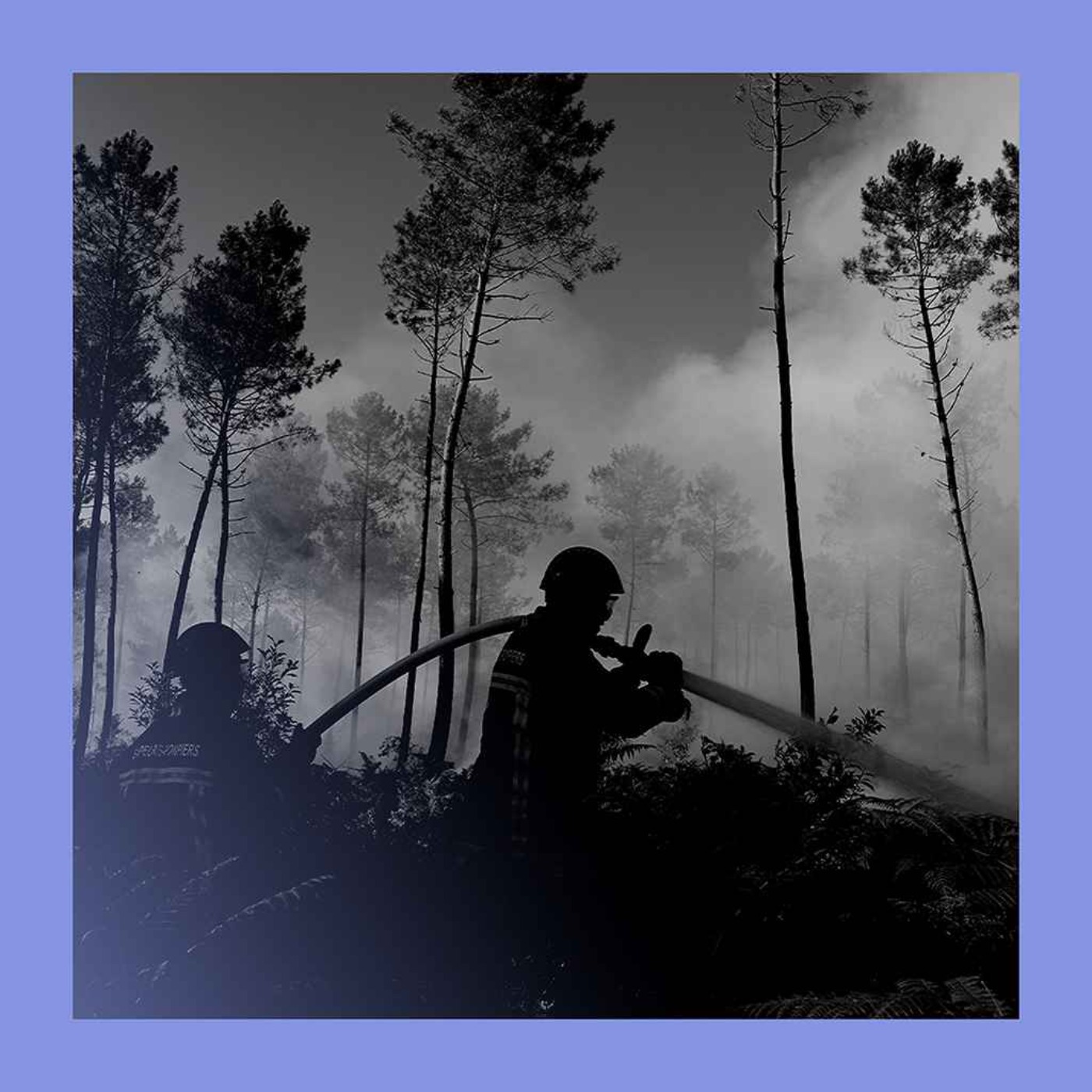
Burning questions: a more fire-prone world
1w ago00:24:17Summary readyWildfires in France and Spain are only growing worse by the day. We examine what can be done as a future of more fires, and worse ones, becomes more assured. A dig into data on women at work shows several indicators starting to move in the wrong direction. And the American cities rethinking how to handle their after-dark economies.Guests and host:Oliver Morton, planetary affairs editorVinjeru Mkandawire, Britain correspondentDaniella Raz, US corespondentRosie Blau, co-host of “The Intelligence”Jason Palmer, co-host of “The Intelligence”Topics covered: fires, France, Spain, fire ecologywomen in the workplace, equalityAmerica, night-time economyListen to what matters most, from global politics and business to science and technology—subscribe to The Economist. Hosted on Acast. See acast.com/privacy for more information.
Summary
Cockroaches 1, Modi 0: India’s remarkable protests
2w ago00:22:34Summary readyThe resignation of India’s education minister was a stunning capitulation by Prime Minister Narendra Modi’s government. The Cockroach Janta Party, a fast-growing youth movement, has the upper hand for now. So-called macro trading is hard: even with advance knowledge of events, neither man nor machine seems to make much money. And hunting the mosaics of Invader, an anonymous French street artist.Guests and host:Kira Huju, Asia correspondentJoshua Roberts, capital markets correspondentCaitlin Talbot, digital culture correspondentRosie Blau, co-host of “The Intelligence”Jason Palmer, co-host of “The Intelligence”Topics covered: India, Cockroach Janta Party, protest, Narendra Modimacro trading, retail investingInvader, Flashinvader, street artListen to what matters most, from global politics and business to science and technology—subscribe to The Economist. Hosted on Acast. See acast.com/privacy for more information.
Summary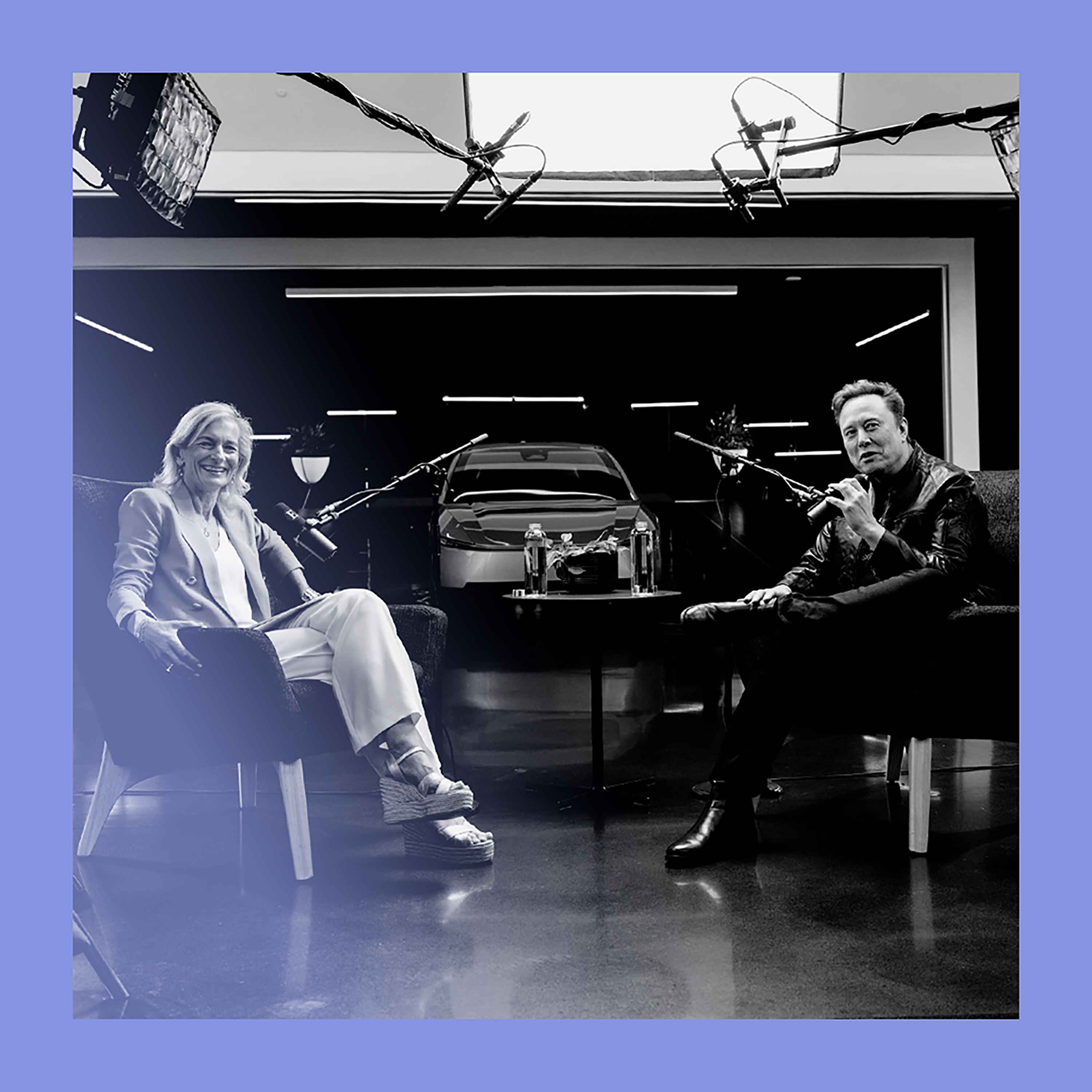
The Elon game: Musk’s vision of the future
2w ago00:27:42Summary readyAfter Elon Musk’s first extended interview since SpaceX’s blockbuster IPO, The Economist editor-in-chief reflects on what he told her: that AIs will be in charge in ten years, his dark view of Europe and the inevitably of civil war in Britain. At what age is a child responsible for their crimes? And remembering Mona Khalil, Lebanese protector of turtles. Watch extended clips from Elon Musk on “Insider” hereGuests and host:Zanny Minton Beddoes, editor-in-chief of The EconomistMaighna Nanu, editor of foreign newsletters Ann Wroe, obituaries editorRosie Blau, co-host of “The Intelligence”Topics covered: Elon Musk, AI, killer robots, far right, The Insiderchild criminals, criminal responsibility, gangsMona Khalil, Lebanon, turtles, conservationListen to what matters most, from global politics and business to science and technology—subscribe to The Economist. Hosted on Acast. See acast.com/privacy for more information.
Summary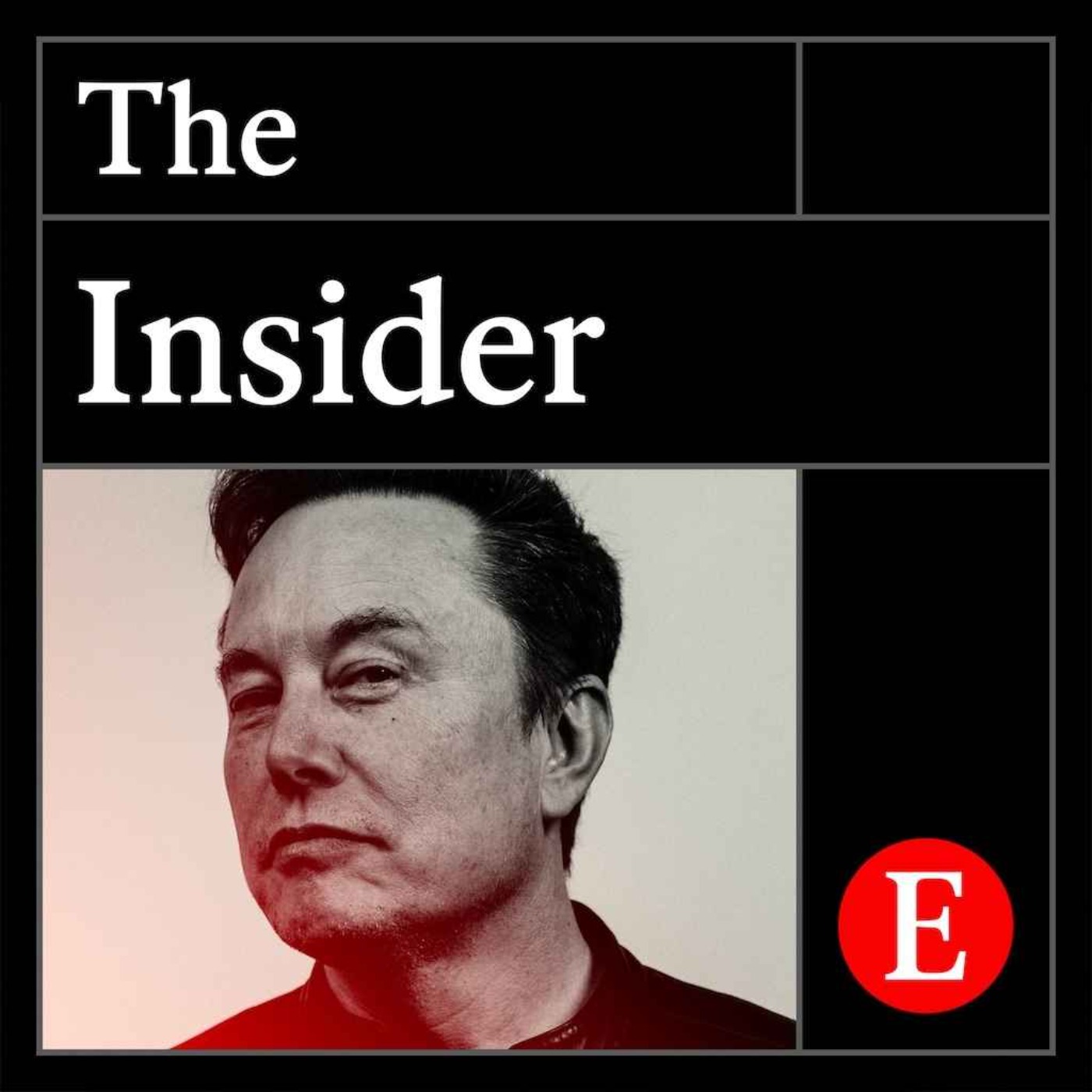
An interview with Elon Musk
2w ago01:20:40Summary readyElon Musk may be the most powerful man in the world. For his first extended interview since SpaceX’s blockbuster IPO, he sits down with Zanny Minton Beddoes, The Economist’s editor-in-chief, for The Insider, our video show for premium subscribers. They discuss the timeline for AI overtaking human intelligence, the rapid progress of China, the reasons for his interest in Europe and why he thinks he “got a little too involved” in politics.Watch the full show—and sign up to the Insider newsletter.Listen to what matters most, from global politics and business to science and technology—subscribe to The Economist. Hosted on Acast. See acast.com/privacy for more information.
Summary