
Podcast
NPR's Book of the Day
Hosted by NPR · EN
In need of a good read? Or just want to keep up with the books everyone's talking about? NPR's Book of the Day gives you today's very best writing in a snackable, skimmable, pocket-sized podcast. Whether you're looking to engage with the big questions of our times – or temporarily escape from them – we've got an author who will speak to you, all genres, mood and writing styles included. Catch today's great books in 15 minutes or less.
Support public media by joining NPR+ at plus.npr.org. You’ll get perks for over 25 NPR podcasts, including sponsor-free listening for Book of the Day.
Support public media by joining NPR+ at plus.npr.org. You’ll get perks for over 25 NPR podcasts, including sponsor-free listening for Book of the Day.
453episodes
Episodes
Newest firstAll episodes

In 'Backtalker,' Kimberlé Crenshaw turns from political theory to personal memoir
May 2100:07:50Summary readyKimberlé Williams Crenshaw is a foundational legal scholar, theorist, and Civil Rights advocate, known for coining such significant and controversial terms as intersectionality and Critical Race Theory. But what — or who — inspired her work? Crenshaw examines just this in her new memoir Backtalker, which delves into her past, and the legal cases that shined light on complex and underresearched structures of inequity. In today’s episode, Crenshaw joins NPR’s Michel Martin for a conversation about Backtalker and why, as she says, “forward momentum has always been met by retrenchment.”To listen to Book of the Day sponsor-free and support NPR's book coverage, sign up for Book of the Day+ at plus.npr.org/bookofthedaySee pcm.adswizz.com for information about our collection and use of personal data for sponsorship and to manage your podcast sponsorship preferences.NPR Privacy Policy
Summary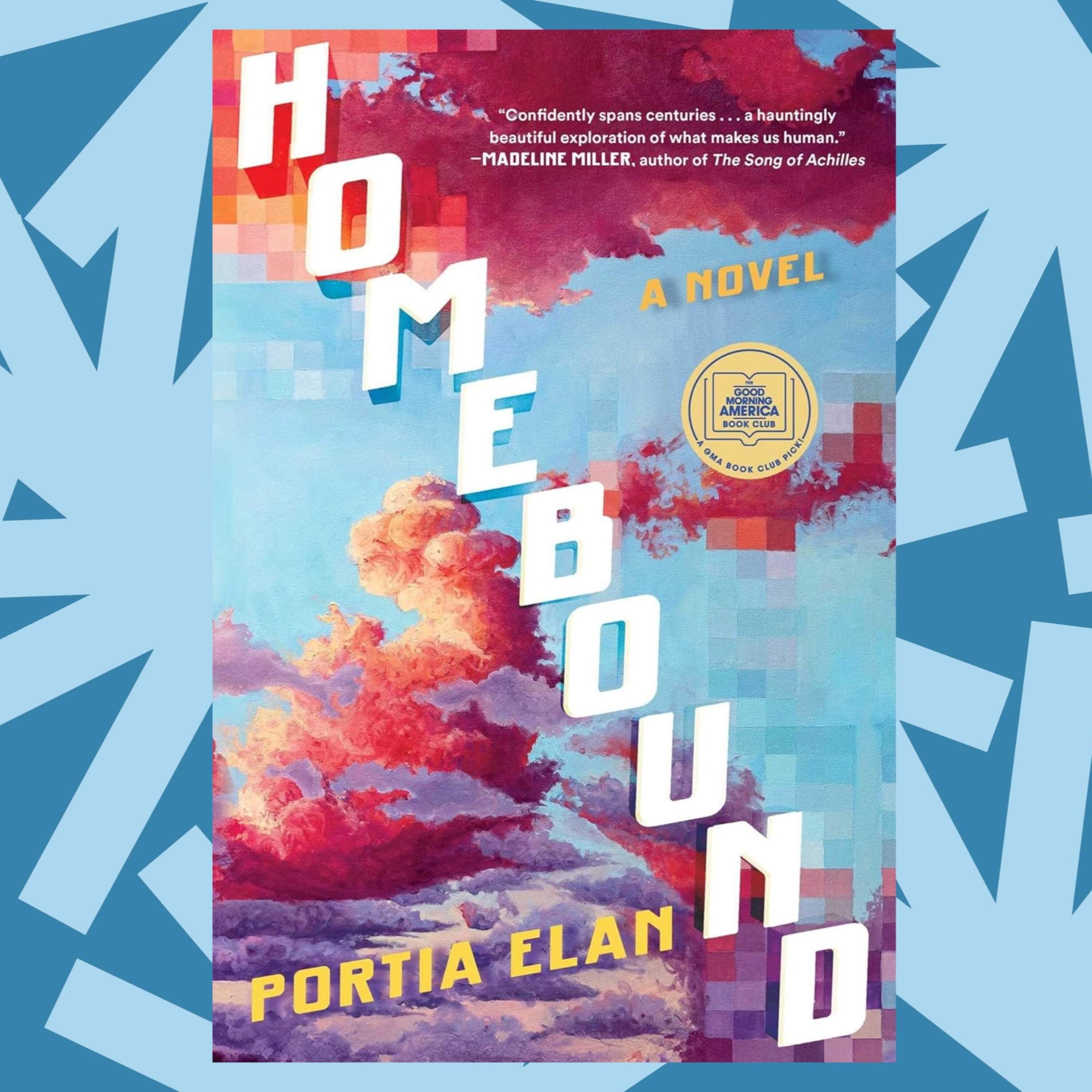
In 'Homebound,' an epic journey through multiverses begins with a single video game
May 2000:08:23Summary readyBecks is a queer teenager in the 1980s struggling to find a sense of belonging. When she picks up an unfinished coding project left behind by her beloved late uncle, she isn’t quite prepared for her efforts to ripple centuries into the future. Told in the years 1983, 2090, and 2586, Portia Elan’s novel Homebound weaves Becks’ story with that of future humans who experience similar struggles in a vastly different landscape. In today’s episode, Elan speaks with NPR’s Scott Detrow about her debut novel, and the timelessness of searching for a place — or a feeling — to call home. To listen to Book of the Day sponsor-free and support NPR's book coverage, sign up for Book of the Day+ at plus.npr.org/bookofthedaySee pcm.adswizz.com for information about our collection and use of personal data for sponsorship and to manage your podcast sponsorship preferences.NPR Privacy Policy
Summary
'The People Can Fly' examines the history of Black prodigies from poets to professors
May 1900:07:28Summary readyWhat does it truly mean to be a “prodigy?” For the poet, professor and author of The People Can Fly Joshua Bennett, the answer is complicated. But maybe telling stories can help. In The People Can Fly, Bennett explores the lives and legacies of Black prodigies throughout history — including himself — by blending memoir, folklore and history into one book. In today’s episode, Bennett joins NPR’s Michel Martin to discuss how fatherhood and brotherhood expanded his notions of intelligence, and how The People Can Fly is both a reflection of the past and a hope for the future. To listen to Book of the Day sponsor-free and support NPR's book coverage, sign up for Book of the Day+ at plus.npr.org/bookofthedaySee pcm.adswizz.com for information about our collection and use of personal data for sponsorship and to manage your podcast sponsorship preferences.NPR Privacy Policy
Summary
Revisiting 'Whalefall,' the underwater thriller from Pulitzer winner Daniel Kraus
May 1800:10:01Summary readyTime is running out for 17-year-old Jay Gardiner: He’s trapped underwater in the body of a sperm whale with just one hour of oxygen left. This not-so-typical situation is the premise for Whalefall, the 2023 thriller from Daniel Kraus. Kraus won a 2026 Pulitzer for Angel Down, his genre-bender told in a single sentence. But Whalefall experiments with structure through its chapters, their shrinking length mimicking Jay’s frantic gasps for air. In today’s episode, we revisit Kraus’ conversation with NPR’s Ayesha Rascoe, where they discuss Whalefall and how its meaning expands beyond the aquatic.To listen to Book of the Day sponsor-free and support NPR's book coverage, sign up for Book of the Day+ at plus.npr.org/bookofthedaySee pcm.adswizz.com for information about our collection and use of personal data for sponsorship and to manage your podcast sponsorship preferences.NPR Privacy Policy
Summary
Two new books approach running from different angles
May 1500:15:53Summary readyToday’s episode spotlights two new books all about running. The Long Run is a history of the marathon by author and running coach Martin Dugard. He spoke with NPR’s A Martínez about why so many people aspire to run 26.2 miles, from the history of the marathon in ancient Athens to the 1970s running boom. Then, Mary Cain was a child running prodigy. But she faced physical and emotional abuse at the Nike Oregon Project. She talked to NPR’s Juana Summers about her memoir This Is Not About Running, leaving professional running, and her relationship with the sport today.To listen to Book of the Day sponsor-free and support NPR's book coverage, sign up for Book of the Day+ at plus.npr.org/bookofthedaySee pcm.adswizz.com for information about our collection and use of personal data for sponsorship and to manage your podcast sponsorship preferences.NPR Privacy Policy
Summary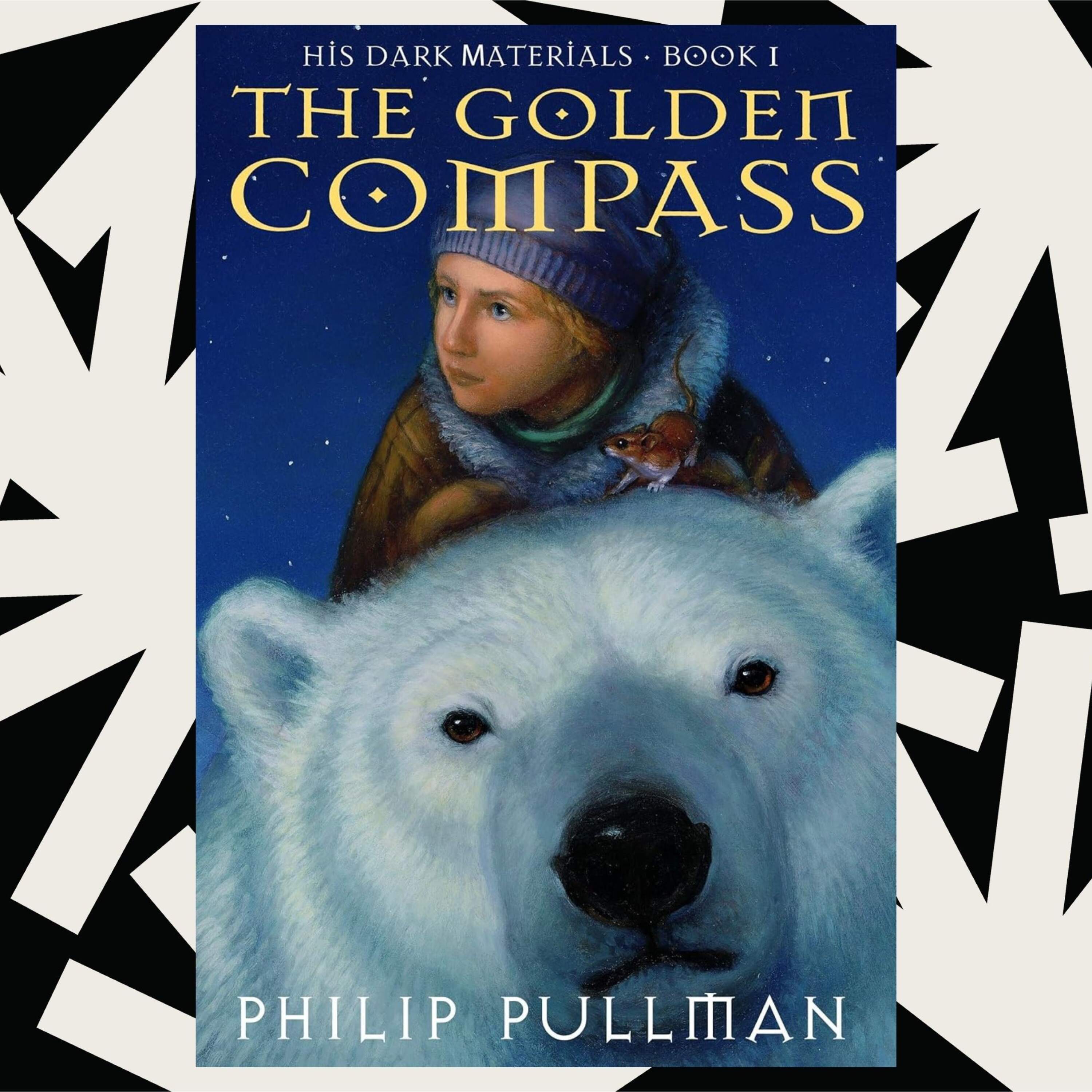
Reflecting on 30 years of 'The Golden Compass' with Sir Philip Pullman
May 1400:12:05Summary readyIt’s been 30 years since Philip Pullman’s The Golden Compass arrived on U.S. shores. The award-winning British fantasy classic tells the story of Lyra, a precocious and rebellious pre-adolescent girl who is abandoned to be raised as an orphan at Oxford University. Lyra’s world is populated by animal companions known as demons, a religious organization called the Magisterium and a mysterious substance called dust. Pullman’s novel spawned two trilogies, a movie, and a TV series. In today’s episode, the author speaks with Here & Now’s Indira Lakshmanan about how he developed the idea for Lyra, demons and Dust.To listen to Book of the Day sponsor-free and support NPR's book coverage, sign up for Book of the Day+ at plus.npr.org/bookofthedaySee pcm.adswizz.com for information about our collection and use of personal data for sponsorship and to manage your podcast sponsorship preferences.NPR Privacy Policy
Summary
In 'The Future is Peace,' tourism paves a way forward for Israelis and Palestinians
May 1300:11:42Summary readyFor Palestinian Aziz Abu Sarah and Israeli Maoz Inon, their bond of mutual understanding evolved from a place of tremendous pain. Both men saw members of their family killed by the other side before, or during, the Oct. 7, 2023 attack, prompting them to trek through the Holy Land to explore the contentious landscape — together. In today’s episode, Abu Sarah and Inon join Here & Now’s Indira Lakshmanan for a conversation about their co-authored book The Future is Peace, and why they view tourism as a crucial building block towards establishing lasting peace in the region.To listen to Book of the Day sponsor-free and support NPR's book coverage, sign up for Book of the Day+ at plus.npr.org/bookofthedaySee pcm.adswizz.com for information about our collection and use of personal data for sponsorship and to manage your podcast sponsorship preferences.NPR Privacy Policy
Summary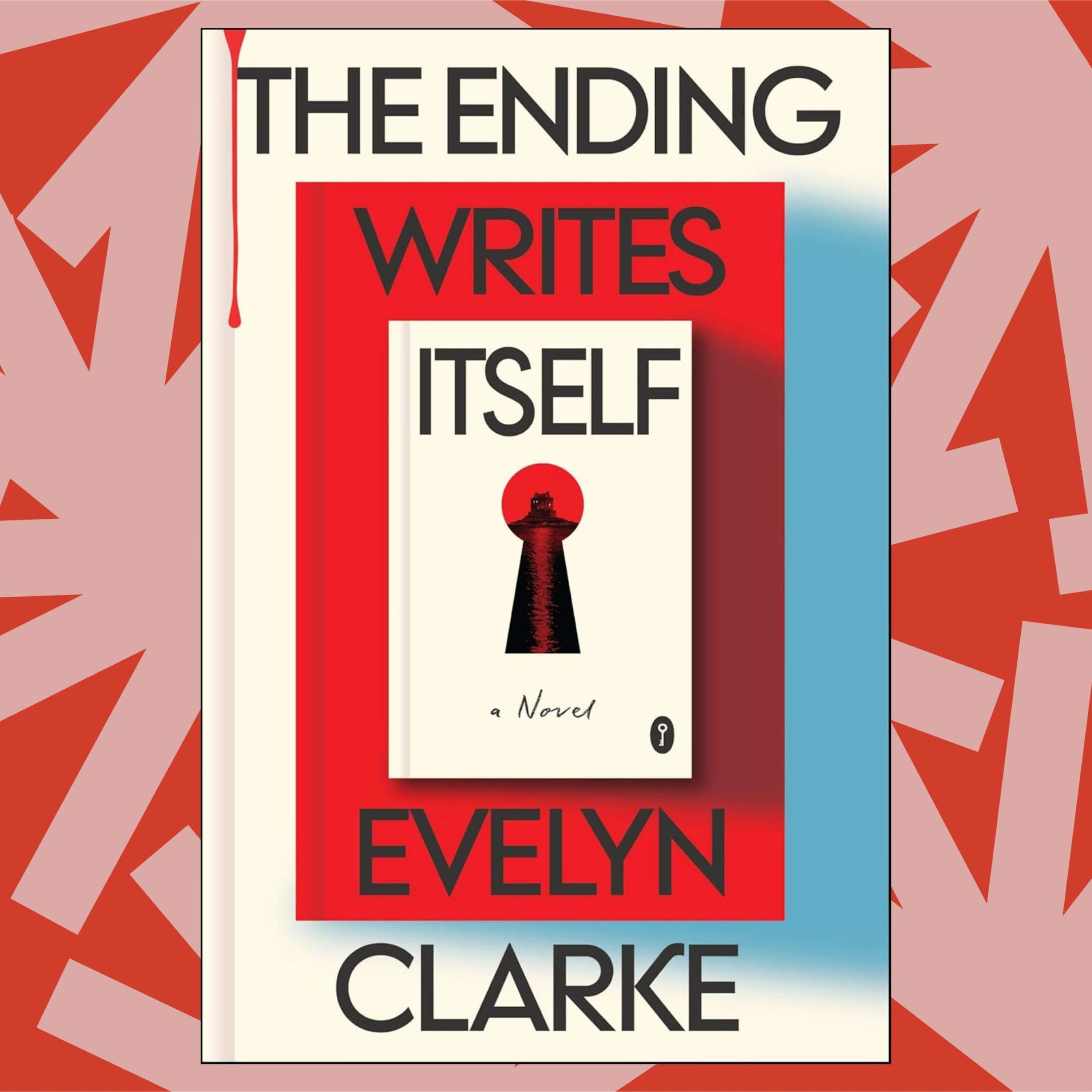
In 'The Ending Writes Itself,' a contest to complete a manuscript turns deadly
May 1200:08:35Summary readyIn a new mystery novel, a group of struggling writers lands on a private island belonging to bestselling author Arthur Fletch. But Fletch is dead and the authors, who come from a number of genres, must race to come up with the best ending to his unfinished manuscript. Then, the competition turns deadly. The Ending Writes Itself is by V.E. Schwab and Cat Clarke, who wrote the novel under the pen name Evelyn Clarke. In today’s episode, the co-authors and friends join NPR’s Scott Simon for a conversation about their collaboration.To listen to Book of the Day sponsor-free and support NPR's book coverage, sign up for Book of the Day+ at plus.npr.org/bookofthedaySee pcm.adswizz.com for information about our collection and use of personal data for sponsorship and to manage your podcast sponsorship preferences.NPR Privacy Policy
Summary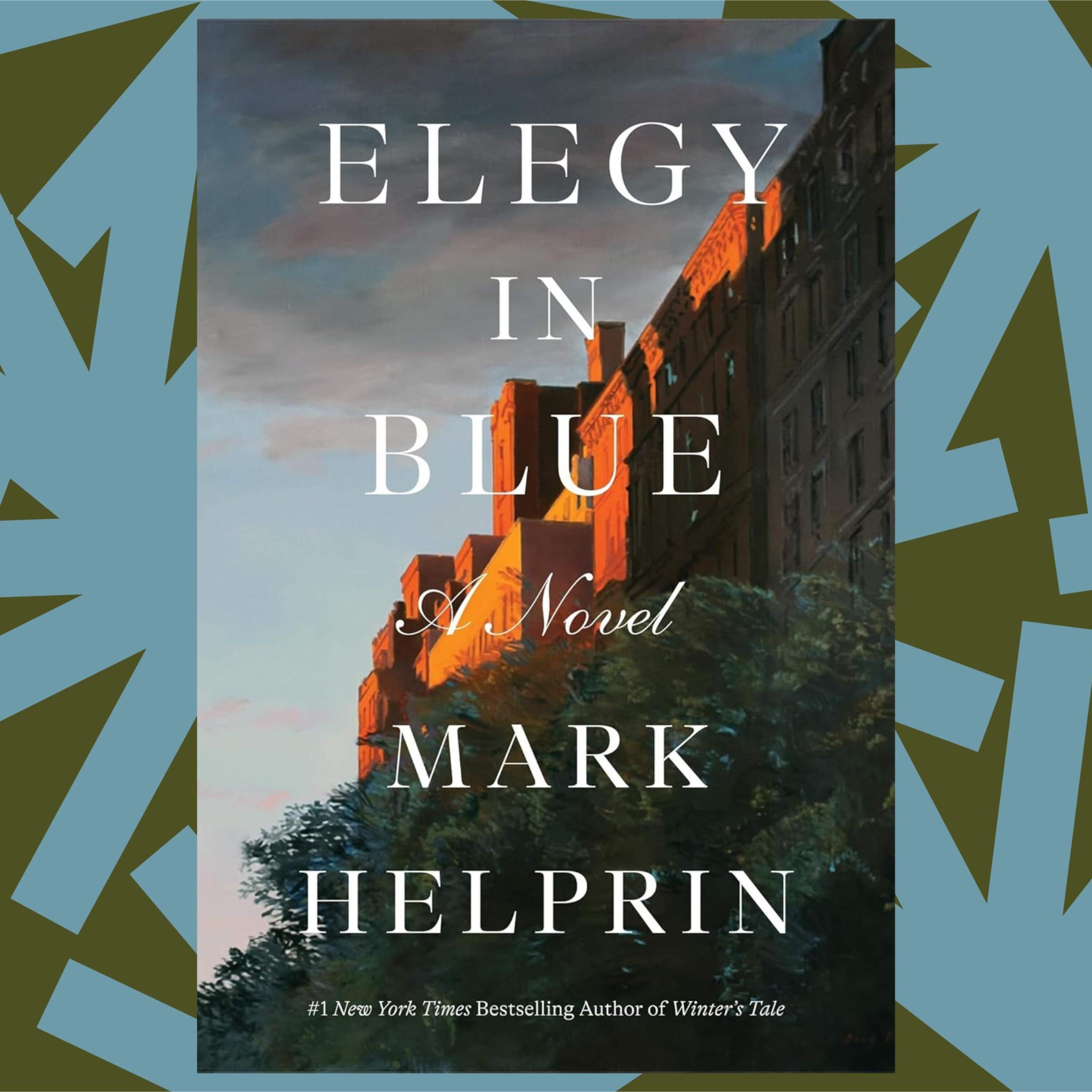
Mark Helprin’s 'Elegy in Blue' is a tragedy, love story and ghost story all in one
May 1100:06:53Summary readyWe meet the unnamed narrator of Mark Helprin's new novel Elegy In Blue when he’s 82-years-old. He was a man of wealth and standing but has wound up alone in a subsidized studio apartment in Brooklyn. Through war and violence, he’s lost his father, his son, and his wife. Now, the narrator says, “his allegiance is to ghosts.” In today’s episode, Helprin joins NPR’s Scott Simon for a conversation about the autobiographical nature of Elegy in Blue. They discuss how Helprin’s wife inspired a central character in the novel and why the narrator – and Helprin – chose to stay in New York.To listen to Book of the Day sponsor-free and support NPR's book coverage, sign up for Book of the Day+ at plus.npr.org/bookofthedaySee pcm.adswizz.com for information about our collection and use of personal data for sponsorship and to manage your podcast sponsorship preferences.NPR Privacy Policy
Summary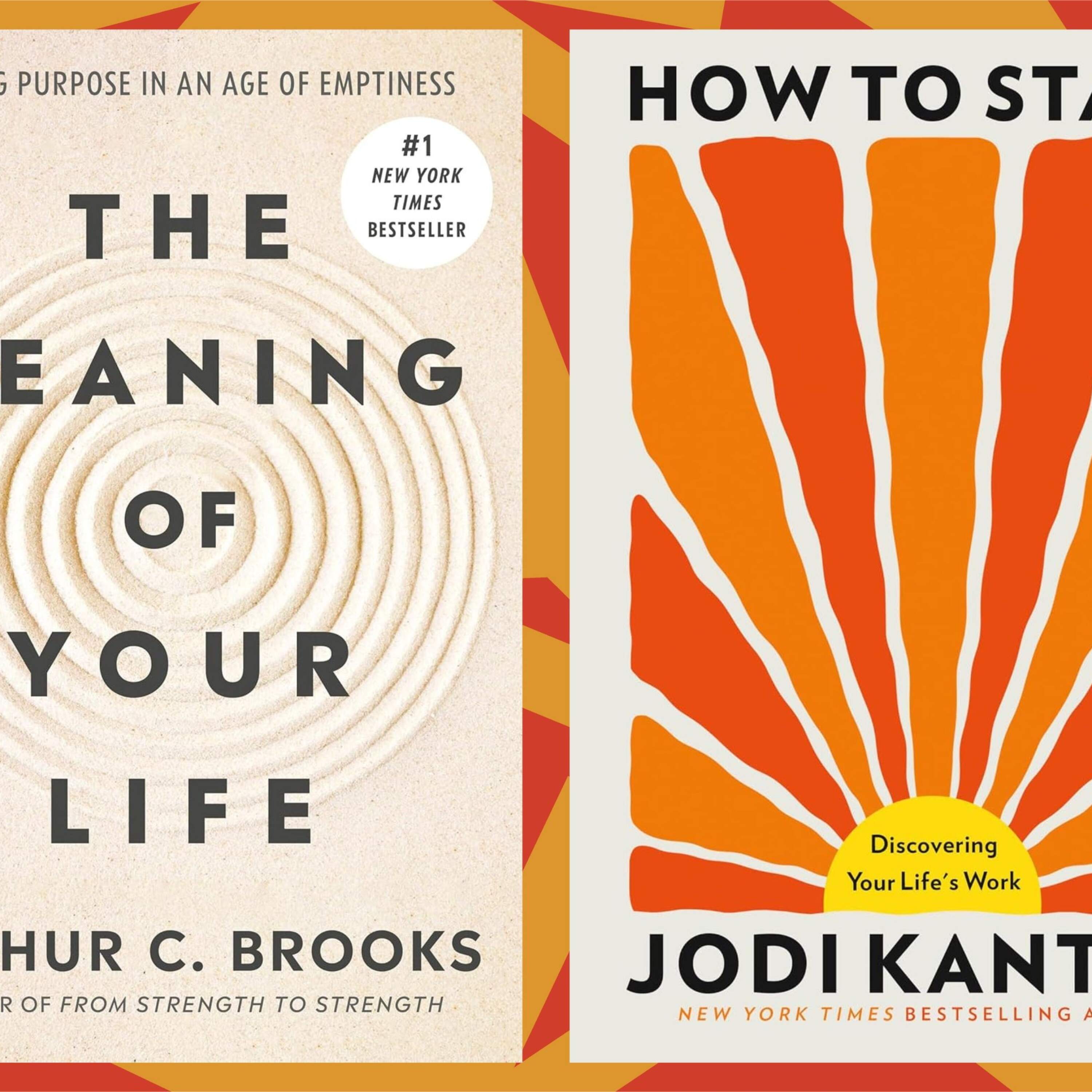
Journalist Jodi Kantor and happiness expert Arthur Brooks on how to find purpose
May 800:20:19Summary readyJournalist Jodi Kantor and Harvard happiness expert Arthur Brooks are both out with new books about identifying and cultivating meaning in one’s life. Brooks says he wanted to write The Meaning of Your Life after observing an explosion in depression and anxiety among young people beginning around 2008. In today’s episode, he chats with Here & Now’s Indira Lakshmanan about how neglecting right-brain activity has led us astray. Then, Kantor tells NPR’s Mary Louise Kelly about the daunting commencement speech invitation that led to her book How to Start, which focuses on cultivating one’s life work through ideas like “craft” and “need.”To listen to Book of the Day sponsor-free and support NPR's book coverage, sign up for Book of the Day+ at plus.npr.org/bookofthedaySee pcm.adswizz.com for information about our collection and use of personal data for sponsorship and to manage your podcast sponsorship preferences.NPR Privacy Policy
Summary