
Podcast
Sources & Methods
Hosted by NPR · EN
National security, unlocked. Each Thursday, host Mary Louise Kelly and a team of NPR correspondents discuss the biggest national security news of the week. With decades of reporting from battlefields and the halls of power, they bring you inside the Pentagon, State Department, and intelligence community to help you understand America's shifting role in the world, and how events in faraway places matter here at home. Additional episodes feature interviews with power players from the NatSec world -- current and former military officials, intelligence experts, diplomatic leaders, and more.
Email the show at sourcesandmethods@npr.org.
NPR+ supporters hear every episode sponsor-free and can access our complete archive. Learn more and support public media at plus.npr.org.
Email the show at sourcesandmethods@npr.org.
NPR+ supporters hear every episode sponsor-free and can access our complete archive. Learn more and support public media at plus.npr.org.
65episodes
Episodes
Newest firstAll episodes
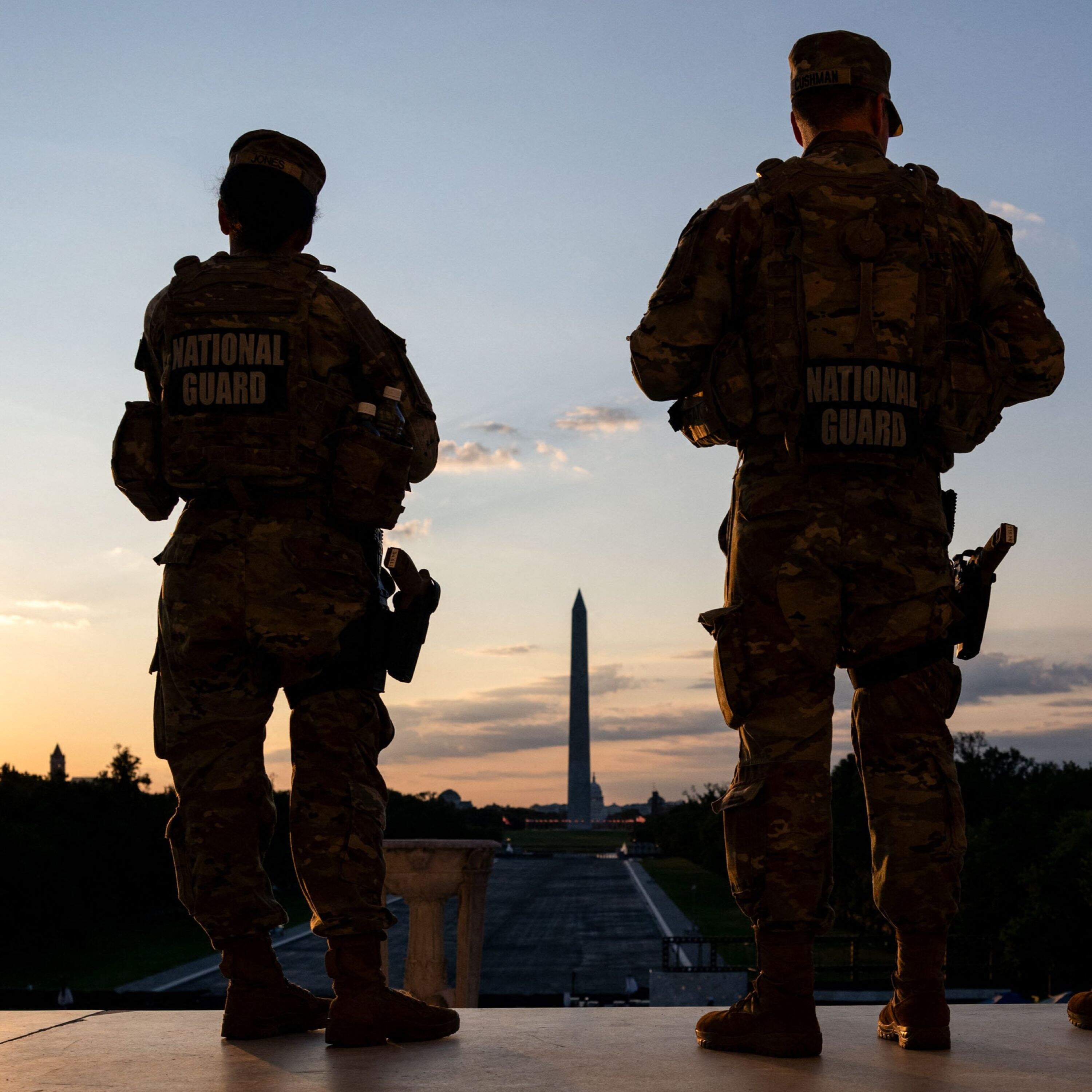
Trump’s AF1 ruse / Military at the polls? / Civilian casualties abroad
5d ago00:30:14Summary readyA president is stashed away in a catering truck -- a ruse to escape a threat from Iran. The White House press corps was clueless. Who else remained in the dark and how did this happen? Host Mary Louise Kelly speaks with NPR Correspondents Kat Lonsdorf and Tom Bowman, who covers the Pentagon, about the threat against President Trump from Iran. They also discuss the future of National Guard deployment and whether troops might be patrolling polling places in November, the human cost of war, and Count Binface. For tickets to a live taping of Sources & Methods visit npr.org/sourcesliveshow.Email the show at sourcesandmethods@npr.orgSupport public media with NPR+ and enjoy perks for over 25 podcasts like this one. This show’s perks include archive access and sponsor-free listening. Learn more at plus.npr.org.See pcm.adswizz.com for information about our collection and use of personal data for sponsorship and to manage your podcast sponsorship preferences.NPR Privacy Policy
Summary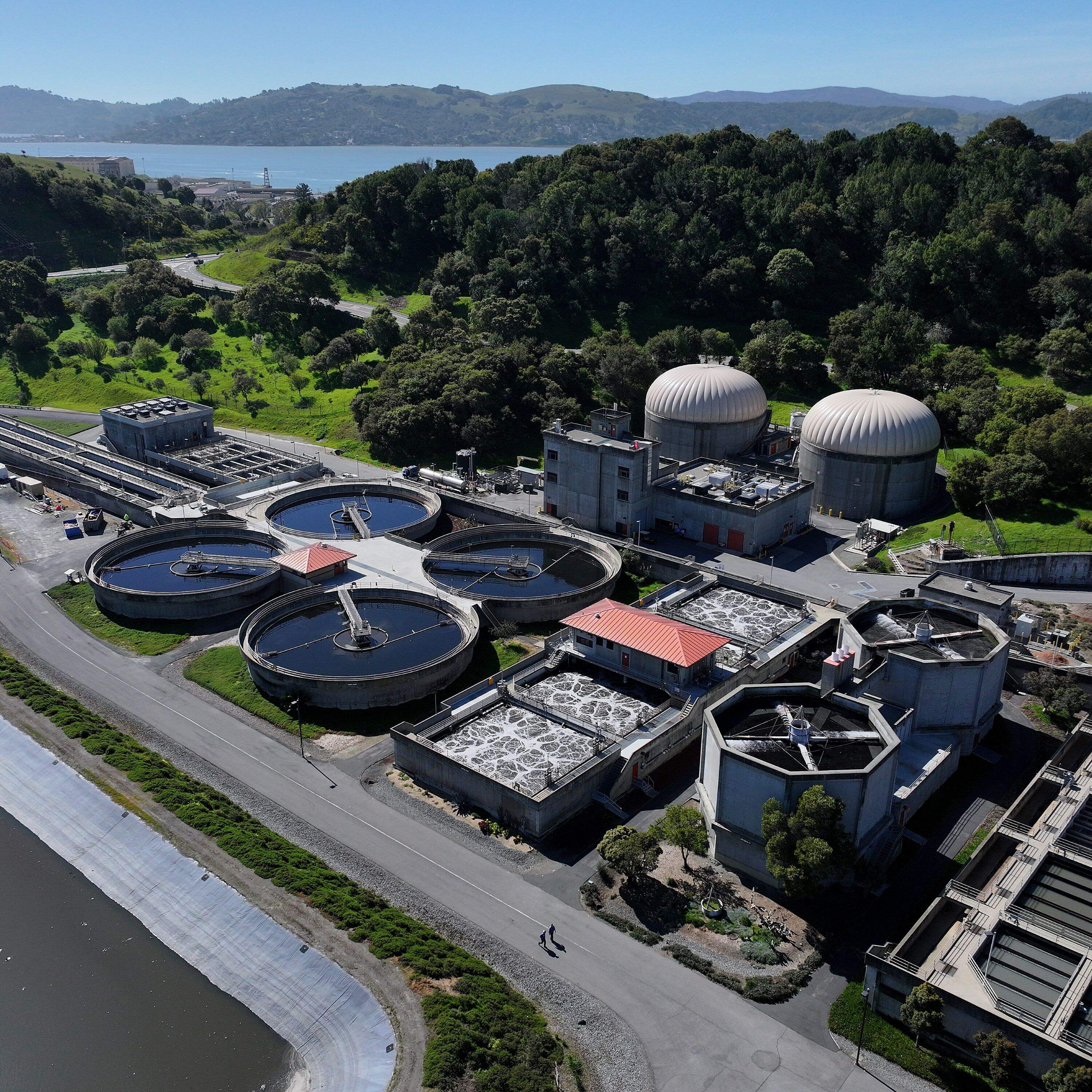
Did Iran hack U.S. water systems? / Cyberwarfare abroad / Ukraine’s air defense gap
2w ago00:33:18Summary readyIn the past week, seven U.S. states have reported cyberattacks on their water facilities.Some in the cybersecurity industry suspect Iran was responsible. Is this a new element of the war between the two countries? And how big is the risk?Host Mary Louise Kelly speaks with NPR Cybersecurity Correspondent Jenna McLaughlin and NPR National Security Correspondent Greg Myre about the role cyberwarfare plays in military conflicts. They also discuss the latest from Ukraine, where a diminishing supply of air defense weapons has been unable to deter Russian missiles.Tickets for our live podcast taping at NPR headquarters in Washington, D.C., go on sale Tuesday, Aug. 11. Visit this link then: http://npr.org/sourcesliveshow. Email the show at sourcesandmethods@npr.orgSupport public media with NPR+ and enjoy perks for over 25 podcasts like this one. This show’s perks include archive access and sponsor-free listening. Learn more at plus.npr.org.See pcm.adswizz.com for information about our collection and use of personal data for sponsorship and to manage your podcast sponsorship preferences.NPR Privacy Policy
Summary
Trump's options dwindle / Inside Iran / U.S. arsenal depleted?
3w ago00:28:10Summary readyA new round of strikes between Iran and the United States, an expansion that’s embroiled forces in Saudi Arabia and Jordan, plus concerns about missile shortages in the U.S. arsenal — is this a new phase of the war with Iran?Guest host Sacha Pfeiffer speaks with NPR Pentagon correspondent Tom Bowman and NPR reporter Arezou Rezvani about the status of the war, negotiations, concerns about a U.S. missile shortage and how the continued fighting has created mixed emotions in Iran. Email the show at sourcesandmethods@npr.orgNPR+ supporters hear every episode without sponsor messages and unlock access to our complete archive. Sign up at plus.npr.org.See pcm.adswizz.com for information about our collection and use of personal data for sponsorship and to manage your podcast sponsorship preferences.NPR Privacy Policy
Summary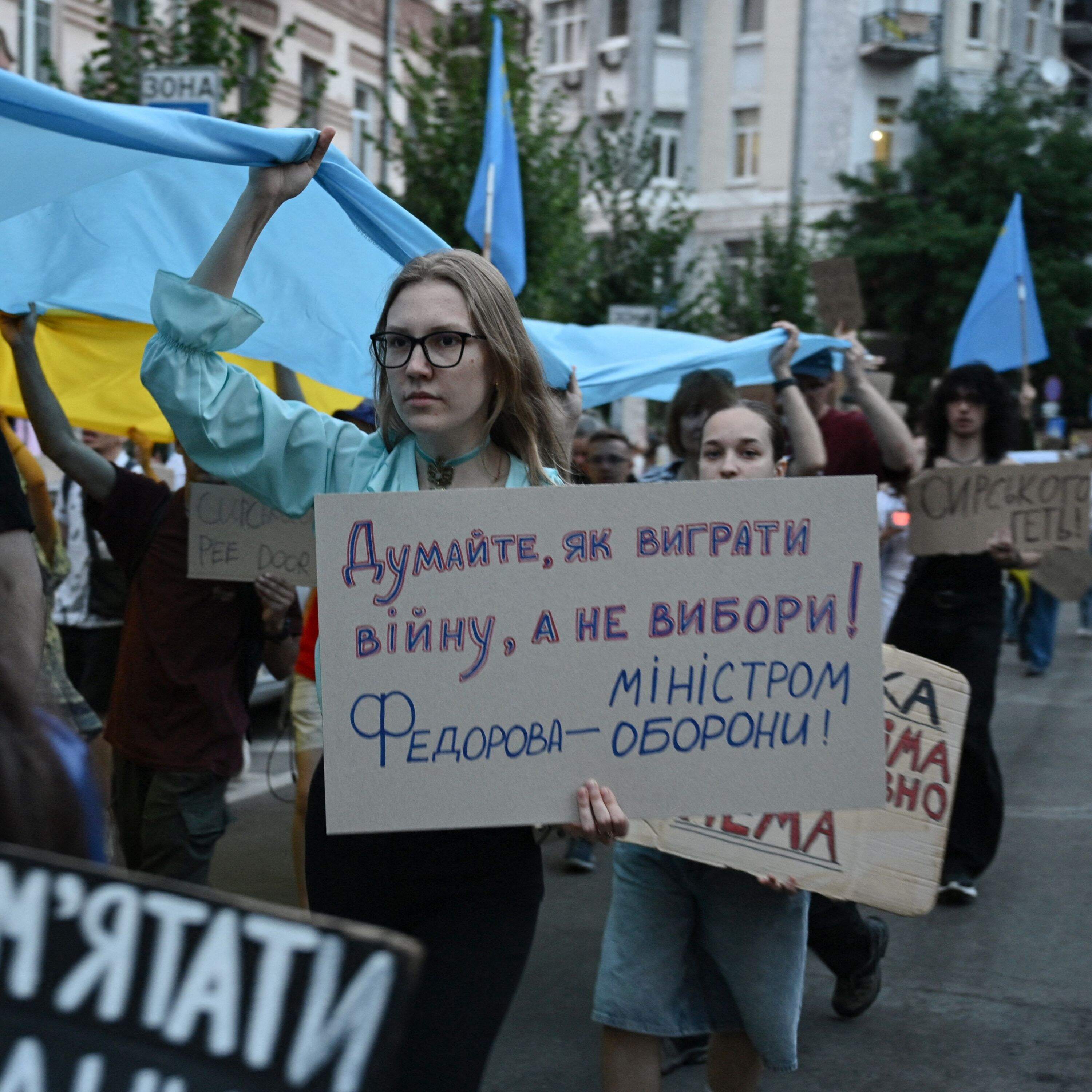
Ukraine’s leadership shakeup / View from Moscow / Is Russia a friend or foe?
4w ago00:32:42Summary readyAs Russia and Ukraine pound each other on the battlefield, there's a showdown happening in Kyiv between a young tech wizard and an older battle-hardened general. What might that battle tell us about the direction of the war in Ukraine? Host Mary Louise Kelly is joined by NPR Russia Correspondent Charles Maynes and NPR National Security Correspondent Greg Myre to talk about the recent turmoil among Ukraine's military leaders, how the Kremlin is viewing the shakeup and whether Russia's relationship with the United States has changed.Email the show at sourcesandmethods@npr.orgNPR+ supporters hear every episode without sponsor messages and unlock access to our complete archive. Sign up at plus.npr.org.See pcm.adswizz.com for information about our collection and use of personal data for sponsorship and to manage your podcast sponsorship preferences.NPR Privacy Policy
Summary
Hormuz blockade / Trump’s mixed messages / Who is Jay Clayton?
Jul 1600:32:59Summary readyThe world’s attention is once again on the Strait of Hormuz, as the U.S. and Iran have resumed strikes and their shaky ceasefire broke.Host Mary Louise Kelly speaks with two show regulars, NPR Pentagon Correspondent Tom Bowman and NPR National Security Correspondent Greg Myre, about President Trump's policy shifts around the war, and why it's so hard for him to end the conflict for good. Plus, the president's pick to lead the intelligence community faced Congress this week.Email the show at sourcesandmethods@npr.orgNPR+ supporters hear every episode without sponsor messages and unlock access to our complete archive. Sign up at plus.npr.org.See pcm.adswizz.com for information about our collection and use of personal data for sponsorship and to manage your podcast sponsorship preferences.NPR Privacy Policy
Summary
Iran ceasefire over? / NATO drama / Khamenei funeral
Jul 900:27:36Summary readyPresident Trump and NATO allies met in Turkey this week, in a summit where European countries were anxious about appeasing the U.S. president.Host Mary Louise Kelly speaks with NPR Pentagon Correspondent Tom Bowman and NPR Istanbul Correspondent Hadeel Al-Shalchi about what NATO members wanted to get out of this summit, and what they got. Plus, Trump said the ceasefire with Iran is over, though negotiations will continue. Where does that conflict stand?Email the show at sourcesandmethods@npr.orgNPR+ supporters hear every episode without sponsor messages and unlock access to our complete archive. Sign up at plus.npr.org.See pcm.adswizz.com for information about our collection and use of personal data for sponsorship and to manage your podcast sponsorship preferences.NPR Privacy Policy
Summary
Ukraine latest / Limits of military might / Can major powers regain dominance?
Jul 200:31:50Summary readyFour years in and Ukraine is still giving Russia a run for its money. Four months in and Iran shows no sign of bowing to U.S. demands. What do Russia’s fight with Ukraine and the U.S. war with Iran tell us about the limits of military might?Host Mary Louise Kelly speaks with NPR's Ukraine Correspondent Joanna Kakissis about the overnight attack in Kyiv, which comes on the heels of Ukraine's drone assaults in Moscow. NPR National Security Correspondent Greg Myre joins them to talk about what the conflicts in Ukraine and Iran say about military might and whether major powers can regain dominance. Email the show at sourcesandmethods@npr.orgNPR+ supporters hear every episode without sponsor messages and unlock access to our complete archive. Sign up at plus.npr.org.See pcm.adswizz.com for information about our collection and use of personal data for sponsorship and to manage your podcast sponsorship preferences.NPR Privacy Policy
Summary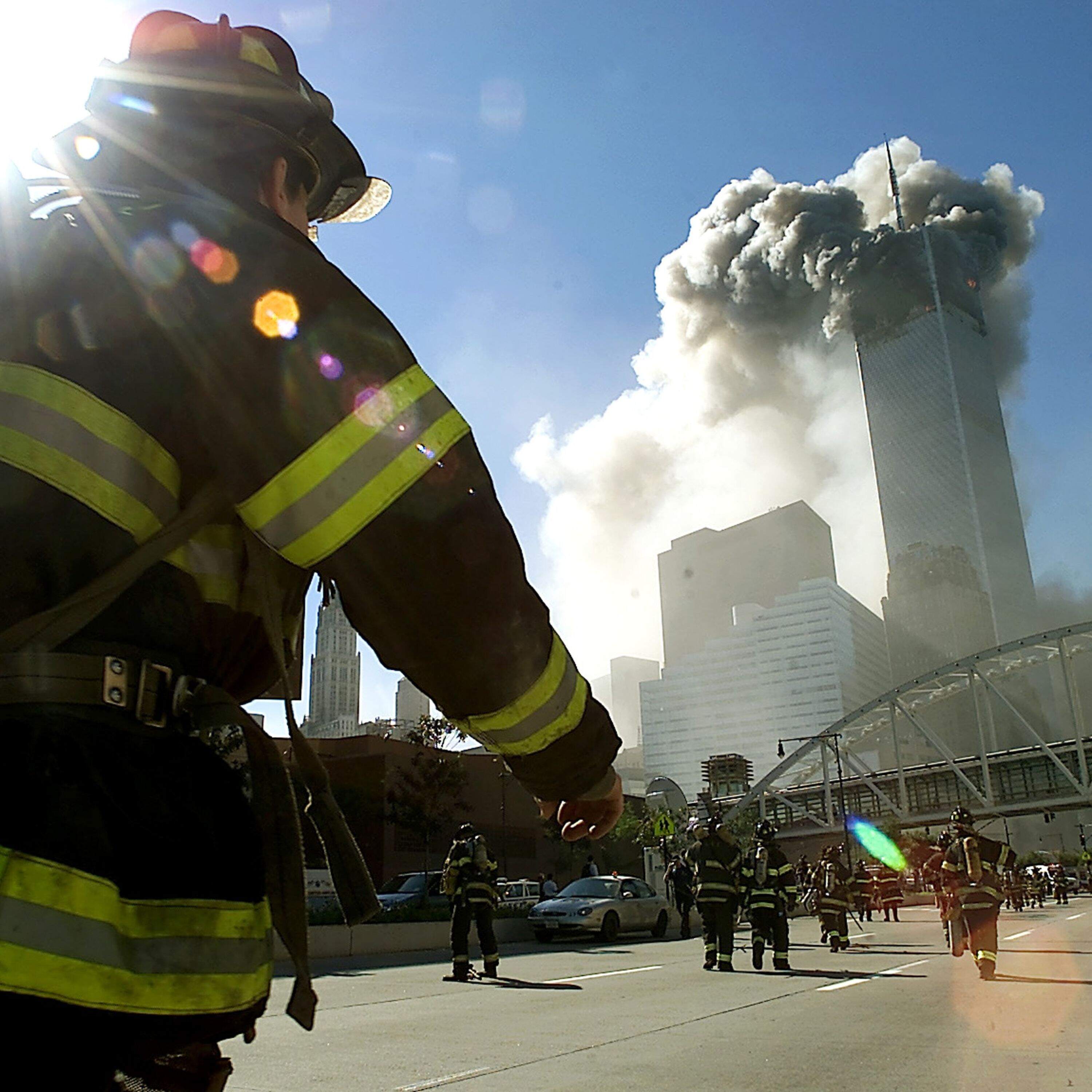
How far should the government go to protect America?
Jun 2900:33:30Summary readyThis September marks 25 years since terrorists hijacked planes and steered them into the twin towers of the World Trade Center. They steered a third plane into the Pentagon. A fourth was headed for the U.S. Capitol, but crashed into a field in Pennsylvania after its passengers overpowered their attackers.In the days — and years — that followed America’s leaders walked a fine and sometimes blurry line: how to prevent an attack like that from ever happening again? And how to do so without trampling American laws and democratic values? As part of a conversation about the legacy of 9/11 at The Aspen Ideas Festival, host Mary Louise Kelly spoke with two of the country's leaders during that time: Alberto Gonzales, who was serving as White House counsel, and Jeh Johnson, who became Homeland Security Secretary under President Obama.Email the show at sourcesandmethods@npr.orgNPR+ supporters hear every episode without sponsor messages and unlock access to our complete archive. Sign up at plus.npr.org.See pcm.adswizz.com for information about our collection and use of personal data for sponsorship and to manage your podcast sponsorship preferences.NPR Privacy Policy
Summary
Starmer’s successor / Reset on UK-US relationship? / Strait latest
Jun 2500:26:58Summary readyAnother British prime minister is on his way out the door. That's six in 10 years. Now, the UK is once again looking for a new leader. Will that mean yet another reset of the “special relationship” with the United States?Host Mary Louise Kelly speaks with NPR's London Correspondent Lauren Frayer and Pentagon Correspondent Tom Bowman about Prime Minister Keir Starmer's successor, whether Britain is ungovernable and what implications the new leader could have for global defense strategy (think the wars in Ukraine and Iran). Plus, they open up their reporter's notebook to talk about NPR (not us) and snog (not what you're thinking).Email the show at sourcesandmethods@npr.orgNPR+ supporters hear every episode without sponsor messages and unlock access to our complete archive. Sign up at plus.npr.org.See pcm.adswizz.com for information about our collection and use of personal data for sponsorship and to manage your podcast sponsorship preferences.NPR Privacy Policy
Summary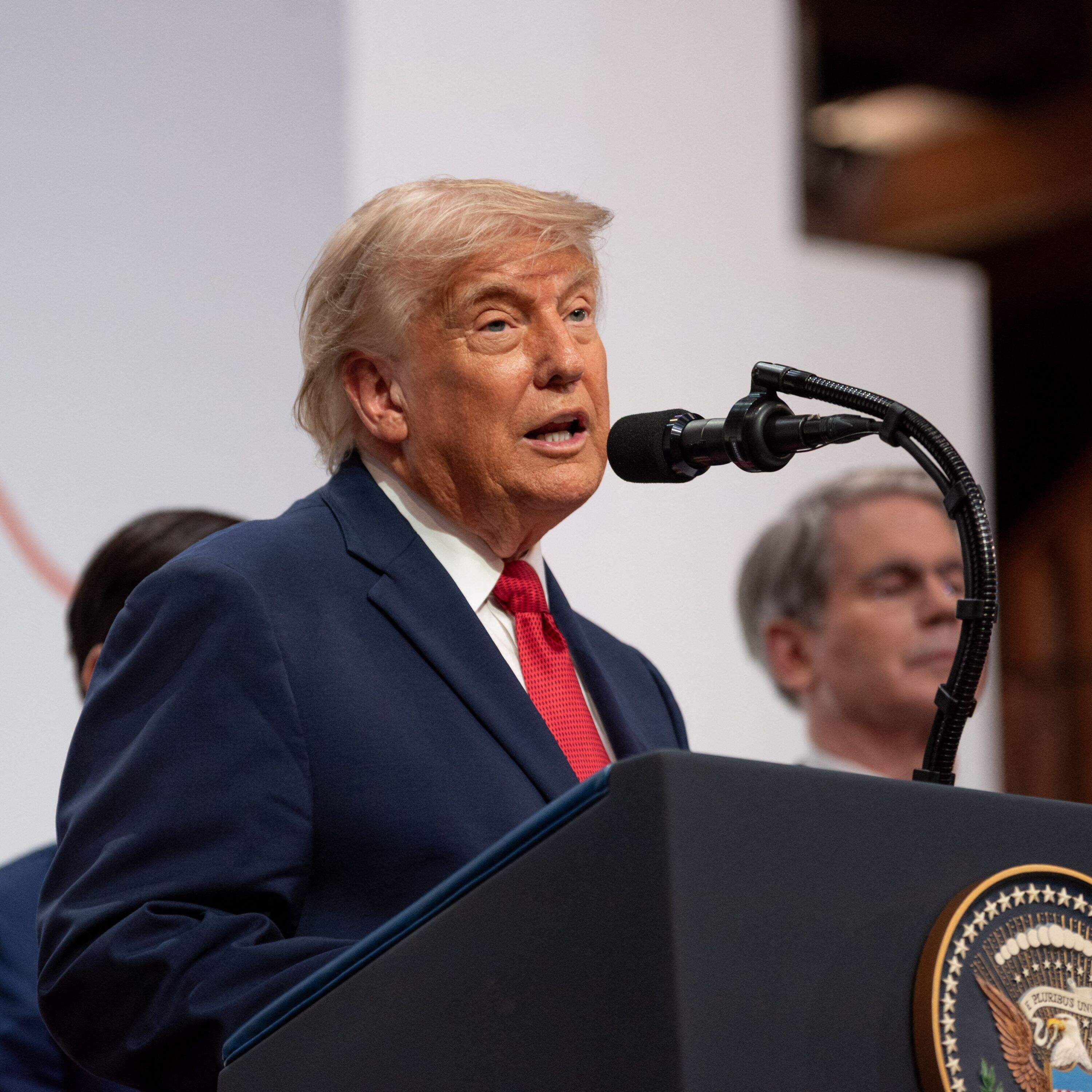
Iran “deal” / Winners and losers / Regional impact
Jun 1800:34:01Summary readyThe U.S. and Iran signed a memorandum of understanding to end the war.The agreement extends the existing ceasefire, reopens the Strait of Hormuz, and opens negotiations for a final peace deal.Host Mary Louise Kelly gathers three NPR correspondents who are covering the region – Greg Myre in Tel Aviv, Jane Arraf in Beirut and Aya Batrawy in Cairo – to understand what's next and who has emerged as the winners and losers. Also, where nearly four months of war have left the Middle East.Email the show at sourcesandmethods@npr.orgNPR+ supporters hear every episode without sponsor messages and unlock access to our complete archive. Sign up at plus.npr.org.See pcm.adswizz.com for information about our collection and use of personal data for sponsorship and to manage your podcast sponsorship preferences.NPR Privacy Policy
Summary