Podcast
The Rx Bricks Podcast
Hosted by USMLE-Rx · EN
The Rx Bricks podcast from USMLE-Rx is designed to help you master medical school. Each episode is an audio version of one of our revolutionary Rx Bricks, which are short, high-yield, interactive learning modules. Each week, we present a new audiobrick based on an important basic science topic (e.g., pressure-volume loops) or clinical concept (e.g., ischemic heart disease). Learn more at www.usmle-rx.com
21episodes
Episodes
Newest firstAll episodes
Hypertensive Emergency
Jun 10, 2025Tap to summarizeLooking for more information on this topic? Check out the Emergent Hypertension brick. If you enjoyed this episode, we’d love for you to leave a review on Apple Podcasts. It helps with our visibility, and the more med students (or future med students) listen to the podcast, the more we can provide to the future physicians of the world. Follow USMLE-Rx at: Facebook: facebook.com/usmlerx Blog: usmle-rx.com/blog-posts X: @usmle_rx_ Instagram: @usmle_rx_ YouTube: youtube.com/USMLERX Learn how you can access over 150 of our bricks for FREE: https://usmle-rx.com/free-bricks/ from our Musculoskeletal, Skin, and Connective Tissue collection, which is available for free. Learn more about Rx Bricks by signing up for a free USMLE-Rx account: www.usmle-rx.com You will get 5 days of full access to our Rx360+ program, including nearly 800 Rx Bricks. After the 5-day period, you will still be able to access over 150 free bricks, including the entire collections for General Microbiology and Cellular and Molecular Biology.
Transcribe →Glycogen Storage Diseases
Mar 4, 202500:20:57Tap to summarizeGlucose is the main source of energy for all forms of life, but it isn’t usually stored as individual C6H12O6 molecules. Animals use glycogen to do that job. Glycogen is a large branched polymer of glucose molecules, linked together by α-1,4 and α-1,6 glycosidic bonds. The liver and muscles break down the stored glycogen whenever the body needs an extra boost of glucose. Glycogen storage diseases are genetic defects in glycogen metabolism resulting in accumulation of glycogen. What happens when macromolecules accumulate in cells? Cell damage and dysfunction. Because the liver and muscles are the two main organs that use glycogen, they are also the two most affected by glycogen storage diseases. In the liver, glycogen accumulation leads to hypoglycemia since the glycogen can’t be broken down to glucose. Damage to the liver from extra glycogen can also lead to liver failure or even liver cancers. In the muscles, glycogen accumulation causes weakness, exercise intolerance, and potentially heart failure. There are at least 12 distinct glycogen storage diseases, but we’ll cover only the 4 most common ones. After listening to this Audio Brick, you should be able to: Identify the most common glycogen storage diseases: von Gierke disease (type 1), Pompe disease (type 2), Cori disease (type 3), and McArdle disease (type 5). Identify the enzymes deficient in each of the most common glycogen storage diseases. Describe the clinical manifestations of each of the most common glycogen storage diseases. Describe management for each of the most common glycogen storage diseases. You can also check out the original brick from our Cellular and Molecular Biology collection, which is available for free. Learn more about Rx Bricks by signing up for a free USMLE-Rx account: www.usmle-rx.com You will get 5 days of full access to our Rx360+ program, including nearly 800 Rx Bricks. After the 5-day period, you will still be able to access over 150 free bricks, including the entire collections for General Microbiology and Cellular and Molecular Biology. *** If you enjoyed this episode, we’d love for you to leave a review on Apple Podcasts. It helps with our visibility, and the more med students (or future med students) listen to the podcast, the more we can provide to the future physicians of the world. Follow USMLE-Rx at: Facebook: facebook.com/usmlerx Blog: usmle-rx.com/blog-posts X: @usmle_rx_ Instagram: @usmle_rx_ YouTube: youtube.com/USMLERX Learn how you can access over 150 of our bricks for FREE: https://usmle-rx.com/free-bricks/ from our Musculoskeletal, Skin, and Connective Tissue collection, which is available for free. Learn more about Rx Bricks by signing up for a free USMLE-Rx account: www.usmle-rx.com You will get 5 days of full access to our Rx360+ program, including nearly 800 Rx Bricks. After the 5-day period, you will still be able to access over 150 free bricks, including the entire collections for General Microbiology and Cellular and Molecular Biology.
Transcribe →Acid-Base Disorders: Putting It All Together (Re-Release)
Feb 25, 202500:37:07Tap to summarizeLooking for more information on this topic? Check out the Acid-Base Disorders: Putting it all Together brick. If you enjoyed this episode, we’d love for you to leave a review on Apple Podcasts. It helps with our visibility, and the more med students (or future med students) listen to the podcast, the more we can provide to the future physicians of the world. Follow USMLE-Rx at: Facebook: www.facebook.com/usmlerx Blog: www.firstaidteam.com Twitter: https://twitter.com/firstaidteam Twitter: https://twitter.com/mesage_hub Instagram: https://www.instagram.com/firstaidteam/ YouTube: www.youtube.com/USMLERX Learn more about Rx Bricks by signing up for a free USMLE-Rx account: www.usmle-rx.com You will get 5 days of full access to our Rx360+ program, including over 800 Rx Bricks. After the 5-day period, you will still be able to access over 150 free bricks, including the entire collections for General Microbiology and Cellular and Molecular Biology.
Transcribe →
Adrenal Insufficiency
Feb 18, 202500:24:33Tap to summarizeLooking for more information on this topic? Check out the Adrenal Insufficiency brick. If you enjoyed this episode, we’d love for you to leave a review on Apple Podcasts. It helps with our visibility, and the more med students (or future med students) listen to the podcast, the more we can provide to the future physicians of the world. Follow USMLE-Rx at: Facebook: www.facebook.com/usmlerx Blog: www.firstaidteam.com Twitter: https://twitter.com/firstaidteam Instagram: https://www.instagram.com/firstaidteam/ YouTube: www.youtube.com/USMLERX Learn how you can access over 150 of our bricks for FREE: https://usmlerx.wpengine.com/free-bricks/ from our Musculoskeletal, Skin, and Connective Tissue collection, which is available for free. Learn more about Rx Bricks by signing up for a free USMLE-Rx account: www.usmle-rx.com You will get 5 days of full access to our Rx360+ program, including nearly 800 Rx Bricks. After the 5-day period, you will still be able to access over 150 free bricks, including the entire collections for General Microbiology and Cellular and Molecular Biology.
Transcribe →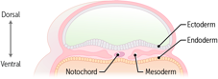
Development of the Nervous System
Jan 7, 202500:20:39Tap to summarizeEarly in fetal development, the precursors of the major systems in the body are outlined. The three germ layers (endoderm, mesoderm, ectoderm) are formed during the third week of development. We’ll focus on the ectoderm, from which the entire nervous system (central and peripheral) forms. But first, let’s back up to review the anatomy of the central nervous system (CNS) and peripheral nervous system (PNS) so that we know what the end products of their development are. The CNS comprises the brain and spinal cord; the PNS is composed of the 31 pairs of spinal and 12 pairs of cranial nerves and all the ganglia. After listening to this AudioBrick, you should be able to: List the derivatives of ectoderm. Define neurulation and explain how it occurs, including closure and the dates of neuropore closure. Describe the origin, migration, and fate of neural crest cells, particularly those that form the peripheral nervous system. Explain how the neural tube is organized into three layers. Describe how the spinal cord develops from the neural tube, and describe the contributions of each to these layers to the structure of the mature spinal cord, with emphasis on the alar and basal plates. Describe the development of the brain, including the five brain vesicles, the brainstem, and the cerebral cortex. You can also check out the original brick on the development of the nervous system from our Neurology and Special Senses collection, which is available for free. Learn more about Rx Bricks by signing up for a free USMLE-Rx account: www.usmle-rx.com You will get 5 days of full access to our Rx360+ program, including nearly 800 Rx Bricks. After the 5-day period, you will still be able to access over 150 free bricks, including the entire collections for General Microbiology and Cellular and Molecular Biology. *** If you enjoyed this episode, we’d love for you to leave a review on Apple Podcasts. It helps with our visibility, and the more med students (or future med students) listen to the podcast, the more we can provide to the future physicians of the world. Follow USMLE-Rx at: Facebook: www.facebook.com/usmlerx Blog: www.firstaidteam.com Twitter: https://twitter.com/firstaidteam Instagram: https://www.instagram.com/firstaidteam/ YouTube: www.youtube.com/USMLERX Learn how you can access over 150 of our bricks for FREE: https://usmlerx.wpengine.com/free-bricks/ from our Musculoskeletal, Skin, and Connective Tissue collection, which is available for free. Learn more about Rx Bricks by signing up for a free USMLE-Rx account: www.usmle-rx.com You will get 5 days of full access to our Rx360+ program, including nearly 800 Rx Bricks. After the 5-day period, you will still be able to access over 150 free bricks, including the entire collections for General Microbiology and Cellular and Molecular Biology. *** If you enjoyed this episode, we’d love for you to leave a review on Apple Podcasts. It helps with our visibility, and the more med students (or future med students) listen to the podcast, the more we can provide to the future physicians of the world. Follow USMLE-Rx at: Facebook: www.facebook.com/usmlerx Blog: www.firstaidteam.com Twitter: https://twitter.com/firstaidteam Instagram: https://www.instagram.com/firstaidteam/ YouTube: www.youtube.com/USMLERX Learn how you can access over 150 of our bricks for FREE: https://usmlerx.wpengine.com/free-bricks/
Transcribe →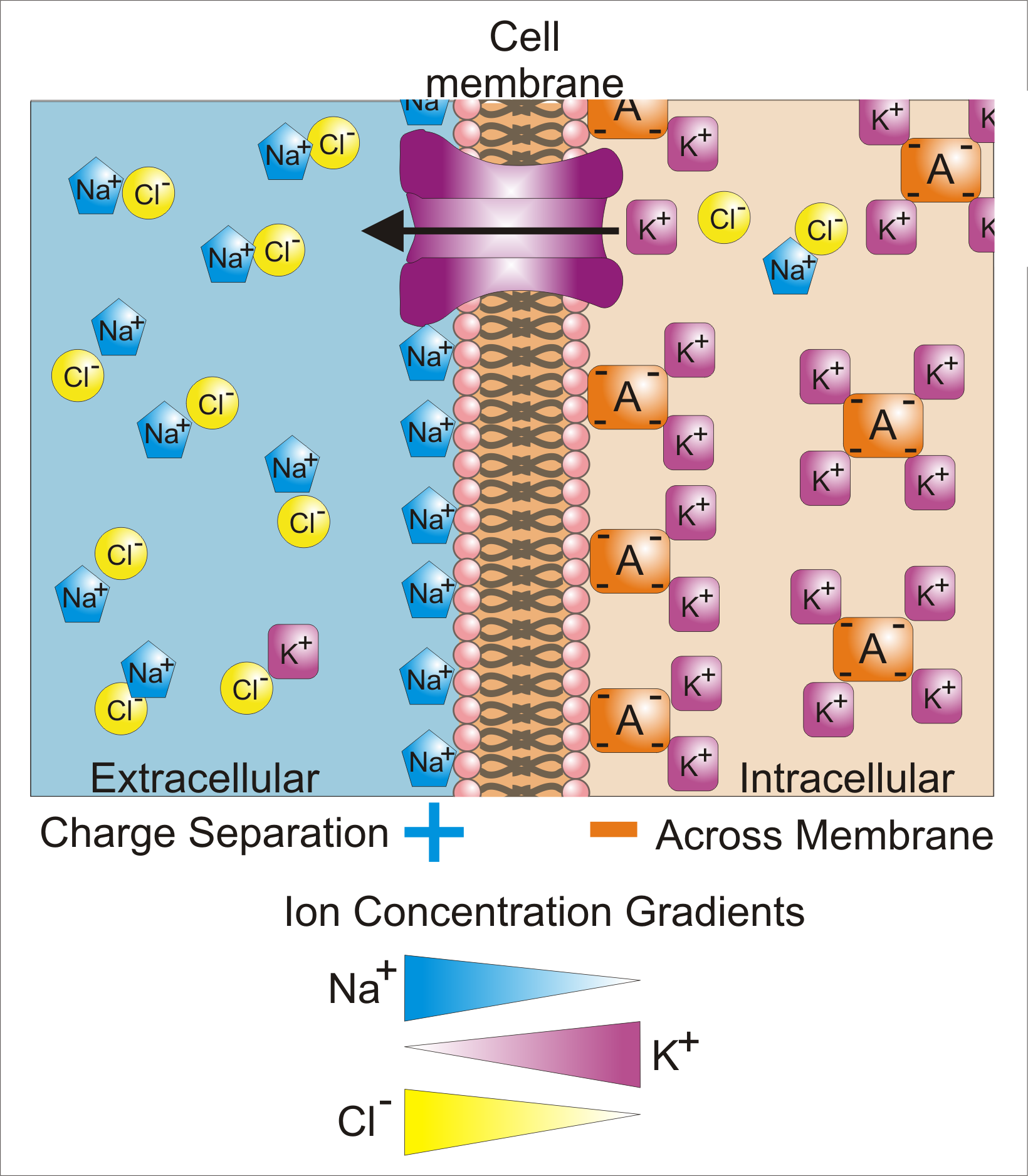
Cell Membrane Potential and Ion Balance
Dec 10, 202400:29:44Tap to summarizeDifferences in ion concentrations inside and outside a cell cause a difference in the charge of the intracellular and extracellular environments. This electrical polarization of a cell relative to its environment is referred to as cellular membrane potential. This potential serves as an energy source for a variety of cellular functions and as a way for excitable cells like muscle cells and neurons to communicate their signals. A cell controls its membrane potential by regulating the concentration of multiple ions and other charged particles. Let’s take a closer look at the biochemistry behind the cell membrane potential. After listening to this AudioBrick, you should be able to: Define equilibrium and describe the forces at work on ions across a biological membrane. Discuss the importance of the Nernst equation and equilibrium potentials. Describe the importance of Na-K-ATPase in relation to the resting membrane potential (Vr). Describe the nonequilibrium steady-state (NESS). Define and discuss the chord conductance equation. You can also check out the original brick from our Cellular Biology collection, which is available for free. Learn more about Rx Bricks by signing up for a free USMLE-Rx account: www.usmle-rx.com You will get 5 days of full access to our Rx360+ program, including nearly 800 Rx Bricks. After the 5-day period, you will still be able to access over 150 free bricks, including the entire collections for General Microbiology and Cellular and Molecular Biology. *** If you enjoyed this episode, we’d love for you to leave a review on Apple Podcasts. It helps with our visibility, and the more med students (or future med students) listen to the podcast, the more we can provide to the future physicians of the world. Follow USMLE-Rx at: Facebook: www.facebook.com/usmlerx Blog: www.firstaidteam.com Twitter: https://twitter.com/firstaidteam Instagram: https://www.instagram.com/firstaidteam/ YouTube: www.youtube.com/USMLERX Learn how you can access over 150 of our bricks for FREE: https://usmlerx.wpengine.com/free-bricks/
Transcribe →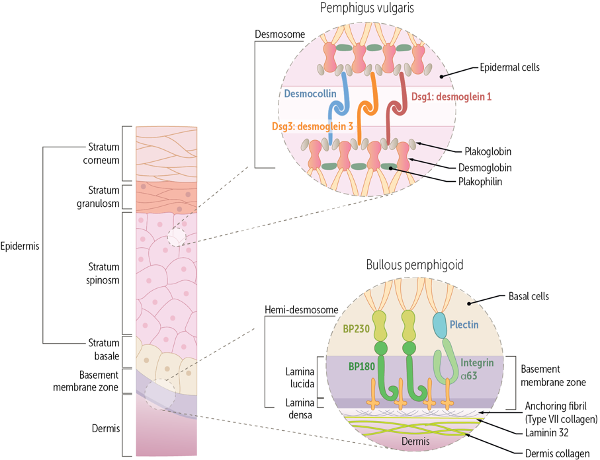
Bullous Skin Disorders
Dec 3, 202400:24:50Tap to summarizeWhat are bullous skin disorders? Bullae are fluid-filled blisters >1 cm in diameter. They can be caused by infection, mechanical stress, or a malfunctioning immune system. In this discussion, we tackle the latter, focusing on the most common autoimmune bullous (blistering) disorders: pemphigus vulgaris, bullous pemphigoid, and dermatitis herpetiformis. Distinctly, the blisters in each of these disorders involve different layers of the skin and autoantibodies against different proteins. After listening to this AudioBrick, you should be able to: Describe the typical clinical presentation, risk factors, pathophysiology, diagnostic features, and treatment of pemphigoid vulgaris. Describe the typical clinical presentation, risk factors, pathophysiology, diagnostic features, and treatment of bullous pemphigoid. Describe the typical clinical presentation, risk factors, pathophysiology, diagnostic features, and treatment of dermatitis herpetiformis. You can also check out the original brick on Bullous Skin Disorders from our Musculoskeletal, Skin, and Connective Tissue collection, which is available for free. Learn more about Rx Bricks by signing up for a free USMLE-Rx account: www.usmle-rx.com You will get 5 days of full access to our Rx360+ program, including nearly 800 Rx Bricks. After the 5-day period, you will still be able to access over 150 free bricks, including the entire collections for General Microbiology and Cellular and Molecular Biology. *** If you enjoyed this episode, we’d love for you to leave a review on Apple Podcasts. It helps with our visibility, and the more med students (or future med students) listen to the podcast, the more we can provide to the future physicians of the world. Follow USMLE-Rx at: Facebook: www.facebook.com/usmlerx Blog: www.firstaidteam.com Twitter: https://twitter.com/firstaidteam Instagram: https://www.instagram.com/firstaidteam/ YouTube: www.youtube.com/USMLERX Learn how you can access over 150 of our bricks for FREE: https://usmlerx.wpengine.com/free-bricks/
Transcribe →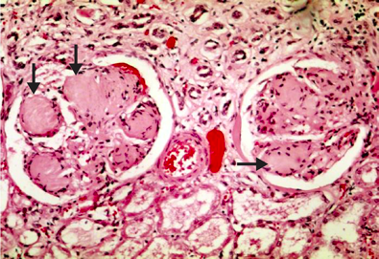
Diabetic Nephropathy
Nov 26, 202400:20:27Tap to summarizeA macrovascular complication of diabetes, diabetic nephropathy is progressive, chronic kidney disease seen in patients with both type 1 and type 2 diabetes mellitus, usually after at least 10 years of hyperglycemia (high blood glucose levels). The three main lesions that are seen in the kidney in patients with diabetes are glomerular lesions, vascular lesions, and pyelonephritis. This brick will focus primarily on the first two of these three lesions; diabetic pyelonephritis is covered in a separate brick. After listening to this AudioBrick, you should be able to: Define diabetic nephropathy. Outline the timeline of progression of diabetic nephropathy (DN) by urine, serum, and histologic criteria. Describe the diagnosis of diabetic nephropathy. Outline the prevention of diabetic nephropathy and, once it is established, how to slow its progression. Describe the management of diabetic nephropathy. You can also check out the original brick from our Renal collection, which is available for free. Learn more about Rx Bricks by signing up for a free USMLE-Rx account: www.usmle-rx.com You will get 5 days of full access to our Rx360+ program, including nearly 800 Rx Bricks. After the 5-day period, you will still be able to access over 150 free bricks, including the entire collections for General Microbiology and Cellular and Molecular Biology. *** If you enjoyed this episode, we’d love for you to leave a review on Apple Podcasts. It helps with our visibility, and the more med students (or future med students) listen to the podcast, the more we can provide to the future physicians of the world. Follow USMLE-Rx at: Facebook: www.facebook.com/usmlerx Blog: www.firstaidteam.com Twitter: https://twitter.com/firstaidteam Instagram: https://www.instagram.com/firstaidteam/ YouTube: www.youtube.com/USMLERX Learn how you can access over 150 of our bricks for FREE: https://usmlerx.wpengine.com/free-bricks/
Transcribe →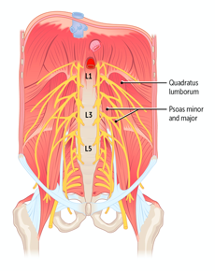
Anatomy of the Posterior Abdominal Wall
Nov 12, 202400:25:47Tap to summarizeIt might not be the flashiest anatomical structure, but if you want to stand upright, and keep your retroperitoneal organs (like your kidneys) in place, the posterior abdominal wall is pretty important. Located at the back of the body, bounded by the lateral abdominal walls and the posterior parietal peritoneum, the posterior abdominal wall is a complex combination of muscles, bones, nerves, and vessels that provides structural support for the body and for the organs of the retroperitoneal space. After listening to this AudioBrick, you should be able to: Describe the structure and relationships of the posterior abdominal wall, including the aorta (including collateral channels), inferior vena cava (including collateral tributaries), lymphatics, muscles (psoas major, quadratus lumborum), sympathetic chain, and lumbar plexus. Describe the relationship of the kidneys in the retroperitoneal space as it relates to posterior abdominal wall anatomy. You can also check out the original brick from our Cardiovascular collection, which is available for free. Learn more about Rx Bricks by signing up for a free USMLE-Rx account: www.usmle-rx.com You will get 5 days of full access to our Rx360+ program, including nearly 800 Rx Bricks. After the 5-day period, you will still be able to access over 150 free bricks, including the entire collections for General Microbiology and Cellular and Molecular Biology. *** If you enjoyed this episode, we’d love for you to leave a review on Apple Podcasts. It helps with our visibility, and the more med students (or future med students) listen to the podcast, the more we can provide to the future physicians of the world. Follow USMLE-Rx at: Facebook: www.facebook.com/usmlerx Blog: www.firstaidteam.com Twitter: https://twitter.com/firstaidteam Instagram: https://www.instagram.com/firstaidteam/ YouTube: www.youtube.com/USMLERX Learn how you can access over 150 of our bricks for FREE: https://usmlerx.wpengine.com/free-bricks/
Transcribe →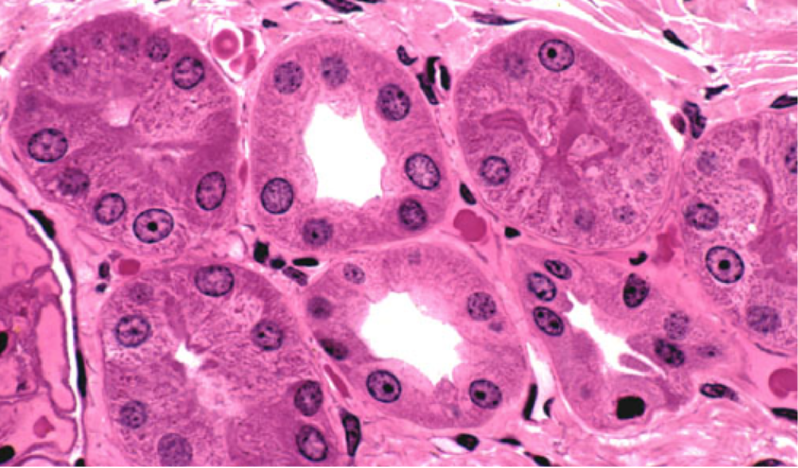
Histology of Epithelial Tissue
Oct 22, 202400:39:11Tap to summarizeEpithelium is one of the four basic tissue types (the other three are muscle tissue, nerve tissue, and connective tissue). It is found throughout the body—covering it; lining organs, vessels, and cavities; and forming glands. It absorbs nutrients, transports electrolytes, secretes hormones, and regulates body temperature by producing sweat. We begin with some general principles of how epithelial tissue is organized, and then we describe its various components. After listening to this AudioBrick, you should be able to: List the two types of epithelium (covering/lining and glandular) and describe their functions. Describe the structure and histologic features of epithelial tissue. Explain how covering/lining epithelium is classified. Describe the histologic features of glandular epithelium. Describe the five types of epithelial intercellular junctions. You can also check out the original brick on the Histology of Epithelial Tissue from our Musculoskeletal, Skin, and Connective Tissue collection, which is available for free. Learn more about Rx Bricks by signing up for a free USMLE-Rx account: www.usmle-rx.com You will get 5 days of full access to our Rx360+ program, including nearly 800 Rx Bricks. After the 5-day period, you will still be able to access over 150 free bricks, including the entire collections for General Microbiology and Cellular and Molecular Biology. *** If you enjoyed this episode, we’d love for you to leave a review on Apple Podcasts. It helps with our visibility, and the more med students (or future med students) listen to the podcast, the more we can provide to the future physicians of the world. Follow USMLE-Rx at: Facebook: www.facebook.com/usmlerx Blog: www.firstaidteam.com Twitter: https://twitter.com/firstaidteam Instagram: https://www.instagram.com/firstaidteam/ YouTube: www.youtube.com/USMLERX Learn how you can access over 150 of our bricks for FREE: https://usmlerx.wpengine.com/free-bricks/
Transcribe →