Podcast
A Book with Legs
Hosted by Smead Capital Management · EN
In each episode, we explore value investing through an entirely unique lens, bringing in authors to discuss books that have directly or indirectly influenced the decisions the Smead Capital Management team has made on their investments in stocks and equities. The podcast is for the curious-minded looking for worldly wisdom. Investing is the last great liberal art, and the team at Smead wants to learn as much as they can. Any level of investor, business person, or thinker, whether personally or professionally, will be intrigued and engaged by these discussions.
60episodes
Episodes
Newest firstAll episodes

James Grant - Friends Until The End
Nov 1701:17:42Summary readyIn this episode, Cole Smead is joined by author James Grant to discuss his book, “Friends Until the End: Edmund Burke and Charles Fox in the Age of Revolution.” The book details the remarkable lives and friendship of British politicians Edmund Burke and Charles Fox, who often united in the pursuit of political causes, despite having wildly different lifestyles and backgrounds. Cole and James’ conversation also touches on their perspectives on today’s economy.
Summary
Brian Potter - The Origins of Efficiency
Nov 301:10:12Summary readyIn this episode, Cole Smead is joined by author Brian Potter to discuss his book “The Origins of Efficiency.” The two discuss the importance and profound impact of efficiency when producing goods and services. Potter also explains how improved efficiency in penicillin production changed the world, the five factors of the production process, and more!
Summary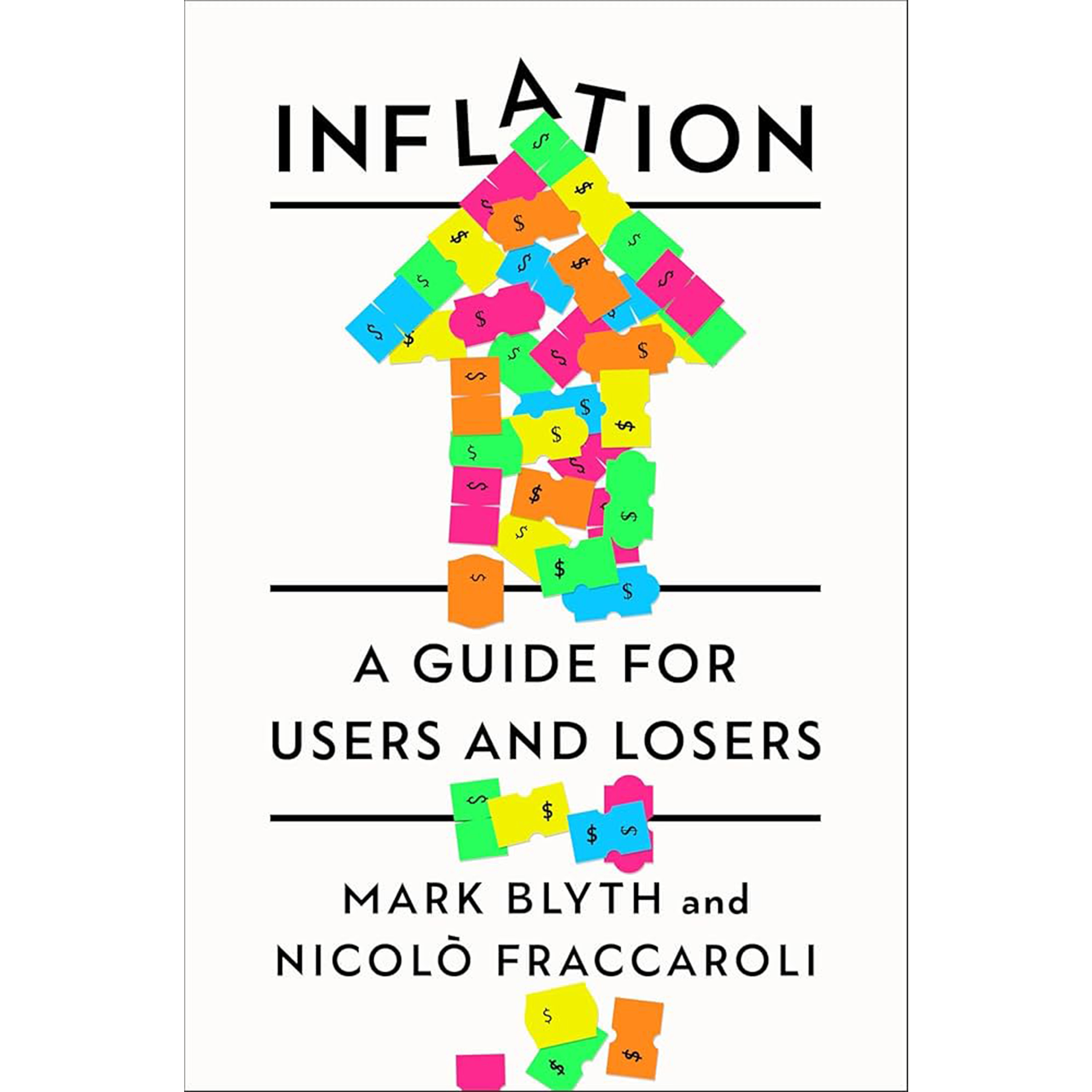
Mark Blyth and Nicolò Fraccaroli - Inflation
Oct 2001:23:00Summary readyIn this episode, author and professor Mark Blyth sits down with Cole Smead to discuss a book he co-authored with Nicolò Fraccaroli titled “Inflation: A Guide for Users and Losers.” Blyth unpacks the modern forces driving today’s economic shifts, explaining how they reach far beyond simple price increases. They also discuss modern means for managing the economy, energy trends, and more!
Summary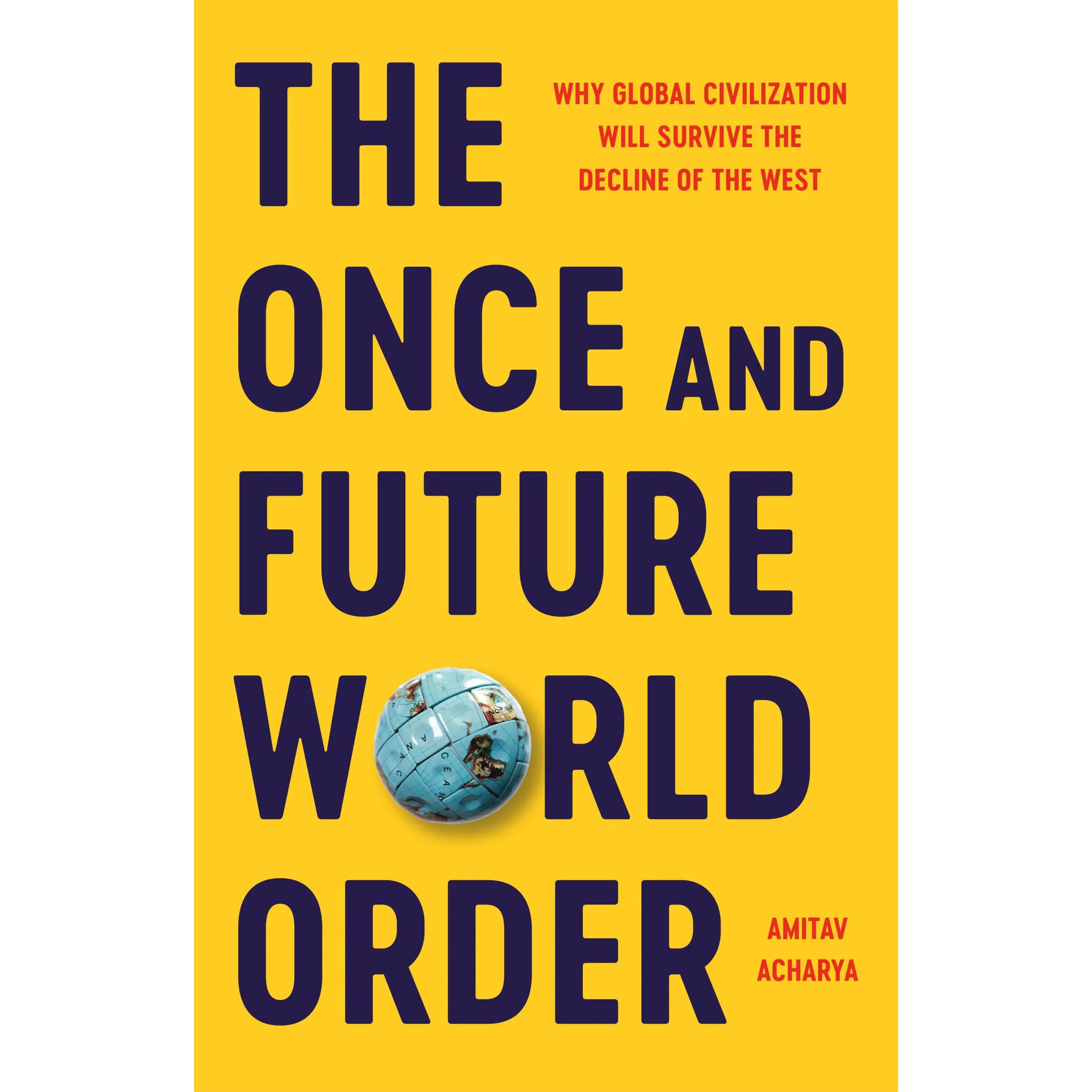
Amitav Acharya - The Once and Future World Order: Why Global Civilization Will Survive the Decline of the West
Oct 601:33:09Summary readyIn this episode, professor and author Amitav Acharya joins Cole Smead to discuss his book “The Once and Future World Order: Why Global Civilization Will Survive the Decline of the West.” The two discuss the history of world order, including its origins in Mesopotamia. Cole and Amitav also examine what historical insights reveal about the future of nations like the U.S. and China, as well as the world order in relation to the decline of the West.
SummaryThe Smead Book List - Fall 2025
Sep 2900:39:50Tap to summarizeIn this special quarterly ‘book list’ episode, Bill Smead and Cole Smead discuss memorable takeaways from books they have recently read, share what they are reading now, and preview what is next on their reading list. The pair also offer fresh insights for investors, drawing on historical examples and personal experiences that shape their perspectives on today’s economy.
Transcribe →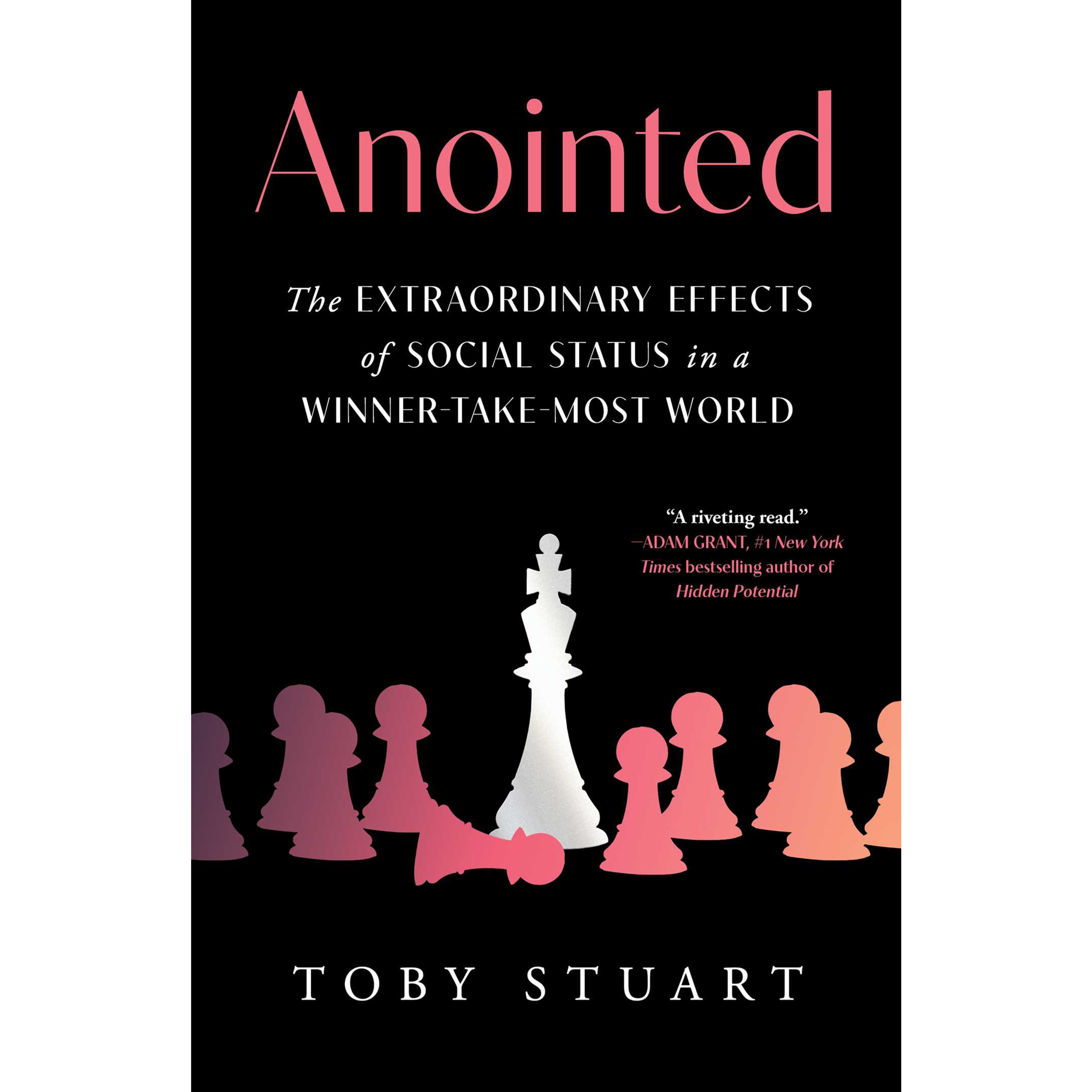
Toby Stuart - Anointed
Sep 1501:38:00Summary readyIn this episode, author and professor Toby Stuart sits down with Cole Smead to discuss his book “Anointed: The Extraordinary Effects of Social Status in a Winner-Take-Most World.” Together, they explore how social status shapes perception, drawing on examples from the art world to show how value has shifted from the object itself to the identity of its creator, various forms of uncertainty, and more.
Summary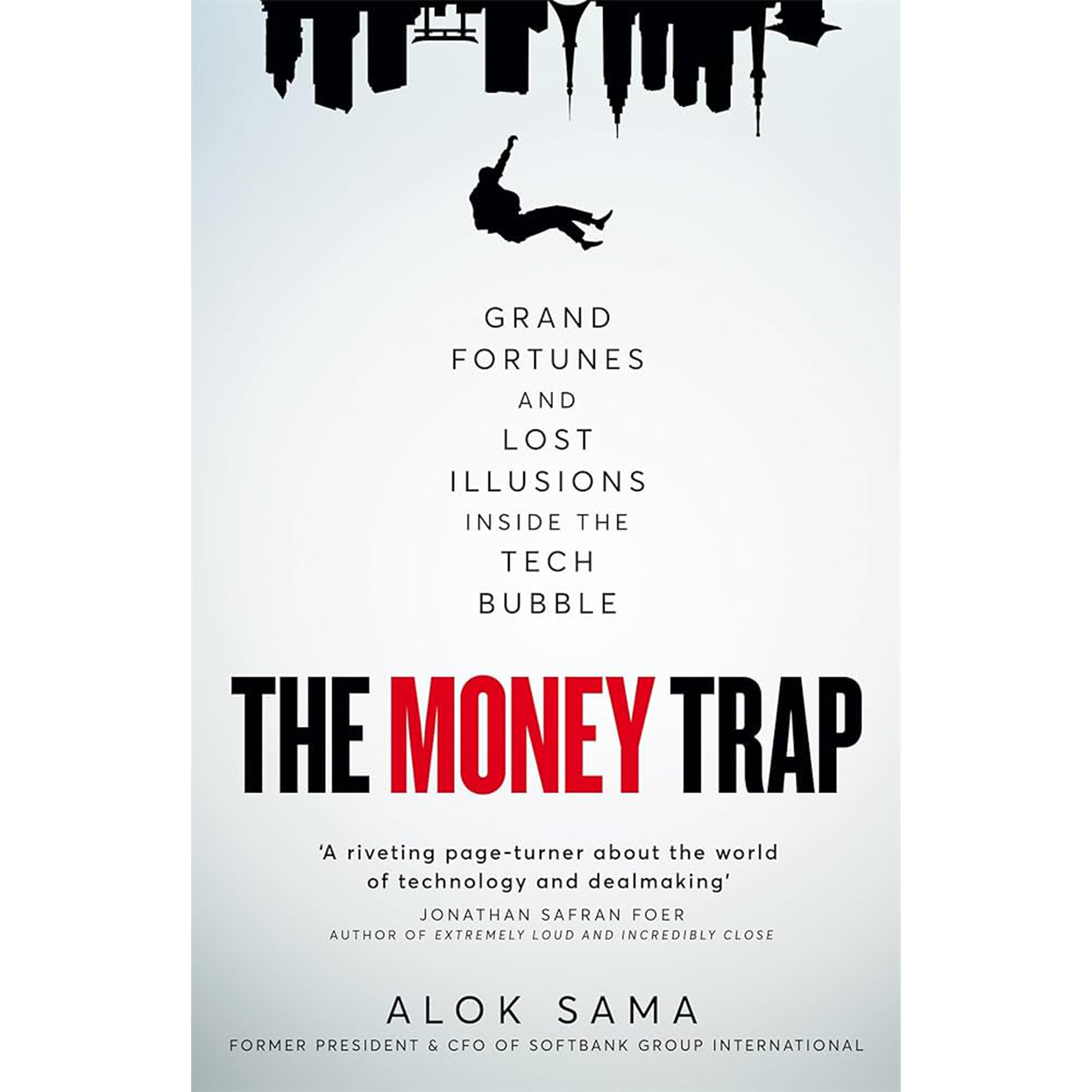
Alok Sama - The Money Trap
Sep 101:20:43Summary readyIn this episode, Cole Smead sits down with author and former President and CFO of SoftBank Group International, Alok Sama, to discuss his book, “The Money Trap: Lost Illusions Inside the Tech Bubble.” Sama discusses his personal background and investing roots. He also details his experiences alongside SoftBank’s revolutionary founder, Masayoshi Son, and the “dark side” of the industry, discussing topics such as corporate espionage.
Summary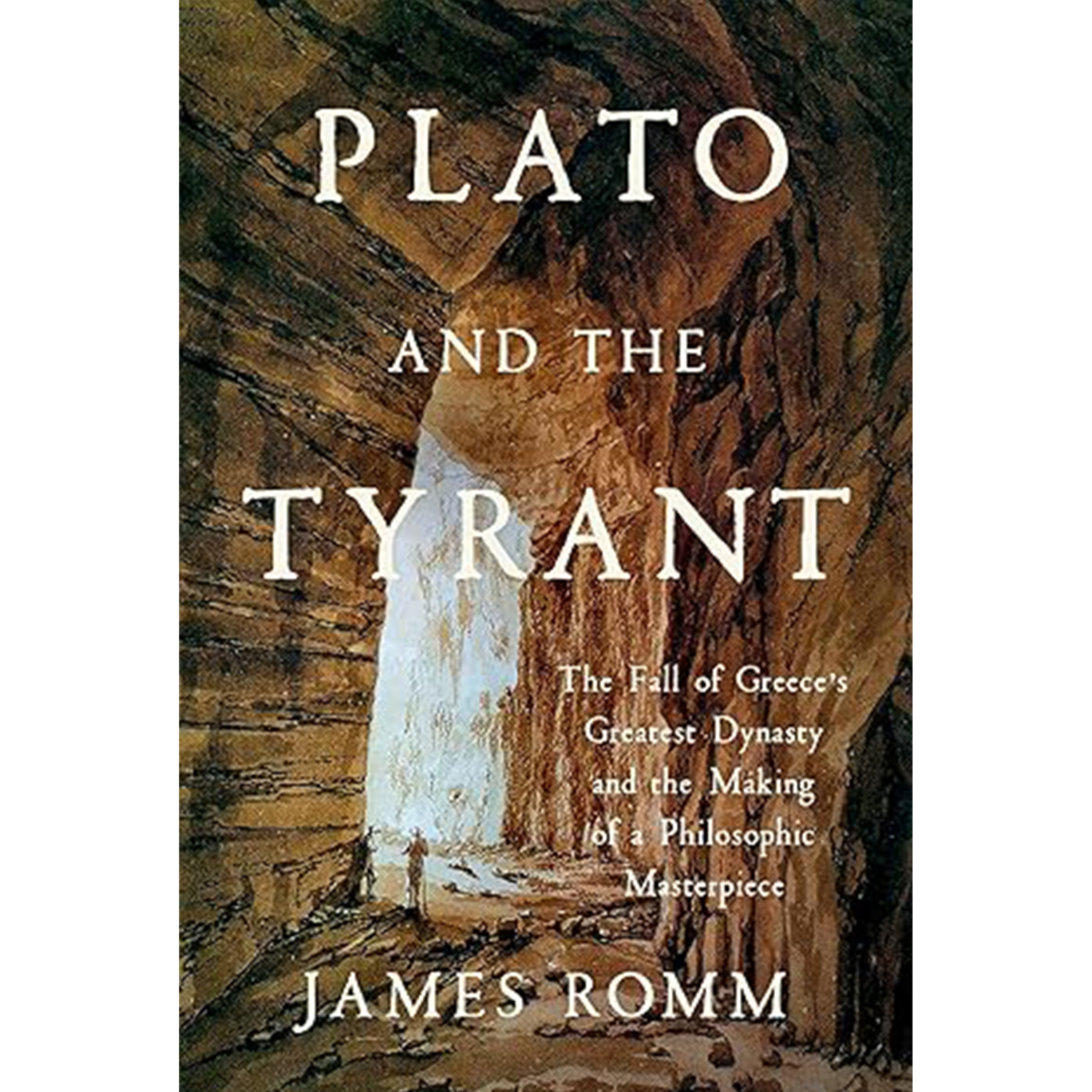
James Romm - Plato and the Tyrant
Aug 1801:11:22Summary readyIn this episode, Cole Smead sits down with professor and author James Romm to discuss his book, “Plato and the Tyrant: The Fall of Greece's Greatest Dynasty and the Making of a Philosophic Masterpiece.” They cover a series of letters that Romm believes to unmistakably be Plato’s writing. The two discuss Plato’s encounters with a tyrannical father and son, both named Dionysius, and the legendary philosopher’s impact on the opulent city of Syracuse.
Summary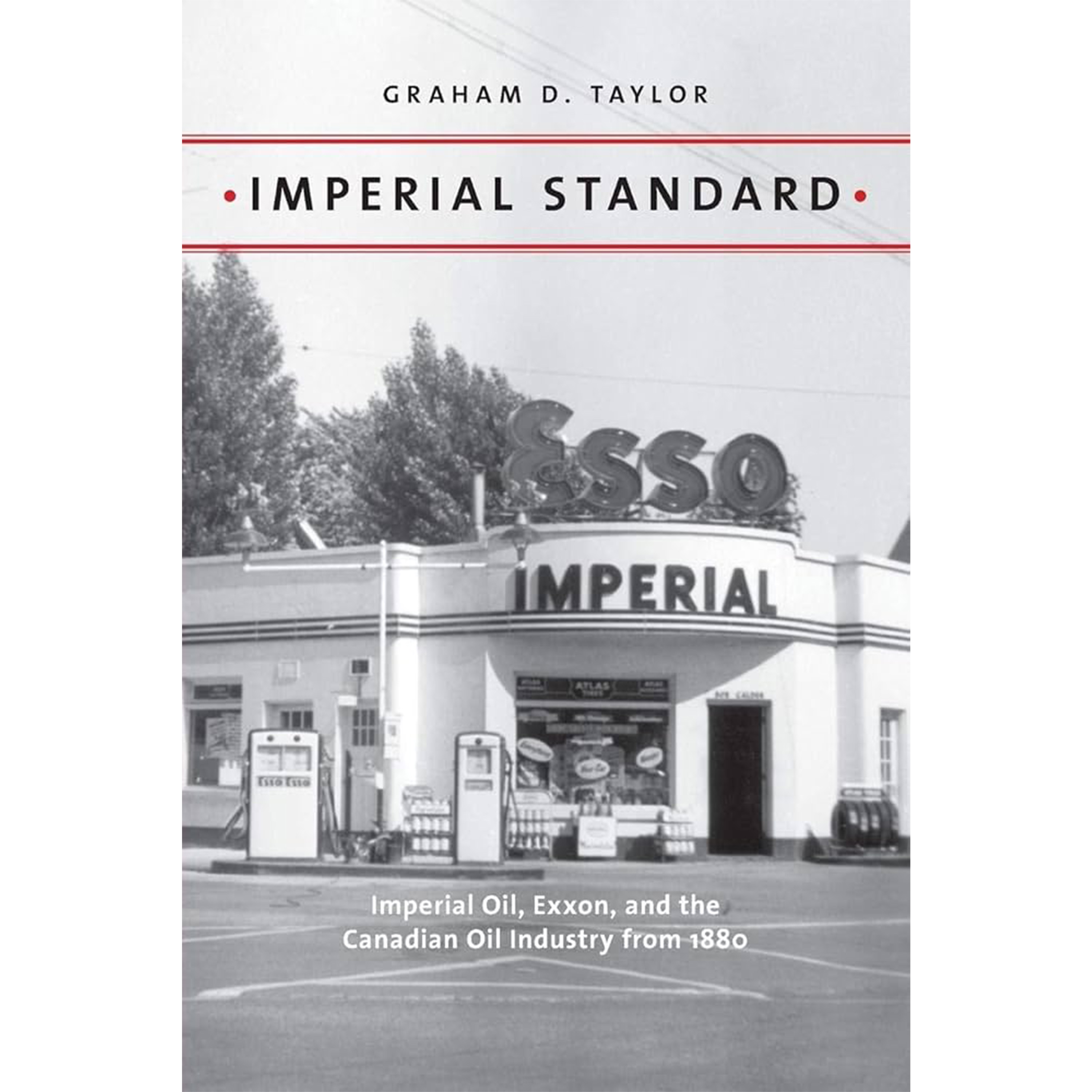
Graham Taylor - Imperial Standard
Aug 4, 202501:16:43Summary readyIn this episode, author and professor Graham Taylor sits down with Cole Smead to discuss his book, “Imperial Standard: Imperial Oil, Exxon, and the Canadian Oil Industry from 1880.” Their conversation takes an in-depth look at the history of Canada’s Imperial Oil and its complex relationship with Exxon Mobil. Additionally, Cole and Graham discuss their expectations for the future of Imperial Oil, including if they foresee a time when the company is no longer controlled or majority owned by Exxon, and more!
Summary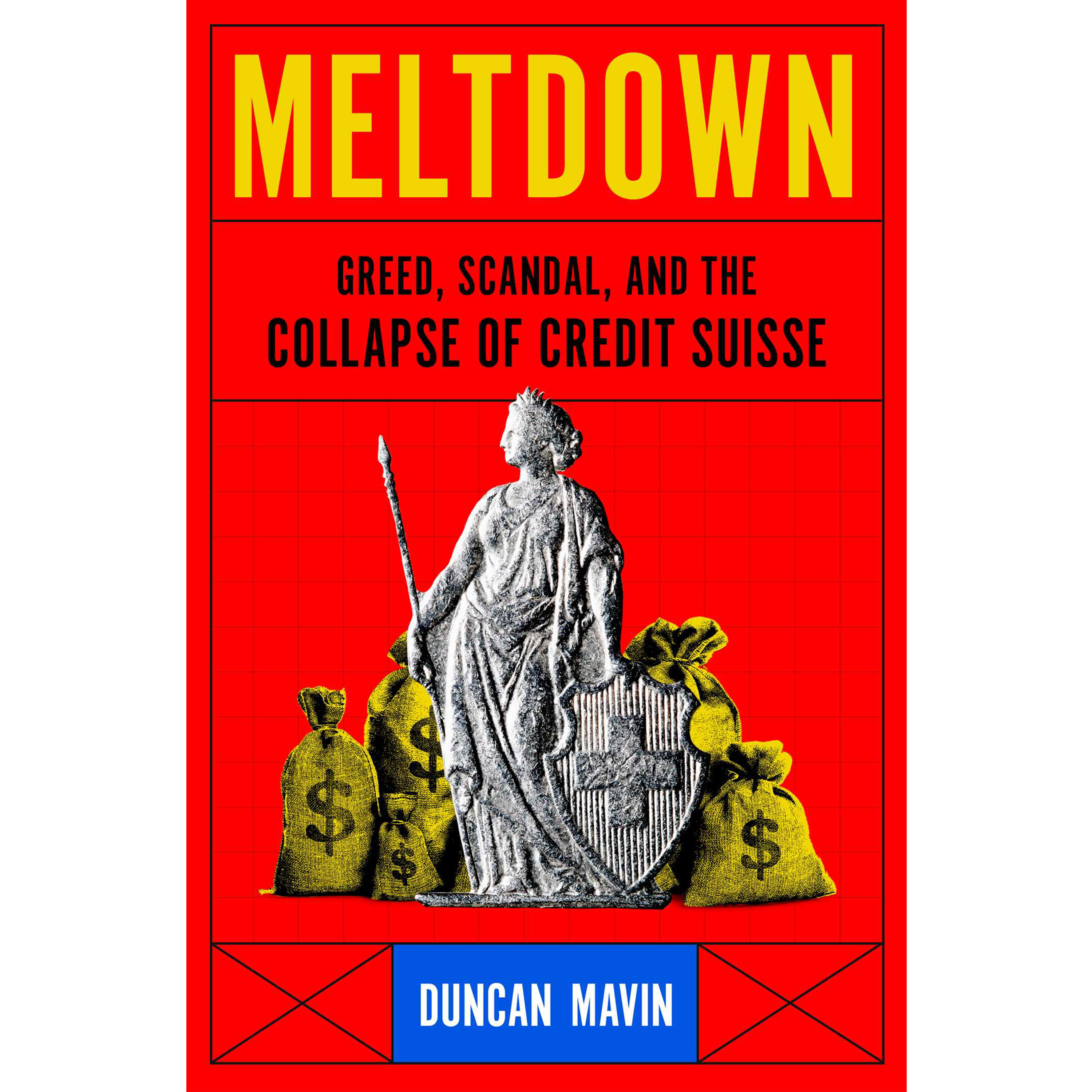
Duncan Mavin - Meltdown: Greed, Scandal, and the Collapse of Credit Suisse
Jul 21, 202501:35:10Summary readyIn this episode, Cole Smead sits down with Bloomberg Editor Duncan Mavin to discuss his book, “Meltdown: Greed, Scandal, and the Collapse of Credit Suisse.” The two explore the founding of Credit Suisse and its morally questionable history, which found the bank involved in a long list of scandals, including the laundering of Nazi funds and stolen assets, banking relationships with drug dealers and dictators, and the incineration of holocaust related documents. They also cover the bank’s collapse in March of last year, one of the largest shocks to the banking industry since the 2008 crisis.
Summary