
Podcast
Embracing Digital Transformation
Hosted by Dr. Darren Pulsipher · EN
Dr. Darren Pulsipher, Chief Enterprise Architect for Public Sector, author and professor, investigates effective change leveraging people, process, and technology. Which digital trends are a flash in the pan—and which will form the foundations of lasting change? With in-depth discussion and expert interviews, Embracing Digital Transformation finds the signal in the noise of the digital revolution.
People
Workers are at the heart of many of today’s biggest digital transformation projects. Learn how to transform public sector work in an era of rapid disruption, including overcoming the security and scalability challenges of the remote work explosion.
Processes
Building an innovative IT organization in the public sector starts with developing the right processes to evolve your information management capabilities. Find out how to boost your organization to the next level of data-driven innovation.
Technologies
From the data center to the cloud, transforming public sector IT infrastructure depends on having the right technology solutions in place. Sift through confusing messages and conflicting technologies to find the true lasting drivers of value for IT organizations.
138episodes
Episodes
Newest firstAll episodes
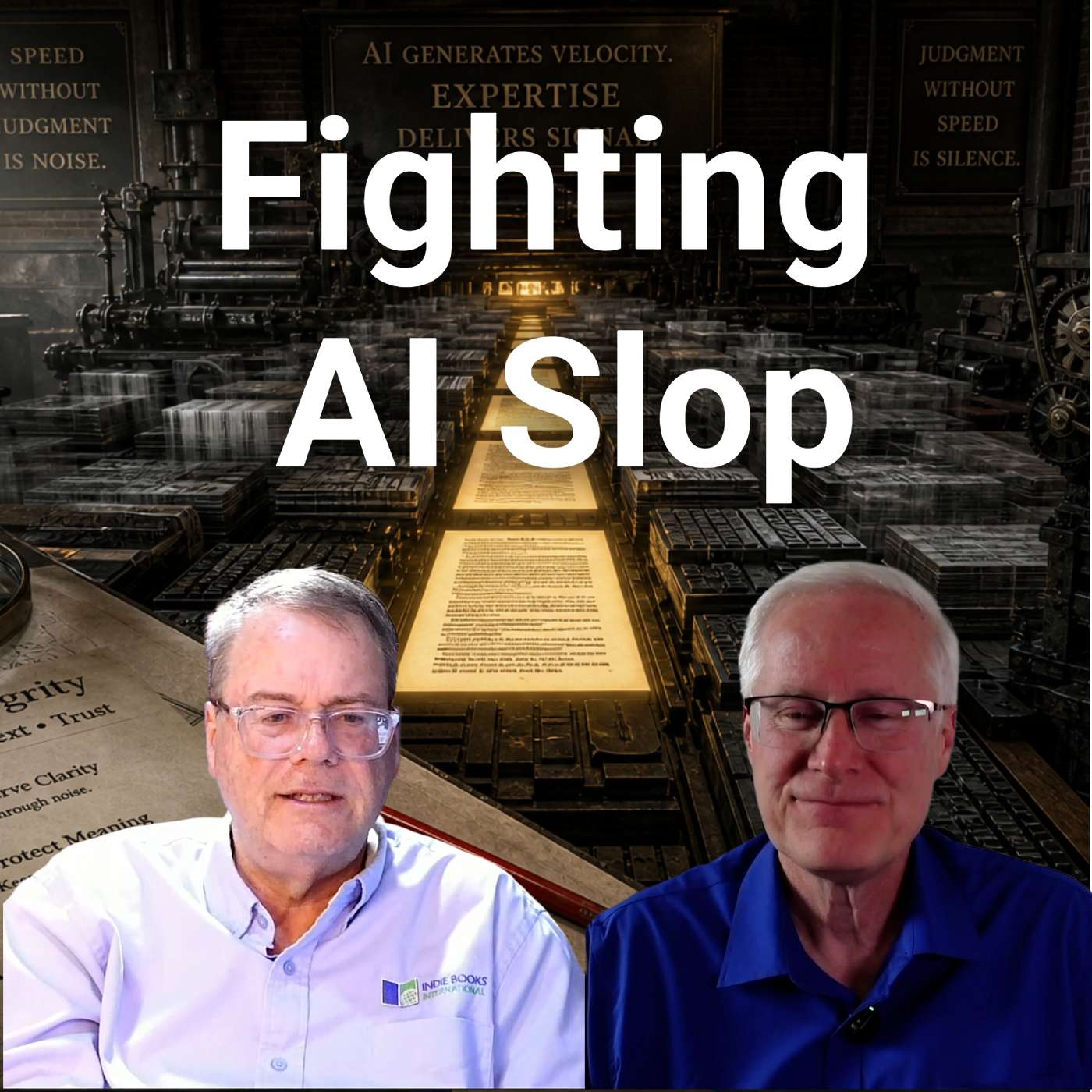
#372 Using AI to Write Better Books Without Losing Your Voice
Yesterday00:32:37Summary readyCheck out my new book AI Augmented Teams on Amazon or on my website paidar.ai/books.Host Dr. Darren welcomes author, ghostwriter, and publishing strategist Henry DeVries to unpack how AI is reshaping publishing, authority, and book marketing. From AI-generated content and audiobook voices to niche positioning and credibility, this conversation shows why subject matter expertise matters more than ever in a world flooded with generic output. ## Key Takeaways - **Publishing is shifting from mass appeal to niche authority.** The goal is to be intensely relevant to a smaller audience that has a real problem you can solve. - **AI is a powerful tool for research, editing, and brainstorming.** Use it to accelerate work, not replace human judgment, strategy, or lived experience. - **Generic AI content is increasingly easy to spot.** Strong point of view, depth, and originality are what separate credible writing from “AI slop.” - **Books can be business assets, not just products.** For authors, a book can drive consulting, speaking, training, and other high-value opportunities. - **Readability matters.** AI can help writers adjust tone and complexity so content connects with the intended audience. - **Human expertise still wins.** The best results come from using AI to amplify your voice, not flatten it. ## Chapters - **00:00** Introduction to AI, publishing, and authority - **01:05** Henry DeVries’ background as author, ghostwriter, and publisher - **03:00** How print-on-demand and Amazon changed publishing - **05:10** Why niche audiences matter more than mass reach - **07:05** Books as a marketing engine for consulting and speaking - **09:20** AI in publishing: research, editing, and grammar support - **12:05** Avoiding AI slop and improving readability - **14:20** AI as a brainstorming partner, not a substitute for strategy - **16:10** Audiobooks, cloned voices, and platform policies - **18:15** The future of publishing, fake news, and AI-generated content - **20:00** Final advice on authority, expertise, and book strategy
Summary
#371 How to Use AI Without Losing Your Voice or Judgment
3d ago00:34:21Summary readyCheck out my new book AI Augmented Teams on Amazon or on my website paidar.ai/books.Darren and guest host Paige Pulsipher dig into the real question behind AI adoption: how do you use AI to amplify your work without losing your voice, judgment, or accountability? They discuss Darren’s new book, *Becoming AI Augmented*, and share practical lessons for leaders, teams, and individual professionals navigating AI transformation. ## Key Takeaways - AI can take over tasks, but it should not replace human judgment, ownership, or accountability. - The goal of becoming **AI augmented** is to use AI as a capability multiplier, not a shortcut. - Many professionals are already using AI in an improvised way, so leaders need a clearer framework for context, review, and quality control. - Fear of AI often comes from uncertainty about where people fit in the workflow; that’s a leadership challenge, not just a technical one. - The **AI augmented operating system** helps people decide which tasks AI should absorb and which decisions must stay human. - Strong AI use is about integrity: making sure outputs are reliable, defensible, and aligned with your goals. ## Chapters - 00:00 Welcome back and introducing *Becoming AI Augmented* - 03:05 Why Darren wrote the second book - 06:10 AI anxiety, job impact, and finding your place - 10:00 What it means to become AI augmented - 14:25 The “AI faker” idea explained - 18:20 Building and fixing the audiobook with AI - 23:10 Integrity packets: context, evidence, and accountability - 29:05 How Darren writes books with AI agents - 34:40 Why this work matters for leaders and educators
Summary
#370 How to Control AI Agents with Formal Methods and Ephemeral Access
1w ago00:46:51Summary readyCheck out my new book AI Augmented Teams on Amazon or on my website paidar.ai/books.AI isn’t just generating content anymore — it’s becoming an operational actor inside enterprise systems. Doctor Darren sits down with Ev Kontsevoy to unpack how AI agents, formal methods, ephemeral access, and action-based governance can help technologists and business leaders keep control as automation speeds up and scales out. ## Key Takeaways - **AI changes the risk model:** fast, probabilistic systems can make mistakes at machine speed, so old “critical vs. non-critical” thinking no longer works. - **Role-based access control (RBAC) is straining at scale:** as organizations grow, roles multiply faster than employees, making policy management harder to govern. - **Move from identity-based to action-based control:** define what the business action is, then bind permissions to that action instead of to a long-lived role. - **Ephemeral access improves security:** grant access only for the duration of the task, then let it disappear when the work is complete. - **Formal methods matter again:** if AI agents are going to act on infrastructure, workflows need to be precise, verifiable, and impossible to misinterpret. - **Treat AI like a first-class operating force:** the winners won’t just deploy more AI — they’ll govern it with stronger, more scalable controls. ## Chapters - **00:00** Opening thoughts on AI risk, speed, and governance - **02:15** EV’s background in engineering and building for engineers - **06:10** Why AI changes infrastructure and enterprise control - **10:05** From cars and licenses to modern computing regulation - **15:20** Human language vs. precise machine instructions - **20:35** Formal methods, verifiable software, and safer automation - **26:40** Why AI makes every software path feel “critical” - **32:10** Deterministic software, human error, and AI’s new risk profile - **38:00** Identity, memory, capability, and motivation in AI agents - **44:15** Why RBAC breaks at scale and what comes next
Summary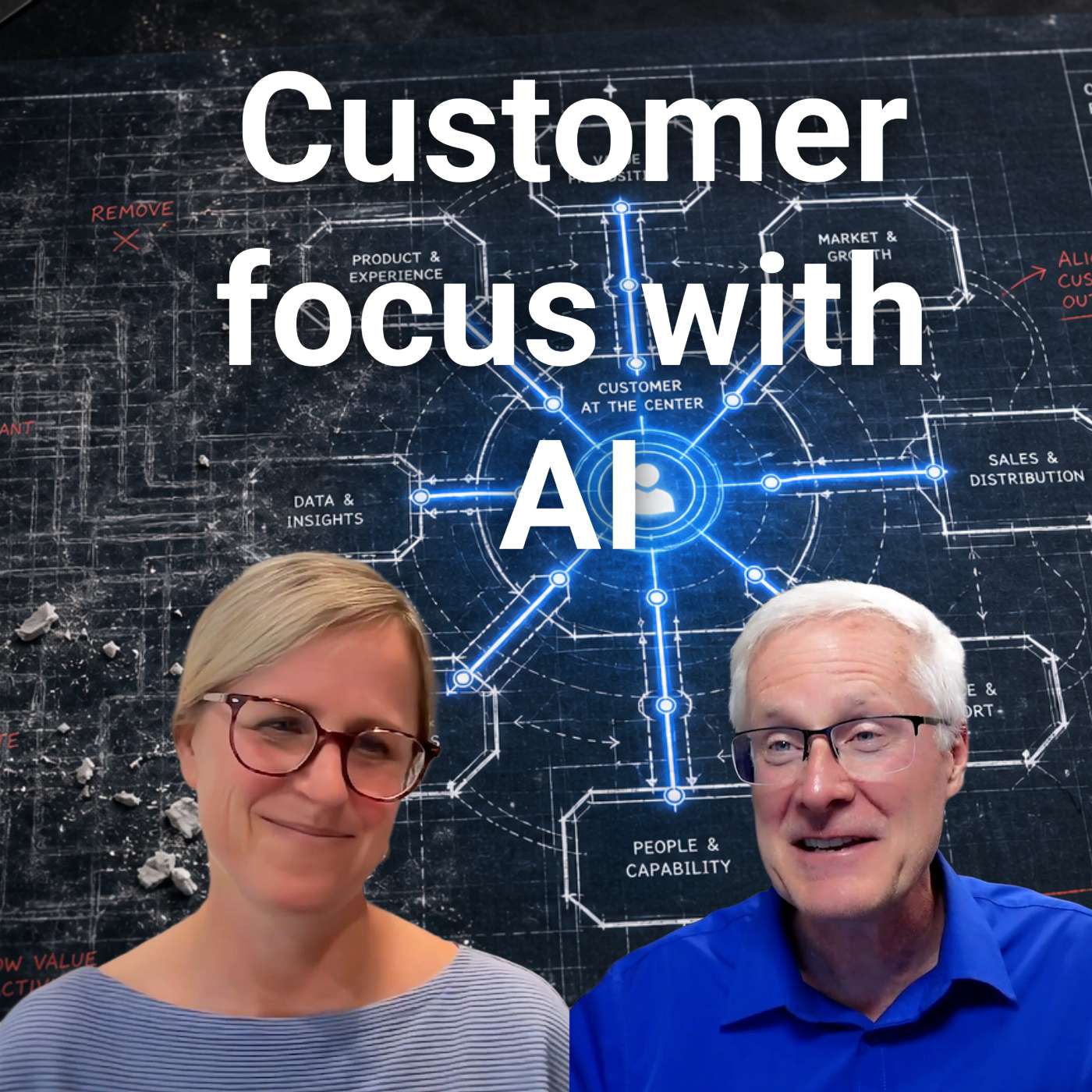
#368 AI Augmented Redesigning Insurance Around the Customer
1w ago00:31:49Summary readyCheck out my new book AI Augmented Teams on Amazon or on my website paidar.ai/books.Redesigning Insurance Operations with AI and Customer-Centered Transformation How do you use AI to do more than speed up old workflows? Doctor Darren sits down with Kristen Nunery, entrepreneur and insurance-tech leader, to explore how AI can help redesign the operating model, improve customer experience, and support compliance in regulated industries. They also discuss startup-style change management, subject matter expertise, and building a new product around the customer. ## Key Takeaways - AI is most powerful when it reshapes the business model, not just automates existing tasks. - In regulated industries like insurance, subject matter expertise is still essential for trustworthy outcomes. - A “clean whiteboard” approach can help teams design around the customer’s real needs instead of legacy processes. - Building a startup inside an established company can accelerate innovation if the boundaries are clear. - Change management matters: culture, incentives, and team ownership must evolve with the new model. - Legacy workflows can creep back in under pressure, so leaders need discipline to stay aligned with the new strategy. ## Chapters - 00:00 — Opening: AI as a business reset - 01:05 — Meet Kristen Nunery - 02:10 — Kristen’s origin story and entrepreneurial drive - 04:00 — A personal experience that shaped the mission - 06:05 — The insurance problem space and customer protection - 08:10 — Why ChatGPT alone isn’t enough - 10:05 — Redesigning the business with a clean whiteboard - 13:00 — Taking the bold leap and managing stakeholder buy-in - 15:20 — Creating a startup inside the company - 18:00 — Change management, team alignment, and culture - 20:10 — Lessons from missteps and timing pressure - 23:00 — Bringing the old and new organizations together - 26:10 — How AI is powering the new product - 29:00 — Customer-centered AI and industry redefinition - 31:10 — Closing thoughts and where to connect
Summary
#369 How to Automate Manual Operations Without Breaking Compliance
1w ago00:34:02Summary readyCheck out my new book AI Augmented Teams on Amazon or on my website paidar.ai/books.How do you digitize an analog operation without losing the people who keep it running? Host Dr. Darren sits down with James Gilbride, CEO of mailing.com, to unpack a real-world digital transformation story in print, mail, compliance, and workflow automation. From legacy operations to AI-powered governance, this conversation is packed with practical lessons for leaders modernizing at scale. ## Key Takeaways - Digital transformation works best when it’s treated as an operating model shift, not just a software upgrade. - Overcommunication matters: change has to be repeated consistently across leadership and teams to stick. - Middle management alignment is critical, especially when reassigning roles instead of simply adding tools. - Tribal knowledge is a business asset and should be captured, governed, and shared before it walks out the door. - AI is most valuable as an augmentation tool for compliance, reporting, and decision support—not as a blunt replacement for employees. - Real-time data, metadata monitoring, and automated governance can help regulated businesses move faster without sacrificing control. ## Chapters - 00:00 Hook and why legacy operations must modernize - 01:10 James Gilbride’s origin story and early tech experience - 06:05 From healthcare informatics to print and mail leadership - 09:20 Turning a manual workflow into a digital process - 13:40 Leading change with executive buy-in and team communication - 18:10 Reassigning roles without shrinking the company - 23:00 AI as augmentation for CEOs and business leaders - 28:15 Data governance, compliance, and real-time oversight - 33:10 Final thoughts and how to connect with mailing.com
Summary
#367 How Mid-Sized Companies Can Beat the Giants with AI
2w ago00:34:41Summary readyCheck out my new book AI Augmented Teams on Amazon or on my website paidar.ai/books.AI can feel like a race, but the smartest leaders are asking a much simpler question: where is the real business friction? Host Dr. Darren and guest Matt Strippelhoff, founder and CEO of Red Hawk Technologies, unpack how mid-sized companies can use AI, workflow automation, and data governance to create real value without falling for vendor hype. ## Key Takeaways - **AI is not a strategy** — it works best as a force multiplier for a business plan that already identifies where friction lives. - **Start with workflow, not tools** — map the path from opportunity to cash, then look for steps AI can streamline. - **Data readiness matters** — bad data, weak governance, and no single source of truth can turn AI into a faster way to make bad decisions. - **Expertise still wins** — subject matter experts should define the problem and outcome, while AI supports architecture, prototyping, and automation. - **Production needs architecture** — vibe coding is useful for ideas, but scalable software still requires engineering discipline, testing, and support. - **Watch the economics** — AI usage is a consumption cost, so model choice, local models, and governance should be part of the plan from day one. ## Chapters - **00:00** Why mid-sized companies have the biggest AI opportunity - **01:10** Matt Strippelhoff’s entrepreneurial background story - **04:05** Why agile consultancies and SMBs can outmove big enterprises - **06:15** The rise of vibe coding and what it means for software teams - **09:20** Why architecture still matters in AI development - **12:05** How AI can reduce software engineering and support effort - **14:45** Starting with strategy: find friction before selecting tools - **18:10** Why so many AI projects fail: data readiness and governance - **21:00** Where AI works best: workflow automation and cycle-time reduction - **24:00** The cost of AI: model selection, token usage, and local options - **28:10** Automation, jobs, and the human side of digital transformation - **32:00** Where to connect with Matt Strippelhoff and Red Hawk Technologies
Summary
#366 Why Cultural Intelligence Is the Hidden Advantage in Global Business and AI
3w ago00:37:31Summary readyCheck out my new book AI Augmented Teams on Amazon or on my website paidar.ai/books.Laura KrisKa, cross-cultural relations expert and creator of the Web-Building Framework, joins host Dr. Darren to unpack why cultural intelligence is becoming a must-have leadership skill in global business and the AI-augmented workplace. From Japan to the U.S. and beyond, this conversation shows how cultural differences shape collaboration, trust, and better decision-making. ## Key Takeaways - Cultural differences are **inevitable and predictable** across countries, departments, generations, and industries. - **Artificial intelligence magnifies bias and communication gaps**, making cultural intelligence more important than ever. - You don’t need to agree with another culture to benefit from understanding it; **learning and respect are enough**. - Strong cross-cultural leadership starts with **humility, listening, and a genuine desire to understand others**. - In-person interactions still matter: **face-to-face trust-building** can improve collaboration in distributed, hybrid, and AI-driven teams. - Organizations that invest in **cultural intelligence and interpersonal communication** can collaborate better and innovate faster. ## Chapters - **00:00** Introduction: Why cultural intelligence matters in the AI era - **01:05** Laura’s origin story: Growing up between Japan and Ohio - **04:10** A year in Japan and the power of immersive exchange - **06:20** First days at Honda Tokyo: Culture shock and workplace norms - **09:15** Why cultural differences are inevitable and predictable - **12:05** Lessons from global business and a first trip to Japan - **15:00** Small cultural differences across countries and communities - **18:10** Understanding without agreeing: Why it matters in business - **21:05** Cultural awareness in the U.S.: Industries and regions - **24:00** AI, bias, and the future of human collaboration - **27:10** Two skills every leader needs for cross-cultural success - **30:00** Laura’s HBR collaboration research and closing thoughts
Summary
#365 How to Successfully Lead AI Transformation in Your Organization
4w ago00:31:22Summary readyCheck out my new book AI Augmented Teams on Amazon or on my website paidar.ai/books.Generative AI is moving faster than most organizations can keep up with—and that’s exactly why host Dr. Darren sits down with Jared Leuschen, founder and CEO of Blue Tree Technology Group, to unpack how leaders can drive AI transformation without losing sight of people, process, and policy. Together, they explore culture, change management, and the practical steps executives need to turn AI strategy into real business value. ## Key Takeaways - AI transformation starts with alignment: get executives, operators, and end users in the same room before making decisions. - Don’t lead with fear. “AI first” isn’t a strategy—clarify the business problem you’re trying to solve. - Focus on one high-impact use case, test it as a proof of concept, and learn before scaling. - Change management matters as much as technology. Process, policy, and people must evolve with the tools. - Watch out for data security risks when employees use public generative AI tools without governance. - Private or hybrid AI environments can help organizations balance innovation, privacy, and control. ## Chapters - 00:00 Introduction and AI transformation - 01:05 Jared Leuschen’s origin story - 04:10 Why executives need change management credibility - 07:00 How generative AI is changing digital transformation - 10:05 Why AI initiatives fail - 13:30 Aligning stakeholders and defining the “why” - 17:00 Balancing urgency with strategy - 20:10 Fear-based momentum vs. real AI planning - 24:00 How to start with a focused AI use case - 28:05 Employee anxiety, adoption, and job security - 33:00 Public AI, data risk, and governance - 38:00 Private AI and the future of secure transformation - 41:00 Closing thoughts and where to connect
Summary
#364 How AI Is Transforming Small Business and Entrepreneurship
Jun 3000:31:03Summary readyCheck out my new book AI Augmented Teams on Amazon or on my website paidar.ai/books.Tom Lahat, co-founder and CXO of Tailor Brands, joins host Dr. Darren to unpack how AI is transforming small business formation, entrepreneurship, and the future of work. From startup branding to business registration, Tom explains how technology can simplify the chaos of launching an LLC, while still keeping humans in the loop for high-stakes decisions, compliance, and accountability. ## Key Takeaways - AI can make starting a business faster and more accessible, especially for first-time founders. - Even with automation, human support matters when decisions involve taxes, compliance, permits, or legal risk. - More people are launching businesses out of necessity, not just passion, as job insecurity grows. - Specialized AI tools tend to work best when they’re focused on a specific industry or use case. - It’s easier than ever to open a business, but harder than ever to stand out and grow it. - Closing a business is not failure—it can be a smart step before starting the next one. ## Chapters - 00:00 Why people are turning to entrepreneurship - 01:10 Tom Lahat's origin story: design to startups - 03:40 Making branding and business setup easier - 06:10 Why AI needs human accountability - 09:05 How AI is changing Tailor Brands - 12:00 New reasons people are starting businesses - 17:20 Job loss, side hustles, and entrepreneurship - 21:05 Is it easier to start a business today? - 24:30 Closing a business and trying again - 28:10 Getting help with LLCs, taxes, and strategy - 31:00 Where to find Tailor Brands
Summary
#363 Making Industry 4.0 Viable: When the Real World Meets Digital Transformation
Jun 2500:30:17Summary readyCheck out my new book AI Augmented Teams on Amazon or on my website paidar.ai/books.Host Dr. Darren sits down with innovation executive and technology strategist Evan Schwartz to explore why **digital transformation** succeeds or fails in the real world—especially in industries like **waste management, recycling, pulp and paper, and supply chain**. From enterprise architecture to user adoption, Evan breaks down how to make **Industry 4.0** practical, profitable, and people-first. ## Key Takeaways - **Digital transformation starts with people, not software.** If frontline teams don’t understand the “why,” even the best system can fail. - **Enterprise architecture matters.** Clear process, technology, and data standards help organizations avoid costly misalignment. - **Know your “as-is” before you buy.** Companies often underestimate how their operations really work—and hidden spreadsheets can hold the business together. - **Set a few measurable goals.** Focus on 3–4 non-negotiable outcomes that justify the investment and move the business forward. - **Choose flexible, open systems.** Open architecture and defined data contracts help businesses avoid vendor lock-in and protect their unique workflows. - **Digital transformation is ongoing.** The goal isn’t just to modernize—it’s to build a more efficient, circular, and resilient operation. ## Chapters - **00:00** Introduction to Embracing Digital Transformation - **02:10** Evan Schwartz’s background story - **08:05** Why garbage, recycling, and supply chain are digital transformation problems - **13:20** How technology changed pulp, paper, and waste operations - **18:45** The biggest barriers to transformation - **24:10** Getting executive buy-in and proving ROI - **30:00** The importance of vision, adoption, and user experience - **36:15** Why many ERP implementations fail
Summary