Podcast
HISTORY This Week
Hosted by The HISTORY® Channel | Back Pocket Studios · EN
Visit htwpod.com for ad-free listening and bonus content! This week, something big happened. You might have never heard of it, but this moment changed the course of history. A HISTORY Channel original podcast, HISTORY This Week gives you insight into the people—both famous and unknown—whose decisions reshaped the world we live in today. Through interviews with experts and eyewitnesses, each episode will give you a new perspective on how history is written. Stay up-to-date at historythisweekpodcast.com and to get in touch, email us at historythisweek@history.com.HISTORY This Week is a production of Back Pocket Studios in partnership with the History Channel.
128episodes
Episodes
Newest firstAll episodes
Arsenic, Adultery, and an American on Trial
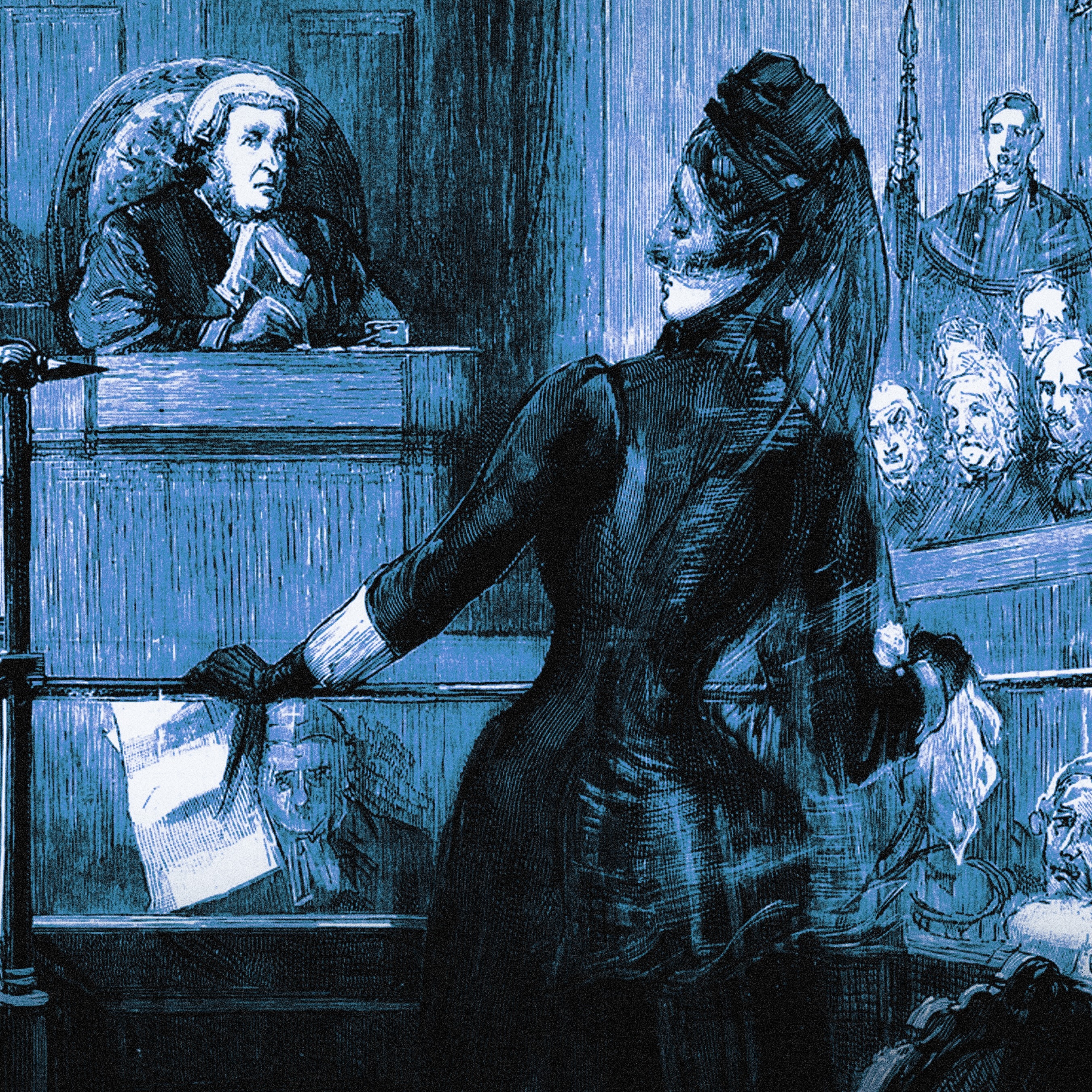
5d ago00:30:09Summary readyAugust 7, 1889. In Liverpool's St. George's Hall, an American woman named Florence Maybrick stands behind iron bars, dressed in mourning black… for the husband she's accused of murdering. The evidence against her is thin: James Maybrick was a longtime arsenic addict who bought the poison daily, and none was found in his stomach when he died. But Florence had committed another kind of crime in the eyes of Victorian society. She'd had an affair. And to many, that moral transgression was proof enough of murder.How did a 17-year-old American socialite end up married to a secret addict, and then put on trial for her life? How did her case ignite protests, half a million petition signatures, and the fury of Queen Victoria herself? And how did one wronged woman help change England's system of justice forever?Special thanks to our guest, Rick Hutto, attorney and author of A Poisoned Life: Florence Chandler Maybrick, the First American Woman Sentenced to Death in England; and to Andrea Hastings-Arroyo, graduate student and library specialist at the University of Wyoming, who helped with our research.You can find all the books we’ve used to make recent HISTORY This Week episodes at historythisweekpodcast.com.Subscribe for ad-free and bonus episodes at htwpod.com.
Summary
Fall Out (Finale)
1w ago00:38:18Summary readyListen to all 20 episodes of World War II with Tom Hanks wherever you get your podcasts!The war is over, and the Allies are triumphant. The United States and the Soviet Union initially work together to establish a new world order, but over the course of the next four years these two nations will go from Allies of convenience to ideological adversaries, launching the next phase of global conflict under the shadow of nuclear war.This episode features interviews with (in order of appearance):Michel Paradis, professor, Columbia UniversityJon Meacham, presidential historianSimon Sebag Montefiore, historian and authorTimothy Naftali, senior research scholar, Columbia UniversitySarada Peri, presidential speechwriter and political analystPhillips O’Brien, professor, University of St. AndrewsAlexandra Richie, professor, Collegium CivitasDan Carlin, podcaster, Hardcore HistoryMichael Kimmage, professor, Catholic University of AmericaMichael Neiberg, professor, US Army War CollegeDan Snow, historian and broadcasterA.J. Baime, journalist and authorRobert Citino, senior historian, National WWII Museum
Summary
Washington: Hero of the Revolution, from The Rest is History
2w ago01:11:53Summary readySharing an episode of a show we really love, called The Rest is History. Hosted by historians Tom Holland and Dominic Sandbrook, the show brings the past to life through gripping storytelling, sharp analysis and a huge sense of drama. From the rise and fall of the Roman Empire, the French Revolution and the Norman Conquest of 1066, to the sinking of the Titanic, the Second World War and the lives of history’s most powerful rulers, Tom and Dominic unpack the people, battles and world-changing events that shaped the modern world. Their latest series explores the Founding Fathers of the United States - the ideas, rivalries and revolutions behind the birth of America.In this episode, Dominic and Tom launch into the extraordinary life and origins of George Washington. Where did George Washington come from, and what was he like? How did he come to take on such a pivotal role in the American Revolution? And, was he really central to America’s triumphant struggle for independence? You can find more episodes of The Rest Is History at https://linktr.ee/RestIshistory.
Summary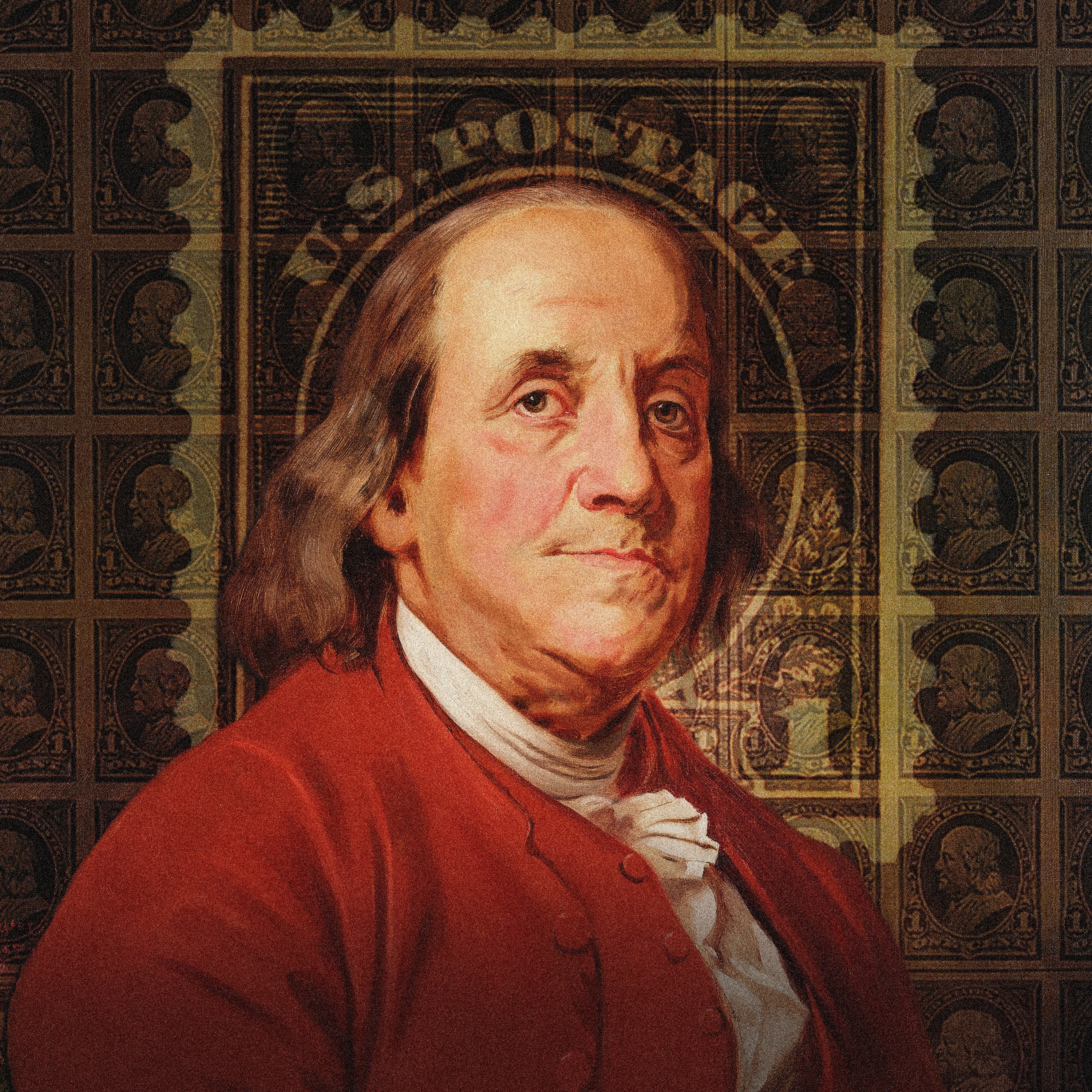
Ben Franklin Gets Fired
3w ago00:32:23Summary readyVisit htwpod.com for ad-free listening and bonus content!July 26, 1775. In a stately mansion turned rebel headquarters in Cambridge, Massachusetts, George Washington sits down at a dining room table and writes out his orders for the day. The brand-new commander-in-chief has a problem: his army is outfunded, outmanned, and outgunned — and if he can't communicate, he can't win. What Washington doesn't know is that on this very day, the Congress in Philadelphia is appointing a different kind of general to help him. A postmaster general: Benjamin Franklin. It's a strange homecoming. Franklin spent forty years building the colonial post into a marvel of efficiency… until the Crown humiliated him before the Privy Council and fired him from the job. Now, the rebels are handing it back.How did a runaway teenage printer end up running the mail for a continent? Why did the Crown fire its best postmaster? And how did a network of post riders help win the Revolutionary War?Special thanks to USPS Historian Steve Kochersperger, and Smithsonian National Postal Museum curators Dan Piazza and Lynn Heidelbaugh. Dan and Lynn’s new book for the Postal Museum, Routes to a New Nation, will be out in October and is currently available for pre-order.You can find all the books we’ve used to make recent HISTORY This Week episodes at historythisweekpodcast.com. CORRECTION from the episode: Steve Kochersperger was not Postmaster General of Philadelphia, but Postmaster of Julian, PA.Get in touch: historythisweek@history.com Follow on Instagram: @historythisweekpodcastFollow on Facebook: HISTORY This Week PodcastTo stay updated: http://historythisweekpodcast.com
Summary
From First America: "Merciless Indian Savages"
3w ago00:37:26Summary readyWe have been told the American Revolution was fought over taxation and representation. But that's not what the Declaration of Independence says. According to our founders, in their own words, what they were most upset about was Native Americans. How does a whole country miss a point of its own founding document? That's the question at the heart of a new podcast called First America. Hosted and reported by Rebecca Nagle, an Indigenous author and the former host of Crooked’s This Land podcast, and featuring leading Native historians, First America unveils how our current political moment was 250 years in the making and how the founders’ treatment of Indigenous nations—and their resistance—shaped US democracy. Here’s the first episode. Find First America wherever you get podcasts.
Summary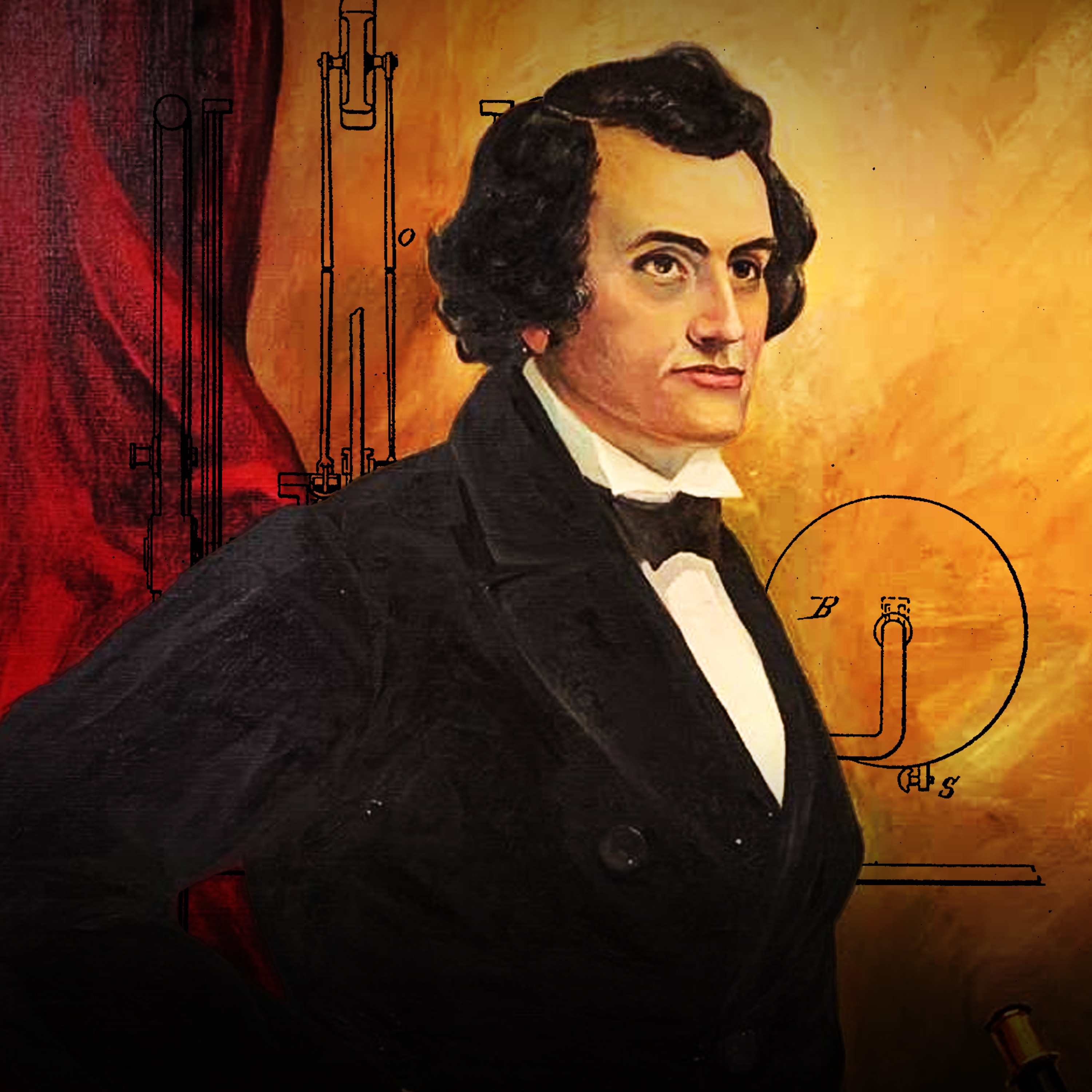
The Forgotten Father of Air Conditioning
4w ago00:27:54Summary readyVisit htwpod.com for ad-free listening and bonus content!July 14, 1850. At a swanky hotel in Apalachicola, Florida, the French consul is throwing a Bastille Day party, and he's promised his guests ice-cold champagne. There's just one problem: the town's ice shipment is delayed, and in 1850, you can't simply make ice. Or can you? Enter Dr. John Gorrie, a country physician who's spent years waging a private war against heat itself, convinced that cooling the air could stop the deadly fevers ravaging his town.How did a doctor on the Florida frontier invent artificial cooling and take on the "Ice King" of New England? And why has history nearly erased his name?Special thanks to Bern Nagengast, technology historian and author; and Linda Thompson, docent at the Raney House Museum in Apalachicola, Florida.You can find all the books we’ve used to make recent HISTORY This Week episodes at historythisweekpodcast.com.
Summary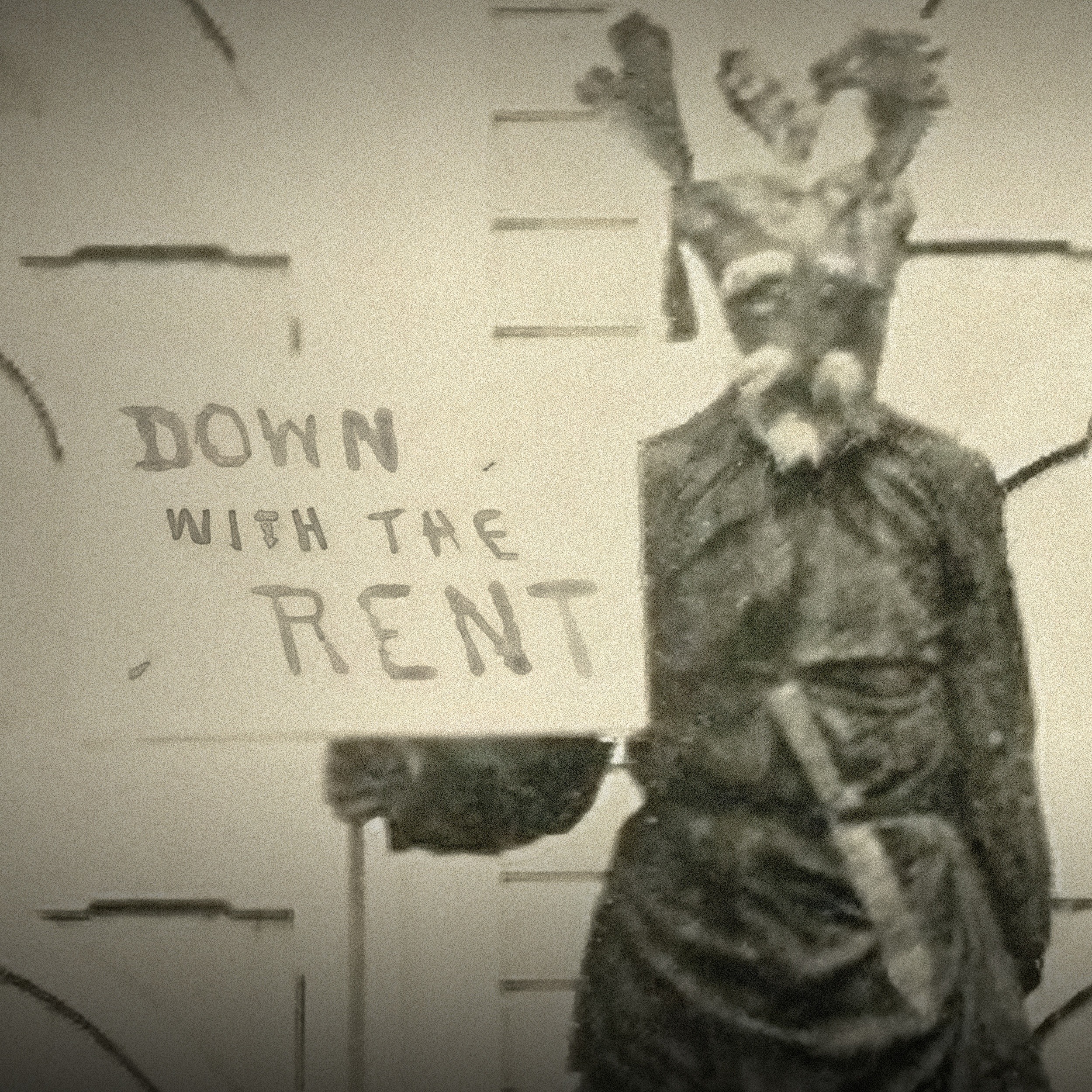
The *Other* Declaration of Independence (Part II)
Jul 600:22:43Summary readyVisit htwpod.com for ad-free listening and bonus content!July, 1845. Dr. Smith Boughton, the man behind the mask of "Big Thunder," is sitting in a Hudson jail after a trial that ended in a hung jury.The Anti-Renters had to celebrate Independence Day with cannon fire and readings of the Declaration, but without their leader. The rebellion across Upstate New York is escalating: an undersheriff with a bully's reputation is terrorizing farm families in the Catskills, masked Calico Indians are massing at rent sales, and before summer's end, a lawman will lie dying in a tenant farmer's bed. New York now has to decide: are these rebels murderers, or is the system they're fighting the real crime? What happens when the Anti-Renters trade their tin horns for the ballot box? And how does a local revolt over rent end up shaping the politics of a nation?Special thanks Reeve Huston, emeritus associate professor of history at Duke University and author of Land and Freedom: Rural Society, Popular Protest, and Party Politics in Antebellum New York; Victoria Kupchinetsky and Misha Gutkin, director and producer of the film Calico Rebellion; David Fleming, the town supervisor of Nassau, NY; Nancy Newman, professor at SUNY Albany and author of the book Songs and Sounds of the Anti-Rent Movement in Upstate New York; and the Association of Public Historians of New York State.You can find all the books we’ve used to make recent HISTORY This Week episodes at historythisweekpodcast.com.
Summary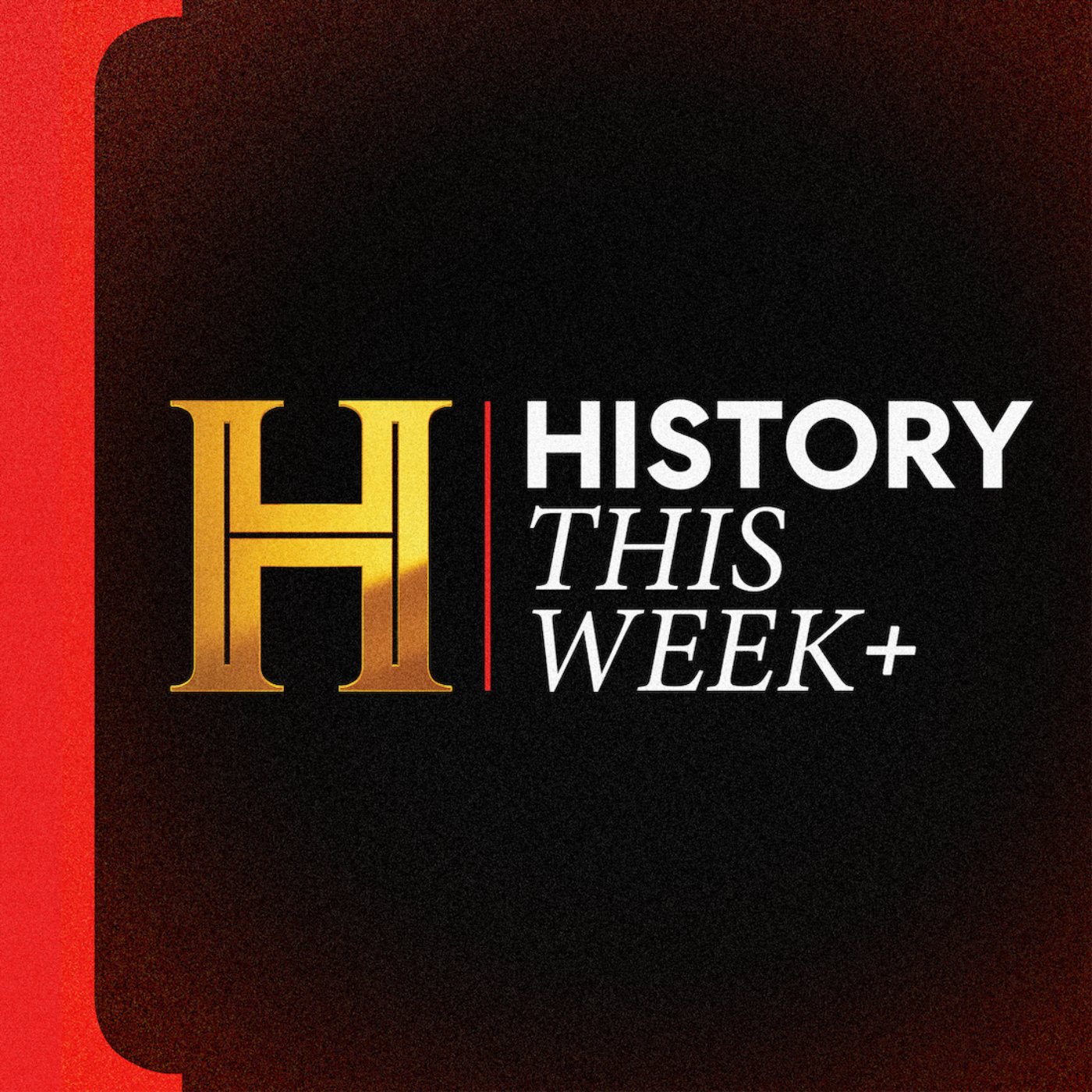
Extended Interview: Ken Burns on the American Revolution (HTW+ Preview)
Jul 300:58:23Summary readyToday, to celebrate America's 250th birthday, we have a special announcement: we are launching HISTORY This Week+ to all of our followers! (historythisweekpodcast.com/subscribe)This is something we’ve wanted to do for a while… we’ve been listening to your feedback: you don’t love the ads, you want more history. Well, HTW+ solves both of those problems.We are offering two tiers of our premium subscription, allowing you to unlock ad-free listening and gain access to bonus content, especially extended cuts of our interviews.When producing these episodes, the majority of our interview tape is left on the cutting room floor, and our interview with Ken Burns is no exception. We spent over an hour with Ken and his producing partner, Sarah Botstein, discussing the launch of their documentary, The American Revolution.As a preview of what you’ll get with an HTW+ subscription, we’re bringing you this interview in its (mostly) original form. Enjoy Sally’s conversation with Ken and Sarah, and sign up for HTW+ at historythisweekpodcast.com/subscribe.Reach out with any questions at historythisweek@history.com.
Summary
The *Other* Declaration of Independence (Part I)
Jun 2900:30:08Summary readyVisit htwpod.com for ad-free listening and bonus content!July 4, 1839. Sixty-three years after 1776—and centuries after the medieval period—feudalism is alive and well in the United States.High on a rocky plain in upstate New York, a crowd of tenant farmers gathers in the village of Berne to read aloud a declaration of independence… but not the one you're thinking of. These families are still bound to a landlord by perpetual leases their grandfathers signed, owing bushels of wheat and a share of every sale for as long as the land exists. Today they're done. They call their leases "voluntary slavery" and vow to "take up the ball of the Revolution where our fathers stopped it." It's the opening shot of the Anti-Rent War, a revolt that will pit disguised farmers against sheriffs and posses across the Hudson Valley, and force New York to ask whether a feudal bargain has any place in a republic. How did manor lords survive the Revolution? And what would it finally take to break their grip?Special thanks Reeve Huston, emeritus associate professor of history at Duke University and author of Land and Freedom: Rural Society, Popular Protest, and Party Politics in Antebellum New York; Victoria Kupchinetsky and Misha Gutkin, director and producer of the film Calico Rebellion; David Fleming, the town supervisor of Nassau, NY; Nancy Newman, professor at SUNY Albany and author of Songs and Sounds of the Anti-Rent Movement in Upstate New York; and the Association of Public Historians of New York State.You can find all the books we’ve used to make recent HISTORY This Week episodes at historythisweekpodcast.com.
Summary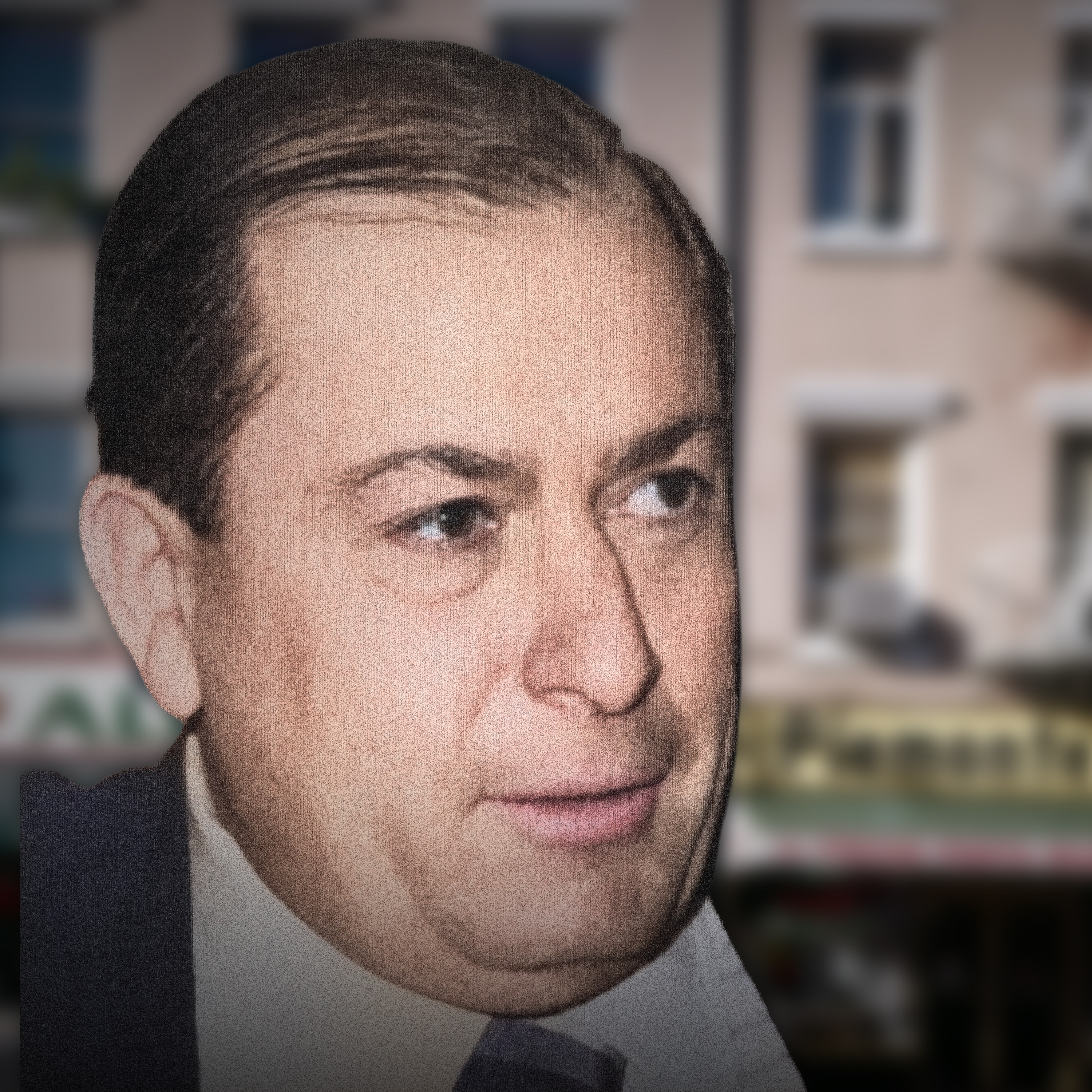
A Mob Boss Starts A Movement
Jun 2200:29:44Summary readyVisit htwpod.com for ad-free listening and bonus content!June 28, 1971. It’s the second annual “Unity Day” rally at Columbus Circle in New York City, organized by the Italian American Civil Rights League. Joe Colombo is the very public face of the League, a group that actively fights discrimination and ugly stereotypes against the Italian-American community, such as their association with organized crime and the Mafia. The problem? That same Joe Colombo is a leader of the Mafia, one of the heads of the “Five Families” in New York. It’s an open secret; many people across the city know who he really is, and the FBI is hot on his tail, trying to catch him in the act. On this day, Colombo’s dual life—as a media-facing advocate and as an underground criminal—will come crashing down in a violent display.Special thanks to Don Capria, co-author of Colombo: The Unsolved Murder; Selwyn Raab, veteran Mafia reporter and author of Five Families: The Rise, Decline, and Resurgence of America's Most Powerful Mafia Empires; and Geoff Schumacher, vice president of exhibits and programs for The Mob Museum in Las Vegas.You can find all the books we’ve used to make recent HISTORY This Week episodes at historythisweekpodcast.com. **This episode originally aired June 28, 2021.
Summary