Podcast
Radio Atlantic
Hosted by The Atlantic · EN
The Atlantic has long been known as an ideas-driven magazine. Now we’re bringing that same ethos to audio. Like the magazine, the show will “road test” the big ideas that both drive the news and shape our culture. Through conversations—and sometimes sharp debates—with the most insightful thinkers and writers on topics of the day, Radio Atlantic will complicate overly simplistic views. It will cut through the noise with clarifying, personal narratives. It will, hopefully, help listeners make up their own mind about certain ideas.
The national conversation right now can be chaotic, reckless, and stuck. Radio Atlantic aims to bring some order to our thinking—and encourage listeners to be purposeful about how they unstick their mind.
104episodes
Episodes
Newest firstAll episodes

An American Education | 2. Testing Teachers for 'Wokeness'
Sep 2500:41:12Summary readyHanna Rosin sits down with Oklahoma State Superintendent Ryan Walters to ask him about a purity test for teachers and a nearly scandalous incident that happened days before the interview. And two Oklahoma high-school teachers take very different paths. This is the second episode of a two-part series from Radio Atlantic. (This episode has been updated from a previously published version to include additional news.) --- Get more from your favorite Atlantic voices when you subscribe. You’ll enjoy unlimited access to Pulitzer-winning journalism, from clear-eyed analysis and insight on breaking news to fascinating explorations of our world. Subscribe today at TheAtlantic.com/Listener. Learn more about your ad choices. Visit megaphone.fm/adchoices
Summary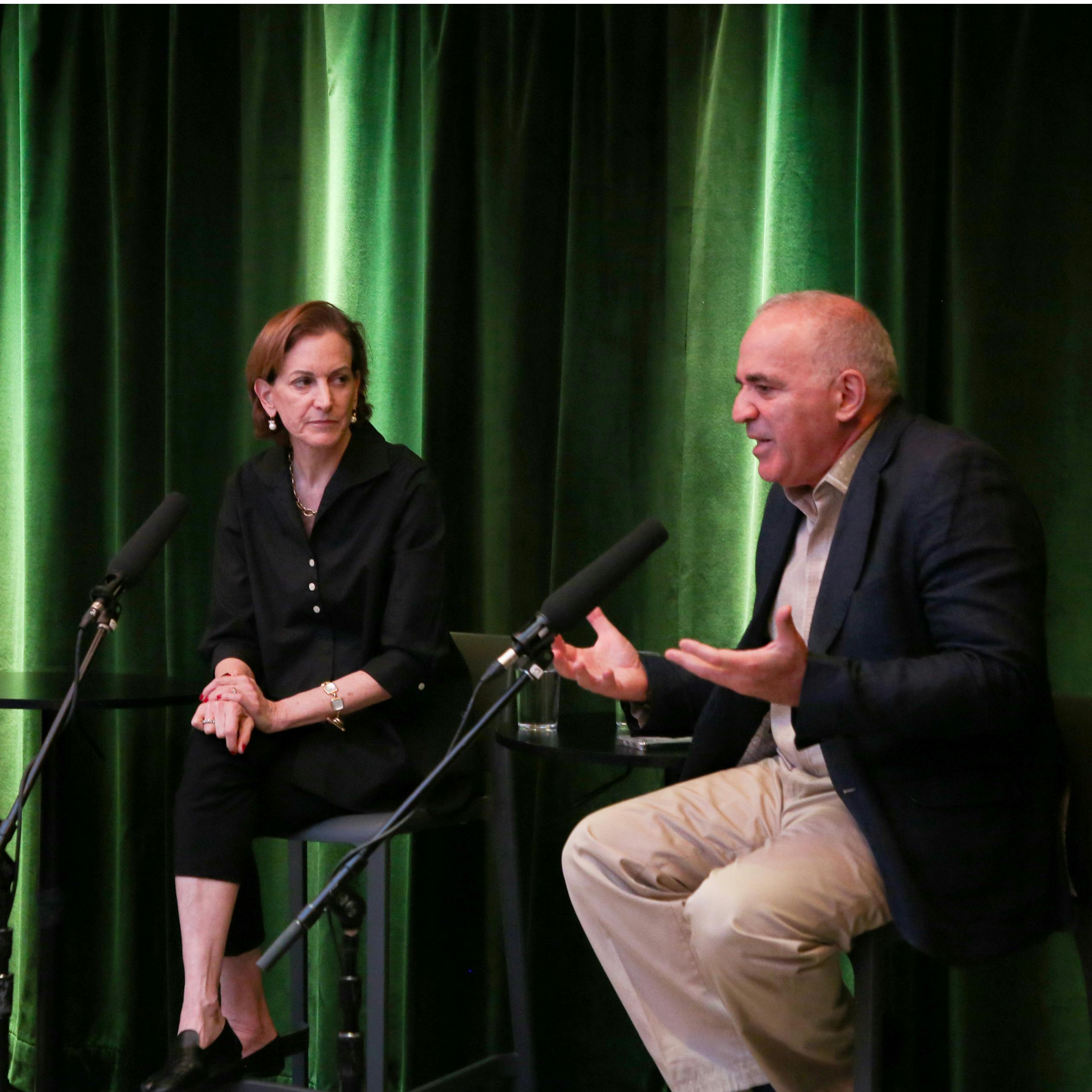
Live from The Atlantic Festival: ‘2026 Is the Battlefield’
Sep 2100:41:17Summary readyA live conversation about authoritarian forces in America with Anne Applebaum, an Atlantic staff writer, and Garry Kasparov, the former world chess champion and a lifelong democracy activist. Speaking about the upcoming midterms, Kasparov says: “If Democrats do not retake the House, 2028 will be a formality.” Get more from your favorite Atlantic voices when you subscribe. You’ll enjoy unlimited access to Pulitzer-winning journalism, from clear-eyed analysis and insight on breaking news to fascinating explorations of our world. Atlantic subscribers also get access to exclusive subscriber audio in Apple Podcasts. Subscribe today at TheAtlantic.com/Listener. Learn more about your ad choices. Visit megaphone.fm/adchoices
Summary
David Letterman on the Threats to Late-Night Hosts
Sep 1900:21:57Summary readyYesterday, Jimmy Kimmel’s late-night show was suspended indefinitely. It’s a shocking moment for free speech, given the order in which events unfolded. Earlier that day, FCC Chair Brendan Carr had suggested on a conservative podcast that ABC and its affiliates consider taking steps against Kimmel, saying, “We can do this the easy way or the hard way.” As it so happened, the late-night legend David Letterman was scheduled to speak at The Atlantic Festival the next day. Letterman and The Atlantic’s editor in chief, Jeffrey Goldberg, sat down for an impromptu interview about the news. --- Get more from your favorite Atlantic voices when you subscribe. You’ll enjoy unlimited access to Pulitzer-winning journalism, from clear-eyed analysis and insight on breaking news to fascinating explorations of our world. Atlantic subscribers also get access to exclusive subscriber audio in Apple Podcasts. Subscribe today at TheAtlantic.com/Listener. Learn more about your ad choices. Visit megaphone.fm/adchoices
Summary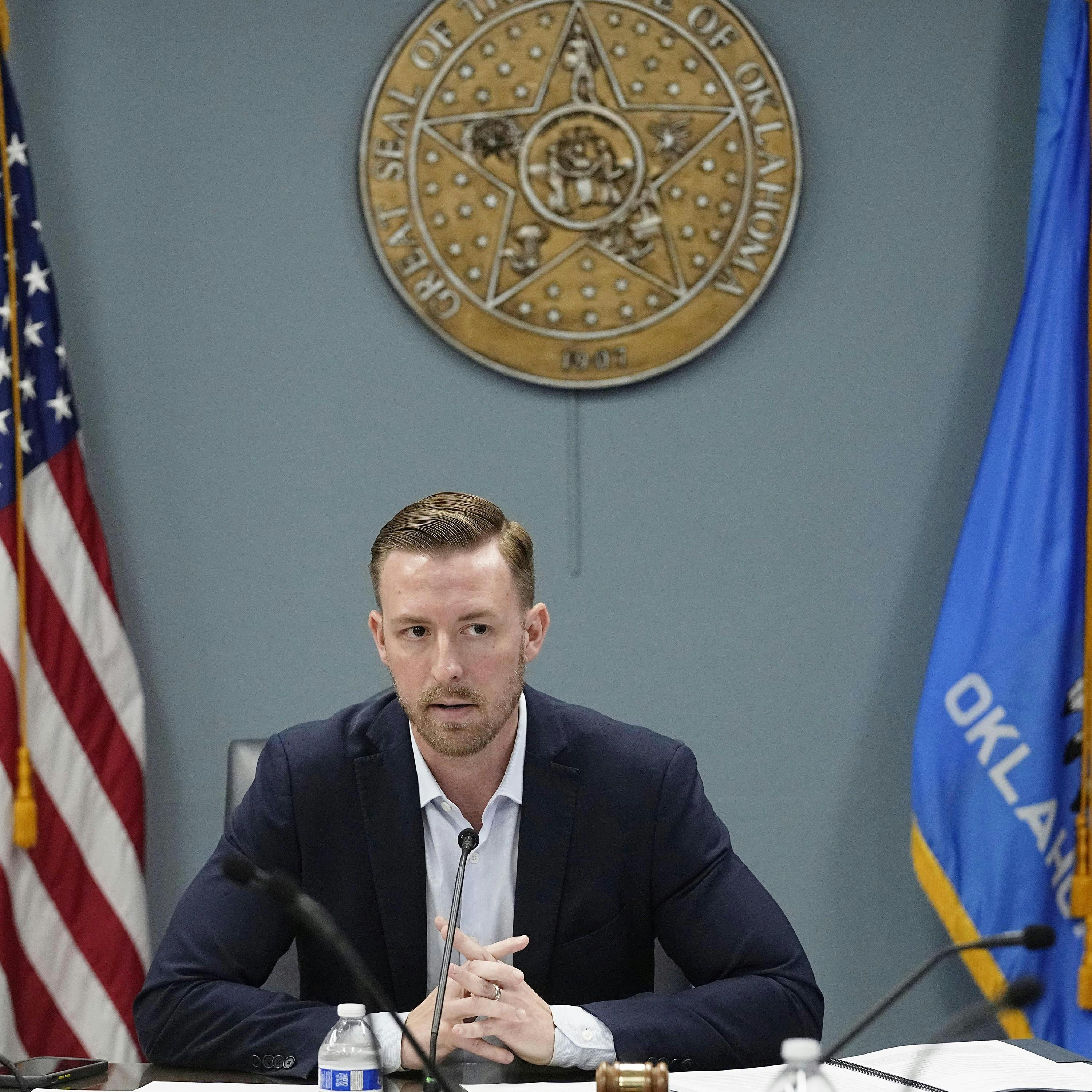
An American Education | 1. Is Oklahoma Breaking Public Schools?
Sep 1800:44:31Summary readyAmerican public education is changing. And, in many ways, Oklahoma State Superintendent Ryan Walters is at the center of it, trying to push for Bibles in schools, new curriculum standards that include dozens of references to Christianity, and an ideology test for teachers coming from “places like California and New York.” One Oklahoma teacher finds herself at direct odds with Walters and the Department of Education. And a pair of Walters’s former students no longer recognize the teacher they once loved. This is the first episode of a two-part series from Radio Atlantic. --- Get more from your favorite Atlantic voices when you subscribe. You’ll enjoy unlimited access to Pulitzer-winning journalism, from clear-eyed analysis and insight on breaking news to fascinating explorations of our world. Subscribe today at TheAtlantic.com/listener. Learn more about your ad choices. Visit megaphone.fm/adchoices
Summary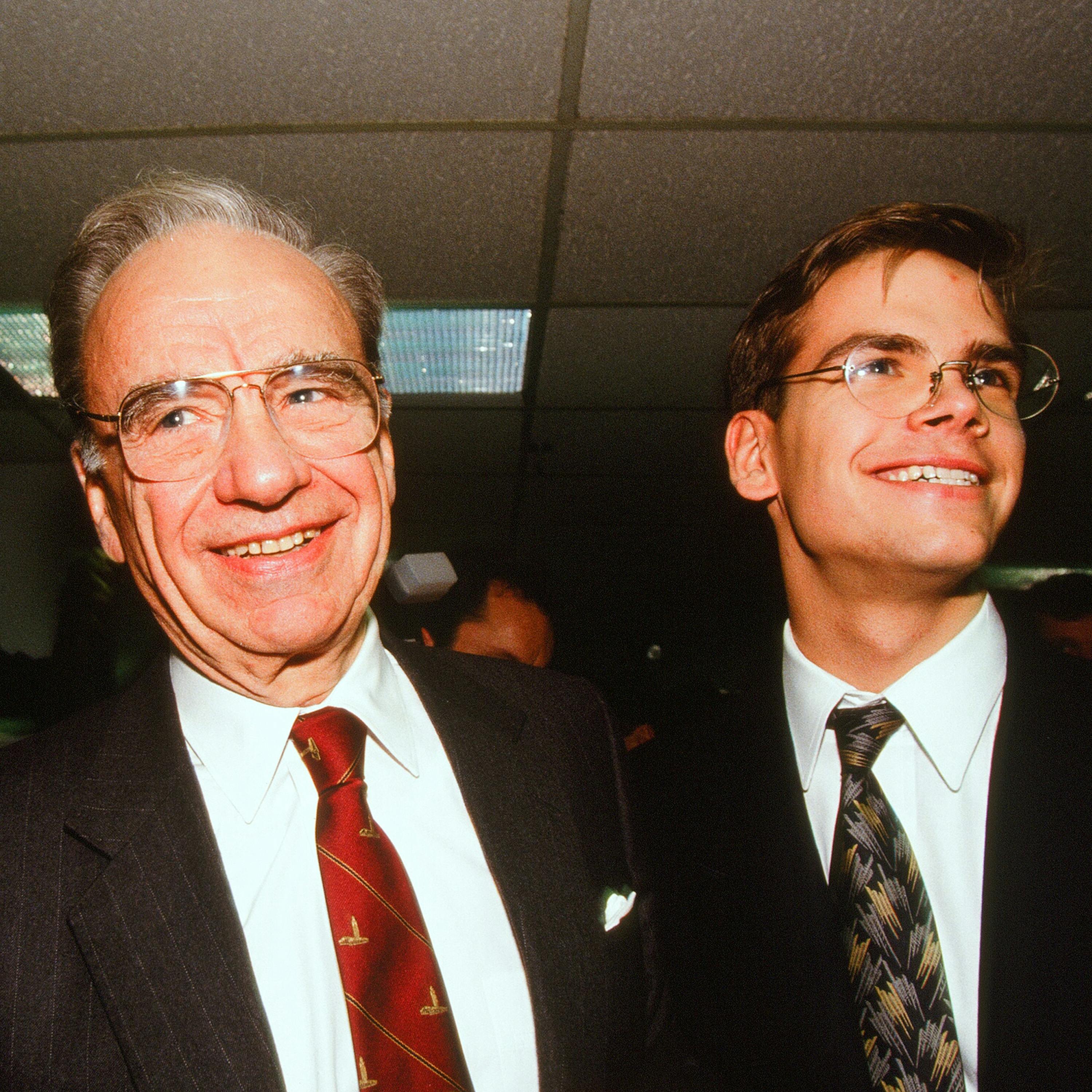
Rupert Murdoch Gets His Succession Finale
Sep 1100:32:55Summary readyHe was, after all, the eldest boy. The family drama that inspired HBO’s Succession ended this week with a settlement that ensures Rupert Murdoch’s conservative media conglomerate will pass to his oldest and most conservative son, Lachlan. The Atlantic staff writer McKay Coppins wrote about the Murdoch succession saga for The Atlantic’s April cover story, “Growing Up Murdoch.” He joins Radio Atlantic to share insights from his months of reporting on the family and what he thinks now that the real-life Succession has ended. Get more from your favorite Atlantic voices when you subscribe. You’ll enjoy unlimited access to Pulitzer-winning journalism, from clear-eyed analysis and insight on breaking news to fascinating explorations of our world. Atlantic subscribers also get access to exclusive subscriber audio in Apple Podcasts. Subscribe today at TheAtlantic.com/listener. Learn more about your ad choices. Visit megaphone.fm/adchoices
Summary
Welcome to the Vaccine Free-for-All
Sep 400:29:37Summary readyAs Health and Human Services Secretary Robert F. Kennedy Jr. works to dismantle the national vaccine infrastructure, states have started going their own way. Governors in California, Washington State, and Oregon said they intend to coordinate on vaccine policies. Florida’s surgeon general went in the opposite direction, announcing a plan to end all state vaccine mandates, which he compared to “slavery.” We talk to the Atlantic science writer Katie Wu about how Kennedy’s decisions are affecting the vaccine pipeline and how difficult it will be to rebuild. We also talk about what you, the patient, should do in an atmosphere where the federal government, long the authority on vaccines, is no longer reliable. Get more from your favorite Atlantic voices when you subscribe. You’ll enjoy unlimited access to Pulitzer-winning journalism, from clear-eyed analysis and insight on breaking news to fascinating explorations of our world. Atlantic subscribers also get access to exclusive subscriber audio in Apple Podcasts. Subscribe today at TheAtlantic.com/listener. Learn more about your ad choices. Visit megaphone.fm/adchoices
Summary
A Blueprint for Military Takeovers
Aug 2800:35:48Summary readyPresident Donald Trump recently deployed the National Guard to Washington, D.C., and has talked about federalizing the Guard in other cities across the country. In this episode of Radio Atlantic we talk to Atlantic staff writers Quinta Jurecic and Nick Miroff about which legal barriers might hinder Trump from using the military this way, how he might try to push past the courts, and what role immigration enforcement is playing in the president’s plans. Get more from your favorite Atlantic voices when you subscribe. You’ll enjoy unlimited access to Pulitzer-winning journalism, from clear-eyed analysis and insight on breaking news to fascinating explorations of our world. Atlantic subscribers also get access to exclusive subscriber audio in Apple Podcasts. Subscribe today at TheAtlantic.com/listener. Learn more about your ad choices. Visit megaphone.fm/adchoices
Summary
Peace in Ukraine Is Not a Real-Estate Deal
Aug 2100:33:22Summary readyThere was so much symbolism in President Donald Trump’s two most recent international summits—in Alaska last week with Russian President Vladimir Putin, and then at the White House this week with Ukrainian President Volodymyr Zelensky. In this episode, we talk with Anne Applebaum, who has been studying Ukraine and Russia for decades and understands their leaders’ underlying motivations. And we speak with politics and national-security writer Vivian Salama, who knows what Trump’s limitations are and explains what the next possible moves could be. – – –Get more from your favorite Atlantic voices when you subscribe. You’ll enjoy unlimited access to Pulitzer-winning journalism, from clear-eyed analysis and insight on breaking news to fascinating explorations of our world. Atlantic subscribers also get access to exclusive subscriber audio in Apple Podcasts. Subscribe today at TheAtlantic.com/Listener. Learn more about your ad choices. Visit megaphone.fm/adchoices
Summary
No Easy Fix | 3. A Golden Opportunity
Aug 14, 202500:38:09Summary readyIn July, President Donald Trump issued an executive order calling for an expansion of involuntary commitment—forcing people into treatment facilities—in response to the homelessness crisis. San Francisco has been attempting such an expansion for the past 19 months. What can the rest of the country learn from California? This is the final episode in a three-part series from Radio Atlantic, No Easy Fix, about homelessness and addiction in San Francisco. Get more from your favorite Atlantic voices when you subscribe. You’ll enjoy unlimited access to Pulitzer-winning journalism, from clear-eyed analysis and insight on breaking news to fascinating explorations of our world. Atlantic subscribers also get access to exclusive subscriber audio in Apple Podcasts. Subscribe today at TheAtlantic.com/listener. Learn more about your ad choices. Visit megaphone.fm/adchoices
Summary
No Easy Fix | 2. Tolerance
Aug 7, 202500:35:01Summary readyAt the onset of the AIDS crisis in the early 1980s, U.S. cities began trying new ways to stop the spread of infection among drug users. Ideas that were first seen as radical, such as needle exchanges, quickly caught on—because they worked. San Francisco is one of the first places where such programs took root. Now it’s one of the places questioning whether they should still exist. This is the second episode of a new three-part miniseries from Radio Atlantic, No Easy Fix, about what it takes to escape one’s demons. Get more from your favorite Atlantic voices when you subscribe. You’ll enjoy unlimited access to Pulitzer-winning journalism, from clear-eyed analysis and insight on breaking news to fascinating explorations of our world. Atlantic subscribers also get access to exclusive subscriber audio in Apple Podcasts. Subscribe today at TheAtlantic.com/listener. Learn more about your ad choices. Visit megaphone.fm/adchoices
Summary