Podcast
The Naval Aviation Ready Room Podcast with Legends and Leaders
Hosted by The Naval Aviation Museum · EN
Welcome to Naval Aviation Ready Room Podcast with Legends and Leaders, where the stories, leadership, and innovations of naval aviation come alive. This podcast takes you beyond the artifacts and into the human stories, pivotal decisions, and groundbreaking technology that define one of the world’s most dynamic aviation communities. Dive into the heart of naval aviation through vivid storytelling, exclusive interviews, and actionable insights. From the tales of legendary pilots and restored aircraft to the leadership strategies forged in the skies, Ready Room offers a unique blend of history, STEM, and global collaboration. Whether you're a lifelong aviation enthusiast, an educator seeking inspiration, or curious about the leadership lessons behind aviation’s most iconic moments, this podcast connects you to the rich legacy and exciting future of naval aviation. Join us in Ready Room —where every episode takes you deeper into the extraordinary world of naval aviation.
35episodes
Episodes
Newest firstAll episodes

Greatest Hits of 2025: Stories of Courage, Leadership, and Resilience
5d ago00:34:23Summary readyThis "Greatest Hits of 2025" compilation episode of The Naval Aviation Ready Room Podcast with Legends and Leaders, highlights defining moments of duty, crisis, and resilience across naval aviation, brings together three remarkable perspectives that showcase what it means to lead, serve, and find purpose under extraordinary circumstances.Listeners hear from Captain Steve Scheibner, an American Airlines pilot bumped at the last minute from flying Flight 11 on September 11, 2001, as he reflects on living on borrowed time and the obligation to lead a purposeful life. Dr. John Albano shares his unique journey as an Army flight surgeon liaison within the Navy program, emphasizing how shared operational mindsets and joint relationships enhance warrior care and preventive medicine. Finally, Captain Tim Kinsella walks through the harrowing morning of the 2019 NAS Pensacola active shooter attack, detailing the critical 45 seconds that slowed down time, the weight of command decisions, and the unforgettable words from a fellow Marine that gave him strength through the crisis.What You’ll Learn:How surviving a near-miss on September 11 creates a lifelong obligation to live every day with divine purpose.The operational synergy between Army and Navy flight surgery programs and why relationships drive joint military success.Why slowing down during an emergency ("no fast hands in the cockpit") is vital for clear crisis leadership.How taking 45 seconds to deliberate can keep a commander from becoming a distraction to emergency first responders.The psychological impact of evaluating POW resilience and preparing modern warriors for high-stress environments.How authentic trust between commanders and subordinates provides strength during catastrophic events.Featured Voices:Captain Steve Scheibner - Former Navy P-3 Orion pilot and veteran American Airlines Boeing 777 captain with over 12,000 flight hours. On September 11, 2001, he was scheduled as First Officer on American Airlines Flight 11 before another pilot picked up the trip at the last minute. Steve shares his profound realization of survival, the empty space where normal feelings reside, and how living on "borrowed time" fueled his passion for faith, family, and purpose.Dr. John Albano - Retired Army Colonel, flight surgeon, and medical researcher with over 25 years of clinical, academic, and executive medicine experience. Dr. Albano discusses his transition from Army aviation at "Mother Rucker" into aerospace medicine, serving as an Army liaison to the Navy residency program, and how joint service mindsets and Mitchell Center POW research shape operational medicine.Captain Tim "Lucky" Kinsella - Retired US Navy Captain and former Commanding Officer of Naval Air Station Pensacola. Captain Kinsella recounts his real-time decision-making during the December 6, 2019 active shooter attack at NAS Pensacola. From taking 45 seconds to shave with a safety razor to regain composure to receiving unwavering support from his security team, he offers a masterclass in deliberate crisis leadership.Listen to Full Episode here:Youtube:https://youtu.be/EKnAS-uOjMghttps://youtu.be/YVpyadXRk7Yhttps://youtu.be/SeRQMFmeH0chttps://youtu.be/Q-7rHrSP-yM
Summary
Three Sheets to the Wind: The Nautical Phrases We Still Use Today
2w ago00:40:30Summary readyEvery single day, we speak a language forged on the high seas without even realizing it. When you describe a chaotic day at the office, where your inbox is chock-a-block, your boss is a loose cannon, and a colleague leaves you high and dry, you aren't using modern slang. You are speaking the raw, precise vocabulary of the wooden ship. For over three centuries, the English-speaking world floated, and life aboard a square-rigger demanded an exact, dense working language where a misspoken word in a dark storm could mean immediate disaster.Host Captain Tim "Lucky" Kinsella guides listeners through the compelling origins of nautical idioms, diving into the rigging setups behind three sheets to the wind and by and large, and unpacking the literal origins of the bitter end. He also opens up the "Myth Locker" to directly dismantle popular but fictional etymologies like P.O.S.H. and freezing the balls off a brass monkey. Finally, the episode charts how 20th-century aviation adopted the sea's old clothes, translating naval terms into the sky to give us modern phrases like pushing the envelope and wingman.What You’ll LearnThe Intensely Verbal World of Sail: Why an 18th-century square-rigger carrying miles of line forced sailors to develop a hyper-precise, vivid vocabulary to survive.The Anatomy of Technical Rigging Idioms: The true mechanical adjustments that turned technical sailing terms into phrases for drunkenness (three sheets to the wind) and generalities (by and large).Gossip, Fat, and Old Rope: The real history behind workplace mainstays like scuttlebutt, slush funds, and the junk piling up in your garage.Debunking the Myth Locker: Why common, tidy stories for phrases like posh and square meals are entirely fictional.How Flight Stole from the Sea: The fascinating linguistic leap from wooden hulls to jet cockpits, tracing how naval aviation bridged two worlds.Episode Resources:US Navy WebsiteNaval Aviation Museum Foundation WebsiteTim “Lucky” Kinsella on LinkedIn
Summary
Flying the Ice Shelf: LC-130 Ski Operations in Antarctica
3w ago00:54:10Summary readyAviation leadership is often measured by adherence to strict checklists, but what happens when you operate in environments where standard navigation fails, satellite communication doesn't exist, and the runway beneath you is a flexing sheet of ice? In this episode, Ryan Keys welcomes retired Navy Captain Chris Callahan, whose military and commercial career spans global logistics, combat operations, and some of the most remote assignments on Earth. Chris details his legacy as a multi-generational aviator before diving deep into the harrowing realities of flying for Antarctic Development Squadron Six (VXE-6). He breaks down the anatomy of a historic 3,800-mile medical evacuation completed entirely via dead reckoning, and explains the high-stakes calculations required to break an aircraft free from wet snow without the aid of JADO rocket bottles. The conversation takes listeners from the frozen interior of the South Pole to the Mediterranean, where Chris transitioned to electronic reconnaissance (VQ-2) flying signals intelligence missions during Desert Storm. Finally, Chris shares a look at the cultural transition into commercial airlines, his time commanding logistics squadrons, and the humorous, late-night mission where he broke back onto base to save a priceless, decaying 1950s logbook from destruction. What You’ll Learn:The Reality of Antarctic Aviation: Inside the intense mechanics of landing heavy aircraft on flexing ice runways and using ski-drag passes to scout hidden crevasse bridges before touchdown.Dynamic Emergency Risk Mitigation: How the loss of JADO propulsion bottles forced crews to reinvent takeoff protocols in wet snow, operating on the razor's edge of minimum control speed.The VQ Reconnaissance Mission: The logistical realities of shifting from tactical transport to flying long intelligence-gathering tracks while managing dense commercial air traffic.The Evolution of the Cockpit: How the design philosophy shifted from early Boeing airframes to highly collaborative, pilot-centric engineering in modern wide-bodies like the Boeing 777.Preserving Fleet Legacy: Why safeguarding raw historical records matters, and the incredible firsthand accounts preserved from the earliest days of South Pole exploration.If you enjoyed this episode, make sure to subscribe, rate, and review it on Apple Podcasts, Spotify, and YouTube Podcasts. Instructions on how to do so are here.
Summary
The Ironclads of Vietnam: The Story of the Mobile Riverine Force
4w ago00:37:26Summary readyBy 1966, the United States military faced a relentless adversary in the Mekong Delta: a water-logged terrain of endless canals, knee-deep silt, and flesh-rotting mud that rendered conventional tanks, trucks, and airfields useless. With the Viet Cong taxing the rice harvest and controlling the population from heavily fortified "secret zones," the U.S. Navy and Army executed an audacious plan. If they couldn’t base an army in the Delta, they would float one.Enter the Mobile Riverine Force (MRF) a joint-service experiment pairing the Navy’s River Assault Flotilla 1 with the Army's 9th Infantry Division. Living aboard air-conditioned barracks ships and deploying in up-armored, rebar-draped landing craft known as "Tango" and "Monitor" boats, these sailors and soldiers crawled past the enemy's front door at a jogging pace, inviting fire to break the communist grip.Through gripping narratives, Captain Kinsella charts the evolution of this brown water armada. He details the tragic lessons of June 19, 1967, the minute-by-minute survival of running the double-hairpin gauntlet at "Snoopy's Nose," and the brilliant tactical flexibility during the 1968 Tet Offensive that ultimately saved the Delta. Highlighting the supreme sacrifices of Medal of Honor recipients like Lieutenant Tom Kelly and Corporal James Fose, this episode is a masterclass in military battlefield improvisation, raw courage, and the heavy price of command. What You’ll LearnThe Mud and the "Paddy Foot": Why the unique, unforgiving geography of the Mekong Delta completely neutralized traditional American military power and forced troops to rotate out every 48 hours just to keep their skin from rotting.The Ultimate Joint-Service Experiment: How an Army colonel and a Navy captain successfully bypassed traditional military command structures to build a floating, mobile city from scratch.Anatomy of an Ironclad Siege Engine: The engineering behind converting simple World War II landing craft (LCM-6s) into lethal, rebar-shielded monitors, complete with 105mm howitzers and flamethrowers.The Gauntlet at Snoopy's Nose: The terrifying reality faced by 19- and 20-year-old sailors who were ordered to turn their slow-moving boats around and charge right back into a flawless, kilometer-long Viet Cong ambush.Saving the Delta at Tet: How the MRF acted as the region's only mobile reserve during the chaotic 1968 Lunar New Year, pinballing between burning cities without relying on a single road.pisode Resources:US Navy WebsiteNaval Aviation Museum Foundation WebsiteTim “Lucky” Kinsella on LinkedIn
Summary
540 Miles From Land: A Solo Pilot’s Nightmare and Miracle Rescue
Jun 2301:05:02Summary readyAviation survival often focuses on standard checklists and technical execution, but what happens when you face every pilot's ultimate nightmare an engine failure in a single-engine aircraft hundreds of miles out at sea, compounded by a childhood fear of drowning?In this episode of The Naval Aviation Ready Room Podcast, host Ryan Keys welcomes Heidi Porch, whose extraordinary 35-plus year career spans from towing gliders and ferrying light aircraft across the ocean to captaining wide-body commercial airliners like the Boeing 747 and Airbus A330. Heidi deep-dives into the harrowing events of her tenth transpacific delivery flight in 1984. She breaks down the precise moments her oil pressure plummeted, the out-of-body calm that took over once she accepted her fate, and the critical modifications she made to standard ditching procedures to ensure her own survival.The conversation unearths the incredible chain of events that kept her alive: the intervention of a Navy P-3 Orion squadron that sacrificed their journey home to coordinate search efforts, why staying put in her tiny raft saved her from immediate death, and the surreal Cold War twist that led a Soviet ship to pluck her from 13-foot swells in the pitch black. Beyond the crash, Heidi shares insights from her pioneering career as a female aviator, managing the massive DC-9 fleet training department, and the powerful lessons of resilience captured in her memoir, Ditching the Sky.What You’ll Learn:The Transpacific Ferry Reality: Inside the intense logistics of solo transoceanic ferry flights before GPS, where aircraft were stuffed with spare internal fuel tanks and navigated via Loran-C and dead reckoning.Adapting the Checklist: Why Heidi chose to reject official military "swell stall" advice, opting instead to maintain airspeed so she could keep her wings level despite restricted visibility.The Fatal Supply Trap: Why staying with her immediate flotation device, rather than trying to swim out to the superior survival bundles dropped by the Coast Guard, was the single decision that saved her life.Cold War Collaboration: How US Navy P-3 Orion and Coast Guard aircraft worked in tandem across hours of darkness to guide a Soviet merchant vessel to her precise location.Sustaining Longevity: How an aviator transitions from a traumatic survival event back into the cockpit to build a decorated multi-decade career as an international airline captainIf you enjoyed this episode, make sure to subscribe, rate, and review it on Apple Podcasts, Spotify, and YouTube Podcasts. Instructions on how to do so are here.
Summary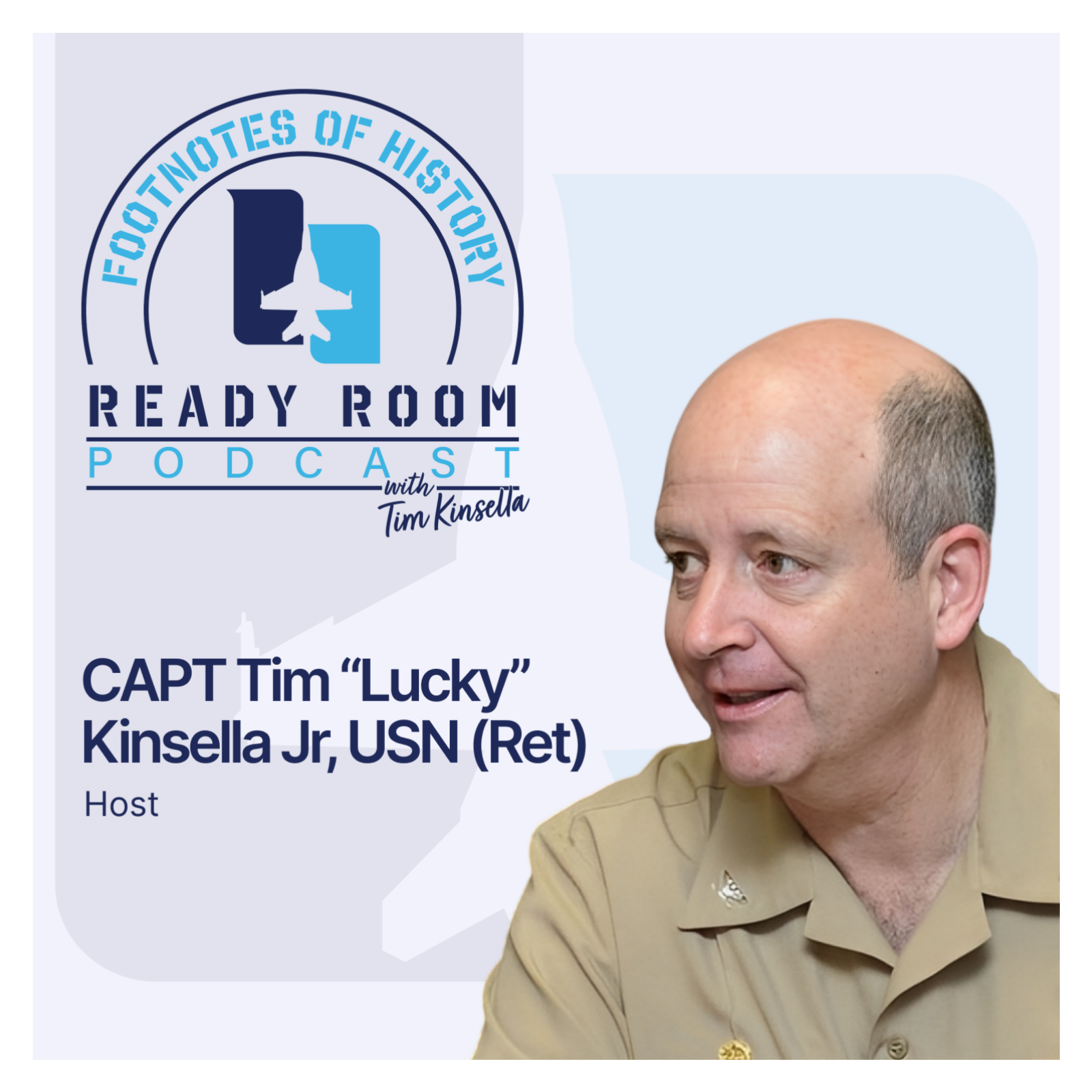
Halsey’s Typhoon: The Bull vs. the Barometer
Jun 1800:45:18Summary readyDecember 1944. The United States Navy is riding an unprecedented wave of triumph across the Pacific theater, closing in on the liberation of the Philippines. Armed with the most powerful armada ever assembled, Admiral William "Bull" Halsey is laser-focused on crushing the Japanese empire. But an enemy far more relentless than the Imperial Japanese Navy is brewing right in their path: Typhoon Cobra.As the barometer plummets and thirty-foot seas begin to batter the fleet, a silent, internal battle emerges between the hard-charging "Bull" Halsey and the frantic warnings of weather experts. Blinded by the pressure to maintain operational momentum and hampered by fragmented weather information exchanges across the theater, Halsey pushes his fleet directly into the eye of a monster.The resulting disaster remains one of the darkest chapters in U.S. naval history—ships capsize, hundreds of men are plunged into shark-infested waters, and future leaders are pushed to the absolute brink of survival. Through the lens of a career sailor who has flown rescue missions into the heart of modern typhoons, Captain Kinsella reconstructs the tragic chronology, the jaw-dropping survival stories—including a young Lieutenant Gerald Ford's near-death experience; and the sobering leadership lessons left behind in the wake of the storm. What You’ll LearnThe Majesty and Terror of the Sea: A veteran helicopter pilot's perspective on what happens when a 100-knot wind and thirty-foot seas strip away human technology and leave sailors entirely at the mercy of nature.The Fragmented Information Squeeze: How fragmented communications and a lack of centralized data exchange between weather units led to critical, catastrophic miscalculations on the flagship.The Ultimate Test of Survival: The terrifying, minute-by-minute reality faced by small destroyers like the USS Spence and USS Hull as they lost stability and fought murderous rolls in the heart of the storm.The Steel Lip of Fate: The chilling, near-miss story of a young Lieutenant named Gerald Ford sliding across a pitching flight deck toward a watery grave, and the two inches of metal that changed American history.The Price of Dissent vs. Compliance: A breakdown of the Court of Inquiry following the disaster, examining the fine line between following operational orders and recognizing when an apex commander has misjudged the barometer.Episode Resources:US Navy WebsiteNaval Aviation Museum Foundation WebsiteTim “Lucky” Kinsella on LinkedIn
Summary
Marine Aviation in WWII: The Real Story of VMF-221
Jun 900:53:14Summary readyMilitary history often packages wartime campaigns into neat, linear victories, but what happens when the gear arrives on one beach, the tools land on another, and the unit is forced to operate out of primitive clearings in a malaria-infested jungle?In this episode of The Naval Aviation Ready Room Podcast, host Ryan Keys sits down with Dr. Peter F. Owen, a premier military historian, Marine Corps University adjunct professor, and decorated retired officer whose deep tactical background includes leading a reconnaissance platoon during Operation Provide Comfort and serving as Executive Officer of the 1st Marine Regiment during the 2003 invasion of Iraq. Dr. Owen uses the extraordinary trajectory of Marine Fighting Squadron 221 (VMF-221) as a pristine lens to analyze the rapid maturation of naval aviation throughout World War II.He breaks down how VMF-221 serves as the perfect historical through-line, spanning from their devastating defensive trials flying the outmatched Brewster Buffalo at the Battle of Midway, through a grueling year of continuous land-based deployment in the Solomons, to their ultimate evolution as carrier-based fighter components aboard the USS Bunker Hill in 1945. The conversation unearths the jarring realities of a broken wartime supply chain, the operational friction caused by massive personnel turnover, and the strategic doctrine of modern Expeditionary Advanced Base Operations (EABO) that makes 1943's logistical nightmares mandatory reading for 2026 tactical planners.What You’ll Learn:The Carrier Misconception: Why Marine aviation in World War II spent the vast majority of its time supporting the fleet at sea via land bases rather than operating purely as an infantry-support asset ashore.The Reality of the Jungle Supply Chain: Inside the brutal logistics chaos of the South Pacific, where mechanics, tools, and spare parts frequently landed on completely separate islands.Muster Roll Disruption: How a 50% personnel turnover rate during critical work-up phases completely changed the training baseline and combat capabilities of front-line units.Boom and Zoom Tactics: How severe time constraints forced commanders to skip complex gunnery training, teaching raw dive-bomber pilots simple altitude-and-aggression aerial tactics to defeat advanced Japanese fighters.The Industrial Capacity Warning: Why the rapid industrial scaling of 1942 cannot be easily replicated today, placing an immense premium on baseline readiness before a modern peer conflict begins If you enjoyed this episode, make sure to subscribe, rate, and review it on Apple Podcasts, Spotify, and YouTube Podcasts. Instructions on how to do so are here.
Summary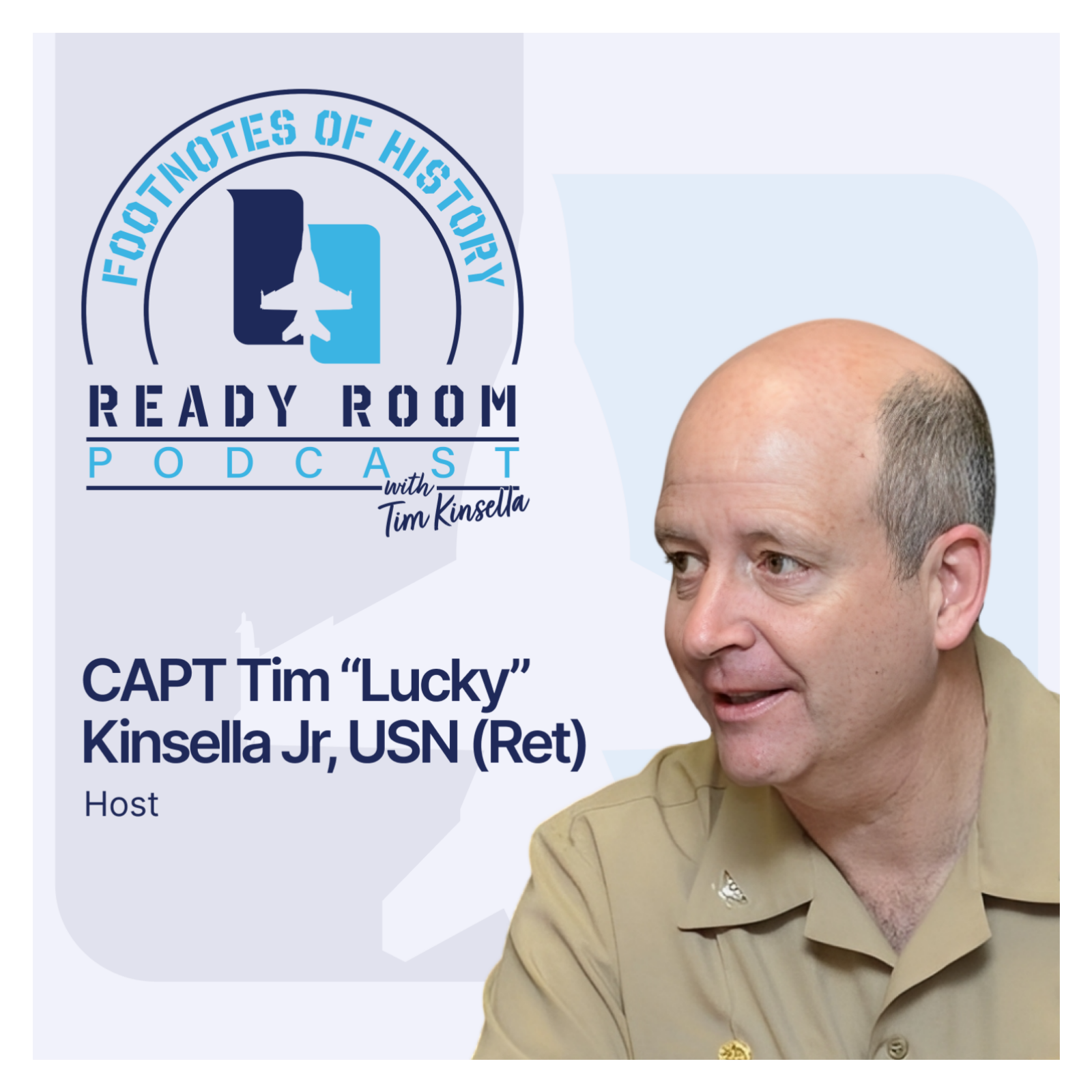
The Revolt of the Admirals: Five Days that Shook the Navy
Jun 400:45:06Summary readyOn a cold evening in Washington D.C., a decorated naval captain stands hidden in a government fire escape, holding a folder of radioactive secrets. Inside are confidential internal letters written by the absolute highest-ranking officers in the U.S. Navy, including the Chief of Naval Operations. Depending on who you ask, the words on those pages border on outright treason, declaring that the Pentagon is marching the country toward disaster and selling the public a "false bill of goods." The captain is seconds away from handing those letters to a newspaperman, knowing it will instantly incinerate his own career.To understand how the military reached the brink of mutiny, this episode travels back to the end of World War II, when the Navy rode high as the most powerful fleet in human history. But as the peacetime demobilization ax fell, President Harry Truman capped the defense budget, forcing the Army, Navy, and the newly independent Air Force into a shrinking financial box. The Air Force brought a beautiful, terrifying thesis to Washington, that the next war would be won in a single afternoon by massive Convair B-36 Peacemaker bombers carrying atomic weapons, rendering traditional fleets completely obsolete. Refusing to be quietly written out of the future, the Navy counterattacked by laying the keel for the USS United States, a revolutionary 65,000-ton flush-deck supercarrier. However, aggressive Secretary of Defense Louis A. Johnson ruthlessly canceled the project just five days into production without consulting the Secretary of the Navy, lighting the fuse for an all-out institutional war.What You’ll LearnThe Existential Squeeze: How severe post-WWII demobilization forced hungry military institutions into a shrinking financial box, sparking an unprecedented civil war between the Navy and the newly independent Air Force.The Argument with Wings: The strategic rise of the Convair B-36 Peacemaker and the controversial doctrine of strategic bombing that threatened to turn aircraft carriers into expensive museum pieces.The Midnight Leak: How Captain John Crommelin risked everything on a cold Washington fire escape to hand classified letters from top admirals to a newspaperman, shattering the government’s efforts to suppress naval dissent.The Price of Integrity: The staggering personal and professional fallout of the congressional hearings, including the immediate firing of Chief of Naval Operations Admiral Louis Denfeld for testifying with absolute honesty.The Verdict of Reality: How the outbreak of the Korean War in 1950 shattered the theory of the single-weapon "atomic blitz" and completely vindicated the Navy’s argument for flexible, carrier-based power.Episode Resources:US Navy WebsiteNaval Aviation Museum Foundation WebsiteTim “Lucky” Kinsella on LinkedIn
Summary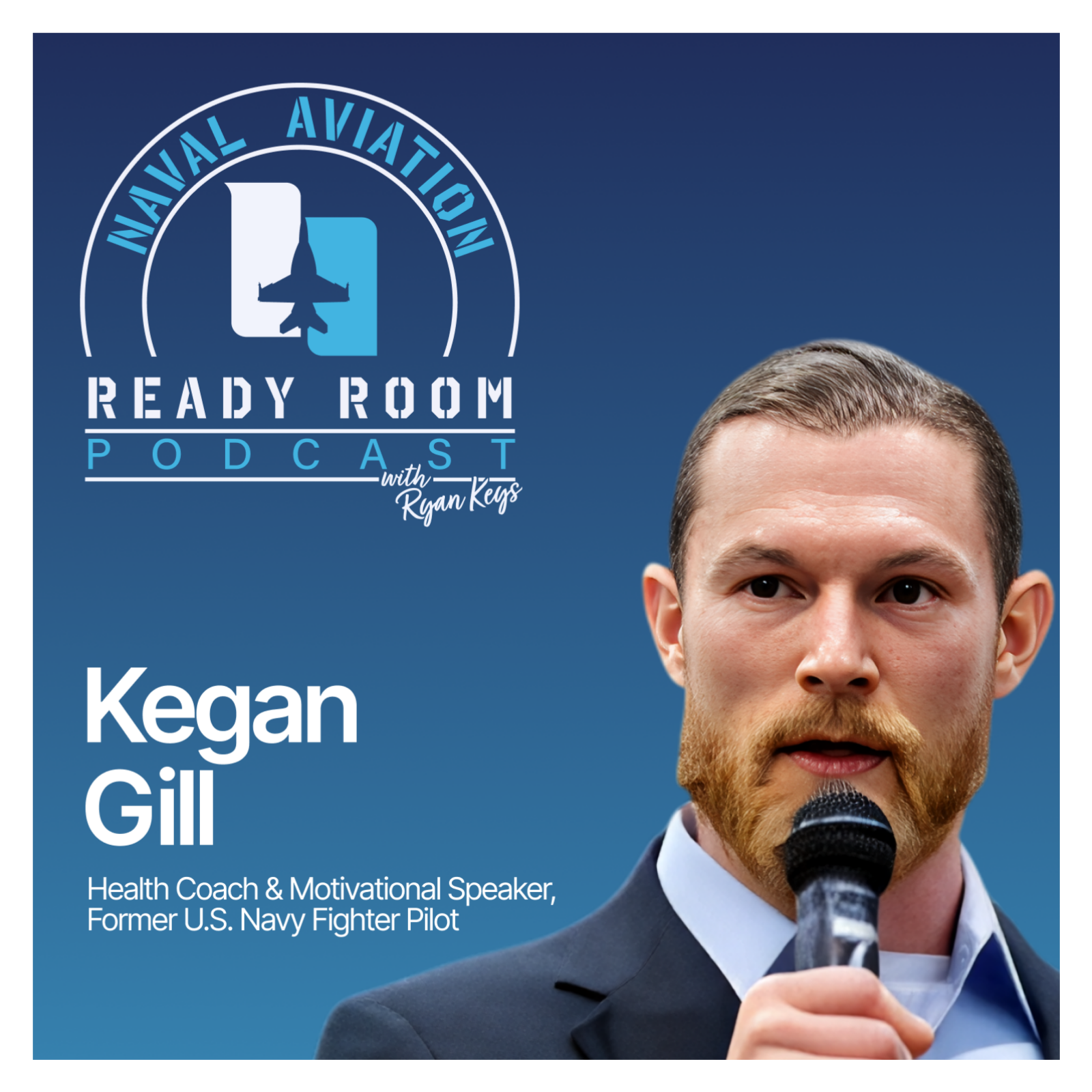
Trapped Under the Abyss: 37-Degree Water and Malfunctioning Gear
May 2600:50:54Summary readyThe explosive force of hitting the sound barrier at nearly 700 MPH was just the beginning of Kegan Gill's fight for survival. Left with a broken neck, shattered arms, open leg fractures, and severe internal bleeding, Kegan plummeted into a 37-degree Atlantic swell. To make matters worse, his emergency beacon and automated parachute release systems malfunctioned, leaving him paralyzed and tethered to a sinking parachute dragging him into the dark blue abyss.Part 2 dives deep into the high-stakes chess match of his rescue, from his flight lead thumping a fishing vessel to get help, to a rescue swimmer making a rogue, game-time decision to bypass Navy protocol to save him from hypothermia.But the true battle began after the trauma surgeons pieced him back together. Kegan recounts waking up from a two-week coma to the devastating news that he would never walk or fly again. Driven by pure fighter-pilot defiance, Kegan defied the odds to fly the Super Hornet again, only for delayed-onset traumatic brain injury (TBI) symptoms to trigger a horrific mental health spiral. He opens up completely about his near-suicide attempt, the "imprisonment" of the VA psychiatric system, and how conventional FDA-approved medications fueled severe paranoid delusions, leading to a breaking point where his wife found him naked, wearing a garbage bag, preparing to fight crime.Finally, Kegan shares his profound turning point: breaking away from the pharmaceutical cycle to find true healing through nutrition, intense meditation training with the Wisdom Dojo, and psychedelic-assisted therapy in Peru. This is an unfiltered, masterfully raw look at trauma, institutional failure, and what it truly means to launch a "Phoenix Revival"What You’ll Learn:The Mechanical Failures of Survival: Why Vietnam-era military gear and malfunctioning SeaWear explosive units left Kegan trapped under water.Bypassing Protocol to Save a Life: How a rescue swimmer’s decision to ignore standard backboard policy prevented Kegan from dying of hypothermia.The "Wolverine" Recovery & Defying NAMI: The grueling physical therapy process and the naval review boards Kegan cleared to miraculously get back into a Super Hornet cockpit.The Hidden TBI Trap: The terrifying moment Kegan experienced severe vertigo and amnesia mid-flight during a live-fire exercise.The Dark Side of Conventional Medicine: How a delayed-onset PTSD diagnosis led to a dangerous cycle of pharmaceutical over-medication and psych-ward confinement.Alternative Modalities & Integration: The science of neuroplasticity, eye-tracking therapy, and how plant medicine (Ayahuasca) allowed Kegan to reconstruct his damaged neurochemistry and soul.If you enjoyed this episode, make sure to subscribe, rate, and review it on Apple Podcasts, Spotify, and YouTube Podcasts. Instructions on how to do so are here. Episode Resources:US Navy WebsiteRyan Keys on LinkedInKegan Gill on LinkedInNaval Aviation Museum Foundation Website
Summary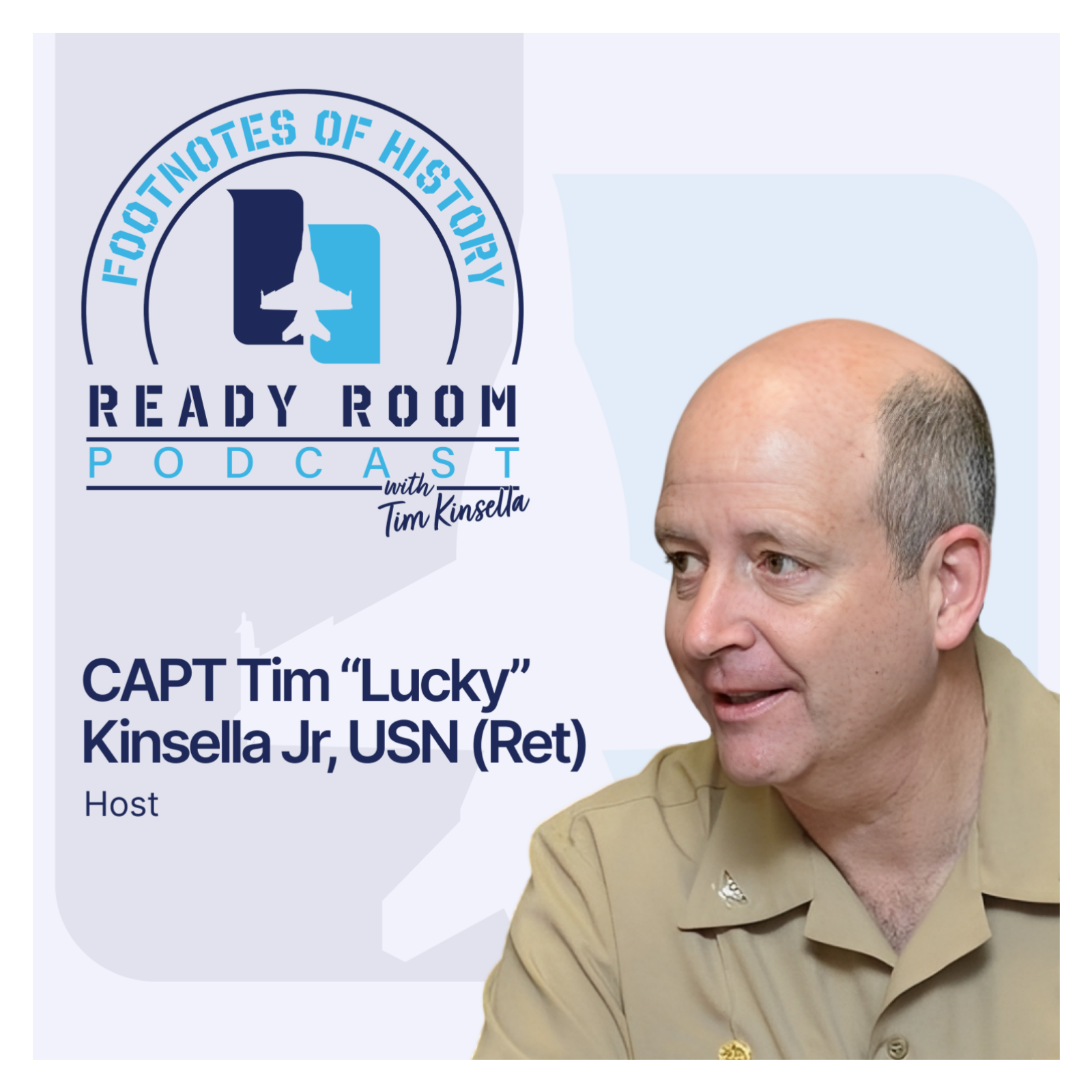
Racing into the Devil’s Jaw: The Honda Point Disaster of 1923
May 2200:37:41Summary readyOn the night of September 8, 1923, 14 of the U.S. Navy's sleekest Clemson-class destroyers, affectionately known as the Greyhounds, were charging south from San Francisco to San Diego at a blistering 20 knots. Eager to prove his squadron's flawless competence following a prior minor mishap, Captain Edward H. Watson enforced a strict wartime doctrine: centralized navigation, radio silence, and a ban on independent positional checks or depth soundings.Unbeknownst to the crew, the catastrophic Great Kanto Earthquake in Japan just a week prior had sent unpredictable submarine currents surging across the Pacific, quietly throwing off their calculations. Blindly trusting dead reckoning over a newfangled technology called Radio Direction Finding (RDF), the flagship USS Delphi ordered a fatal turn east into what they believed was the Santa Barbara Channel. Instead, they plowed headfirst into the jagged cliffs of Point Pedernales.Within five chaotic minutes, seven destroyers lay broken in the surf, claiming the lives of 23 sailors. This episode deepens into the harrowing survival stories, the extraordinary rescue efforts by local ranchers, and the historic court-martial where Captain Watson did the unthinkable: he stood up and took total responsibility.What You’ll LearnThe Architecture of Certainty: How exceptional, decorated competence rather than incompetence hardened into an institutional hubris that silenced dissent and caused a disaster.The Ghost Currents of Kanto: How a massive earthquake 5,000 miles away in Japan altered California's coastal currents and doomed the squadron’s mathematical plots.The Five-Minute Chaos: The terrifying sequence of events as seven low-slung destroyers crumpled broadside or rolled over in total darkness.Quiet Disobedience: The story of Commander Walter Roper, the rearmost division leader who used healthy fear as a survival tool to save his four ships from the reef.An Absolute Standard of Leadership: Why Captain Watson’s refusal to deflect blame onto his subordinates or environmental factors remains a legendary case study in naval accountability.Highlights & YouTube Chapters [00:00:47] The Devil's Jaw: Demystifying the treacherous geography of Point Pedernales.[00:03:05] The Post-War Pinch: How congressional austerity and bottled-up energy set the stage for a high-speed trial.[00:05:40] The Greyhounds of the Fleet: A closer look at the spartan, narrow Clemson-class destroyers.[00:10:48] The Blind Flagship: Centralized navigation and the fateful decision to discard RDF data.[00:15:43] Five Minutes at 11 Yards Per Second: The crushing impact sequence that doomed seven ships.[00:21:40] Ranchers to the Rescue: How local citizens rigged improvised breeches buoys down dark cliffs.[00:25:20] Taking the Medicine: The historic general court-martial and Captain Watson's stunning plea of total guilt.Episode Resources:US Navy WebsiteNaval Aviation Museum Foundation WebsiteTim “Lucky” Kinsella on LinkedIn
Summary