Podcast
The New Yorker Radio Hour
Hosted by WNYC Studios and The New Yorker · EN
Profiles, storytelling and insightful conversations, hosted by David Remnick.
464episodes
Episodes
Newest firstAll episodes
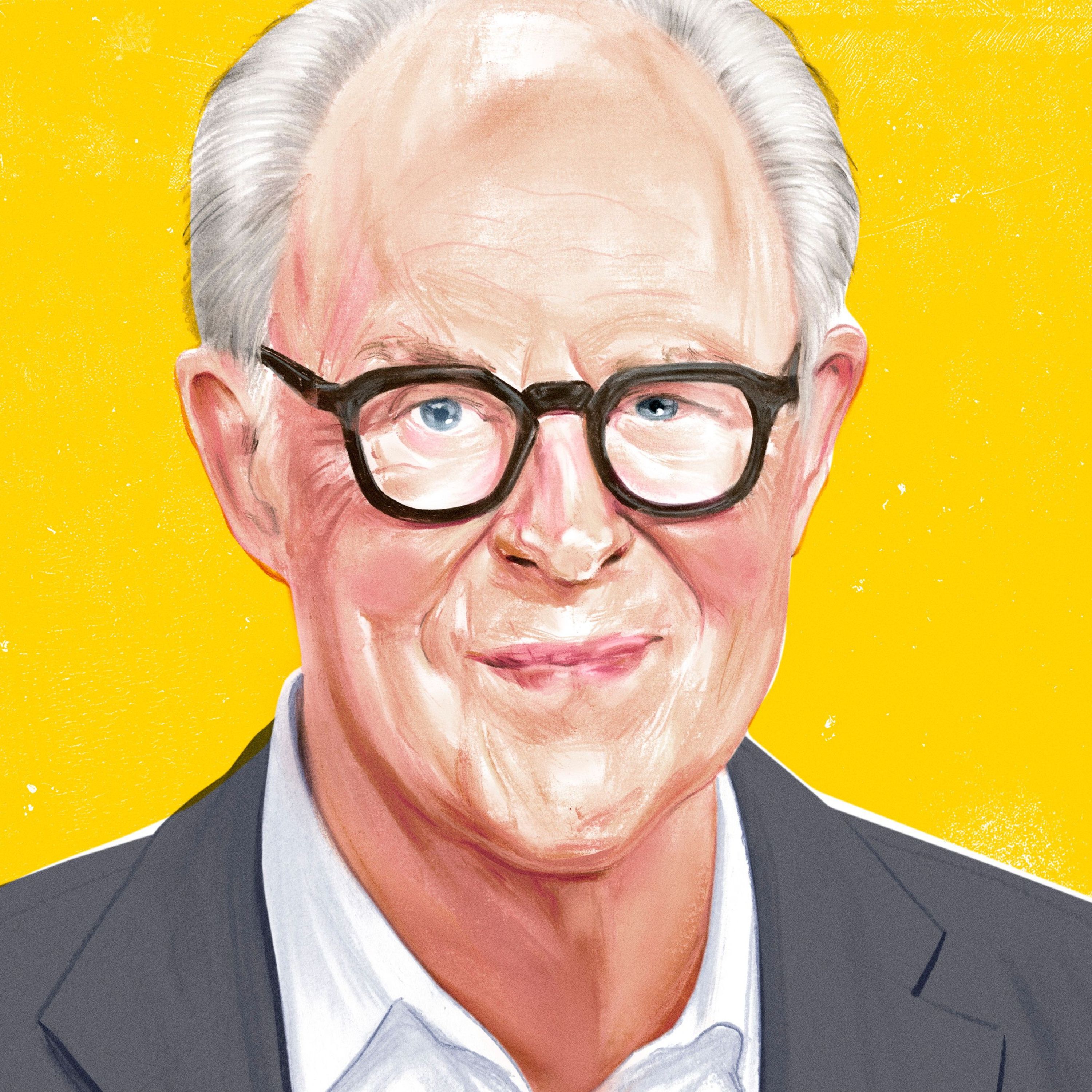
John Lithgow on the Controversial Authors Roald Dahl and J. K. Rowling
Mar 2700:28:21Summary readyThe new play “Giant,” on Broadway, dramatizes the scandal around Roald Dahl, the beloved children’s-book author who, in the nineteen-eighties, began making antisemitic statements and invoking stereotypes about Jewish influence. John Lithgow portrays Dahl as he faces off against his American publisher, who presses him to retract his statements. The events that the show focusses on took place more than forty years ago, but they couldn’t be more relevant today, as antisemitism surges during a war in the Middle East. Lithgow joins David Remnick to discuss the question of whether to separate the art from the artist—and about his own hesitation regarding his role as the wizard Dumbledore in HBO’s new “Harry Potter” series, because of J. K. Rowling’s history of anti-trans statements. Further reading: “‘Giant’ Takes on Roald Dahl and his Antisemitism,” by John Lahr New episodes of The New Yorker Radio Hour drop every Tuesday and Friday. Join host David Remnick as he discusses the latest in politics, news, and current events in conversation with political leaders, newsmakers, innovators, New Yorker staff writers, authors, actors, and musicians. New Yorker Radio Hour listeners, we want to hear from you. We have a few questions about the show and how you listen to it. The survey takes about twenty minutes, and your feedback will help us make our podcast better. Take the survey here.
Summary
Julio Torres Makes Everything Funny—Including Color Theory
Mar 2400:18:57Summary readyJulio Torres got his big break as a writer on “Saturday Night Live,” and went on to make the cult favorites “Los Espookys” and “Fantasmas” for HBO. He also wrote and directed the film “Problemista,” about a toy designer facing deportation. There’s a particular kind of surrealism to Torres’s humor; “I just don’t think his mind works quite like anyone else’s,” the staff writer Michael Schulman says, comparing Torres to “a guest lecturer at an art school . . . laying out his very particular way of seeing the world.” They met in New York to discuss the unique, synesthetic ideas about color which Torres describes in a new HBO special, “Color Theories,” and to check out a few hues at a nearby dollar store. Thanks to Home in Heven and Third Avenue Dollar and More. Further reading: “The Otherworldly Comedy of Julio Torres,” by Michael Shulman New episodes of The New Yorker Radio Hour drop every Tuesday and Friday. Join host David Remnick as he discusses the latest in politics, news, and current events in conversation with political leaders, newsmakers, innovators, New Yorker staff writers, authors, actors, and musicians. New Yorker Radio Hour listeners, we want to hear from you. We have a few questions about the show and how you listen to it. The survey takes about twenty minutes, and your feedback will help us make our podcast better. Take the survey here.
Summary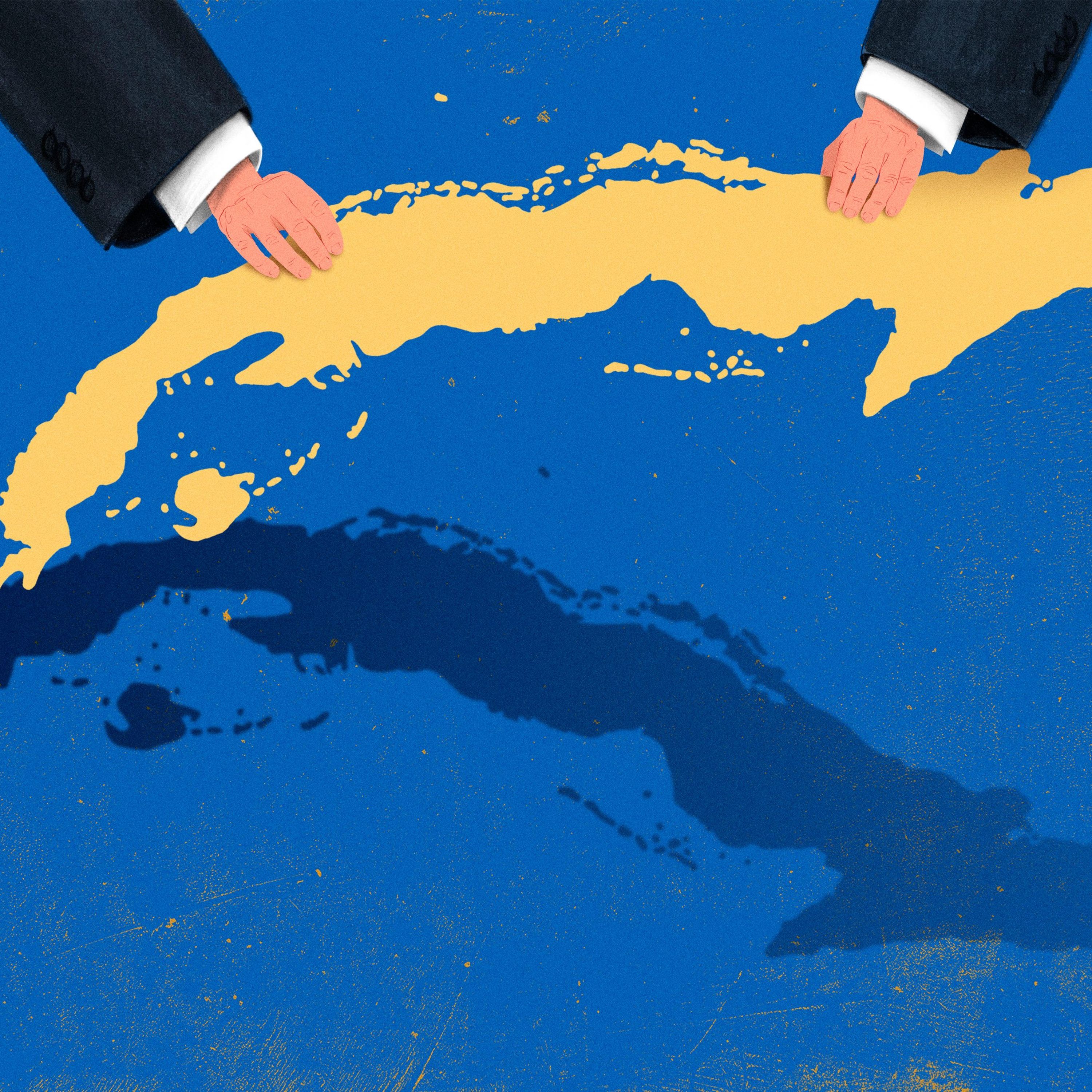
Is Cuba Trump’s Next Target?
Mar 2000:33:41Summary readyThe staff writer Jon Lee Anderson has reported from Cuba for many years, and recently wrote about the deteriorating economic conditions on the island. His newest piece for the magazine dives into the potential outcomes of Donald Trump’s desire to pursue regime change. Anderson explores the economic impact of the United States blocking Venezuelan oil from reaching Cuba, which could be a death knell for the Communist government. Anderson and David Remnick discuss the current negotiations between the two countries, Marco Rubio’s strategy, and what cards the Cuban government might still hold. “They’re going to go into this,” Anderson suggests, “like maybe a canny poker player.” Plus, the historian Ada Ferrer won the Pulitzer Prize for her 2022 book, “Cuba: An American History,” and she has one of the clearest views of the long and vexed relationship between the island and its giant neighbor. Ferrer left Cuba as an infant, coming to the United States with her mother in 1963 when Fidel Castro’s regime was arguably at its peak. David Remnick talks with Ferrer about the impact of U.S. sanctions, the economic collapse of Cuba, and what Donald Trump’s threat of a “takeover” means to the Cuban people and to Cuban Americans in the U.S. Further reading: “Have Cubans Fled One Authoritarian State for Another?,” by Jon Lee Anderson “What’s Behind Trump’s New World Disorder?,” by Daniel Immerwahr New episodes of The New Yorker Radio Hour drop every Tuesday and Friday. Join host David Remnick as he discusses the latest in politics, news, and current events in conversation with political leaders, newsmakers, innovators, New Yorker staff writers, authors, actors, and musicians. New Yorker Radio Hour listeners, we want to hear from you. We have a few questions about the show and how you listen to it. The survey takes about twenty minutes, and your feedback will help us make our podcast better. Take the survey here.
Summary
Chloé Zhao on “Hamnet,” Which Is Nominated for Eight Academy Awards
Mar 1500:22:07Summary readyChloé Zhao became only the second woman to win an Oscar for Best Director, for 2020’s “Nomadland,” and she is nominated once again for “Hamnet,” starring Paul Mescal and Jessie Buckley. Based on Maggie O’Farrell’s novel of the same name, the film follows a young William Shakespeare and his wife, and their grief at the loss of their only son. “Hamnet” is also nominated for Best Picture, Best Actress, and five other awards. Speaking with Michael Schulman, Zhao talked about the origins of “Hamnet,” the centrality of nature imagery in her work, and how the I.P. in a Marvel film is not so different from adapting a literary novel. This segment originally aired on December 5, 2025. Further reading: “Chloé Zhao Has Looked into the Void,” by Michael Schulman New episodes of The New Yorker Radio Hour drop every Tuesday and Friday. Join host David Remnick as he discusses the latest in politics, news, and current events in conversation with political leaders, newsmakers, innovators, New Yorker staff writers, authors, actors, and musicians. New Yorker Radio Hour listeners, we want to hear from you. We have a few questions about the show and how you listen to it. The survey takes about twenty minutes, and your feedback will help us make our podcast better. Take the survey here.
Summary
Social Media Goes to Court
Mar 1300:28:37Summary readyIn the book “The Anxious Generation,” Jonathan Haidt, a social psychologist at New York University, argues that social-media platforms are detrimental to youths’ well-being, and that society needs to treat them as literally addictive. It has spent nearly a hundred weeks on the New York Times best-seller list, and has helped galvanize a movement seeking limits to social media in legislatures, in school districts, and in the courts. David Remnick speaks with Haidt about an Australian law to verify the age of social-media users, the first of its kind in the world, and about lawsuits in California that are aiming to pin liability for harms on social-media companies themselves. Further reading: “World Happiness Report 2026,” featuring a contribution from Jonathan Haidt and other researchers “Mountains of Evidence,” by Jonathan Haidt New episodes of The New Yorker Radio Hour drop every Tuesday and Friday. Join host David Remnick as he discusses the latest in politics, news, and current events in conversation with political leaders, newsmakers, innovators, New Yorker staff writers, authors, actors, and musicians.
Summary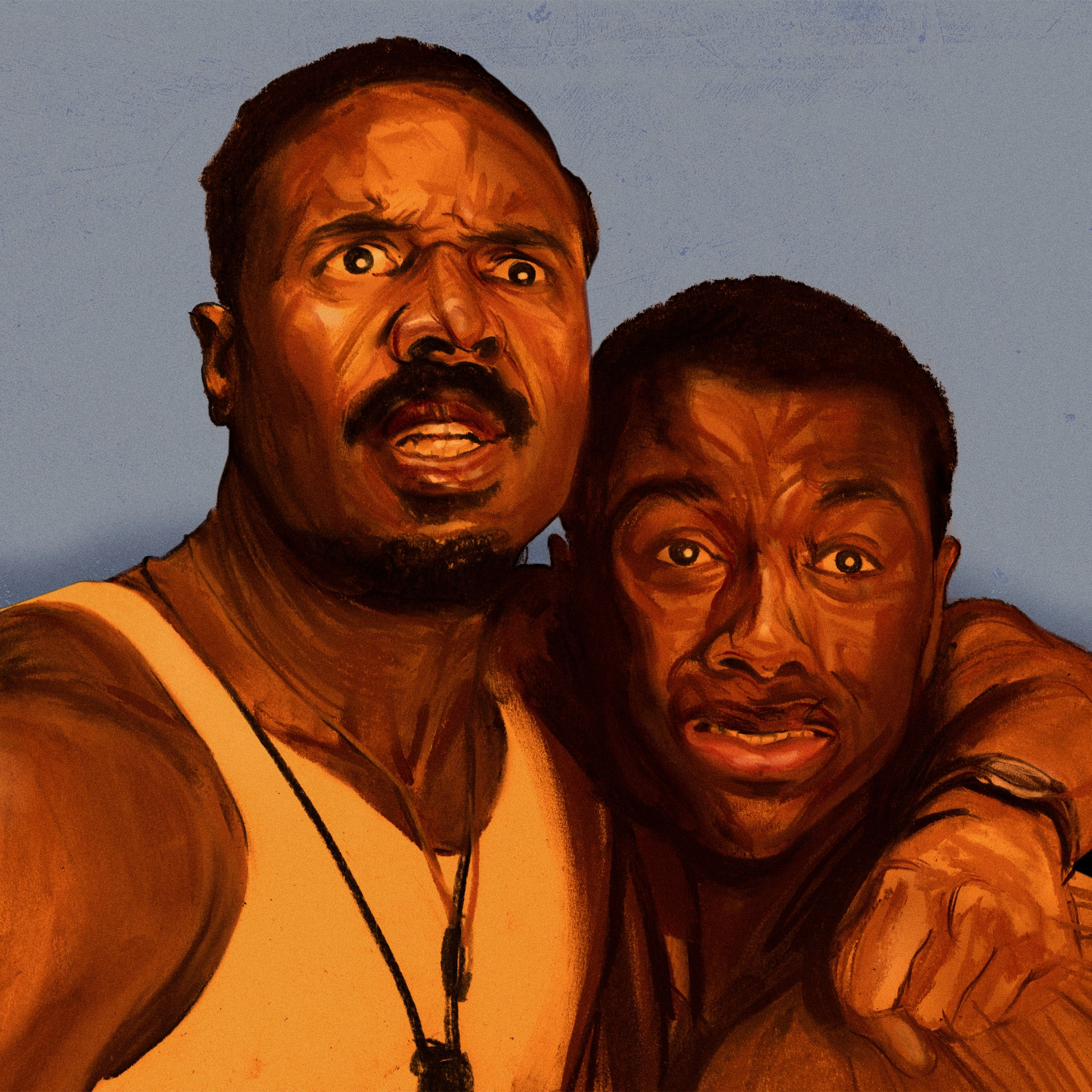
Ryan Coogler on “Sinners,” His Epic Film about Race, Music, and the Undead
Mar 1000:19:28Summary readyWhen the Oscar nominations were announced this year, Ryan Coogler’s “Sinners” set a record. It received sixteen nominations, the most for any film ever. The fact that it’s, in part, a vampire movie, made by a director who’s not yet forty, makes that feat all the more remarkable. Coogler—who previously directed “Creed” and “Black Panther”—sat down with the New Yorker staff writer Jelani Cobb to discuss the recurrent themes of history, faith, and race in his work, and how he refracted them through the lens of horror in “Sinners.” This segment originally aired on April 11, 2025. Further reading: “Ryan Coogler’s Road to ‘Sinners,’ ” by Jelani Cobb New episodes of The New Yorker Radio Hour drop every Tuesday and Friday. Join host David Remnick as he discusses the latest in politics, news, and current events in conversation with political leaders, newsmakers, innovators, New Yorker staff writers, authors, actors, and musicians.
Summary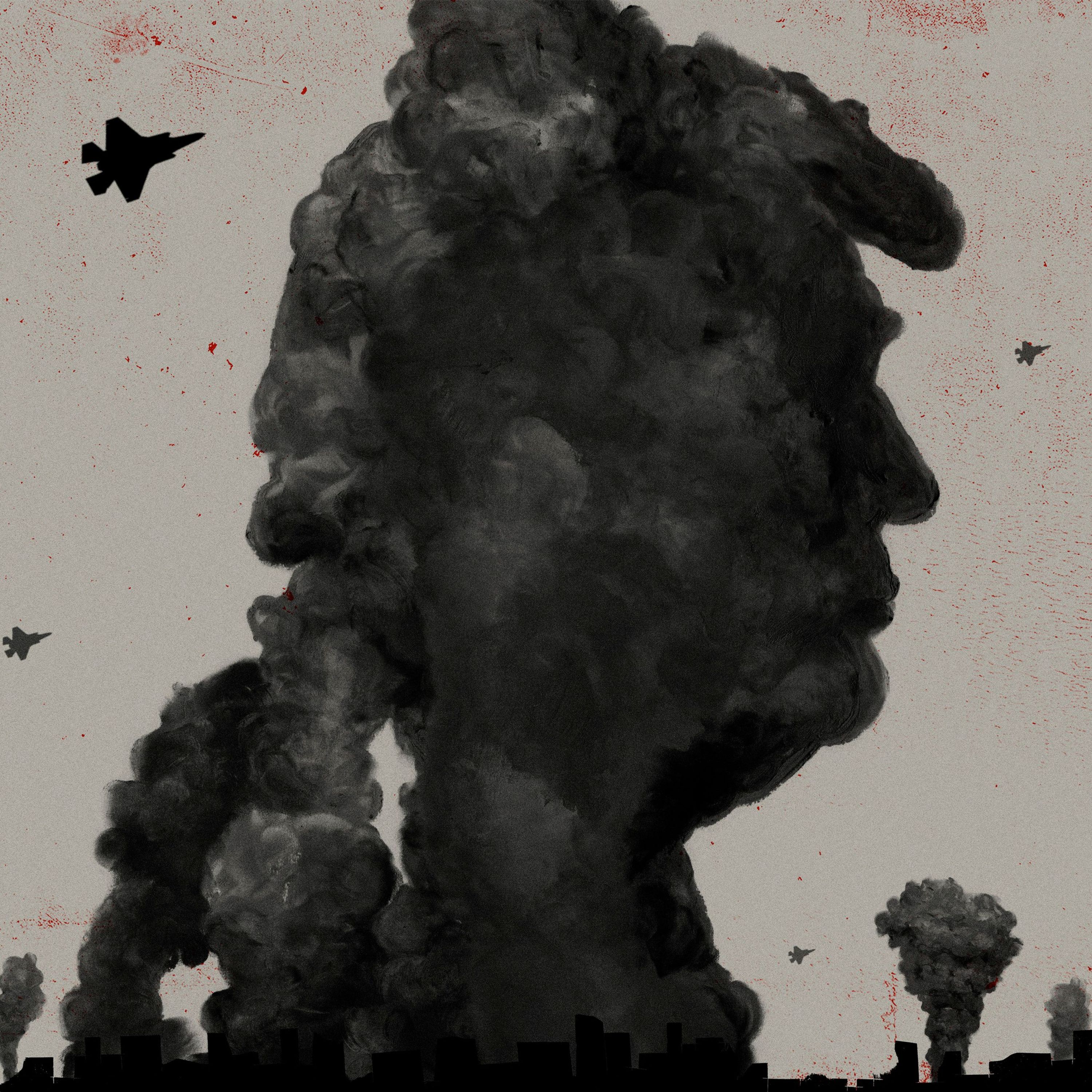
The Global Fallout of Donald Trump’s War on Iran
Mar 600:31:19Summary readyAs Iran’s retaliation hit American allies throughout the Middle East this week, David Remnick was joined by two New Yorker writers with decades of experience reporting from the region. Robin Wright has reported from Iran extensively, and she met with Ali Khamenei before he became the Supreme Leader of Iran; Dexter Filkins covered the wars in Iraq and Afghanistan, and he has been reporting on the Pentagon and military readiness. Filkins and Wright discuss the possibilities for future leadership in Iran; the Administration’s chaotic statements in regard to its goals and time frame; and the economic impact of the war, which is already being felt around the globe. Further reading: “What Ayatollah Ali Khamenei Meant to Iran, and What Comes Next,” by Robin Wright "How Marco Rubio Went from “Little Marco” to Trump’s Foreign-Policy Enabler,” by Dexter Filkins “The Forever War,” by Dexter Filkins New episodes of The New Yorker Radio Hour drop every Tuesday and Friday. Join host David Remnick as he discusses the latest in politics, news, and current events in conversation with political leaders, newsmakers, innovators, New Yorker staff writers, authors, actors, and musicians.
Summary
Failed “Finance Bros” Find Success with HBO’s “Industry”
Mar 100:16:23Summary readyDavid Remnick sits down with Mickey Down and Konrad Kay, the creators of a show he loves, “Industry,” which is currently airing its fourth season. The show is centered on the financial and personal dramas of junior employees at a fictional London investment bank. Down and Kay are old friends who both did unsuccessful stints in banking. “Before we could formulate our own identities, we allowed the institution to make them for us,” Down tells Remnick. But, having left finance for television, he says, “I still feel like I want to make money. . . . I’m never content with my career. The reason our show feels like it’s constantly changing and vibrating with electricity is because me and Konrad are, in terms of our careers. And, you know, we want to be successful. We were finance bros in the first instance.” New episodes of The New Yorker Radio Hour drop every Tuesday and Friday. Join host David Remnick as he discusses the latest in politics, news, and current events in conversation with political leaders, newsmakers, innovators, New Yorker staff writers, authors, actors, and musicians.
Summary
What Could Go Wrong, or Right, in a War with Iran
Feb 2700:34:29Summary readyAs Donald Trump and his Administration threaten to attack Iran, their motivations remain unclear. Does the President want to force Iran to make a nuclear deal, to replace the one that he scrapped in his first term, or is he really seeking regime change? To understand how this all might play out, David Remnick speaks with Karim Sadjadpour, a policy analyst at the Carnegie Endowment for International Peace, who writes about the Middle East for Foreign Affairs and other publications. Citing the disastrous precedents in Afghanistan and Iraq, Sadjadpour notes, “the last two decades has proven that we don’t have the ability to dictate . . . who comes to power the day after a military attack.” Plus, After protests over the economy erupted across Iran late last year, reports emerged that the regime was killing protesters. Donald Trump threatened to intervene, but did not. Estimates vary widely, but some note that thirty thousand people or more may have been killed. Now, as the U.S. sends a huge military force to the Gulf, Iranians are waiting for war—and many in the country are in the shocking position of hoping for conflict, if it will end the Ayatollah’s government. The reporter Cora Engelbrecht has been recording her conversations with sources on the ground about what that could mean. Their voices were altered or overdubbed for our story, to protect them from reprisal. New episodes of The New Yorker Radio Hour drop every Tuesday and Friday. Join host David Remnick as he discusses the latest in politics, news, and current events in conversation with political leaders, newsmakers, innovators, New Yorker staff writers, authors, actors, and musicians.
Summary
The Evidence on Ozempic to Treat Addiction
Feb 2400:19:17Summary readyOzempic and other GLP-1 drugs have had a major impact in their short time on the market—currently, one in eight Americans say that they have been on GLP-1 drugs. As tens of millions of people take these medications, anecdotal evidence has emerged that they have a positive effect on alcohol abuse and drug addiction. Researchers are starting to run trials of the drugs for these purposes, and some speculate that GLP-1 drugs could even affect addiction behaviors such as gambling and online shopping. The physician and New Yorker medical correspondent Dhruv Khullar spoke with scientists and patients. “Over the course of my reporting,” he tells David Remnick, “I became more and more bullish on the idea that these are actually going to be really important molecules for the treatment of addiction.” Dhruv Khullar’s “Can Ozempic Cure Addiction?” was published on February 9th. New episodes of The New Yorker Radio Hour drop every Tuesday and Friday. Join host David Remnick as he discusses the latest in politics, news, and current events in conversation with political leaders, newsmakers, innovators, New Yorker staff writers, authors, actors, and musicians.
Summary