Podcast
The New Yorker Radio Hour
Hosted by WNYC Studios and The New Yorker · EN
Profiles, storytelling and insightful conversations, hosted by David Remnick.
463episodes
Episodes
Newest firstAll episodes

“Fat Swim” and Literature’s Fatphobia Problem
Apr 2800:19:54Summary readyEmma Copley Eisenberg is the author of a new collection of short stories entitled “Fat Swim.” Her work questions body image and the suppression of fatness in contemporary culture; Eisenberg recently paid for a billboard over a busy highway in Philadelphia bearing the slogan “Your gut is a terrible thing to lose.” Eisenberg talked with The New Yorker’s Jennifer Wilson about using fiction to explore body image, and the fatphobia that she finds in literature by some of today’s acclaimed writers. Further reading: “Fat Swim,” by Emma Copley Eisenberg New episodes of The New Yorker Radio Hour drop every Tuesday and Friday. Join host David Remnick as he discusses the latest in politics, news, and current events in conversation with political leaders, newsmakers, innovators, New Yorker staff writers, authors, actors, and musicians. Hosted by Simplecast, an AdsWizz company. See pcm.adswizz.com for information about our collection and use of personal data for advertising.
Summary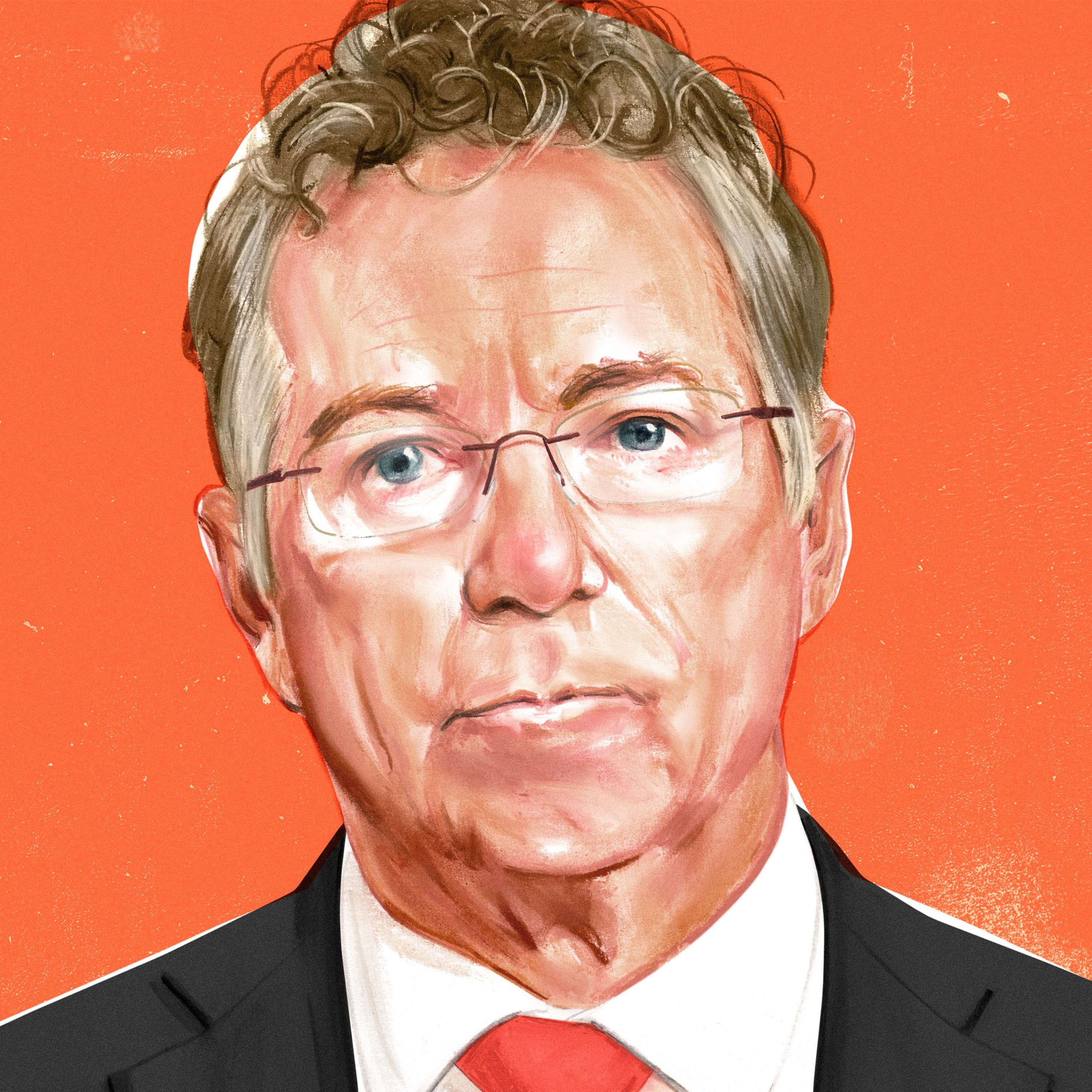
Why Senator Rand Paul Voted to Limit Donald Trump’s War Powers
Apr 2400:29:53Summary readyOne of Donald Trump’s few critics within his party is the libertarian-leaning senator Rand Paul, from Kentucky. Paul was recently the sole Republican to vote in favor of restricting the President’s power to make war in Iran. He also opposed Trump on tariff policy, and on his budget bill in 2025. “He loves voting ‘NO’ on everything,” the President fumed. Paul ran for President in 2016, and is considering another run for the White House in 2028. He talks with David Remnick about how he would differentiate himself from J. D. Vance and Marco Rubio; about his opposition to the attack on Iran; and about Pete Hegseth invoking Christianity in the war. “People quoting the Old Testament about smiting the enemy” concerns Paul greatly: “If this becomes Christians versus Muslims, I don’t see a quick end to a war.” Further reading: “The End of Limits on a President’s Wars,” by Ruth Marcus “Why Rand Paul Ran Aground,” by Kelefa Sanneh New episodes of The New Yorker Radio Hour drop every Tuesday and Friday. Join host David Remnick as he discusses the latest in politics, news, and current events in conversation with political leaders, newsmakers, innovators, New Yorker staff writers, authors, actors, and musicians. Hosted by Simplecast, an AdsWizz company. See pcm.adswizz.com for information about our collection and use of personal data for advertising.
Summary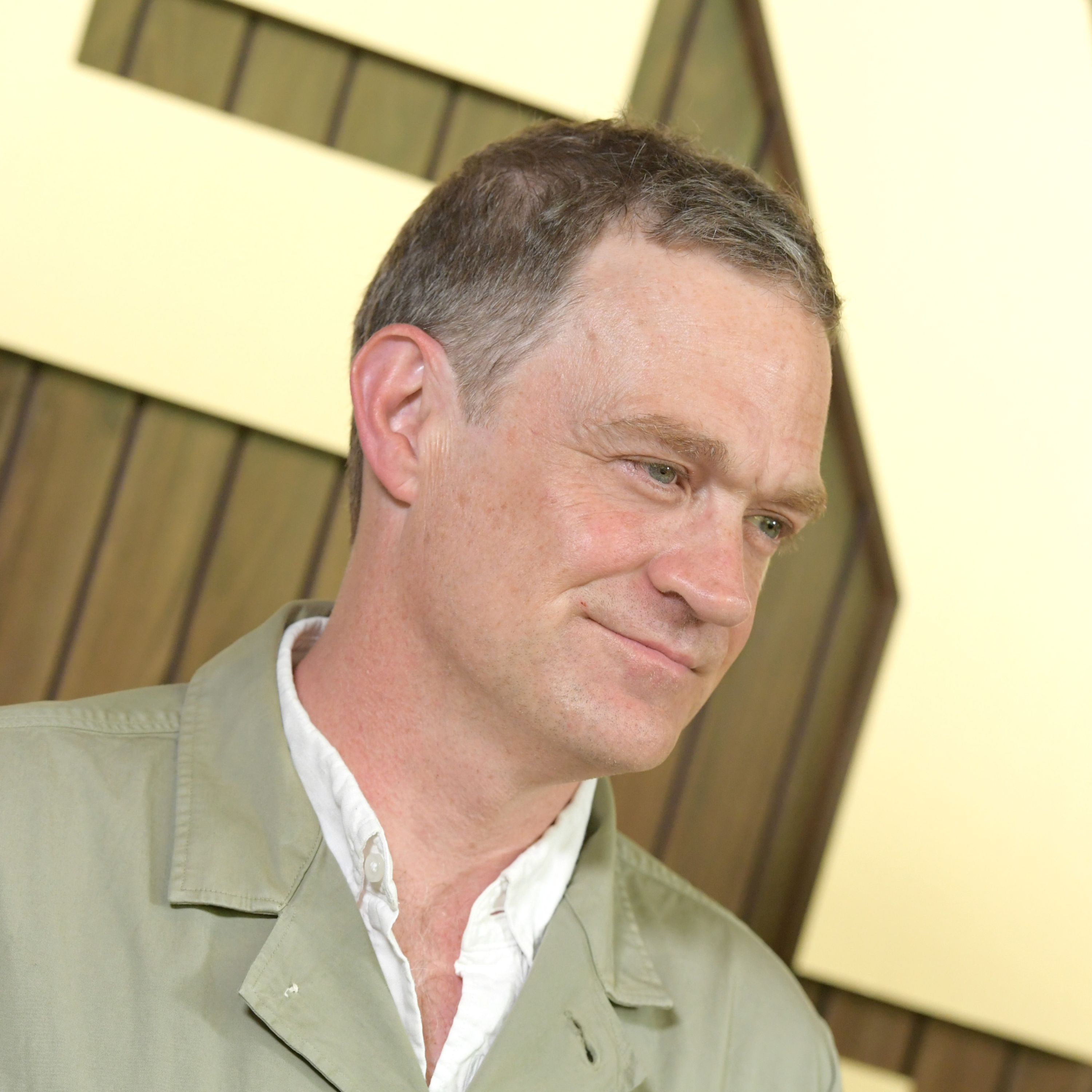
Patrick Radden Keefe on “London Falling,” His Book About a Teen-Ager’s Mysterious Life and Death
Apr 2100:19:39Summary readyWhen Patrick Radden Keefe was living in London while shooting the TV adaptation of his book “Say Nothing,” he heard about a teen-ager who fell from a luxurious apartment tower in mysterious circumstances. As he looked into it, he learned that the boy, Zac Brettler, had assumed an alternate identity as the son of a Russian oligarch, and had connected with dangerous people—just as mysterious. His story in The New Yorker, “A Teen’s Fatal Plunge into the London Underworld,” became the basis of his new book “London Falling.” “It’s not crime, per se, that interests me,” Radden Keefe tells David Remnick, “but the intermingling of the licit and illicit worlds, and the ways in which people deviate from a kind of conventional morality by degrees—and then the stories that they tell themselves about doing that.” He shares recordings from Brettler’s parents of conversations that they had as they sought to uncover what had happened to their son. Further reading: “London Falling,” by Patrick Radden Keefe “A Teen’s Fatal Plunge Into the London Underworld,” by Patrick Radden Keefe New episodes of The New Yorker Radio Hour drop every Tuesday and Friday. Join host David Remnick as he discusses the latest in politics, news, and current events in conversation with political leaders, newsmakers, innovators, New Yorker staff writers, authors, actors, and musicians. Hosted by Simplecast, an AdsWizz company. See pcm.adswizz.com for information about our collection and use of personal data for advertising.
Summary
A Genocide Scholar Asks “What Went Wrong” in Israel
Apr 1700:39:17Summary readyOmer Bartov is an Israeli professor of Holocaust and genocide studies at Brown University. He grew up in a Zionist home and served as an officer in the Israel Defense Forces, but he has long been concerned about Israel’s use of military power. In a new book called “Israel: What Went Wrong?,” Bartov argues that Zionism has morphed into an ideology of extremism that led to genocide in Gaza following the Hamas attacks of October 7th. “There is growing criticism of American support for these kinds of Israeli policies, both on the American left and on the American right,” Bartov tells David Remnick. Bartov believes that Israel requires “shock therapy” because “it has not still come to identify the limits of its own power, because those limits are in Washington, DC and it's there that those limits have to be set.” “For Israel, that would be good, because I think Israel needs to be liberated from that kind of dependence on American power. I think, for American society and for American Jewry, that’s a very bad thing because there is a rise of . . . antisemitism from the Tucker Carlsons of the world, who are a rising force right now.” Further reading: “Israel: What Went Wrong?,” by Omer Bartov “A Holocaust Scholar Meets with Israeli Reservists,” by Isaac Chotiner “How to Define Genocide,” by Isaac Chotiner New episodes of The New Yorker Radio Hour drop every Tuesday and Friday. Join host David Remnick as he discusses the latest in politics, news, and current events in conversation with political leaders, newsmakers, innovators, New Yorker staff writers, authors, actors, and musicians. Hosted by Simplecast, an AdsWizz company. See pcm.adswizz.com for information about our collection and use of personal data for advertising.
Summary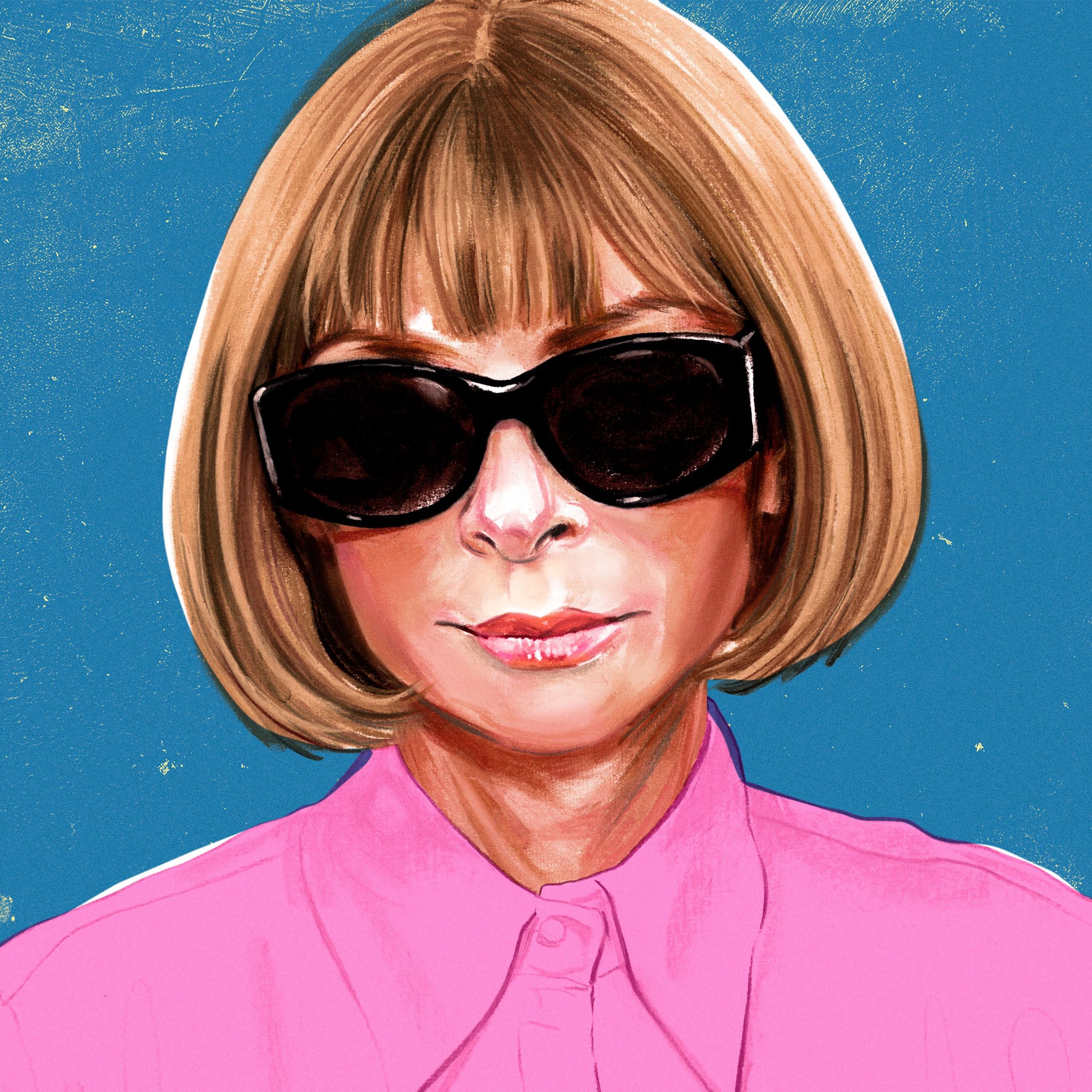
Anna Wintour as Vogue Icon
Apr 1400:38:32Summary readyAnna Wintour graces the cover of Vogue’s May issue alongside her theatrical double: Meryl Streep in the role of Miranda Priestly, from “The Devil Wears Prada,” whose much-anticipated sequel comes out on May 1st. Wintour and David Remnick spoke last fall on the day that a sea change took place at Vogue: it was announced that Chloe Malle would take over the editorial direction of the American edition of the publication. They discussed her storied career; her decision to wear Prada to the premiére of “The Devil Wears Prada”; and how Remnick might up his fashion game: “Forgive me, David, but how boring would it be if everybody was just wearing a dark suit and a white shirt all the time?” This segment originally aired on September 5, 2025. New episodes of The New Yorker Radio Hour drop every Tuesday and Friday. Join host David Remnick as he discusses the latest in politics, news, and current events in conversation with political leaders, newsmakers, innovators, New Yorker staff writers, authors, actors, and musicians. Hosted by Simplecast, an AdsWizz company. See pcm.adswizz.com for information about our collection and use of personal data for advertising.
Summary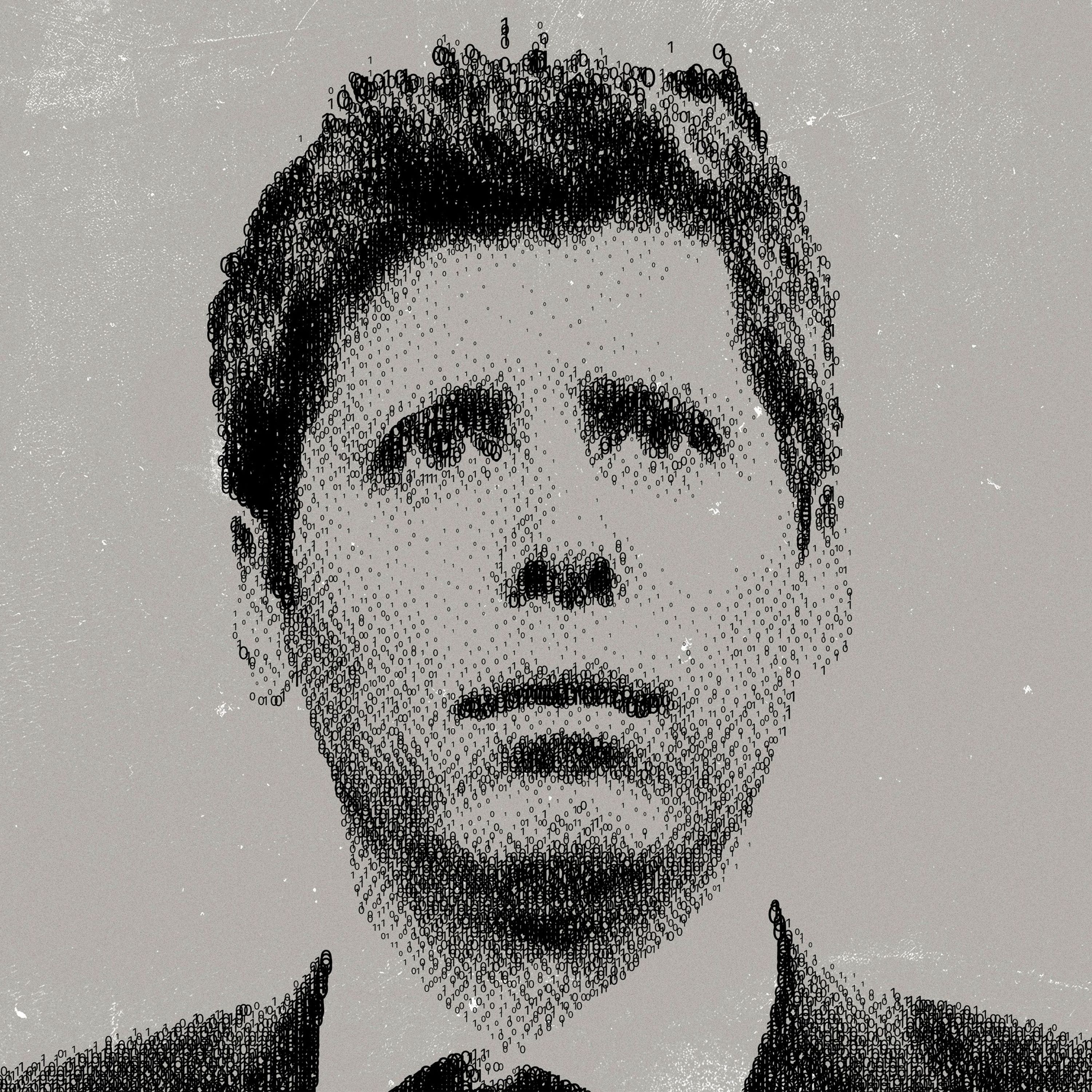
Sam Altman’s Trust Issues at OpenAI
Apr 1000:49:32Summary readyAt the end of February, OpenAI’s C.E.O., Sam Altman, made headlines by swiftly cutting a deal with the Pentagon for his company to replace Anthropic, which had balked at the Trump Administration’s bid to use its A.I. technology to power autonomous weapons and aid in mass surveillance. Days earlier, Altman had publicly supported Anthropic’s position in the dispute. Altman’s rise to power and his founding of OpenAI were predicated on placing safety above other concerns in developing artificial general intelligence. Why did he change his stance on such a fundamental issue? The New Yorker writers Ronan Farrow and Andrew Marantz spoke with Altman multiple times and interviewed more than a hundred people for their investigation into the leader of one of the most powerful companies in the world, comparing Altman to J. Robert Oppenheimer. Although there is no smoking gun in Altman’s hand, the writers find that persistent allegations about his conduct underscore the danger of entrusting him to wield such vast power over the future. Further reading: "Sam Altman May Control Our Future—Can He Be Trusted?,” by Ronan Farrow and Andrew Marantz “The Dangerous Paradox of A.I. Abundance,” by John Cassidy “The A.I. Bubble Is Coming for Your Browser,” by Kyle Chayka New episodes of The New Yorker Radio Hour drop every Tuesday and Friday. Join host David Remnick as he discusses the latest in politics, news, and current events in conversation with political leaders, newsmakers, innovators, New Yorker staff writers, authors, actors, and musicians. Hosted by Simplecast, an AdsWizz company. See pcm.adswizz.com for information about our collection and use of personal data for advertising.
Summary
Pick Three: Spring Sports News
Apr 700:14:14Summary readyThe New Yorker staff writer Louisa Thomas, who writes the Sporting Scene column, talks with David Remnick about the biggest basketball stories this season: how LeBron James embraced a new late-career persona as a great supporting player for the Los Angeles Lakers; the coaching genius of the Celtics’ Joe Mazzulla; and the ongoing scandal over teams deliberately tanking games to secure better prospects in the N.B.A. draft. Further reading: “How Much Is a Home Team Worth?,” by Louisa Thomas “LeBron James Is Making His Last Great Adjustment,” by Louisa Thomas New episodes of The New Yorker Radio Hour drop every Tuesday and Friday. Join host David Remnick as he discusses the latest in politics, news, and current events in conversation with political leaders, newsmakers, innovators, New Yorker staff writers, authors, actors, and musicians.
Summary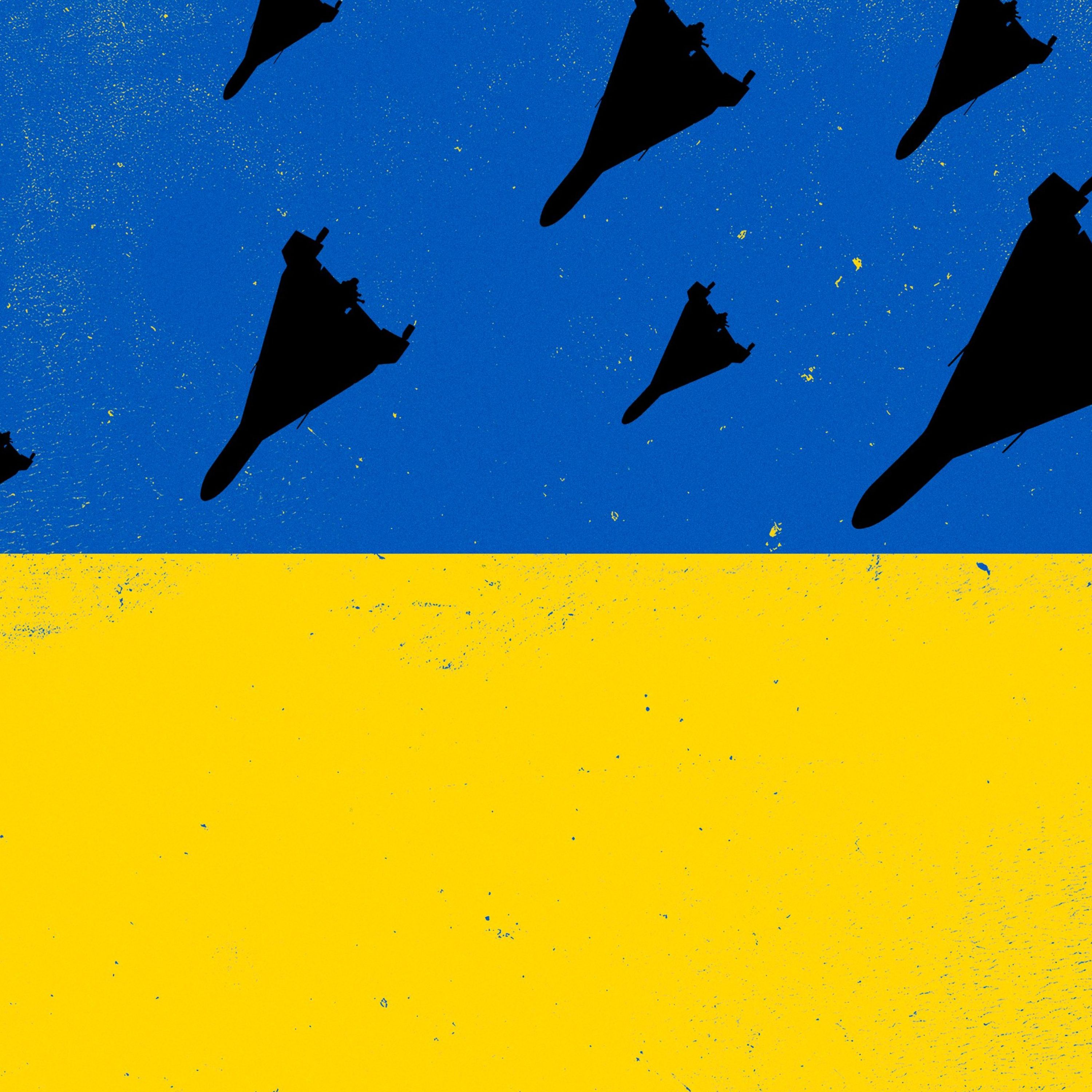
How Donald Trump’s War on Iran Helps Vladimir Putin’s War on Ukraine
Apr 300:36:09Summary readyIn 2021, when Olga Rudenko and other journalists launched the English-language news outlet the Kyiv Independent, they were committed to making a publication that wouldn’t face political pressure from an owner. A few months later, Russia launched a full-scale invasion of Ukraine, and the Independent began reporting breaking news from the front lines, and conducting investigations of the Ukrainian government. David Remnick talks with Rudenko, the Independent’s editor-in-chief, about the challenges of reporting in wartime; President Volodymyr Zelensky’s pushback on independent journalism; how Iran and Russia have been providing military aid to one another; and why Ukraine cannot accept the peace deal with Russia that Donald Trump is insisting that it take. Further reading: “The Assault on Ukraine’s Power Grid,” by Michael Holtz “What Are Putin’s Ultimate Demands for Peace in Ukraine?,” by Joshua Yaffa “Ukraine Has ‘Irrefutable Evidence’ of Russia Providing Intelligence to Iran, Zelensky Says,” by Asami Terajima, of the Kyiv Independent “China, Iran Help Russia Prop Up Economy in Occupied Ukrainian Territories, Report Says,” by Yuliia Taradiuk, of the Kyiv Independent “Ukraine Heads to US with Drone Proposal Trump Dismissed Before War with Iran,” by Tim Zadorozhnyy, of the Kyiv Independent “We Interviewed Iran’s Envoy to Ukraine and It Was Absolutely Wild,” by Polina Moroziuk, of the Kyiv Independent New episodes of The New Yorker Radio Hour drop every Tuesday and Friday. Join host David Remnick as he discusses the latest in politics, news, and current events in conversation with political leaders, newsmakers, innovators, New Yorker staff writers, authors, actors, and musicians.
Summary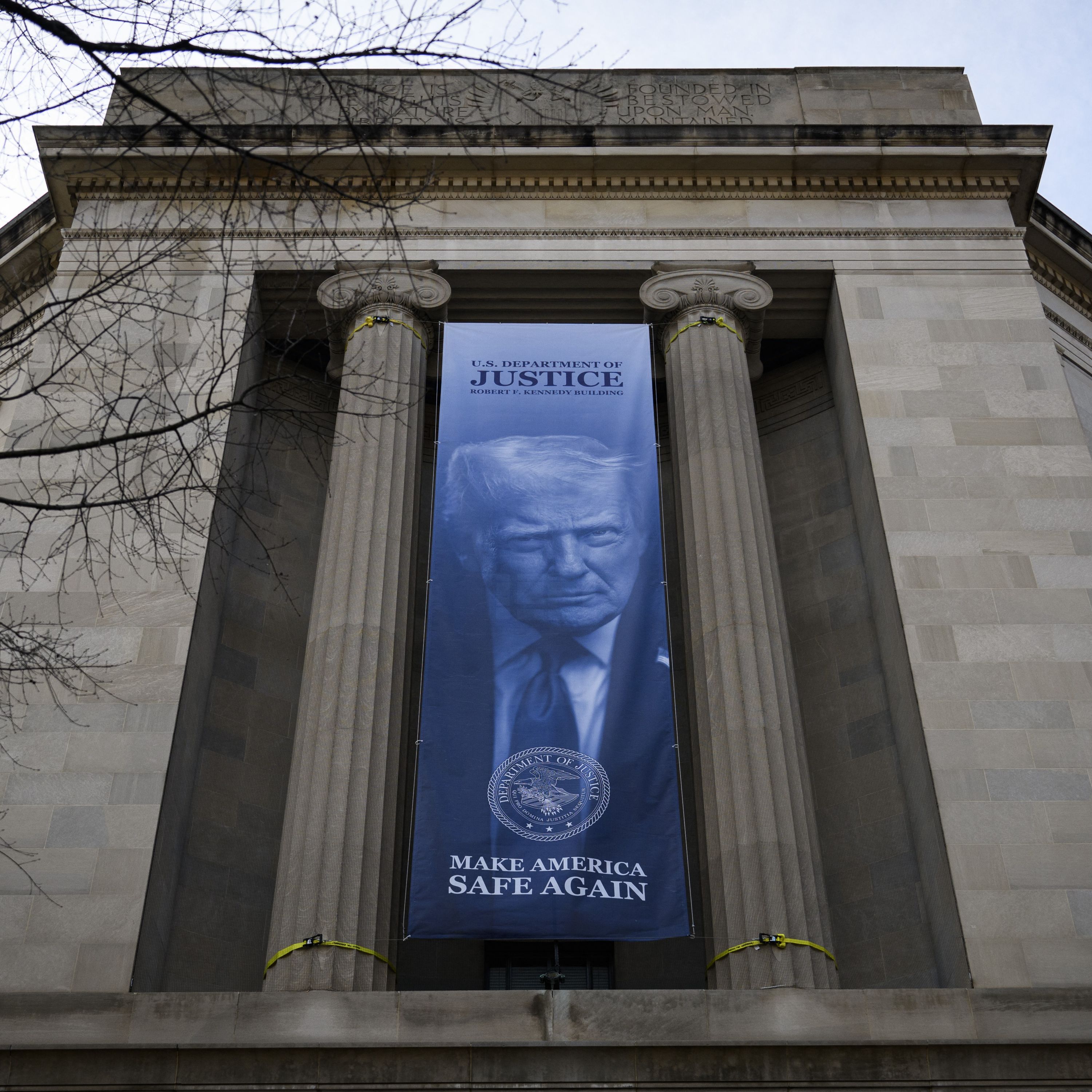
A Former Federal Prosecutor on Why He Quit Donald Trump’s Department of Justice
Mar 3100:22:40Summary readyThousands of federal prosecutors have been fired or have resigned from their roles since Pam Bondi took over as Attorney General. She has made no secret of weaponizing the Justice Department to pursue Donald Trump’s vendettas. One of those prosecutors is Troy Edwards, who quit a senior national-security position in the Eastern District of Virginia. As an assistant U.S. attorney in DC, Edwardshad won convictions against members of the Oath Keepers for January 6th-related offenses. Edwards is also the son-in-law of the former F.B.I. director James Comey, and, when the Justice Department indicted Comey on grounds widely seen as flimsy, Edwards knew he had reached his red line. (The charges were quickly dismissed, though without prejudice.) The New Yorker’s legal correspondent Ruth Marcus talks with Edwards about his decision to leave, how he broke it to his family, and why he thinks other prosecutors should not follow his lead. Further reading: “Pam Bondi’s Contempt for Congress,” by Ruth Marcus “The Flimsy, Dangerous Indictment of James Comey,” by Ruth Marcus “Pam Bondi’s Power Play,” by Ruth Marcus New episodes of The New Yorker Radio Hour drop every Tuesday and Friday. Join host David Remnick as he discusses the latest in politics, news, and current events in conversation with political leaders, newsmakers, innovators, New Yorker staff writers, authors, actors, and musicians.
Summary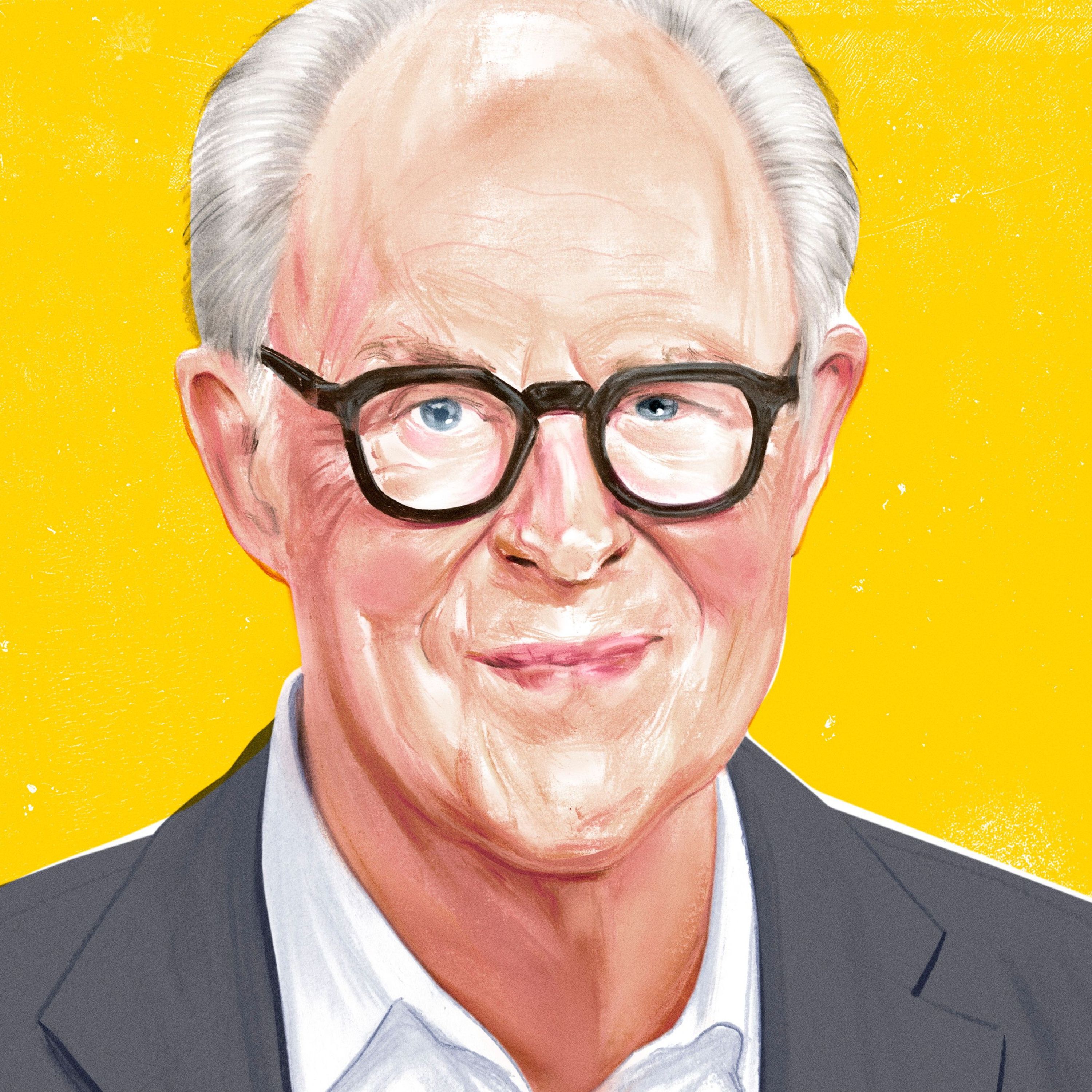
John Lithgow on the Controversial Authors Roald Dahl and J. K. Rowling
Mar 2700:28:21Summary readyThe new play “Giant,” on Broadway, dramatizes the scandal around Roald Dahl, the beloved children’s-book author who, in the nineteen-eighties, began making antisemitic statements and invoking stereotypes about Jewish influence. John Lithgow portrays Dahl as he faces off against his American publisher, who presses him to retract his statements. The events that the show focusses on took place more than forty years ago, but they couldn’t be more relevant today, as antisemitism surges during a war in the Middle East. Lithgow joins David Remnick to discuss the question of whether to separate the art from the artist—and about his own hesitation regarding his role as the wizard Dumbledore in HBO’s new “Harry Potter” series, because of J. K. Rowling’s history of anti-trans statements. Further reading: “‘Giant’ Takes on Roald Dahl and his Antisemitism,” by John Lahr New episodes of The New Yorker Radio Hour drop every Tuesday and Friday. Join host David Remnick as he discusses the latest in politics, news, and current events in conversation with political leaders, newsmakers, innovators, New Yorker staff writers, authors, actors, and musicians. New Yorker Radio Hour listeners, we want to hear from you. We have a few questions about the show and how you listen to it. The survey takes about twenty minutes, and your feedback will help us make our podcast better. Take the survey here.
Summary