Podcast
How Is This Better?
Hosted by COURIER · EN
We're constantly bombarded by grifters who claim to have all the solutions. From Donald Trump promising to "make America great" to tech bros who say they're making the world a "better place." Akilah Hughes has had enough. She's finally asking...How Is This Better?
43episodes
Episodes
Newest firstAll episodes

Inside Hollywood's Not-So-Secret Hideout
1w ago00:23:58Summary readyHollywood used to feel like a place where anything could happen. Akilah Hughes talks to Stinson Carter about the strange magic of 2000s Hollywood, the Chateau Marmont, Entourage, and whether the Hollywood dream still exists. Check out Stinson's piece for Esquire, "Bartending at the Edge of Fame." And subscribe to How Is This Better? wherever you get your podcasts. Learn more about your ad choices. Visit megaphone.fm/adchoices
Summary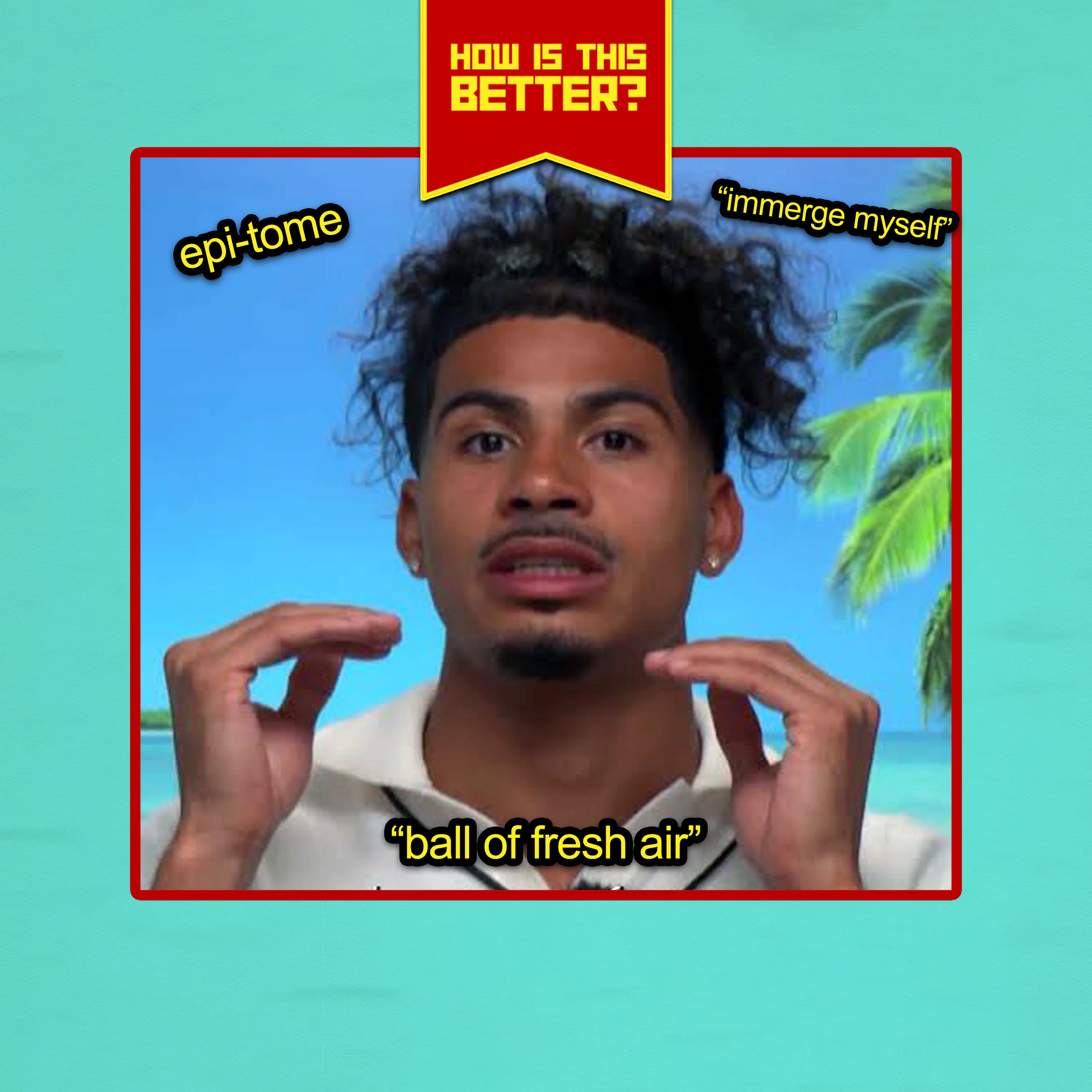
How Love Island Exposed the American Literacy Crisis
3w ago00:17:05Summary readyFace it: Americans have a literacy problem. Host Akilah Hughes is joined by Oliver Speaks, author of the memoir Unread and literacy advocate, and Lauren Coffey, a journalist with EdSurge, to get to the bottom of why no one wants to read anymore. If you're inspired to pick up a book, start with Oliver's! You can find it here. Remember to subscribe to How Is This Better? wherever you get your podcasts. Learn more about your ad choices. Visit megaphone.fm/adchoices
SummaryDoes Shaming AI Users Actually Work?
Jul 1000:26:44Summary readyIt seems like everyone is talking about AI. Because they are.Across both sides of the aisle, whether you support it or you loathe it, AI is one of the most talked-about hot-button issues of 2026. It's everywhere — in our phones, on our computers, at our jobs, and even in our backyards thanks to data centers and flock surveillance cameras. Hell, even the Taco Bell drive-thru isn't safe anymore. Understandably, a lot of folks want AI gone, but are they actually convincing anyone to put down Chat GPT? Our guest Dr. Fatima is an Astrophysicist-turned-creator who made a video about "how to anti-AI better". According to her, shame isn't the most effective method to get people to turn on our new robot overlords. The question is: what is? SponsorsThis episode is brought to you by Mint Mobile. To get your new wireless plan for only $15 a month, go to https://www.mintmobile.com/courier/ — that's it, there's no catch. Learn more about your ad choices. Visit megaphone.fm/adchoices
Summary
We Stopped Talking About Gun Control – The Shootings Never Stopped
Jun 2600:27:38Summary readyWhen students from Marjory Stoneman Douglas High School launched March For Our Lives after the Parkland shooting, they helped spark one of the largest youth-led movements in American history. But nearly a decade later, gun violence remains the leading cause of death for American children and teens—and the issue no longer commands the same national attention it once did. This week, Akilah Hughes talks with March For Our Lives Executive Director and Parkland survivor Jaclyn Corin about what comes after the marches, how activism has changed since 2018, and why the organization is shifting its focus toward culture, media, and the battle for attention itself. Support March for Our Lives: https://marchforourlives.org/ Follow How Is This Better? on Apple Podcasts, Spotify, YouTube or wherever you get your podcasts. Learn more about your ad choices. Visit megaphone.fm/adchoices
Summary
Erasing Jackie Robinson (REPLAY)
Jun 1900:27:07Summary readyToday, we are sharing an episode we first-aired a year ago (nearly to the day). Back then, Trump and his administration would not stop saying "DEI" as if it were a slur. Their efforts to white-wash history have not gone away, so we wanted to share this episode again, today, on Juneteenth. Guests: Roy Wood, Jr., actor and comedian Kali Holloway, columnist, The Nation Jeremy Taché, Miami-based sports reporter and host Learn more about your ad choices. Visit megaphone.fm/adchoices
Summary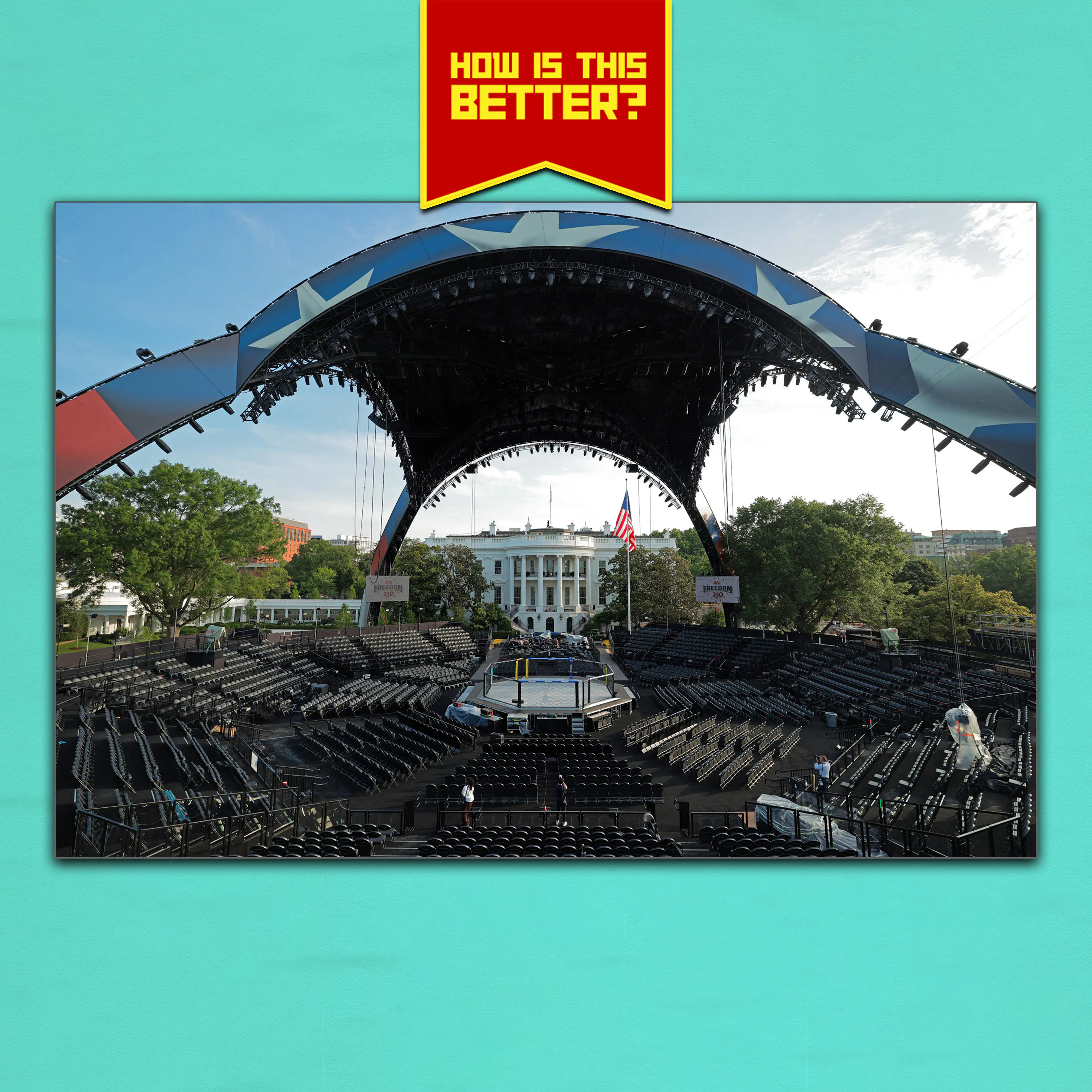
The Real Reason UFC at the White House Matters
Jun 1200:48:39Summary readyA UFC fight on the White House lawn sounds like satire. But it's real. Before Ryan Broderick and Grant Irving of Panic World travel to Washington to attend the event, Akilah Hughes talks with them about what they expect to find there, who they're hoping to talk to, and what this bizarre spectacle might reveal about American politics. Ryan and Grant will be reporting from the event itself, but first, they're helping us understand what this moment says about the country before the first punch is thrown. Learn more about your ad choices. Visit megaphone.fm/adchoices
Summary
How Wrestling Ruined Politics Forever (BONUS)
Jun 500:40:13Summary readyLong before Donald Trump entered politics, he understood professional wrestling. In this bonus conversation from How Is This Better?, Akilah Hughes sits down with writer and former WWE writer Dave Schilling to unpack how wrestling became a blueprint for modern political culture. From Trump’s relationship with Vince McMahon to the rise of political "heels," they explore why voters connect more with characters than policies, why Democrats struggle to create compelling narratives, and what professional wrestling can teach us about charisma, authenticity, and power. Drawing on his experience inside WWE's writers room, Dave explains how stars are built, how audiences become emotionally invested in underdogs, and why today's politicians often resemble wrestlers more than public servants. If politics feels more like entertainment than ever before, this conversation might explain why. Moments from this conversation, and others, appeared in our episode Politics is Wrestling. Learn more about your ad choices. Visit megaphone.fm/adchoices
Summary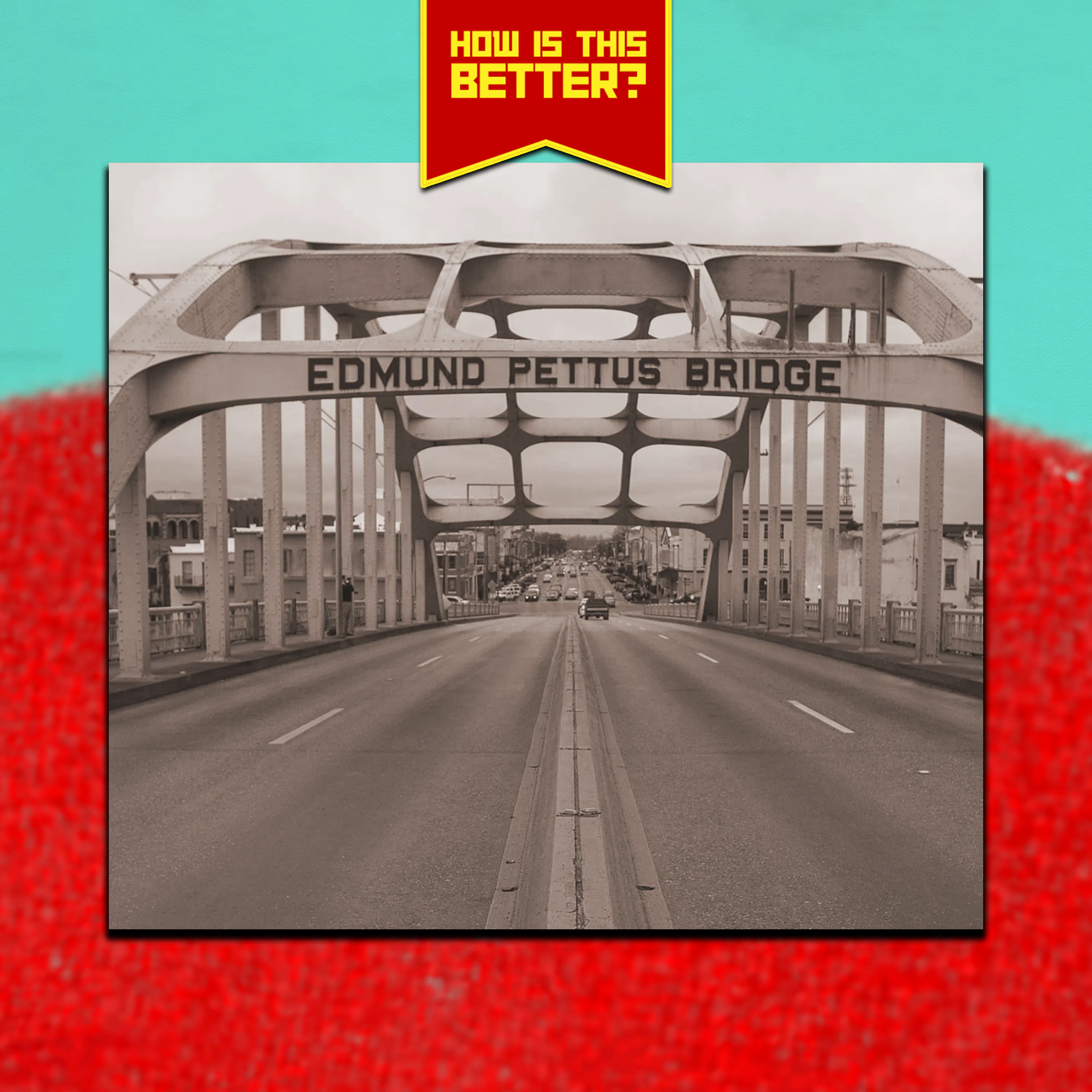
Voting Rights Were Gutted. I Went to Alabama to See What We Can Do About It.
May 2200:20:25Summary readyAkilah Hughes travels to Selma and Montgomery, Alabama for “All Roads Lead to the South,” a national day of action responding to the Supreme Court’s latest attack on the Voting Rights Act. Along the way, she speaks with Bernice King, Justin Pearson, and Janai Nelson about the fight over racial gerrymandering, the future of democracy in the South, and why organizers say this moment demands action from the entire country. 61 years after Bloody Sunday, the battle over voting rights is far from over. Learn more about your ad choices. Visit megaphone.fm/adchoices
Summary
School’s Out. Campus Political Wars Are Just Beginning
May 1500:30:10Summary readyYoung voters — especially young men — are drifting to the right. At least, that’s the narrative dominating politics right now. But according to Elise Joshi, the head of More Perfect University, the bigger story might actually be something deeper: a generation that feels increasingly disillusioned with the economy, institutions, and the promise that hard work still leads to stability. This week on How Is This Better? – Akilah Hughes talks with Elise about why organizations like Turning Point USA have been so successful on college campuses, why AI has become such a political flashpoint for Gen Z, and how the left is trying to build a competing media and organizing ecosystem through More Perfect Union and More Perfect University. Follow More Perfect University @moreperfectuniversity Learn more about your ad choices. Visit megaphone.fm/adchoices
Summary
Erika Kirk's Rise to Power
May 800:39:55Summary readyAfter Charlie Kirk’s assassination, Erika Kirk tried to turn grief into political momentum. Instead, the internet turned the entire thing into a meme. Akilah Hughes talks with journalist Kat Tenbarge about Erika Kirk’s chaotic rise inside Turning Point USA, the backlash to her grief tour, and her feud with Candace Owens. This episode explores internet culture, conservative media, gender politics, and the efforts to capture the post-Trump MAGA universe. Learn more about your ad choices. Visit megaphone.fm/adchoices
Summary