
Podcast
The David Frum Show
Hosted by The Atlantic · EN
To defend democracy, one has to believe in it. To believe in democracy, one has to understand it. Where it came from. How it works. What’s true. What’s not. What others did before you. How it could be better. How to make a difference.
Each week, The David Frum Show digs deep into the big questions people have about our society, explains the progress Americans have made together, and reminds us that the American idea is worth defending.
78episodes
Episodes
Newest firstAll episodes

Bring Back High-Stakes School Testing
Oct 800:54:25Summary readyOn this episode of The David Frum Show, The Atlantic’s David Frum opens with reflections on the strange and revealing controversy over Donald Trump’s rumored commemorative coin and what it says about the culture of flattery and self-abasement now defining MAGA politics. Then David is joined by former U.S. Secretary of Education Margaret Spellings for a candid look at the crisis in American education. Spellings, a key architect of No Child Left Behind and now president of the Bipartisan Policy Center, explains why U.S. test scores began to stagnate years before COVID and why the pandemic only deepened an accountability collapse already underway. They discuss the successes in states like Mississippi, the wasted billions in federal relief funds, and the political backlash against testing that, Spellings argues, has left millions of children behind. Finally, Frum turns to art and history with his discussion of The Judgment of Paris by Ross King, a story of how the impressionists overturned the art establishment of their time, and what it teaches about how the future judges the present. Get more from your favorite Atlantic voices when you subscribe. You’ll enjoy unlimited access to Pulitzer-winning journalism, from clear-eyed analysis and insight on breaking news to fascinating explorations of our world. Atlantic subscribers also get access to exclusive subscriber audio in Apple Podcasts. Subscribe today at TheAtlantic.com/listener. Learn more about your ad choices. Visit megaphone.fm/adchoices
Summary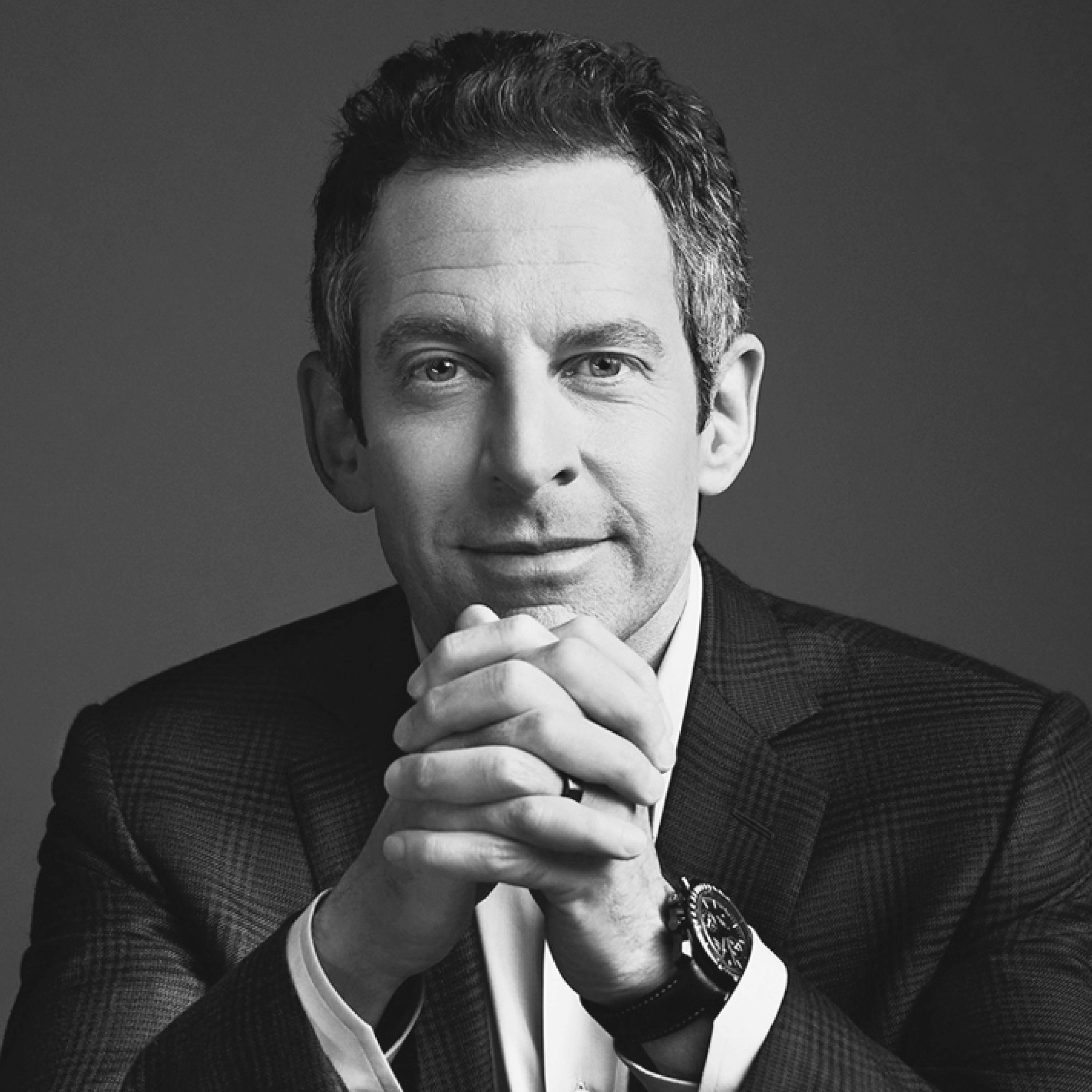
The Rise of Technofascists
Oct 101:00:09Summary readyOn this episode of The David Frum Show, The Atlantic’s David Frum opens with reflections on the malicious prosecution of James Comey and what it reveals about Donald Trump’s growing power over the justice system. He explains how the United States, unlike other advanced democracies, has allowed prosecutions to become instruments of presidential will, why Watergate-era norms of independence have eroded, and how the Supreme Court’s recent rulings have accelerated the drift toward one-man rule. Then Frum is joined by Sam Harris—author, podcaster, and creator of the Waking Up app—for a conversation about Silicon Valley’s dark political evolution toward authoritarianism. They discuss how the emancipatory optimism of the early internet gave way to surveillance, manipulation, and the shattering of shared reality; why prominent tech figures are embracing authoritarian politics; and how conspiracy, anti-vaccine movements, and the pursuit of profit have corroded the culture of innovation. Finally, David closes with a discussion of Robert Proctor’s The Nazi War on Cancer. He notes how the Nazi regime advanced anti-smoking and cancer-prevention campaigns even as it committed atrocities, tracing the deeper links between politics and health. Drawing a parallel to today, David connects that history to the rise of the MAHA movement: where anti-vaccine ideology and wellness grifts overlap with MAGA politics, fueled by distrust of experts and a refusal of solidarity and empathy with the sick and suffering. He argues that the Trump administration is recasting health as a test of personal virtue to reinforce its authoritarian project. Get more from your favorite Atlantic voices when you subscribe. You’ll enjoy unlimited access to Pulitzer-winning journalism, from clear-eyed analysis and insight on breaking news to fascinating explorations of our world. Atlantic subscribers also get access to exclusive subscriber audio in Apple Podcasts. Subscribe today at TheAtlantic.com/Listener. Learn more about your ad choices. Visit megaphone.fm/adchoices
Summary
Why Assassinations Shaped the 1960s and Haunt Us Again
Sep 2401:00:14Summary readyOn this episode of The David Frum Show, The Atlantic’s David Frum argues that President Donald Trump is making a miscalculation in his second term. Instead of consolidating power before plundering the state, Trump has reversed the sequence, imposing massive tariffs that raise prices on ordinary Americans, flaunting foreign wealth, and enriching his inner circle at public expense. Frum speculates that by impoverishing the public before securing control, Trump is exposing himself to serious political risks and that Americans must resist the temptation to be passive, hopeless spectators. Then Frum speaks with the historian Geoffrey Kabaservice about political violence, the assassinations and upheavals of the 1960s and 1970s, and what those episodes teach us about the threats facing America today. They revisit the murders that reshaped the era, consider how violence changed the course of politics, and draw out the parallels and differences between then and now: from polarization to technology to the shifting role of institutions. Finally, Frum closes with a book talk on Emily Brontë’s Wuthering Heights, reflecting on its enduring power and dark insights into human nature. Get more from your favorite Atlantic voices when you subscribe. You’ll enjoy unlimited access to Pulitzer-winning journalism, from clear-eyed analysis and insight on breaking news to fascinating explorations of our world. Atlantic subscribers also get access to exclusive subscriber audio in Apple Podcasts. Subscribe today at TheAtlantic.com/Listener. Learn more about your ad choices. Visit megaphone.fm/adchoices
Summary
The Preventable Return of Deadly Diseases
Sep 1700:59:01Summary readyOn this episode of The David Frum Show, The Atlantic’s David Frum opens with reflections on President Donald Trump’s repeated delays to enforce the congressionally mandated TikTok ban. He explains how Trump’s pattern of ignoring laws, whether by inventing tariffs, bypassing Congress on spending, or granting de facto immunity to allies, erodes the foundation of our constitutional government. Then David is joined by the historian Kyle Harper, author of Plagues Upon the Earth, for a conversation about infectious disease and the politics of vaccination. They trace humanity’s long struggle against killers such as smallpox, polio, and measles, and the scientific breakthroughs that transformed life expectancy. Harper explains how mistrust, misinformation, and polarization have fueled a resurgence of measles in the 2020s, even after it had been eradicated in the United States. Kyle and David also discuss what Rome can teach us about living with plagues, why public trust is essential to public health, and why the next pandemic will find us less prepared than we were for COVID-19. Finally, David ends the podcast with a discussion of Carl Schmitt’s The Concept of the Political. He examines how Schmitt’s claim that politics is defined by the division of friend and enemy is influencing modern authoritarian thinkers in America. Get more from your favorite Atlantic voices when you subscribe. You’ll enjoy unlimited access to Pulitzer-winning journalism, from clear-eyed analysis and insight on breaking news to fascinating explorations of our world. Atlantic subscribers also get access to exclusive subscriber audio in Apple Podcasts. Subscribe today at TheAtlantic.com/Listener. Learn more about your ad choices. Visit megaphone.fm/adchoices
Summary
Trump Invades Blue America
Sep 1001:00:48Summary readyOn this episode of The David Frum Show, The Atlantic’s David Frum examines how President Donald Trump’s foreign-policy decisions are undermining U.S. alliances and global credibility. He discusses incidents including the detainment of South Korean workers in Georgia and alleged covert operations in Greenland. Frum argues that these actions reflect ego-driven weakness rather than leadership, and explores the broader consequences for America’s international standing. Then Frum is joined by the Georgetown law professor and former Pentagon adviser Rosa Brooks, who also served as a D.C. reserve police officer. They discuss Trump’s deployment of 2,200 National Guard troops to Washington, D.C.; the limits of militarized policing; constitutional concerns; and the dangers of masked, unidentified federal agents. Brooks warns listeners that such tactics could normalize authoritarian behavior and set troubling precedents for future elections. Frum closes with a new book segment, with this week’s on Mary Shelley’s Frankenstein, in which he discusses how the novel’s unreliable narrators highlight the importance of critical reading in an era of declining literacy. Get more from your favorite Atlantic voices when you subscribe. You’ll enjoy unlimited access to Pulitzer-winning journalism, from clear-eyed analysis and insight on breaking news to fascinating explorations of our world. Atlantic subscribers also get access to exclusive subscriber audio in Apple Podcasts. Subscribe today at TheAtlantic.com/Listener. Learn more about your ad choices. Visit megaphone.fm/adchoices
Summary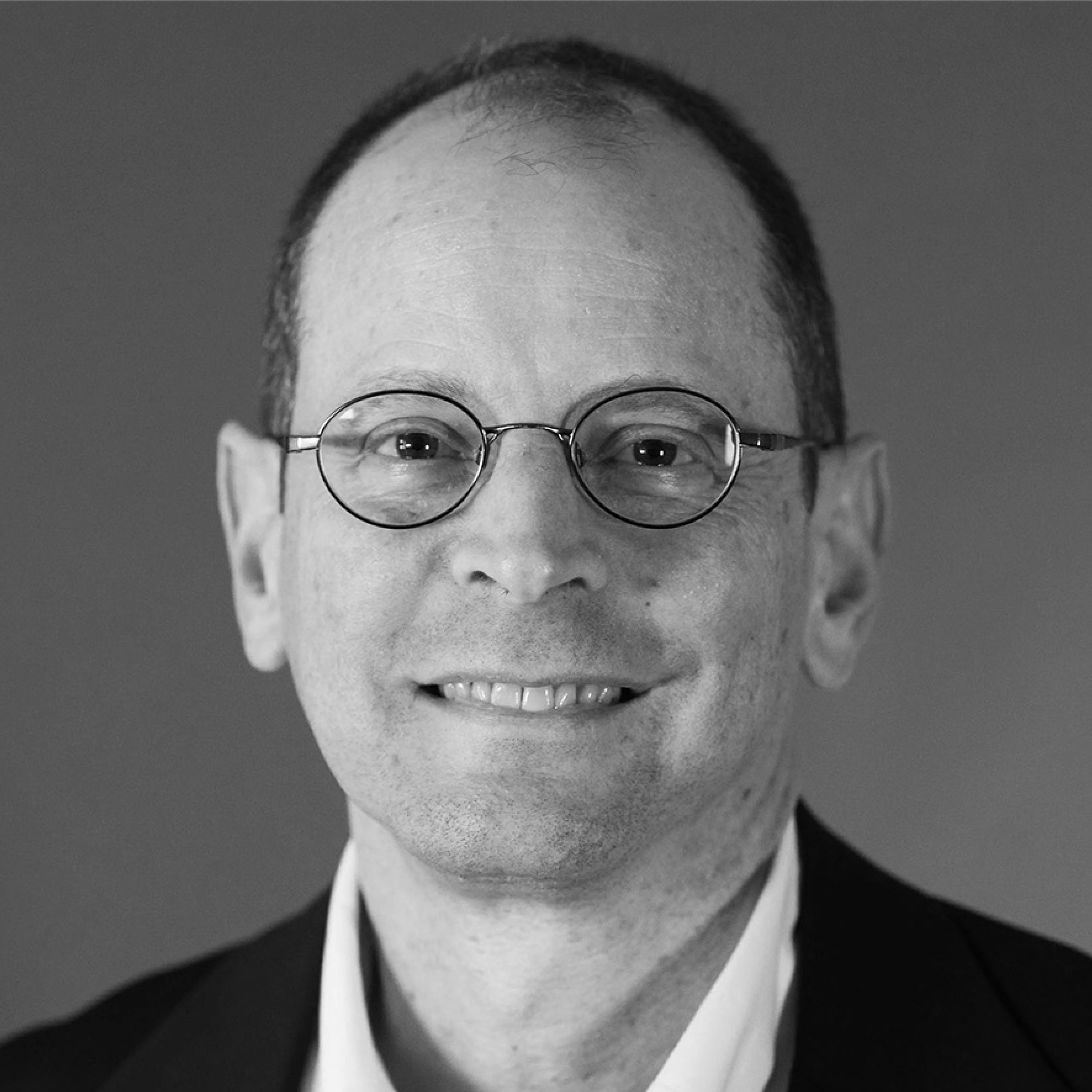
The Fight for Truth
Sep 300:52:42Summary readyOn this episode of The David Frum Show, The Atlantic’s David Frum discusses recent questions about President Donald Trump’s health and explores what a potential J. D. Vance presidency might mean for the country. He contrasts Trump’s impulsive, ego-driven style with Vance’s methodical, ideologically driven approach, examining how each wields power, pursues personal and political goals, and shapes domestic and foreign policy. Frum explains why understanding these differences is crucial for anticipating the challenges ahead. Then Frum is joined by Jonathan Rauch, a senior fellow at the Brookings Institution and the author of The Constitution of Knowledge: A Defense of Truth. They discuss how societies decide what’s real, why disinformation has become a central political strategy, and living in a “reality-based community.” Rauch explains the dangers of the “fire hose of falsehood,” why authoritarian regimes weaponize confusion, and why, even amid today’s “machinery of lies,” reality still has the final word. Get more from your favorite Atlantic voices when you subscribe. You’ll enjoy unlimited access to Pulitzer-winning journalism, from clear-eyed analysis and insight on breaking news to fascinating explorations of our world. Atlantic subscribers also get access to exclusive subscriber audio in Apple Podcasts. Subscribe today at TheAtlantic.com/listener. Learn more about your ad choices. Visit megaphone.fm/adchoices
Summary
Why America Isn’t Rome (And Why That Matters)
Aug 2700:55:37Summary readyOn this episode of The David Frum Show, The Atlantic’s David Frum opens with reflections on the misuse of history in today’s politics. He argues that fascism, once thought to have been buried by the Second World War, has reemerged in modern forms, thriving on the endless hunt for enemies, stoking culture wars, and exploiting new technologies. And he explains why the best antidotes remain liberty, equality, and sometimes humor. Then David is joined by Mary Beard, one of the world’s foremost scholars of Rome and author of the New York Times best seller Emperor of Rome, for a conversation about what the ancient world can teach us about current politics. They discuss how Roman emperors wielded power, why excess and corruption were baked into the system, and how fragile even the strongest-seeming regimes can be. Beard explains why myths about Roman grandeur persist, what daily life actually looked like under the empire, and what lessons modern democracies should (and should not) draw from Rome’s rise and fall. We've put together a short survey to learn more about our audience. It would be very helpful if you could take a few minutes to answer it at theatlantic.com/survey. As a thank you, the first 100 respondents will get a $20 gift card. Get more from your favorite Atlantic voices when you subscribe. You’ll enjoy unlimited access to Pulitzer-winning journalism, from clear-eyed analysis and insight on breaking news to fascinating explorations of our world. Atlantic subscribers also get access to exclusive subscriber audio in Apple Podcasts. Subscribe today at TheAtlantic.com/Listener. Learn more about your ad choices. Visit megaphone.fm/adchoices
Summary
How ICE Became Trump’s Secret Army
Aug 2000:57:26Summary readyOn this episode of The David Frum Show, The Atlantic’s David Frum begins with reflections on how Donald Trump’s sweeping immigration crackdown has transformed America into what he calls a “society based on fear.” Frum warns that the president’s methods risk discrediting not just immigration enforcement, but also law, police, and the very idea of democratic legitimacy. Then Frum is joined by his Atlantic colleague Caitlin Dickerson, whose Pulitzer Prize–winning reporting has laid bare the human and institutional realities of immigration enforcement. They discuss her latest investigation into the staggering expansion of ICE and the One Big Beautiful Bill Act, which has supercharged its budget to unprecedented levels. Dickerson explains how billions of dollars in new funding are fueling mass detention, empowering private-prison companies, and reshaping U.S. diplomacy while failing to solve the core challenges of immigration. Get more from your favorite Atlantic voices when you subscribe. You’ll enjoy unlimited access to Pulitzer-winning journalism, from clear-eyed analysis and insight on breaking news to fascinating explorations of our world. Atlantic subscribers also get access to exclusive subscriber audio in Apple Podcasts. Subscribe today at TheAtlantic.com/listener. Learn more about your ad choices. Visit megaphone.fm/adchoices
Summary
Why Housing Feels Hopeless
Aug 13, 202500:42:51Summary readyOn this episode of The David Frum Show, The Atlantic’s David Frum opens with reflections on the upcoming 80th anniversary of the end of World War II and what Donald Trump’s recent statements about “Victory Day” reveal about how America is forgetting the meaning of peace, cooperation, and democratic leadership. Then David is joined by Glenn Kelman, CEO of Redfin, for a candid look at the broken state of the U.S. housing market. Kelman explains why both buyers and sellers are miserable, how pandemic-era mortgage rates have frozen supply, and why the next generation is increasingly stuck, unable to buy, and often unable to move. They discuss zoning reform, immigration, housing deterioration, and why, despite the bleak outlook, Kelman still believes there’s hope for long-term correction—if America can relearn how to build. Get more from your favorite Atlantic voices when you subscribe. You’ll enjoy unlimited access to Pulitzer-winning journalism, from clear-eyed analysis and insight on breaking news to fascinating explorations of our world. Atlantic subscribers also get access to exclusive subscriber audio in Apple Podcasts. Subscribe today at TheAtlantic.com/listener. Learn more about your ad choices. Visit megaphone.fm/adchoices
Summary
Ukraine Won’t Surrender
Aug 6, 202500:53:45Summary readyOn this episode of The David Frum Show, The Atlantic’s David Frum opens with a warning about the crumbling of U.S. support for Ukraine under President Donald Trump. He lays out how the Trump administration has slowed the flow of weapons to Ukraine, undermined sanctions on Russia, and made empty promises about future action while spending more money upgrading Trump’s private jet than aiding Ukraine’s defense. Then David is joined by the journalist Tim Mak, reporting from Kyiv, and Adrian Karatnycky, a senior fellow with the Atlantic Council’s Eurasia Center, for a conversation about Ukraine’s resilience in the face of U.S. abandonment. They discuss why the Ukrainian people remain united, how battlefield conditions have evolved, and why no politician—Ukrainian or American—can force a peace that rewards Russian aggression. They also talk about President Volodymyr Zelensky’s controversial anti-corruption reforms, the surge of youth-led protests, and whether Ukraine’s Western allies truly understand what’s at stake. Get more from your favorite Atlantic voices when you subscribe. You’ll enjoy unlimited access to Pulitzer-winning journalism, from clear-eyed analysis and insight on breaking news to fascinating explorations of our world. Atlantic subscribers also get access to exclusive subscriber audio in Apple Podcasts. Subscribe today at TheAtlantic.com/listener. Learn more about your ad choices. Visit megaphone.fm/adchoices
Summary