Podcast
American History Hotline
Hosted by iHeartPodcasts · EN
Bob Crawford searches for the best historians and experts to answer listener questions about American history — from the Revolutionary War to rock & roll feuds. Got a question? Send it to AmericanHistoryHotline@gmail.com.
63episodes
Episodes
Newest firstAll episodes
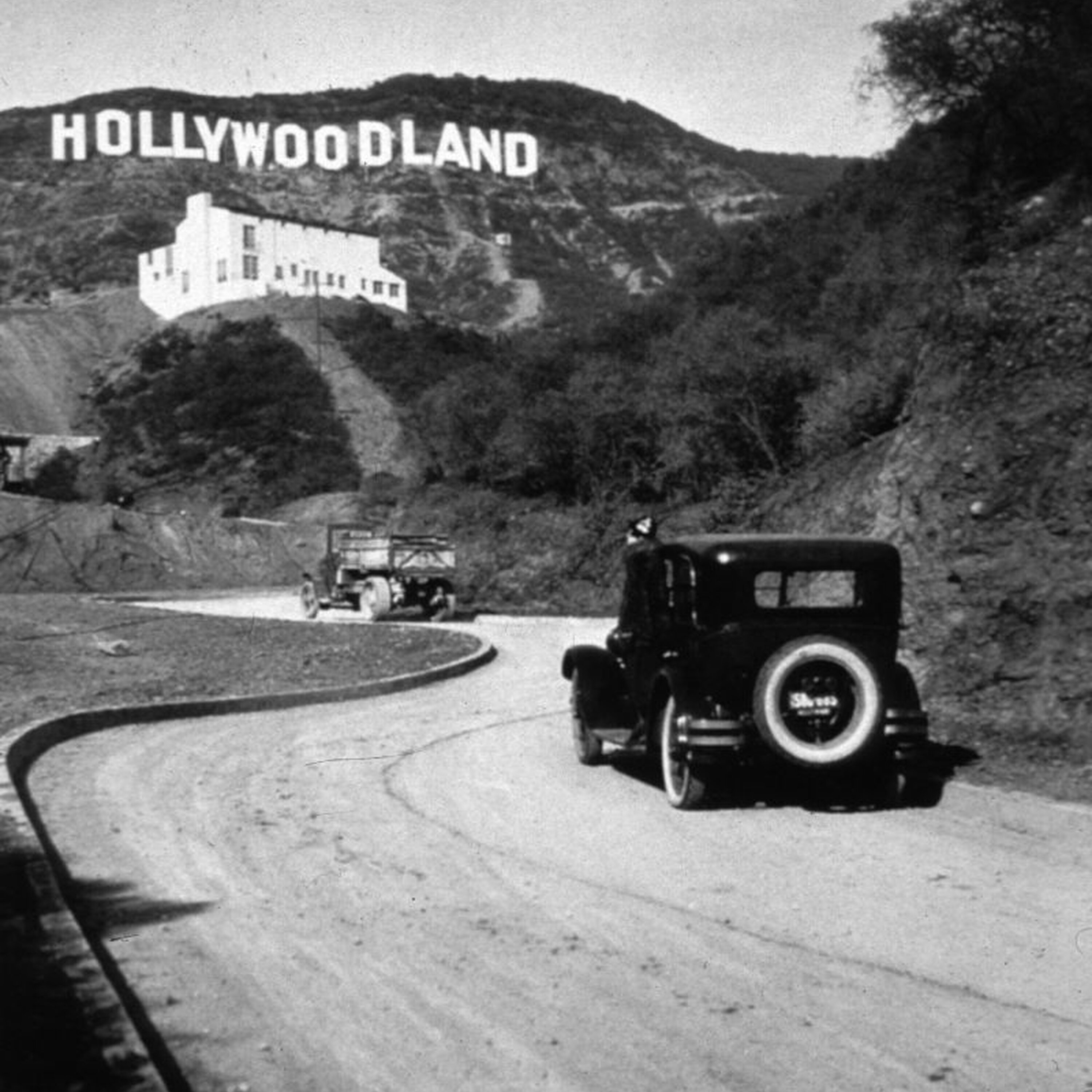
How Did Hollywood Survive the Great Depression?
Mar 2500:29:26Summary readyDuring the Great Depression, millions of Americans were out of work, but they still managed to make it to the movies. In fact, Hollywood didn't just survive one of our country's greatest economic downturns, it thrived. So how did movie studios stay afloat when audiences could barely afford food? And why did people keep buying movie tickets during one of the darkest economic periods in U.S. history? We dial up Rotten Tomatoes correspondent Mark Ellis to explore how Hollywood weathered the Great Depression and how this period changed filmmaking for rest of the 20th century. From the rise of sound films and lavish musicals to monster movies, gangster films, and sweeping epics like The Wizard of Oz and Gone with the Wind, film became a national escape during a difficult decade. It’s a historical look at Hollywood that resonates today with new threats (like AI and consolidation) constantly emerging. See omnystudio.com/listener for privacy information.
Summary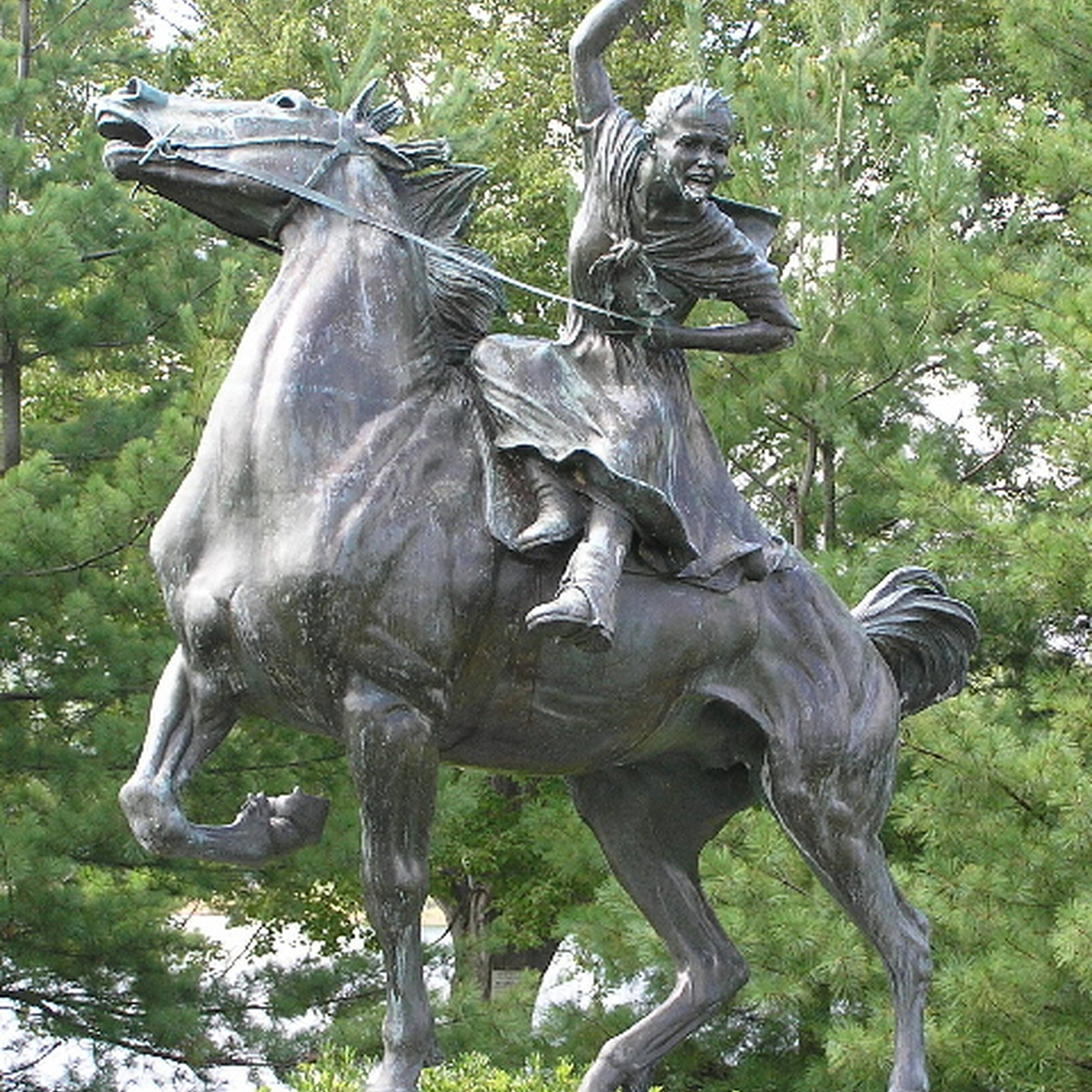
Sybil Ludington: 16-Year-Old Hero of the American Revolution
Mar 1800:30:24Summary readyShe was just 16 years old when she rode nearly 40 miles through the night rallying the militia as the British attacked during the American Revolution. Bob calls up Karen Romano Young (Sybil Ludington: Revolutionary War Hero) to get the story of Sybil Ludington. They explore what parts of her story are fact or fiction, and why she was nearly forgotten.See omnystudio.com/listener for privacy information.
Summary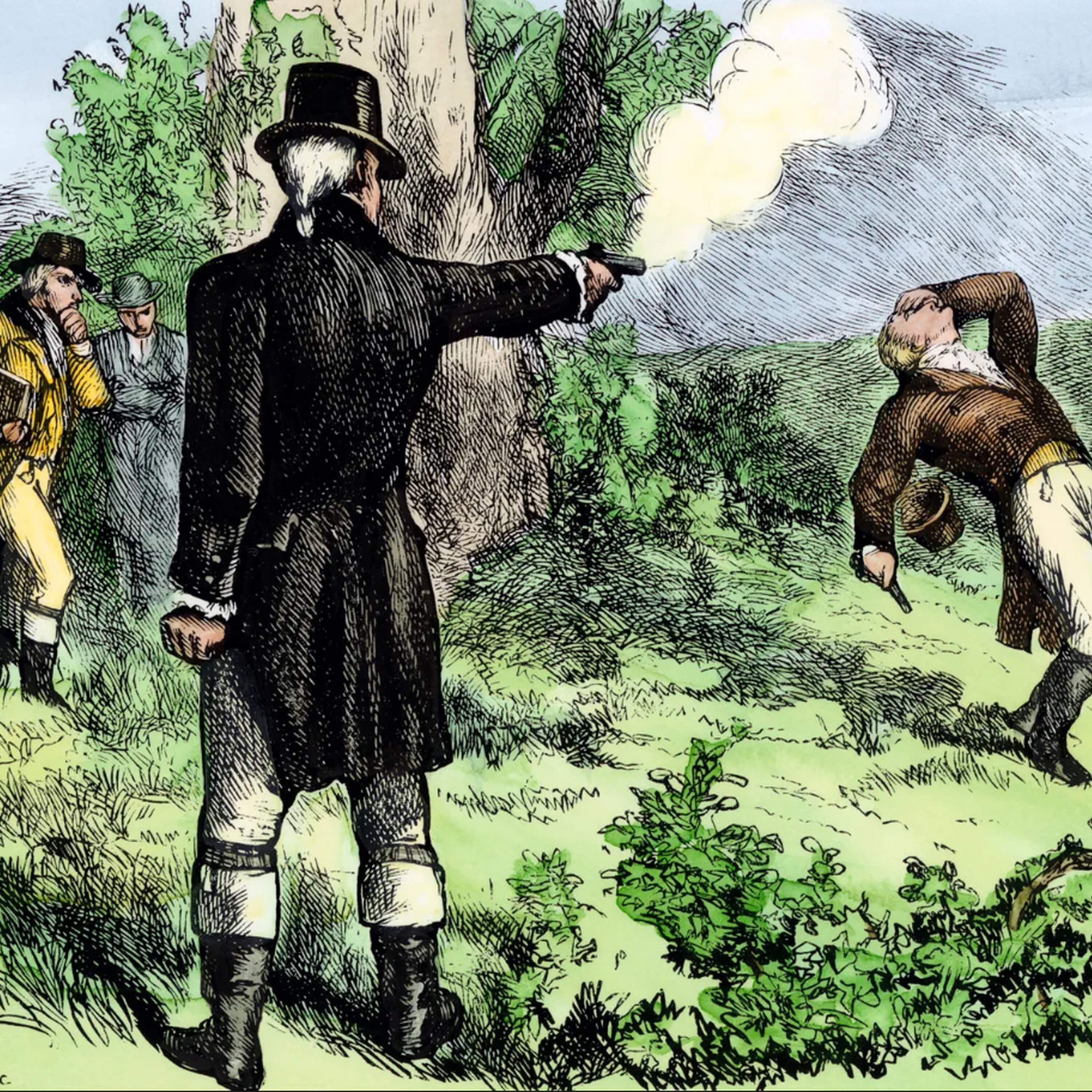
What Happened to Aaron Burr After He Killed Alexander Hamilton?
Mar 1100:40:34Summary readyIn 1804, Vice President Aaron Burr shot and killed Alexander Hamilton in the most infamous duel in American history. But what happened next? Did Burr face murder charges? Was he convicted? And why did he go full Gary Busey? (You'll have to listen to understand that reference!) Bob calls up Yale historian Joanne Freeman (The Essential Hamilton: Letters and Other Writings) to unpack the astonishing second act of Aaron Burr’s life. From criminal indictments to conspiracies, a treason trial and exile, the duel was just the beginning for Aaron Burr. See omnystudio.com/listener for privacy information.
Summary
Why Do We Spring Forward?
Mar 400:24:51Summary readyNo, Benjamin Franklin did not invent Daylight Saving Time. But he did muse about its practicality in a 1784 essay. So, if Franklin didn't invent DST, where did all this springing forward come from? Bob calls up Chad Orzel (A Brief History of Timekeeping: The Science of Marking Time, from Stonehenge to Atomic Clocks) to get to the bottom of this question. Oh, and don't forget to change your clocks on March 8th! See omnystudio.com/listener for privacy information.
Summary
Was Disney’s Balto a True Story?
Feb 2500:26:06Summary readyWas the Disney movie Balto actually based on a true story? A listener wants to know if this heroic snow dog was real—or just a Hollywood invention. To get answers, Bob calls up Dr. Nicole Burt of the Cleveland Museum of Natural History. It turns out, the real Balto is actually IN her museum. What?! Bob and Nicole dive into the truth behind one of the most beloved animated films of the 1990s by exploring the real 1925 serum run to Nome, Alaska. How did a deadly diphtheria outbreak create a hero sled dog? And what happened to Balto once the spotlight of fame dimmed? It’s an episode that will have you heading to Alaska and hop on a dog sled! Or, at least, pop in an old VHS of Disney’s Balto.See omnystudio.com/listener for privacy information.
Summary
Did Willy Wonka’s Creator Spy on America?
Feb 1800:41:56Summary readyRoald Dahl is a beloved children’s author. Turns out, he was also a British spy during WWII! So how does one transition from seducing prominent Americans’ wives to writing Matilda? Well, we’re glad you asked! We called up the creator of a new docu-series called The Secret World of Roald Dahl to get all the dirt on this famous children’s author. Aaron Tracy, Creator of The Secret World of Roald DahlSee omnystudio.com/listener for privacy information.
Summary
American History Hotline: A Washington & Lincoln Birthday Special!
Feb 1600:51:28Summary readyIn honor of President's Day, we're sharing some of the best conversations we've had about Honest Abe and General Washington. We speak with historian Alexis Coe (You Never Forget Your First: A Biography of George Washington) about George Washington myths, including whether or not his teeth were made of wood. We also speak with Julian Zelizer about which party Abraham Lincoln would belong to today. Check out Julian's Substack, The Long View. See omnystudio.com/listener for privacy information.
SummaryA Washington & Lincoln Birthday Special!
Feb 1600:51:28Summary readyIn honor of President's Day, we're sharing some of the best conversations we've had about Honest Abe and General Washington. We speak with historian Alexis Coe (You Never Forget Your First: A Biography of George Washington) about George Washington myths, including whether or not his teeth were made of wood. We also speak with Julian Zelizer about which party Abraham Lincoln would belong to today. Check out Julian's Substack, The Long View. See omnystudio.com/listener for privacy information.
Summary
America Loves Trains. Why Can’t We Build Them Anymore? Inside NYC’s Second Avenue Subway [from American History Hotline]
Feb 1300:34:35Summary readyIt takes decades to build a new subway line in the United States. Meanwhile, China is building entire high-speed rail networks in just a few years. So, how did America's once-great love of trains get derailed? We use New York City’s Second Avenue Subway as a test case to answer this bigger question: Why is building trains in America so hard compared to places like China? Bob calls up Dan McNichol, author of Second Avenue Subway: Building the Most Famous Thing Never Built in New York City, and transportation expert Joe Stanford to break down how the U.S. went from a rail-building powerhouse to a country where major transit projects feel nearly impossible. In this episode we bore deep into: America’s century-long struggle to complete the Second Avenue Subway China’s rapid expansion of subways and high-speed rail How politics, regulation, and Americans' LOVE for their cars shape infrastructure Why the cost of expanding passenger rail lines is so much higher in the U.S. (like, WAY higher) than in Europe and Asia All aboard! Next stop: a brief history of American rail. (Toot! Toot!) 🚂 See omnystudio.com/listener for privacy information.
Summary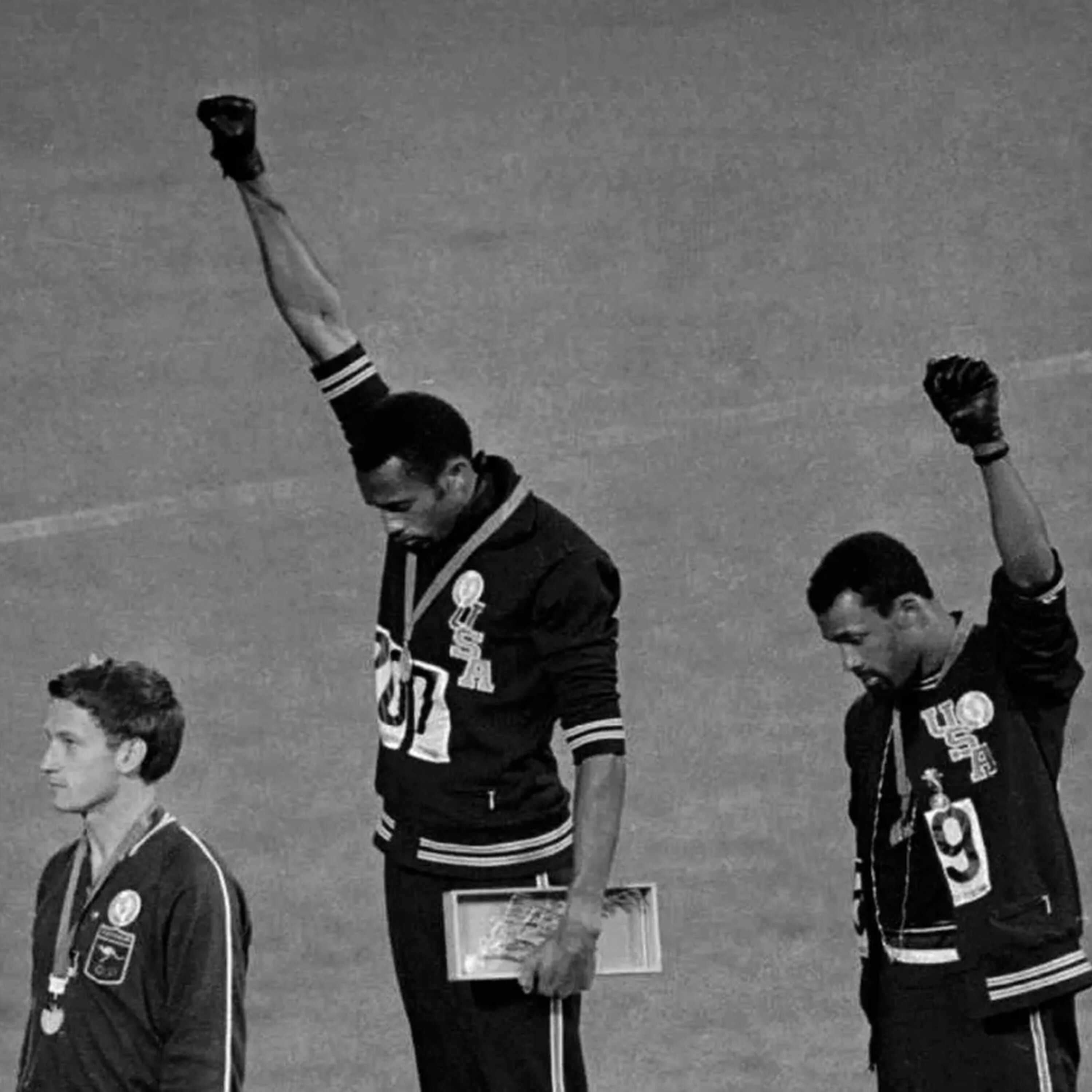
Are the Olympics an Appropriate Place for Protest?
Feb 1100:35:41Summary readyYou gotta keep 'em separated. That's a lot of people's opinion about mixing sports and politics. But as the world turns its eyes to Italy for the 2026 Winter Games, you have to wonder if this is the ideal place to make a political statement. To understand how acts of political activism have played out at the Olympics throughout history, we call up Jules Boykoff. He's the author of numerous books about the Olympics, including What are the Olympics For? So, are the Olympics fair game for protest? Or should athletes keep their eye on the ball ... or épée ... or curling stone? You get the point. See omnystudio.com/listener for privacy information.
Summary