Podcast
American History Hotline
Hosted by iHeartPodcasts · EN
Bob Crawford searches for the best historians and experts to answer listener questions about American history — from the Revolutionary War to rock & roll feuds. Got a question? Send it to AmericanHistoryHotline@gmail.com.
64episodes
Episodes
Newest firstAll episodes
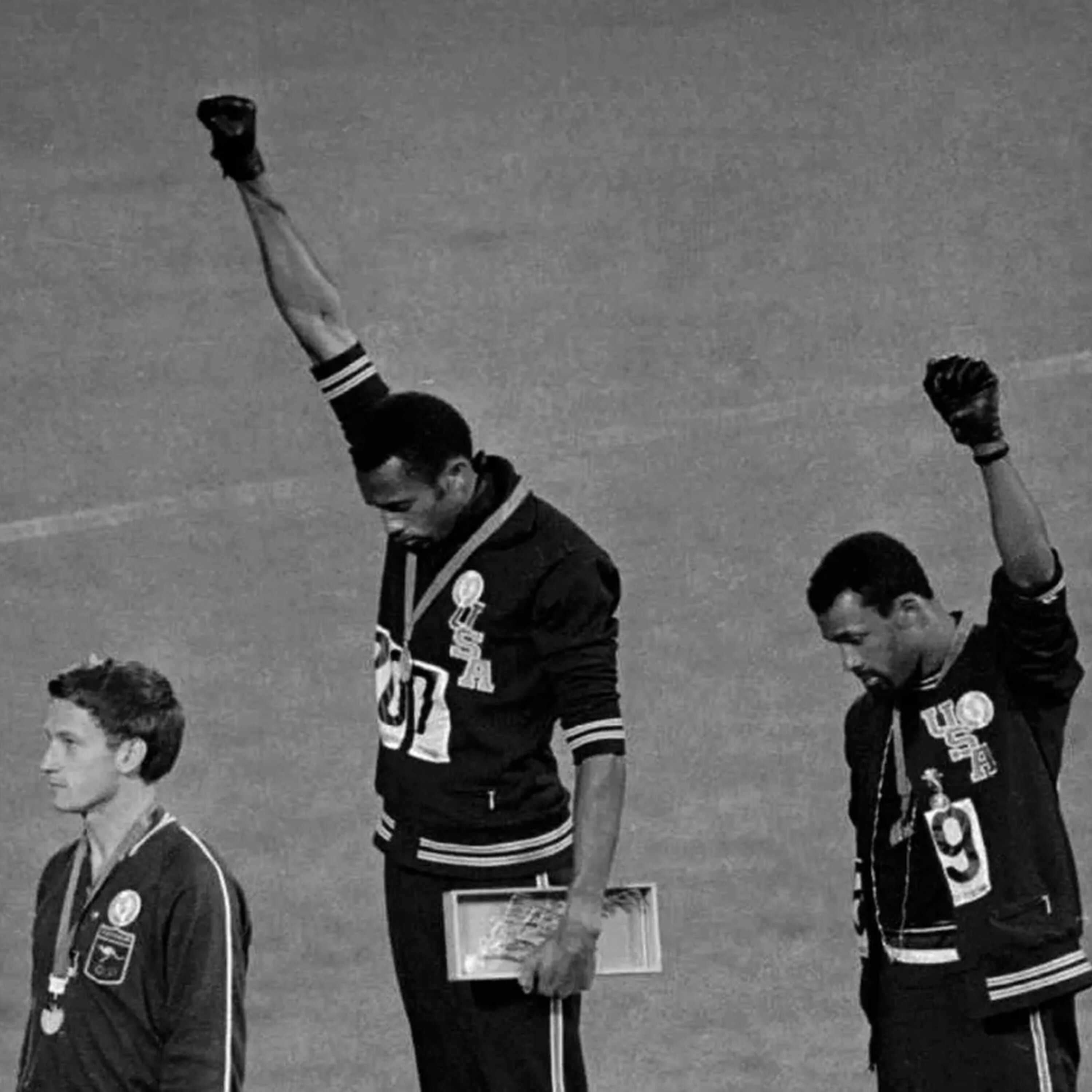
Are the Olympics an Appropriate Place for Protest?
Feb 1100:35:41Summary readyYou gotta keep 'em separated. That's a lot of people's opinion about mixing sports and politics. But as the world turns its eyes to Italy for the 2026 Winter Games, you have to wonder if this is the ideal place to make a political statement. To understand how acts of political activism have played out at the Olympics throughout history, we call up Jules Boykoff. He's the author of numerous books about the Olympics, including What are the Olympics For? So, are the Olympics fair game for protest? Or should athletes keep their eye on the ball ... or épée ... or curling stone? You get the point. See omnystudio.com/listener for privacy information.
Summary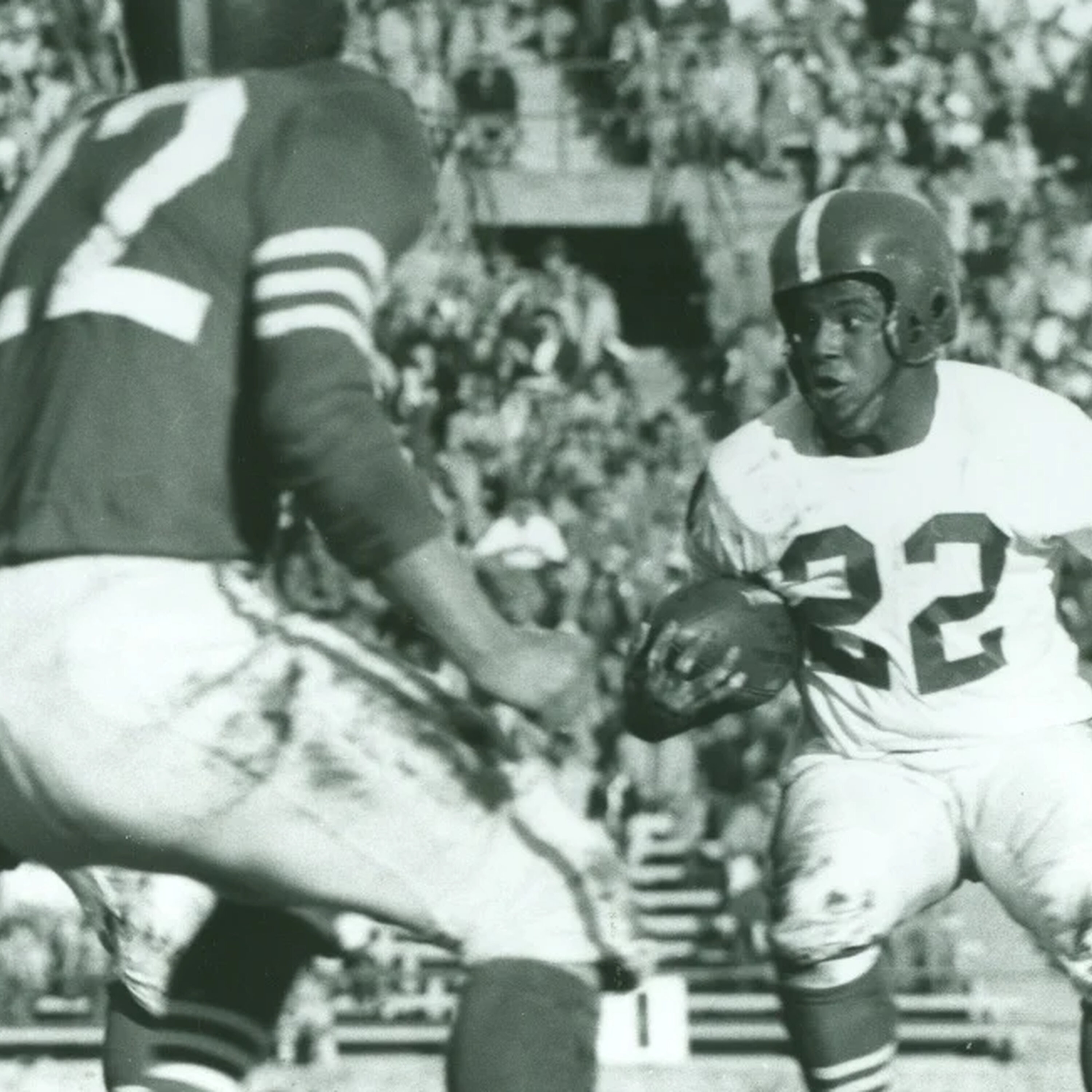
Who Integrated the NFL?
Feb 400:42:18Summary readyJackie Robinson broke the color barrier in baseball. That's a well known piece of history. But who integrated the NFL? Well, it's an amazing story with lots of binge drinking, miraculous comebacks and hot dog eating. Seriously. Just in time for the Super Bowl, we're calling up David Fleming, author of A Big Mess in Texas: The Miraculous, Disastrous 1952 Dallas Texans and the Craziest Untold Story in NFL History. He explains how one of the worst teams in NFL history shaped the game we know today. See omnystudio.com/listener for privacy information.
Summary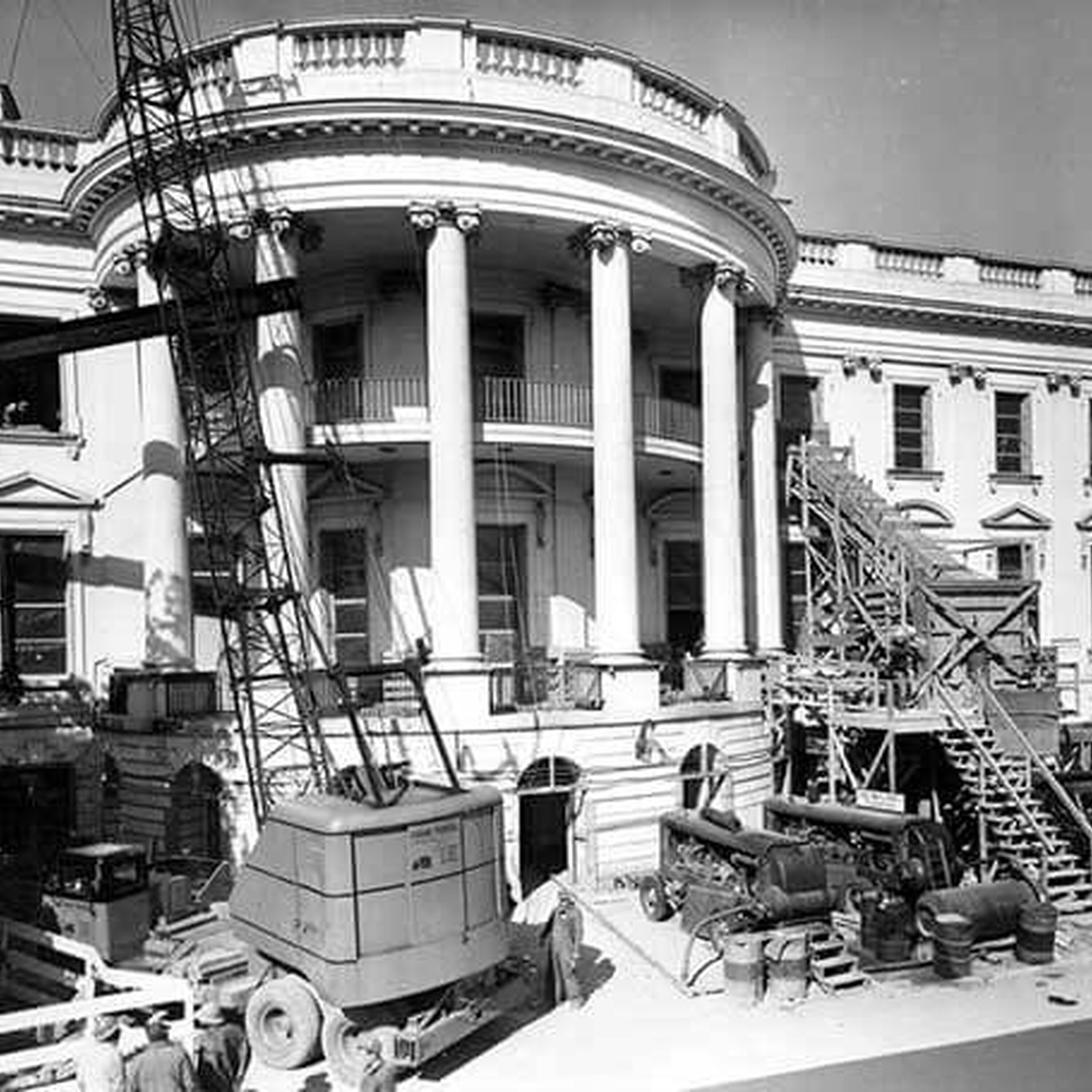
Can the President Tear Down the White House?
Jan 2800:42:55Summary readyWho owns the White House? Is it the American people or the person who lives inside of it — AKA, the president? If the President of the United States of America controls the White House, does ANYONE have say over what he does with it (we're looking at you, preservation societies and Congress)? Here to help us answer these questions (and weigh in on President Trump's renovations to the East Wing) is Robert Klara, author of The Hidden White House: Harry Truman and the Reconstruction of America’s Most Famous Residence See omnystudio.com/listener for privacy information.
Summary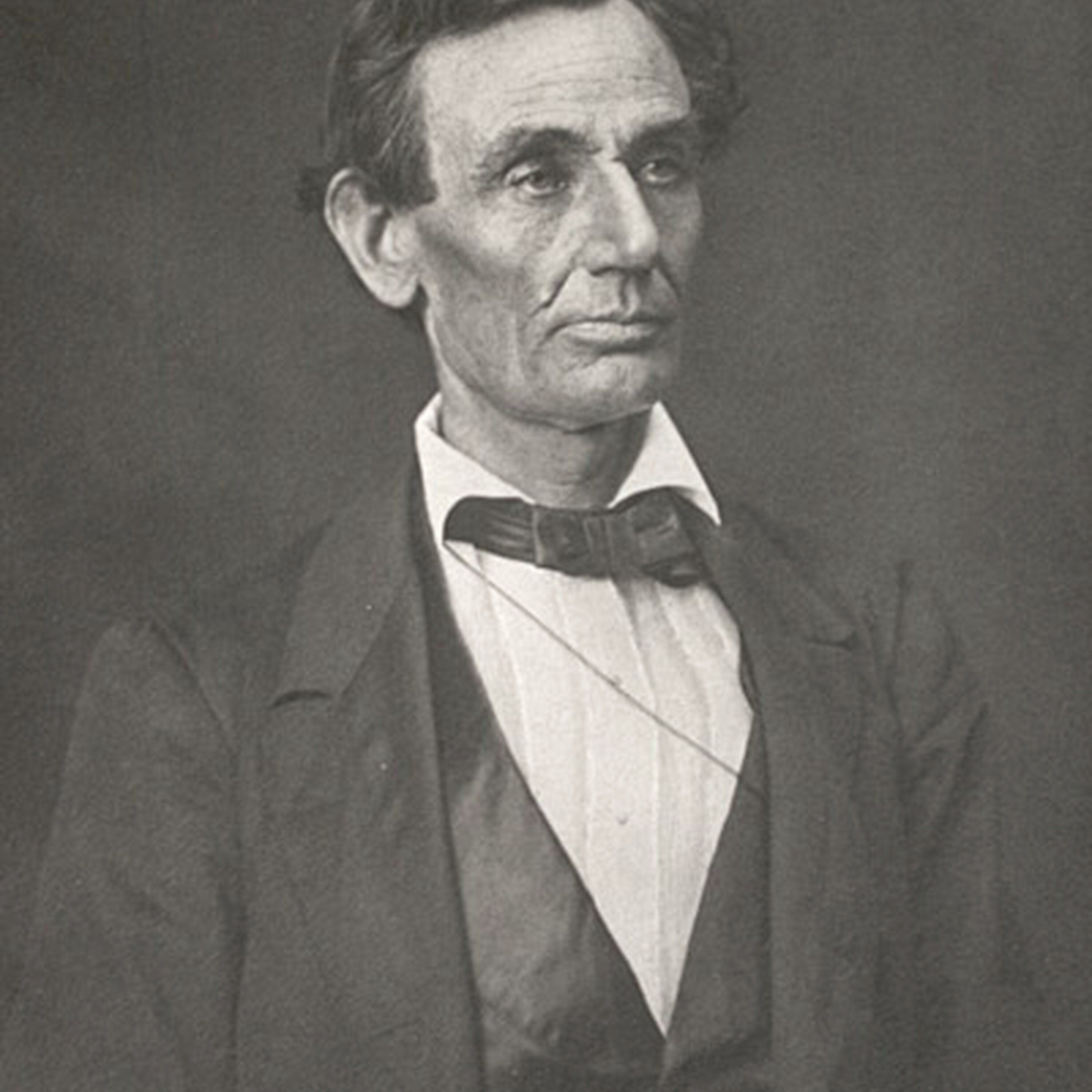
Abraham Lincoln Before the Presidency: What He Learned as a Lawmaker
Jan 2100:24:22Summary readyBefore he became president, Abraham Lincoln spent just one term in Congress. So how did "the best known two-time Senate loser in the country" become one of the greatest presidents in American history? Bob calls up historian and author Chris DeRose (Congressman Lincoln: The Making of America’s Greatest President) to help answer this question. Together, they explore how Lincoln's short stint on Capitol Hill shaped his presidency — from his early and consistent resistance to the expansion of slavery to his firsthand experience of seeing men kidnapped and sold into bondage. See omnystudio.com/listener for privacy information.
Summary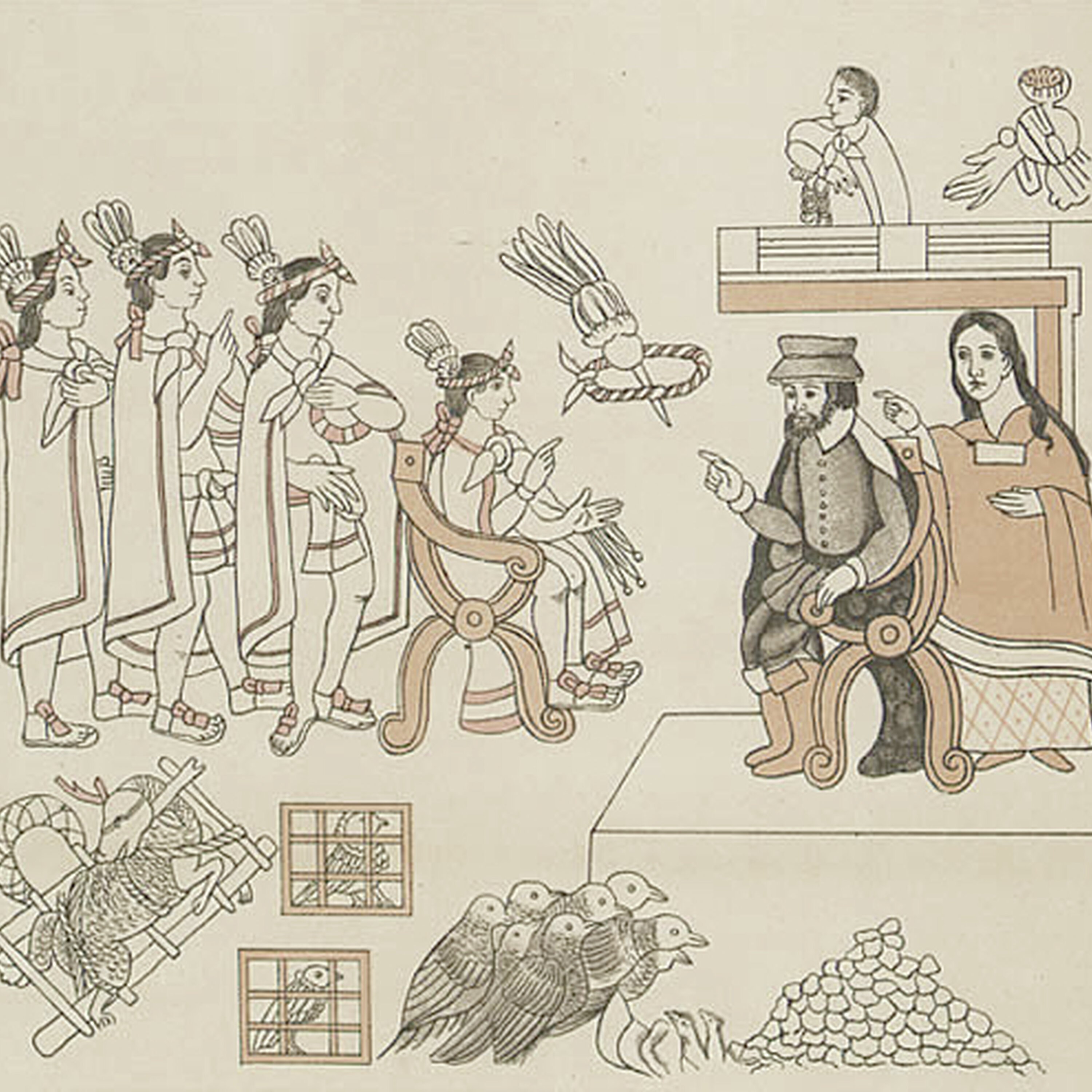
Did Montezuma Surrender? Debunking the Myth of the Spanish Conquest
Jan 1400:32:09Summary readyFor centuries, the story has been told the same way: Montezuma surrendered to Hernán Cortés, and a small band of Spaniards conquered the Aztec Empire. But that story has always seemed a bit ... fishy. To get the TRUE story, Bob calls up historian Matthew Restall to debunk one of the most enduring myths of the Spanish conquest of the Americas. As it turns out, when you dig into Indigenous sources a whole new story begins to emerge. Shocker, Montezuma did not surrender and Cortés was not viewed as a God-like figure. In this episode, we'll revisit the famous meeting between Montezuma and Cortés, unpack the legend that Europeans were mistaken for gods, and explore how Spanish self-promotion shaped the history books for hundreds of years. If you’ve ever wondered how a few hundred conquistadors were said to defeat an empire of millions — or why we’ve been telling this story the same way for 500 years — this episode offers a long-overdue reset.See omnystudio.com/listener for privacy information.
Summary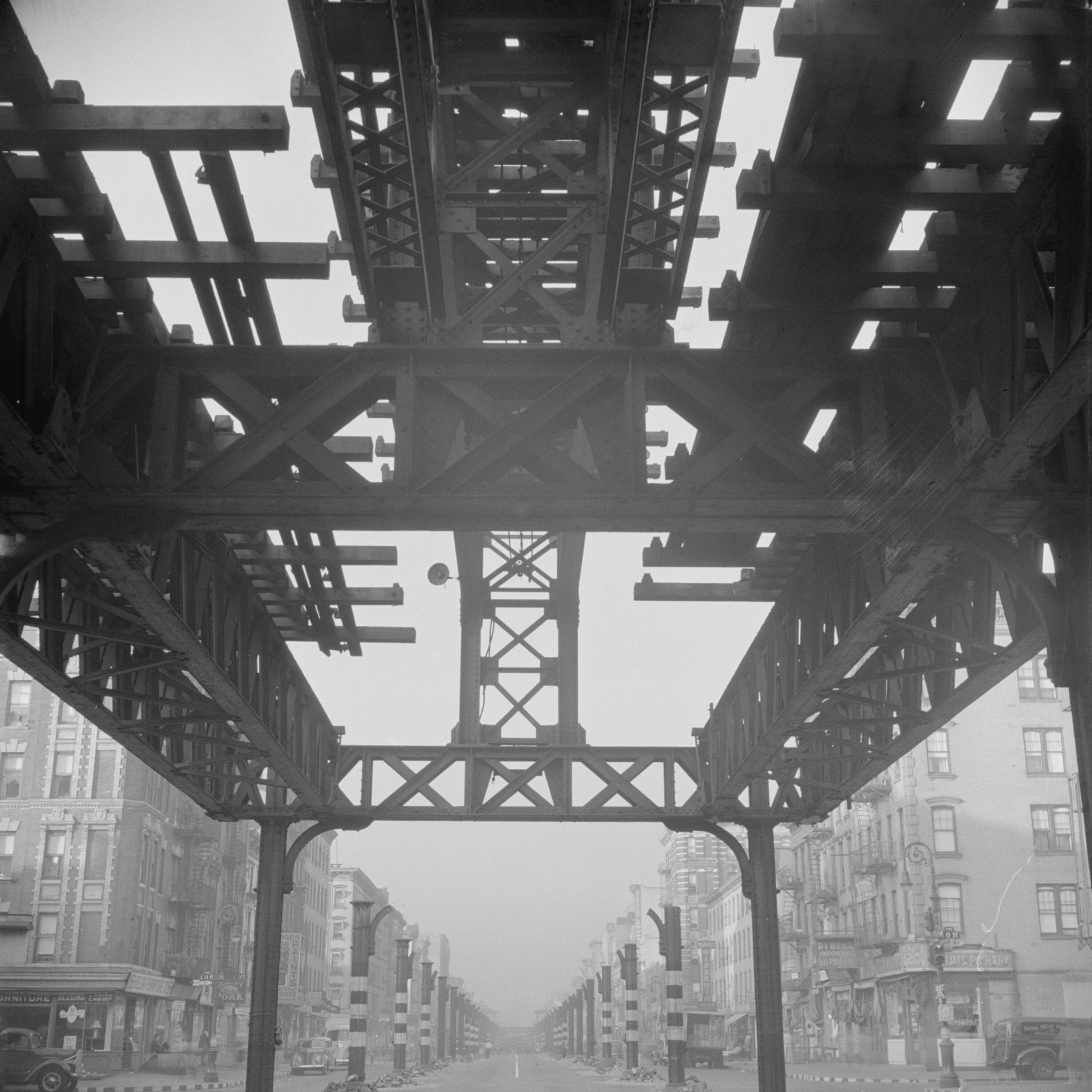
America Loves Trains. Why Can’t We Build Them Anymore? Inside NYC’s Second Avenue Subway
Jan 700:34:35Summary readyIt takes decades to build a new subway line in the United States. Meanwhile, China is building entire high-speed rail networks in just a few years. So, how did America's once-great love of trains get derailed? We use New York City’s Second Avenue Subway as a test case to answer this bigger question: Why is building trains in America so hard compared to places like China? Bob calls up Dan McNichol, author of Second Avenue Subway: Building the Most Famous Thing Never Built in New York City, and transportation expert Joe Stanford to break down how the U.S. went from a rail-building powerhouse to a country where major transit projects feel nearly impossible. In this episode we bore deep into: America’s century-long struggle to complete the Second Avenue Subway China’s rapid expansion of subways and high-speed rail How politics, regulation, and Americans' LOVE for their cars shape infrastructure Why the cost of expanding passenger rail lines is so much higher in the U.S. (like, WAY higher) than in Europe and Asia All aboard! Next stop: a brief history of American rail. (Toot! Toot!) 🚂 See omnystudio.com/listener for privacy information.
Summary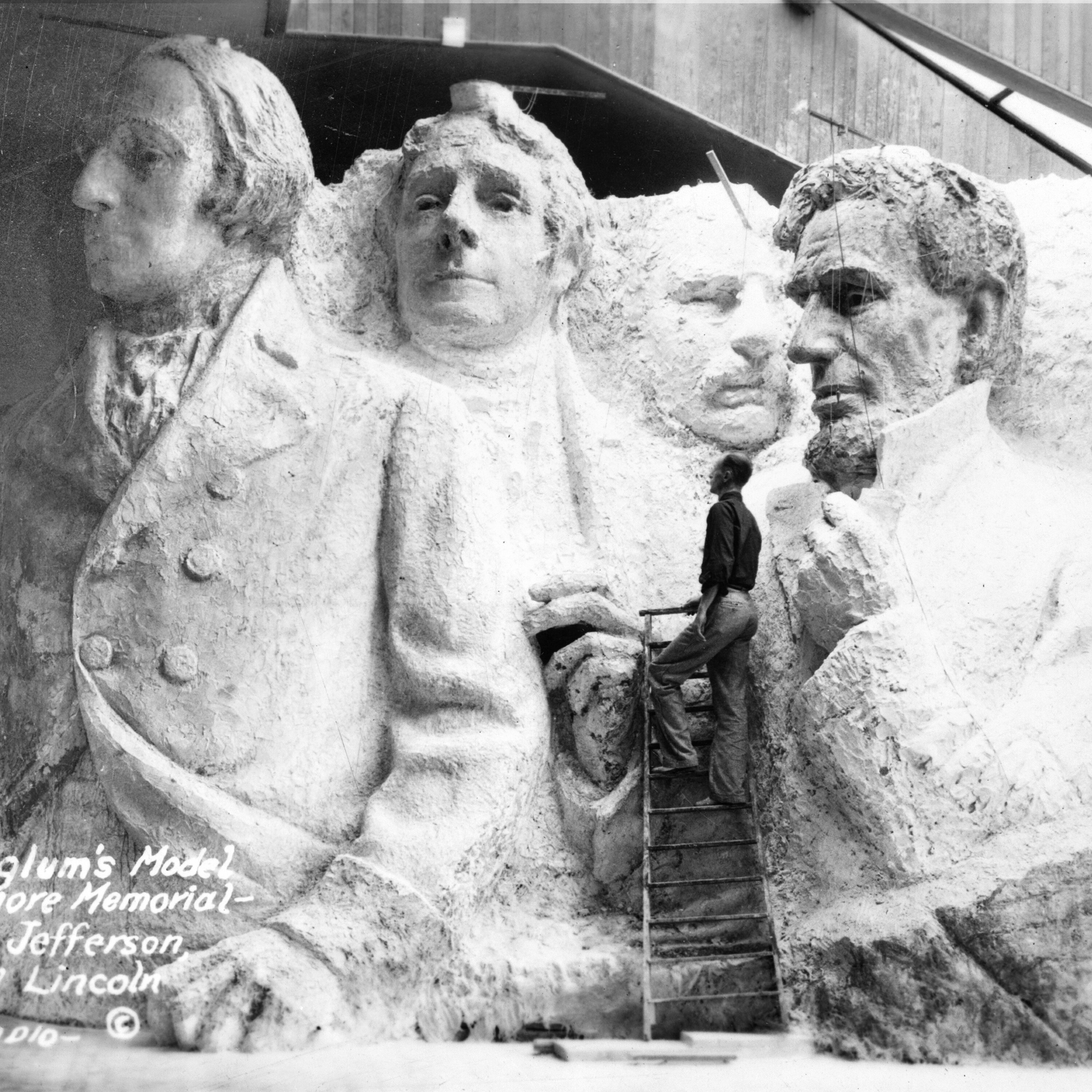
Can We Add a Fifth Face to Mount Rushmore? The History and Future of the Monument
Dec 3100:38:00Summary readyCould a new president ever be carved into Mount Rushmore? It depends on who you ask. We call up historian Matthew Davis (author of A Biography of a Mountain: The Making and Meaning of Mount Rushmore) to learn about the history of the monument and what its future might hold. It’s a story with a lot of surprising twists and turns, from the hills of Georgia to the sacred mountains of South Dakota. How does Mount Rushmore reflect America’s battles over who and what America chooses to celebrate? In this episode, you’ll learn: Why Mount Rushmore was carved, and who originally inspired the project The forgotten faces and ideas that never made it onto the mountain How Indigenous history and land rights shape Rushmore’s legacy Whether a future president could legally (or physically) be added GUEST: Matthew Davis, author of A Biography of a Mountain: The Making and Meaning of Mount RushmoreSee omnystudio.com/listener for privacy information.
Summary
Are These Really the Best Movies of the 21st Century? Debating the NYT’s Top 100
Dec 2400:29:10Summary readyWhat is the greatest movie of the 21st century? The New York Times says it’s Parasite, but not everyone agrees. We call up Rotten Tomatoes correspondent Mark Ellis to debate the NYT’s list of the 100 Best Movies of the 21st Century and explore how cinema has changed in the past 25 years. Mark says it’s an era of “hopeless films in a time of hopelessness.” Grab some popcorn and silence your phone (unless you’re using it to play this podcast) and sit back as we tear this list apart. What do you think of NYT’s list? Share your thoughts by emailing AmericanHistoryHotline@gmail.com Oh, and here’s our watchlist if you’re looking for a good film: Spider-Man: Into the Spider-Verse Predator: Badlands Spirited Away Weapons Creed Spotlight Marty SupremeSee omnystudio.com/listener for privacy information.
Summary
Death by Lightning: What Netflix Got Right (and Wrong) About a Presidential Assassination
Dec 1700:55:04Summary readyNetflix’s Death by Lightning is gripping, dramatic and TRUE. Or is it? We call up historian and New York Times bestselling author Alexis Coe for a lightning round fact check of Netflix’s new James A. Garfield series Death by Lightning. What does the series gets right? What does it bend for dramatic effect? And how does it rank compared to other presidential biopic(esque) series? We'll hit all the highlights: The assassination of President James A. Garfield The portrayal of Chester A. Arthur by Nick Offerman Political corruption 19th century medicine Should we have more stories about obscure presidents? Did you have thoughts on the series? Send your thoughts to AmericanHistoryHotline@gmail.com See omnystudio.com/listener for privacy information.
Summary
Was Johnny Appleseed a Real Person? The Man Behind the Myth
Dec 1000:32:48Summary readyWas Johnny Appleseed a real person or just another American tall tale? We get to the core of the issue with author William Kerrigan (Johnny Appleseed and the American Orchard: A Cultural History) to see how one man's true story inspired an enduring folk legend. In this episode Bob and William explore how John Chapman's religious revival led him to pioneer apple nurseries across Pennsylvania and Ohio. Just like some hybrid apples, Chapman was a mix of naturalist and capitalist. He bought vast tracts of land for apple orchards but believed in America’s lost simplicity and a connection to nature. So, kick off your shoes and put a pot on your head as we travel around spreading seeds of knowledge. GUEST: William Kerrigan, author of Johnny Appleseed and the American Orchard: A Cultural HistorySee omnystudio.com/listener for privacy information.
Summary