Podcast
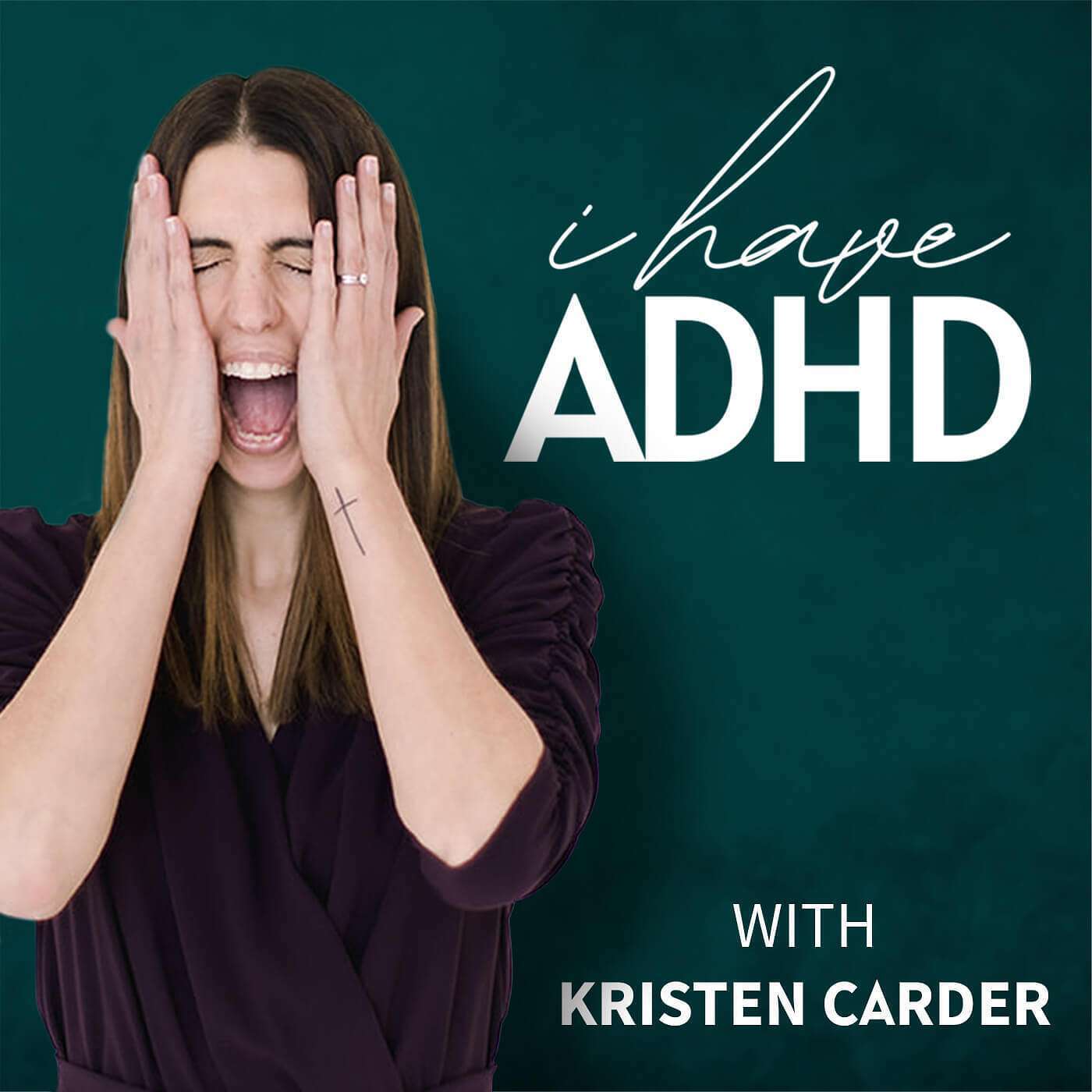
I Have ADHD Podcast
Hosted by Kristen Carder · EN
The I Have ADHD Podcast is a clear, concise, and FUN podcast for adults with ADHD. Listen to learn about how ADHD impacts every area of your life from the boardroom to the bedroom...and how you can begin to overcome your symptoms by accepting who you are, flaws and all.
Host Kristen Carder is a dually certified coach who has supported thousands of people with ADHD worldwide. Kristen's extensive experience working with ADHDers began in 2012, and she now leads a global community of adults with ADHD in her coaching program, FOCUSED.
****OBVIOUSLY, the content in this podcast is not meant to be a substitute for medical advice. Kristen Carder is not a medical professional.
127episodes
Episodes
Newest firstAll episodes
Why ADHD Is So Hard to Explain (and Why It Matters)
Jan 1500:20:37Summary readyLove this clip? Check out the full episode: Episode #329: ADHD 101 For Neurotypicals: Why Your Loved Once Struggles With The 'Easy Stuff.'Listen to the full conversation in the original episode HERE.See Privacy Policy at https://art19.com/privacy and California Privacy Notice at https://art19.com/privacy#do-not-sell-my-info.
Summary368 The Hidden Wound of ADHD: Emotional Loneliness at Home with Dr. Lindsay Gibson
Jan 1201:03:19Summary readyMy guest today is Dr. Lindsay Gibson, author of Adult Children of Emotionally Immature Parents and Recovering from Emotionally Immature Parents.You probably saw Dr. Gibson everywhere in 2025...even on Oprah...but LET THE RECORD SHOW: you heard her here first!This interview originally aired in March 2023, and I’m bringing it back because her work continues to resonate deeply with adults with ADHD.In this episode, we explore why so many ADHD adults grew up feeling physically cared for—but emotionally alone. This is not a parent-shaming conversation. It’s about clarity, compassion, and naming invisible dynamics so you can stop blaming yourself for struggles that were never yours to fix.What You’ll LearnWhy emotional loneliness is a defining experience for many adult childrenWhat “emotional immaturity” actually looks like in parentsHow people-pleasing, caretaking, and guilt develop as survival strategiesWhy setting boundaries often triggers backlash—and how to respondHow guilt can be a sign of emotional coercion, not wrongdoingWhat it means to emotionally disengage and reclaim space for yourselfIf you’ve ever felt like you’re the problem in your family, struggled with guilt around boundaries, or exhausted yourself managing other people’s emotions—this episode is for you.Adult Children of Emotionally Immature Parents — Dr. Lindsay GibsonRecovering from Emotionally Immature Parents — Dr. Lindsay Gibsondrlindsaygibson.comWatch this episode on YouTubeWant help with your ADHD? Join FOCUSED!Have questions for Kristen? Call 1.833.281.2343Hang out with Kristen on Instagram and TikTokSee Privacy Policy at https://art19.com/privacy and California Privacy Notice at https://art19.com/privacy#do-not-sell-my-info.
Summary367 BITESIZE | The Exact Executive Functions Behind ADHD Time Blindness
Jan 800:17:53Summary readyLove this clip? Check out the full episode: Episode #332: Stop Adding to the Planner Graveyard: One Tool to Improve ADHD Time Blindness NOWListen to the full conversation in the original episode HERE.See Privacy Policy at https://art19.com/privacy and California Privacy Notice at https://art19.com/privacy#do-not-sell-my-info.
Summary366 Five Things Doctors Still Get Wrong About ADHD
Jan 600:52:50Summary readySign up for my free class REJECTION SENSITIVITY 101 here!In this episode, I’m breaking down five research-backed facts about ADHD that should fundamentally change how we think about diagnosis, medication, and long-term care. These aren’t hot takes. They’re uncomfortable truths.Here’s what we’re covering:• 80% of people stop ADHD medication within the first year—not because it “didn’t work,” but because the system failed them• Diagnostic criteria are still wildly outdated, especially for adults, women, and older adults• Many people seek diagnosis because someone else pushes them to, which makes staying in treatment much harder• The “antibiotic fantasy” of ADHD treatment—why trying meds once and quitting is almost guaranteed to fail• Too many clinicians treating ADHD aren’t properly trained, creating shame, confusion, and poor outcomesThis episode is about naming what’s broken—so you can advocate for better care, better information, and better support.If you have ADHD, love someone who does, or work with ADHD clients or patients… this is required listening.Watch this episode on YouTubeWant help with your ADHD? Join FOCUSED!Have questions for Kristen? Call 1.833.281.2343Hang out with Kristen on Instagram and TikTokSee Privacy Policy at https://art19.com/privacy and California Privacy Notice at https://art19.com/privacy#do-not-sell-my-info.
Summary365 BITESIZE | Career Change with ADHD
Jan 100:15:51Summary readyLove this clip? Check out the full episode: Episode #328: Did You Waste Your Summer? Here’s Your ‘August Panic’ Survival GuideListen to the full conversation in the original episode HERE.See Privacy Policy at https://art19.com/privacy and California Privacy Notice at https://art19.com/privacy#do-not-sell-my-info.
Summary364 From Walking on Eggshells to Walking in Self-Trust
Dec 3001:02:49Summary readyClick here to join me for Rejection Sensitivity 101: Understanding It. Soothing It. Healing It. If you’ve ever felt constantly on edge in your relationships—reading into tone changes, bracing for rejection, or waiting for the other shoe to drop—this episode is for you.Today, I’m unpacking rejection sensitivity: why it shows up so strongly for ADHDers, how it gets wired into the nervous system, and what it actually looks like to heal it in real life.I share a clear before-and-after from my own marriage—how I used to interpret neutral moments as danger, and how learning to regulate my nervous system completely changed the way I show up in relationship.You’ll learn:Why rejection sensitivity isn’t you being “too sensitive,” but your nervous system doing its jobHow ADHD intensifies rejection sensitivityWhat keeps old “walking on eggshells” patterns alive in safe adult relationshipsThe four shifts that helped me move from fear and reassurance-seeking to grounded self-trustHow to tell the difference between real rejection, perceived rejection, and someone else’s bad dayHealing rejection sensitivity doesn’t make you bulletproof—it makes you discerning. It helps you stop treating safe people like they’re dangerous and start trusting yourself instead of the emotional weather of others.You don’t have to walk on eggshells forever.Self-trust is learnable. Emotional steadiness is learnable.And your relationships can become places of safety—not fear.Watch this episode on YouTubeWant help with your ADHD? Join FOCUSED!Have questions for Kristen? Call 1.833.281.2343Hang out with Kristen on Instagram and TikTokGo to drinkag1.com/ihaveadhd toUnlock 7 free gifts worth $126 during DecemberSee Privacy Policy at https://art19.com/privacy and California Privacy Notice at https://art19.com/privacy#do-not-sell-my-info.
Summary363 BITESIZE | The Unsexy Truth About Accommodating Neurodivergent Kids
Dec 2500:12:59Summary readyLove this clip? Check out the full episode: Episode #327: We Threw Out The Rulebook: How We're Raising Our Neurodivergent Kids With Greg CarderListen to the full conversation in the original episode HERE.See Privacy Policy at https://art19.com/privacy and California Privacy Notice at https://art19.com/privacy#do-not-sell-my-info.
Summary362 The Science of ADHD Sleep: Circadian Rhythms, Sunlight, and Why You’re So Tired
Dec 2300:54:32Summary readyIf you have ADHD and sleep feels like a constant struggle, you’re not imagining it—and you’re definitely not alone. Research shows that 70–80% of adults with ADHD have chronic sleep problems, most commonly falling asleep too late and being unable to shift earlier, no matter how hard they try. For many of us, this pattern starts in childhood and is deeply tied to our biology.In this solo episode, I explain why ADHD brains are wired for later sleep, how “social jetlag” (early school and work schedules) creates ongoing sleep debt, and why so many ADHD adults are surviving on 5–6 hours of sleep when our brains actually need more. The tricky part? The symptoms of sleep deprivation—poor focus, low motivation, memory issues, irritability, and emotional dysregulation—look almost identical to ADHD itself.We dive into chronotherapy, a science-based approach that works with your circadian rhythm instead of fighting it. I break down how light exposure, strategic timing, and gentle sleep-wake adjustments can help regulate your internal clock without perfectionism or rigid routines.And yes—we talk about sunlight. Morning light is one of the most powerful (and overlooked) tools for ADHD regulation. I share how light therapy glasses, sun lamps, melatonin, and intentional light exposure can support better sleep, better focus, and a calmer nervous system overall.If you’ve been blaming yourself for sleep issues your brain never signed up for, this episode offers clarity, compassion, and a much more realistic path forward.Watch this episode on YouTubeWant help with your ADHD? Join FOCUSED!Have questions for Kristen? Call 1.833.281.2343Hang out with Kristen on Instagram and TikTokGo to drinkag1.com/ihaveadhd to unlock 7 free gifts worth $126 during DecemberSee Privacy Policy at https://art19.com/privacy and California Privacy Notice at https://art19.com/privacy#do-not-sell-my-info.
Summary361 BITESIZE | Why Resentment Builds—and What to Do Instead
Dec 1800:14:42Summary readyLove this clip? Check out the full episode: Episode #326: ADHD Nearly Broke Us — How We're Still Standing After 21 Years With Greg CarderListen to the full conversation in the original episode HERE.See Privacy Policy at https://art19.com/privacy and California Privacy Notice at https://art19.com/privacy#do-not-sell-my-info.
Summary360 I Almost Lost a Huge Opportunity to Rejection Sensitivity (But Here’s How I Came Back)
Dec 1600:53:35Summary readyIt’s been a while since we dropped a solo episode, and today I’m sharing something personal, vulnerable, and—honestly—encouraging. Because even after twenty years of living with ADHD and five years of deep healing work, rejection sensitivity still shows up for me. The difference now? I know how to support myself through it.In this episode, I share an update on my book (spoiler: I'm almost done writing!), answer a listener voicemail, share a helpful resource, and then take you behind the scenes of a recent rejection-sensitivity spiral that almost kept me from attending (and speaking at!) the CHADD conference. I walk you through exactly how I navigated the emotional storm—step by step—so I could do the work I’m meant to do.This isn’t a story about never feeling big feelings again. It’s a story about what becomes possible when we learn to move through them with skill, compassion, and self-trust.If you’ve ever wondered whether you’ll “grow out of” rejection sensitivity or if you’ll always be derailed by it, this episode is a reassuring reminder: RS may not disappear, but your capacity to handle it absolutely can grow.Brick Code: https://www.getbrick.app/KRISTEN37887Watch this episode on YouTubeWant help with your ADHD? Join FOCUSED!Have questions for Kristen? Call 1.833.281.2343Hang out with Kristen on Instagram and TikTokGo to drinkag1.com/ihaveadhd to unlock 7 gifts worth $126 during December.See Privacy Policy at https://art19.com/privacy and California Privacy Notice at https://art19.com/privacy#do-not-sell-my-info.
Summary