
Podcast
Modern Love
Hosted by The New York Times · EN
For more than 20 years, the Modern Love column has given New York Times readers a glimpse into the complicated love lives of real people. Since its start, the column has evolved into a TV show, three books and a podcast.
Each week, host Anna Martin brings you stories and conversations about love in all its glorious permutations, dumb pitfalls and life-changing moments. New episodes every Wednesday.
Subscribe today at nytimes.com/podcasts or on Apple Podcasts and Spotify. You can also subscribe via your favorite podcast app here https://www.nytimes.com/activate-access/audio?source=podcatcher. For more podcasts and narrated articles, download The New York Times app at nytimes.com/app.
132episodes
Episodes
Newest firstAll episodes
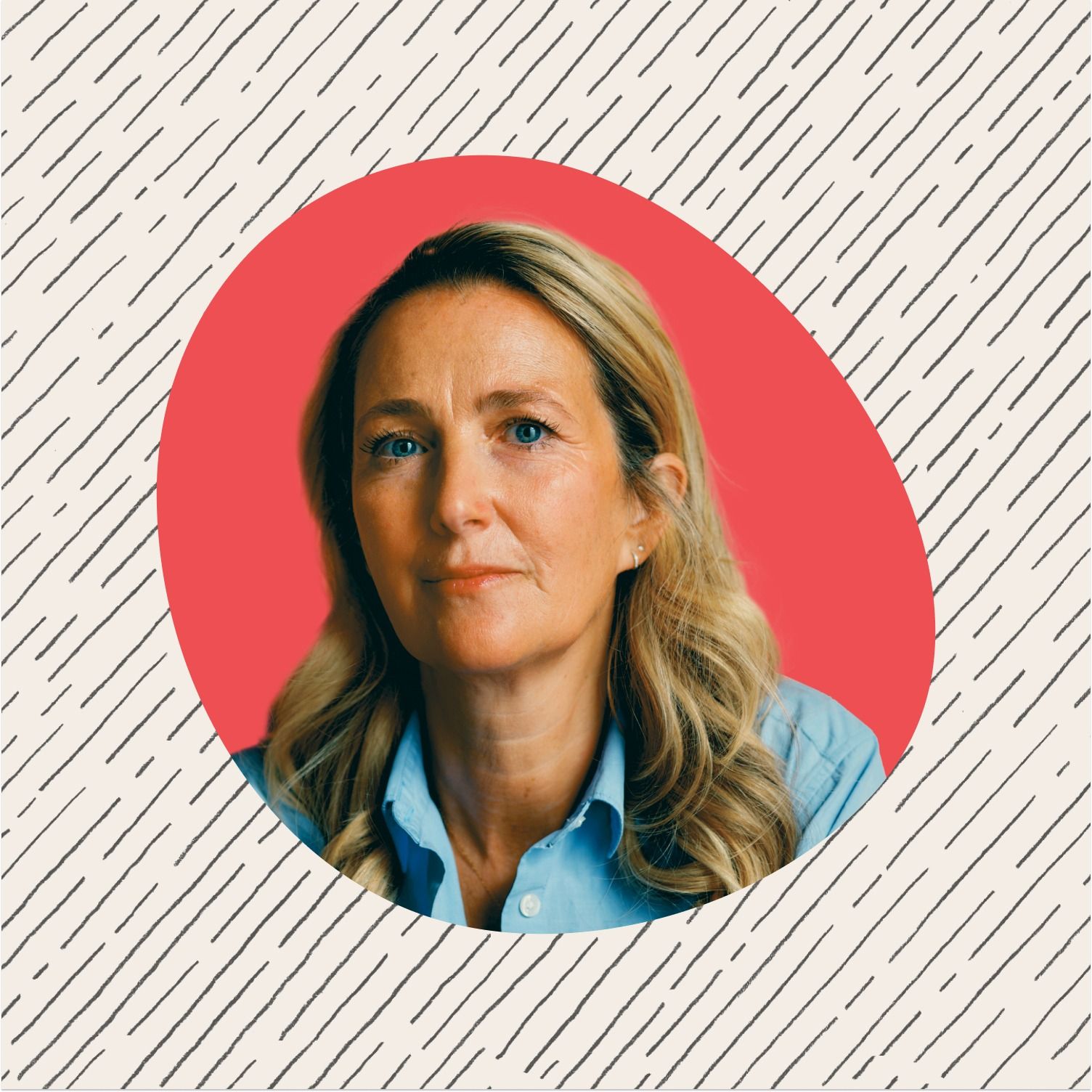
Was I Married To A Stranger?
Jan 1400:55:10Summary readyBelle Burden was living the kind of life most can only dream of. Born into a wealthy New York family, she married a dashing attorney who had swept her off her feet. The couple had a beautiful apartment in Manhattan, a summer house on Martha’s Vineyard, three children, and what Belle thought was a happy marriage.Then, after 20 years, with no warning, her husband told her he wanted a divorce. Belle remembers him saying, “You can have custody of the kids, you can have the house and the apartment. I don't want any part of this life anymore.” In a moment, he became a stranger to her.As Belle tried to understand the disintegration of her marriage, she made a decision that surprised people close to her: she shared her story with the world. In 2023, she published a Modern Love essay about her experience. Her new book, “Strangers: a Memoir of Marriage,” reveals more of her story.On today’s episode, Belle Burden talks about the abrupt and difficult end to her marriage, and how that led her to the start of a new life.How to submit a Modern Love Essay to the New York TimesHow to submit a Tiny Love Story Subscribe today at nytimes.com/podcasts or on Apple Podcasts and Spotify. You can also subscribe via your favorite podcast app here https://www.nytimes.com/activate-access/audio?source=podcatcher. For more podcasts and narrated articles, download The New York Times app at nytimes.com/app. Hosted by Simplecast, an AdsWizz company. See pcm.adswizz.com for information about our collection and use of personal data for advertising.
Summary
Want to have better sex this year? Here’s how.
Jan 700:41:12Summary readyDo you think you could be having better sex? Are you confident you know what really turns you on? What makes your body feel good? How do you communicate about it? Nicole McNichols wants everyone to be asking these questions.Dr. McNichols is a psychology professor at the University of Washington, where she teaches a class on human sexuality to over 4,000 students a year. She has immersed herself in decades of research on what makes a good, fulfilling sex life — and she has the data to back it up. Her new book, “You Could Be Having Better Sex,” is full of practical tips, backed by science, on how to have truly fulfilling sex.On this week’s episode of “Modern Love,” Dr. McNichols explains the most common misunderstandings people have about sex and shares practical advice for how to level up your sex life.What’s the most romantic thing that has ever happened to you? What’s the most romantic thing you’ve ever seen? If something made you feel that rush of romance, send us a voice memo, and we may use it on the show. Check out our submission page to learn more.How to submit a Modern Love Essay to the New York TimesHow to submit a Tiny Love Story Subscribe today at nytimes.com/podcasts or on Apple Podcasts and Spotify. You can also subscribe via your favorite podcast app here https://www.nytimes.com/activate-access/audio?source=podcatcher. For more podcasts and narrated articles, download The New York Times app at nytimes.com/app. Hosted by Simplecast, an AdsWizz company. See pcm.adswizz.com for information about our collection and use of personal data for advertising.
Summary
Andrew Garfield Wants to Crack Open Your Heart (Encore)
Dec 2400:48:49Summary readyThis emotional interview with the actor Andrew Garfield is a listener favorite. In it, Garfield talks about his 2024 film “We Live in Time,” in which he plays a newly divorced man named Tobias who falls in love with a chef named Almut, played by Florence Pugh. Their story feels epic and expansive, but still intimate. It focuses on the small, everyday moments that make up a love story: washing dishes together after a dinner party, sharing biscuits, smelling fruit at a farmers’ market. These are the moments that sustain the couple through Almut’s excruciatingly difficult medical crisis.Garfield tells Anna Martin, host of “Modern Love,” why this film about the intertwined nature of joy and grief came into his life at just the right moment, and gives an unexpectedly raw reading of Chris Huntington’s essay “Learning to Measure Time in Love and Loss.”"Modern Love" will return on Jan. 7 with all new episodes. Subscribe today at nytimes.com/podcasts or on Apple Podcasts and Spotify. You can also subscribe via your favorite podcast app here https://www.nytimes.com/activate-access/audio?source=podcatcher. For more podcasts and narrated articles, download The New York Times app at nytimes.com/app. Hosted by Simplecast, an AdsWizz company. See pcm.adswizz.com for information about our collection and use of personal data for advertising.
Summary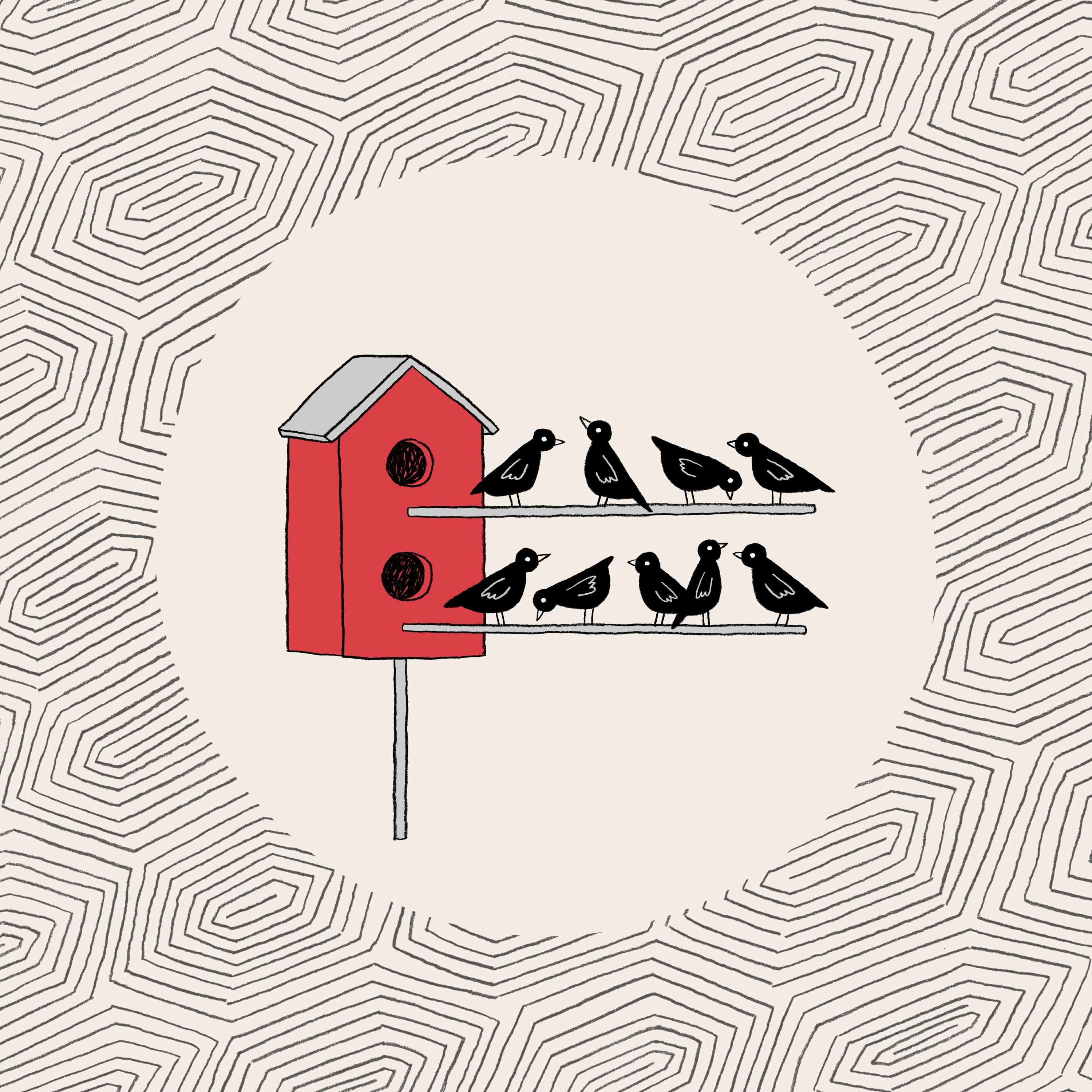
I Cashed Out My 401(k) to Build a Women’s Only Retirement Community
Dec 1700:27:58Summary readyWhen it came time to retire, Robyn Yerian didn’t feel like she had enough money saved. She didn’t want to depend on her children or end up in a nursing home, so she cashed out what she had in her 401(k) and bought a plot of land in East Texas. She built spots for tiny homes and called the area the Bird’s Nest. Over time, the Bird’s Nest has become home to a community of women who are rethinking retirement. On this episode of “Modern Love,” Yerian and Cheryl Huff, a longtime resident of the Bird’s Nest, describe what it feels like to grow older together with the support of other women, and discuss why they can’t imagine doing it any other way.This episode is inspired by Lisa Miller’s story in The New York Times titled, “11 Women, 9 Dogs, Not Much Drama (and No Guys).” Subscribe today at nytimes.com/podcasts or on Apple Podcasts and Spotify. You can also subscribe via your favorite podcast app here https://www.nytimes.com/activate-access/audio?source=podcatcher. For more podcasts and narrated articles, download The New York Times app at nytimes.com/app.
Summary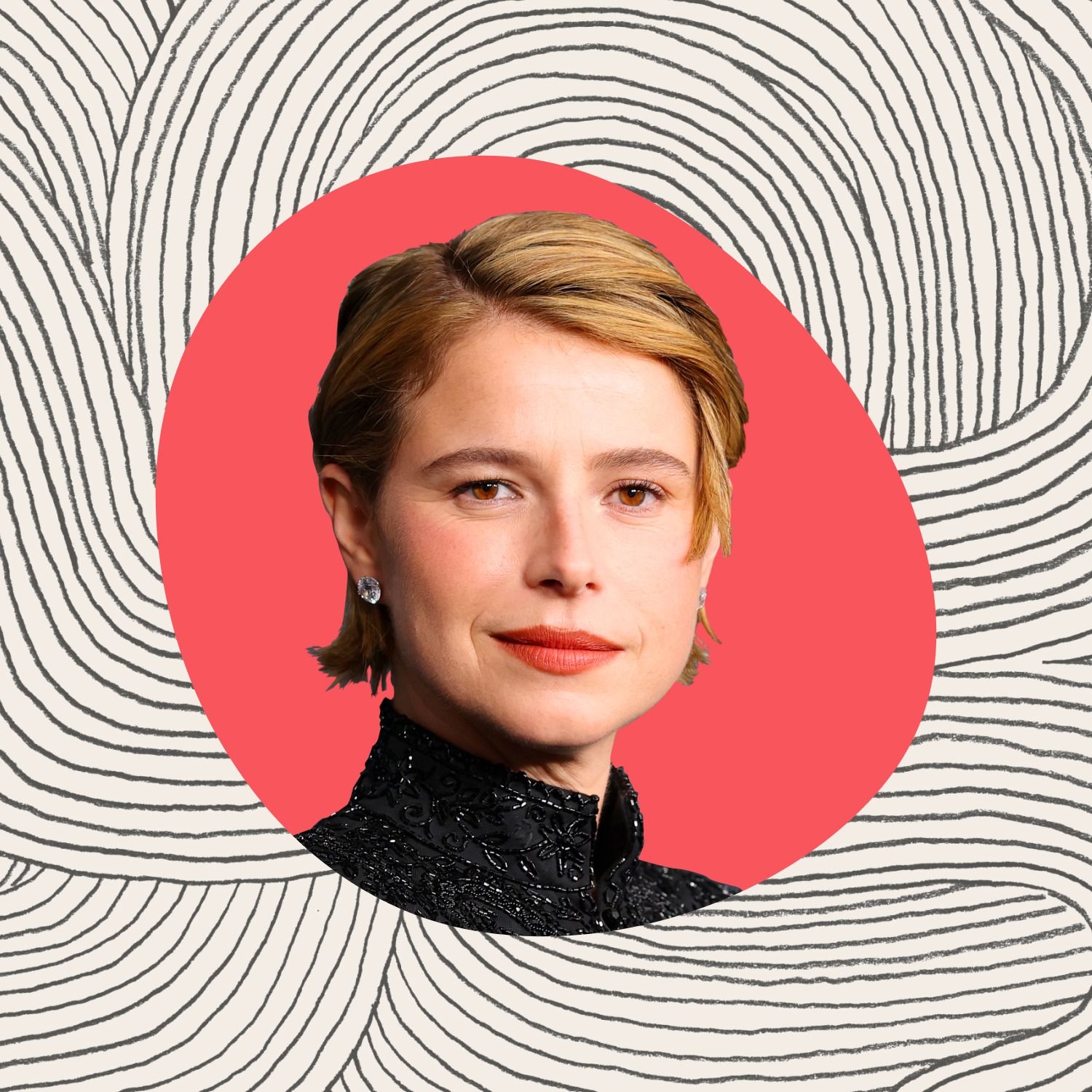
Jessie Buckley Became a Mother for ‘Hamnet.’ Then She Became One for Real.
Dec 1000:36:11Summary readyThe actor Jessie Buckley says she wasn’t surprised that she got pregnant right after she finished shooting “Hamnet.” The film — starring Paul Mescal as William Shakespeare and Buckley as his wife, Agnes — tells the story of a couple grieving the loss of their only son. “When I was filming ‘Hamnet,’ I deeply wanted to become a mother,” Buckley says. “And it was such a gift to move through this woman and her motherhood and her love and her loss before I became a mother myself.”On this episode of “Modern Love,” Buckley describes how she was able to access the vulnerability she portrayed onscreen. And she talks about how her life has changed since having her own child. Plus, she reads the Modern Love essay “The Wrong Kind of Inheritance” by Victoria Dougherty.How to submit a Modern Love Essay to The New York Times.How to submit a Tiny Love Story. Subscribe today at nytimes.com/podcasts or on Apple Podcasts and Spotify. You can also subscribe via your favorite podcast app here https://www.nytimes.com/activate-access/audio?source=podcatcher. For more podcasts and narrated articles, download The New York Times app at nytimes.com/app.
Summary
Finding the Magic, Just in Time (Encore)
Dec 300:41:20Summary readyWhen Clare Cory was a young girl, she dreamed of love. But by the time she turned 50, she hadn’t found it. Still, she took a look around and found she was happy and looking forward to the future. Clare fell in love with life. She saw flowers bloom, watched sunlight sparkle on the water and held her cat on her lap. Her heart was full.And then, as Clare faced cancer and was about to turn 60, romance arrived.On today’s episode, Clare explains how she fell in love when she least expected it. Listen until the end for an update on Clare’s love story.This episode is adapted from Clare’s Tiny Love Story from 2024, Finally Finding “The Magic.” Subscribe today at nytimes.com/podcasts or on Apple Podcasts and Spotify. You can also subscribe via your favorite podcast app here https://www.nytimes.com/activate-access/audio?source=podcatcher. For more podcasts and narrated articles, download The New York Times app at nytimes.com/app.
Summary
A Therapist’s Emotional Tool Kit for a Better Holiday Season
Nov 2600:44:07Summary readyThe holiday season is upon us. It’s a wonderful time, but if we’re being honest, it’s also a little stressful. Whether you’re worried about hosting a big family gathering, talking with cousins who have very different perspectives on politics or awkward questions from prying aunts, the holidays are full of complicated relationship dynamics. On this episode of “Modern Love,” Nedra Glover Tawwab, a therapist, responds to questions from listeners about making the holidays just a bit more tolerable. Tawwab is the author of “Drama Free,” a guide to having better relationships with family, and the forthcoming book “The Balancing Act,” which is all about creating healthy dependency within relationships. She tells us why Black Friday is her practice’s busiest day of the year, and how we can all take control of our own holiday experience. How to submit a Modern Love Essay to the New York TimesHow to submit a Tiny Love Story Subscribe today at nytimes.com/podcasts or on Apple Podcasts and Spotify. You can also subscribe via your favorite podcast app here https://www.nytimes.com/activate-access/audio?source=podcatcher. For more podcasts and narrated articles, download The New York Times app at nytimes.com/app.
Summary
There's a Better Way for Couples to Talk About Money
Nov 1900:42:47Summary readyAccording to Ramit Sethi, a personal finance author and coach, a lot of couples get stuck bickering about everyday purchases. If you’re hung up on what’s in the cart at Target, or who’s buying too many iced teas on the way to work, Sethi says you’re missing the bigger picture, and a chance to live what he calls a truly “rich life” together. Sethi is the author of “I Will Teach You To Be Rich” and “Money for Couples.” He has a podcast, also called “Money for Couples,” and was host of the Netflix show “How to Get Rich.” On this episode of Modern Love, Sethi fields questions from listeners who want to have more constructive, and less tense, money conversations. He also explains how a little curiosity and compassion can help couples through emotional processes like merging their financial lives, disclosing their debts, and mapping out their dreams for a shared future. Read four takeaways from the episode here. Subscribe today at nytimes.com/podcasts or on Apple Podcasts and Spotify. You can also subscribe via your favorite podcast app here https://www.nytimes.com/activate-access/audio?source=podcatcher. For more podcasts and narrated articles, download The New York Times app at nytimes.com/app.
Summary
On Our Third Date, I Asked for a Joint Bank Account
Nov 1200:45:54Summary readyJanene Lin loathed the moment when the dinner bill would hit the table. When her date would pay, she felt like her love was for sale. Splitting the bill felt like no one had anything at stake. Most of the time, she would pay the bill herself, but that left her feeling uncared-for. So Janene prepared a pitch: On her next date, her third with a man named Aodhán, she would ask to open a joint bank account.On this episode of Modern Love, Lin tells our host, Anna Martin, why this risky move felt like the best solution, how Aodhán reacted and what it taught her about what money means to her and her family.This episode is adapted from Janene Lin’s essay The Woman Who Always Paid for Dinner.Here’s how to submit a Modern Love Essay to The New York Times.Here’s how to submit a Tiny Love Story.Unlock full access to New York Times podcasts and explore everything from politics to pop culture. Subscribe today at nytimes.com/podcasts or on Apple Podcasts and Spotify. Subscribe today at nytimes.com/podcasts or on Apple Podcasts and Spotify. You can also subscribe via your favorite podcast app here https://www.nytimes.com/activate-access/audio?source=podcatcher. For more podcasts and narrated articles, download The New York Times app at nytimes.com/app.
Summary
The Love Poem Andrea Gibson Wrote for Their Widow...and for You
Nov 500:55:32Summary readyAndrea Gibson was the poet laureate of Colorado and a giant of the spoken word poetry scene. This past July, Gibson died of ovarian cancer, leaving behind their devoted fans, friends, family and longtime partner, the poet Megan Falley.For the last year of Gibson’s life, a film crew followed Andrea and Megan as they navigated countless treatments and moments of triumph. In the darkest of times, their connection grew. Their deeply moving love story is the focus of a new documentary, “Come See Me in the Good Light.”On today’s episode of Modern Love, Megan Falley talks with our host Anna Martin about falling in love with Andrea Gibson and loving them through their cancer diagnosis and eventual death. Falley reckons with what it’s like to be a 37-year-old widow, and how despite Andrea being gone, they are very much still with her.The song Megan talks about in this episode is called “Hold Down The Fort.”Megan Falley’s newsletter is called “Things That Don’t Suck.”Here’s how to submit a Modern Love Essay to The New York Times.Here’s how to submit a Tiny Love Story.Listener call-out: Thanksgiving with family can be tough. We want to help. The Modern Love team wants to hear your questions about navigating tricky family situations over the holiday, and we’ll try to find answers for you. Find out how to submit your voice memo here Subscribe today at nytimes.com/podcasts or on Apple Podcasts and Spotify. You can also subscribe via your favorite podcast app here https://www.nytimes.com/activate-access/audio?source=podcatcher. For more podcasts and narrated articles, download The New York Times app at nytimes.com/app.
Summary