Podcast
Mind If We Talk?
Hosted by BetterHelp · EN
Ever feel like you’re carrying something heavy and don’t know where to put it down? Or wonder what to do when you just can’t seem to cope?
“Mind If We Talk?” is a podcast from BetterHelp that opens up real conversations about life’s most challenging moments—and how therapy can help. Hosted by licensed therapist Sreela Roy-Greene, each episode brings together two people for a candid, vulnerable conversation as they work through perspectives, emotions, and topics they may have avoided in the past.
After each mini therapy session, a mental health expert helps unpack what we heard, offering practical insights you can apply to your own life. Honest, compassionate, and grounded in real connection, this season is all about understanding each other—and finding a path forward together.
Hosted on Acast. See acast.com/privacy for more information.
22episodes
Episodes
Newest firstAll episodes

Happiness in the Age of AI feat. Dr Laurie Santos
5d ago00:46:37Summary readyWhat makes us happy is often misunderstood. And in the age of AI, it's easier than ever to seek quick and easy answers to some of life’s biggest questions.In this episode, host and licensed therapist Sreela Roy-Greene sits down with happiness expert and Yale professor Dr. Laurie Santos. Dr. Santos illuminates the mountains of research about what tends to make us happy (spoiler: it isn’t that fast car). Together, they sift through tips and tricks on how to make each day better and let go of perfection. The two also discuss how happiness is a practice and where AI can assist—or impede—our mental health. 0:00 Intro: Why Success Doesn't Always Make You Happy00:53 Welcome & Introducing Dr. Laurie Santos02:38 AI, Therapy & the Importance of Human Connection03:26 The Hidden Risks of Using AI for Advice08:10 Why Relationships Matter More Than We Think12:23 Vulnerability, Friction & Asking for Help15:05 Can AI Help Us Be More Vulnerable?18:07 The Arrival Fallacy & the Science of Happiness20:52 Gratitude, Presence & Finding Joy in Everyday Life22:56 Simple Habits That Improve Mental Well-Being25:28 Why Therapy Is a Journey, Not a Quick Fix28:52 Practical Tools for Anxiety & Depression33:10 Why Every Emotion Has a Purpose35:49 Social Media, Comparison & Protecting Your Happiness40:18 Why High Achievement Doesn't Guarantee Happiness43:41 Dr. Laurie Santos' Daily Happiness Rituals44:57 Key Takeaways46:00 Credits Hosted on Acast. See acast.com/privacy for more information.
Summary
How to Help Someone When They're Down
3w ago00:27:00Summary readyWe all want to help the people we love, but when someone is struggling, knowing what to say or do isn’t always easy.In this episode, host and licensed therapist Sreela Roy-Greene sits down the BetterHelp therapist Hannah Heitz to explore how to support someone through a difficult time without trying to “fix” the. Drawing on insights from BetterHelp’s latest State of Stigma report, the two discuss why so many people still hesitate to seek how, how to recognize the subtle signs that someone may be struggling, and why simply showing up with curiosity, compassion and consistency can make all the difference.00:00 Opening Story: “How Have I Waited This Long to Get Help?”00:32 Why It's So Hard to Ask for Help03:02 Why We Believe in Therapy—but Avoid It Ourselves04:05 How to Support Someone Who May Be Struggling06:06 Recognizing the Signs of Emotional Distress09:07 Why Anger Can Mask Deeper Emotions10:33 Supporting Without Trying to Fix13:43 What Not to Say to Someone Who's Struggling16:02 How Mental Health Stigma Is Changing20:44 What Starting Therapy Really Feels Like21:34 It's Never Too Late to Seek Help22:57 Final Reflections on Support, Stigma, and Showing Up Hosted on Acast. See acast.com/privacy for more information.
Summary
How to Navigate Peri/Menopause
Jul 200:53:27Summary readyMenopause isn’t just a physical experience; it’s a mental one, too. In this episode, host and therapist Sreela Roy-Greene sits down with the mother-daughter duo Dr. Amy Shah and her mother, Rekha, to explore the mental shifts that accompany this change and why the conversation around menopause can be so hard to start.In her midlife, Rekha’s anxiety began to feel unbearable. It wasn’t until years later that she and her daughter Amy realized that this and other symptoms were due to menopause. Later in the episode, Dr. Natalie Crawford, a reproductive endocrinologist, author, and a leading voice in women’s hormone health, joins Sreela to dive further into the science of menopause. Dr. Crawford unpacks the hormonal shifts, the connection between the brain and the ovaries, how to optimize your health before perimenopause, and how to advocate for yourself when you are not getting the support you need.00:00 Introduction: Why We Need to Talk About Menopause02:32 Meet Our Guests and Rekha’s Menopause Journey07:23 Understanding the Physical and Emotional Symptoms of Menopause12:23 Mental Health, Relationships, and Life During Menopause18:49 Why Women's Health Has Been Overlooked24:45 Supporting Loved Ones Through Menopause26:09 Introducing Reproductive Endocrinologist Dr. Natalie Crawford33:41 How Hormonal Fluctuations Impact Women’s Mental Health35:43 Feeling Heard: Validation and Women's Healthcare37:18 How Women Can Prepare for Midlife Changes49:50 Advice for Navigating Menopause with Confidence52:08 Closing Reflections on Menopause, Community, and Support Hosted on Acast. See acast.com/privacy for more information.
Summary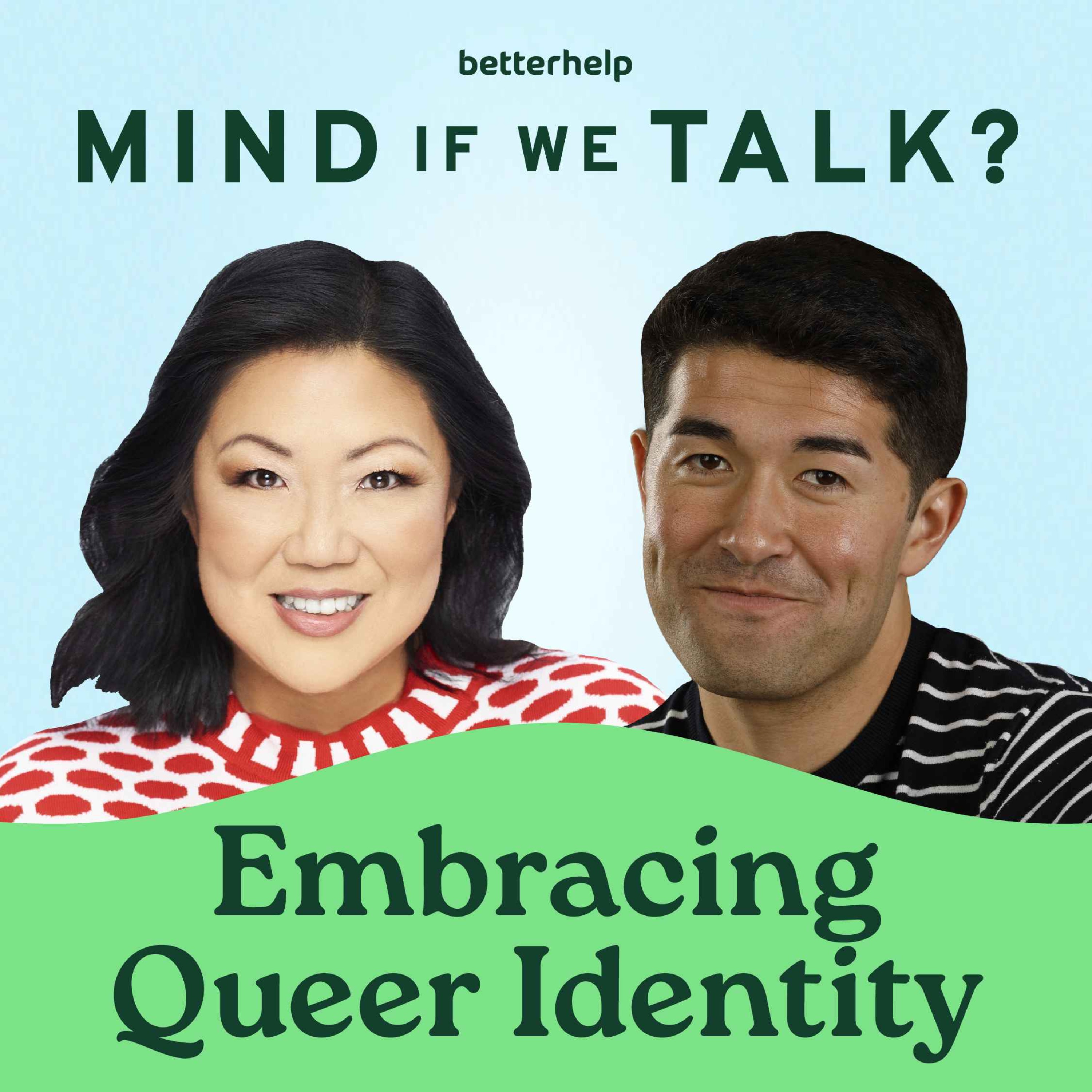
Embracing Queer Identity & Healing from Bullying with Margaret Cho
Jun 1800:49:28Summary readyHow does bullying shape the way we see ourselves, connect with others, and move through the world? In this episode, host Sreela Roy-Greene sits down with trailblazing comedian Margaret Cho and her younger comedian friend, Dylan Adler. Together, they reflect on their distinct journeys with queer identity, childhood bullying, and finding acceptance as adults. Plus, they reflect on a key mechanism of using humor to transform pain and shame. Later, Sreela is joined by organizer, author, and activist Hope Giselle. Hope breaks down the profound psychological impact of positive representation, how bullying shapes the nervous system, and how to start healing from the things we were taught to never talk about.If you or someone you love is struggling with bullying, sexual assault, or suicidal ideation, you can find resources at https://www.betterhelp.com/gethelpnow/.00:00 Introduction: Identity, Representation, and Belonging02:31 Margaret Cho on Growing Up Queer and Feeling Like an Outsider09:31 Dylan Adler on Bullying and Finding Community12:48 Finding Hope Through LGBTQ+ Representation14:45 Building Confidence and Reclaiming Your Story19:34 Therapy, Humor, and the Healing Process21:53 Margaret and Dylan’s Advice for Navigating the Coming Out Journey26:43 The Importance of Visibility and Community27:31 Hope Giselle on the Importance of Representation32:08 Creating Safe Spaces for LGBTQ+ Youth42:16 Creativity as a Tool for Healing and Self-Expression44:53 Processing Shame and Seeking Validation48:09 Closing Reflections: Self-Worth, Resilience, and Belonging Hosted on Acast. See acast.com/privacy for more information.
Summary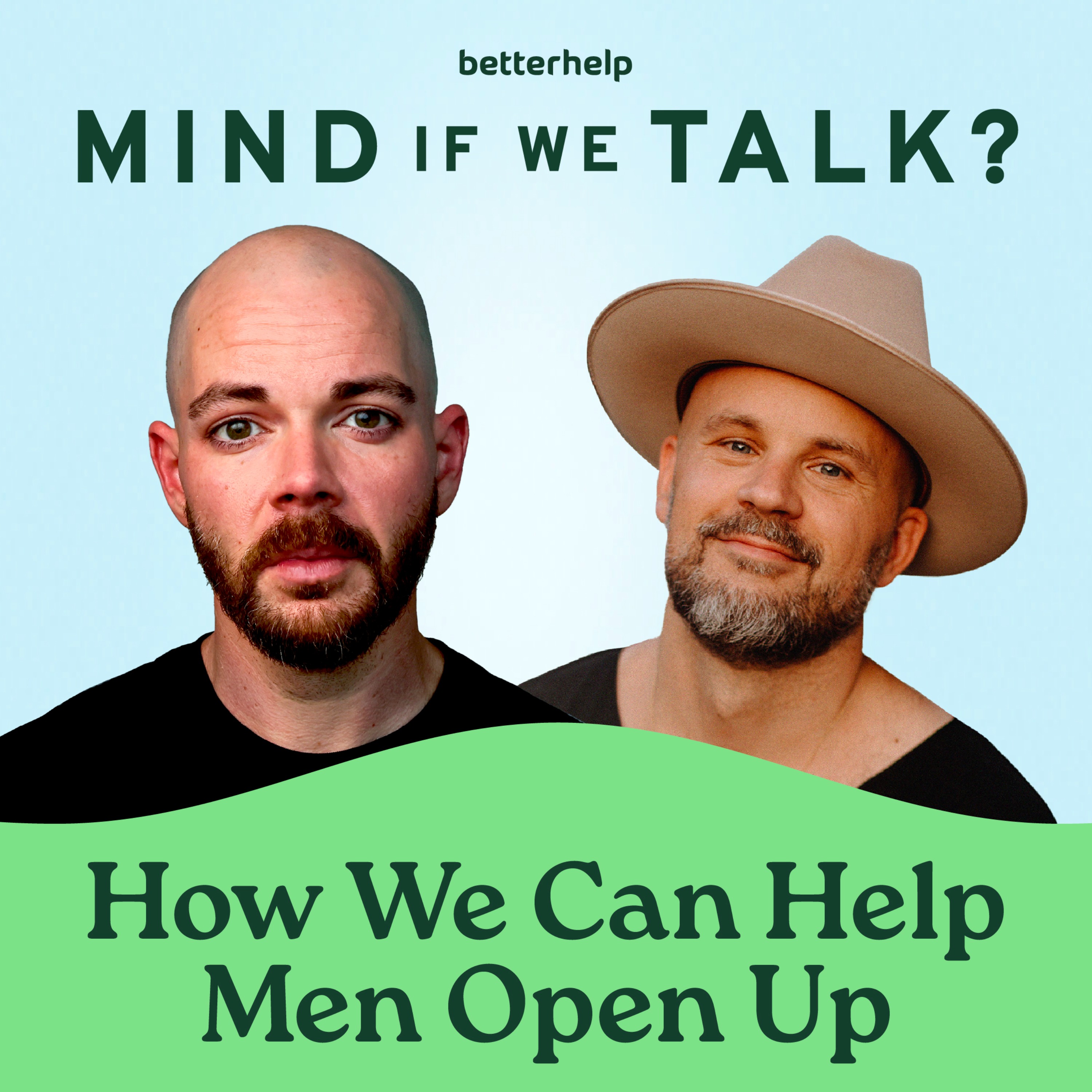
How We Can Help Men Open Up
Jun 400:55:25Summary readyMany men grow up receiving the same messages: be strong, stay tough, don’t show too much emotion. But what actually happens when vulnerability, creativity, or sensitivity start to feel like things that need to be hidden?In this episode, host and therapist Sreela Roy-Greene sits down with author and podcast host Cory Allen, as well as writer and poet James McCrae for a deeply personal conversation about masculinity, emotional suppression, and learning how to reconnect with themselves. As a child, James felt he had to hide his love of poetry, while Cory was raised by a father he calls a “Texas Tony Soprano.” Together with Sreela, they each explore how vulnerability ultimately became a path toward deeper connection and understanding their childhood traumas.Later in the episode, BetterHelp therapist David Yadush joins Sreela to unpack the psychology behind emotional literacy, affect labeling, and why so many men struggle to express what they’re feeling.00:00 The Challenge of Emotional Expression for Men01:42 Cory Allen on Childhood, Safety, and Emotional Development05:35 Why Vulnerability Feels Risky10:16 Masculinity, Trauma, and Cultural Expectations12:34 A Practical Framework for Understanding Emotions16:51 Emotional Armor and Its Impact on Relationships20:00 Rethinking Strength and Healthy Masculinity24:42 How Vulnerability Creates Connection30:57 What Cory and James Wish You Knew About Emotional Expression32:45 Why Many Men Struggle to Express Their Feelings33:31 Expert Perspective: Shame, Self-Protection, and Emotional Openness40:53 Movement, Mental Health, and Emotional Processing44:54 Recognizing Emotional Safety in Relationships54:07 Closing Reflections and Key Takeaways Hosted on Acast. See acast.com/privacy for more information.
Summary
Growing Together, Not Apart, In Parenthood
May 2100:56:09Summary readyBecoming a parent changes everything. Your schedule, your sleep, your sense of self. And often, your relationship, too. But that's not the part we tend to talk about.On this episode of "Mind If We Talk?" host and licensed mental health counselor Sreela Roy-Greene sits down with Olympic gymnast Shawn Johnson and former NFL pro Andrew East, a married couple of ten years and parents to three children. Their journey into parenthood was anything but easy. It began with an unplanned pregnancy, a miscarriage that brought grief on different timelines, and, later, a difficult postpartum experience that neither Shawn nor Andrew quite understood at the time. In this intimate conversation, Shawn and Andrew share the ways in which becoming parents has tested them— from the moment Andrew decided they needed a therapist’s help to how they've managed to keep choosing each other, even when things get really hard.Later in the show, Sreela is joined by licensed therapist Sonni Williams from BetterHelp. Together, they explore what couples underestimate most about having a baby, how to recognize the signs of postpartum mood disorders, and a 3 a.m. exercise every couple should try before the baby arrives.If you're navigating the transition into parenthood, recovering from pregnancy loss, or just feeling like you and your partner have become ships in the night, this episode is for you.00:00 Becoming Parents Changes Everything00:47 Welcome Back to Mind If We Talk?02:29 Shawn & Andrew on Marriage, Family, and Commitment05:30 The Fear of an Unplanned Pregnancy09:00 Navigating Miscarriage and Grief Together14:45 How Parenthood Changed Their Communication18:26 Postpartum Depression and Feeling Misunderstood23:57 Why Therapy Became Essential to Their Marriage29:32 Expert Perspective: Pregnancy, Parenthood & Relationship Stress37:07 Understanding Postpartum Depression and Anxiety39:05 Recognizing Signs Your Partner May Need Help46:36 Protecting Connection and Scheduling Joy in Marriage52:54 Preparing Emotionally for Parenthood55:06 Final Reflections and Closing Thoughts Hosted on Acast. See acast.com/privacy for more information.
Summary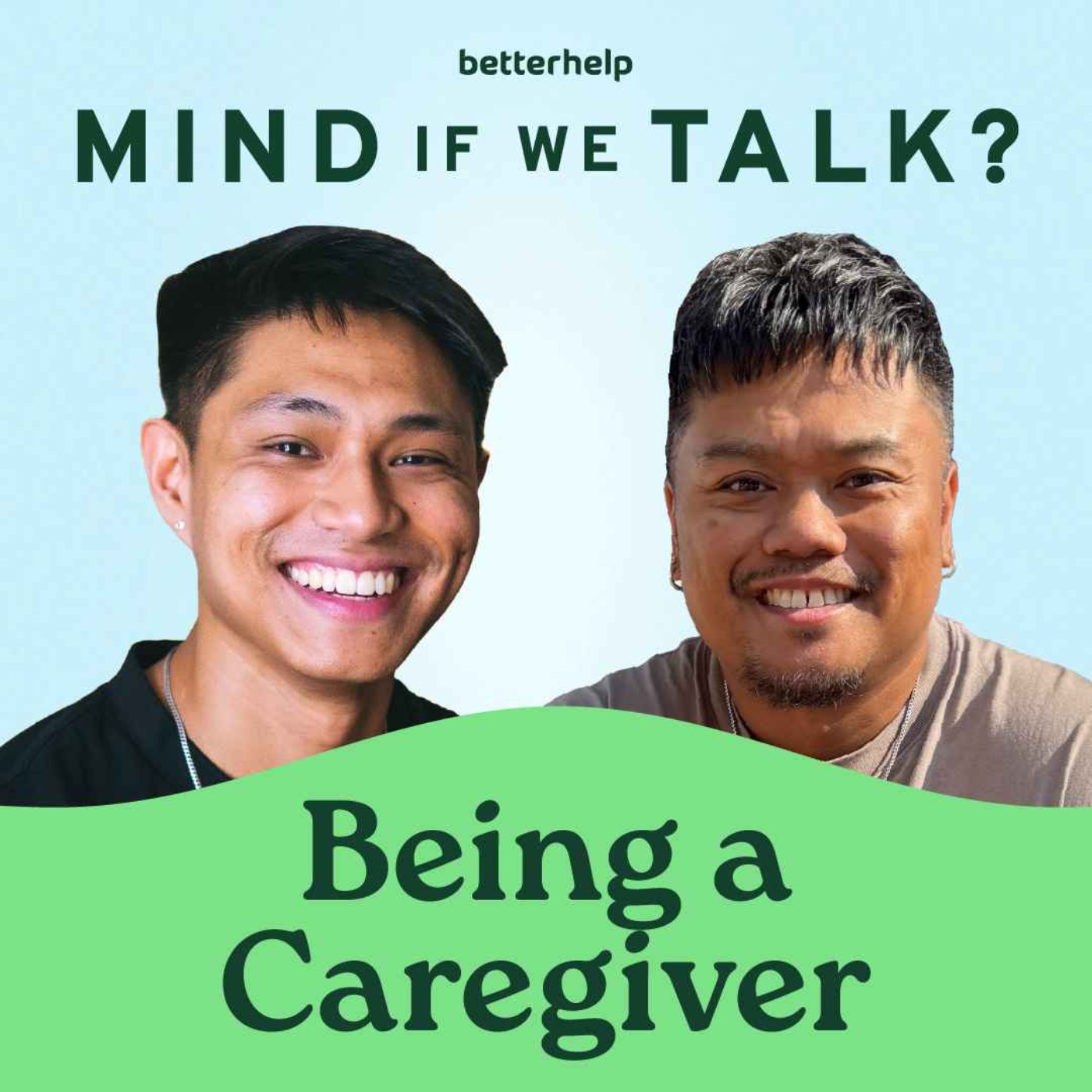
I wish you knew...what it's like to be a caregiver
May 700:54:05Summary readyCaregiving can quietly reshape a family, shifting roles, responsibilities, and relationships in ways that are often hard to name. It can bring people closer, but it can also surface distance, guilt, and questions about what it really means to show up for someone you love.In this episode of Mind If We Talk?, host and licensed mental health counselor Sreela Roy-Greene sits down with Chris Punsalan and his cousin Merz Esguerra. They reflect on their very different experiences caring for their grandmother: Chris was her full-time caregiver for eight years, while Merz describes taking more of a backseat during that time.Their conversation opens up a deeper look at family roles, emotional labor, and the complicated mix of love, obligation, and regret that can come with caring for an aging loved one.00:00 The Emotional Reality of Caregiving02:54 Meet Chris and Merz: A Family Caregiving Story05:40 What Daily Life as a Caregiver Looks Like10:35 Why Caregivers Often Don’t Ask for Help14:22 Regret, Guilt, and Family Dynamics16:56 The Emotional Cost of Caregiving20:52 Finding Purpose Through Caregiving24:38 Advice for Caregivers27:10 What Caregiving Teaches About Love29:11 Expert Perspective on Caregiver Burnout30:17 How to Ask for Help as a Caregiver34:11 Family Communication and Support42:56 Feeling Overwhelmed and Coping Strategies53:26 Closing Reflections Hosted on Acast. See acast.com/privacy for more information.
Summary
I wish you knew…how hard it is to break the toxic relationship cycle
Apr 2301:03:34Summary readyHaving a healthy romantic relationship is easier said than done. From mixed signals to playing games, ghosting to co-dependence, many of us feel lost at sea when it comes to dating and relationships. Especially for those of us who were raised with toxic relationship models, it can be difficult to identify and trust the signs of a healthy partnership. In this episode, host and licensed mental health counselor Sreela Roy-Greene sits down with writer and musicians Holly Solem and Carré Kwong Callaway to navigate the tricky world of romantic relationships. Throughout their 20s, both friends found themselves in toxic relationships, before they each realized what was motivating their choices. Together with Sreela, they discuss how to recognize toxic cycles, break old behaviors, and the importance of learning to love yourself. Next, Sreela is joined by licensed therapist David Yadush from BetterHelp. Together, they explore the difference between healthy vs. familiar behaviors, taking time to discover your own preferences, and learning to identify red—and green!—flags in relationships.If you've ever felt like you were the problem and just can’t seem to find your person, this episode is for you.If you or someone you love is struggling with drug use, addiction, or abuse, you can find resources at https://www.betterhelp.com/gethelpnow/ Hosted on Acast. See acast.com/privacy for more information.
Summary
I wish you knew...what it was like to be a woman in the 1960s
Apr 900:39:14Summary readyHow much do you know about the experiences that shaped your mom or grandma?In this episode, host and therapist Sreela Roy-Greene sits down with Kim Murstein and Gail Rudnick, the granddaughter–grandmother duo behind the podcast Excuse My Grandma, for a conversation that bridges two generations of womanhood. Gail reflects on her early adulthood in the 1960s — the choices she made, the family norms she embraced, and the world as she experienced it — while Kim shares what it means to build a life in her twenties today. Instead of debating whose path is “right,” they lean into curiosity, discovering just how much context deepens understanding.Later, Sreela is joined by licensed mental health therapist Sonni Williams from BetterHelp to explore how we can learn from the generations before us, and how to have thoughtful, productive conversations that strengthen connection. Hosted on Acast. See acast.com/privacy for more information.
Summary
I wish you knew…what it was like growing up low-income
Mar 2600:59:58Summary readyMoney is rarely just about numbers. For most of us, it carries shame, fear, and stress. And for those who grew up low-income, early emotions and memories around money can actually continue to come up as triggers in adulthood, even if that’s no longer their reality.On the first episode of Season 2 of "Mind If We Talk?", host and licensed mental health counselor Sreela Roy-Greene sits down with the founder of OverGenPoverty, Viviana Vazquez, and her husband Xavi. For nearly two years, Viviana hid her financial struggles and low-income background from Xavi—too ashamed to let him in. When she finally opened up, it changed everything. Their conversation with Sreela dives into topics of hyperindependence, being the eldest daughter of immigrant parents, and learning how to accept help from your partner when you’re used to being the one that other people rely on.Then, in the second half of the episode, Sreela is joined by licensed therapist Sarah Close from BetterHelp. Together, they explore how childhood financial stress shapes our nervous system, why money conversations feel so loaded in relationships, and how couples with different money stories can build real trust.If you've ever felt ashamed or anxious to talk about money—or know a loved someone who has—this episode is for you. Hosted on Acast. See acast.com/privacy for more information.
Summary