
Podcast
Gilbert House Fellowship
Hosted by Gilbert House Ministries · EN
Since March 2005, Derek and Sharon Gilbert have shared their take on cryptopolitics and things that go bump in the night. Those first podcasts, back when podcasting was a brand new idea, were rough–recorded through a jury-rigged setup of string, wire, duct tape, and a durable little Mac laptop.
Always ready to share a laugh and an opinion, the Gilberts emphasize the joy of living for Christ in the midst of doom and gloom news.
Their first podcast, PID (Peering Into Darkness) Radio connected Derek and Sharon to Tom Horn, L. A. Marzulli, Gary Stearman and Bob Ulrich (Prophecy Watchers), Steve Quayle, Dr. Michael Heiser, and too many others to mention.
Those relationships developed into research, writing, and broadcasting for SkyWatchTV, which spawned the programs SciFriday, Unraveling Revelation, and The Bible’s Greatest Mysteries, as well as cutting-edge books on theology and end-times prophecy like The Great Inception, Last Clash of the Titans, Bad Moon Rising, The Day the Earth Stands Still, Veneration, Giants Gods & Dragons, and The Second Coming of Saturn, as well as Sharon’s critically-acclaimed series of supernatural thrillers, The Redwing Saga.
Since 2014, the Gilberts have produced the weekly Gilbert House Fellowship, a verse-by-verse study of the Bible in chronological order.
29episodes
Episodes
Newest firstAll episodes
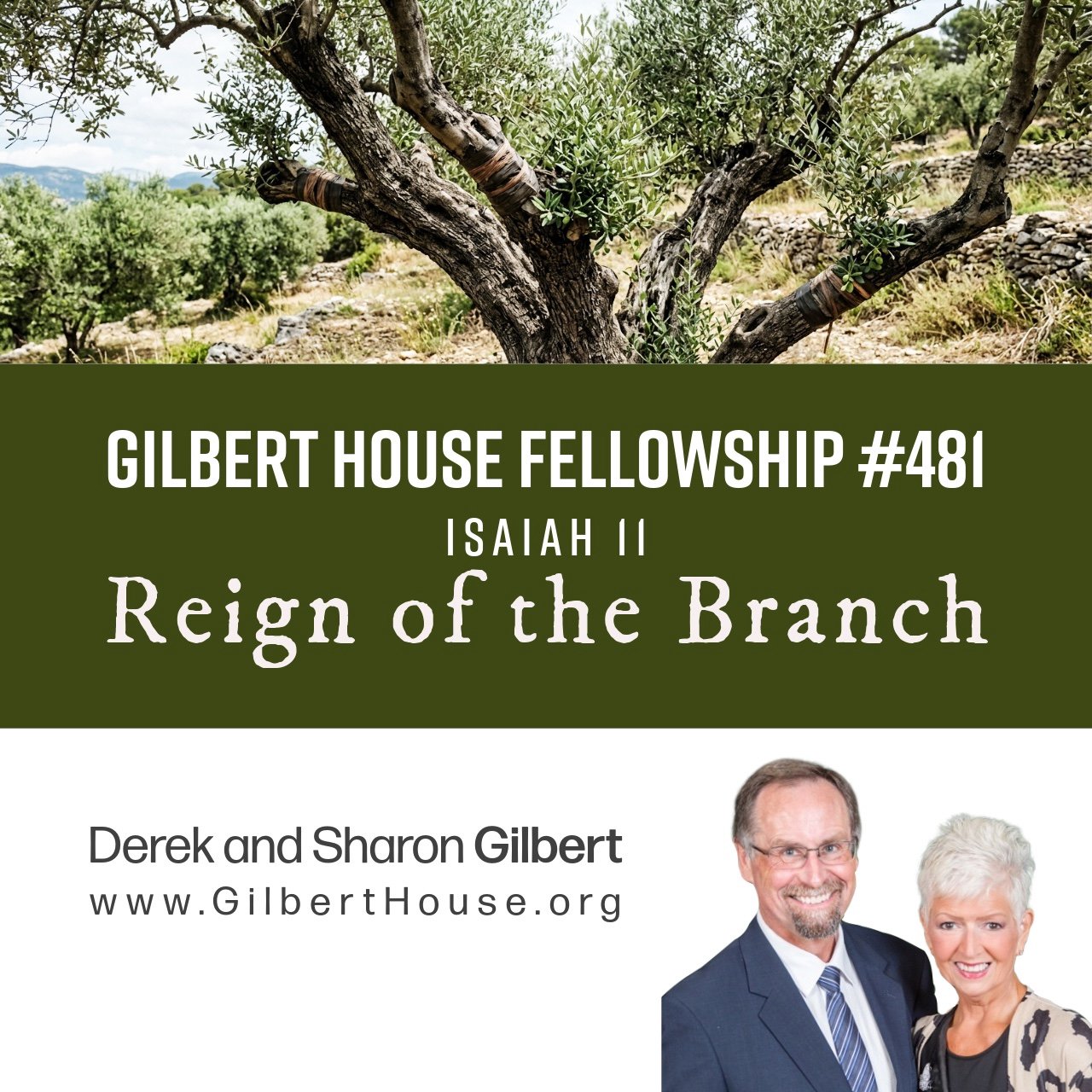
The Reign of the Branch
May 1001:28:11Summary readyThe messianic prophecy of the one called "the Branch" is the focus of this week’s study. We explore the “already but not yet” fulfillment of the promises of the restoration of Israel and judgment against Israel's neighbors—which May have already found partial fulfillment in the wars fought by Israel since 1948. We discuss the seven Spirits of Isaiah 11:2 and the references to those Spirits in the book of Revelation and their relationship to Jesus. We also discussed these so-called Mandela verse, Isaiah 11:6. This is a reference to the Mandela effect, an Internet meme from a few years ago that claimed time travelers had somehow gone back into history and changed the verse to read, “the wolf shall dwell with the lamb," from, "the lion shall lie down with the lamb." Let's be clear: Isaiah 11:6 never said the lion would lie down with the lamb. First of all, time travel is not a thing. Second, even if it was, God would never allow His Word to be changed. Anyone who suggests that this is possible is a false teacher who can safely be ignored.Are we really afraid God is that weak?
Summary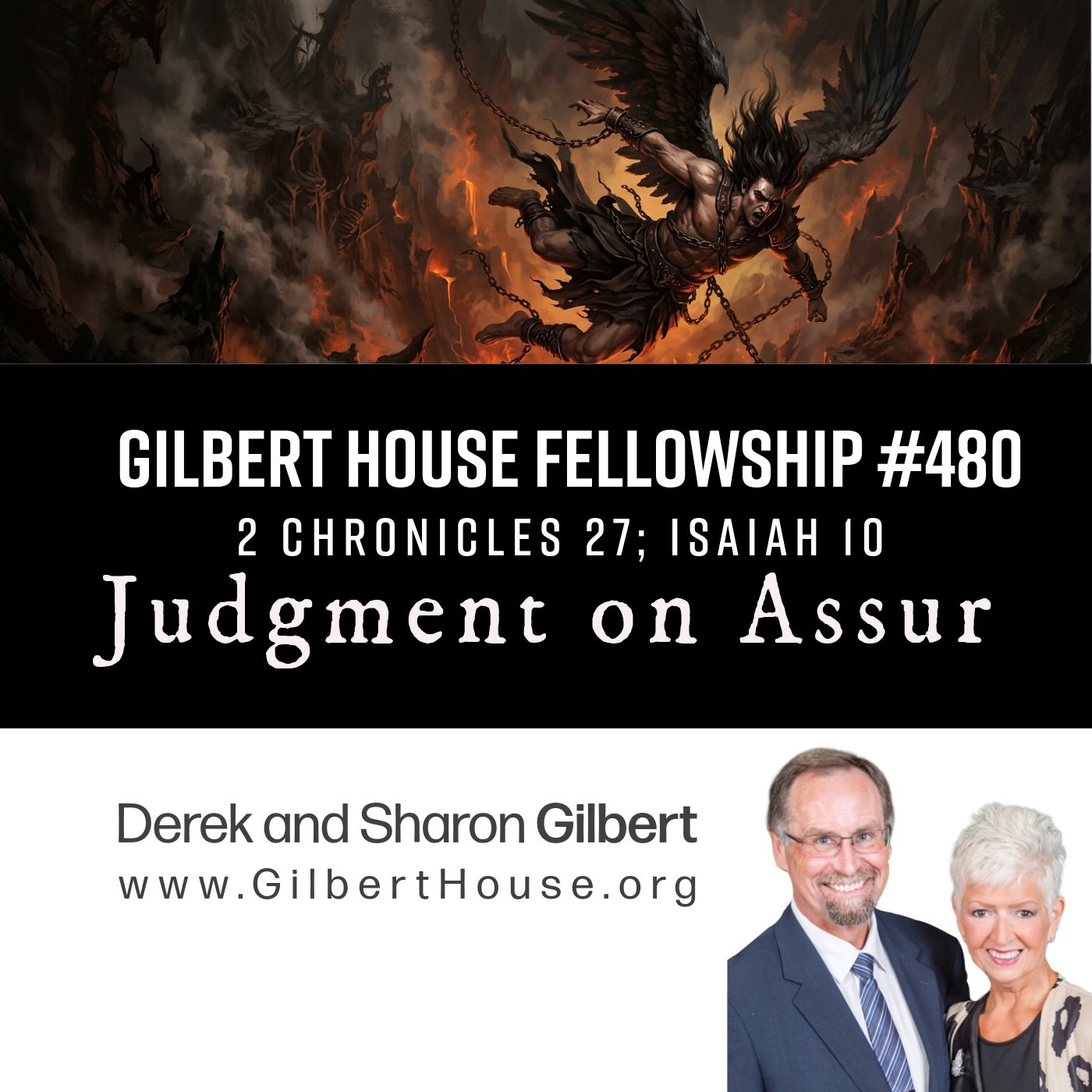
Judgment on Assur
May 301:43:25Summary readyASSUR WAS a name that referred to Assyria, the capital city of Assyria, and the chief deity of Assyria. Knowing which was which means relying on the context in which it's used. In Derek's book The Second Coming of Saturn, he shared research, showing that the word used by the prophet Isaiah for idols, ellilim, derives from the Akkadian name for Assur, Elllil (also known as Enlil, El, Dagon, Molech, Kronos, and Saturn, among others). These idols, then, were spirit beings—underworld spirits equivalent to the Rephaim, or malakim, as they were known at the ancient Amorite kingdoms of Ebla and Mari. In short, we believe chapter 10 of Isaiah is a polemic against the entity called Assur, whom we believe is Shemihazah, the leader of the rebellious sons of God in chapter 6 of the book of Genesis. We will see him again in Isaiah 14 as "Lucifer."
Summary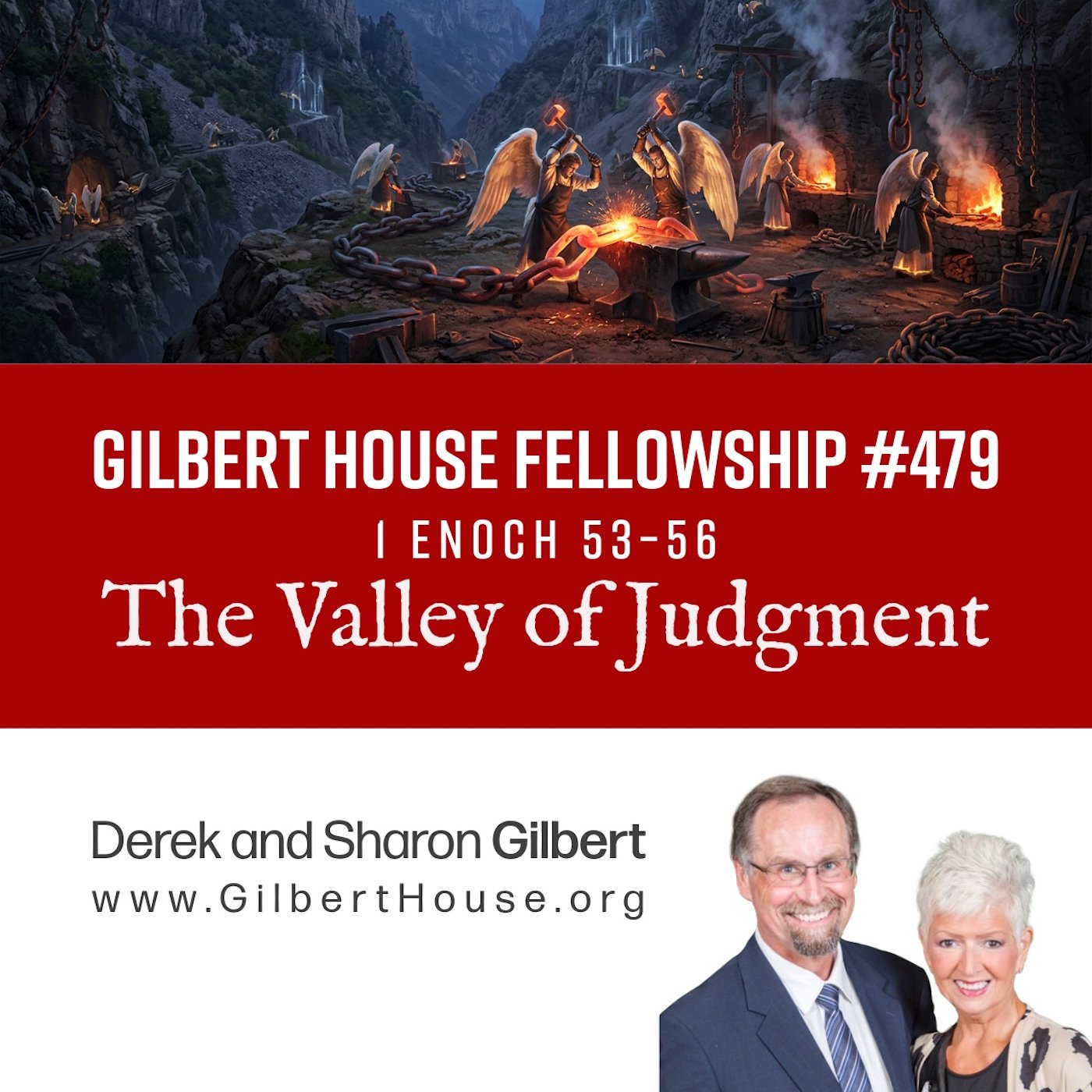
The Valley of Judgment
Apr 2601:32:45Summary readyJUDGMENT ON evil kings and fallen angels is a major theme of the section of 1 Enoch called the Book of Parables. This week, we discuss the vision of a deep valley where “angels of punishment” prepare “instruments of Satan” for kings and mighty men who’ve rebelled against God—and a second valley where “iron chains of immeasurable weight” are “prepared for the hosts of Azazel.” Our reading today ends with the prophecy of the final war against heathen powers. We discussed the historical background of the reference to the Parthians and Mead, and note comparisons to the prophecies of Ezekiel 39 (especially 39:11 and the reference to the Valley of the Travelers), and Zechariah 12 and 14.
Summary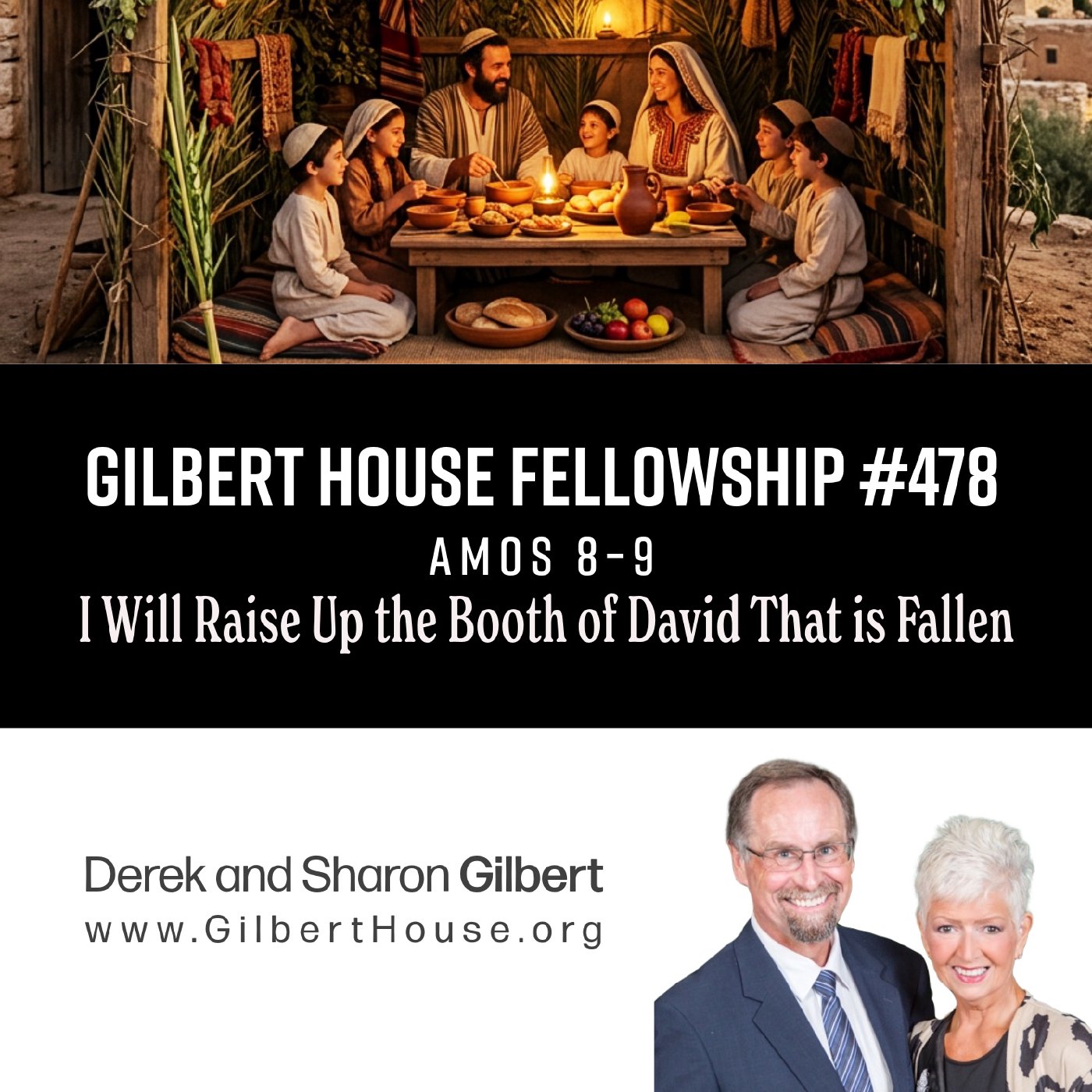
I Will Raise Up the Booth of David That is Fallen
Apr 1901:56:42Summary readyTHE DESTRUCTION of Israel is a theme throughout the book of Amos, but it ends with a prophecy of restoration. The northern kingdom of Israel had engaged in idolatry since the time of Jeroboam, who split the kingdom of Solomon about 200 years before the time of Amos. For this, and for the treatment of the poor by Israel's elites, God decreed the destruction of the kingdom. This was to be fulfilled more than once – first, when Assyria destroyed the northern kingdom in 722 BC; and second, when the Romans scattered the Jews after the rebellion of Simon bar Kokhba in 136 AD. And yet, God told Amos a day would come when the Lord would restore Israel to the land. The reference to "the booth of David" must include the southern kingdom of Judah, since that was where the descendants of David ruled. This was fulfilled in 1948. We believe the prophet Ezekiel also saw this (Ezekiel 36:22–24). And God made it clear to Ezekiel that the restoration of Israel was not due to the righteousness of the people, but for His Name’s sake—so that the world would know that He is Yahweh.
Summary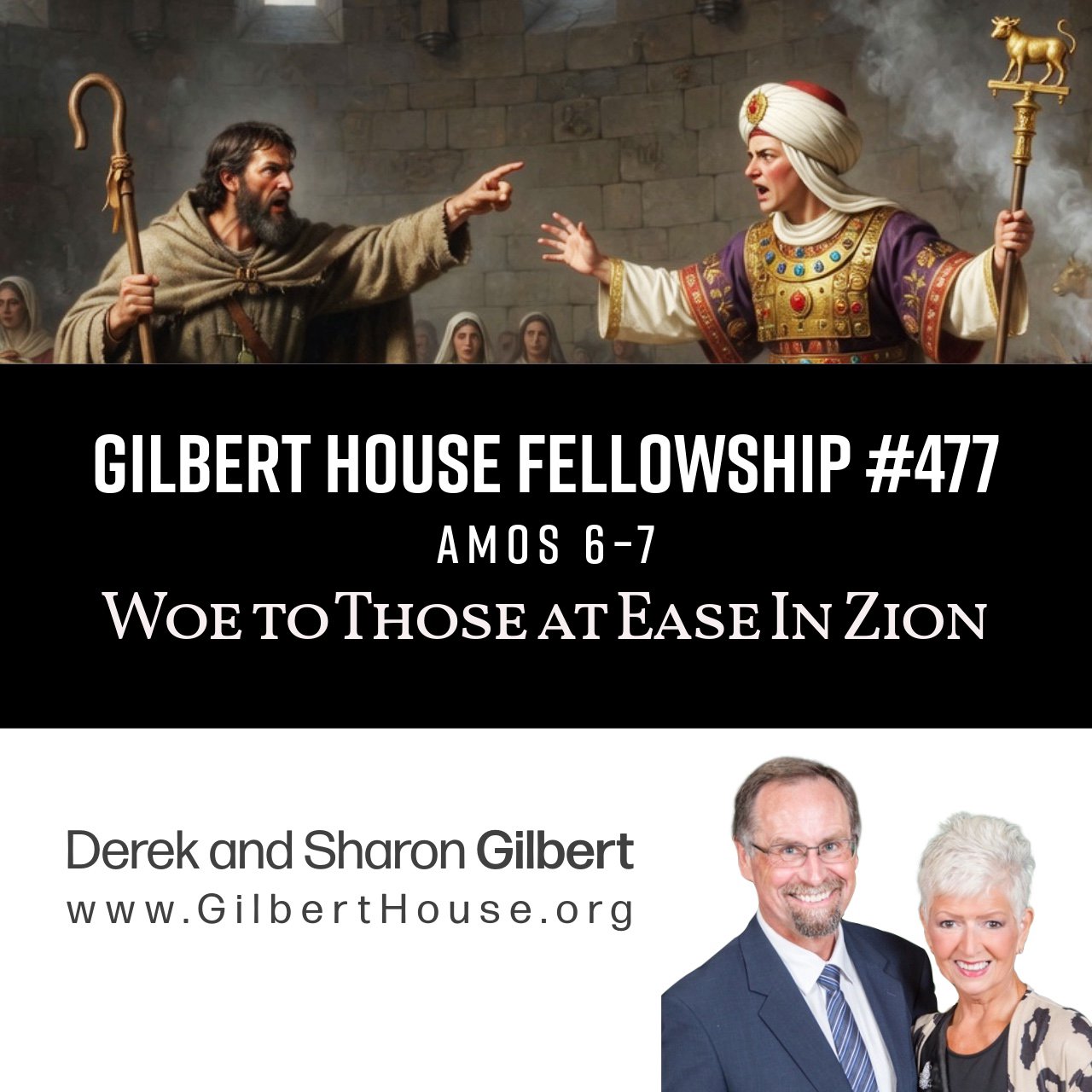
Woe to Those at Ease in Zion
Apr 1201:39:11Summary readyPROPHESYING DOOM and destruction during a time of peace and prosperity does not make one popular with the ruling elites. Amos discovered this while declaring God’s judgment on the northern kingdom of Israel during the reign of Jeroboam II (reigned 793–753 BC), the time of Israel’s greatest power. The prophet was confronted by Amaziah, the priest of Bethel, and told to flee to the southern kingdom of Judah, which prompted the Lord to tell the priest that his wife would be forced into prostitution, his children would fall by the sword, Amaziah would die in a foreign land, and Israel would be taken away into exile.These things did come to pass in 732 BC, when Assyria conquered Israel and captured the capital city of Samaria.We also discuss the strange reference in the Septuagint to “King Gog” or “Agag, the king” in Amos 7:1, which is quite different from the ESV rendering, “the king’s mowings” (or the NET translation, “the royal harvest”). Apparently the LXX translators didn’t know what to make of the literal Hebrew (“the mowings of the king”) but recognized the context as a prophecy of destruction. Agag was the Amalekite king spared by Saul (and then executed by Samuel). In the book of Esther, Haman, the Persian official who plotted the genocide of the Jews (and thus a symbol of hatred toward Jews), was called “the Agagite.” Gog, a reference to Ezekiel 38–39, is the great end times enemy of God—essentially the Old Testament conception of the Antichrist. Thus, the Septuagint translators who struggled to interpret an archaic reference simply plugged in a similar-sounding word (Gog or Agag) that preserved the context of a prophesied supernatural enemy of God and Israel.
Summary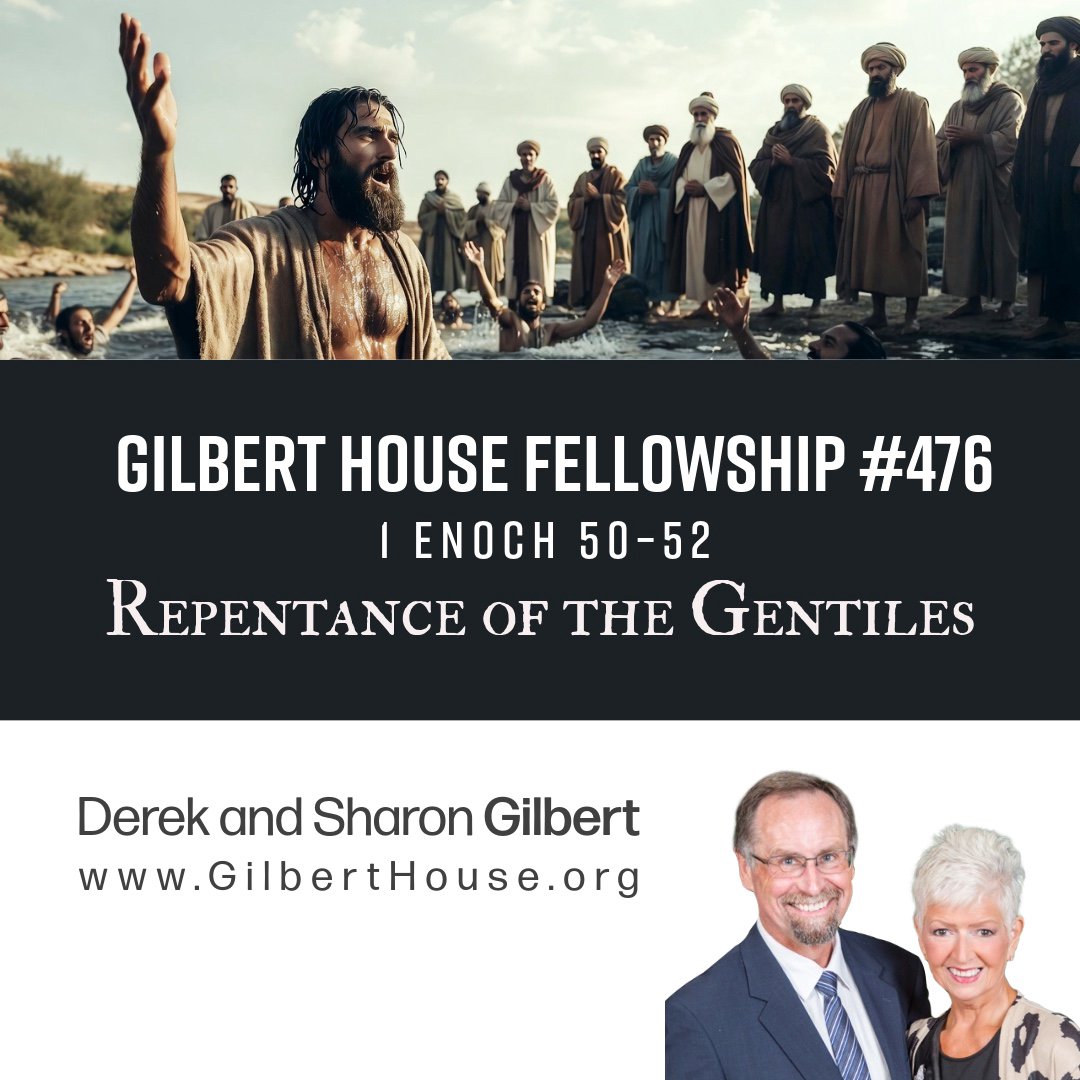
Repentance of the Gentiles
Mar 2901:27:46Summary readyJOHN THE BAPTIST taught a radical new idea: Forgiveness of sins came through repentance, not ritual—even for Gentiles. And this new doctrine was first introduced in the Book of 1 Enoch. John’s teaching came from 1 Enoch 50:2–3: He heaped evil upon the sinners; but the righteous ones shall be victorious in the name of the Lord of the Spirits. He will cause the others to see this so that they may repent and forsake the deeds of their hands. There shall not be honor unto them in the name of the Lord of the Spirits. But through his name they shall be saved, and the Lord of the Spirits shall have mercy upon them, for his mercy is considerable. (James H. Charlesworth translation) The “righteous ones” were the Essenes. Scholars generally agree now that this section of 1 Enoch, the Book of Parables (chapters 37–71 of 1 Enoch), was written by one or more Essenes living in a community near the city of Magdala on the northwest shore of the Sea of Galilee in the last quarter of the 1st century BC—in other words, just before the birth of Jesus. “The others” referred to Gentiles (and Jews who didn’t follow the Law). The idea that Gentiles could be saved was a radical departure from traditional Jewish (and Essene!) teachings, which is why priests and Levites from Jerusalem came to interrogate John. We also find a prophecy of resurrection—including the resurrection of “the Elect (or Chosen) One.”
Summary
Prepare to Meet Your God, O Israel
Mar 2201:36:04Summary readyTHE IMMINENT DESTRUCTION of the northern kingdom of Israel by Assyria was prophesied by Amos. Israel’s failure to repent despite God’s repeated efforts to get the attention of the people is highlighted in Amos 4, and chapter 5 is a warning of the punishment to come upon Israel and God’s rejection of their feasts and sacrifices. We also explain why the “cows of Bashan…on the mountain of Samaria” (Amos 4:1) are divine, not bovine, and why the reference to “Sikkuth your king, and Kiyyun your star-god” (Almost 5:26), quoted by the apostle Stephen in Acts 7:43 (“You took up the tent of Moloch and the star of your god Rephan”), is not connected to the Star of David.
Summary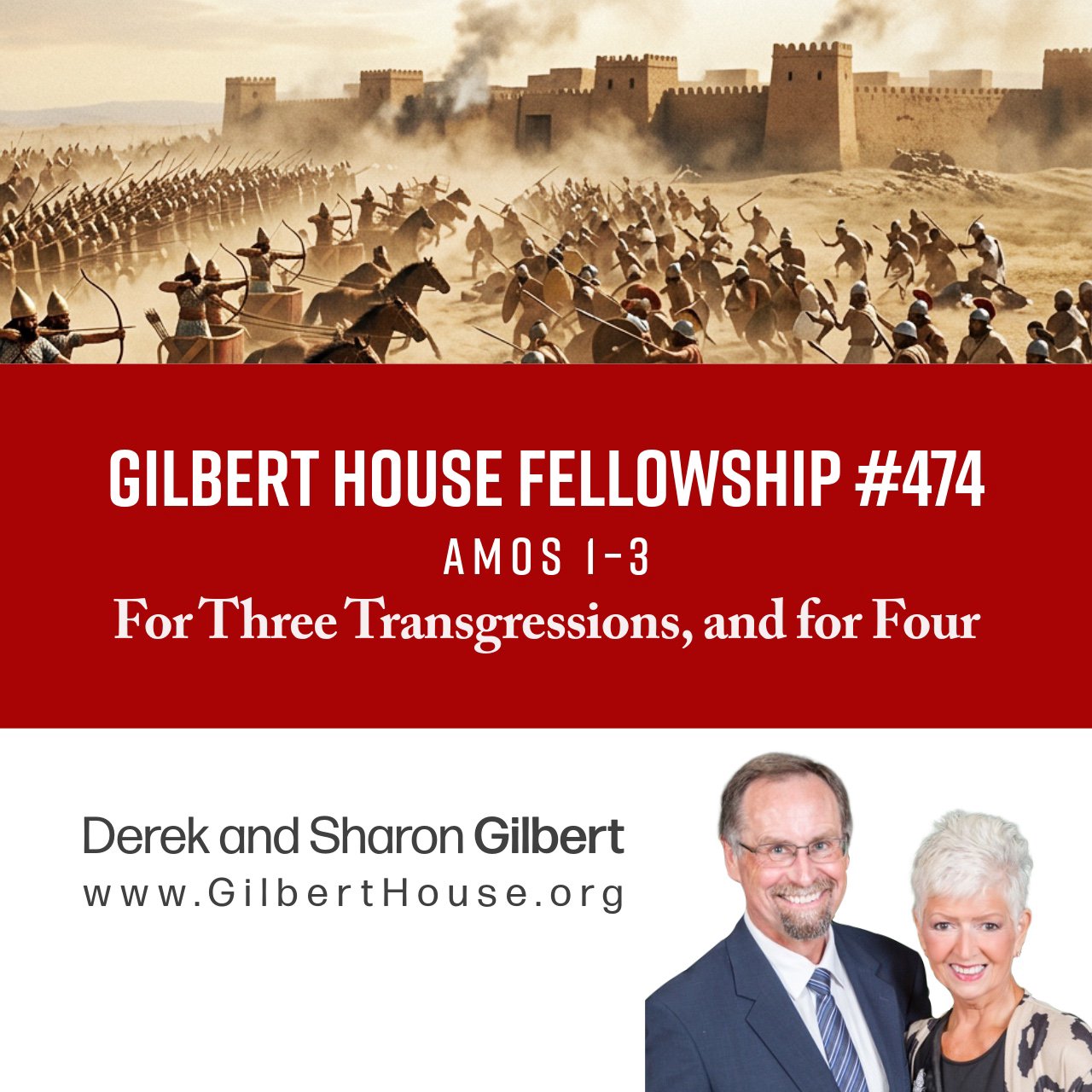
For Three Transgressions, and for Four
Mar 1501:33:01Summary readyAMOS WASN’T a trained prophet, yet his words resonate today, highlighting the injustices and moral decay of society. It’s a stark reminder that the rich must not oppress the poor, a message as relevant now as it was then. This week, we begin to explore the Book of Amo, focusing on its key messages and relevance today. Amos addressed social injustice and religious corruption in ancient Israel. Amos, a shepherd from Tekoa, delivered his messages during a time of relative peace and prosperity in Israel, specifically around the 8th century BC. However, this prosperity came at a cost, as the rich oppressed the poor, and religious practices deviated from true worship. The Book of Amos begins with God’s proclamation of judgment on the neighbors of Israel and Judah: Aram, Ammon, Moab, Edom, Tyre, and Gaza (the Philistines). But His harshest words were reserved for Judah and especially the northern kingdom of Israel.
Summary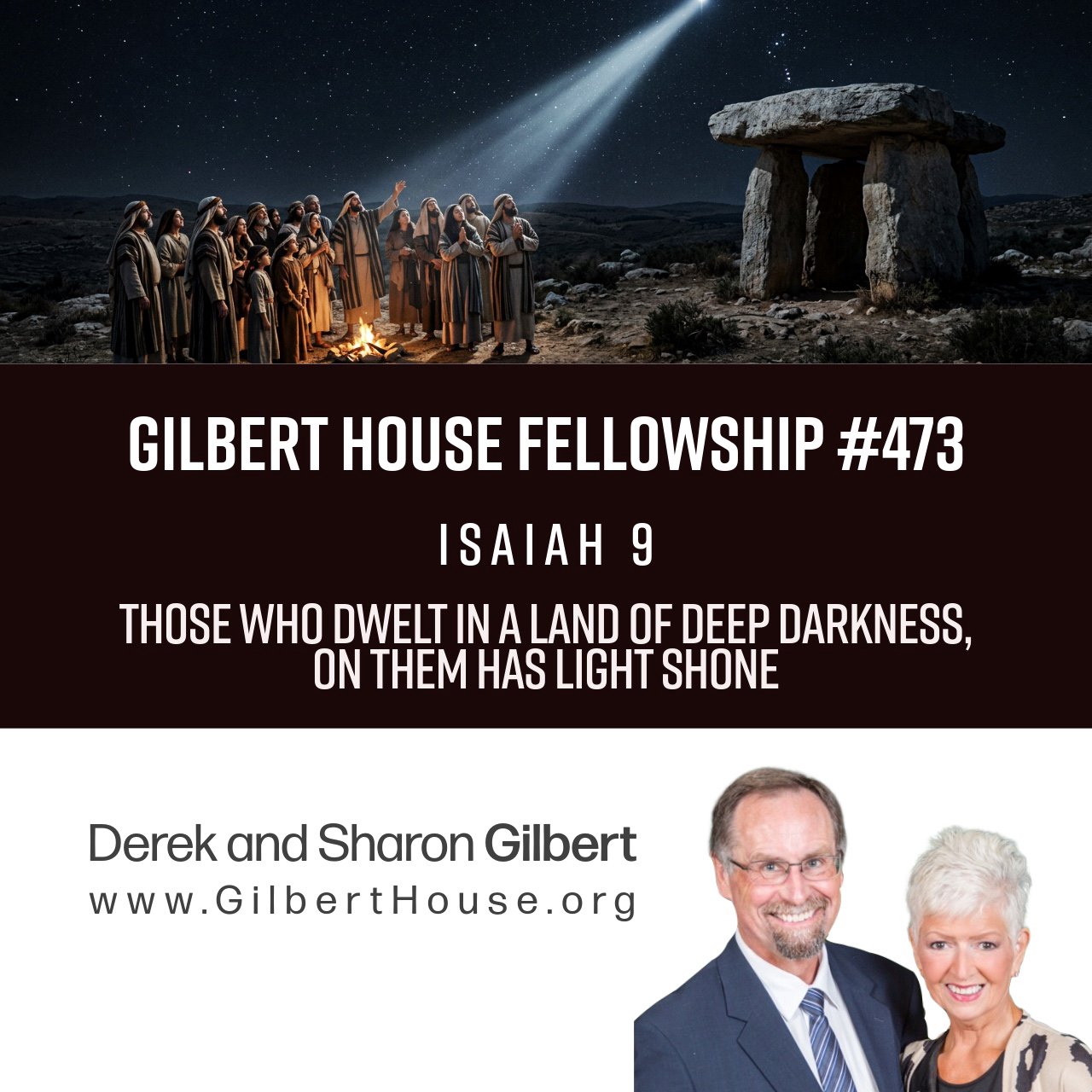
Those Who Dwelt in a Land of Deep Darkness, On Them Has Light Shone
Mar 801:33:42Summary readyISAIAH’S PROPHECY of a coming, Messiah included for seeing where Jesus would declare war on the fallen realm. Chapter 9 of the book of Isaiah picks up where the prophet left off, condemning the people of Israel, for consulting the dead on behalf of the living. His prophecy that a light would shine on those dwelling in a land of deep darkness was cited by Matthew as fulfilled when Jesus moved from Nazareth to Capernaum. We connect this to Psalm 23 in the valley of the shadow of death, which in our view is the Jordan River Valley between Mount Hermon and the Sea of Galilee. Isaiah 9 also includes the prophecy of a coming Savior who is called “Wonderful Counselor, Mighty God, Everlasting Father, Prince of Peace” (Isa. 9:6). We discussed the interesting rendering of this verse in the Lexham English Septuagint, in which “Wonderful Counselor” is translated “Messenger of the Great Council.” The second half of this chapter is devoted to God's judgment on the northern Kingdom of Israel, which was fulfilled when the Assyrians overran and conquered Samaria in 722 BC.Here is a link to a PDF copy of the R. H. Charles translation of The Ascension of Isaiah (link opens PDF document).
Summary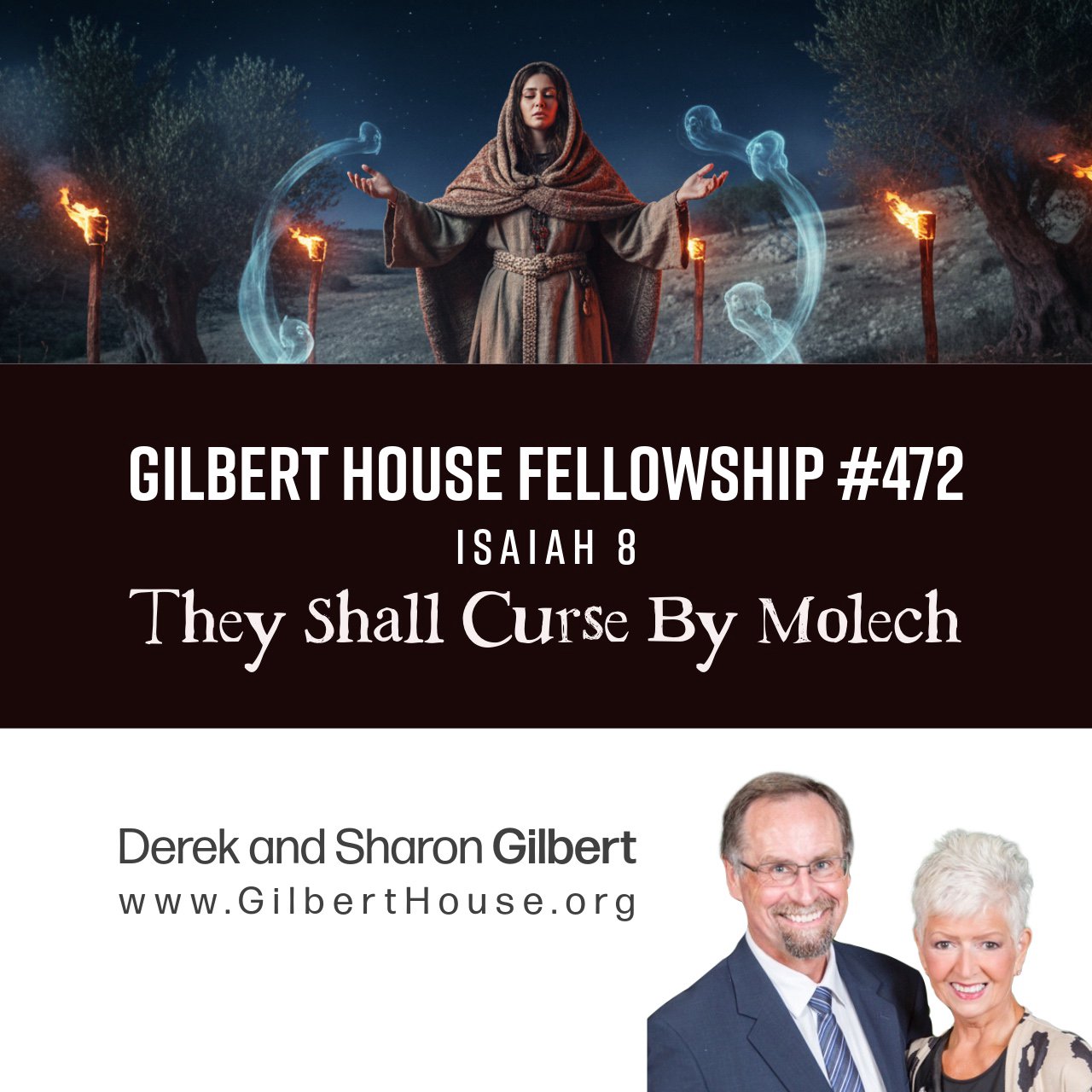
They Shall Curse by Molech
Feb 801:20:28Summary readyISAIAH REPEATEDLY condemned the practice of summoning spirits from the netherworld. It’s not always apparent because translators often didn’t have an understanding of the cult of the dead that surrounded ancient Israel, and the impact it had on the Israelites. After prophesying the imminent destruction of the northern kingdom of Israel by Assyria, the prophet condemned the people of Judah for turning to mediums and necromancers to ”inquire of the dead on behalf of the living”. Derek wrote about Isaiah 8:18–22 in The Second Coming of Saturn: The prophet described those who looked to the spirit realm for oracles as people who were already dead: They live in darkness, and they’re “greatly distressed and hungry,” like the pagan dead of Mesopotamia who are not properly cared for by their descendants. In verse 21, Isaiah makes the connection to the dead explicit, writing that these unhappy souls will “pass through” the land. The Hebrew verb ‘ābar is based on the same root, ʿbr, from which we get ʿōberim—“Travelers,” as in the spirits of the dead who “travel” or “cross over” from the land of the dead to the world of the living; it’s the same word used by the pagan Canaanites to describe the Rephaim summoned from the underworld through rituals to the threshing-floor of El on Mount Hermon. What Isaiah described is the punishment for those who defied God by using ritual pits to summon the spirits of the dead—they become like the unhappy dead themselves. When they realize their fate, “they will be enraged.” But in the context of the passage, with an understanding of the cult of the dead and the role of the “king” god in it, a better translation of the following sentence is this: “And they shall curse by Molek and by their ghosts.” (Elohay, the word translated “ghosts,” isn’t always a reference to God. The basic meaning is “one who lives in the spirit realm.” Context is king, and here “ghosts” or “spirits” is a more accurate reading than “God.”) -- The Second Coming of Saturn, p. 188.
Summary